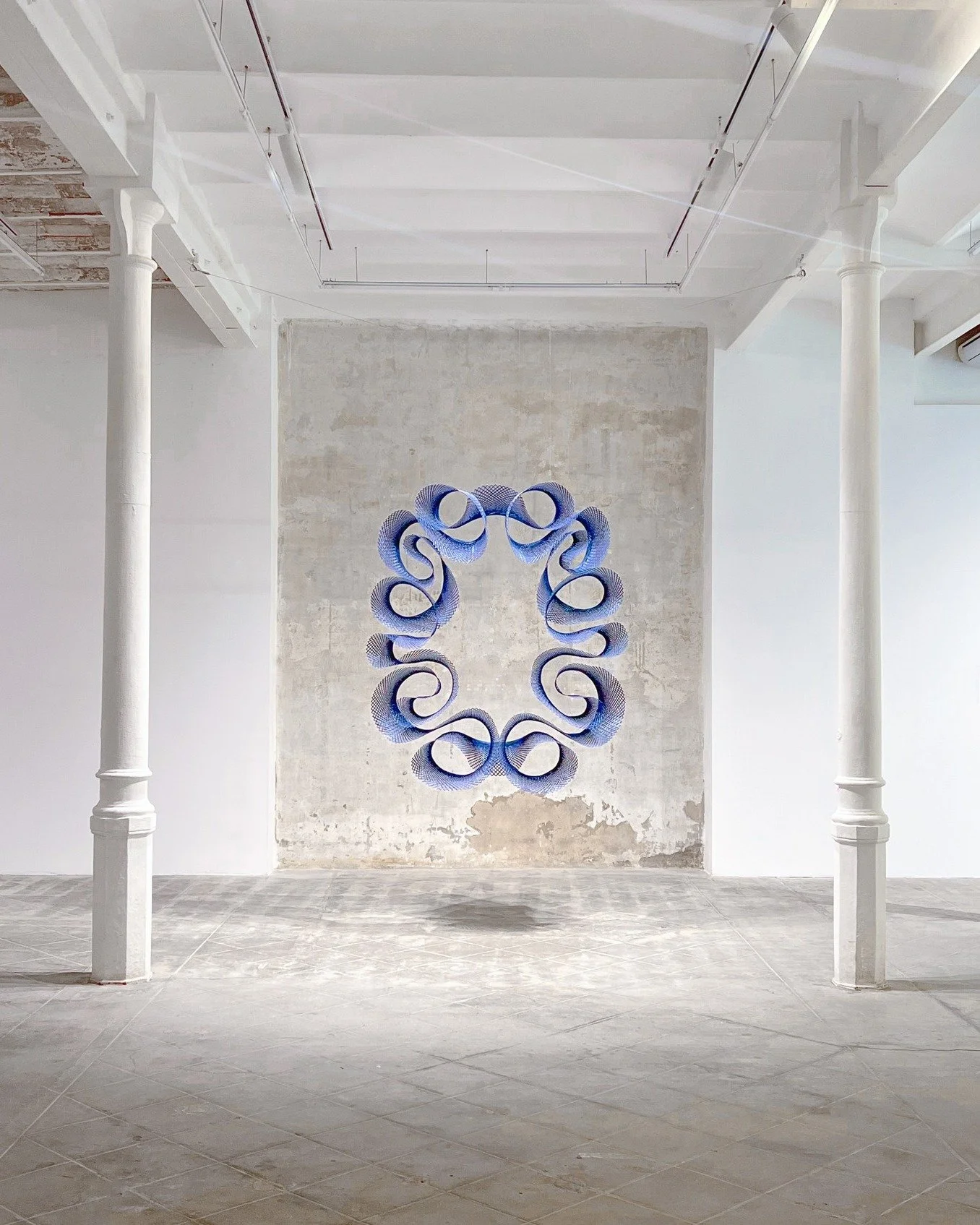
Artists’ Talk
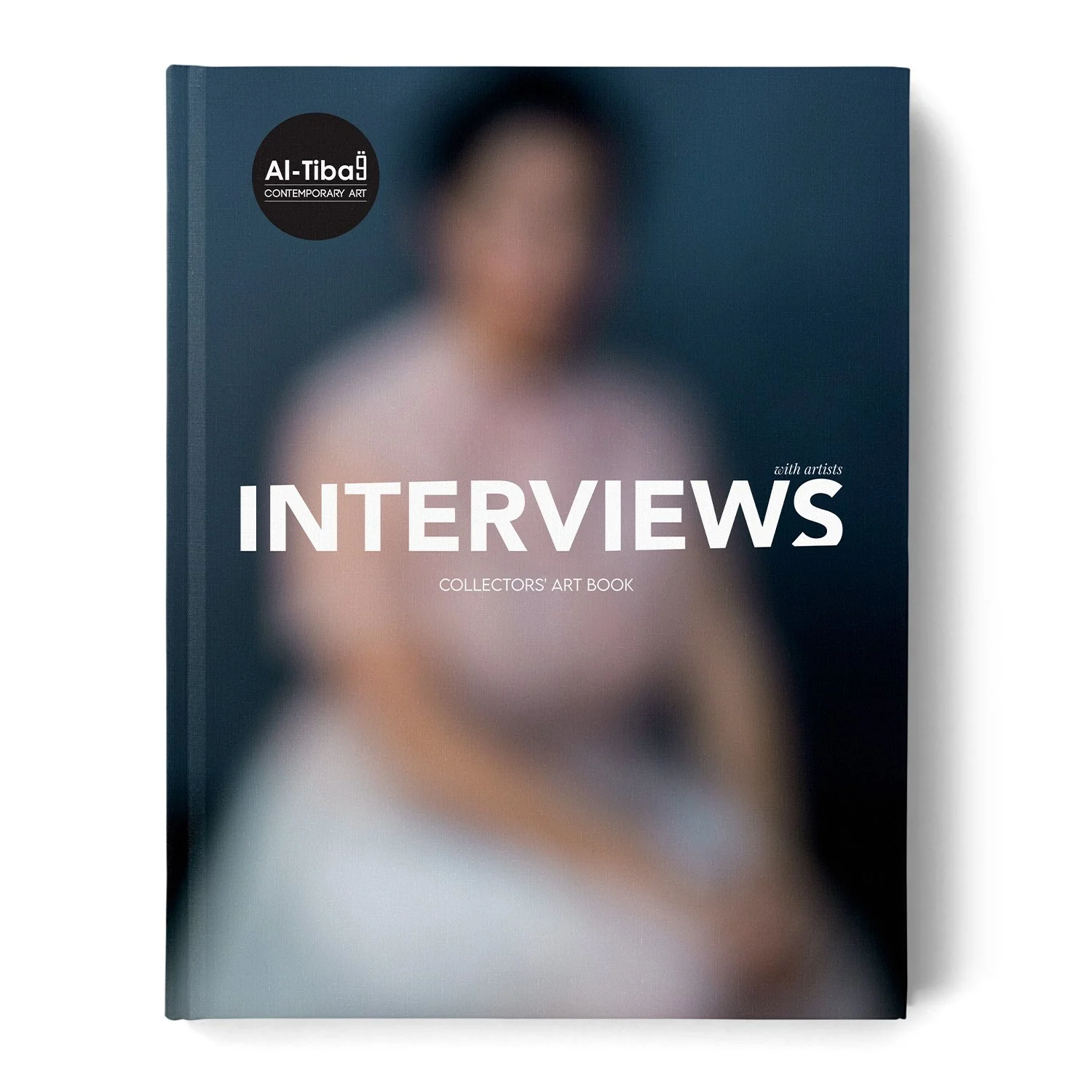
Al-Tiba9 Interviews is a promotional platform for artists to articulate their vision and engage them with our diverse readership through a published art dialogue. The artists are interviewed by the founder & curator, Mohamed Benhadj, to highlight their artistic careers and introduce them to the international contemporary art scene across our vast network of museums, galleries, art professionals, art dealers, collectors, and art lovers across the globe.
Are you an artist, designer, performer and would you like to be featured on our platform?
SUBMIT YOUR WORK FOR AN INTERVIEW
Send us your work NOW!!
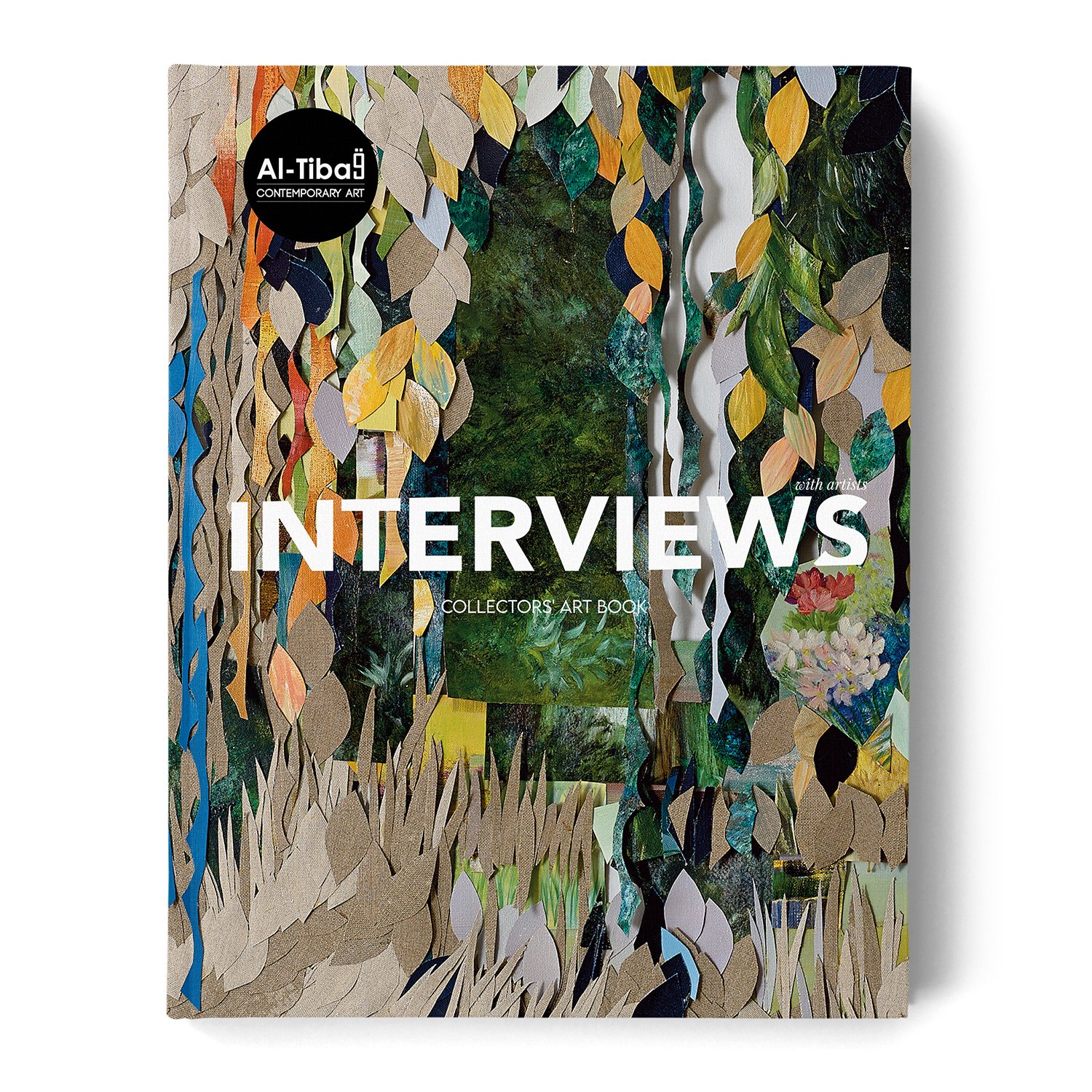
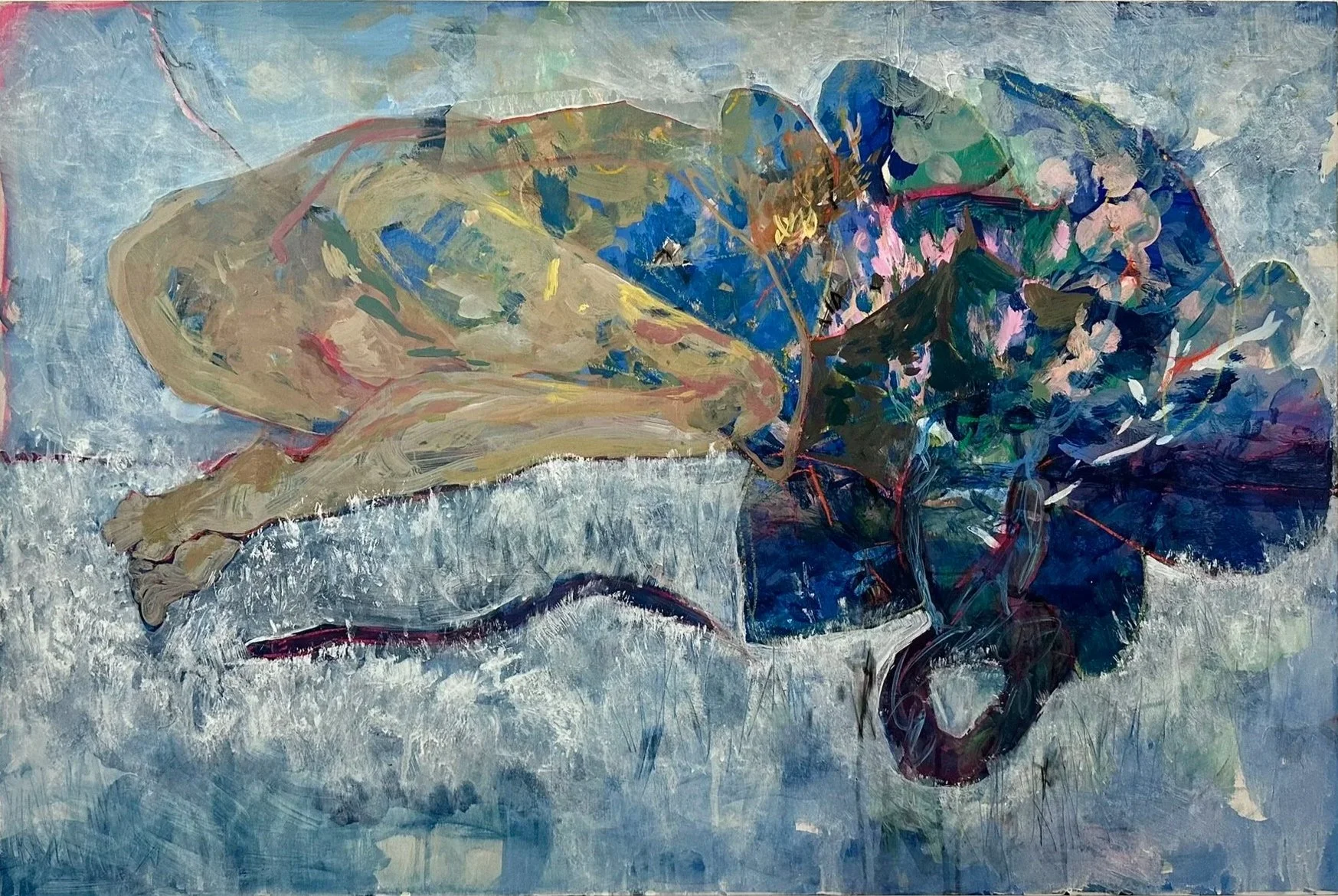
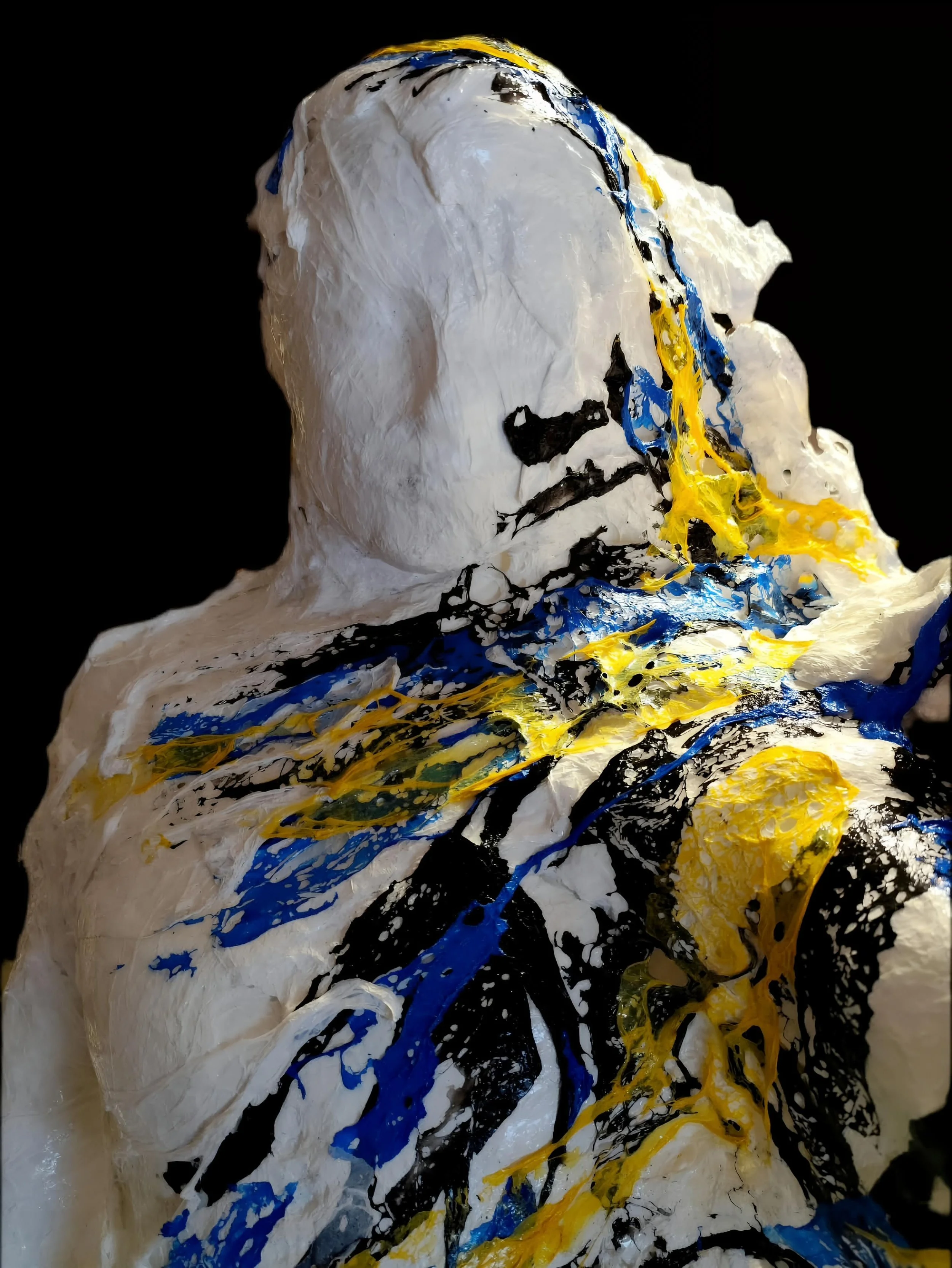
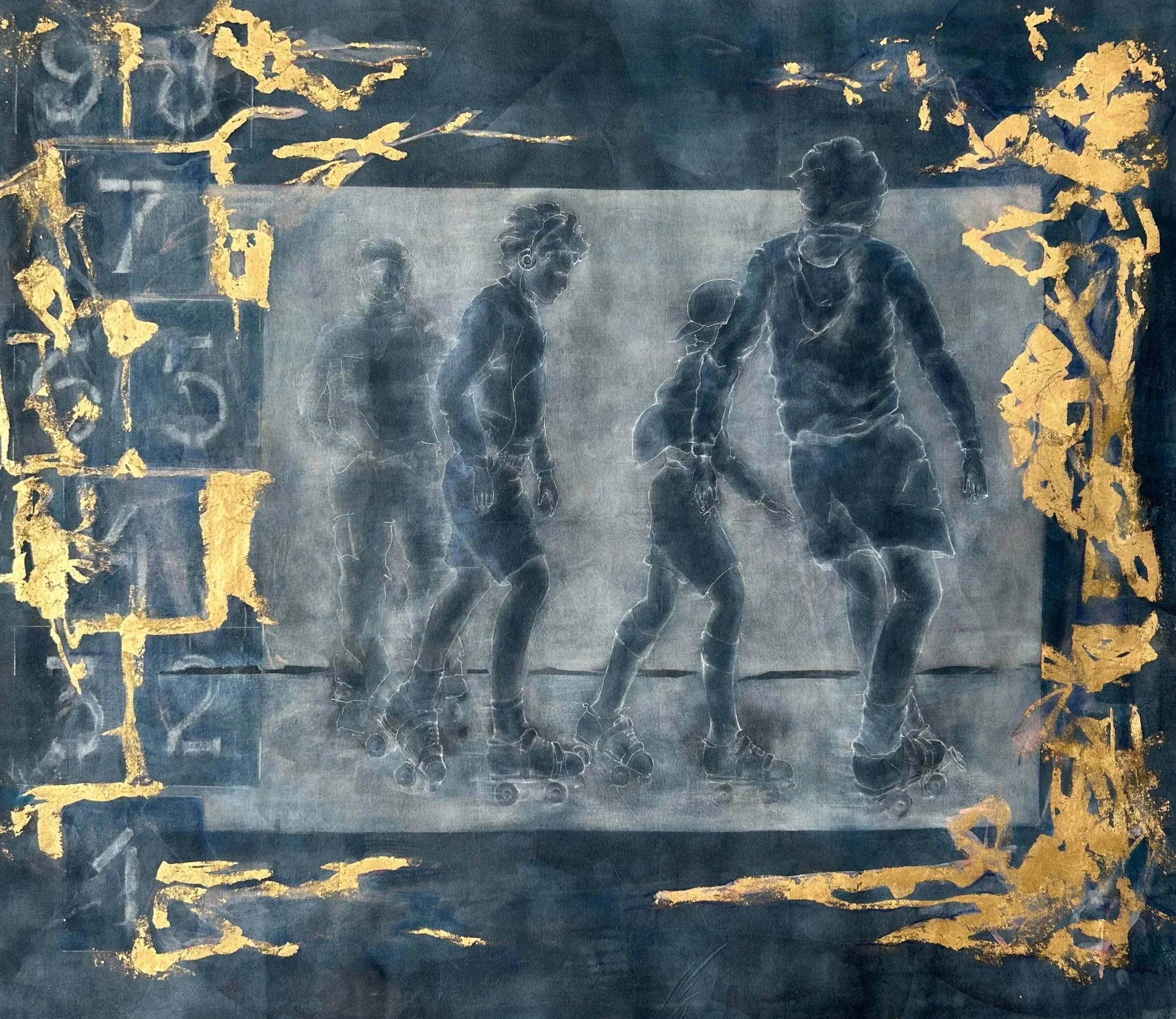
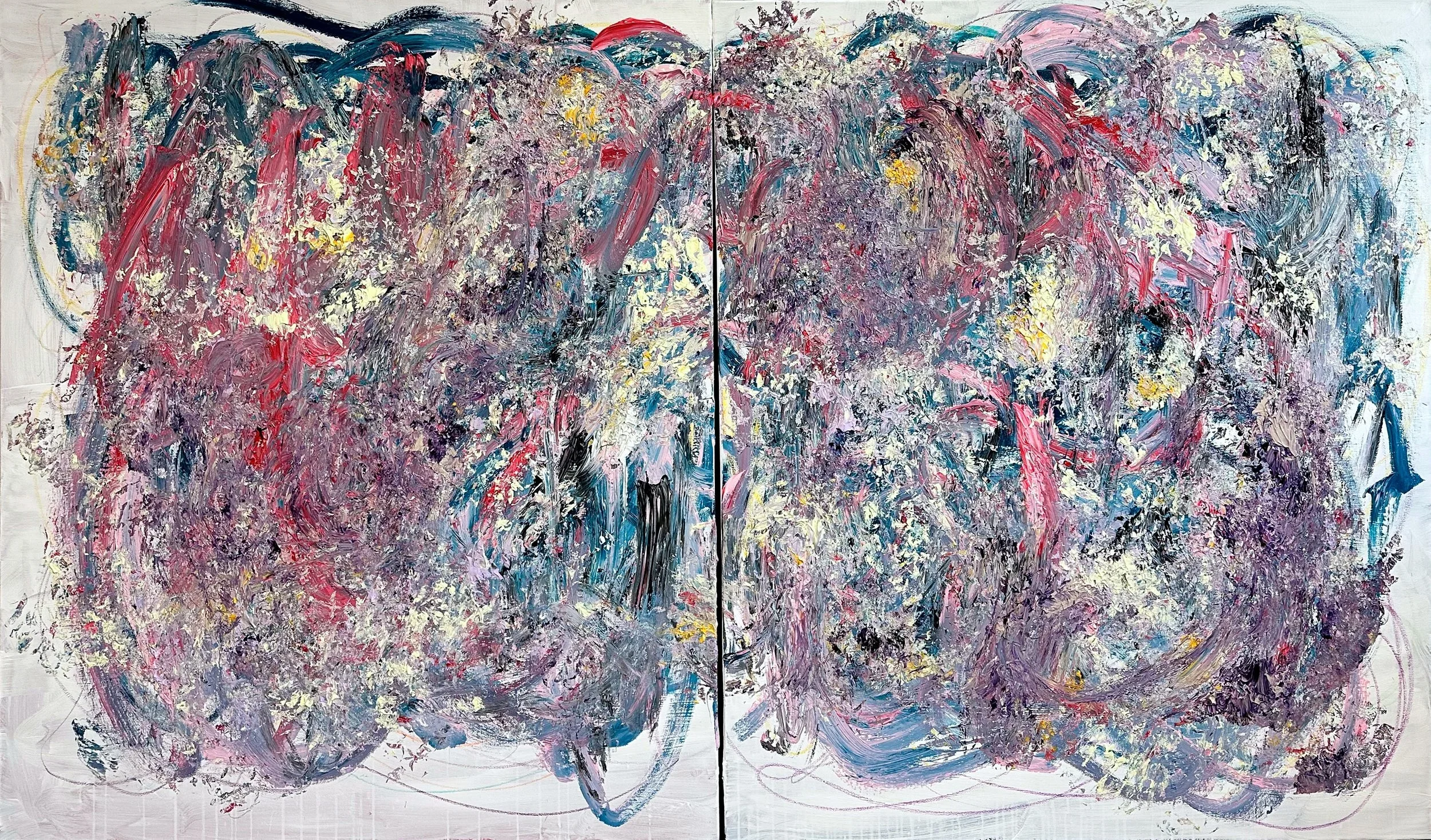
Carla D'Amato's work grew from a close observation of life’s contrasts and the human condition. With an architectural foundation and European training that expanded her technical range, she refined a disciplined craft while continuously pushing the boundaries of image, material, and meaning. Through an intense, ongoing exploration, Carla developed her own authored technique: Performance Painting.
Zhiyu You is a Chinese-born illustrator and tattoo artist based in New York. Her practice combines traditional painting techniques with digital drawing, forming a visual language shaped by her Chinese cultural background. Through this hybrid approach, she explores the lived experiences of women and marginalised communities, focusing on moments that are often overlooked or unspoken.
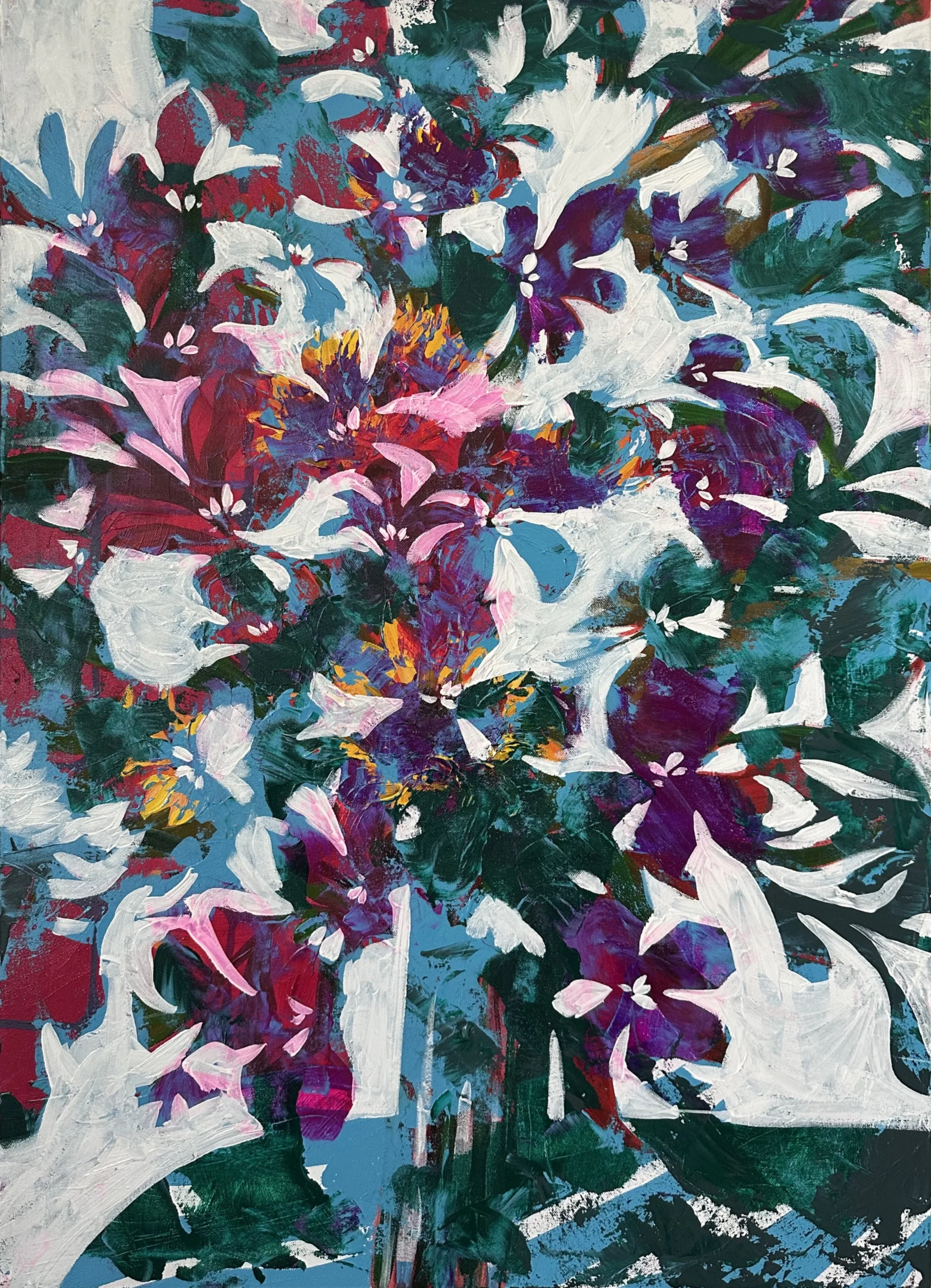
Darina Komorowski (b. 1995, Kazakhstan; lives and works in Dubai, UAE) is a painter working primarily with acrylic on canvas. Drawn to a medium that is fast, flexible, and clean in the studio, for Komorowski, a painting unfolds like a conversation: clarity of gesture and precision of decision guide the work toward meaning that can be followed through to its end.
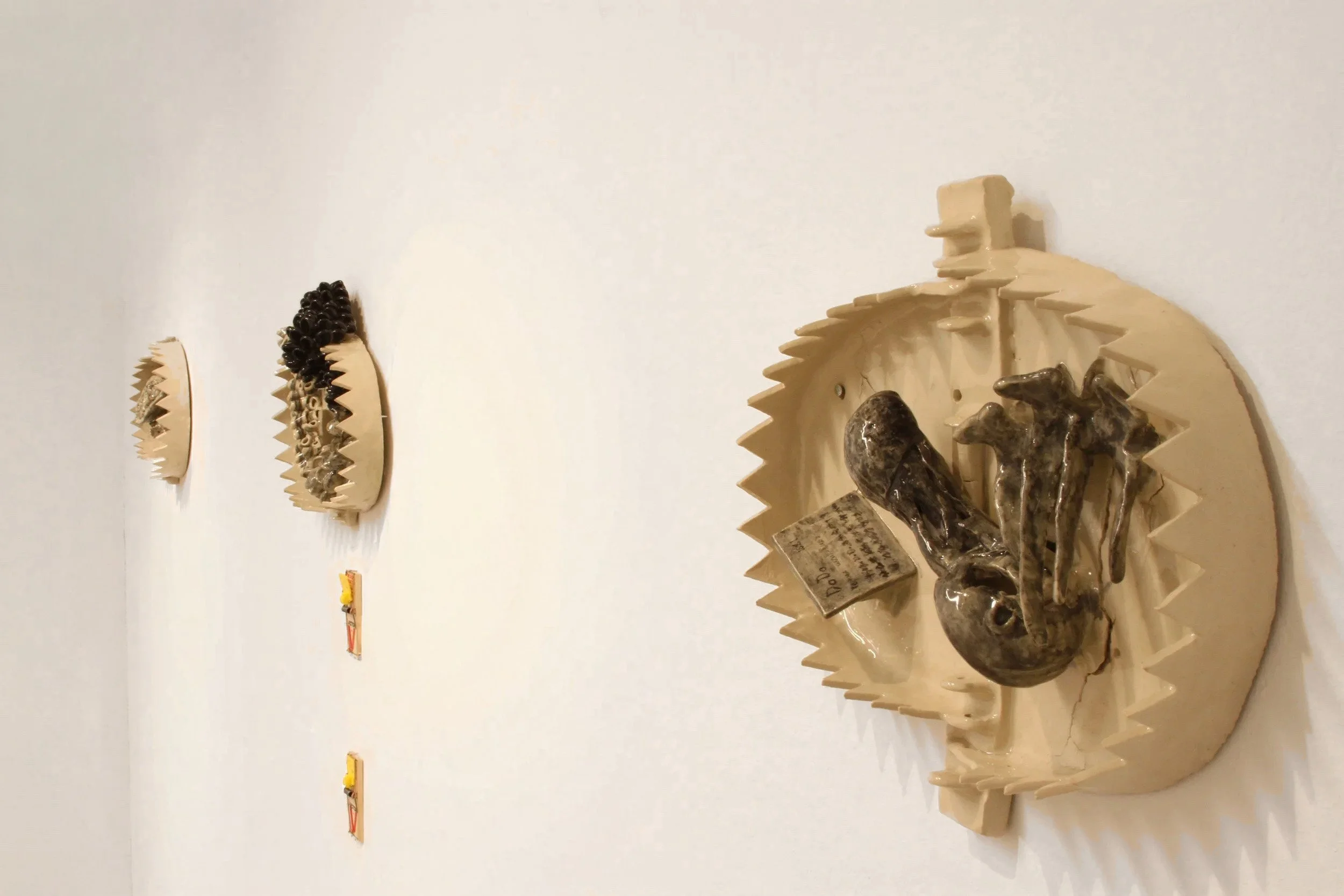
Jiwoong Jang is an interdisciplinary artist in New York City. Jiwoong's practice is built on delicate observations and connections. Working in post-photography, he explores how the charge of past experiences, pleasant or painful, informs new or anticipated encounters in unexpected ways. These instances of surprise are collected and transmuted into photography and sculpture.
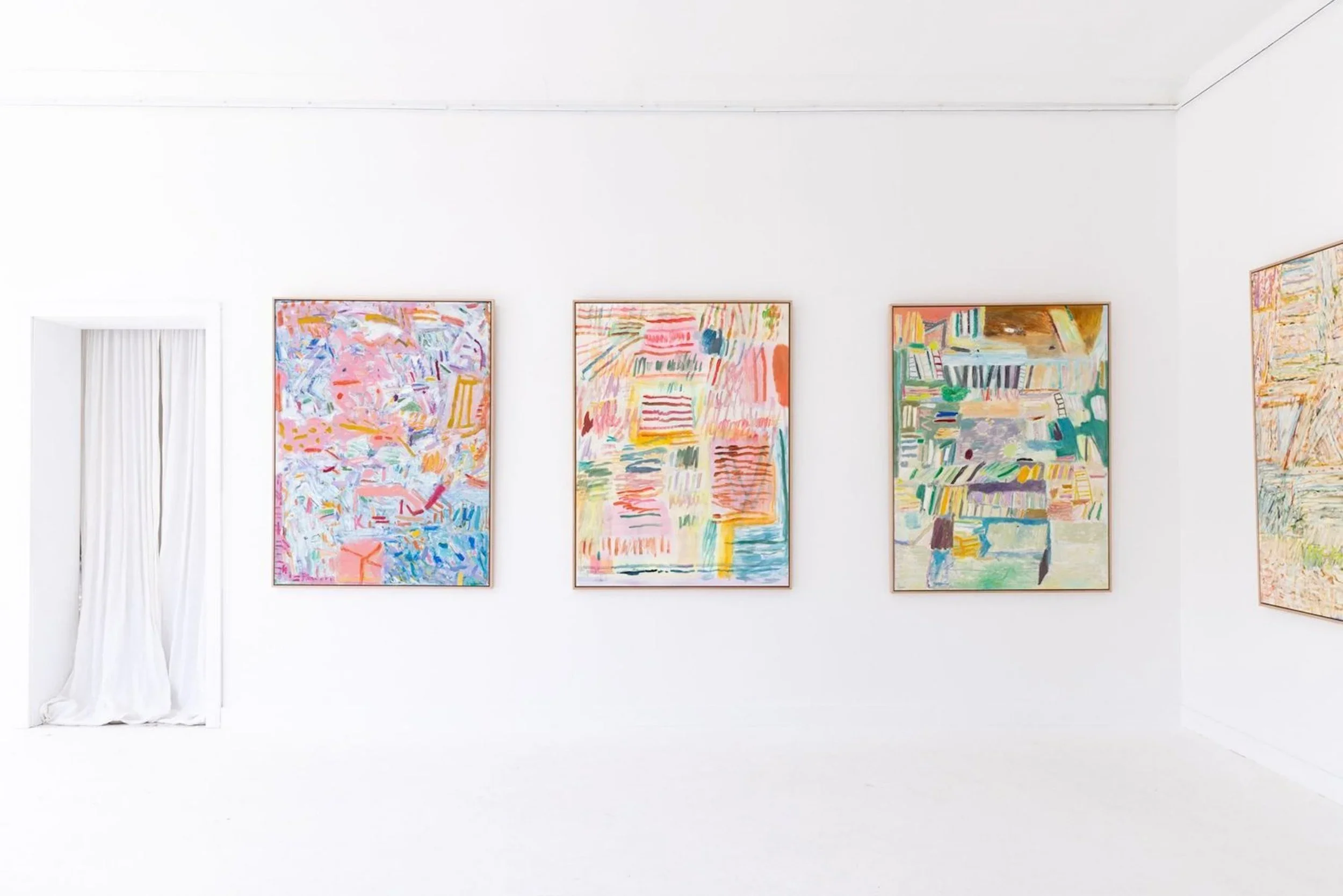
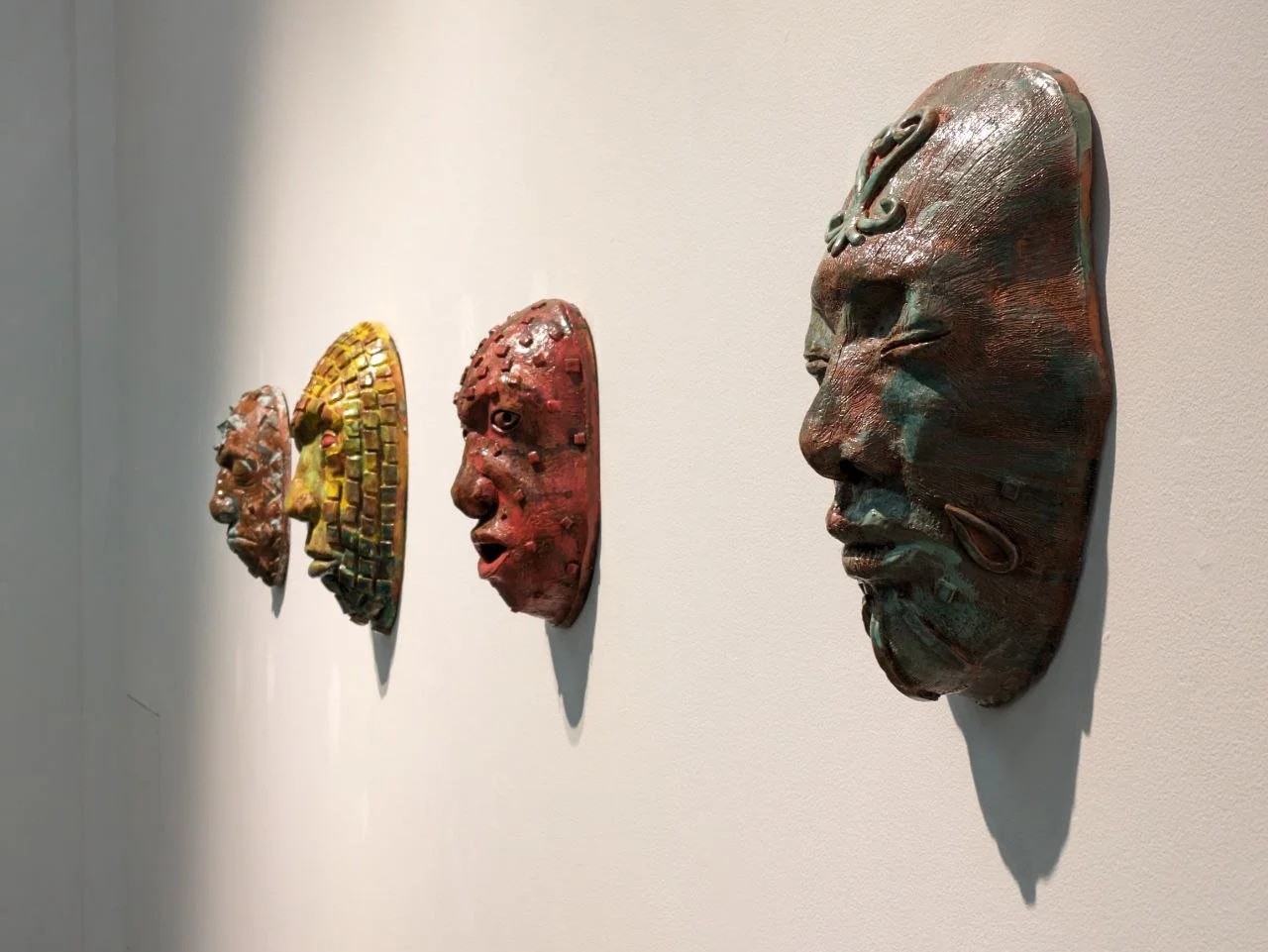
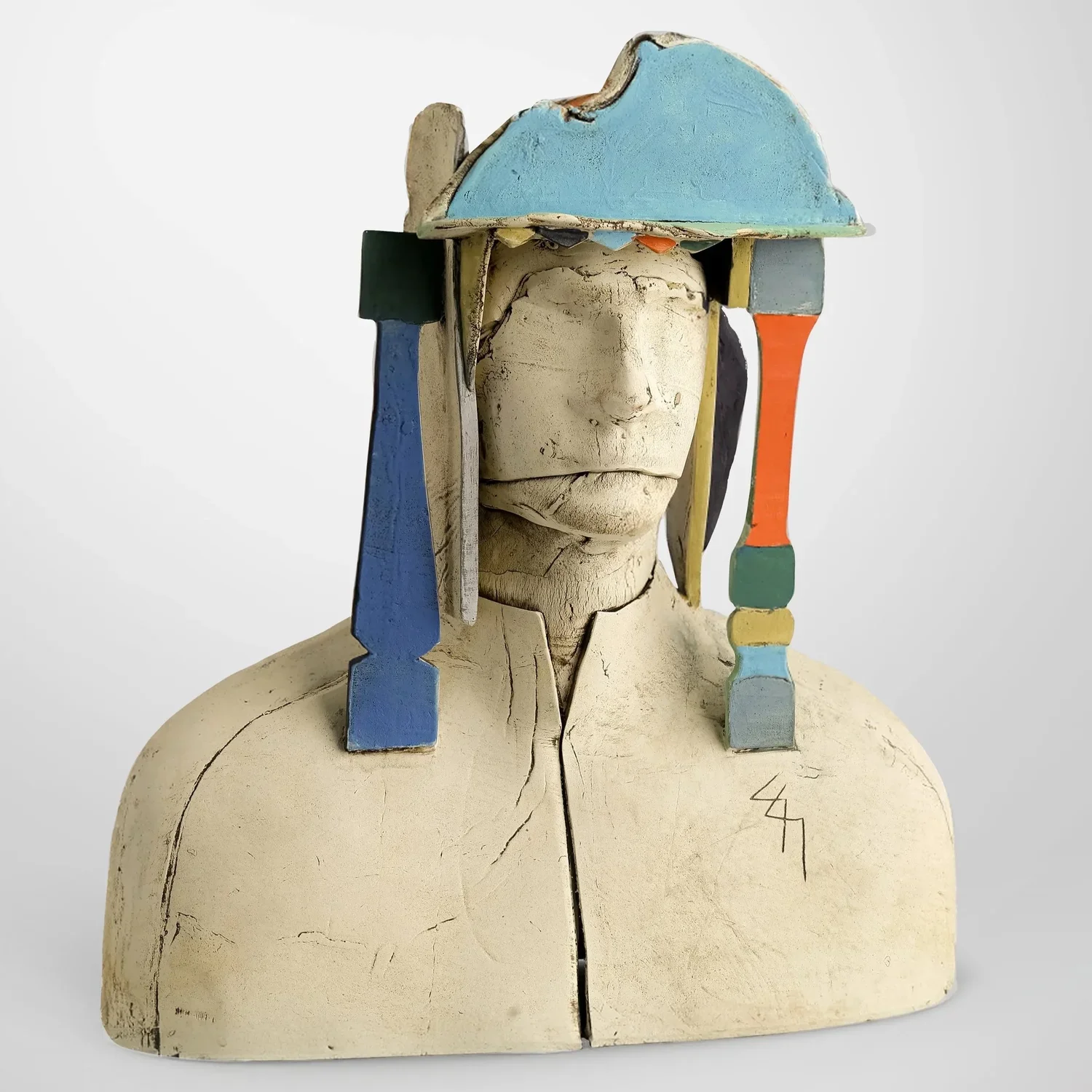
Gauri Gandhi is a conceptual artist whose work often features simple, toylike forms that deliver critical commentary with a touch of humour. Her ongoing body of work, The Stranger, centres on ceramic heads cast from a single mould, serving as a metaphor for humanity’s shared origin.states.
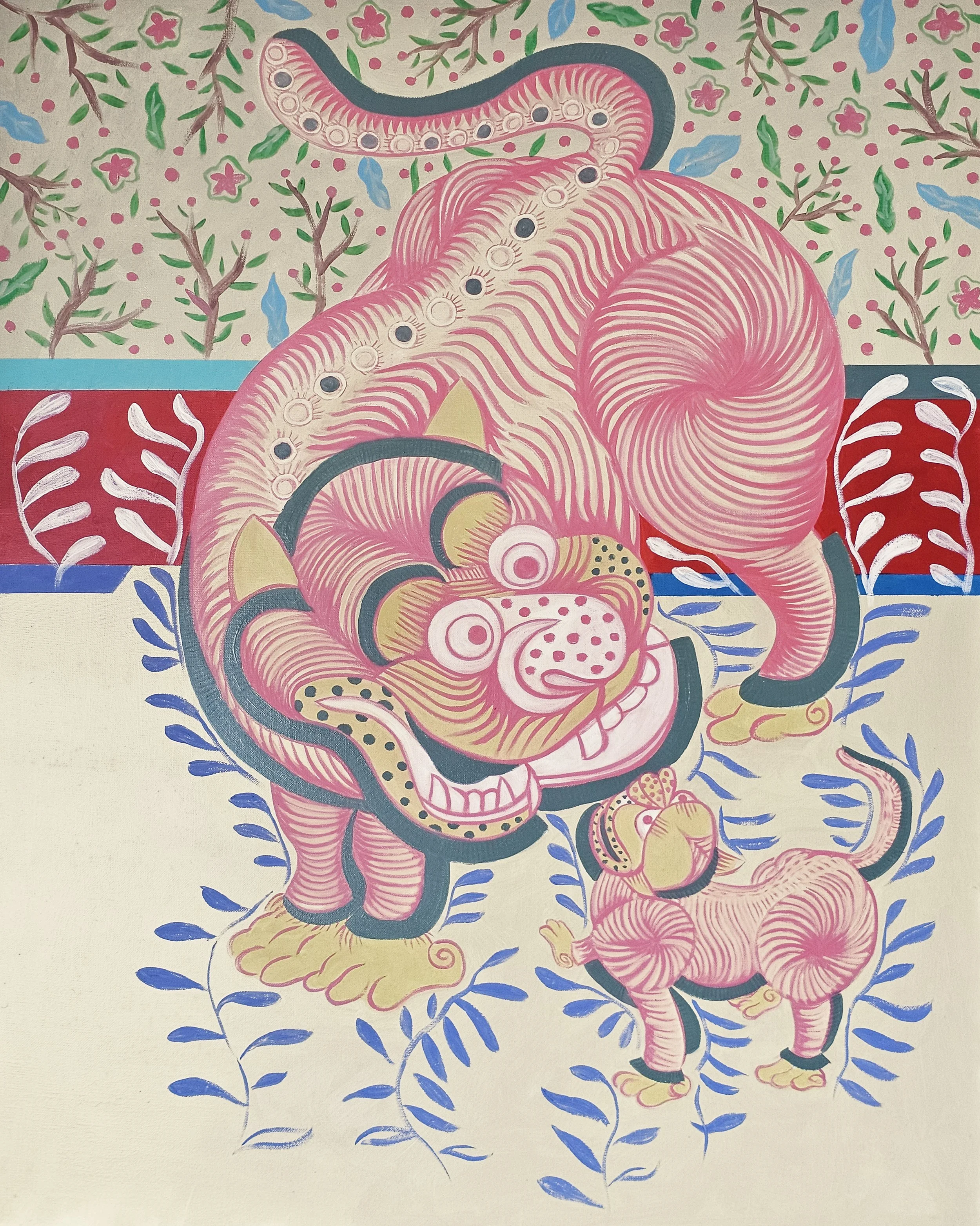
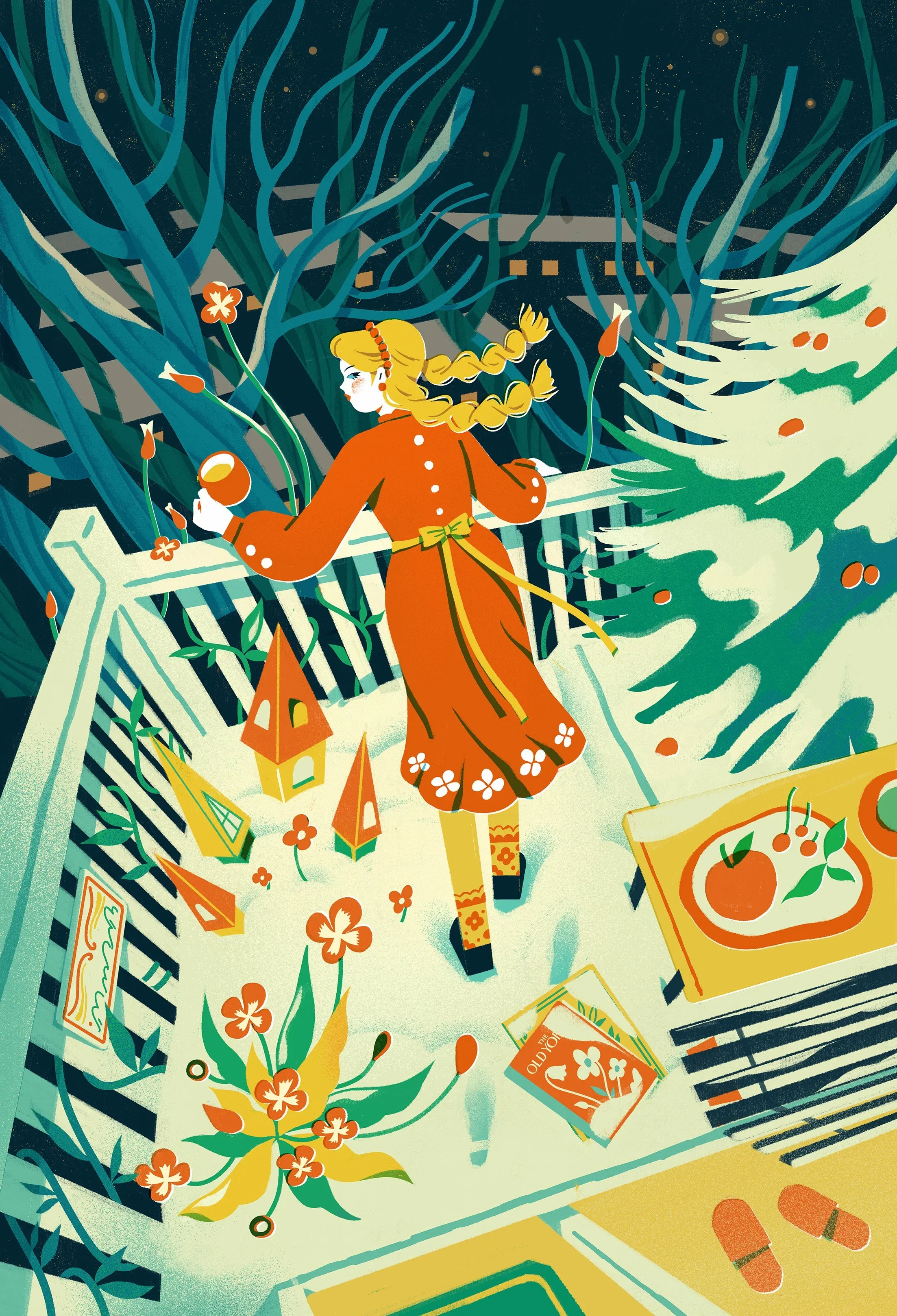
Peilin Li is an illustrator and designer at BUCK, based in Los Angeles. She works across illustration, branding, and motion. Inspired by picture books, comics, and everyday life, she creates lively, character-driven scenes that capture the humor, chaos, and warmth of ordinary moments.
Ningxin Zhang is a composer and intermedia artist based in the San Francisco Bay Area. Her practice integrates sonic art, audiovisual interaction, and computational media, with a focus on algorithmic structures, real-time systems, and responsive environments. Her work spans installation, performance, and interactive media.
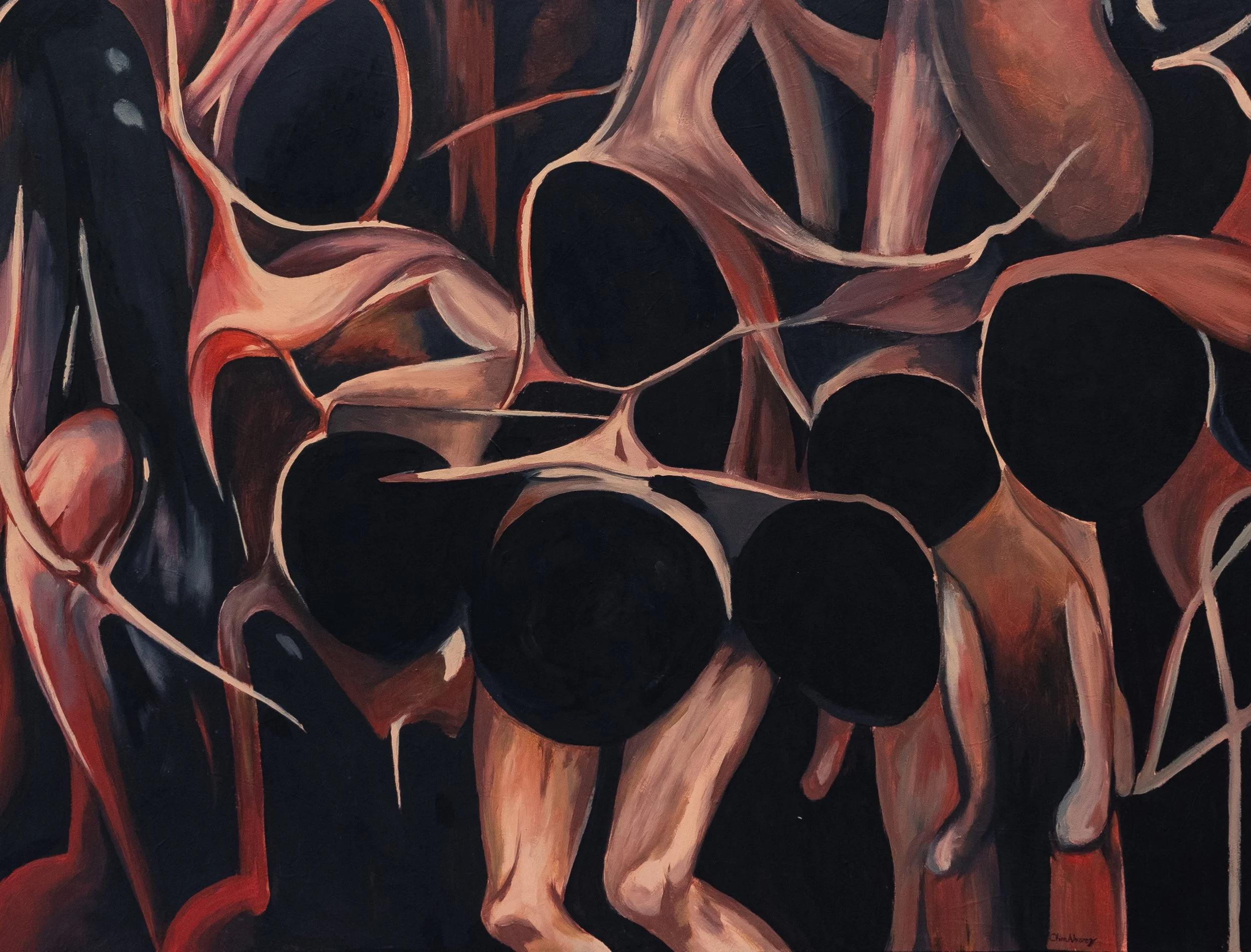
Chan Alvarez is a visual artist, art critic, and independent curator. Alvarez’s visual practice examines how identity, self-consciousness, and perception are shaped -and reshaped- across temporal and contextual conditions. Working across diverse media, his projects focus on the philosophical discourse between theoretical constructs and the phenomenological experience.
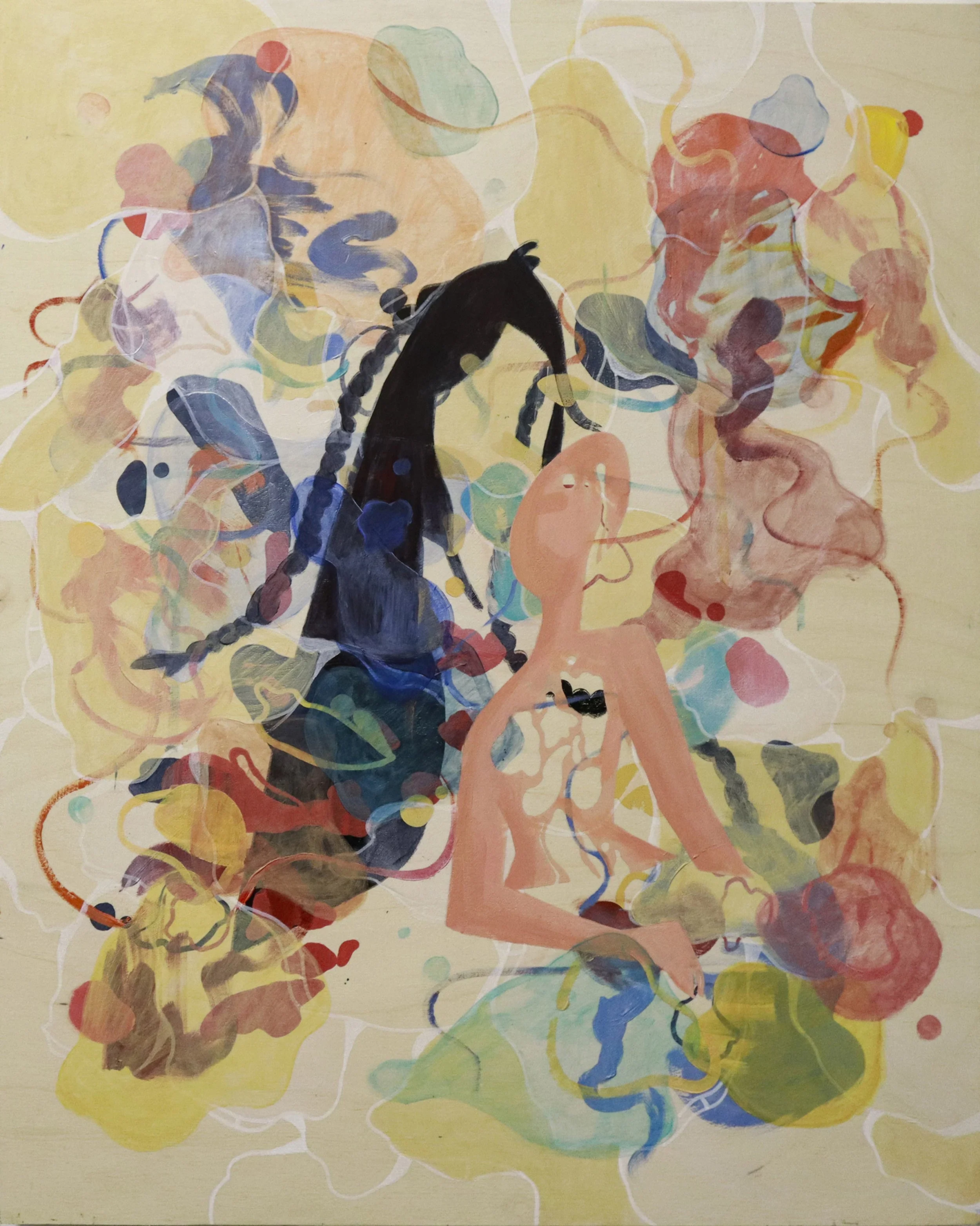
Masaaki Hasegawa’s practice explores the intersections of body, perception, language, and technology through lived experience. His practice functions as both ritual and inquiry, an attempt to access veiled mental states and to document ephemeral conditions that evade fixed meaning. Through large-scale installations, performance, and text-based works, he confronts societal norms and discomfort.
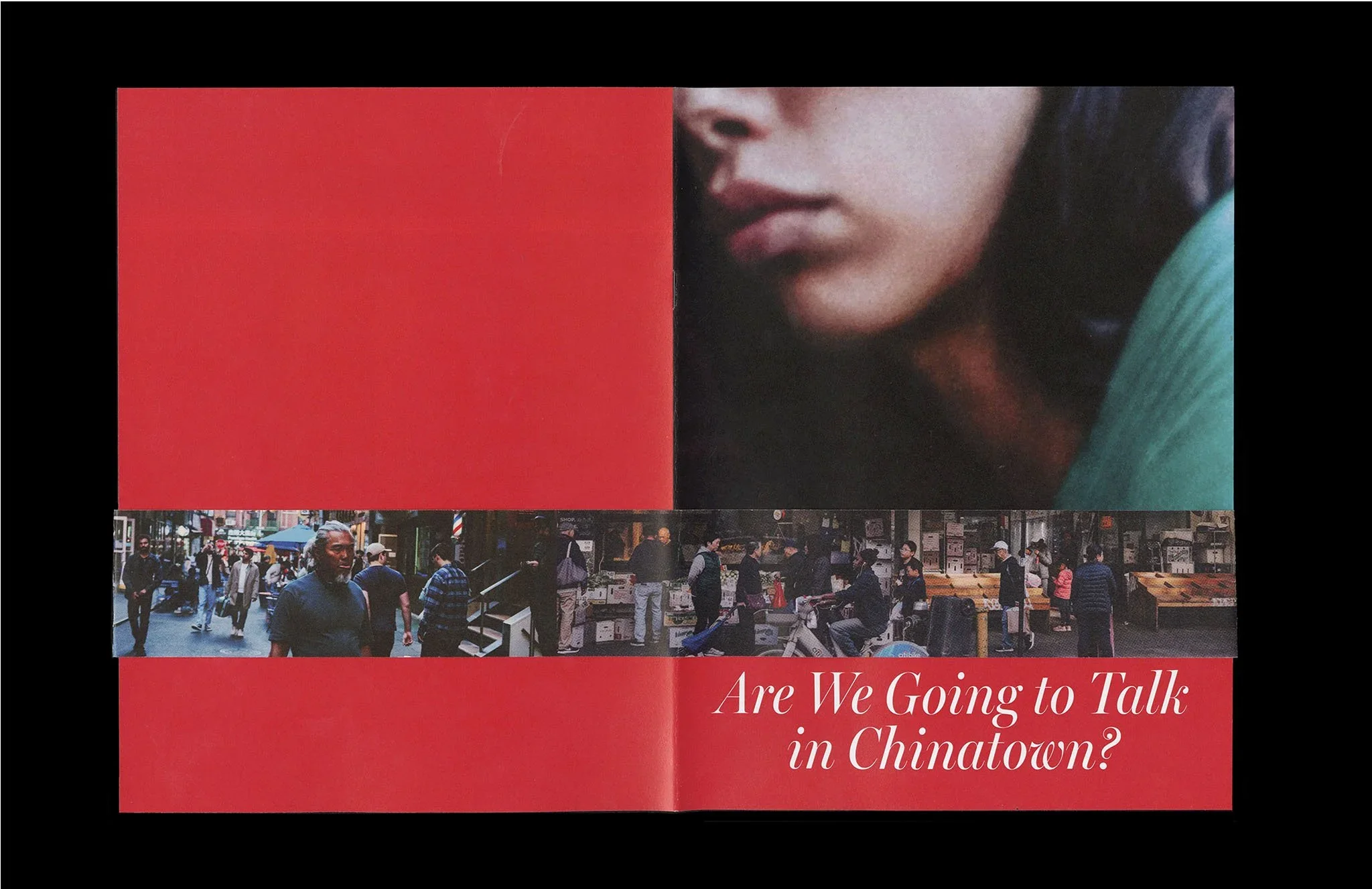
Raquel Sanchez is a multidisciplinary artist and poet based in Jerusalem. With a diverse upbringing, her artistic journey spans decades of study in painting, ceramics, sculpture, and design, both formally and informally. In her visual work, Sanchez explores light, reflection, nature, and biblical symbolism to evoke spiritual dimensions of human experience.
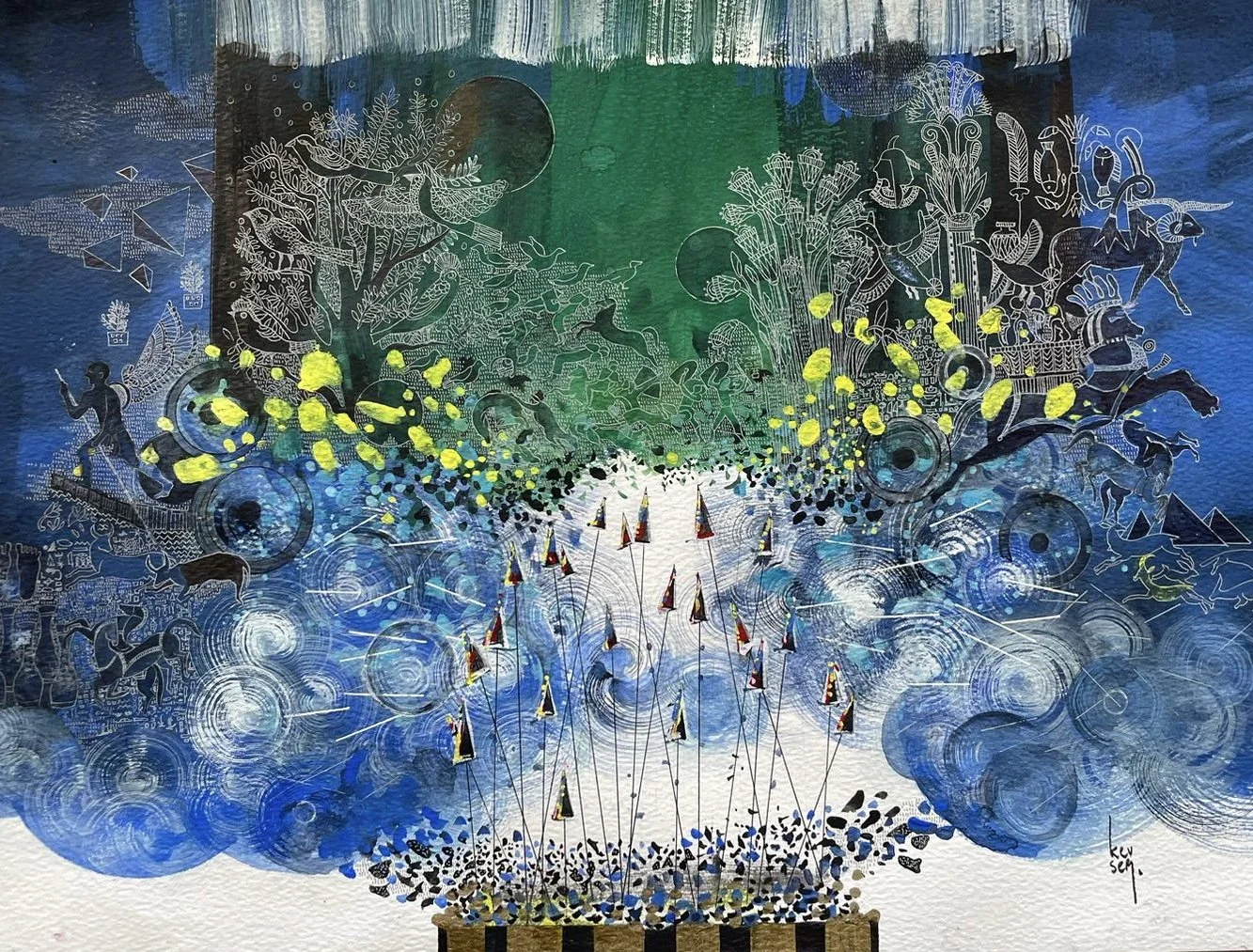
Kevser Ugurlu is a Tokyo and Sydney-based contemporary visual artist whose practice is shaped by long-term engagement with drawing and painting. Grounded in a search for freedom and shaped by the desire to break away from systems of control and authoritarian structures, her work takes a critical view of social, political, and cultural realities, pushing the boundaries of visual storytelling.
David Miller is a London-born conceptual visual artist and storyteller whose work explores memory, identity, and constructed experience through AI-assisted image making. A Goldsmiths College graduate, Miller’s practice is rooted in narrative traditions of staged photography and psychological symbolism, creating images that sit between recollection and invention.
Lynne Roberts-Goodwin (b. 1954, Sydney) is an internationally recognized artist known for her photography, sculpture, and video. Her large-scale photographic projects explore the impact of place on cultural consciousness, often focusing on remote landscapes and ecological change. Her work highlights humanity’s effect on the planet and shifting cultural heritage.
auroraerica (Erica Manenti) works at the intersection of spatial design and visual storytelling, developing environments that operate as emotional architectures, spaces not intended as neutral containers, but as vessels for psychological and perceptual states. Her practice is concerned with shaping feelings as places, where introspection becomes spatialized, and emotions acquire architectural form.
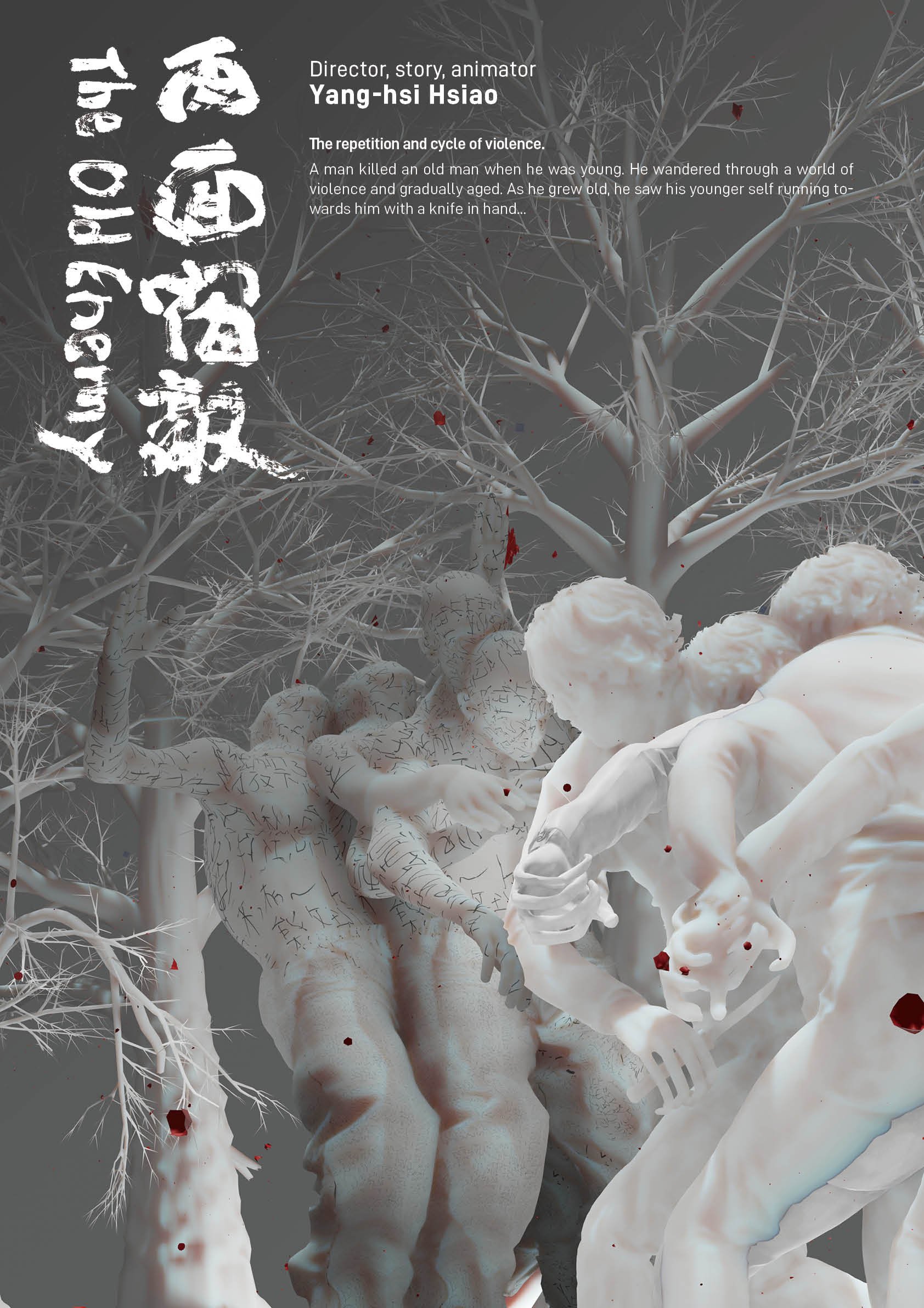
Yang-hsi Hsiao uses immersive media to graft new forms of perception onto the body. By amplifying sound frequencies, spatial rhythm, and subtle sensory cues, she explores how people encounter fear, tenderness, trauma, and acceptance. Drawing from spatial design, experimental sound, and behavioral psychology, she creates environments that invite viewers to inhabit states they often avoid otherwise.
Nebras Hoveizavi (b. Ahvaz, Iran) is an Arab-Iranian artist and educator working across experimental film, photography, installation, and poetry. Her practice engages with displacement, memory, borders, and the limits of language. Working across photography, video, and experimental media, she approaches image-making as a form of witnessing, transforming observation into a visual language.
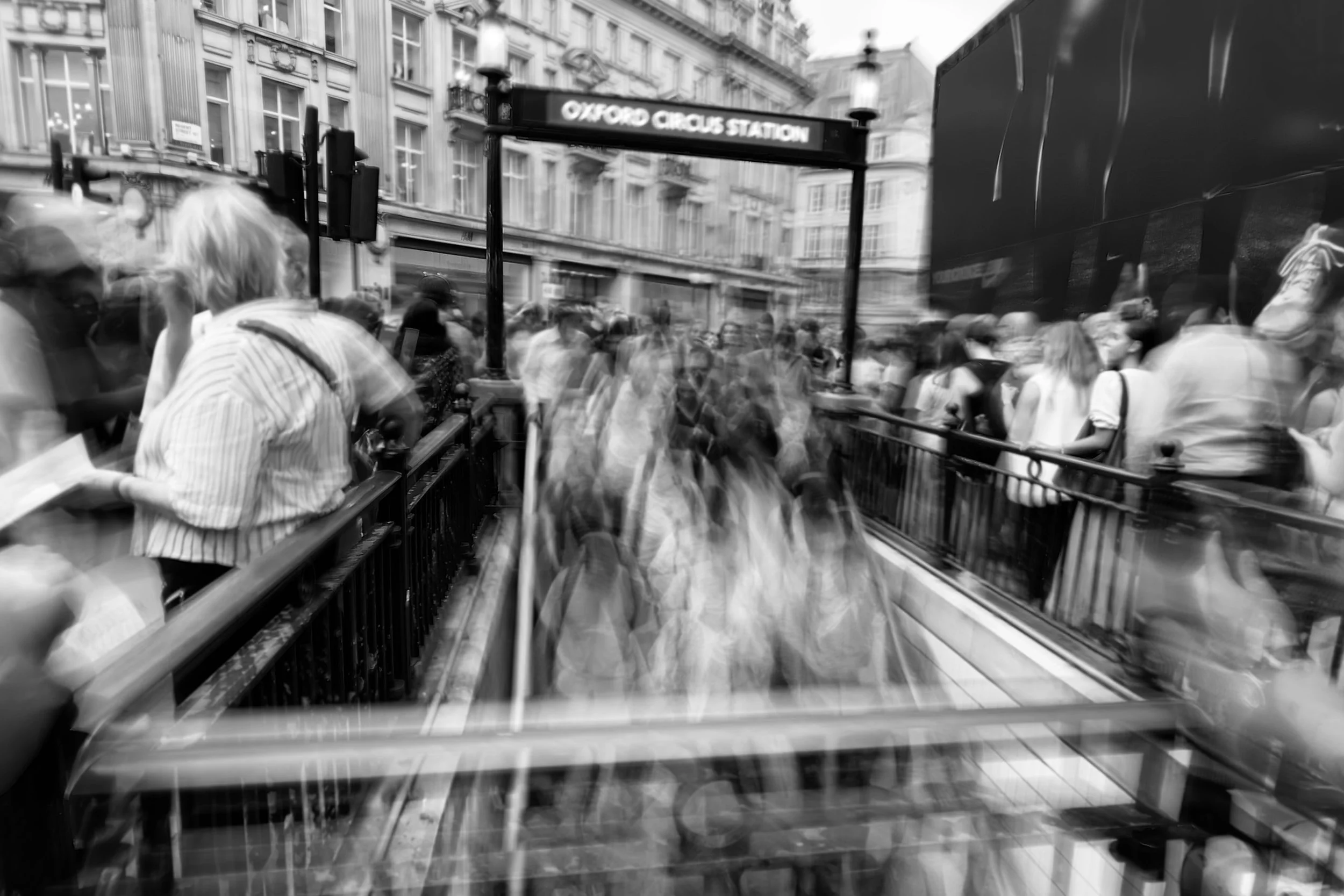
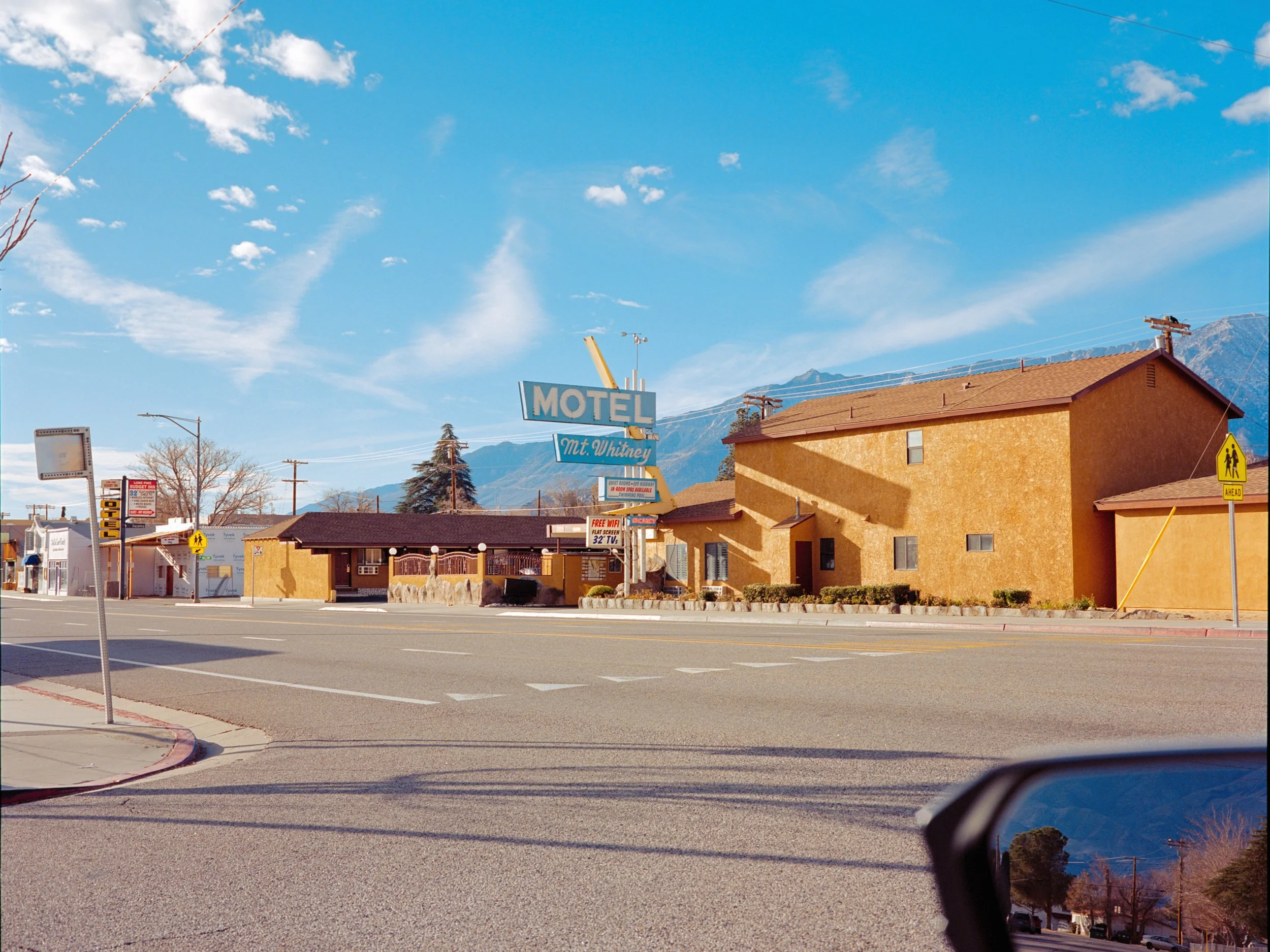
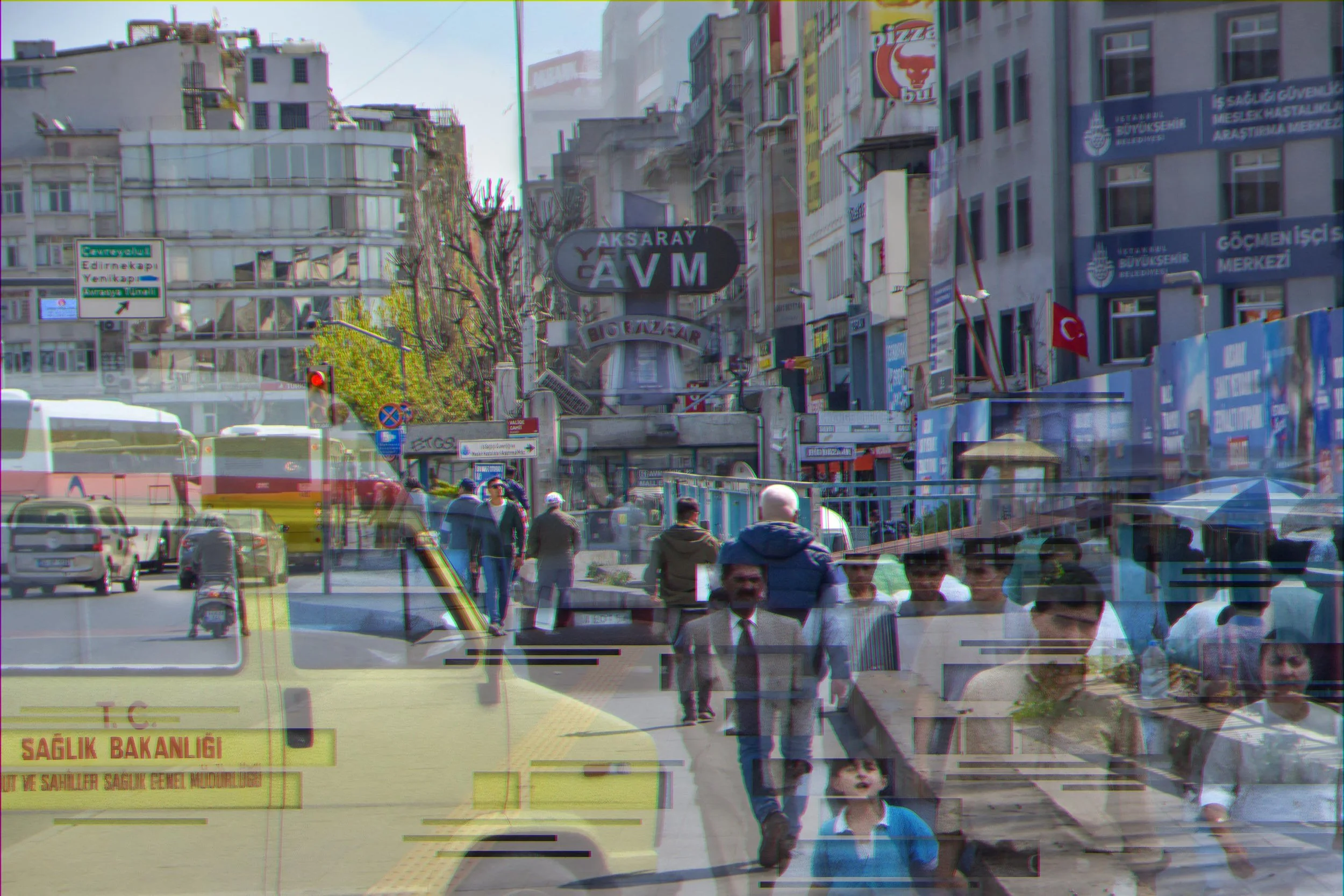
Mark James Murphy is a contemporary British printmaker, currently based in Vũng Tàu, Vietnam. His practice centres on the linocut, a labor-intensive relief medium he utilises as an "Anchor of Attention" against the velocity of modern life. Self-taught in the medium, Murphy explores the stillness and wonder found within the overlooked details of architecture and urban environments.
Chen Mei-Tsen, born in Taipei (Taiwan), is a visual artist based in Paris (France) for over 30 years. Her artistic practice spans painting, drawing, photography, video, installation, and sculpture, through which she explores the intricacies of her personal quest for a sense of belonging, identity, and connection. Her journey reflects the essence of a nomadic existence, forever moving and seeking.
David Miller is a London-born conceptual visual artist and storyteller whose work explores memory, identity, and constructed experience through AI-assisted image making. A Goldsmiths College graduate, Miller’s practice is rooted in narrative traditions of staged photography and psychological symbolism, creating images that sit between recollection and invention.
Marcelo Guimarães Lima, PhD, MFA (b. Rio de Janeiro, 1952) is a visual artist, researcher and writer. In his latest series, Bestiary Series, the artistic representation of nature and natural creatures highlights our common conditions and the solidarity of all life in the planet that it is our common home and heritage to be cared and preserved.
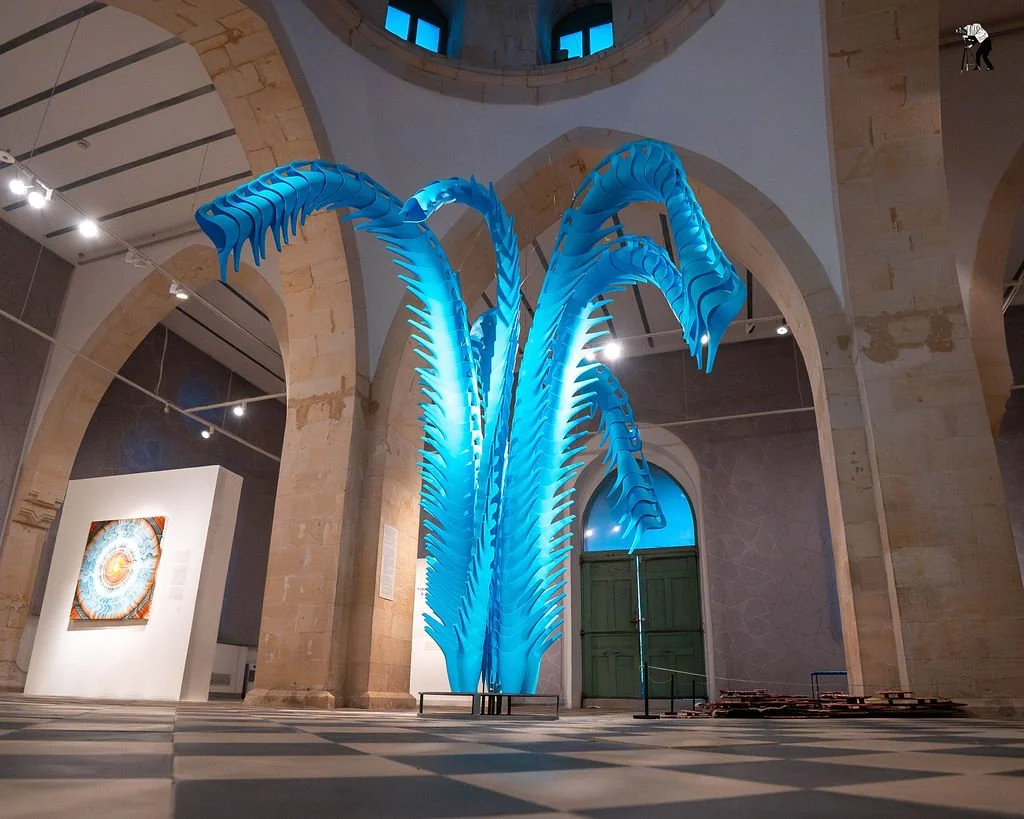
Luis Moro is a visual artist who works between Spain and Mexico. His latest project, El bramido de la Tierra (The Roar of the Earth), was exhibited in MUSAC, Museo de Arte Contemporáneo de Castilla y León. The exhibition is, ultimately, a powerful visual call to action: a plea to protect what allows us to exist.
Harshil Chauhan is a visual artist working primarily with photography and moving images. His practice engages with questions of interiority, perception, and emotional resonance, often positioning the human figure within psychologically charged environments. Through a restrained visual language, his work challenges narrative certainty and emphasises atmosphere, ambiguity, and duration.
Chen Wenwei approaches photography as a speculative language rather than a mere annotative reproduction of reality. Influenced by her background in editorial design, she utilises photography as a structural tool to investigate how memory, materiality, and power structures intertwine within built spaces, revealing themselves through light, circulation, signage, and boundaries.
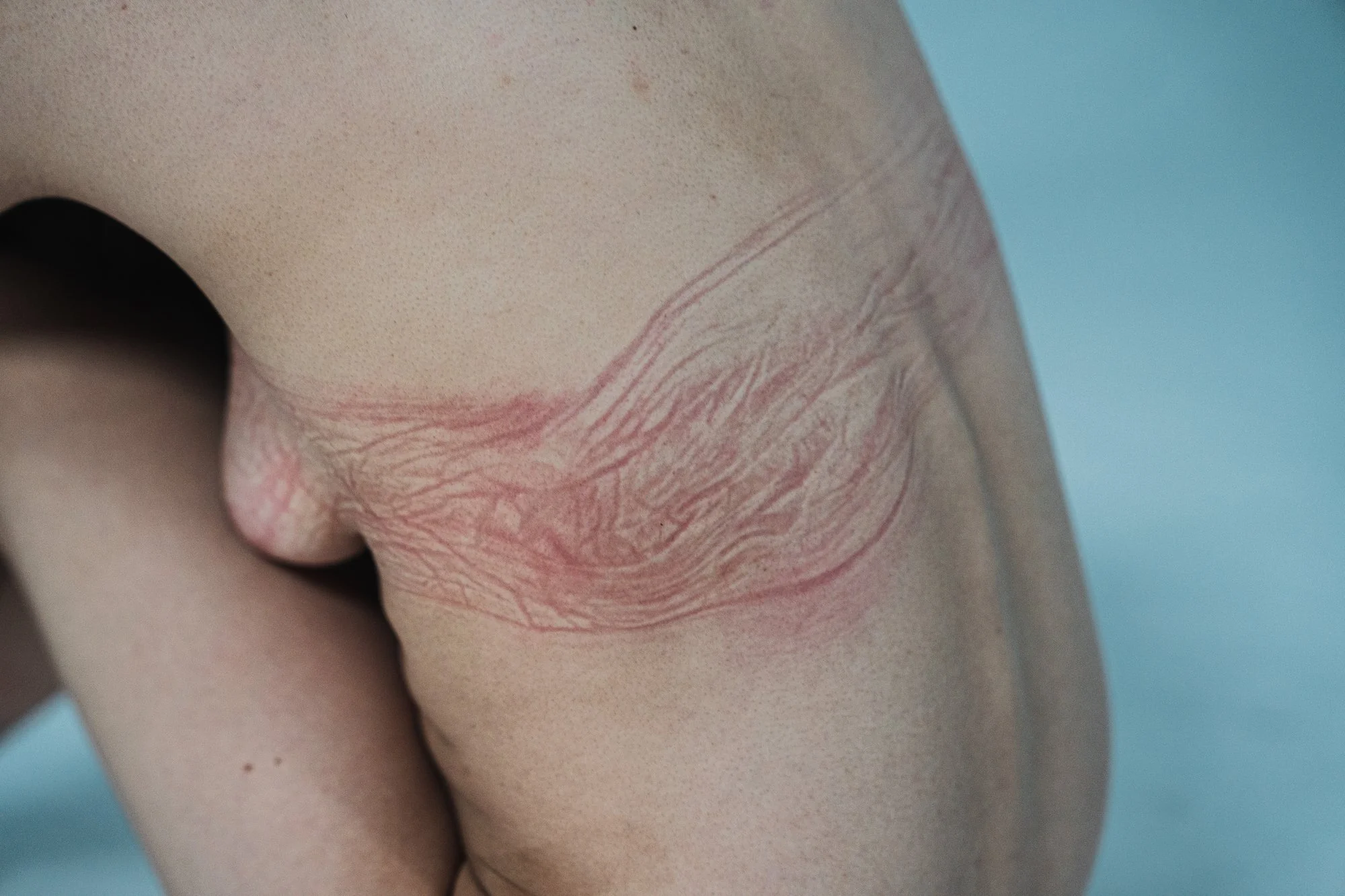
Yuchen Li's photographic practice is concept-driven and rooted in personal experience and research into trauma psychology, exploring the relationships between emotional experience, memory, and the body. Drawing on the restrained aesthetics and imagery of Chinese literature, her work emphasises subtlety, ambiguity, and internal emotional tension as visual strategies.
Murphy Nile (Ziling Zhou) is a transmedia artist. His practice combines simulated 3D narrative environments with interactive audiovisual experiences, focusing on attention choreography and screen-based spatial dramaturgy. Through dystopian and absurd digital landscapes, he explores causal prediction, techno-fantasy, historical reinterpretation, reflecting on the alienation embedded in technology.
Miguel (Marquis of Jadraque) adapts them to his paintings according to the series he is working on. His inspiration comes from everyday life, his travels, people, what he reads, what he sees in other artists, conversations with friends, and film.
Qi Liu is a multidisciplinary artist based in Los Angeles whose practice explores the intersections of gender, society, and environment. Her work often takes the form of installations and photographs that translate social realities into visual experiences.
Shinyoung Kim is a graphic and branding designer and art director in New York City, currently collaborating with KTM Group on branding and visual identity projects within the hospitality industry. Her work focuses on branding for K-dining and contemporary Korean cuisine, translating culinary narratives into cohesive visual systems that balance tradition and modernity.
As an artist and fashion designer, Wenyu Zheng’s practice explores the interplay of materials, focusing on their inherent properties, limitations, and emotional qualities. Fragment is an ongoing core methodology in the practice of Wenyu Zheng, focusing on how structures born from rupture generate meaning. At the center, clusters of hands reach upward in varied gestures, embodying longing.
Tereza Jobová is a Czech photographer working primarily with staged photography, alongside painting, collage, and poetry. Her photographic series UNDERCURRENTS explores the hidden, wild, and unconscious forces that are still at work in our rational, civilized world, shaping us whether we want them to or not. UNDERCURRENTS exposes the dark, hidden layers of human existence and the subconscious.
Shu Wang is an internationally renowned interdisciplinary artist specializing in jewelry design and wearable sculpture. Her practice centers on the body as a site where emotion, structure, and social tension converge. Through interaction, movement, and physical proximity, she investigates how objects function as living media, activating sensory experience, mediating social expectations, and generating shared perception between wearer and viewer.
Mahshid Gorjian is an independent fine artist and digital visual practitioner based in the United States. Her practice spans fine arts, digital visual production, and experimental media, with a focus on public-interest cultural dissemination and the representation of diverse communities. She works across digital painting, mixed media, and technologically mediated visual forms.
Hao Wu is a designer and artist with a background spanning architecture and interior design. Design is not only Hao Wu’s career but also his lifestyle. As a designer, he resists rigid definitions, choosing instead to explore whatever inspires him. When he draws through the lens of an interior designer, he reconstructs images in his mind and creates a dreamlike world shaped by imagination.
Yuying Herr is a multidisciplinary visual artist whose practice moves between digital worldbuilding, expanded illustration, and speculative image-making. Working at the intersection of technology, memory, and emotional perception, she constructs immersive visual architectures that question how human experience is reshaped in increasingly hybrid realities.
Yuko Kokubun explores the concept of the “Earth Theater,” transforming notions of society, life, space-time, and internal changes in the human mind and body into theatrical interpretations expressed through her works. In recent years, she has primarily employed the technique of collage, meticulously cutting elements derived from living beings and human cultural design.
Stéphanie Navarro, operating under the pseudonym TANI TELAS, is a major figure in contemporary progressive abstraction. Rooted in Corsica with French and Spanish heritage, Navarro draws profound inspiration from the Mediterranean, which remains the vibrant, thematic heart of her practice. Her work is defined by a rigorous and disciplined process that seeks constant emancipation from conventions.
Born in Lisboa and shaped by a global curiosity, Marta Ornelas Monteiro is an architect turned multidisciplinary artist whose creative journey is grounded in a profound dialogue with nature. Each piece becomes a living testimony to nature's resilience, memory, and transformation. Her latest work, Layers of Life, Layers of Body, Layers of Nature’s Reality, explores the unseen strata of existence.
Randong Yu's work investigates the tension between fragility and assurance, and how belief, reliance, and ontological security surface through material presence. As thresholds and limitations grow porous, his practice illuminates the friction between play, logic, and emotion, tracing the fragile architectures that hold tangible perception and intangible faith together.
ChingKe Lin is a bamboo artist rooted in material philosophy, expanding the contemporary possibilities of bamboo. Rather than reproducing traditional craft, he approaches bamboo as an explorer, studying its tension and resilience to seek a deeper bond between nature and human experience. His work grows from the essence of the material, turning bamboo weaving into a fluid spatial language.
Steit Slings is an artist with a passion for art, music, food, travel, and life. Born in an era when computers and digital media were still experimental, Steit explored the connection between art and technology at the Art Academy. Today, he continues to experiment with digital media, image processing, paint, 3D printing, clay, wood, and metal.
Anna Moskalets is a contemporary Ukrainian artist, independent curator, and social activist. Born in Romny (Sumy region, Ukraine), she is now located in London, UK. Her work confronts urgent themes: displacement, resilience, and the search for identity. Her practice explores the paradox of belonging, more urgent than ever, despite dislocation.
In recent years, her works address notions associated with the haphazardness, demarcated territories, or transient shelters in the context of acute global issues concerning the future and integrity of our planet. She creates site-specific installations and sculptural objects, using ready-made and man-made materials.
Indra Persad Milowe, an internationally acclaimed artist accredited by the UNOFEX (Union of Excellence), has journeyed through life with a passion for art that has defined her path and captivated audiences globally. Born with an innate talent and a deep appreciation for the natural world, Indra's work reflects her rich cultural heritage and the vibrant stories of her homeland, Trinidad and Tobago.
Tina Lin is an artist, creator, director, photographer, and booking agent. In 2004, she founded a booking agency. Currently, her agency represents over 30 artists. In 2021, she released her personal collection of paintings, videos, directorial work, and visual artworks on her website and Instagram. In 2024, she joined forces with two other artists to establish The Weirds Plus.
Daniela Romero is a Mexican visual artist, creative director, and illustrator.Her work stems from a desire to understand what one feels. She doesn't seek to communicate or explain, but rather to transform the emotions that inhabit the everyday into something new: an image that breathes and exists on its own. In her practice, creation is not an act of representation, but of discovery.
Wei Zhang is a visual artist passionate about colour, currently working as a freelance artist in Atlanta. Working primarily with acrylic, screen printing, and digital media on raw wood panels, Zhang's practice centres on the concept of "containment" and the exploration of breaking beyond existing boundaries.
Ming Cheng is a New York–based graphic designer whose work moves between visual design, theatre, and emotional storytelling. As a designer originally from China, she explores the relationship between form, language, and human experience. Her practice explores how design can express the distance between people and the spaces they inhabit, reflecting on belonging, intimacy, and subtle emotions.
As a pop artist, Lior’s work draws inspiration from his childhood heroes, popular culture, current events, and the digital world. Through a blend of humour and cynicism, his work reflects the modern social psyche, offering sharp commentary on politics, cultural polarisation, and human behaviour. He critiques both extremes, ridiculing social trends across the spectrum with wit and insight.
Fabio Alves is a Brazilian visual artist graduated in Psychology, and a person with a disability, a characteristic he likes to reinforce in his life, and his way of seeing the world. Through black-and-white photography, he creates meditative images. He is currently developing a project that explores disabled women’s corporeality and self-image.
Wei-Fang Chang is a video designer and creative technologist from Taiwan, based in Los Angeles. With extensive experience in projection design, motion graphics, and interactive programming, particularly in live experiences, she shapes her visual language through video design in theatre, dance, and interactive installations.
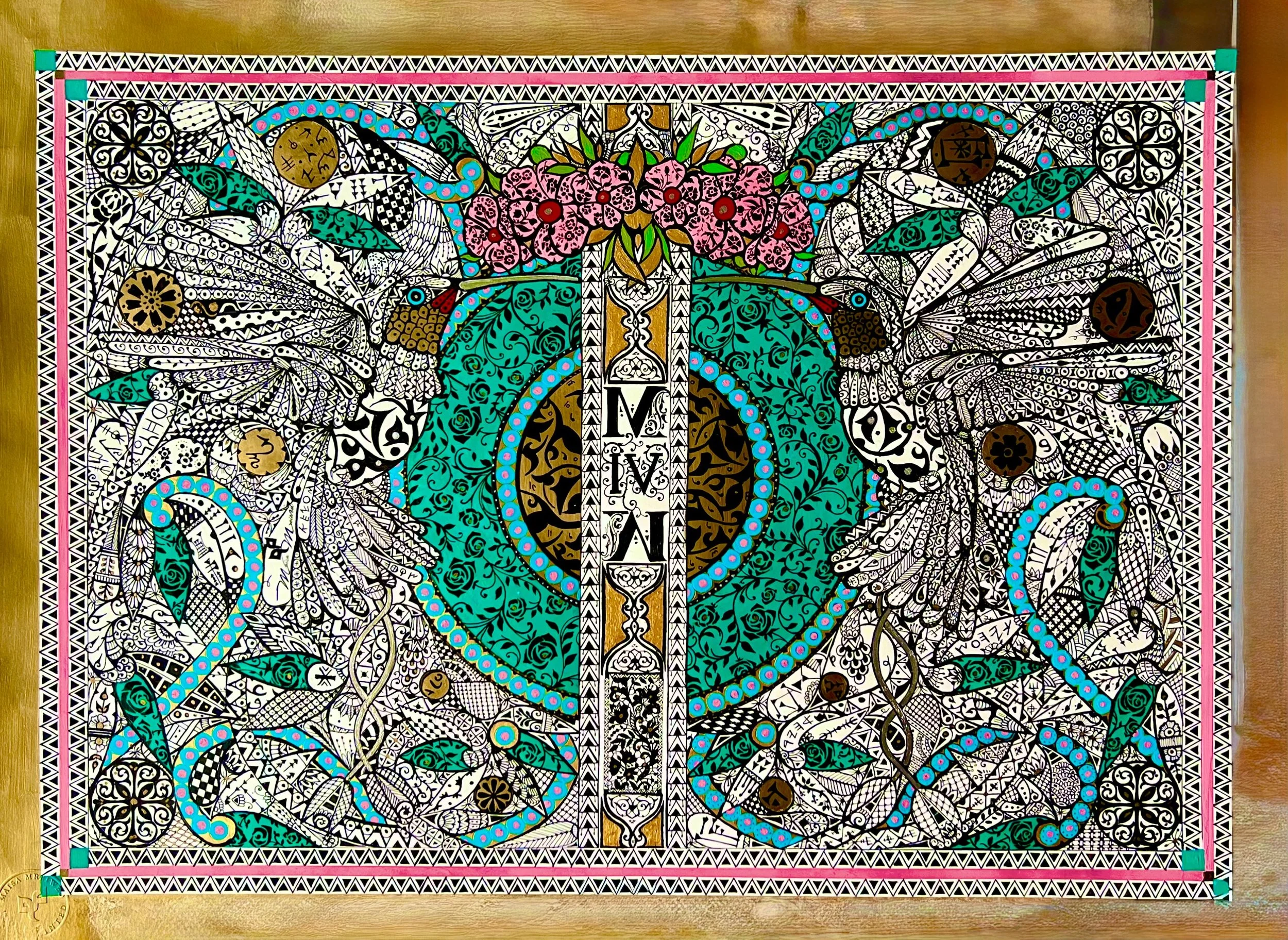
Sasan Nasernia explores different avenues in Persian and Arabic classical and modern calligraphy, working with painting, print, digital work and installation. Playing with the tension between two opposing primordial elements—order and chaos —Nasernia borrows from traditional Persian paintings and iconography, immersing these elements in abstraction and ambiguity through his letterforms.
Kondraty Seriy (Grey) is a contemporary interdisciplinary and street artist. The central element of his practice is the colour grey, understood not as the absence of colour, but as the space where black and white meet, struggle, merge and interact. For him, grey is not only a philosophical category, but also a metaphor for contemporary reality, where there is no single hierarchy.
Jiaxin Chen is a visual artist whose practice explores the relationship between photography, materiality, and urban memory. Originally trained in visual communication, she gradually shifted her focus toward experimental photography as a means of expressing the layered textures of contemporary city life. Her recent work combines cyanotype printing with traditional Yongchun paper weaving.
Jake Kenobi is a self-taught painter and mixed media artist based in Bend, OR. He uses the inevitability of death as motivation to explore mental health through darkly tropical works that expose vulnerability, illuminating the unseen and embracing both light and dark.
Chie Yoshida is a Japanese artist, currently based in Tokyo. After marrying her Russian husband (quarter Russian and quarter Ukrainian), she began presenting works on the themes of war and censorship. She currently explores themes of freedom of expression.
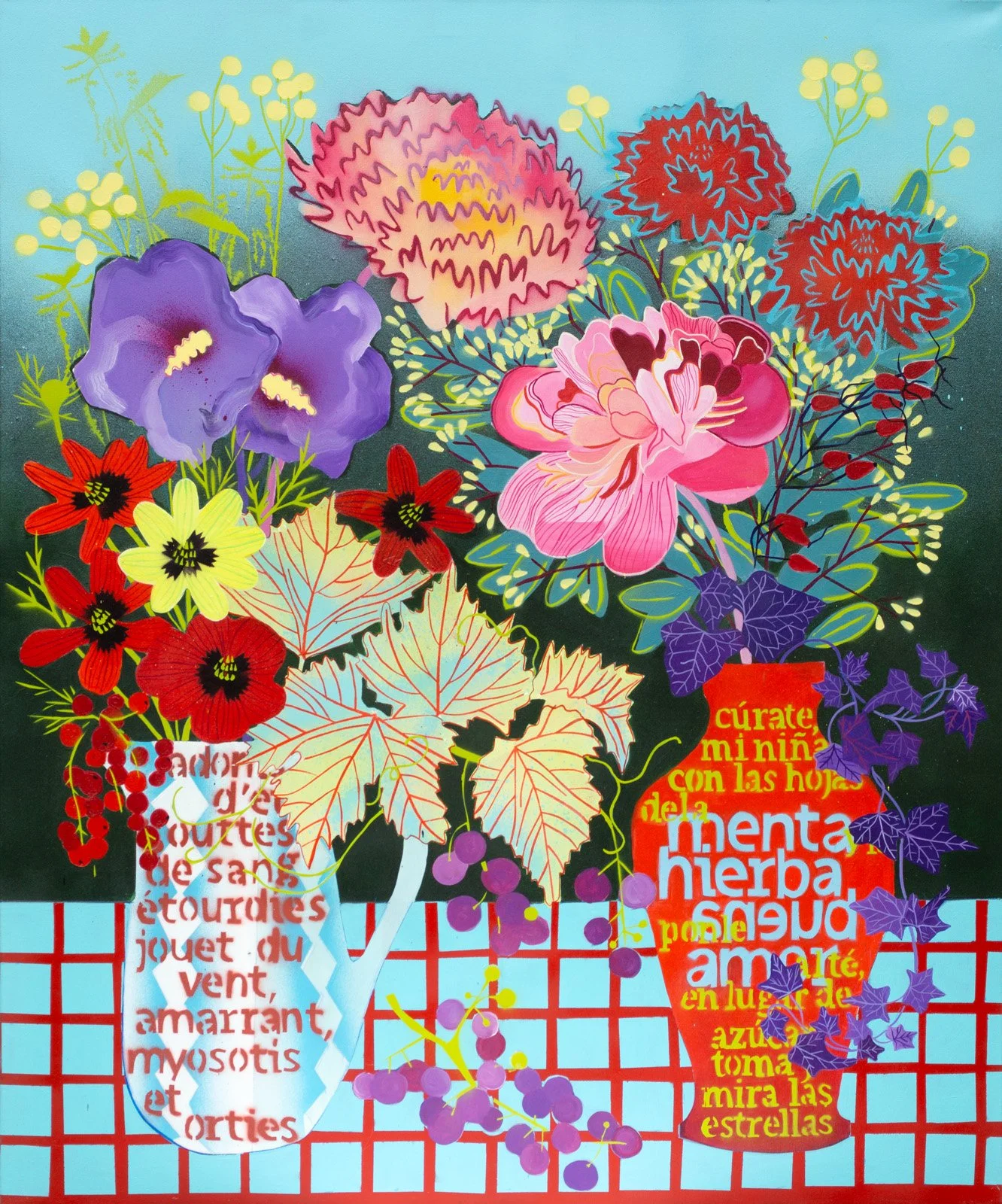
Graduated in Architecture and trained in azulejo painting and ceramics in Lisbon, Aurore Monteil develops a multidisciplinary artistic practice rooted in architecture, conceived not only as a discipline of construction but as a sensitive, vibrational, and universal language. Her work explores the impact of materials, forms, and spaces on both body and mind.
Dana Wang is a photographer and cinematographer based in London, currently working primarily in the camera department on film sets. Themes of identity, nature, and human connection recur throughout her practice, carrying with them a cinematic subtlety and rhythm that flows seamlessly between her film and photographic projects.
JoKu is a self-taught artist who was born in Switzerland in 1988. Her art invites viewers to drift off into a fairy-tale world and to slip into the role of a detective, making out the reused materials and objects she utilised to give her creatures their inimitable look. At the same time, she encourages viewers to reflect on their own consumer behaviour and its impact on today's values.
Nicola Napoli (1983) is an Italian artist and creative director whose career spans visual arts, cinema, and music. His latest project, the PLANETZ series, explores the human essence and themes of introspection through seemingly minimal compositions, blending aesthetic purity with inner reflection.
Rhea Hu is an illustrator and visual storyteller pursuing an MFA in Illustration at the Rhode Island School of Design. With a background in Traditional Chinese Medicine, her interdisciplinary practice spans drawing, digital fabrication, and book arts. She constructs visual languages that are distilled and deliberate, infused with tension, precision and irony.
Kate Ferguson (USA) is a photographer, writer, and filmmaker based in Mexico City. Her multidisciplinary practice is rooted in an appreciation for the threshold moments where transformation occurs and realities blur. hrough her work, she considers nostalgic liminality, the sensation of memory, and decisions that lead to psychological and spiritual evolution.
Yang Lu's work resists human-centred narratives and seeks to dismantle the illusions that sustain them. Yang creates objects that operate as fragments from elsewhere, mirrored forms, alien inscriptions, and transparent architectures that neither reflect us fully nor explain themselves. These works emerge from a refusal to reduce existence to binaries: life and death, self and other, human and nonhuman.
Currently on view at Palazzo Mora in Venice, Temporary Structures, Eternal Structures is a collaborative project by Kfir Galatia‑Azulay and Suly Bornstein Wolff, created specifically as a duo installation. Their work is featured as part of the expansive international group exhibition organised by ECC‑Italy, Time Space Existence, on the occasion of the 2025 Architecture Biennale of Venice.
Judie Huier Zhao has built a distinctive career that spans continents, cultures, and creative disciplines, establishing herself as an influential figure in the international art world. From her base in New York City, Zhao operates at the intersection of arts education, curatorial practice, and cultural innovation, demonstrating how cross-cultural insight and strategic thinking can reshape art engagement on a global scale.
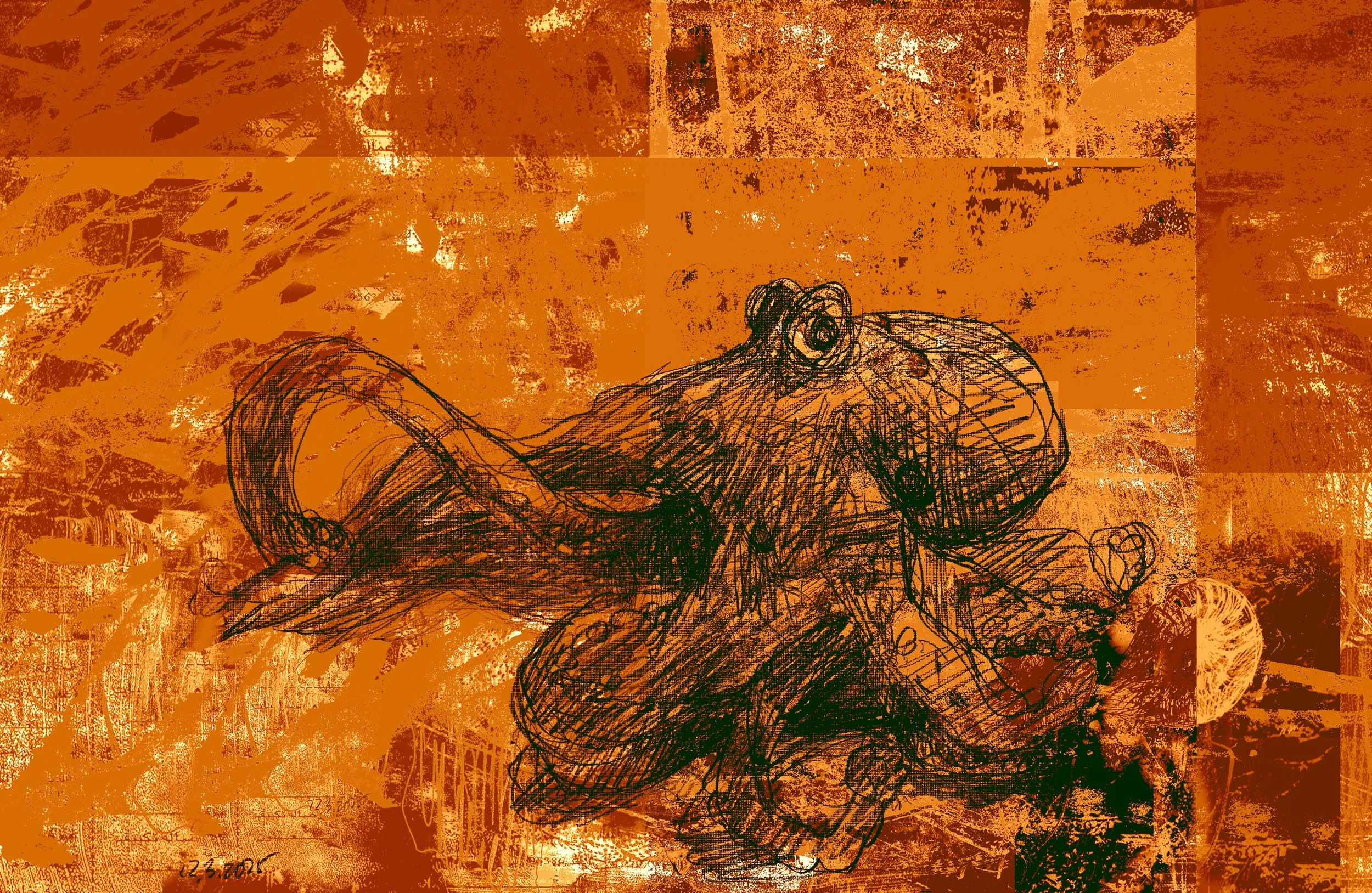
Sahasa is a Dutch, European artist who primarily works in sculpture and draws inspiration from the natural world, with a particular focus on ocean and coral reef ecosystems. Sahasa's interest in octopuses began around 2017, and since then, they have continued to explore and expand upon this subject through a variety of materials and techniques.
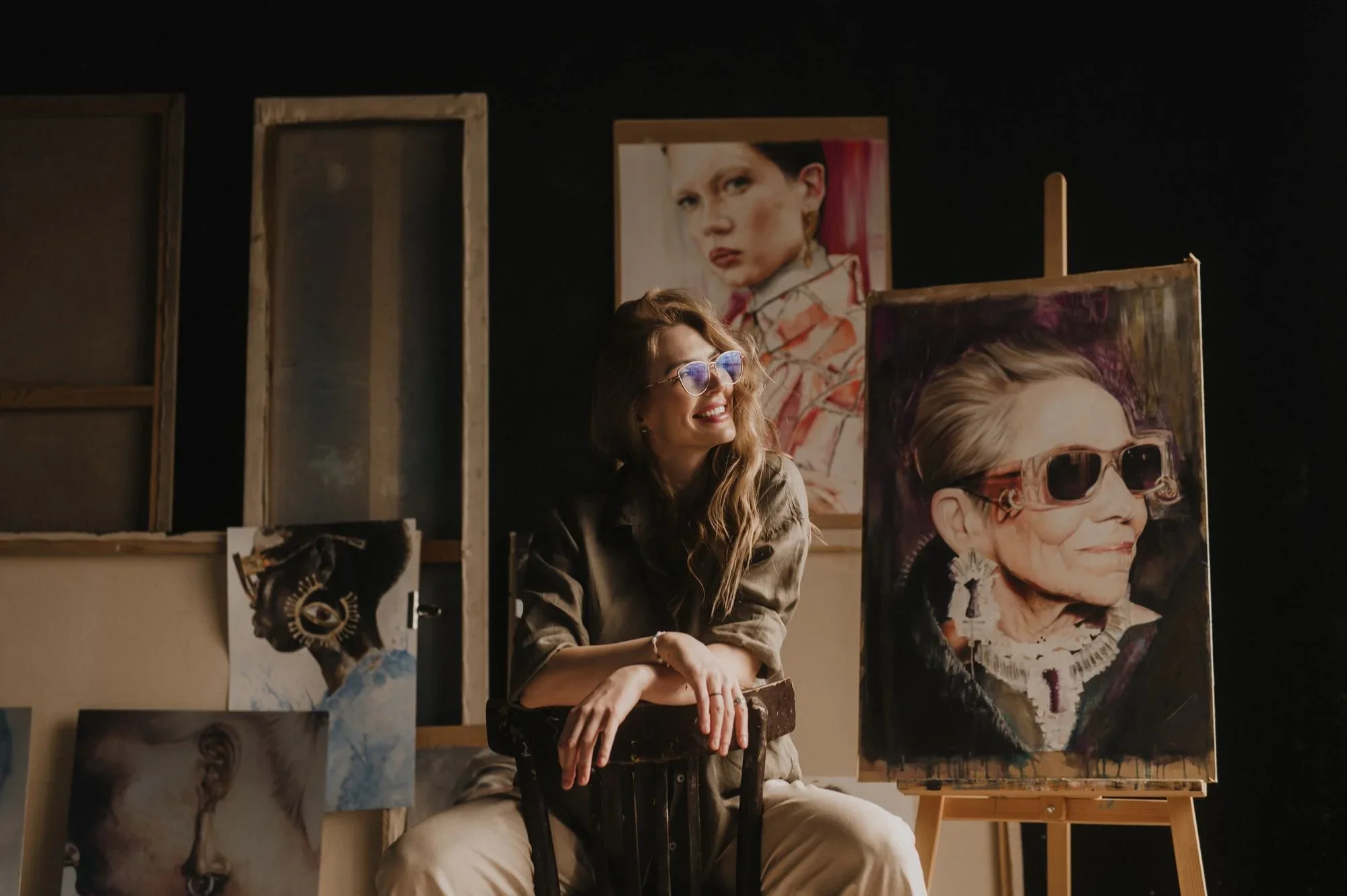
Kamila Hyo’s artistic practice is rooted in oil painting and explores the interplay of space, light, and colour. Her creative process is not a linear act of execution, but a slow unfolding, a shaping and transformation of the subject over time. Each motif undergoes a silent metamorphosis while remaining anchored in its essential nature, as if suspended in a timeless moment.
Curated by Kulturnest co-founder & CEO Dr. Pamela Chrabieh, Aftermaths gathers 27 local and international creatives. The exhibition explores what follows traumas, collapse, or any experience one undergoes, whether positive, negative, or ambiguous; through war, displacement, climate crisis, identity shifts, or intimate ruptures.
Darious Shan is a media artist and designer working across speculative design, interactive media, and moving image. Darious Shan’s artistic practice investigates how objects, technologies, and narratives can carry emotional weight across time and imagined futures. Her work often positions design as both a protective medium and a poetic form of misinterpretation.
Zhi-Jiang Shan is an interior designer known for his cross-cultural design sensibility and poetic spatial expression. He often draws inspiration from classical Chinese landscapes, local craftsmanship, and symbolic spatial rituals, transforming them into immersive environments that resonate with modern life. His projects are not only functional but emotionally engaging.
Based in London, Chinese artist Yuying Li translates ancient Eastern philosophies into contemporary visual narratives. Her work, which often features monoprint, ink wash, and mixed media, explores the "concretisation" of a spiritual home. She converges elements of the human body, nature, and deep space to blur the lines between them, echoing the Taoist ideal of "human and nature in one."
Kuan-Yu Chou is a Taiwanese visual artist currently based in London. Focusing on body memories and inner experiences, her work invites viewers into a silent, tangible visual realm that intertwines body, emotion, and dreams. Through paintings, photographs, and installations, she creates a space where the viewer can reflect on vulnerability, suffering, and survival.
Bee Jones (Motionmoth) is a queer photographer and visual artist based in Manchester, but hailing from West Yorkshire. Drawing on important sociopolitical themes such as sexuality and class, Jones consistently endeavours to push their own life's narrative and the stories of those around them into their work.
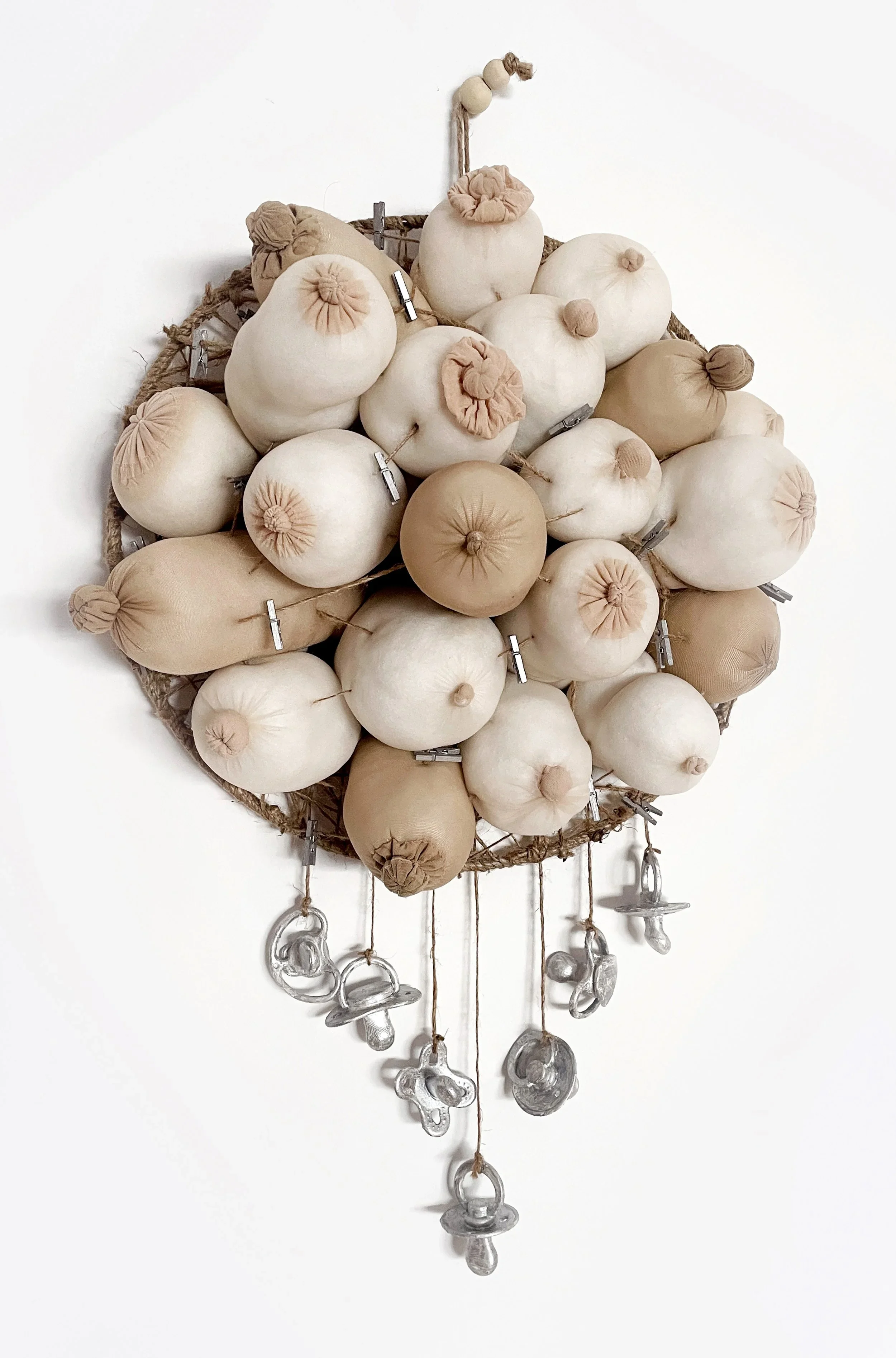
Jace Ambwani is an American artist and junior architect based in Berlin, Germany. Her early work explores themes of anonymity, familiarity, and spatial perception through painting, drawing, and printmaking. More recently, she has incorporated sculptural methods and materials to delve into themes of mortality and her evolving experiences of womanhood.
Rui Wang is a cross-disciplinary designer and creative artist working across visual design, art direction, and photography. His series Not Everything Was Seen explores absence as a form of presence, and love as something that resists full visibility. The images do not act as evidence, but as traces, fragments left by intimacy and time. Each frame suggests what is deeply felt but never fully seen.
KristofLab is a Budapest-based interdisciplinary artist. Transitory media, such as video and sound, play a central role in his practice. Through an interdisciplinary approach, KristofLab continuously seeks to expand and challenge his own perspective. In his work, he explores social concerns, including globalisation and its consequences, environmental issues, war, and social inequalities.
Doug Winter is a semi-sighted North American conceptual photographic artist and filmmaker whose artworks focus on the preoccupation of light and non-figurative forms. Doug's non-representational photographs of conventional objects and their environments are derived from the human body's resilience to adapt and accommodate a physical disability and emotional trauma.
Ari Mei-Dan is a Boston-based multidisciplinary photographer and filmmaker. Whether through portraiture, concert photography, or documenting the things around her, she strives to capture moments of high emotion and true human-ness. Her work draws inspiration from artists like Annie Leibovitz, Spike Jonze, Nick Ut, as well as the very people around her.
Esra Sakar (b. 1992, Istanbul) is a fine art photographer and visual artist whose work blends traditional craftsmanship with contemporary conceptual approaches. She draws on mythology, psychology, and archetypes to create visual narratives exploring memory, the subconscious, and identity. Her work has been exhibited internationally in London, Milan, Glasgow, Lancaster, and Istanbul.
R. Scott MacLeay is a photographer and videographer based in Brazil. He views all lens-based art as documentary, regardless of the subject. His new media art deals with existential themes, often employing the first person in performance-based work. He explores situations rather than moments and as such, his work is focused on notions of evolution, transformation and repetition.
Xi Liu is a Chinese interdisciplinary artist. She creates oil paintings, prints, and evolving ecosystem-based installations using handmade paper and pigments derived from plants. Rooted in Taoist and Buddhist philosophy and Jungian psychology, Liu's work explores impermanence, origin, and spiritual transformation.
Zhuoyu Zhang is a new media artist from Beijing, currently based in New York. Working across video installation, interactive storytelling, and algorithmic systems, Zhang draws from internet subcultures, personal archives, and speculative fiction to construct intimate yet dissonant environments that reflect on surveillance, disembodiment, and affective labour within visual regimes shaped by data.
Ziggy Yang is a Chinese installation and new media artist based in New York. His practice explores the complex dialogue between human emotions, cultural conditioning, and technology, positioning technology as both an interactive medium and a conceptual framework. Yang employs mechanical systems, programmable physical computing, artificial intelligence, and synthetic materials.
Cizzoe Yi Wang (b. 2000, China) is an interdisciplinary artist who grew up in the UK. She is working across installation, performance, sculpture, and documentary filmmaking. Conceptually driven and informed by her background in social anthropology, her practice explores human interaction as a structured game governed by societal rules.
Joana Pereira da Costa is a performance-based multidisciplinary artist whose work unfolds at the intersection of body, memory, and resistance. Drawing upon lived experience, feminist philosophy, and poetic inquiry, her practice engages performance as both method and metaphor, a space where the self is simultaneously deconstructed and reassembled.
Blanca de la Cruz is an artistic photographer and author of the book Reinventing Oneself in the Face of Adversity. Her work is born from stillness, driven by the need to transform pain into beauty. She explores themes such as vulnerability, resilience, identity, and the creativity woven into everyday life. Her images speak of transformation and the beauty that resides within human vulnerability.
Rodri is a Mexican, Muslim emerging artist, lawyer, entrepreneur, and philanthropist living in Dubai. He aims to help people in Mexico's courts while pursuing a career as a famous artist. To achieve this, he moved to the U.A.E., brought his guitar, and began developing his skills. He has visions and brings them into reality; it's about raising others' hearts through Rock.
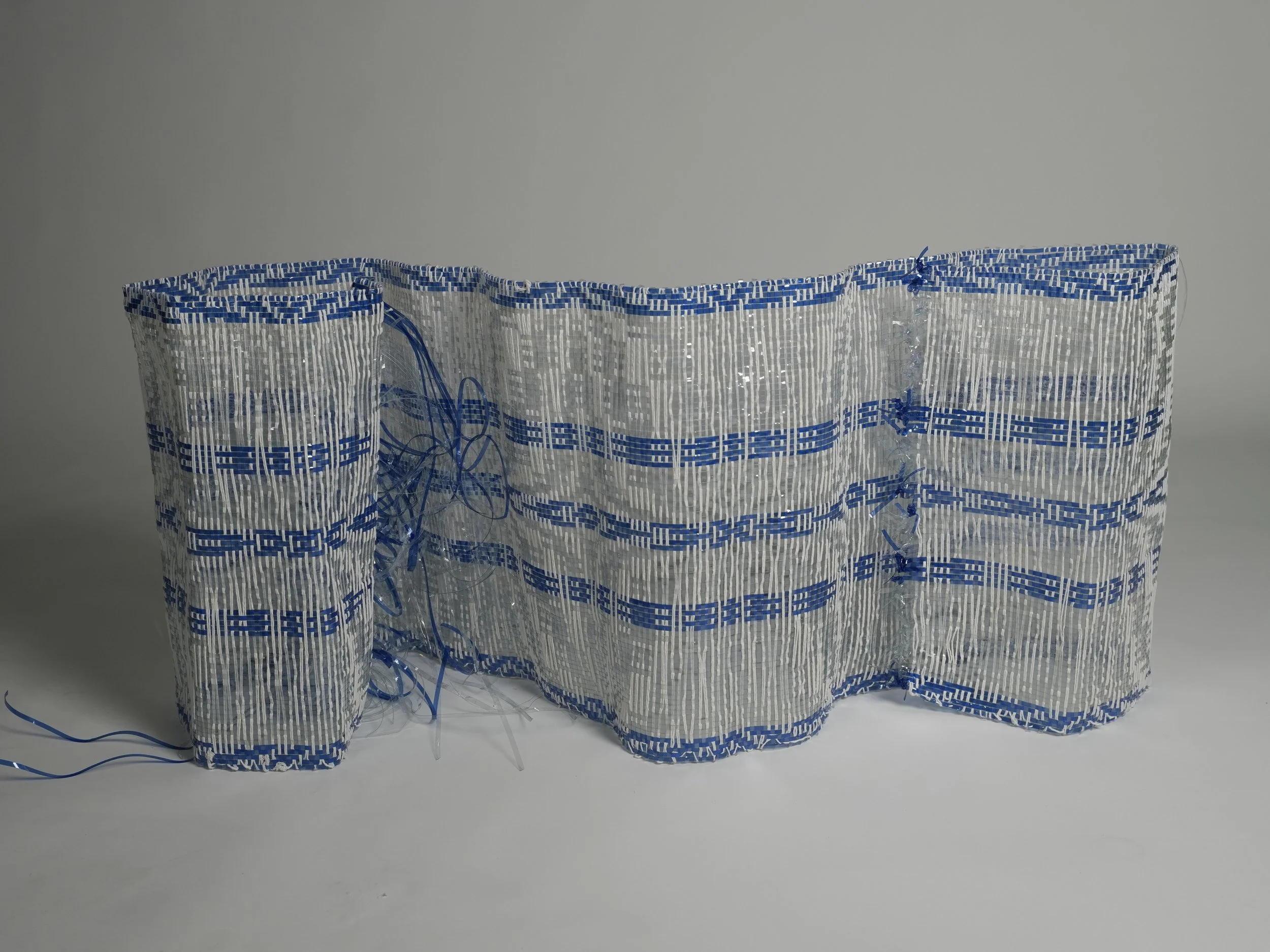
Jiashun Zhou is a fibre artist whose work intricately explores the intersection of memory, space, and emotion through weaving. His artistic practice transforms personal experiences and fleeting moments into tangible, three-dimensional forms. Jiashun Zhou’s work is deeply influenced by his desire to decelerate the rapid pace of modern life and draw attention to the often-overlooked details.