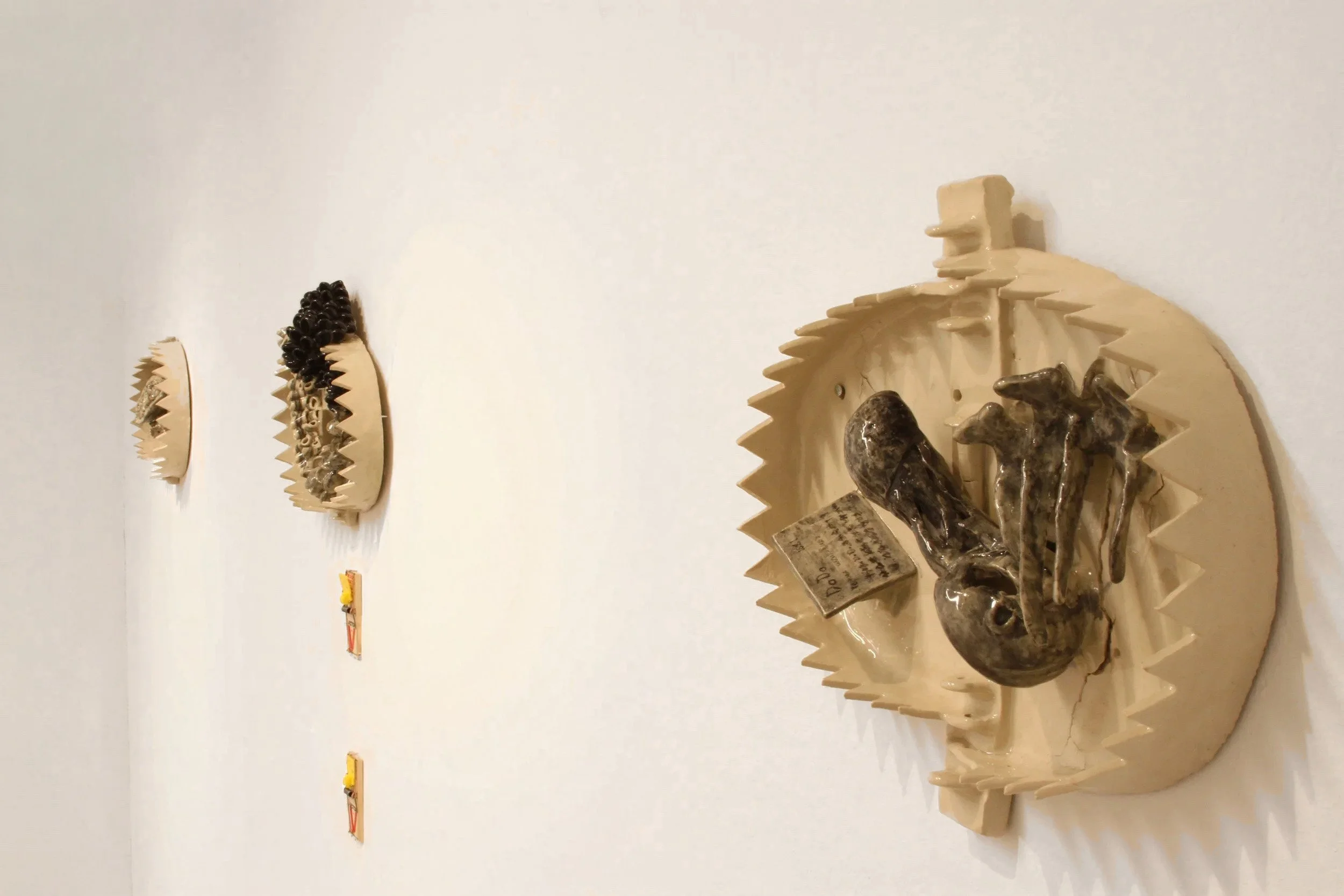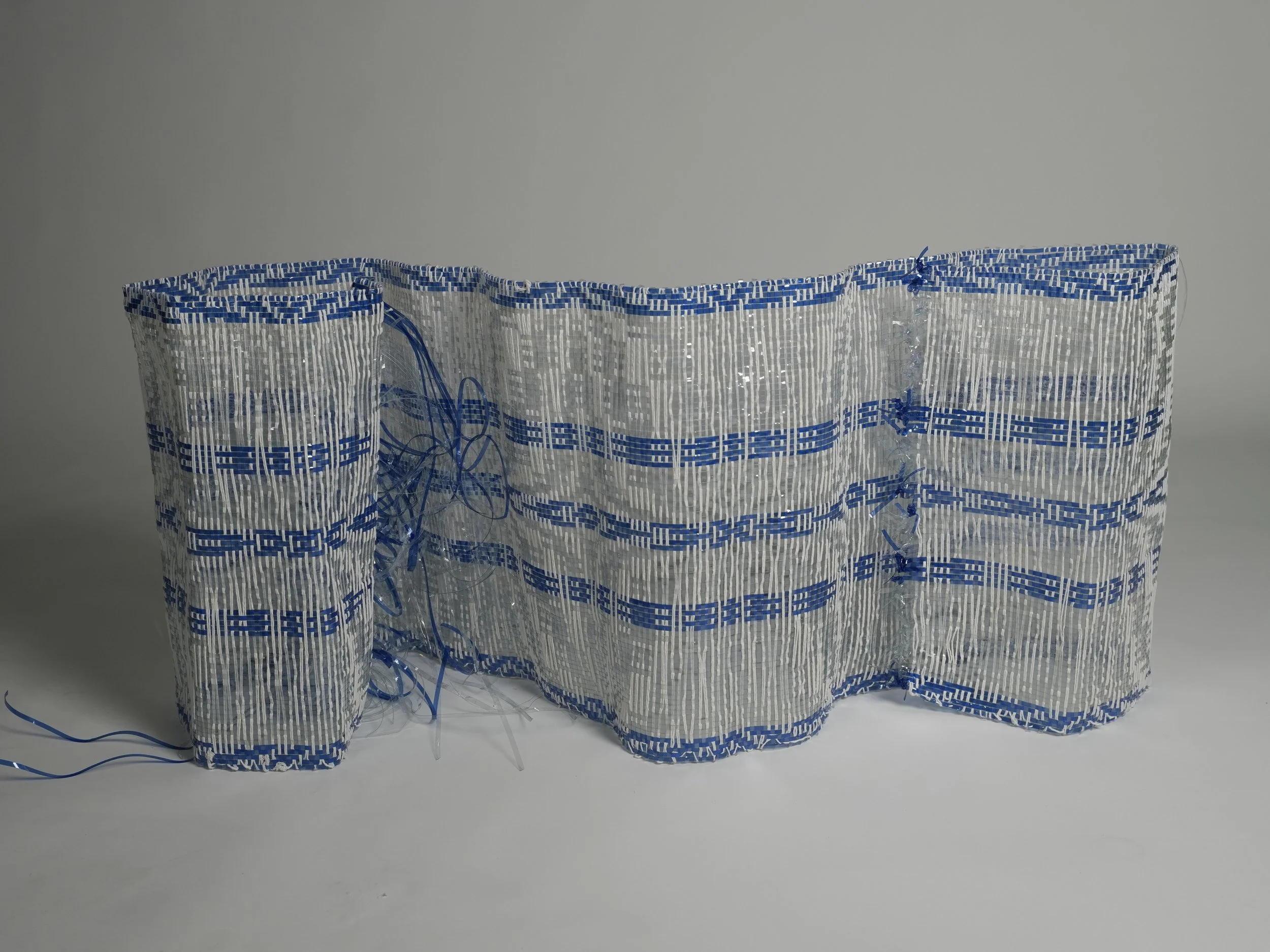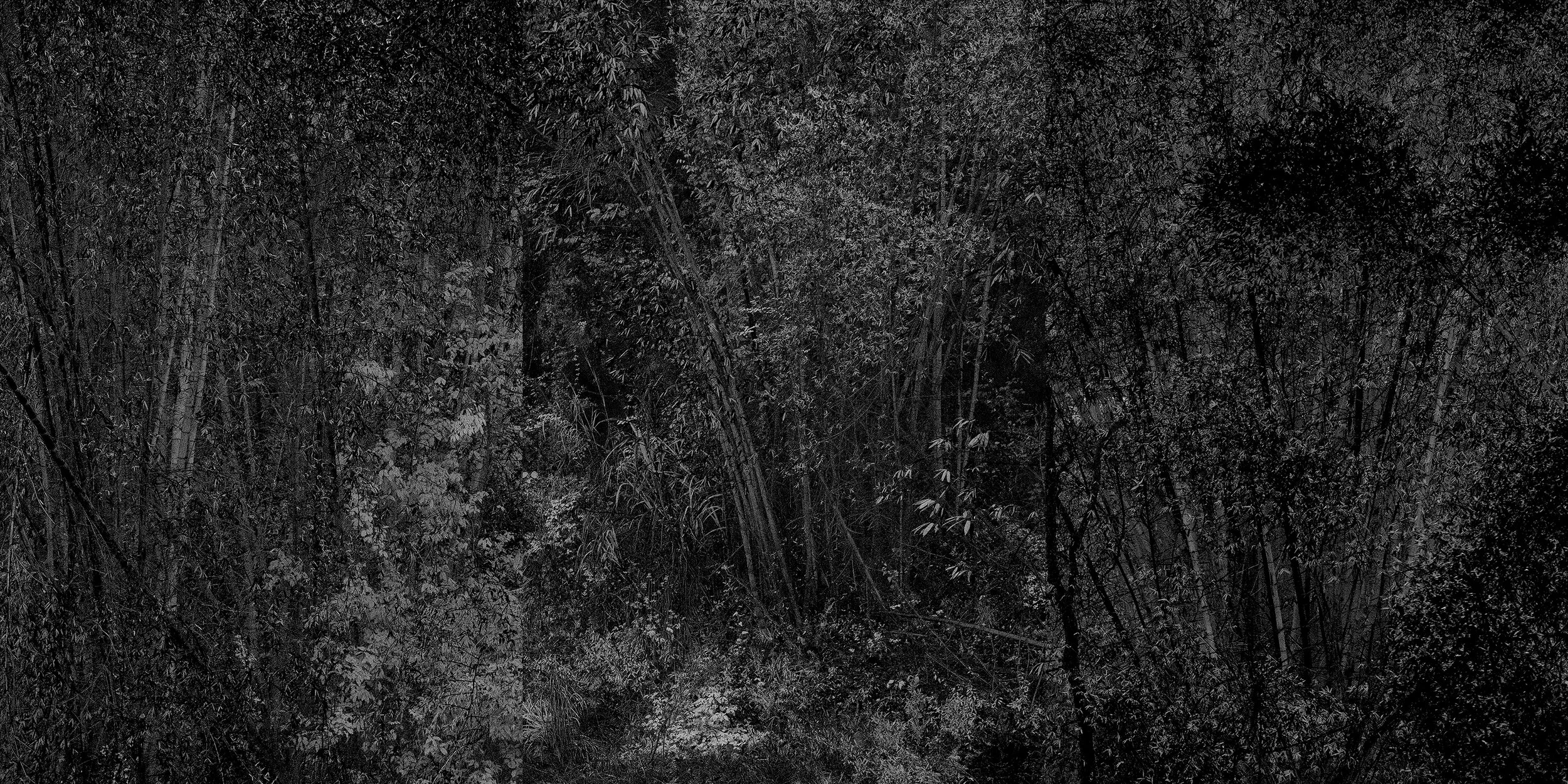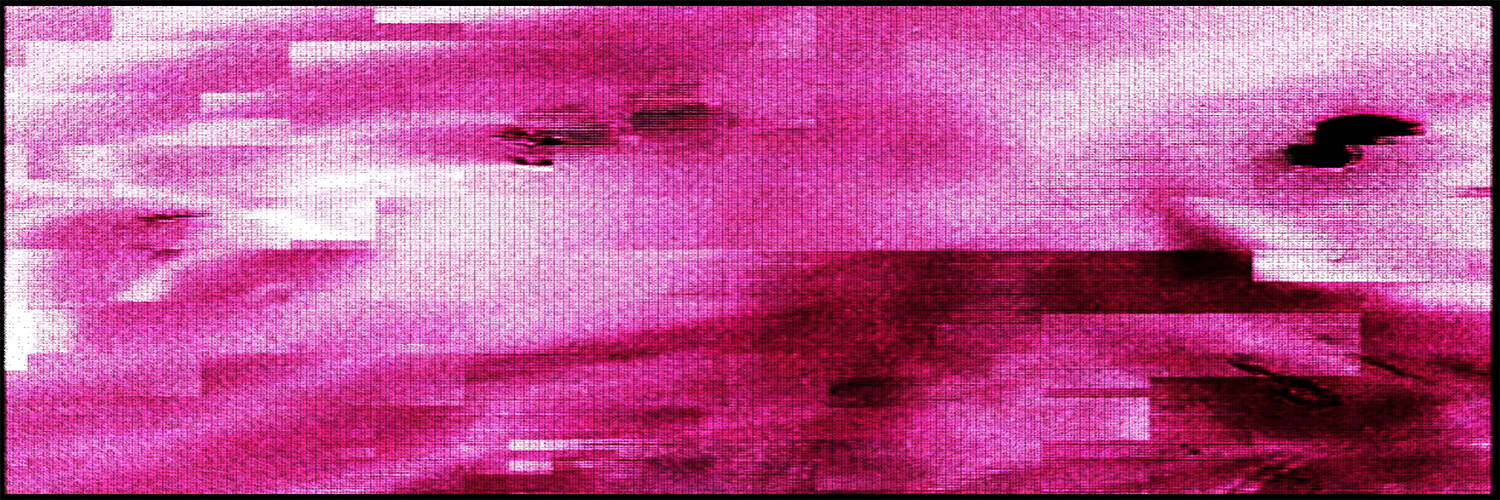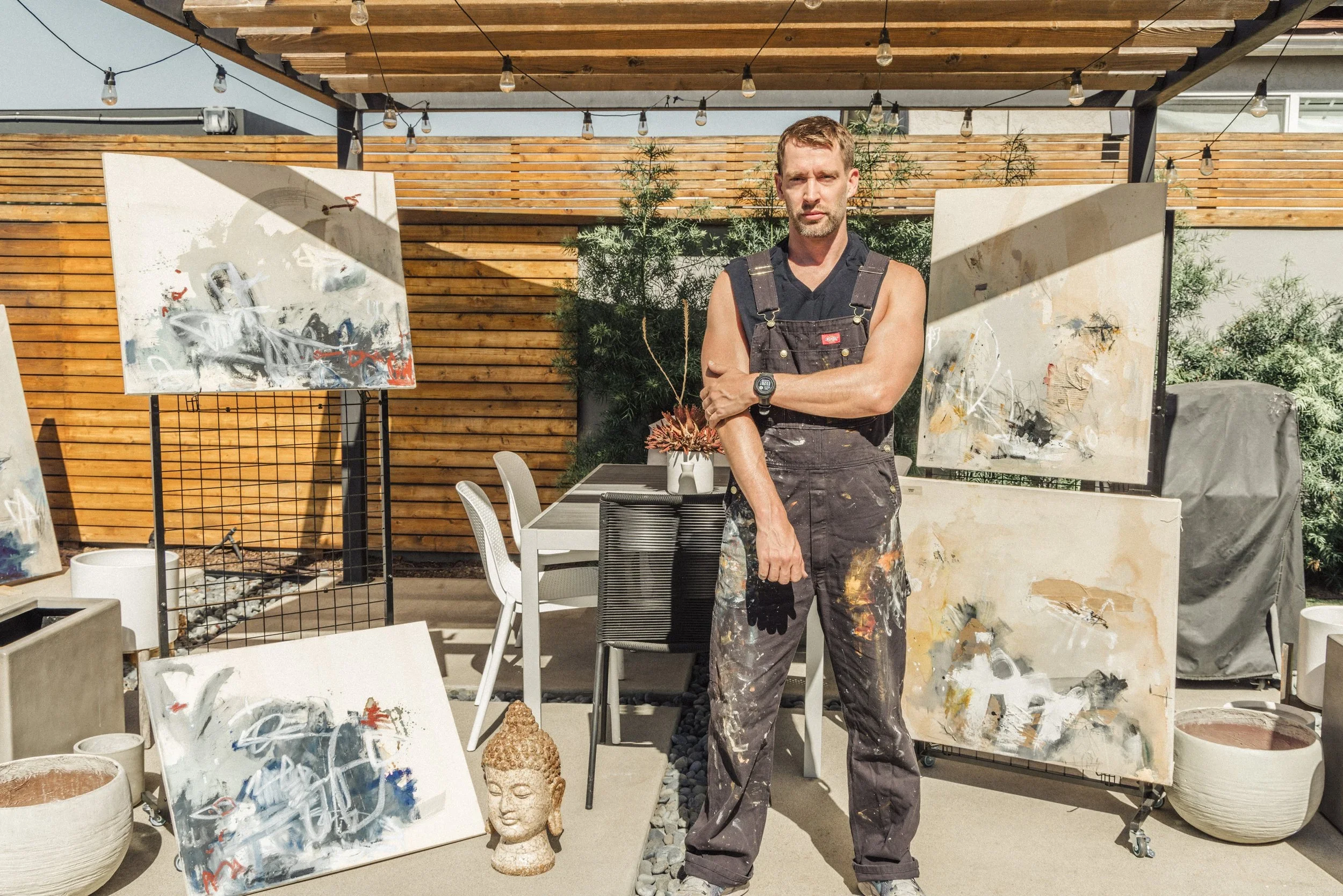
Gauri Gandhi is a conceptual artist whose work often features simple, toylike forms that deliver critical commentary with a touch of humour. Her ongoing body of work, The Stranger, centres on ceramic heads cast from a single mould, serving as a metaphor for humanity’s shared origin.states.
INTERVIEW | Peilin Li
INTERVIEW | Zhiyu You
Zhiyu You is a Chinese-born illustrator and tattoo artist based in New York. Her practice combines traditional painting techniques with digital drawing, forming a visual language shaped by her Chinese cultural background. Through this hybrid approach, she explores the lived experiences of women and marginalised communities, focusing on moments that are often overlooked or unspoken.
INTERVIEW | Ningxin Zhang
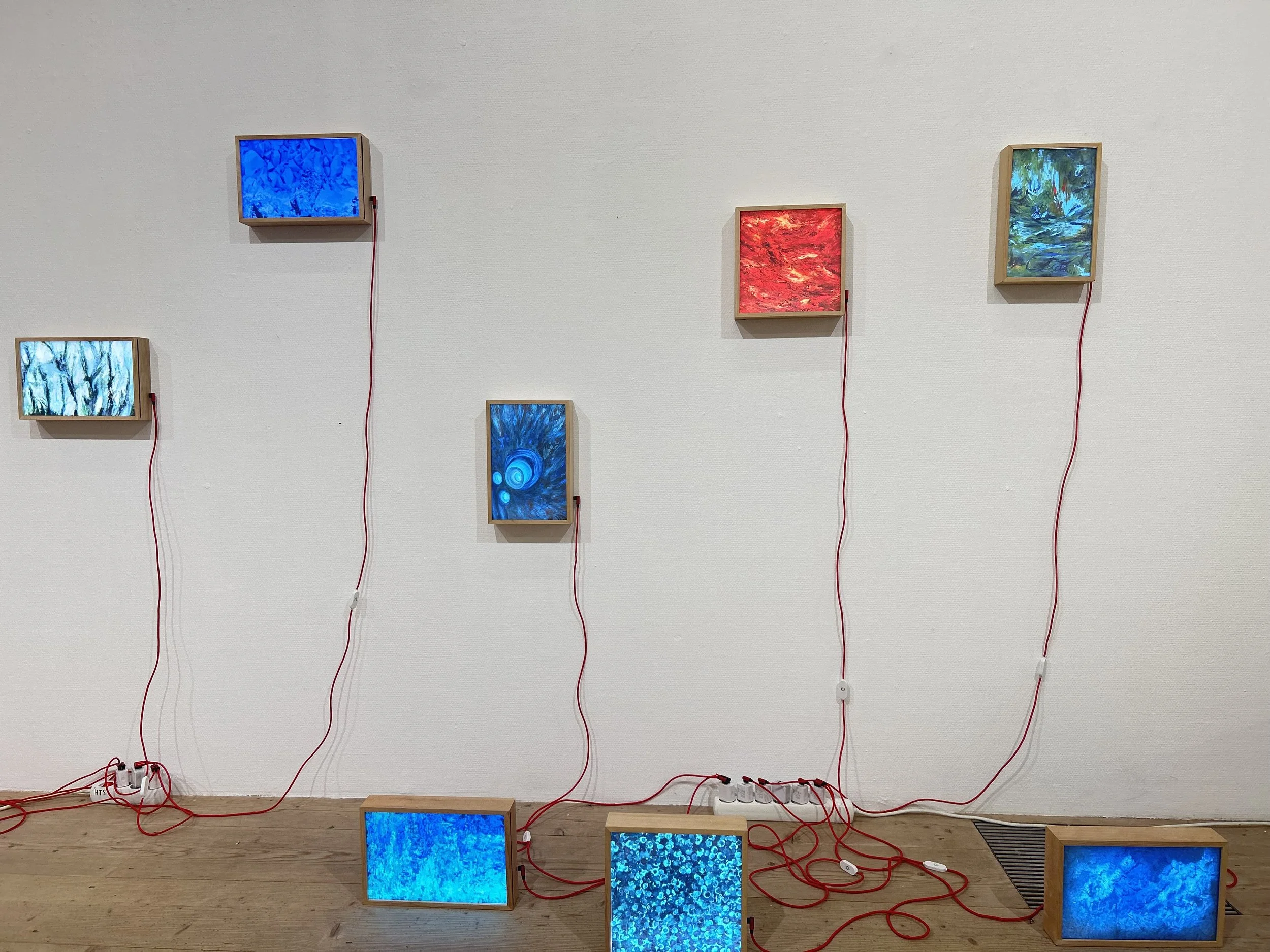
Ningxin Zhang is a composer and intermedia artist based in the San Francisco Bay Area. Her practice integrates sonic art, audiovisual interaction, and computational media, with a focus on algorithmic structures, real-time systems, and responsive environments. Her work spans installation, performance, and interactive media.
INTERVIEW | Chan Alvarez
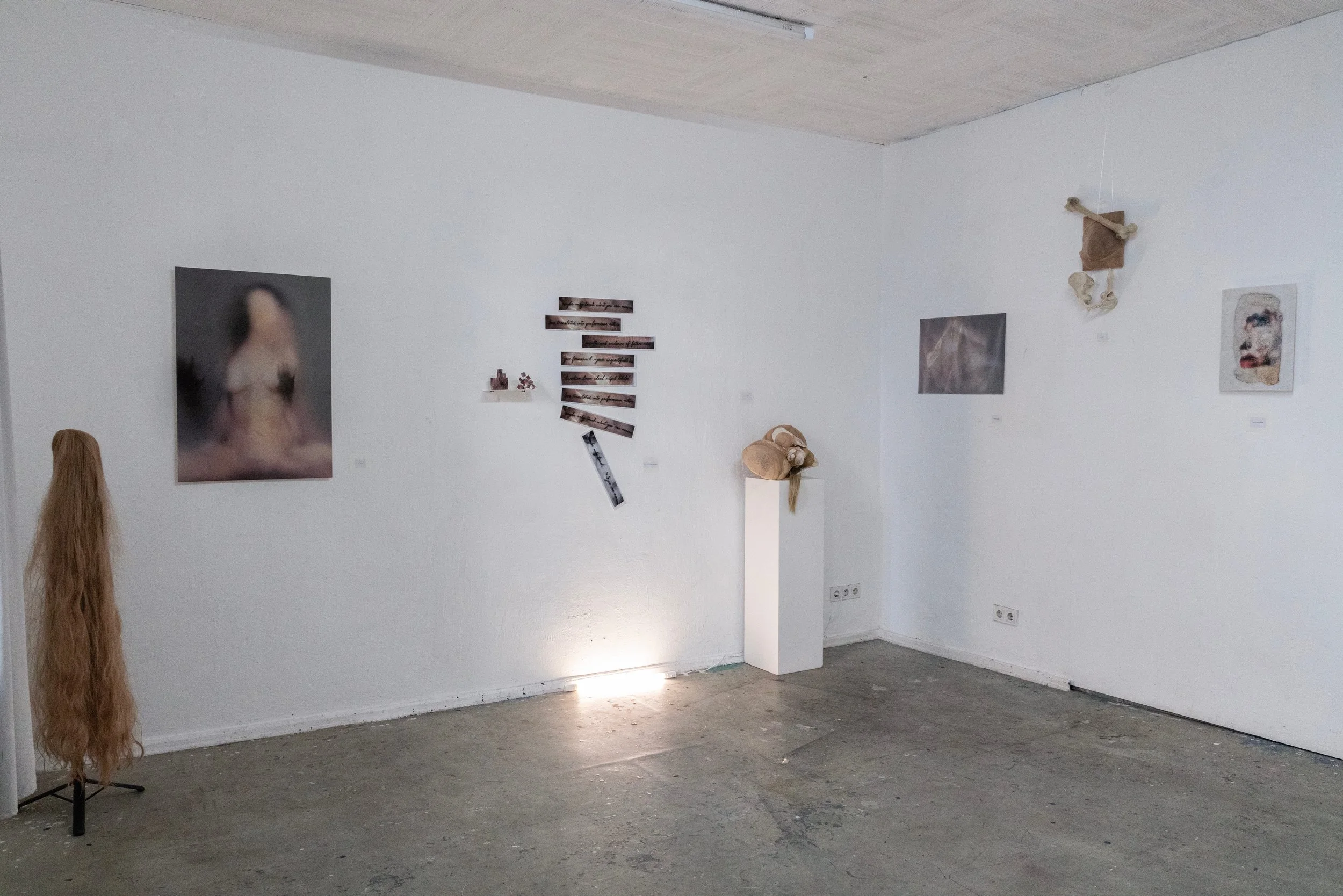
Chan Alvarez is a visual artist, art critic, and independent curator. Alvarez’s visual practice examines how identity, self-consciousness, and perception are shaped -and reshaped- across temporal and contextual conditions. Working across diverse media, his projects focus on the philosophical discourse between theoretical constructs and the phenomenological experience.
INTERVIEW | Jiwoong Jang
Jiwoong Jang is an interdisciplinary artist in New York City. Jiwoong's practice is built on delicate observations and connections. Working in post-photography, he explores how the charge of past experiences, pleasant or painful, informs new or anticipated encounters in unexpected ways. These instances of surprise are collected and transmuted into photography and sculpture.
INTERVIEW | Masaaki Hasegawa
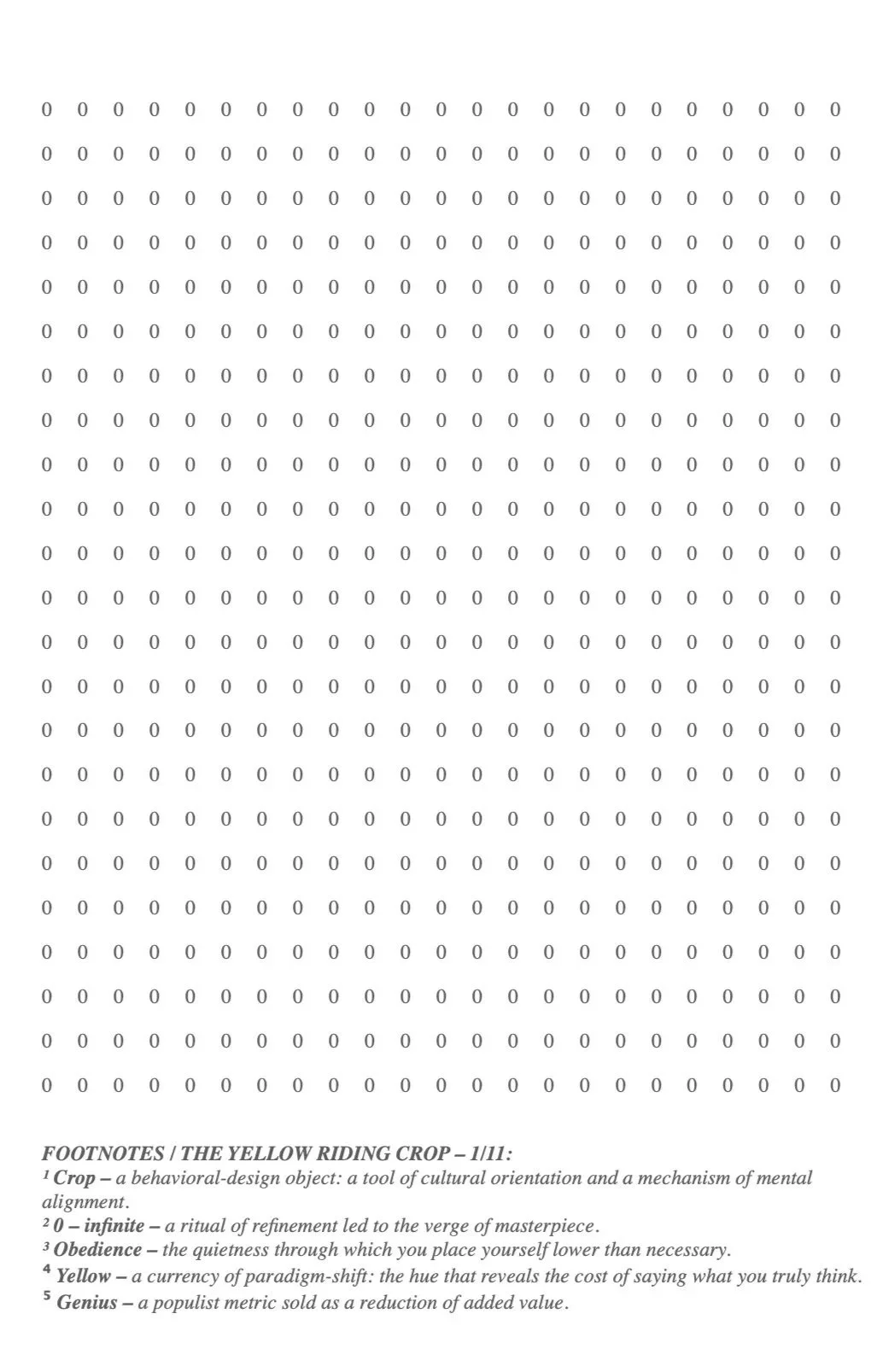
Masaaki Hasegawa’s practice explores the intersections of body, perception, language, and technology through lived experience. His practice functions as both ritual and inquiry, an attempt to access veiled mental states and to document ephemeral conditions that evade fixed meaning. Through large-scale installations, performance, and text-based works, he confronts societal norms and discomfort.
INTERVIEW | Raquel Sanchez
Raquel Sanchez is a multidisciplinary artist and poet based in Jerusalem. With a diverse upbringing, her artistic journey spans decades of study in painting, ceramics, sculpture, and design, both formally and informally. In her visual work, Sanchez explores light, reflection, nature, and biblical symbolism to evoke spiritual dimensions of human experience.
INTERVIEW | Lynne Roberts-Goodwin
Lynne Roberts-Goodwin (b. 1954, Sydney) is an internationally recognized artist known for her photography, sculpture, and video. Her large-scale photographic projects explore the impact of place on cultural consciousness, often focusing on remote landscapes and ecological change. Her work highlights humanity’s effect on the planet and shifting cultural heritage.
INTERVIEW | auroraerica (Erica Manenti)
auroraerica (Erica Manenti) works at the intersection of spatial design and visual storytelling, developing environments that operate as emotional architectures, spaces not intended as neutral containers, but as vessels for psychological and perceptual states. Her practice is concerned with shaping feelings as places, where introspection becomes spatialized, and emotions acquire architectural form.
INTERVIEW | Yang-hsi Hsiao
Yang-hsi Hsiao uses immersive media to graft new forms of perception onto the body. By amplifying sound frequencies, spatial rhythm, and subtle sensory cues, she explores how people encounter fear, tenderness, trauma, and acceptance. Drawing from spatial design, experimental sound, and behavioral psychology, she creates environments that invite viewers to inhabit states they often avoid otherwise.
INTERVIEW | Nebras Hoveizavi
Nebras Hoveizavi (b. Ahvaz, Iran) is an Arab-Iranian artist and educator working across experimental film, photography, installation, and poetry. Her practice engages with displacement, memory, borders, and the limits of language. Working across photography, video, and experimental media, she approaches image-making as a form of witnessing, transforming observation into a visual language.
INTERVIEW | Mark James Murphy
Mark James Murphy is a contemporary British printmaker, currently based in Vũng Tàu, Vietnam. His practice centres on the linocut, a labor-intensive relief medium he utilises as an "Anchor of Attention" against the velocity of modern life. Self-taught in the medium, Murphy explores the stillness and wonder found within the overlooked details of architecture and urban environments.
INTERVIEW | Mei-Tsen Chen
Chen Mei-Tsen, born in Taipei (Taiwan), is a visual artist based in Paris (France) for over 30 years. Her artistic practice spans painting, drawing, photography, video, installation, and sculpture, through which she explores the intricacies of her personal quest for a sense of belonging, identity, and connection. Her journey reflects the essence of a nomadic existence, forever moving and seeking.
INTERVIEW | Luis Moro
Luis Moro is a visual artist who works between Spain and Mexico. His latest project, El bramido de la Tierra (The Roar of the Earth), was exhibited in MUSAC, Museo de Arte Contemporáneo de Castilla y León. The exhibition is, ultimately, a powerful visual call to action: a plea to protect what allows us to exist.
INTERVIEW | Wenwei Chen
Chen Wenwei approaches photography as a speculative language rather than a mere annotative reproduction of reality. Influenced by her background in editorial design, she utilises photography as a structural tool to investigate how memory, materiality, and power structures intertwine within built spaces, revealing themselves through light, circulation, signage, and boundaries.
INTERVIEW | Yuchen Li
Yuchen Li's photographic practice is concept-driven and rooted in personal experience and research into trauma psychology, exploring the relationships between emotional experience, memory, and the body. Drawing on the restrained aesthetics and imagery of Chinese literature, her work emphasises subtlety, ambiguity, and internal emotional tension as visual strategies.
INTERVIEW | Murphy Nile (Ziling Zhou)
Murphy Nile (Ziling Zhou) is a transmedia artist. His practice combines simulated 3D narrative environments with interactive audiovisual experiences, focusing on attention choreography and screen-based spatial dramaturgy. Through dystopian and absurd digital landscapes, he explores causal prediction, techno-fantasy, historical reinterpretation, reflecting on the alienation embedded in technology.