

10 Questions with Harshil Chauhan
Harshil Chauhan is a visual artist working primarily with photography and moving images. His practice engages with questions of interiority, perception, and emotional resonance, often positioning the human figure within psychologically charged environments. Through a restrained visual language, his work challenges narrative certainty and emphasises atmosphere, ambiguity, and duration. Chauhan’s projects draw from both personal and cultural contexts, examining how inner experience is mediated through visual form. His work has been exhibited internationally and featured across contemporary art and photography platforms.
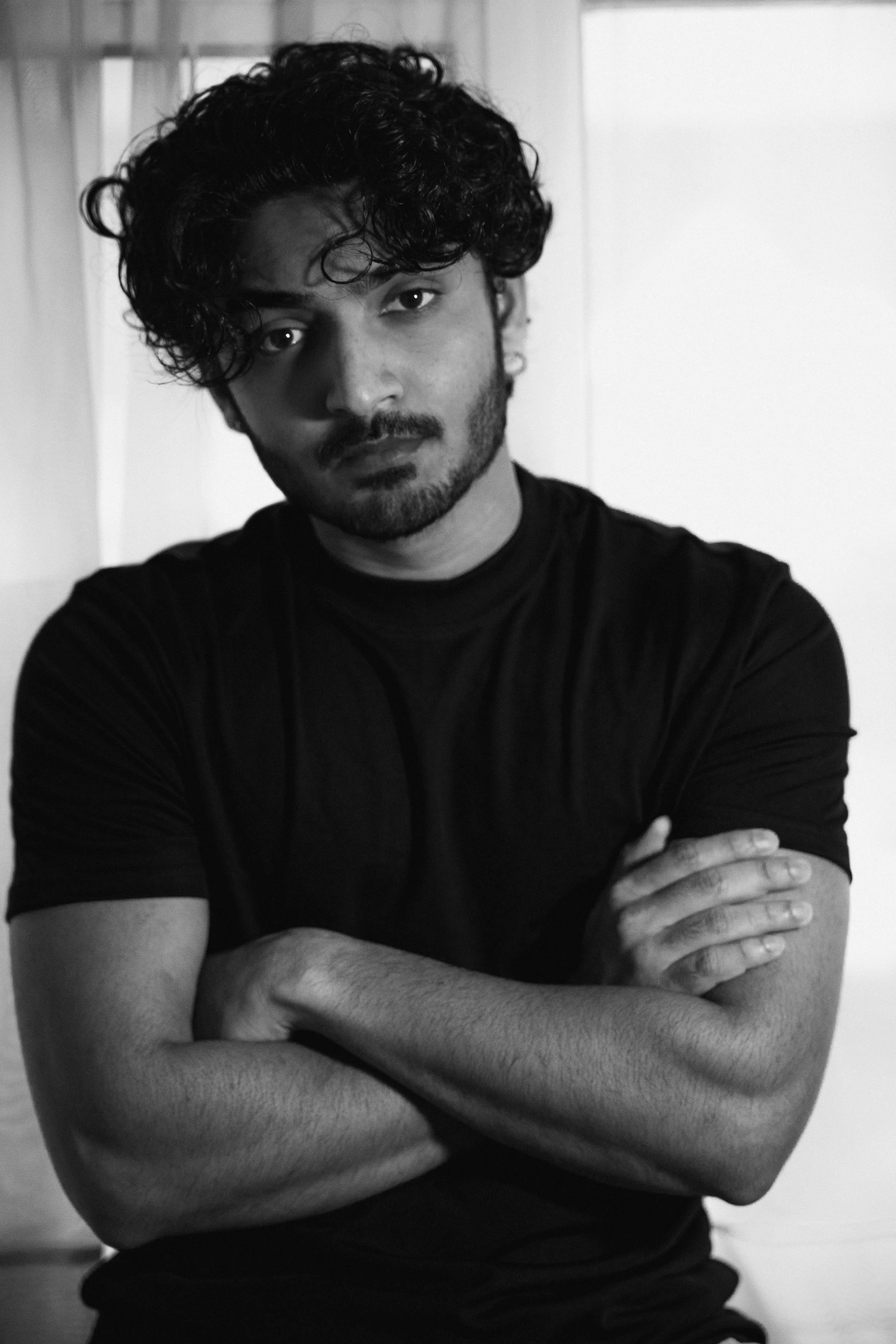
Harshil Chauhan - Portrait
ARTIST STATEMENT
In States of Becoming, Harshil Chauhan approaches photography as a method of inward observation. His work examines how psychological and emotional states surface indirectly, through colour, gesture, spatial tension, and atmosphere, rather than through explicit narrative. The images resist immediacy, asking for sustained attention and reflective viewing.
Across portraiture, architectural forms, and constructed scenes, Chauhan fragments presence and destabilises fixed identities. Figures are partially obscured or displaced within their environments, while light operates as an expressive force, shaping mood and interior tension. Natural and built spaces become extensions of the psyche, holding traces of memory, vulnerability, and contemplation.
Rather than offering resolution, the work remains deliberately open. It situates introspection as an active process, one shaped by uncertainty, repetition, and pause. In a visually saturated cultural moment, Chauhan’s photographs propose slowness as both an aesthetic and conceptual strategy, creating spaces where inner experience can be sensed rather than explained.
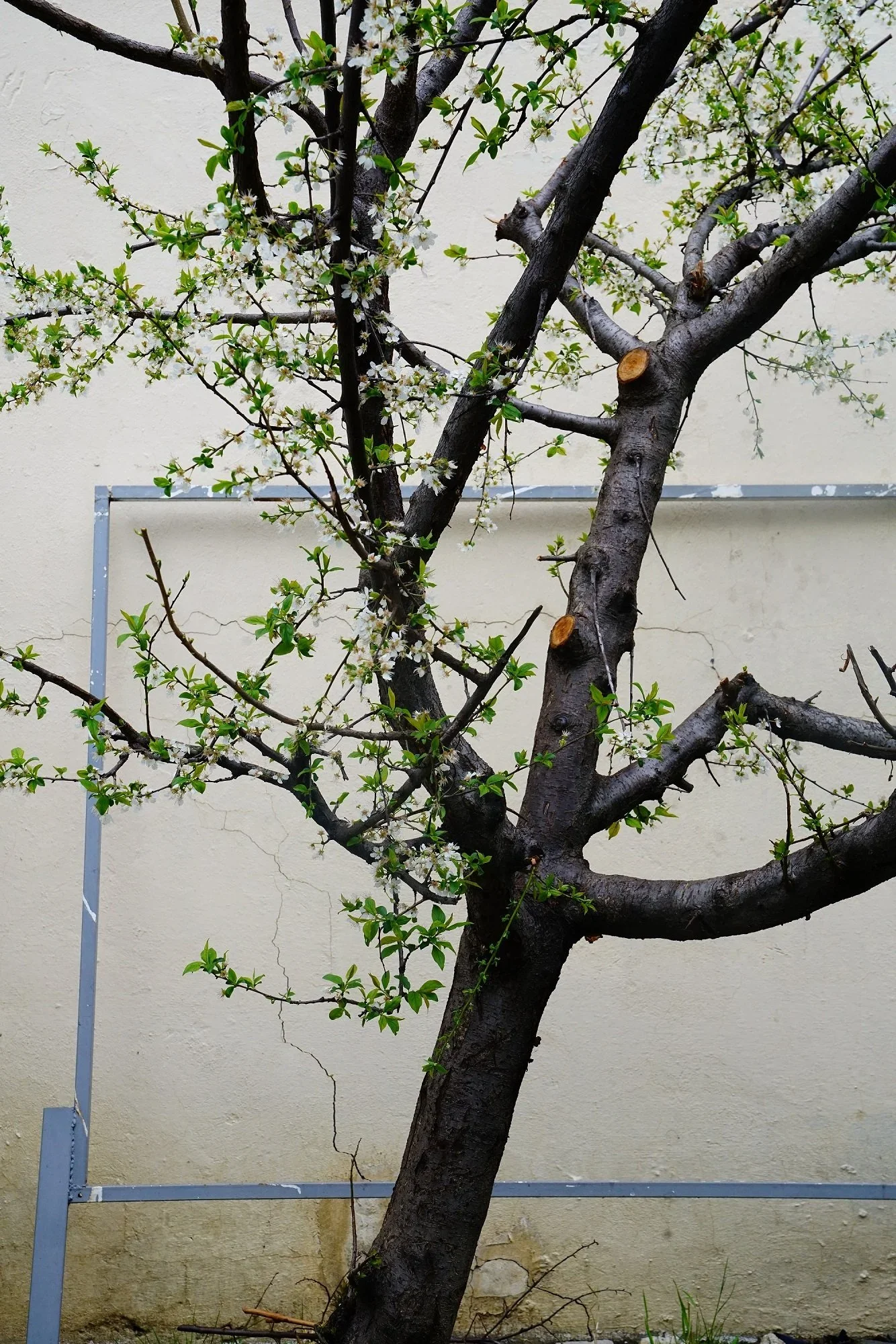
Held in the Act of Becoming, Digital Photograph, 69.36 x 46.26 cm, 2025 © Harshil Chauhan
INTERVIEW
How did you first come to photography and moving images as your main artistic tools?
I came to photography and moving images through a process of observation rather than intention. At a young age, photography became a way to slow down and make sense of the world around me, to notice light, gestures, and moments that felt fleeting or difficult to articulate. What began as a technical curiosity gradually evolved into a deeper engagement with image-making as a way of thinking and reflecting. Over time, photography revealed itself not just as a tool for recording but as a space for ambiguity and contemplation. Moving images followed naturally, allowing me to explore rhythm, duration, and the relationship between stillness and time. Together, these media offered a language through which I could examine presence, memory, and environment, making them central to my artistic practice.
Your work often explores interiority and emotional states. What initially drew you to these themes?
I was drawn to interiority and emotional states through observation rather than intention. Early on, I became interested in what exists beneath visible gestures: the pauses, silences, and subtle shifts that reveal how people inhabit themselves and their surroundings. Photography allowed me to engage with these inner landscapes without needing to define or explain them. As my practice developed, I began to see emotion not as something to be illustrated but as something that could be felt through atmosphere, space, and stillness. Light, framing, and distance became ways to suggest inner states indirectly, allowing ambiguity to remain. This approach felt more honest to my experience, where emotions are often complex, layered, and unresolved. Through my work, I aim to create images that hold space for these interior moments, inviting viewers to connect through feeling rather than narrative certainty.

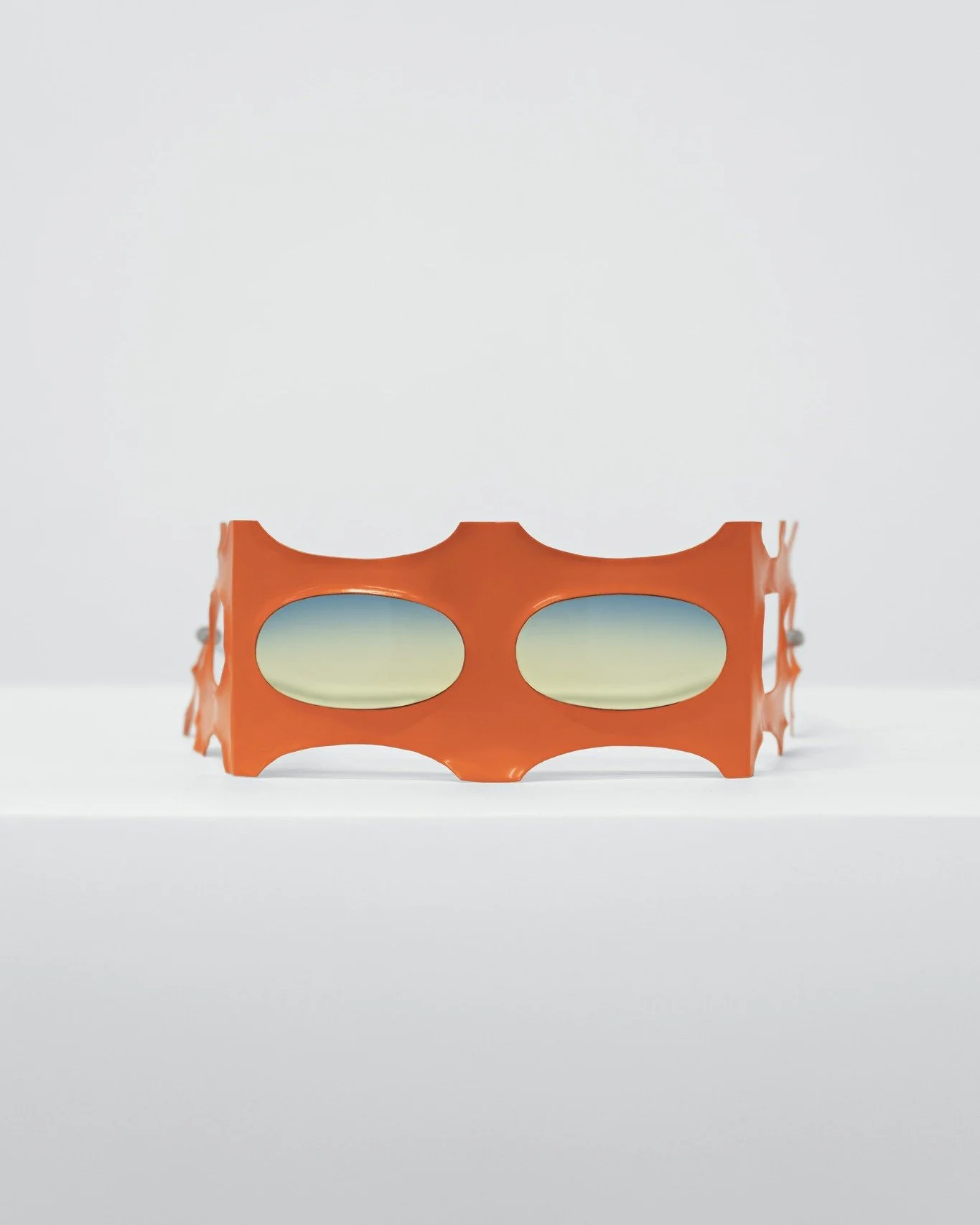
A Breath Between Flesh and Flight, Digital Photograph, 46.26 x 69.36 cm, 2025 © Harshil Chauhan
The human figure appears in your work in subtle and fragmented ways. How do you approach working with the body and presence?
I approach the human figure as a presence rather than a subject. I’m less interested in representation or identity and more in how the body occupies space, how it withdraws, rests, or leaves traces behind. Fragmentation allows the figure to exist without being fully defined, creating room for ambiguity and projection. By showing the body partially or indirectly, I aim to shift attention toward gesture, posture, and spatial relationships. The figure becomes part of the environment rather than separate from it, allowing presence and absence to coexist. This approach reflects how we often experience ourselves and others, not as complete or fixed, but as moments, impressions, and quiet negotiations with the spaces we inhabit.
Atmosphere and ambiguity are central to your images. Why is it important for you to avoid clear narratives?
Avoiding clear narratives allows the image to remain open rather than prescriptive. I’m less interested in telling a story and more drawn to creating a space where meaning can unfold slowly. Ambiguity mirrors how experiences are often lived, fragmented, unresolved, and emotionally layered. By resisting closure, the image invites viewers to bring their own memories and perceptions into the work. This openness creates a more personal and intimate engagement. For me, ambiguity is not a lack of clarity but a way of respecting complexity. It allows the work to breathe and continue evolving in the viewer’s mind.
Light plays a strong role in shaping mood in your work. How do you use light as an expressive element?
I approach light as an emotional and spatial presence rather than a purely technical tool. Light shapes atmosphere, defines distance, and suggests intimacy or withdrawal within an image. Subtle variations in light allow mood to emerge without being explicitly stated. I’m interested in how light can reveal certain details while concealing others, creating tension between what is seen and what remains hidden. It often becomes the quiet structure of the image, guiding perception gently. Through restraint, light carries emotional weight without overwhelming the frame.

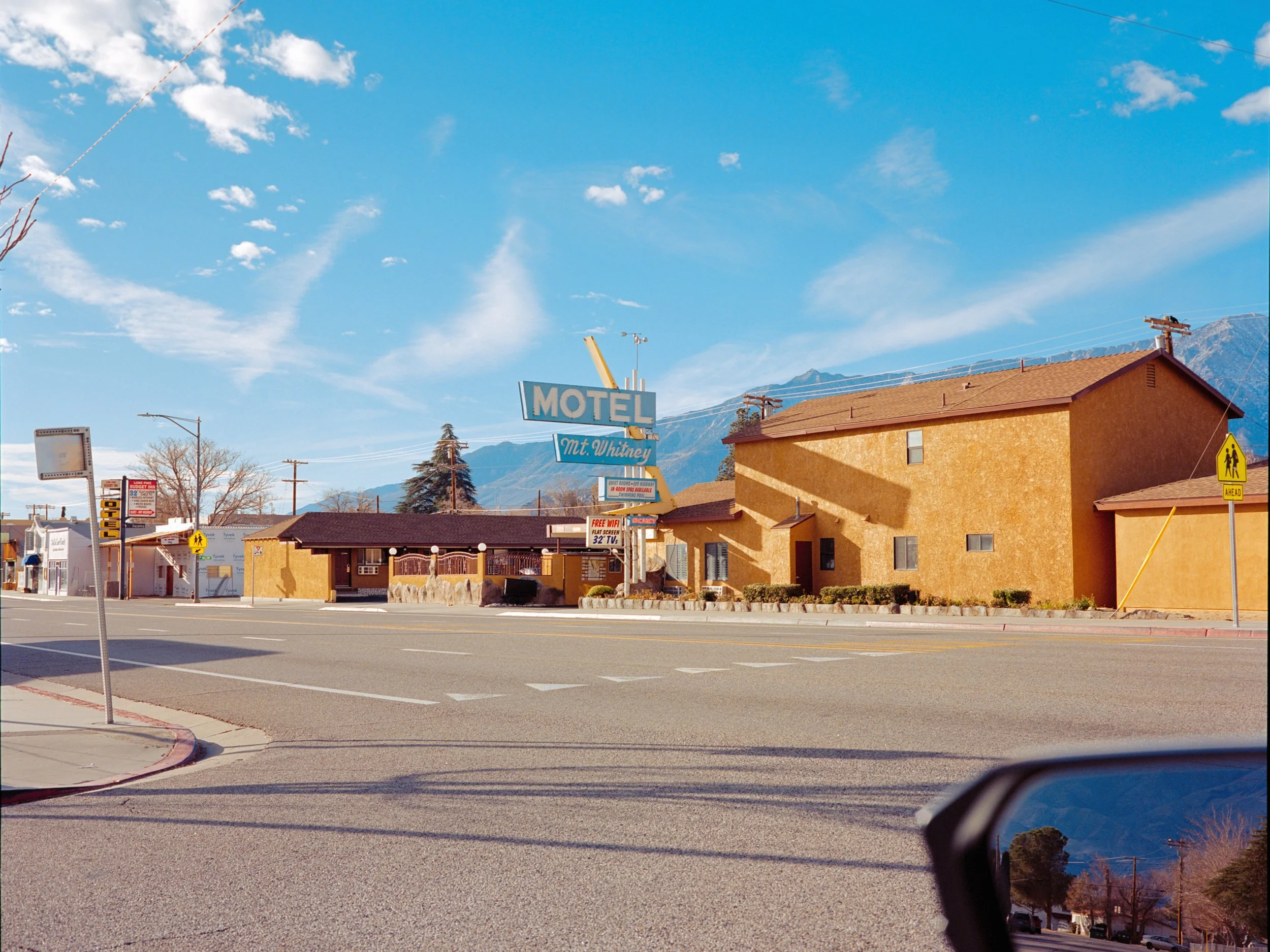
States of Becoming 04, Digital Photograph, 141.11x211.67 cm, 2021 © Harshil Chauhan

States of Becoming 06, Digital Photograph, 141.11x211.67 cm, 2021 © Harshil Chauhan
Many of your images invite viewers to slow down and spend time with them. How do you think about duration and attention when creating a work?
Duration is central to how I think about image-making. I’m interested in creating photographs that resist immediate consumption and instead reward sustained looking. Stillness, minimal action, and careful composition encourage viewers to slow their pace. I often work with moments that feel suspended, where nothing overtly happens but much can be felt. This sense of temporal openness allows attention to unfold gradually. For me, time spent with an image deepens its emotional and psychological impact. Slowness becomes a form of engagement.
Your environments, both natural and built, often feel psychologically charged. How do you choose or construct these spaces?
I’m drawn to environments that carry traces of time, repetition, or quiet human presence. These spaces often exist in a state of in-between: neither fully active nor abandoned. I don’t treat them as backdrops, but as participants in the image. The environment shapes the emotional tone and influences how the body is perceived within it. Often, the psychological charge emerges through subtle details rather than dramatic gestures. I allow the space to reveal itself through observation rather than construction. This approach keeps the environment emotionally alive.
How much of your work is shaped by personal experience, and how much comes from broader cultural references?
Personal experience often initiates my work, providing an emotional or perceptual starting point. However, I avoid direct autobiography and allow the images to move beyond the personal. Cultural references – cinema, literature, architecture, and place – inform how the work expands outward. These references help situate the images within a broader visual and emotional context. The balance between personal and collective allows the work to remain intimate yet accessible. I see the images as spaces where individual experience meets shared perception. This tension is central to my practice.

A Breath Between Flesh and Flight, Digital Photograph, 46.26 x 69.36 cm, 2025 © Harshil Chauhan
Your projects often remain open-ended rather than resolved. What do you hope viewers take away from this openness?
I hope openness allows viewers to dwell rather than conclude. When an image resists resolution, it creates room for reflection instead of interpretation. I want viewers to spend time with the work and allow their own associations to surface. Open-endedness acknowledges that meaning is not fixed but fluid. It mirrors how memory and emotion operate, shifting over time. Rather than offering answers, the work holds space for uncertainty. This lingering quality is essential to how the images function.
What are you currently working on, and how do you see your practice evolving in the near future?
I’m currently developing new work that further explores the relationship between environment, stillness, and the human body. The focus has shifted toward scale, repetition, and subtle spatial shifts. I’m working more slowly, allowing images to emerge through sustained observation. Moving forward, I see my practice becoming more distilled and restrained. I’m interested in refining a visual language that is quieter yet more precise. This evolution will continue across both photographic and moving-image forms. The aim is clarity through reduction.
Artist’s Talk
Al-Tiba9 Interviews is a promotional platform for artists to articulate their vision and engage them with our diverse readership through a published art dialogue. The artists are interviewed by Mohamed Benhadj, the founder & curator of Al-Tiba9, to highlight their artistic careers and introduce them to the international contemporary art scene across our vast network of museums, galleries, art professionals, art dealers, collectors, and art lovers across the globe.



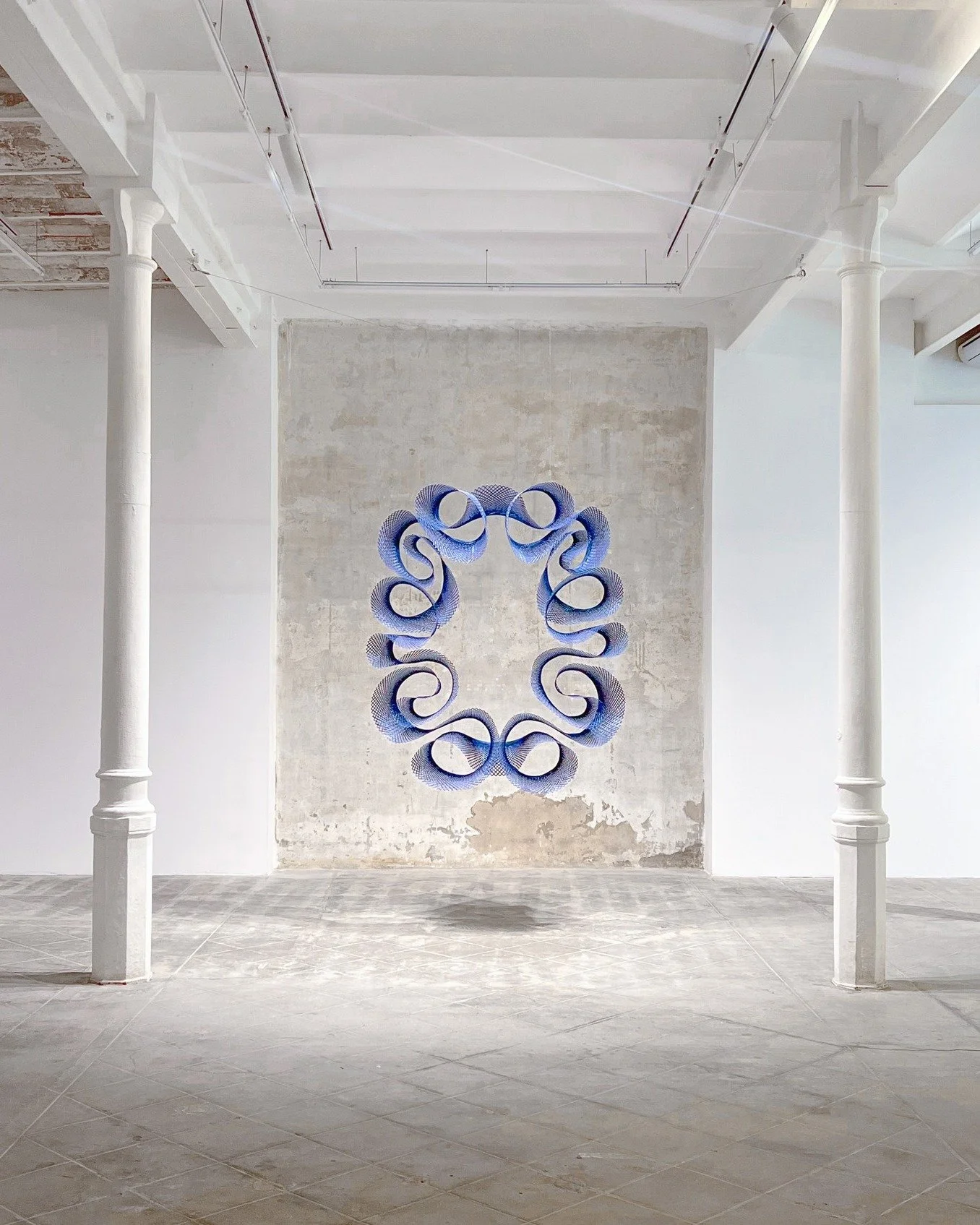
Shingo Ohta is a Japanese photographic artist based in Toyooka, Hyogo, near the Sea of Japan. After a long career in business and regional revitalization, he turned to photography as a primary artistic practice, developing an ongoing body of work centered on the sea as a living, volatile, and almost sacred force. His images transform waves, spray, light, and weather into abstract forms.