Sculpture

INTERVIEW | David Moješčík - MojDa

INTERVIEW | David Moješčík - MojDa

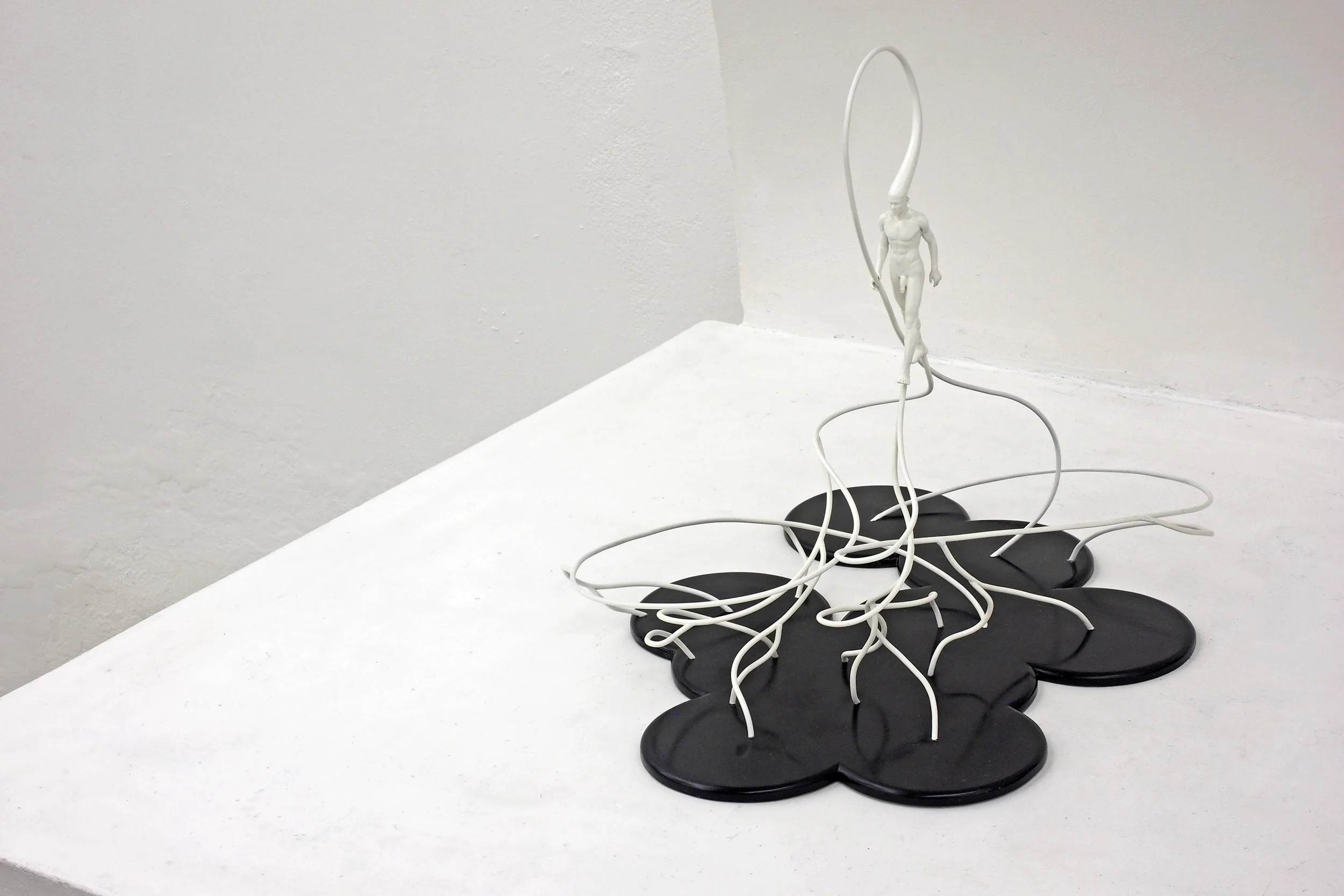
David Moješčík - MojDa is a Czech sculptor. His work is centred on figurative sculpture, the human body, and the female figure. Modelling in clay and with digital tools, he ultimately prioritises manual engagement with materials. . He draws inspiration from yoga philosophy with the concepts of non-violence and human-centeredness, as well as from Egyptian, ancient, and European classical sculpture.

INTERVIEW | Ayumi Kajiwara

INTERVIEW | Ayumi Kajiwara

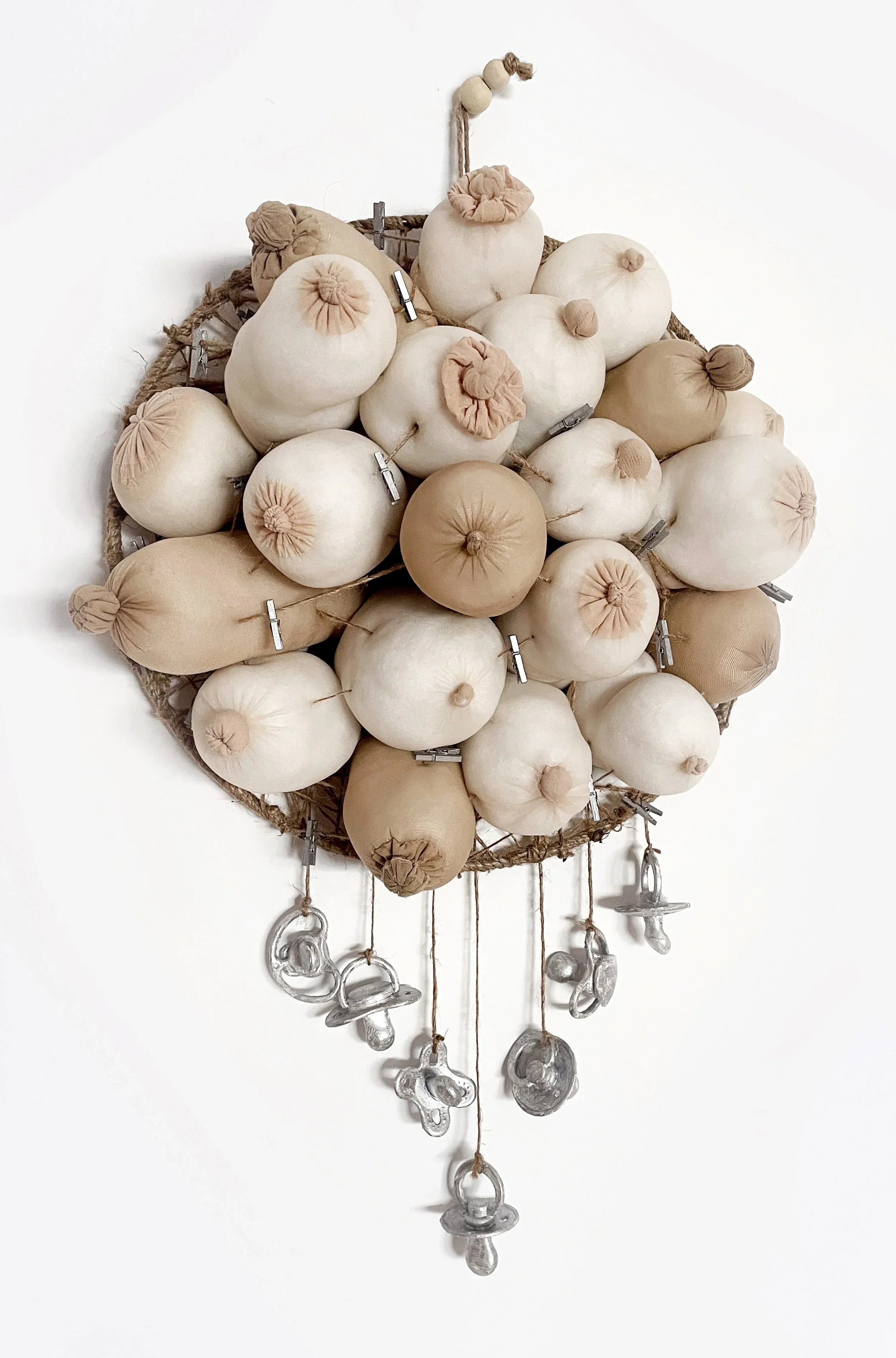
Ayumi Kajiwara is a Japanese sculptor based in London/ Tokyo, working across textile, installation, and found materials. Her practice explores the sculptural potential of textiles, creating forms that exist between body, creature, and landscape. Working with both reclaimed materials and handcrafted textiles, she investigates material memory, vulnerability, and transformation.

INTERVIEW | Hannah Wu

INTERVIEW | Hannah Wu

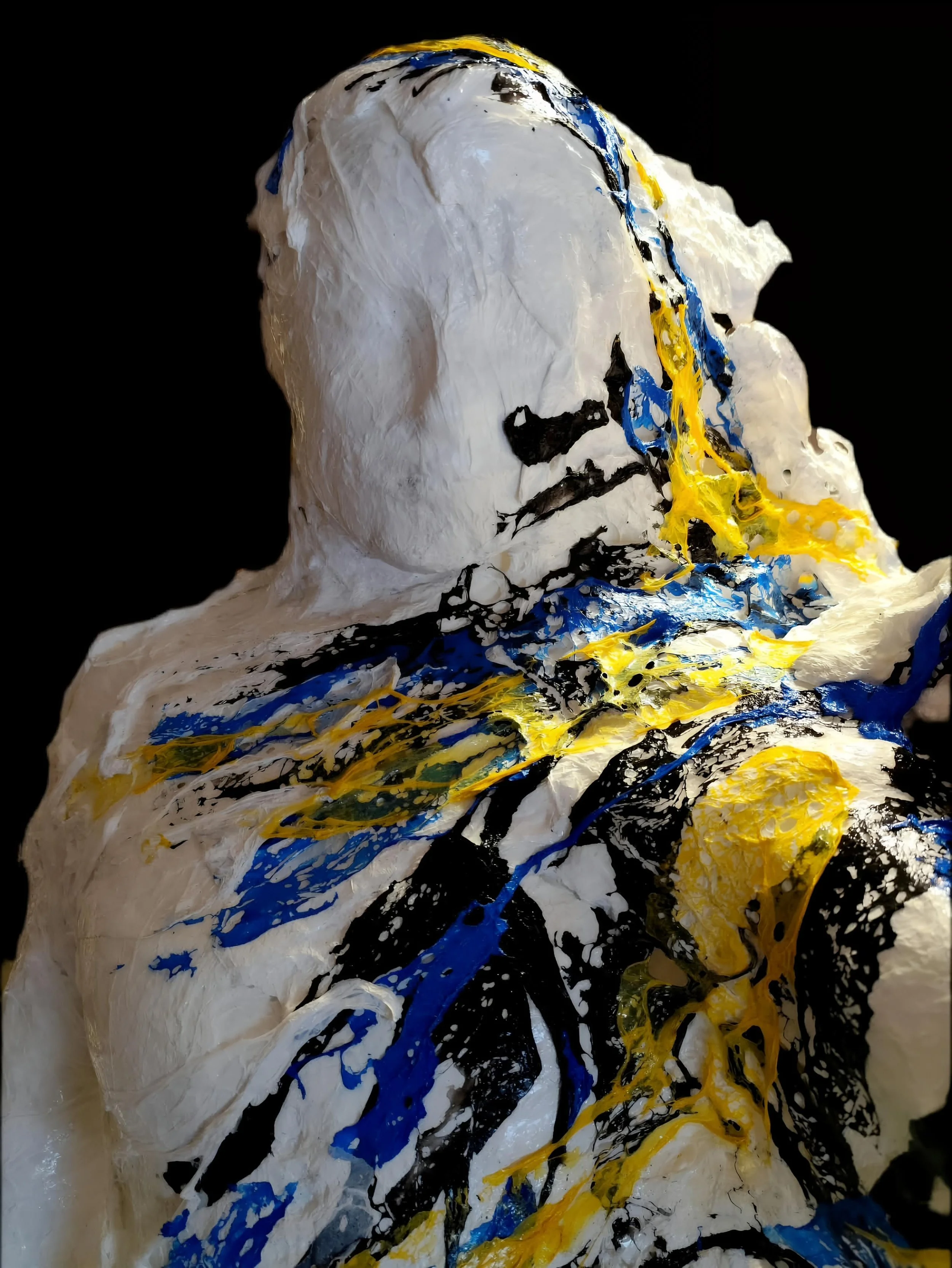
Hannah Wu is a Taiwanese-born, New York–based multidisciplinary artist working across painting, olfactory art, sculpture, installation, photography, and moving image. Using acrylic, plaster, resin, fragrance, and found materials, her practice explores the relationship between scent, memory, and visual form, translating ephemeral experiences into tangible objects.

INTERVIEW | Kfir Galatia Azula

INTERVIEW | Kfir Galatia Azula

Kfir Galatia-Azulay Darash is an architect, engineer, multidisciplinary designer, and artist. In his practice, architecture defines the framework, scale, rhythm, and light; interior design addresses the body and the human experience; product design approaches detail, material, and physical contact; and art allows an idea to move beyond function and become emotion, memory, and interpretation.

INTERVIEW | Won Ji Lim

INTERVIEW | Won Ji Lim

Lim Won Ji (Oneg) is a South Korean artist based in Chicago. Working across sculpture, installation, performance, and process-based experimentation, Lim investigates hypervigilance as a bodily condition shaped by anxiety, uncertainty, anticipation, and the desire for control, constructing unstable situations in which order is continually negotiated through gravity, time, repetition, and chance.

INTERVIEW | Siqi Fan

INTERVIEW | Siqi Fan

Siqi Fan is a Los Angeles–based artist whose practice spans painting, sculpture, video installation, performance, and photography. Drawing inspiration from food culture, hospitality, and everyday encounters, her work reflects on migration, labor, memory, and the ways people create a sense of belonging, focusing on overlooked stories and forms of care embedded within ordinary spaces.

INTERVIEW | Carla Rump

INTERVIEW | Carla Rump

Carla Rump is a visual artist working across installation and sculpture. Her practice explores transformation, materiality, and the cyclical relationship between creation and dissolution. Drawing from natural processes and organic forms, she develops immersive, site-responsive environments that engage spatial and bodily perception.

INTERVIEW | Leah Larisa Bunshaft

INTERVIEW | Leah Larisa Bunshaft

Leah Larisa Bunshaft is a multidisciplinary artist who works in mixed media. Trauma received in childhood, changes of countries influenced the choice of themes of the artist. A key theme in Leah's artworks is the vulnerability of the fragile human being in this insecure world, issues of femininity, women's lives, feminism and self-identity.

INTERVIEW | Ziwen Li

INTERVIEW | Ziwen Li

Ziwen Li is an artist based between London and China, working across painting, drawing, sculpture and installation. She is deeply interested in fluid energies that circulate between the subconscious and nature. Her work reflects on memory, authenticity, transience, psychological vulnerability, kindness, and the human search for meaning.

INTERVIEW | Katia Shneider

INTERVIEW | Katia Shneider

Katia Shneider is an artist working with installation, sculpture, and video. Her practice focuses on exploring how the individual reconfigures the self and presence in the world amidst ongoing radical social, technological, and cultural transformations. In her practice, Katia explores the phenomenon of the nomadic identity of the contemporary individual.

INTERVIEW | Xiaohan Wu

INTERVIEW | Xiaohan Wu

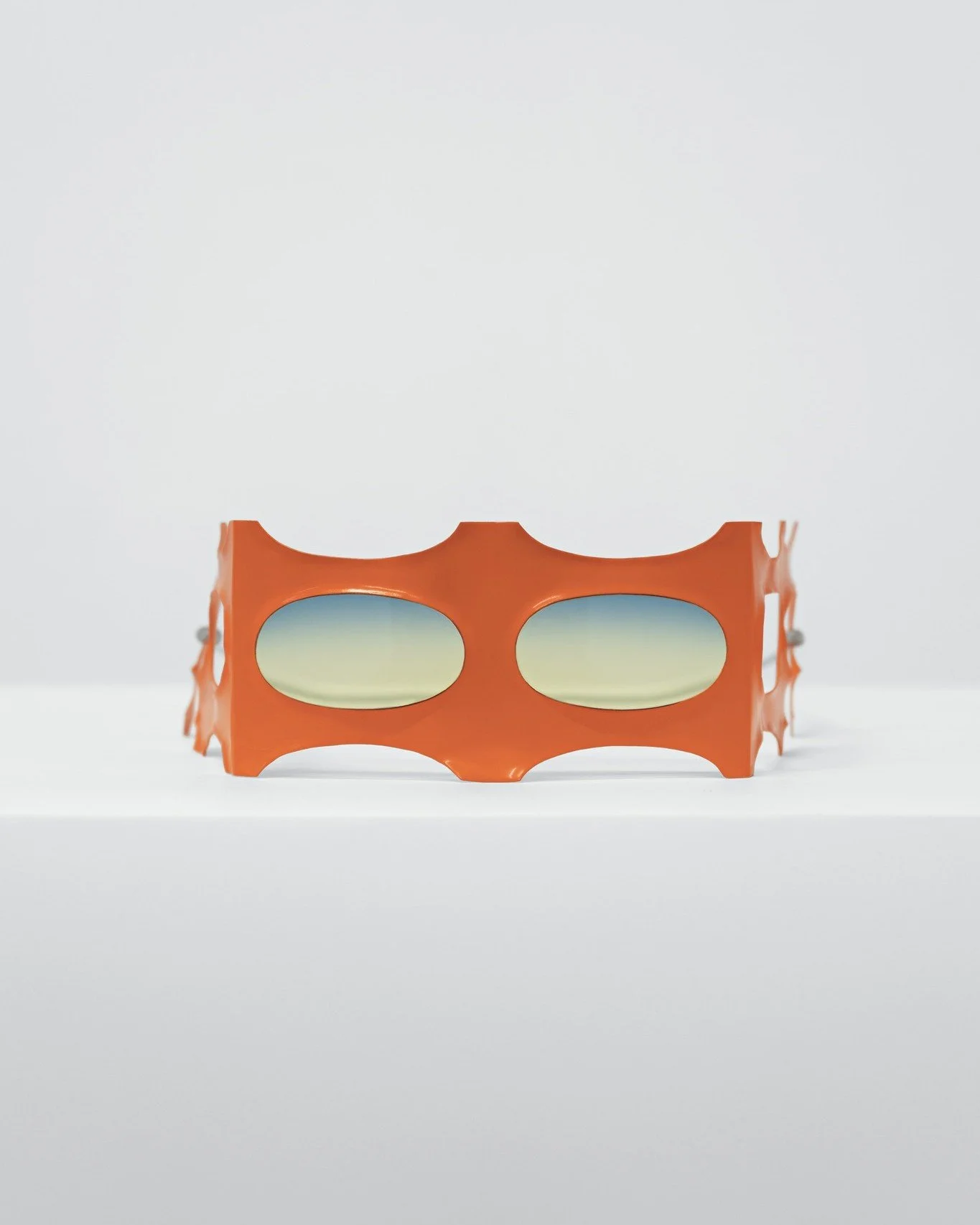
Xiaohan Wu is a metalsmith and contemporary jewellery artist whose work explores the intersection of form, sound, and communication. Through horn-like and woven metal structures, she translates vibration into visual language. Her practice is rooted in her experience of navigating linguistic and cultural boundaries after moving across countries.

INTERVIEW | Devid Biscontini

INTERVIEW | Devid Biscontini

Devid Biscontini is an Italian contemporary artist who lives and works in Umbria. A self-taught artist, he has developed a distinctive research focused on the expressive potential of industrial plastic as the primary material of his artistic language. His research explores the relationship between matter, perception, and transformation, often through dynamic compositions.

INTERVIEW | Gauri Gandhi

INTERVIEW | Gauri Gandhi

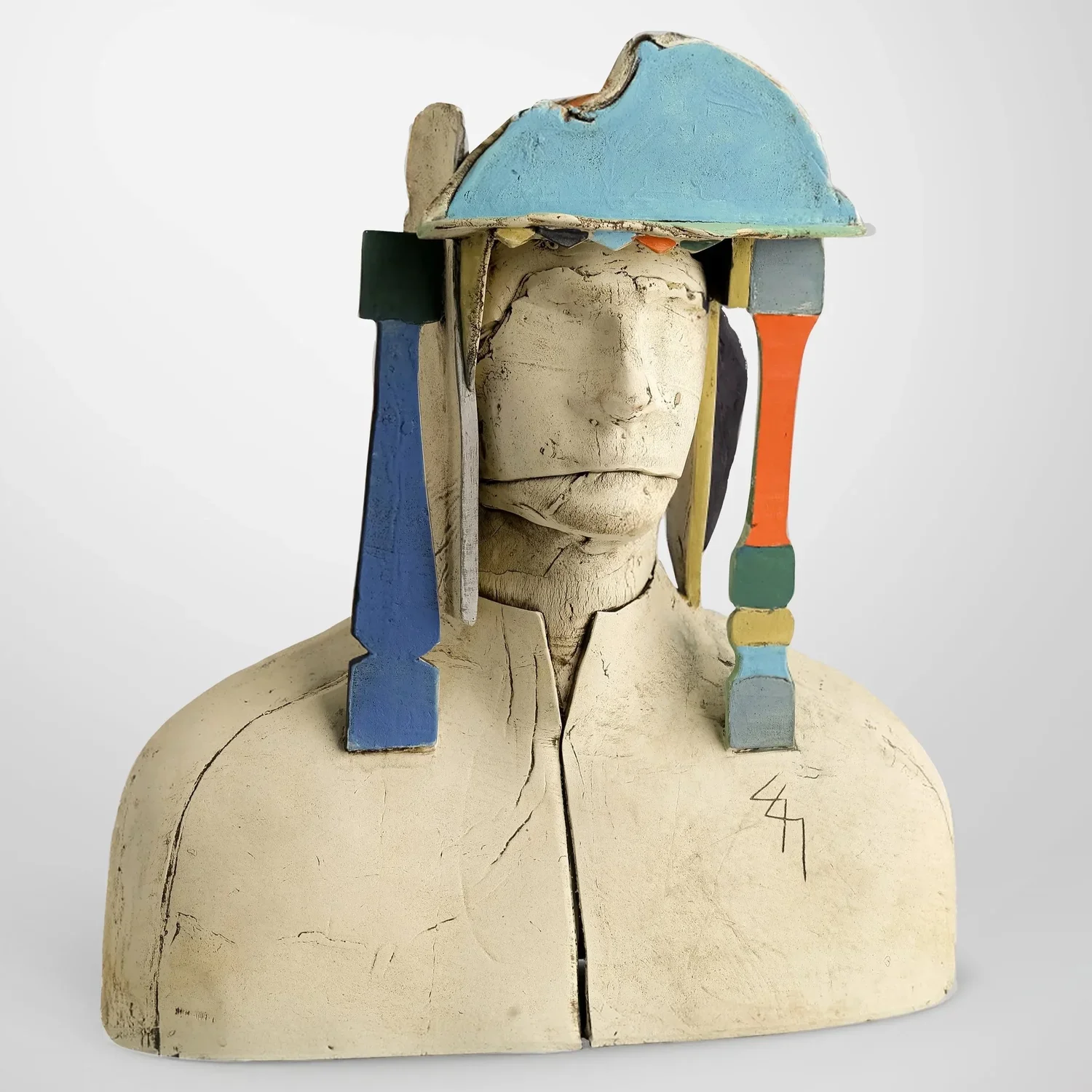
Gauri Gandhi is a conceptual artist whose work often features simple, toylike forms that deliver critical commentary with a touch of humour. Her ongoing body of work, The Stranger, centres on ceramic heads cast from a single mould, serving as a metaphor for humanity’s shared origin.states.

INTERVIEW | Ningxin Zhang

INTERVIEW | Ningxin Zhang

Ningxin Zhang is a composer and intermedia artist based in the San Francisco Bay Area. Her practice integrates sonic art, audiovisual interaction, and computational media, with a focus on algorithmic structures, real-time systems, and responsive environments. Her work spans installation, performance, and interactive media.

INTERVIEW | Jiwoong Jang

INTERVIEW | Jiwoong Jang

Jiwoong Jang is an interdisciplinary artist in New York City. Jiwoong's practice is built on delicate observations and connections. Working in post-photography, he explores how the charge of past experiences, pleasant or painful, informs new or anticipated encounters in unexpected ways. These instances of surprise are collected and transmuted into photography and sculpture.

INTERVIEW | Wenyu Zheng

INTERVIEW | Wenyu Zheng

As an artist and fashion designer, Wenyu Zheng’s practice explores the interplay of materials, focusing on their inherent properties, limitations, and emotional qualities. Fragment is an ongoing core methodology in the practice of Wenyu Zheng, focusing on how structures born from rupture generate meaning. At the center, clusters of hands reach upward in varied gestures, embodying longing.

INTERVIEW | Shu Wang

INTERVIEW | Shu Wang

Shu Wang is an internationally renowned interdisciplinary artist specializing in jewelry design and wearable sculpture. Her practice centers on the body as a site where emotion, structure, and social tension converge. Through interaction, movement, and physical proximity, she investigates how objects function as living media, activating sensory experience, mediating social expectations, and generating shared perception between wearer and viewer.

INTERVIEW | Randong Yu

INTERVIEW | Randong Yu

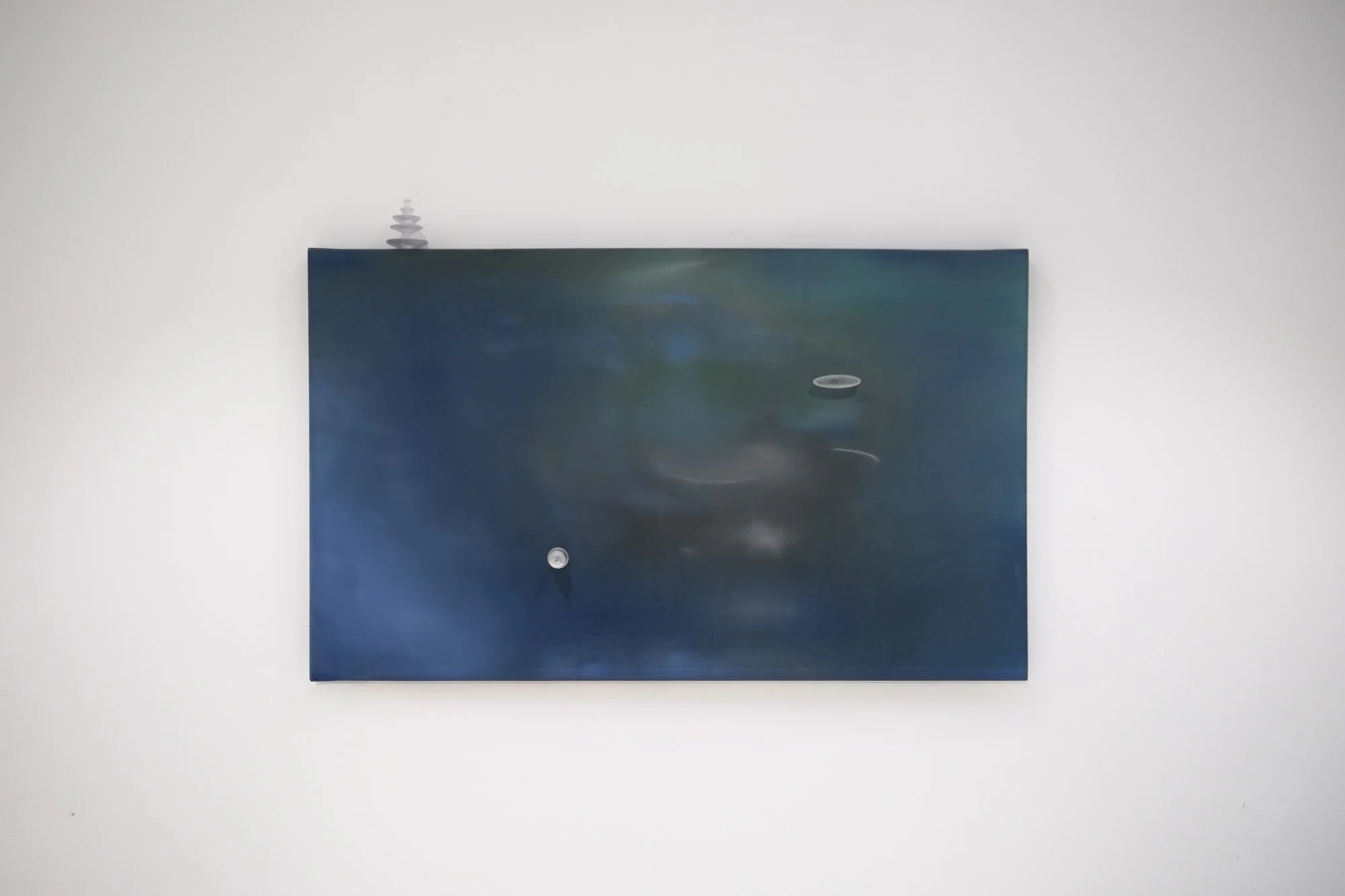
Randong Yu's work investigates the tension between fragility and assurance, and how belief, reliance, and ontological security surface through material presence. As thresholds and limitations grow porous, his practice illuminates the friction between play, logic, and emotion, tracing the fragile architectures that hold tangible perception and intangible faith together.

INTERVIEW | ChingKe Lin

INTERVIEW | ChingKe Lin

ChingKe Lin is a bamboo artist rooted in material philosophy, expanding the contemporary possibilities of bamboo. Rather than reproducing traditional craft, he approaches bamboo as an explorer, studying its tension and resilience to seek a deeper bond between nature and human experience. His work grows from the essence of the material, turning bamboo weaving into a fluid spatial language.

INTERVIEW | Yang Lu

INTERVIEW | Yang Lu

Yang Lu's work resists human-centred narratives and seeks to dismantle the illusions that sustain them. Yang creates objects that operate as fragments from elsewhere, mirrored forms, alien inscriptions, and transparent architectures that neither reflect us fully nor explain themselves. These works emerge from a refusal to reduce existence to binaries: life and death, self and other, human and nonhuman.