INTERVIEW | David Moješčík - MojDa

INTERVIEW | David Moješčík - MojDa

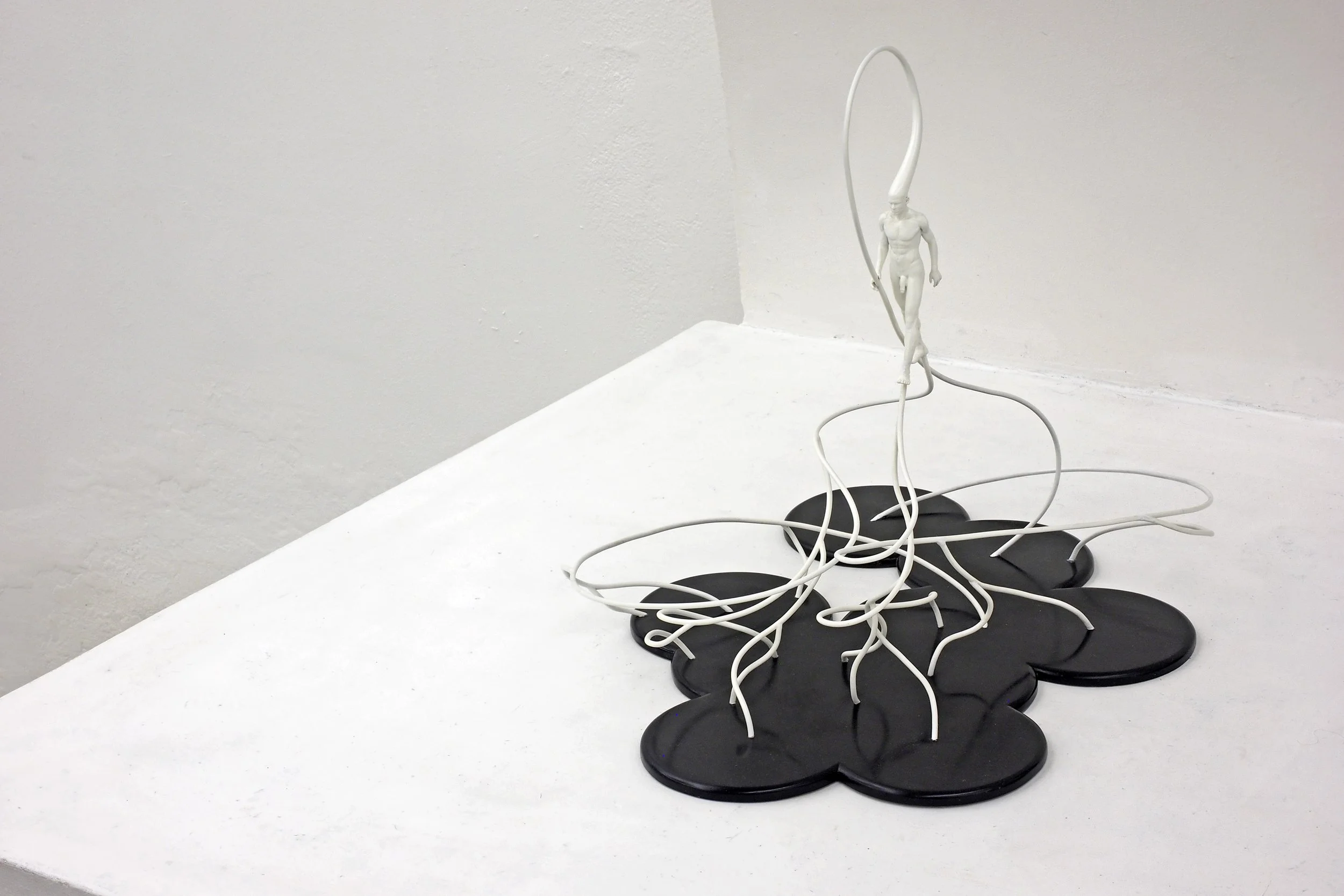
David Moješčík - MojDa is a Czech sculptor. His work is centred on figurative sculpture, the human body, and the female figure. Modelling in clay and with digital tools, he ultimately prioritises manual engagement with materials. . He draws inspiration from yoga philosophy with the concepts of non-violence and human-centeredness, as well as from Egyptian, ancient, and European classical sculpture.
INTERVIEW | Nataraj von Allmen

INTERVIEW | Nataraj von Allmen

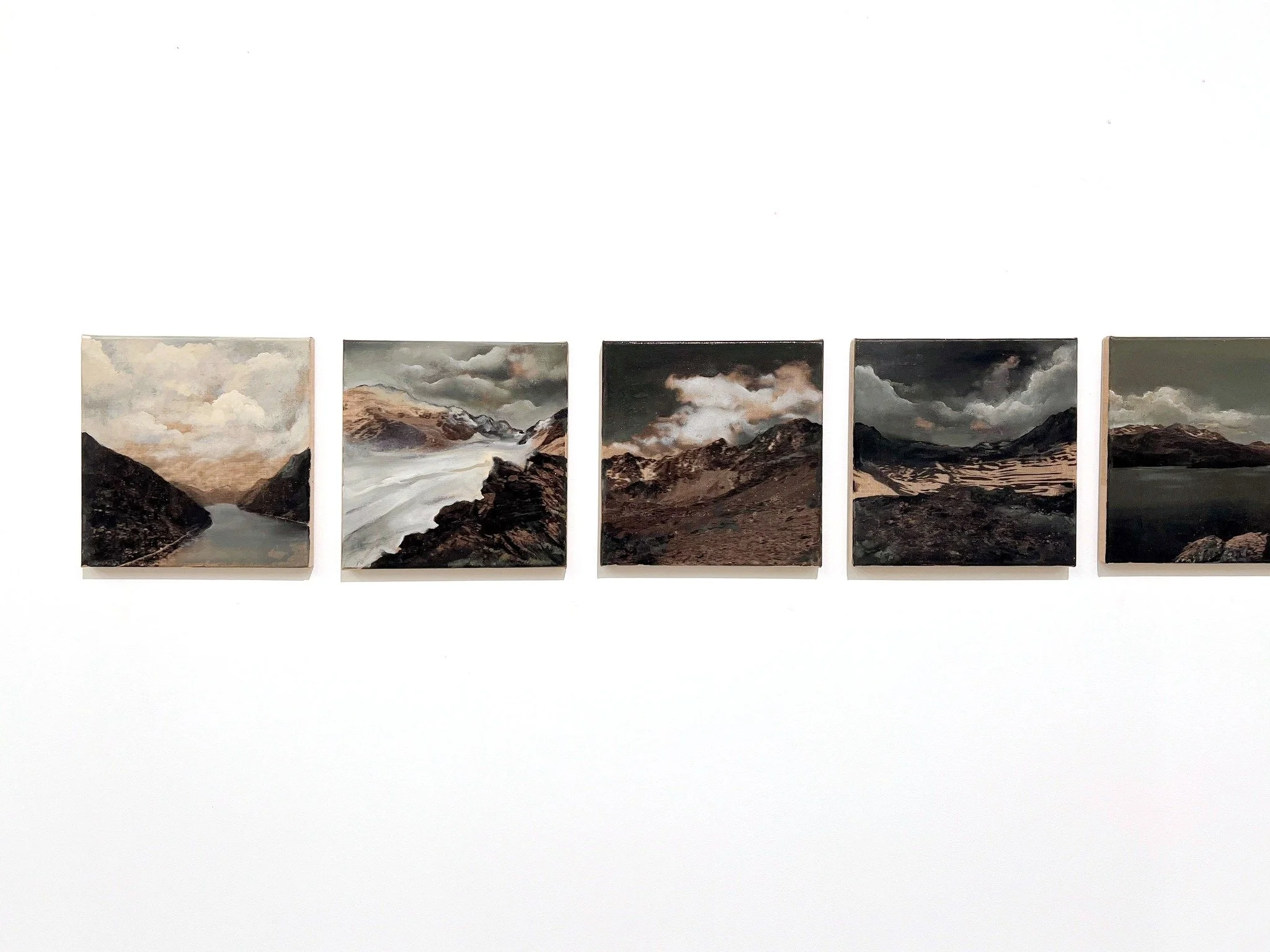
Nataraj von Allmen is a painter based in Switzerland. Often taking photographic material as a starting point, he weaves together landscapes, mythological archetypes, Christian symbolism, and contemporary socio-political themes into complex paintings. Oscillating between figuration and abstraction, his work investigates transformation, collective memory, and the human condition.

INTERVIEW | Low How Koon

INTERVIEW | Low How Koon

Dylan Low is a Malaysian visual artist, creative designer, and educator whose multidisciplinary practice bridges contemporary design and fine art. His work investigates the fluid boundaries between emotion, memory, and artistic observation. Using digital paintings as his primary tools, he creates immersive visual narratives that challenge perceptions of emotions in art and design.

INTERVIEW | Veronika Fox

INTERVIEW | Veronika Fox

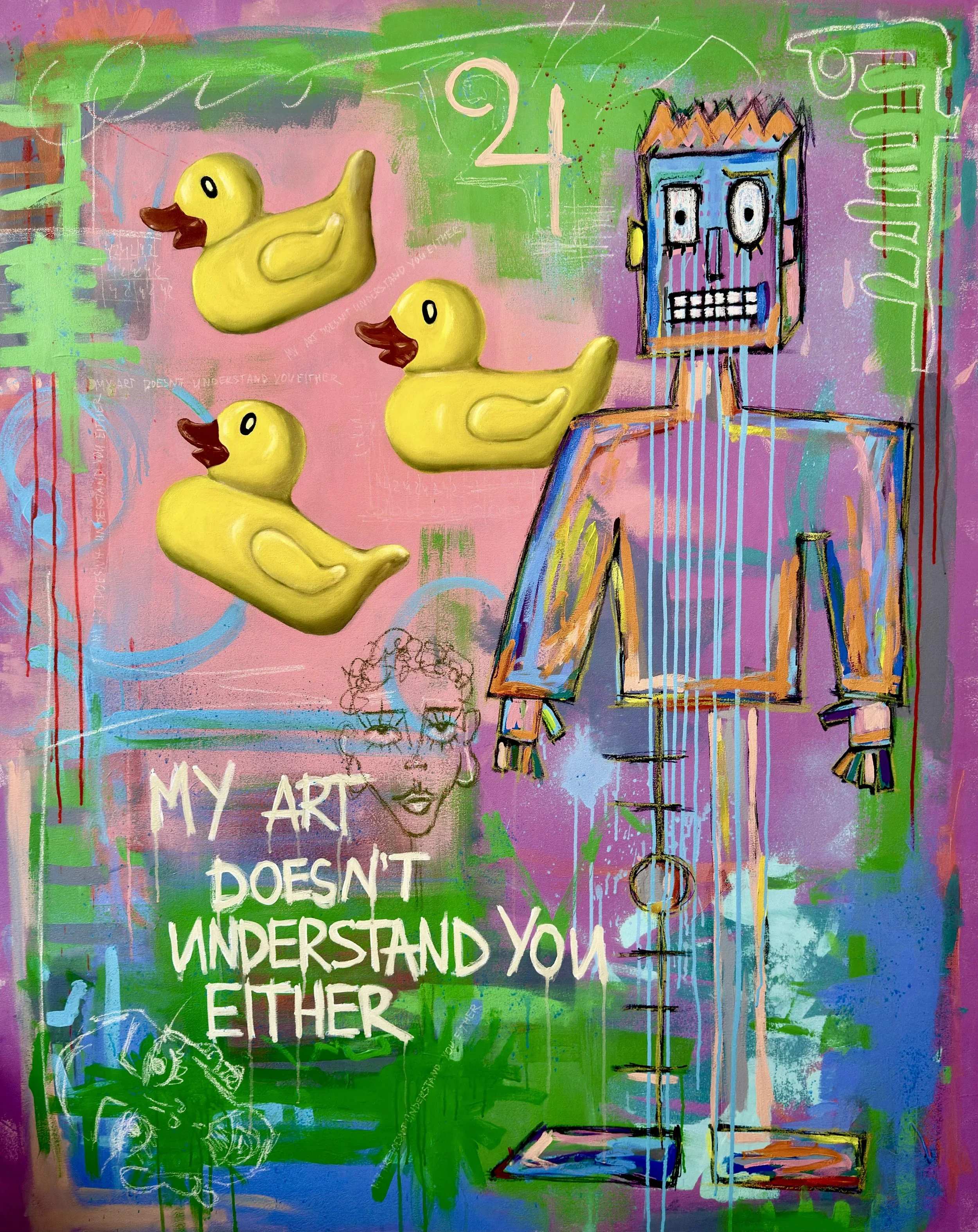
Veronika Fox is a contemporary Ukrainian artist based in New York City. work explores the space where emotion, imagination, and symbolism intersect. She paints intuitively and moving between abstraction, figuration, surrealism, and escapism, she creates expressive figures, dreamlike forms, and recurring robots that have become her visual signature.

INTERVIEW | Huichao Dong

INTERVIEW | Huichao Dong

Huichao Dong is an architectural designer focused on adaptive reuse, public-serving infrastructure, and socially responsive environments. Her latest project, CORA Community: Adaptive Reuse of a Grain Terminal reimagines a historic grain silo on the Brooklyn waterfront as affordable housing and cultural infrastructure for dancers, to support new forms of community, movement, and urban life.

INTERVIEW | Ayumi Kajiwara

INTERVIEW | Ayumi Kajiwara

Ayumi Kajiwara is a Japanese sculptor based in London/ Tokyo, working across textile, installation, and found materials. Her practice explores the sculptural potential of textiles, creating forms that exist between body, creature, and landscape. Working with both reclaimed materials and handcrafted textiles, she investigates material memory, vulnerability, and transformation.

INTERVIEW | Julie Machallová

INTERVIEW | Julie Machallová

Julie Machallova’s artistic exploration focuses on love, intimacy and female sexuality, asking whether true love can exist in a time of increasingly fragile relationships. Her paintings explore vulnerability, desire, introspection, loneliness, memories and the fleeting beauty of intimate moments. Her paintings embrace the imperfect body, sensuality and confidence.

INTERVIEW | Natalia Yuresko-Bilous

INTERVIEW | Natalia Yuresko-Bilous

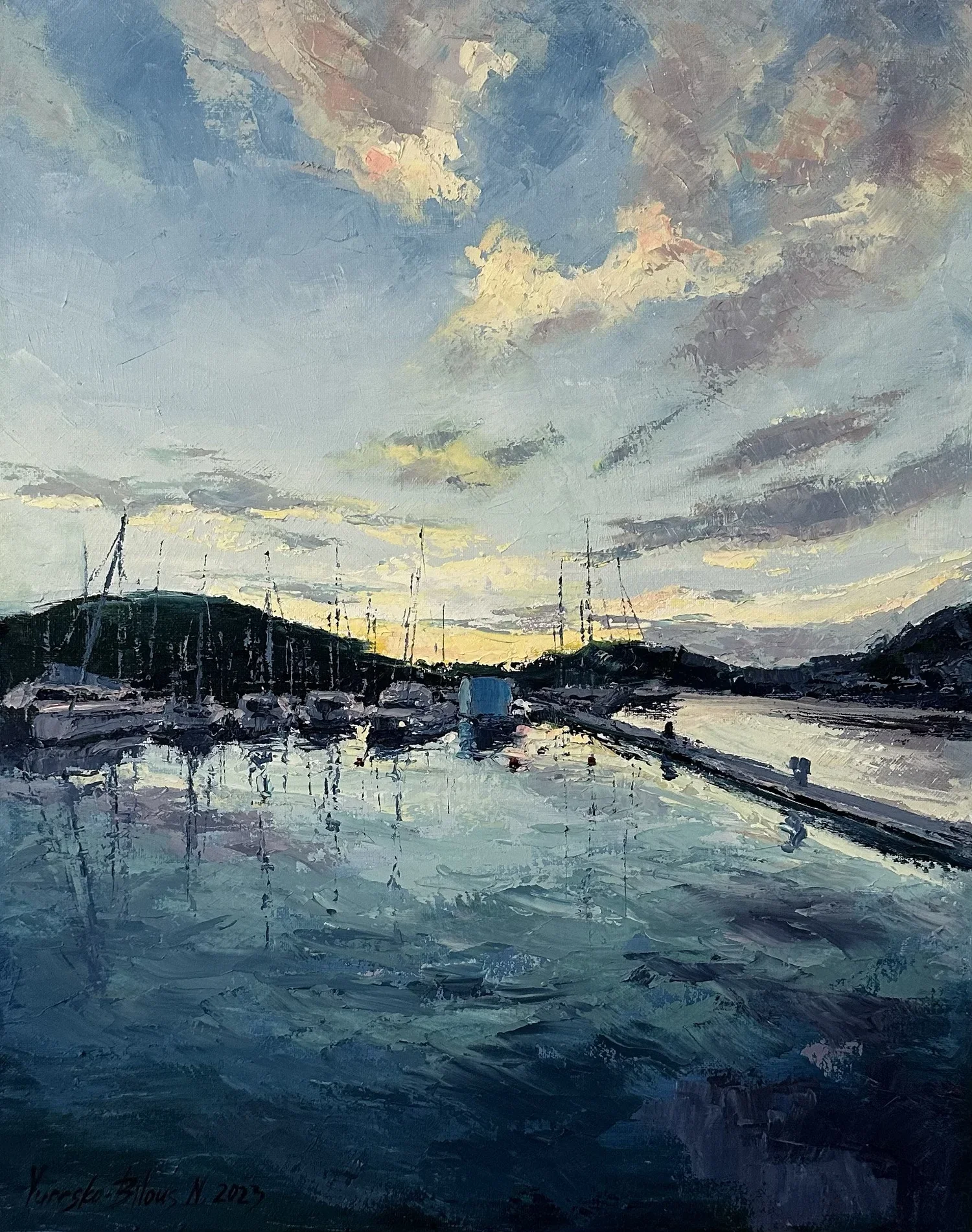
Natalia Yuresko-Bilous is a Ukrainian artist living in Bulgaria. In her work, she places a strong emphasis on light as the central expressive element. Through it, she reveals the beauty of the surrounding world and invites the viewer to pause, truly observe what often goes unnoticed, sit in quiet reflection, and become aware of the fleeting nature of time.

INTERVIEW | Lubna Alayeli

INTERVIEW | Lubna Alayeli

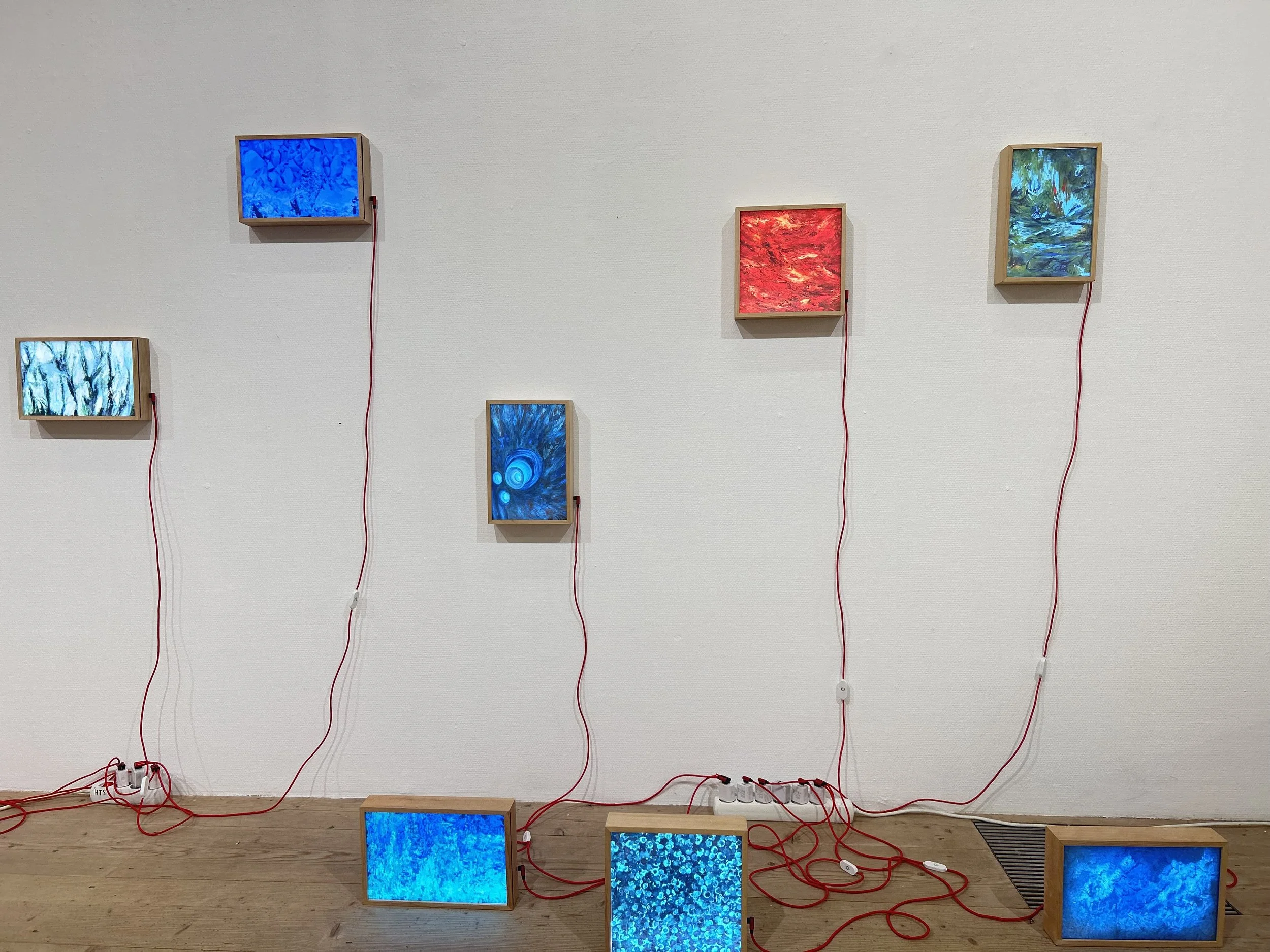
Lubna Alayeli is a multidisciplinary artist and interior designer whose practice explores transformation, memory, and the relationship between natural forms and abstraction. Working primarily through painting, she investigates states of emergence and transition, allowing images to evolve through layered processes of observation, intuition, and material experimentation.

INTERVIEW | Lumi Liu

INTERVIEW | Lumi Liu

Lumi Liu is a New York–based designer and visual artist working at the intersection of art, medical visualisation, and public expression. Her practice explores consciousness, hidden biological systems, and the multiple dimensions of life that exist beyond human awareness. Lumi transforms these invisible biological architectures into poetic artistic experiences.

INTERVIEW | Bichen Liu

INTERVIEW | Bichen Liu

Bichen Liu is a Chinese lens-based visual artist working across fine art photography, black-and-white image-making, and experimental photographic practice. What Lies Beneath is a black-and-white photographic series focusing on exposed root systems and coastal residues, that transforms overlooked ecological fragments into visual records of support, erosion, and displacement.

INTERVIEW | Jialiang Guo

INTERVIEW | Jialiang Guo

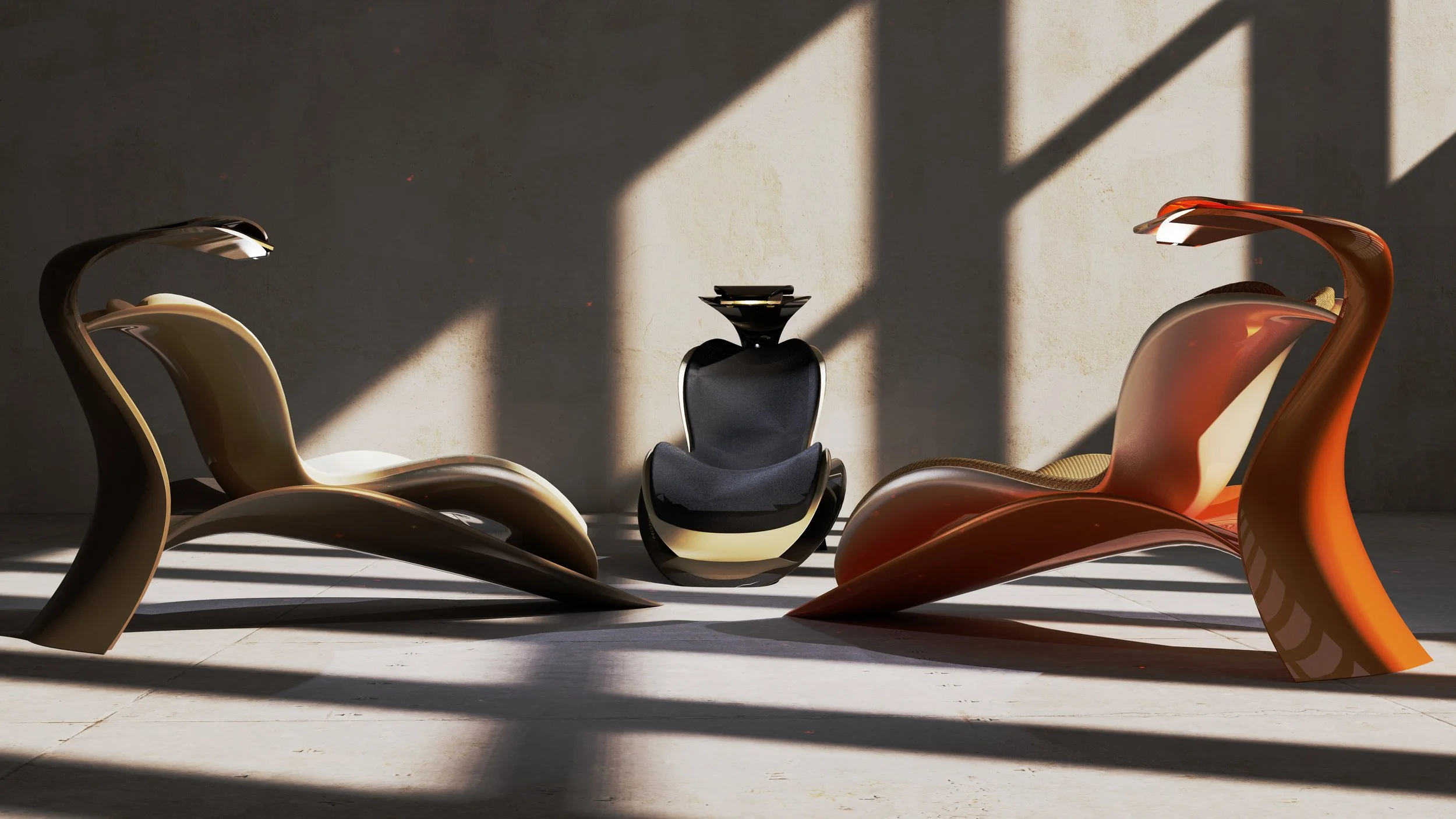
Jialiang Guo is a Dallas-based furniture designer whose practice explores the relationship between furniture, material, space, and human interaction. Guo’s work ranges from sculptural furniture and material-driven objects to modular systems that engage with the way people inhabit and interact within contemporary spaces.

INTERVIEW | Haohao Huang

INTERVIEW | Haohao Huang

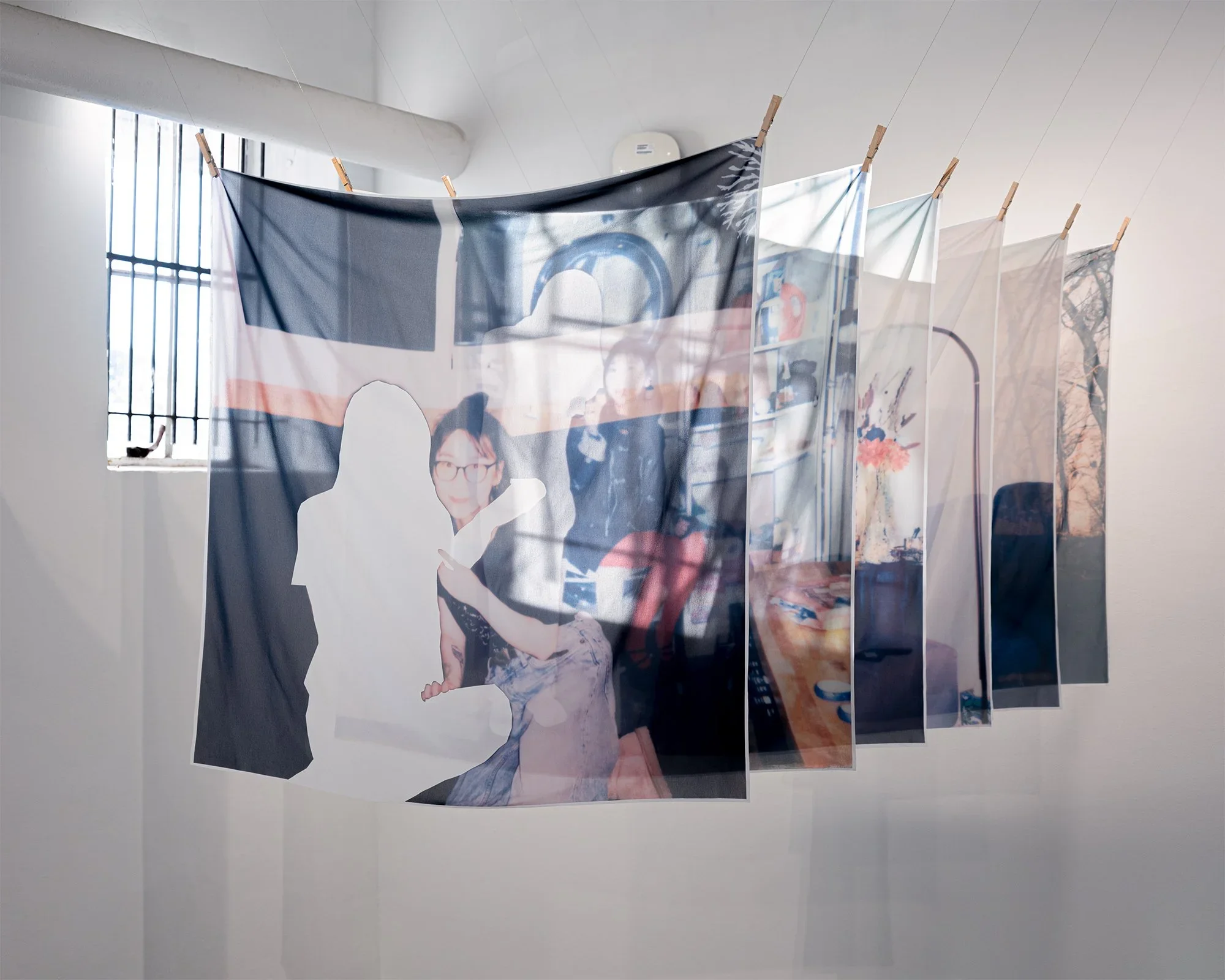
Haohao Huang is a Chinese visual artist based in Savannah, Georgia. Her practice explores memory, intimacy, displacement, and belonging, often examining the instability of memory and the ways personal experiences are translated and transformed through photographic processes. Her latest series, Lost in Translation, examines intimacy, memory, and the instability of identity.

INTERVIEW | Raya Mansoor

INTERVIEW | Raya Mansoor

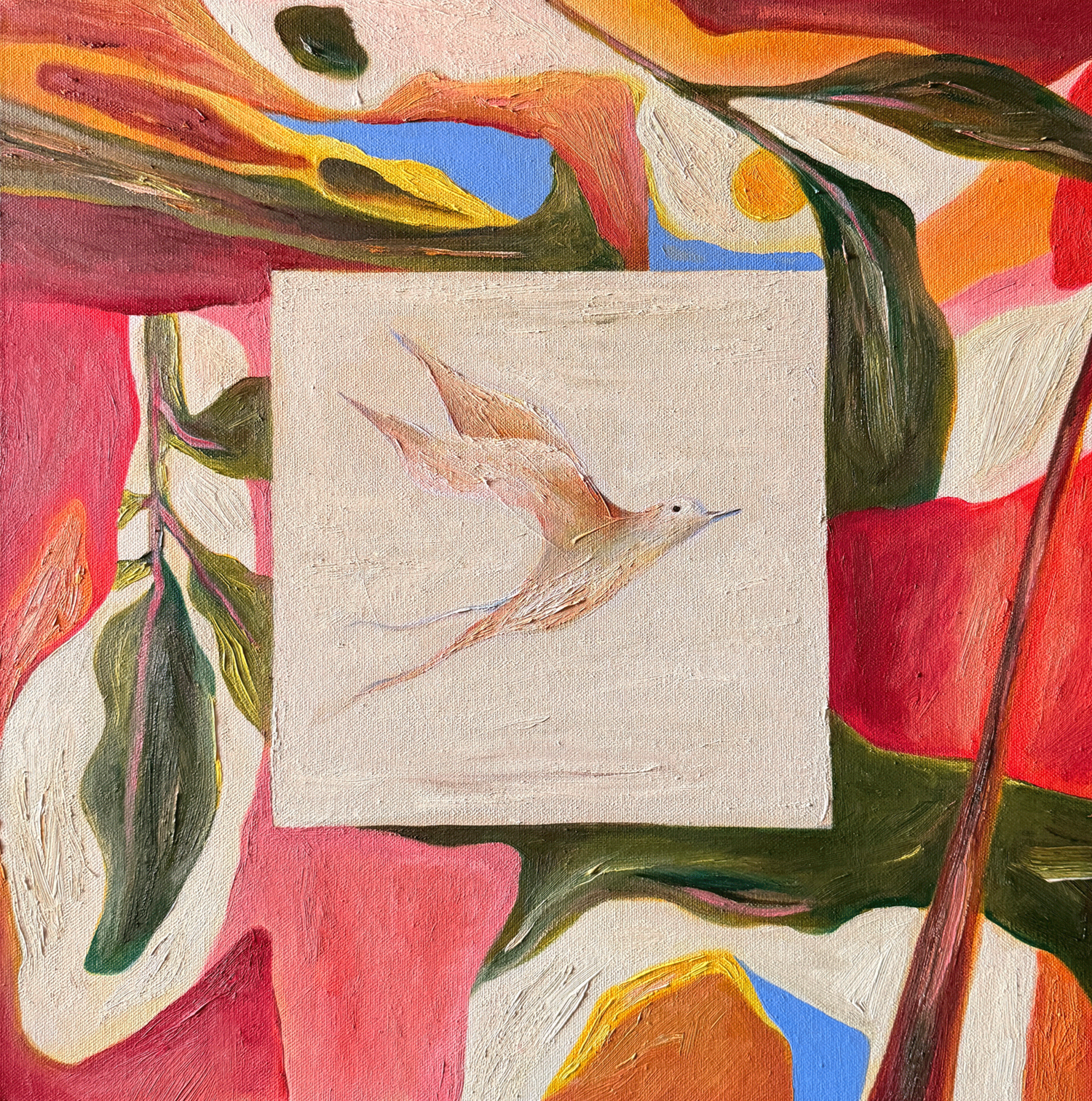
Raya Mansoor is a contemporary artist from the Maldives whose practice moves between abstraction and expressionism, shaped by island life, personal memory, and observation. Working primarily with acrylic and oil on canvas, she builds layered compositions through colour, gesture, and forms drawn from the natural and everyday world around her.

INTERVIEW | Hannah Wu

INTERVIEW | Hannah Wu

Hannah Wu is a Taiwanese-born, New York–based multidisciplinary artist working across painting, olfactory art, sculpture, installation, photography, and moving image. Using acrylic, plaster, resin, fragrance, and found materials, her practice explores the relationship between scent, memory, and visual form, translating ephemeral experiences into tangible objects.

INTERVIEW | Aunia Kahn

INTERVIEW | Aunia Kahn

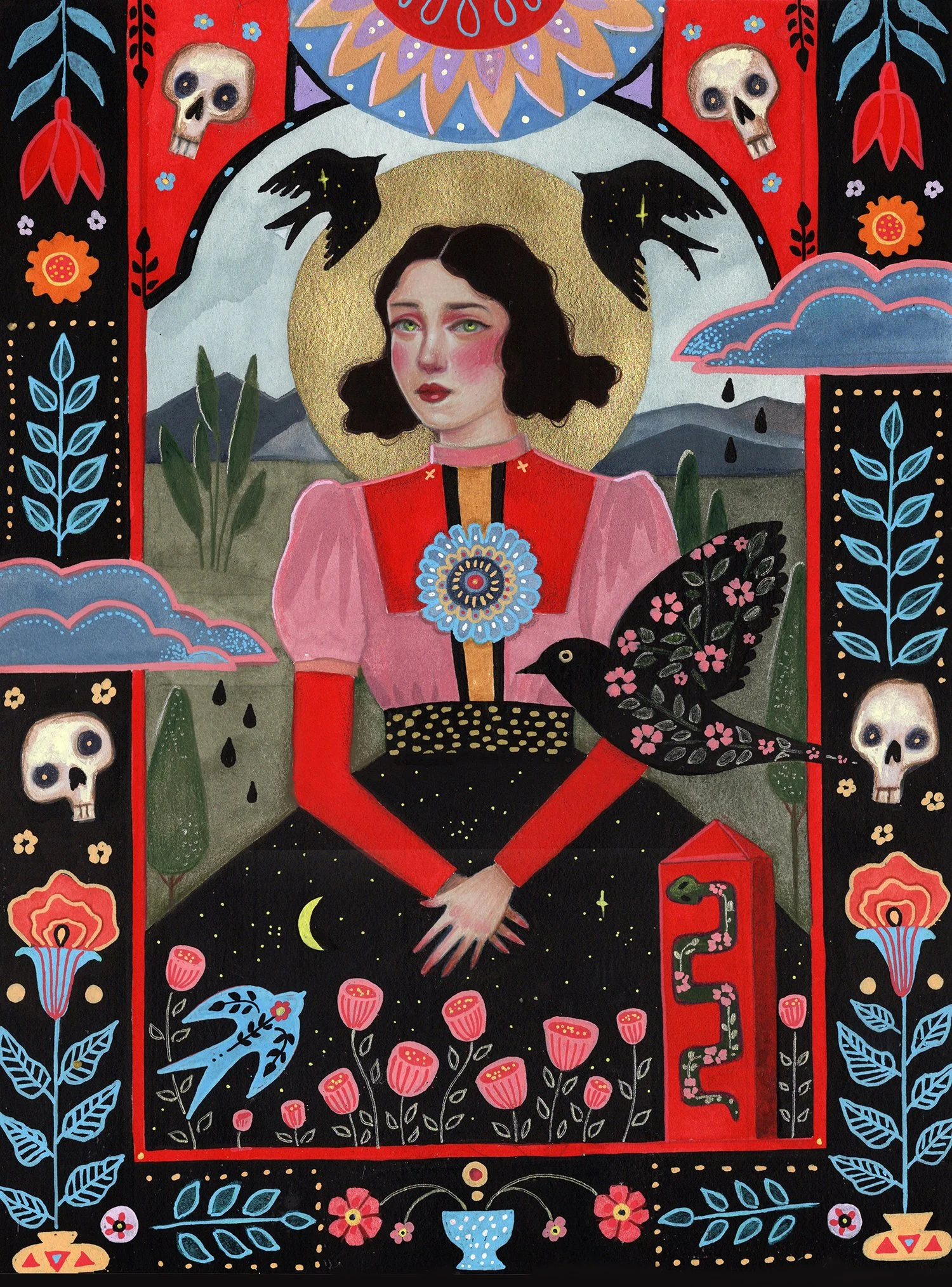
Aunia Kahn is a contemporary artist and curator working across gouache, acrylic, colored pencil, and dimensional mixed media, creating layered compositions that weave personal narrative with rich cultural symbolism. The originator of Contemporary Symbolist Folk, a lineage rooted in symbolic depth and personal mythos, Kahn draws from French Canadian, German, Polish and Scandinavian folklore.

INTERVIEW | Kfir Galatia Azula

INTERVIEW | Kfir Galatia Azula

Kfir Galatia-Azulay Darash is an architect, engineer, multidisciplinary designer, and artist. In his practice, architecture defines the framework, scale, rhythm, and light; interior design addresses the body and the human experience; product design approaches detail, material, and physical contact; and art allows an idea to move beyond function and become emotion, memory, and interpretation.

INTERVIEW | Won Ji Lim

INTERVIEW | Won Ji Lim

Lim Won Ji (Oneg) is a South Korean artist based in Chicago. Working across sculpture, installation, performance, and process-based experimentation, Lim investigates hypervigilance as a bodily condition shaped by anxiety, uncertainty, anticipation, and the desire for control, constructing unstable situations in which order is continually negotiated through gravity, time, repetition, and chance.

INTERVIEW | Ronit Keret

INTERVIEW | Ronit Keret

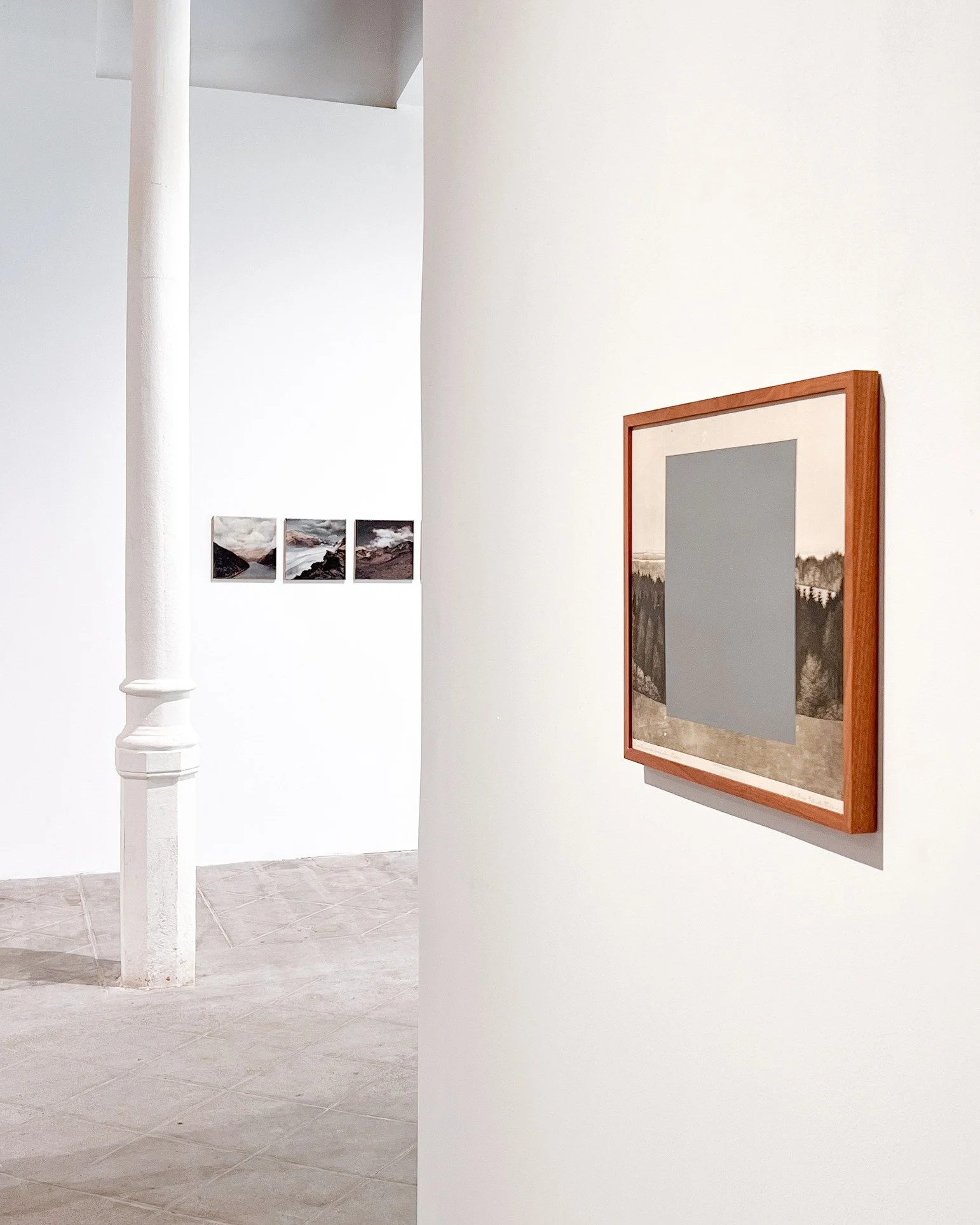
Topography of Collapse, Ronit Keret’s first solo exhibition in Helsinki, brings together site-specific installations, drawings, and video in a body of work shaped by erosion, fracture, and environmental precarity. The exhibition develops out of Keret’s long-standing preoccupation with climate change, and more specifically with melting glaciers and ecological fragility.

INTERVIEW | Carmen Vornicelu

INTERVIEW | Carmen Vornicelu

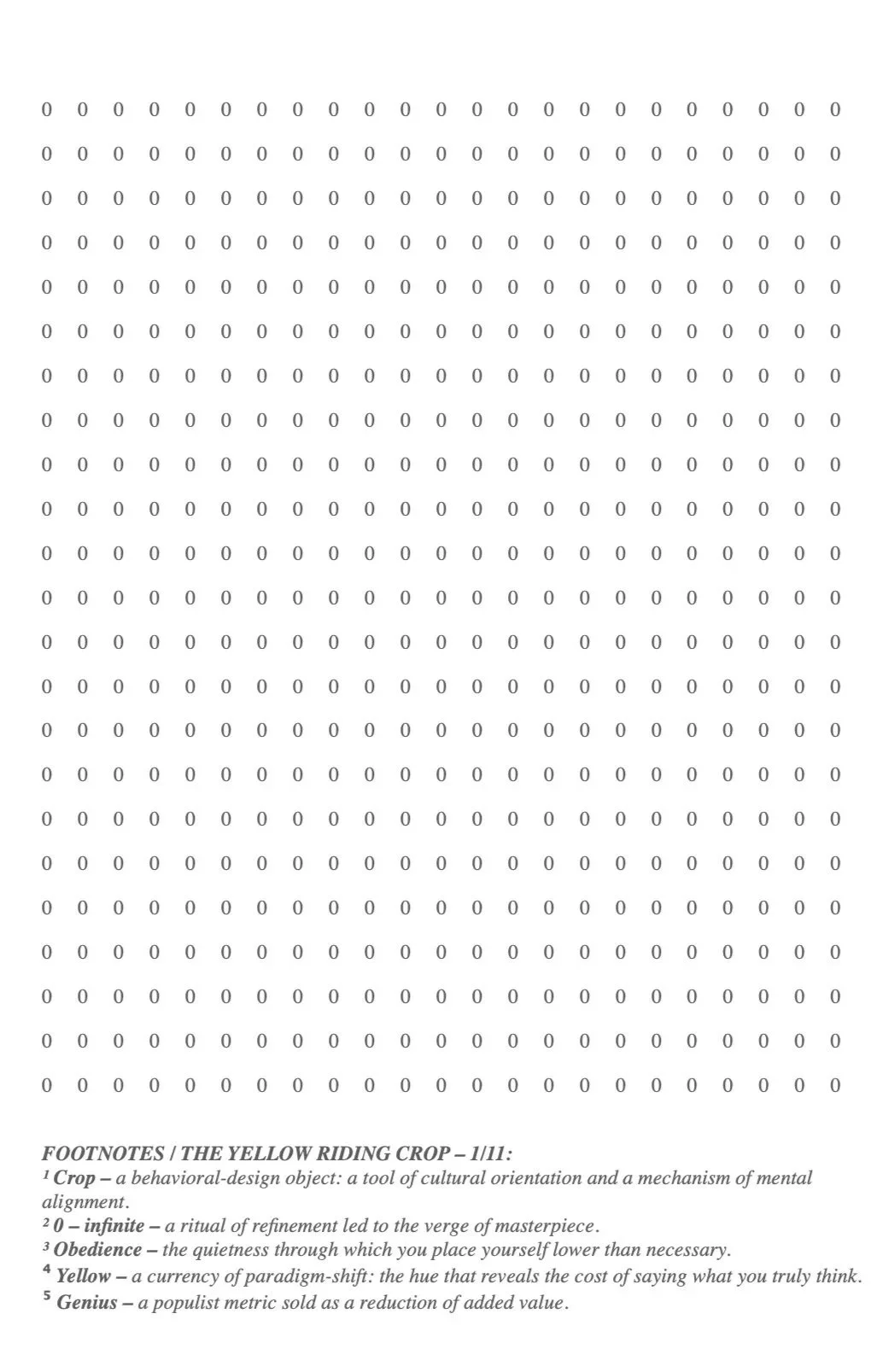
Carmen Vornicelu is a Romanian artist working across visual systems, text, sound, spatial situations, and participatory formats. Her current research framework, Pre-Economic Architecture, investigates the conditions that precede the formation of economic, institutional, or political value, examining the criteria that shape what can become relevant.