
10 Questions with Joao Prosperi
João Prosperi is a Brazilian editor and visual artist based in Los Angeles. Born and raised in São Paulo, Brazil, he grew up surrounded by films, books, comics, video games, and graphic design.
Many of his childhood memories revolve around visiting DVD rental stores with his family. He was fascinated not only by the films themselves, but by the experience of browsing shelves, studying cover art, reading synopses, and discovering unfamiliar stories through their packaging and imagery. Around the age of six, his father brought home a MiniDV camera from Japan, which became his first introduction to filmmaking. Long before he understood what editing was, he spent hours recording short scenes with toys and assembling them directly in camera using the record, stop, and rewind functions.
He later studied Media Studies at the University of Campinas (UNICAMP), where he developed a broader understanding of cinema, media, and visual culture while continuing to make short films and experiment with photography. One of his photographs, taken on the set of his first short film, was shortlisted in the 2019 Sony World Photography Awards.
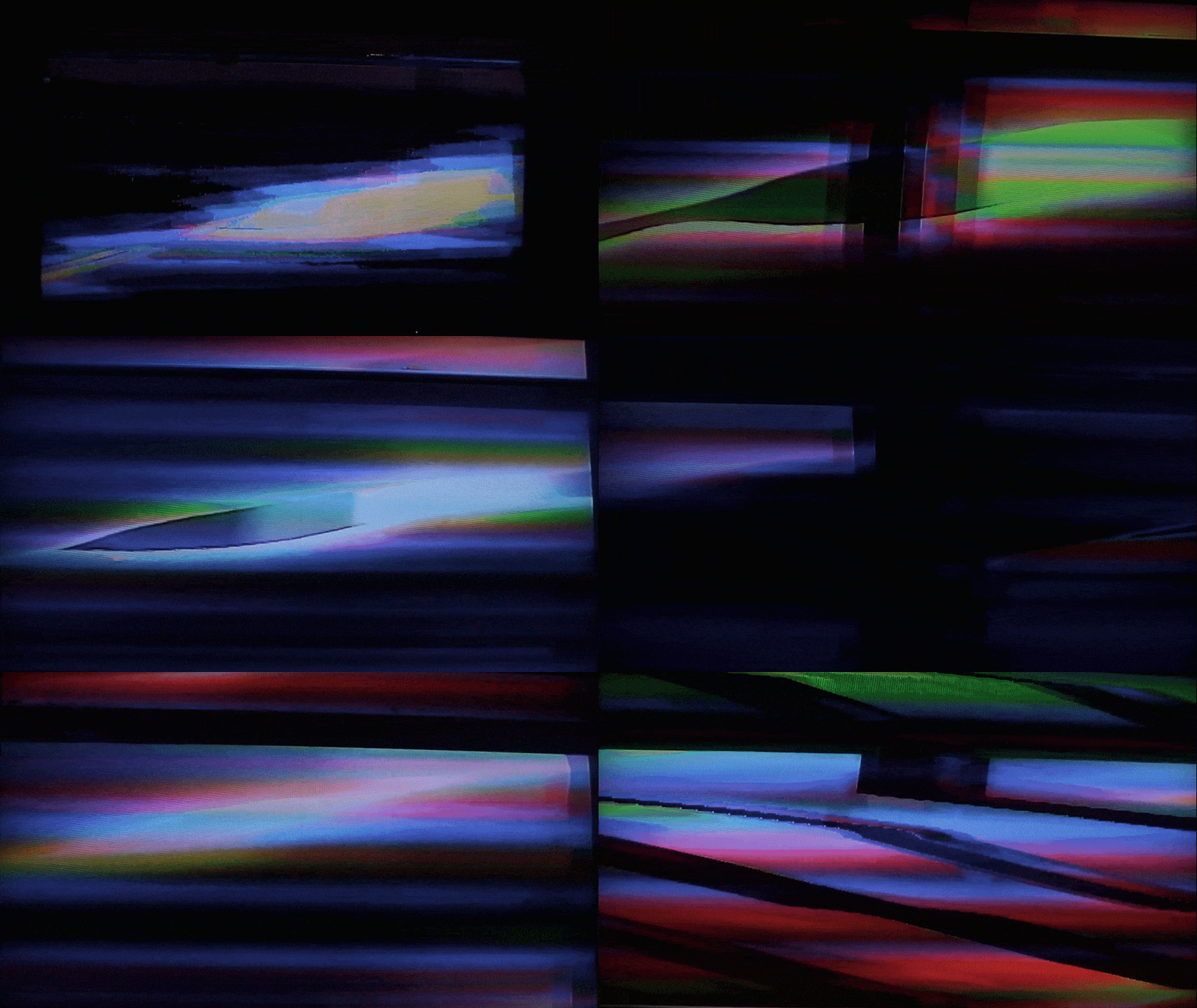
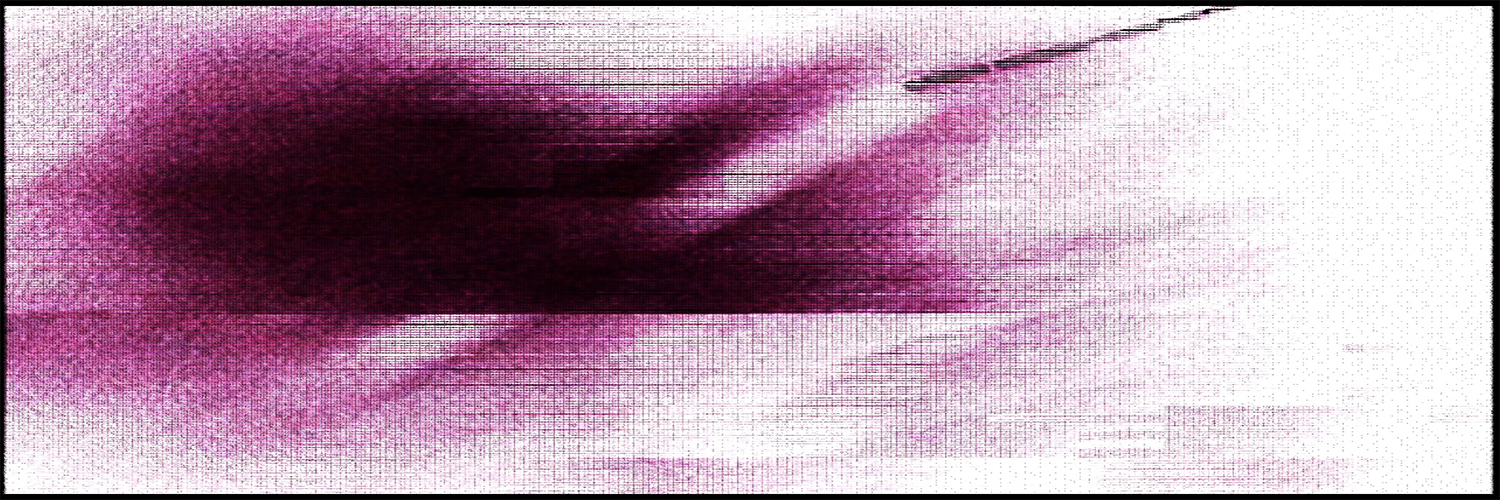
During this period, he also began experimenting with analog video processes and image manipulation techniques. Working with older video equipment, signal degradation, and physical media, he developed a series of personal projects exploring texture, distortion, and the unexpected visual qualities that emerge through technological processes. This interest in the material nature of images would remain a recurring element throughout his work.
His path to California was largely unplanned. He first arrived in the United States through a seasonal work program, taking a housekeeping position in a small town in the Sierra Nevada. Los Angeles was never an intended destination, but a series of unexpected opportunities eventually brought him there. He continued developing his creative work while establishing himself professionally in post-production, later completing the Post-Production Certificate program at UCLA Extension. He currently works at Company 3 in Los Angeles.
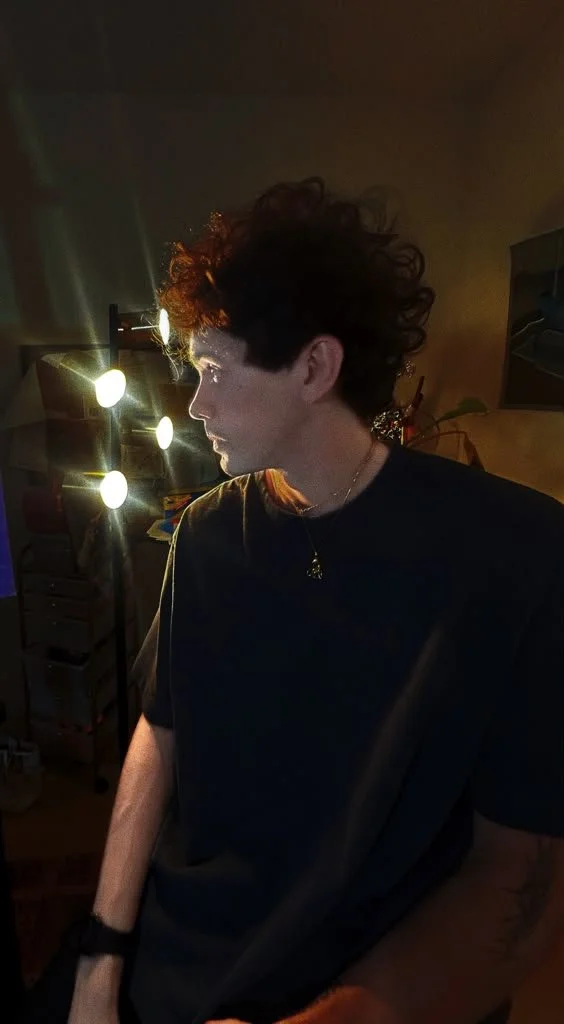
Joao Prosperi - Portrait
ARTIST STATEMENT
João Prosperi's work is driven by an interest in images and the technologies used to create them. Drawing from a background in editing, photography, and post-production, he often works across different tools and formats, combining digital and analogue processes in search of unexpected visual results.
Many of his projects are shaped by experimentation. Distortions, artefacts, textures, and other unintended qualities are treated not as errors, but as opportunities for discovery. His work is informed by a longstanding fascination with the material qualities of images and the ways technologies influence how they are created, transformed, and experienced.
Rather than communicating a fixed message, Prosperi is interested in creating images that invite curiosity and interpretation. Through processes that balance intention and chance, his work explores how meaning can emerge from associations, coincidences, and unexpected connections.
INTERVIEW
Let’s start from the beginning. You started working with a MiniDV camera in your childhood. How did that early hands-on experience shape your understanding of editing?
One of the unique aspects of magnetic tape cameras was the ability to stop, rewind, and record over the same cassette, allowing cuts and edits to be made directly during recording. Unlike film cameras, which required physical cutting and post-production, or most modern digital cameras, in which recording and editing are separate, the MiniDV format enabled editing while shooting.
As a child, I became fascinated by that. I would spend hours using my toys to create small films, rewinding the tapes, recording over scenes, and experimenting with pauses and transitions. At first, I would record everything in a single continuous take, but over time I began to realise that the camera itself could be used to create cuts, rhythm, and different forms of continuity between images.
Looking back, I think I was already learning editing intuitively without fully understanding it. I watched a huge number of films as a kid, and little by little, I started developing an instinct for cinematic language and how meaning and emotion could change depending on how images were sequenced.
Your practice moves between high-end post-production and experimental systems. How do you navigate these two very different environments?
I don’t really see a contradiction between the two. High-end post-production and experimental workflows are both ultimately about shaping images and emotion. One environment prioritises precision and consistency, while the other allows more room for discovery and unpredictability. Moving between them helped me develop both technical discipline and a more open visual curiosity.
© Joao Prosperi
What initially drew you from traditional video editing into more experimental and real-time visual systems?
I think it came from the same fascination I had as a child, when I used MiniDV tapes. I was always interested not only in recorded images themselves but also in what happened when the medium began to break down or behave unexpectedly. Rewinding tapes, recording over footage, seeing glitches and distortions appear on the image, all of that made the image feel alive and unstable in a very interesting way to me.
As I got older and learned more traditional editing and post-production workflows, that curiosity never really disappeared. I became interested in systems that allowed for more unpredictability, interactivity, or transformation in real time, whether through analogue video feedback and mixing or generative tools. It felt less like abandoning traditional editing and more like expanding my understanding of what moving images could become.
Can you describe your process when you begin a new moving image work? Where does it usually start?
My process is usually very exploratory in the beginning. I rarely start with everything completely planned out. It often begins with a visual idea, an atmosphere, or a certain emotional tone I want to explore. From there, I start testing images, textures, rhythms, and different forms of manipulation until the work slowly starts revealing its own structure.
You often describe editing as something physical and embedded in the technology. How do you experience that “physicality” today?
Even though most workflows today are digital, I still think much of the editing carries the logic and language of older physical media systems. Terms like cut, roll, trimming, or footage all come from physical processes, and even modern editing software still reflects that structure in many ways.
Because of that, I rarely experience images as completely abstract digital files. In compositing and visual effects, especially, images pass through layers of transformation, compression, reconstruction, and manipulation, so they start to feel more like materials being reshaped by different processes.
Your work focuses on how images behave rather than what they represent. What do you find most surprising about how images transform in your process?
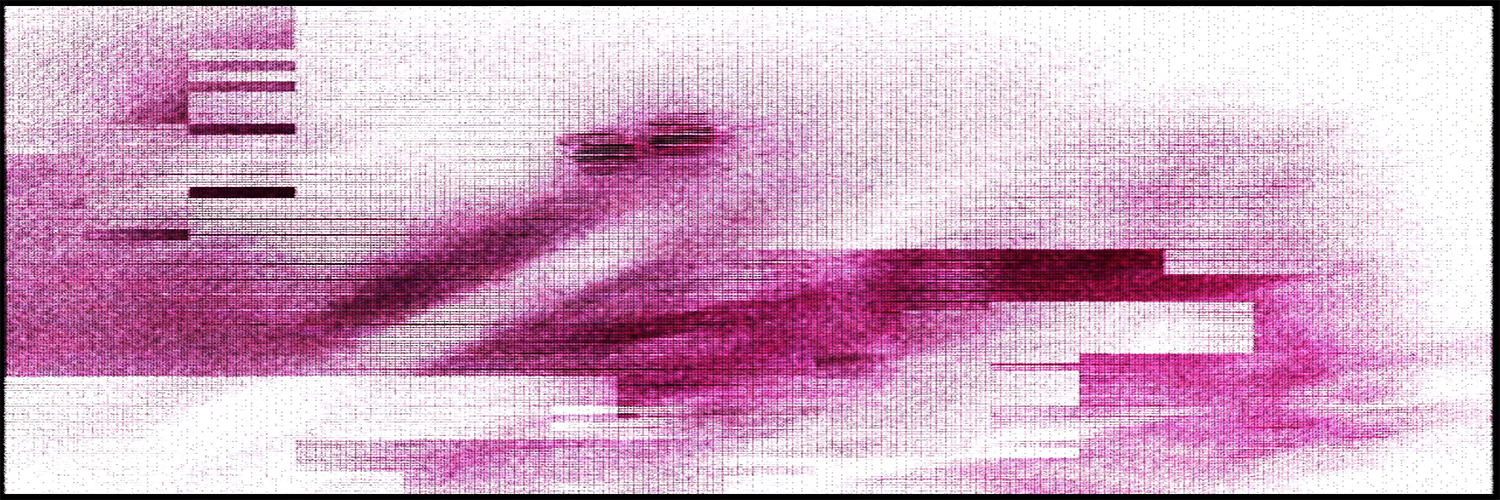
A lot of the time, the most interesting moments happen when an image starts behaving in ways I didn’t fully predict. Even when the manipulations themselves are intentional, the final result can create textures, rhythms, or visual associations that I could not have completely anticipated from the beginning. A lot of that process comes more from visual curiosity and experimentation than from trying to engineer a specific emotional response from the start.
I think a lot of my earlier work and short films were driven more by visual construction than by traditional narrative, even though a narrative structure was still present. I was often more focused on atmosphere, visual rhythm, textures, symbolic associations, and image transformation than on very clearly defined storytelling. The narrative often existed more in the background, suggested through images, atmosphere, and fragmented details rather than stated directly.
More recently, though, I’ve become increasingly interested in pushing narrative and character further and developing work where those elements have a stronger presence, while still keeping that same curiosity about image behaviour, transformation, and atmosphere.
© Joao Prosperi
© Joao Prosperi
© Joao Prosperi
You mention being interested in images that feel unresolved or ambiguous. What makes an image stay with you in that way?
I think images stay with me when they feel like they are pointing toward something beyond what is directly being shown or explained. I’m usually drawn to images that feel cryptic or strangely loaded, like they contain some hidden logic or meaning that is not fully accessible at first glance. A certain sense of mystery or unfamiliarity tends to stay in my mind much longer than images that feel completely clear or resolved.
I think part of that also connects to the way I experience life personally. I’ve always felt very affected by coincidences, patterns, and moments that seem strangely connected in ways I can’t fully explain rationally. At different points in my life, I’ve had the feeling that certain encounters, opportunities, or events were almost guiding me toward specific directions or decisions. I think that sensitivity naturally influences the kinds of images and atmospheres I’m drawn to, especially ones that feel like they are hinting at some larger hidden structure beneath the surface.
Your practice involves working across different countries and collaborators. How does this international context influence your visual language?
I don’t think my work is influenced by nationalities or cultures in a very direct way. I’m usually more interested in connecting with people who have interesting ideas and perspectives, regardless of where they come from. I think the work I’m drawn to making also tries to reach for more universal sensations and experiences rather than something tied to a specific cultural identity.
I grew up in São Paulo and online, so from a young age I was constantly exposed to images, music, films, and ideas from many different parts of the world. A lot of my early creative collaborations also happened online with artists from different countries, and after moving to Los Angeles and travelling more, those connections naturally expanded into real life as well. Because of that, collaborating internationally never felt unusual to me. It became a very natural part of how I experience creativity.
Many of your works operate between clarity and instability. Do you see this tension as something you construct intentionally or something that emerges from the system?
I don’t think it was ever something I consciously set out to define as a principle in my work. Looking back, it’s probably something that emerged naturally from the way I interact with images and different systems. I think any image or medium already contains a certain instability, especially once it passes through layers of transformation and manipulation. At the same time, I’m not interested in completely losing clarity. I still want the image to feel deliberate and emotionally or visually communicative rather than purely chaotic.
Lastly, looking ahead, are there new technologies or image systems you are curious to explore in your practice?
I’m genuinely interested in generative video AI and the possibilities it opens for filmmaking and moving images in general. The noise and almost dreamlike feeling sometimes remind me of an AI equivalent to glitch art. Lately, I’ve even been experimenting a bit with running AI-generated imagery through analogue video mixing gear, which has been strangely interesting to look at.
Artist’s Talk
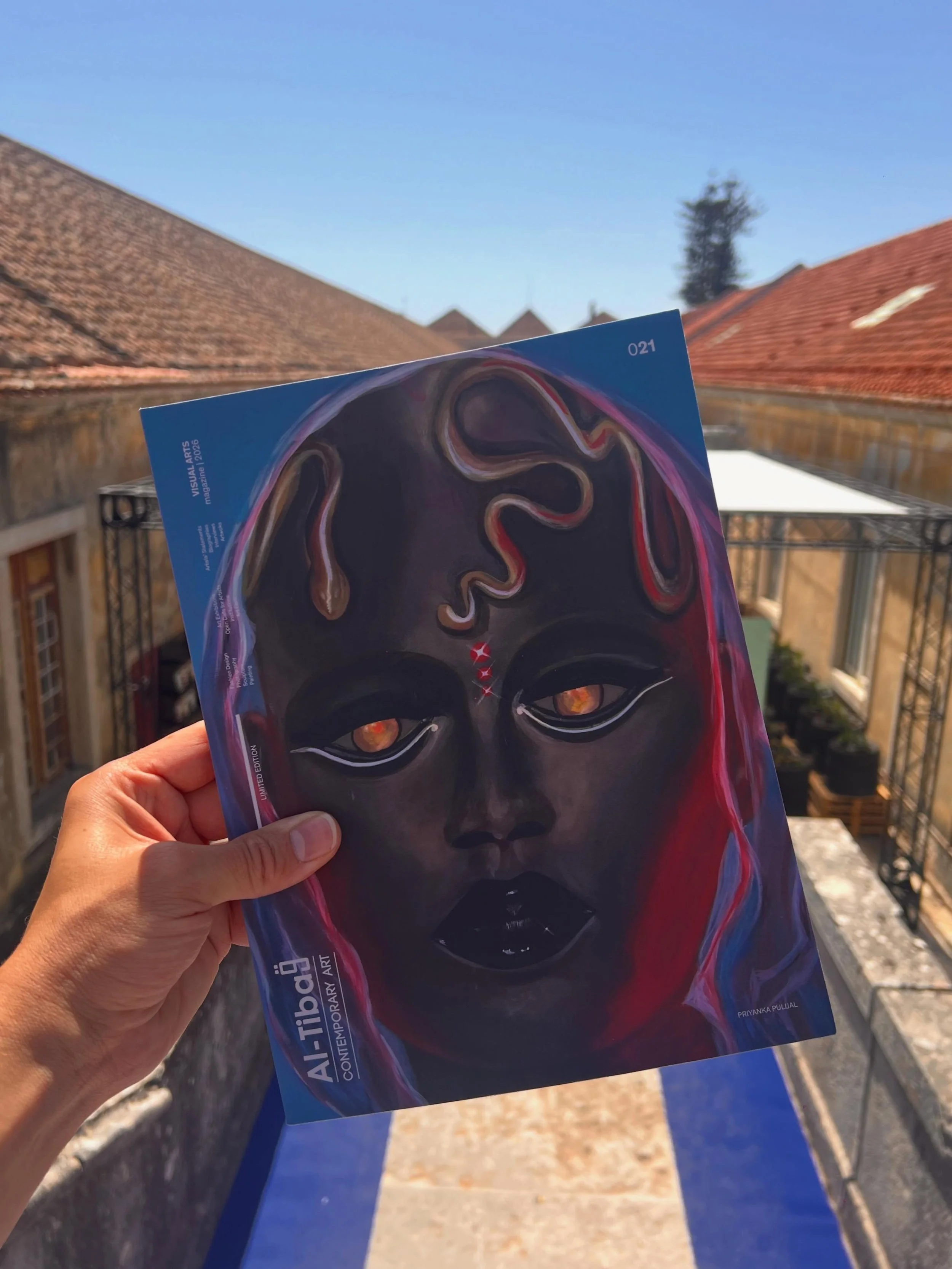
Al-Tiba9 Interviews is a curated promotional platform that offers artists the opportunity to articulate their vision and engage with our diverse international readership through insightful, published dialogues. Conducted by Mohamed Benhadj, founder and curator of Al-Tiba9, these interviews spotlight the artists’ creative journeys and introduce their work to the global contemporary art scene.
Through our extensive network of museums, galleries, art professionals, collectors, and art enthusiasts worldwide, Al-Tiba9 Interviews provides a meaningful stage for artists to expand their reach and strengthen their presence in the international art discourse.


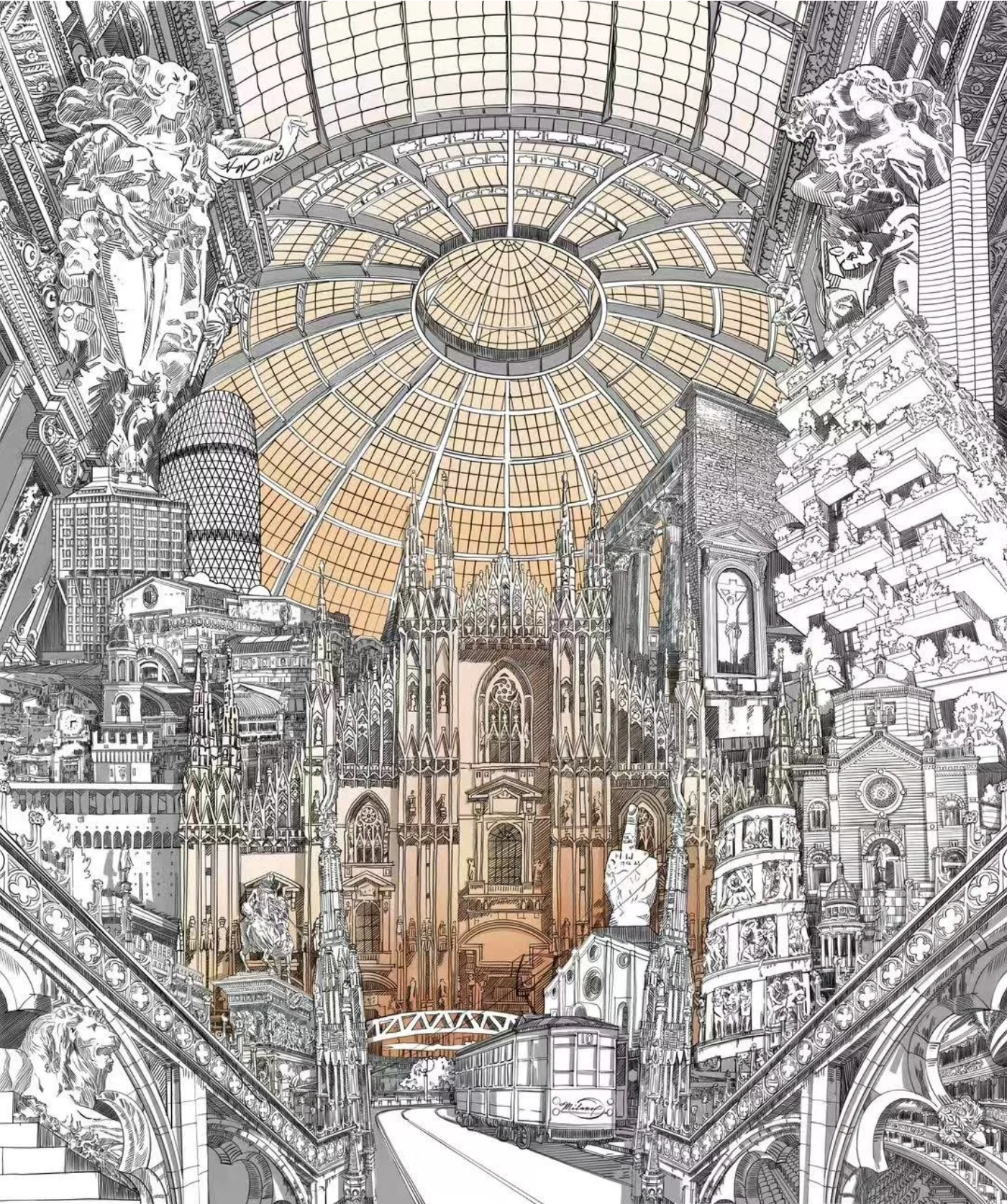
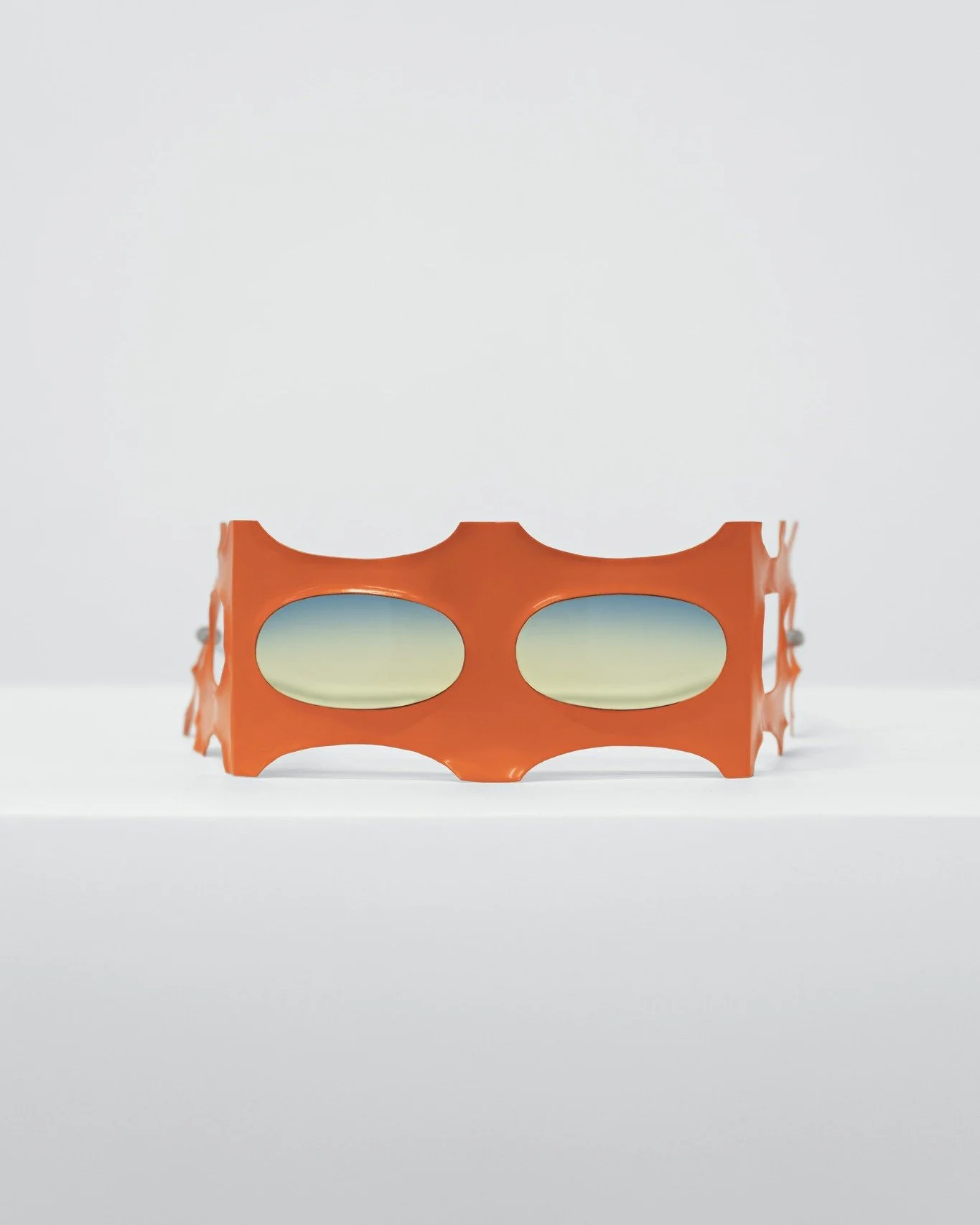
João Prosperi is a Brazilian editor and visual artist based in Los Angeles. His work is driven by an interest in images and the technologies used to create them. Drawing from a background in editing, photography, and post-production, he often works across different tools and formats, combining digital and analogue processes in search of unexpected visual results.