

10 Questions with Harshil Upadhyay
Born in India and currently based in London, Harshil Upadhyay is a fine art photographer and visual artist whose practice explores the delicate space between presence and absence. After relocating to the United Kingdom to pursue a master's degree in filmmaking, he developed a distinctive visual language shaped by migration, memory, and the emotional undercurrents of urban existence.
Working across fine art photography and visual art, Upadhyay’s practice often dissolves the boundary between stillness and motion. Influenced by both documentary realism and poetic abstraction, his work captures fleeting moments of solitary figures, transient encounters, and landscapes suspended in time. Through the use of motion blur, muted tones, and selective colour, his images examine themes of isolation, identity, and the quiet invisibility that can exist within crowded environments.
Deeply informed by his experience of cultural displacement, his work inhabits liminal spaces between cultures, between clarity and obscurity, and between reality and memory. His images invite viewers beyond observation, encouraging an emotional engagement with moments that feel both intensely personal and universally familiar.
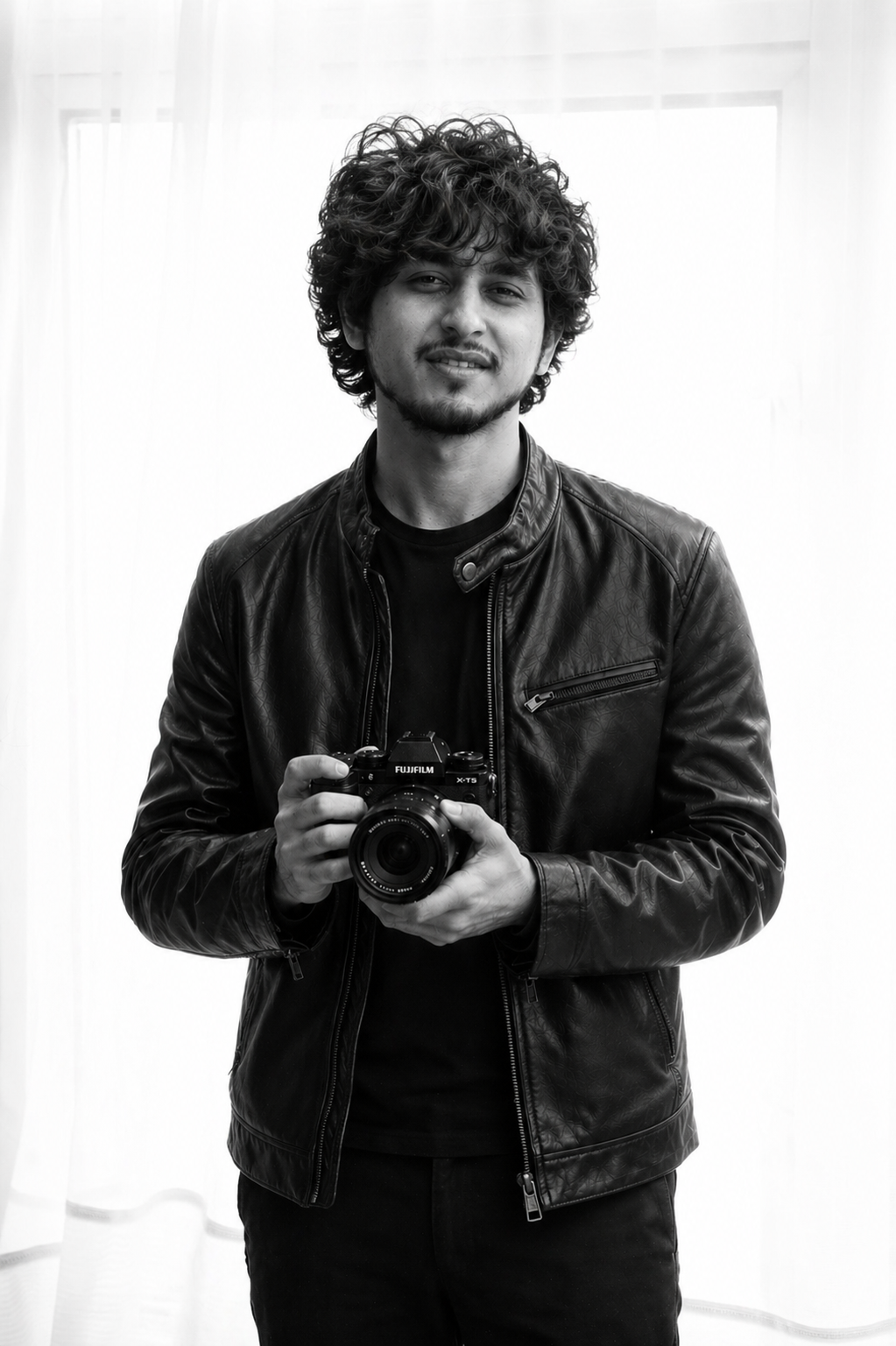
Harshil Upadhyay - Portrait
Urban Ghosts | Project Description
In Urban Ghosts, Harshil Upadhyay explores the emotional weight of modern city life through images that exist between documentary reality and cinematic memory. Rooted in his experience of migration from India to London, the series reflects the quiet disconnection that can exist within crowded urban spaces where people move endlessly beside one another yet remain emotionally distant and unseen.
Through long exposures, motion blur, layered reflections, and selective colour, Harshil transforms ordinary streets into dreamlike landscapes suspended between presence and disappearance. Figures drift through rain, fog, traffic, and neon light like fleeting apparitions, becoming symbols of loneliness, transition, and impermanence. Architecture and movement merge into fragmented visual memories, echoing the psychological experience of navigating unfamiliar cities and identities.
Rather than documenting the city as a physical place, Urban Ghosts captures its emotional atmosphere, the silence beneath movement, the isolation hidden within crowds, and the fragile moments where human presence briefly reveals itself before fading again. His work invites viewers to slow down and inhabit these transient spaces, confronting the tension between visibility and invisibility in contemporary urban existence.

ART OF LETING GOO 2, photograhy, 2026 © Harshil Upadhyay
INTERVIEW
You were born in India and are now based in London. How has your personal journey shaped the way you see the world and, ultimately, the images you create?
My personal journey has deeply shaped the emotional foundation of my work. Growing up in India exposed me to environments filled with movement, density, contrasts, and layered human experiences. After moving to London, I found myself navigating a completely different cultural and emotional landscape, one that was visually beautiful yet often emotionally isolating. Existing between two places created a sense of displacement that gradually became central to my artistic language.
As an artist, I became increasingly interested in the invisible emotional states people carry within urban environments. My images are less about documenting reality and more about capturing how a place feels psychologically. Migration made me more aware of absence, memory, and the fragile relationship between belonging and alienation. Many of my works reflect this in-between condition existing between cultures, identities, and emotional states. Through photography, I try to transform ordinary moments into visual meditations on loneliness, impermanence, and human fragility.

Flight between moments, photography, 2026 © Harshil Upadhyay
You moved to the UK to study filmmaking. What drew you to visual storytelling in the first place, and how did your academic experience influence your artistic practice?
I was drawn to visual storytelling because images have always communicated emotions to me more powerfully than words. Cinema, in particular, fascinated me because of its ability to manipulate time, memory, atmosphere, and perception simultaneously. Before studying filmmaking, I was already emotionally connected to visual observation, noticing gestures, environments, silence, and fleeting moments in everyday life.
My academic experience in filmmaking significantly expanded the way I approach image-making. It taught me to think beyond composition and aesthetics, and instead consider rhythm, atmosphere, emotional pacing, and psychological space. I became interested in how movement, light, sound, and duration influence emotional perception. Even though photography later became my primary medium, my cinematic background remains deeply embedded in my practice. Many of my photographs feel like fragments from unfinished films, suspended moments that suggest narratives without fully revealing them.
Film school also introduced me to experimental cinema and visual artists who challenged conventional storytelling structures. This encouraged me to embrace abstraction, ambiguity, and emotional openness within my own work.
At what point did photography become your primary medium, and what did it allow you to express that other forms of visual art could not?
Photography became my primary medium when I realised that a single still image could contain an entire emotional world. While filmmaking gave me narrative structure and movement, photography offered immediacy and silence. It allowed me to isolate fragile moments that might otherwise disappear unnoticed.
What attracted me most was photography’s ability to exist between reality and interpretation. A photograph can document something truthful while simultaneously becoming abstract, psychological, or dreamlike. I became interested in using photography not simply to record the external world, but to visualise emotional experiences that are difficult to articulate verbally.
The still image also allowed me to explore ambiguity more freely. Rather than directing viewers toward a fixed narrative, photography creates space for personal interpretation and emotional projection. That openness became essential to my practice.

A Color That Refuses to Fade, photography, 2024 © Harshil Upadhyay

The One Who Remains, photography, 2023 © Harshil Upadhyay
How has living in London affected your perspective as an artist, both in terms of subject matter and the emotional atmosphere of your work?
London has profoundly influenced both the visual and emotional atmosphere of my work. It is a city constantly in motion, crowded, multicultural, fast-paced, and emotionally layered. Yet beneath that energy, I often sensed a quiet loneliness and emotional distance. That contradiction became central to my practice.
The city itself functions almost like a psychological landscape in my images. Rain, fog, reflections, underground stations, crowds, and artificial light all became recurring visual elements because they mirror emotional states of uncertainty, transition, and invisibility. London intensified my awareness of how people can exist physically close to one another while remaining emotionally isolated.
At the same time, living here expanded my understanding of identity and migration. Being away from home made memories more fragmented and emotionally charged. Many of my photographs reflect this fragmented perception of moments that feel simultaneously real and distant, familiar yet unreachable.
Your photographs often occupy a space between documentary and abstraction, as you mention in your statement. Could you describe your creative process, from noticing a scene to transforming it into a final image?
My process begins with emotional observation rather than technical intention. I rarely search for perfect subjects or dramatic events. Instead, I respond instinctively to atmospheres, gestures, weather, movement, or moments that carry emotional tension. Often, it is something subtle, a solitary figure in a crowd, reflections distorted by rain, or a fleeting interaction that lasts only seconds.
When photographing, I intentionally allow unpredictability into the process. Motion blur, slow shutter speeds, layered reflections, and selective focus become tools for translating emotional perception rather than objective reality. I am less interested in clarity and more interested in emotional resonance.
In post-production, I refine the image carefully while preserving its atmospheric ambiguity. I often mute colours or isolate a single colour within monochrome environments to emphasise emotional disconnection or memory. The final image becomes less about documentation and more about reconstructing the emotional sensation of that moment.

Reflections of the Living, photography, 2025 © Harshil Upadhyay
Themes such as migration, memory, identity, and isolation run throughout your work. Why do these ideas continue to resonate so strongly with you?
These themes resonate with me because they are deeply connected to lived experience. Migration changes the way one relates to memory, identity, and space. It creates emotional dualities: connection and distance, familiarity and estrangement, visibility and invisibility. Over time, I realised these experiences were not only personal, but universal.
I am interested in how contemporary urban life affects emotional existence. Despite technological connections and crowded environments, many people experience profound loneliness and fragmentation. My work reflects this psychological condition.
Memory also plays an important role because I see it as unstable and constantly shifting. We rarely remember places or moments with complete clarity; instead, memories dissolve, overlap, and become emotionally distorted over time. The blurred and fragmented nature of my images reflects this instability of perception and remembrance.
In your images, blurred figures and layered reflections evoke both movement and disappearance. What interests you about this tension between presence and absence?
I am fascinated by how photography can simultaneously reveal and erase. Blurred figures and reflections create visual uncertainty, subjects appear present yet intangible, visible yet disappearing. That tension mirrors contemporary human experience, especially within cities where individuals often feel emotionally invisible despite being surrounded by people.
The blur also functions metaphorically. It reflects the instability of identity, memory, and emotional connection. Human presence becomes temporary and fragile, almost ghost-like. I am interested in moments where reality begins to dissolve, and emotional perception takes over.
Rather than presenting fixed identities or narratives, I want my subjects to feel transient and open-ended. This ambiguity allows viewers to project their own emotional experiences into the image.

Ghosts in the Downpour, photography, 2024 © Harshil Upadhyay

Waiting Between Worlds, photography, 2022 © Harshil Upadhyay
In your series Urban Ghosts, the city becomes less a physical place than an emotional landscape. How did this body of work develop, and what were you hoping to communicate through it?
Urban Ghosts developed gradually through years of observing urban life in London and reflecting on my own emotional experience of migration and isolation. Initially, I was photographing streets and crowds intuitively, but over time, I noticed recurring themes of anonymity, movement, emotional disconnection, and fleeting visibility.
The series evolved into a psychological exploration of the city rather than a documentary project. I became interested in transforming familiar urban spaces into dreamlike emotional environments where people appear almost spectral. Rain, reflections, fog, and motion blur became essential visual devices because they dissolve physical reality and create emotional ambiguity.
Through Urban Ghosts, I wanted to communicate the hidden emotional atmosphere of modern urban existence, the silence beneath movement, the loneliness within crowds, and the fragile nature of human presence. The series asks viewers to consider not only how cities look, but how they feel emotionally.
When viewers engage with Urban Ghosts, what kinds of emotions or reflections do you hope the photographs might provoke?
I hope the work creates a moment of emotional pause. Rather than offering direct explanations, I want the images to evoke feelings of introspection, nostalgia, uncertainty, or quiet recognition. Ideally, viewers begin to reflect on their own experiences of loneliness, memory, displacement, or emotional invisibility.
I am interested in creating images that feel emotionally familiar, even if their meaning remains ambiguous. The work is intentionally open-ended because emotional experiences are rarely fixed or singular. Some viewers may connect with the sense of isolation, while others may find beauty within the stillness and transience.
Ultimately, I want the photographs to remind viewers of the fragile emotional realities hidden within everyday life.

Where Shadows Gather, photography, 2022 © Harshil Upadhyay
Looking ahead, are there any new projects or directions you are currently exploring, and what goals have you set for yourself for the rest of 2026?
Currently, I am expanding my practice further into the intersection between photography, moving image, and installation-based visual storytelling. I am interested in exploring how sound, projected imagery, and cinematic sequencing can deepen the emotional experience of my work while maintaining the poetic ambiguity that defines my photography.
I am also developing new work around themes of memory erosion, psychological landscapes, and emotional perception within both urban and natural environments. Recently, I have become increasingly interested in the relationship between environmental atmosphere, such as fog, rain, darkness, and silence and internal emotional states.
For the rest of 2026, my goals are to continue exhibiting internationally, expand my visual language through interdisciplinary experimentation, and further establish a body of work that contributes meaningfully to contemporary conversations around migration, identity, and emotional existence within modern society.
Artist’s Talk
Al-Tiba9 Interviews is a curated promotional platform that offers artists the opportunity to articulate their vision and engage with our diverse international readership through insightful, published dialogues. Conducted by Mohamed Benhadj, founder and curator of Al-Tiba9, these interviews spotlight the artists’ creative journeys and introduce their work to the global contemporary art scene.
Through our extensive network of museums, galleries, art professionals, collectors, and art enthusiasts worldwide, Al-Tiba9 Interviews provides a meaningful stage for artists to expand their reach and strengthen their presence in the international art discourse.
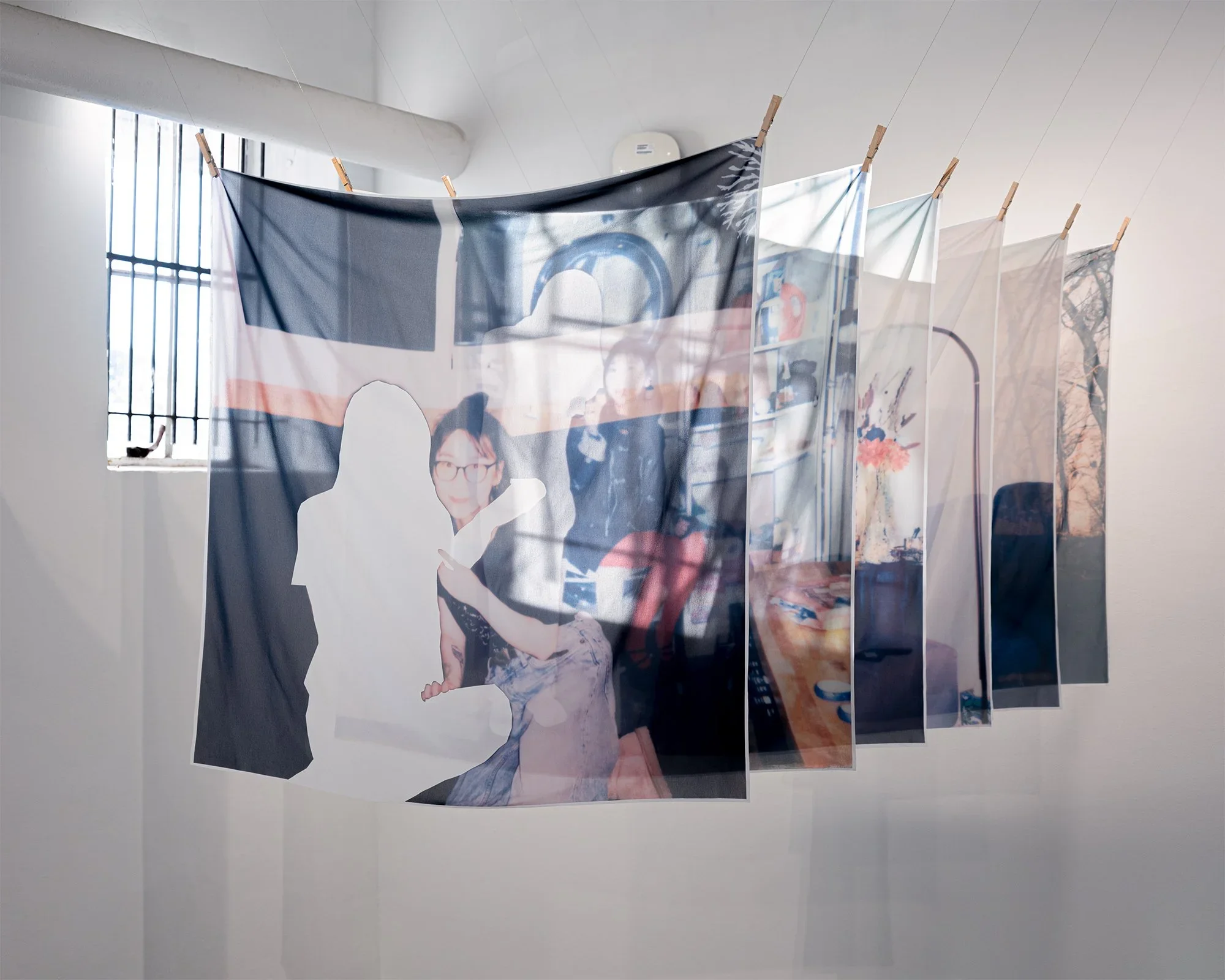

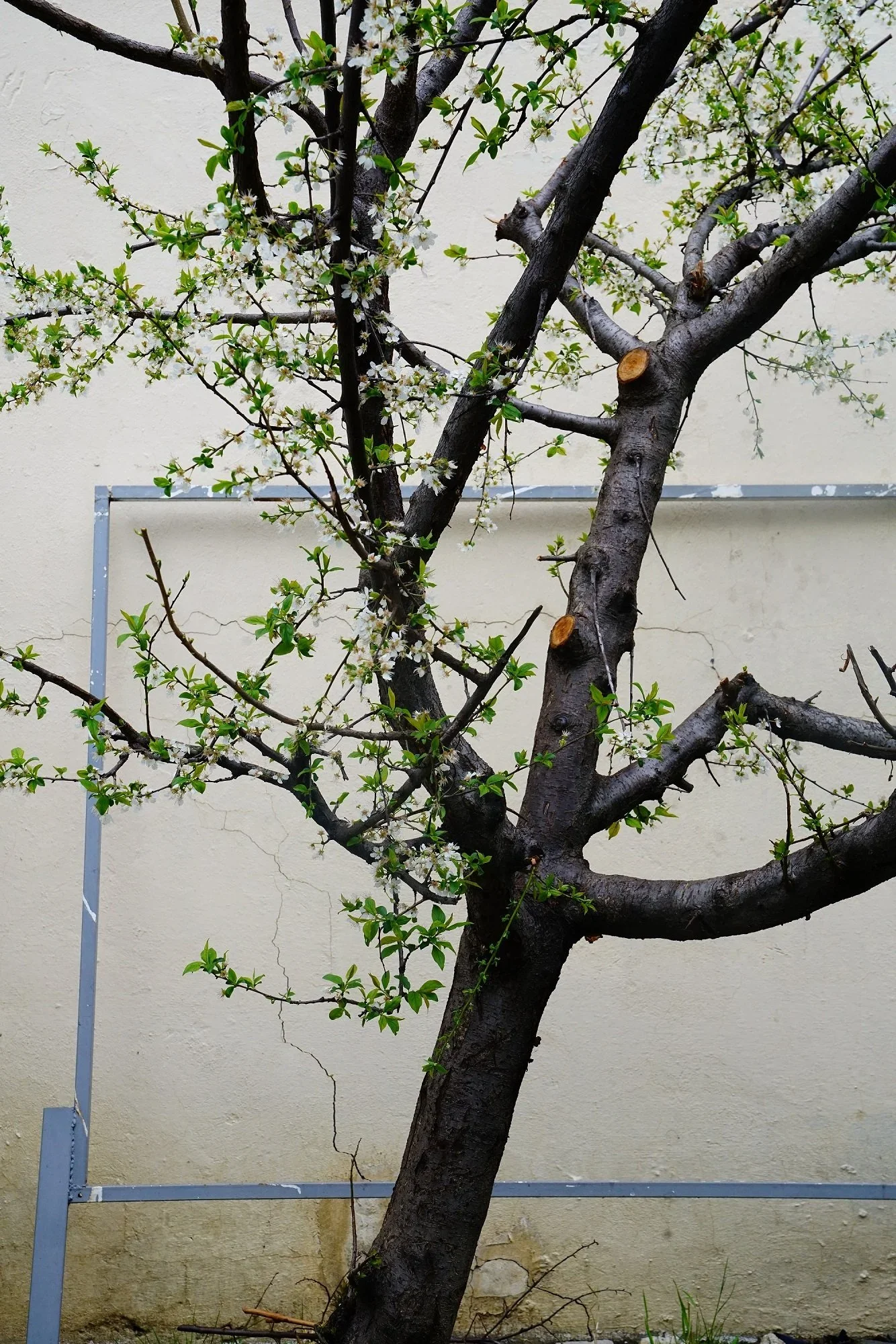


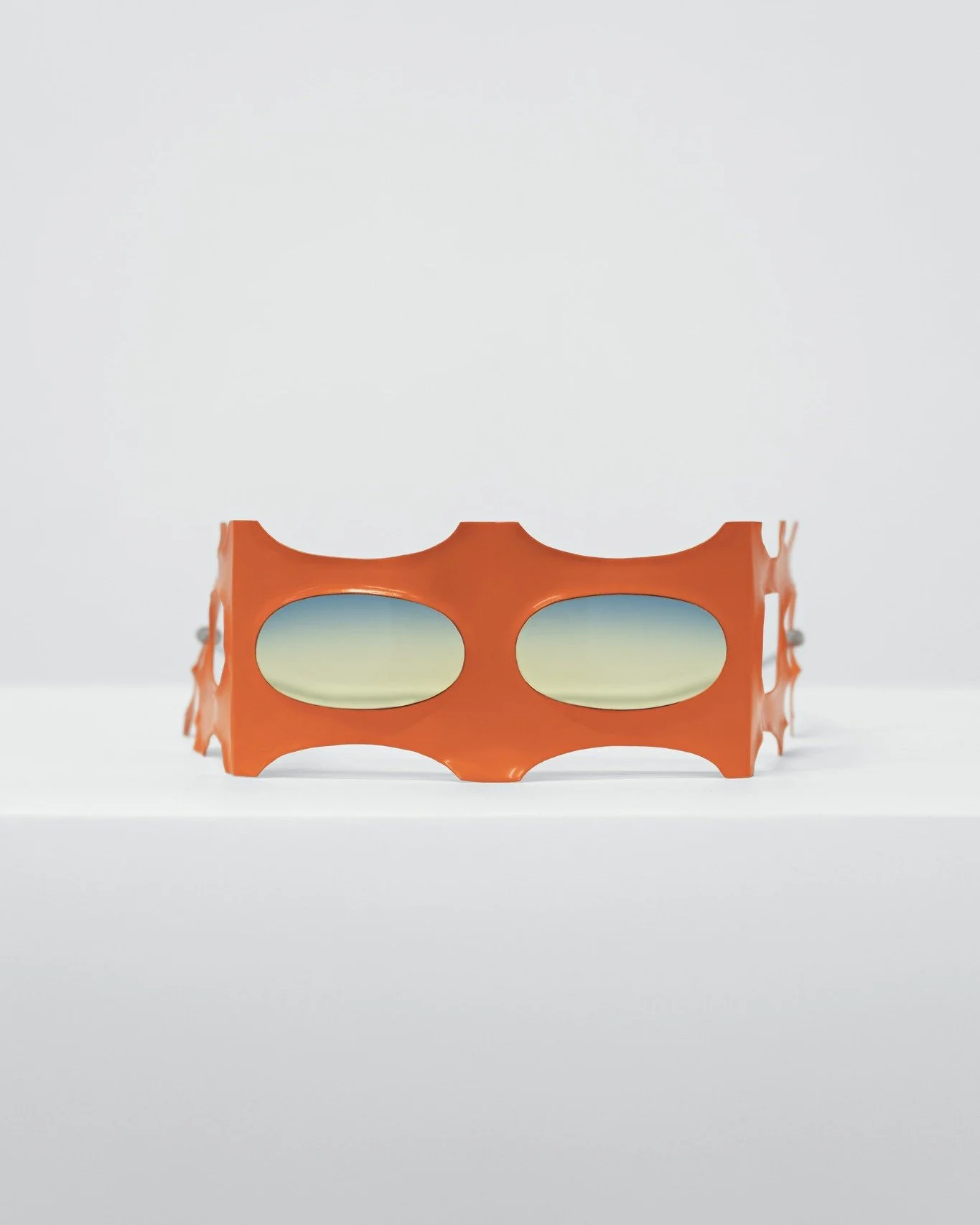
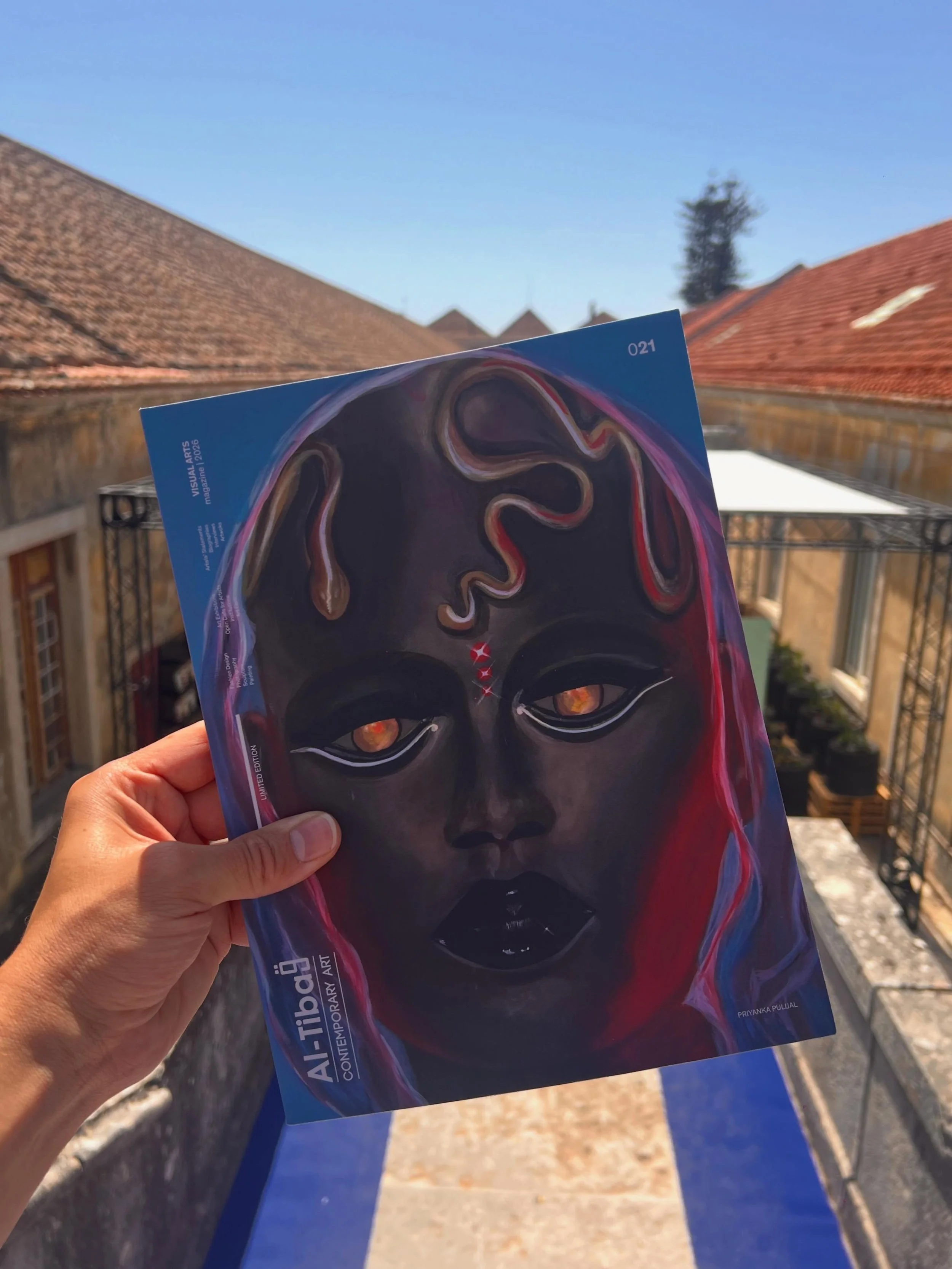
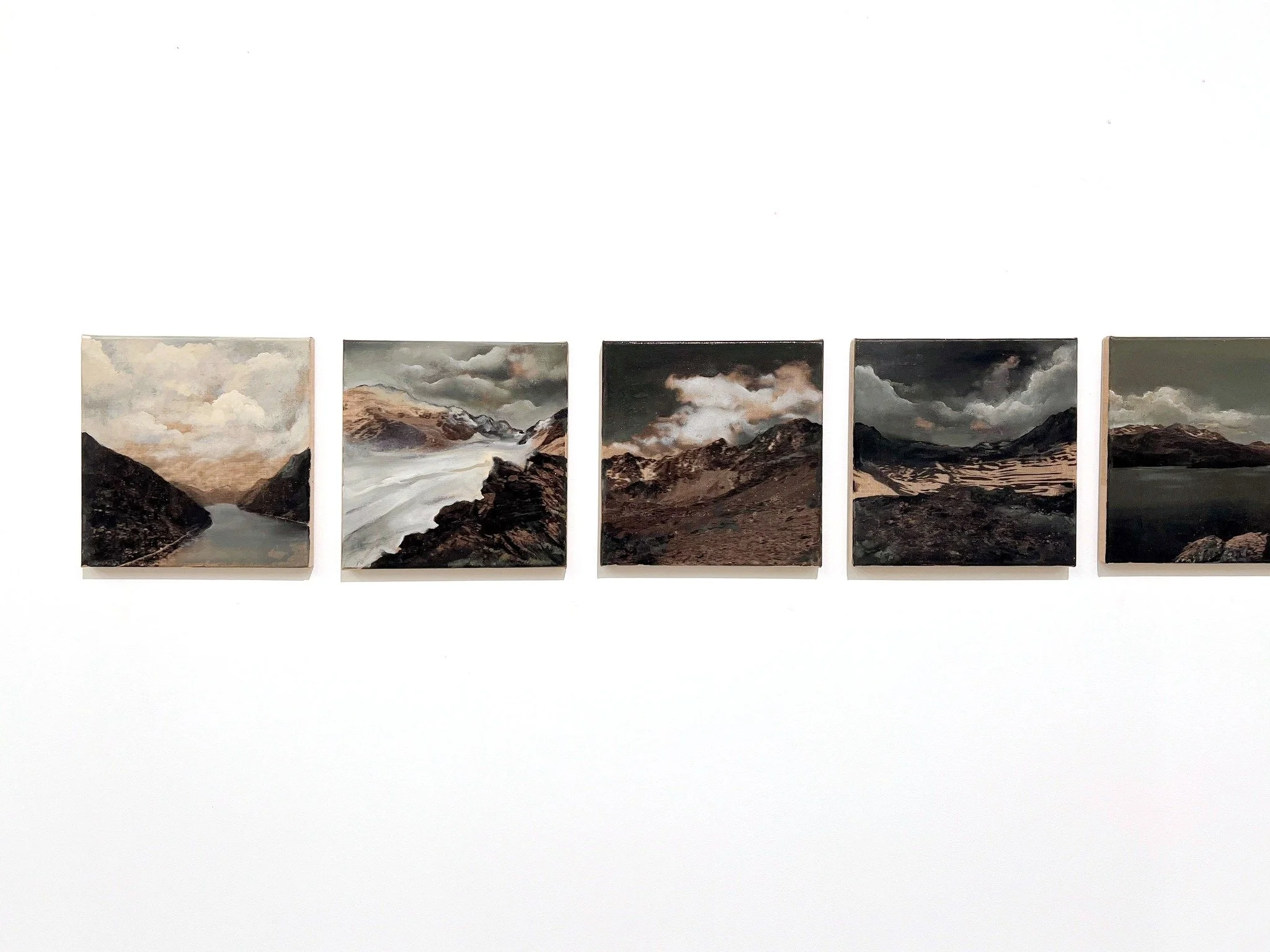

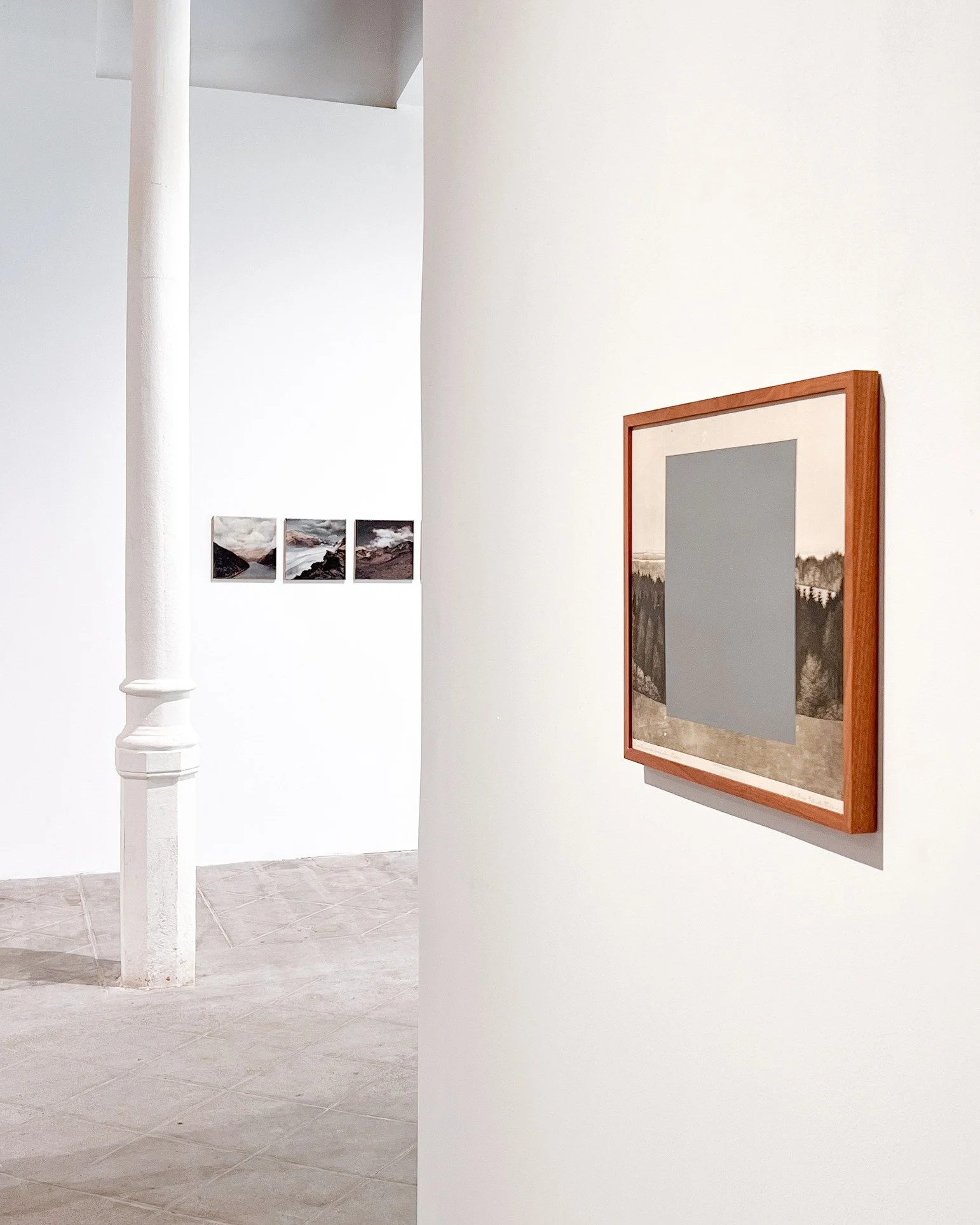
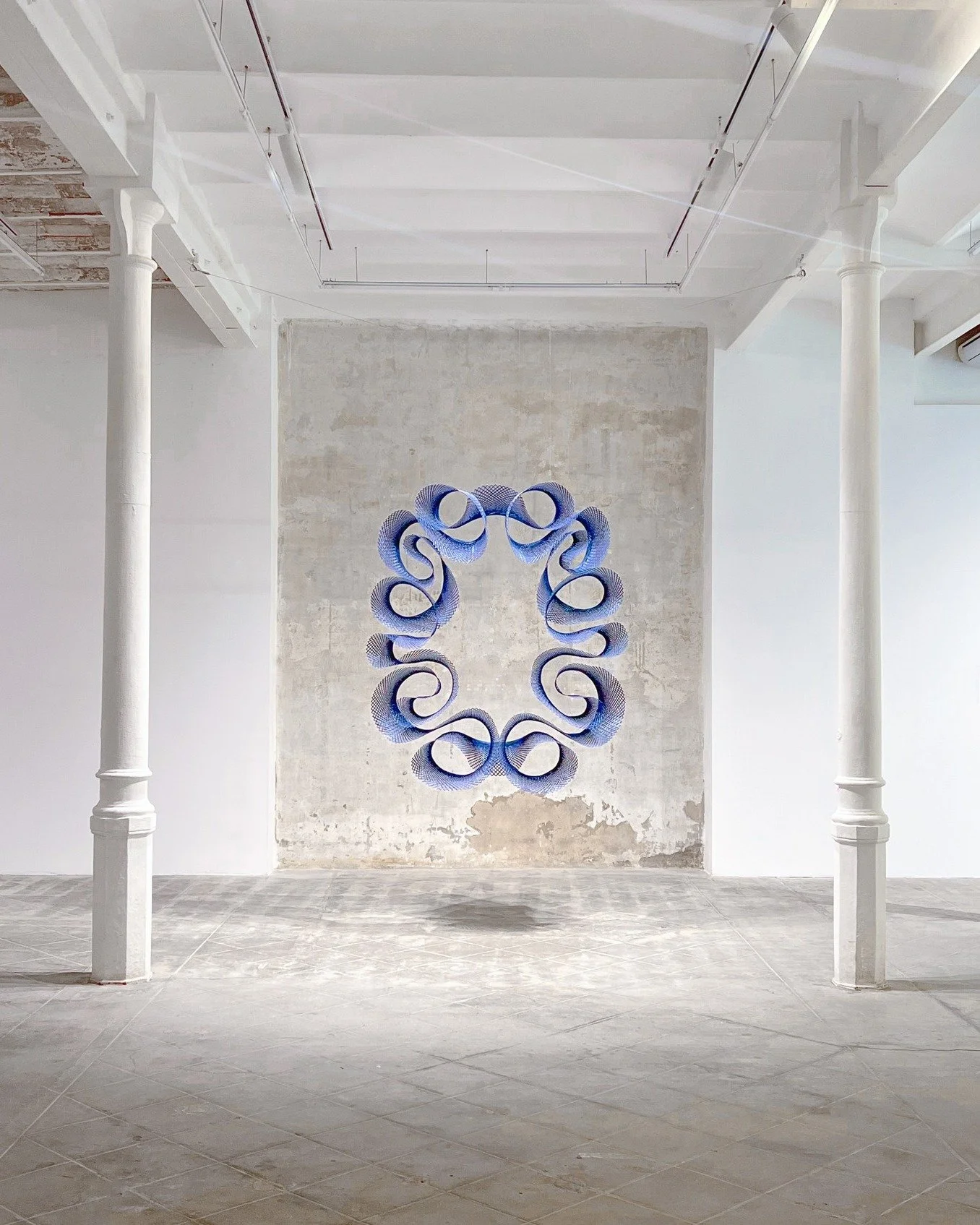
Bichen Liu is a Chinese lens-based visual artist working across fine art photography, black-and-white image-making, and experimental photographic practice. What Lies Beneath is a black-and-white photographic series focusing on exposed root systems and coastal residues, that transforms overlooked ecological fragments into visual records of support, erosion, and displacement.