

10 Questions with Yuhan Gu
Yuhan Gu is a New York–based industrial designer whose work explores the intersection of function, emotion, and sculptural form. His practice spans furniture, home accessories, and consumer products, with a focus on creating objects that bring warmth, personality, and meaningful interaction into everyday life.
His work has received international recognition, including the 2025 IDA Design Award Gold and Good Design Award. Through both professional and independent projects, Gu transforms observations from nature, daily rituals, and material behavior into refined, human-centered design experiences.
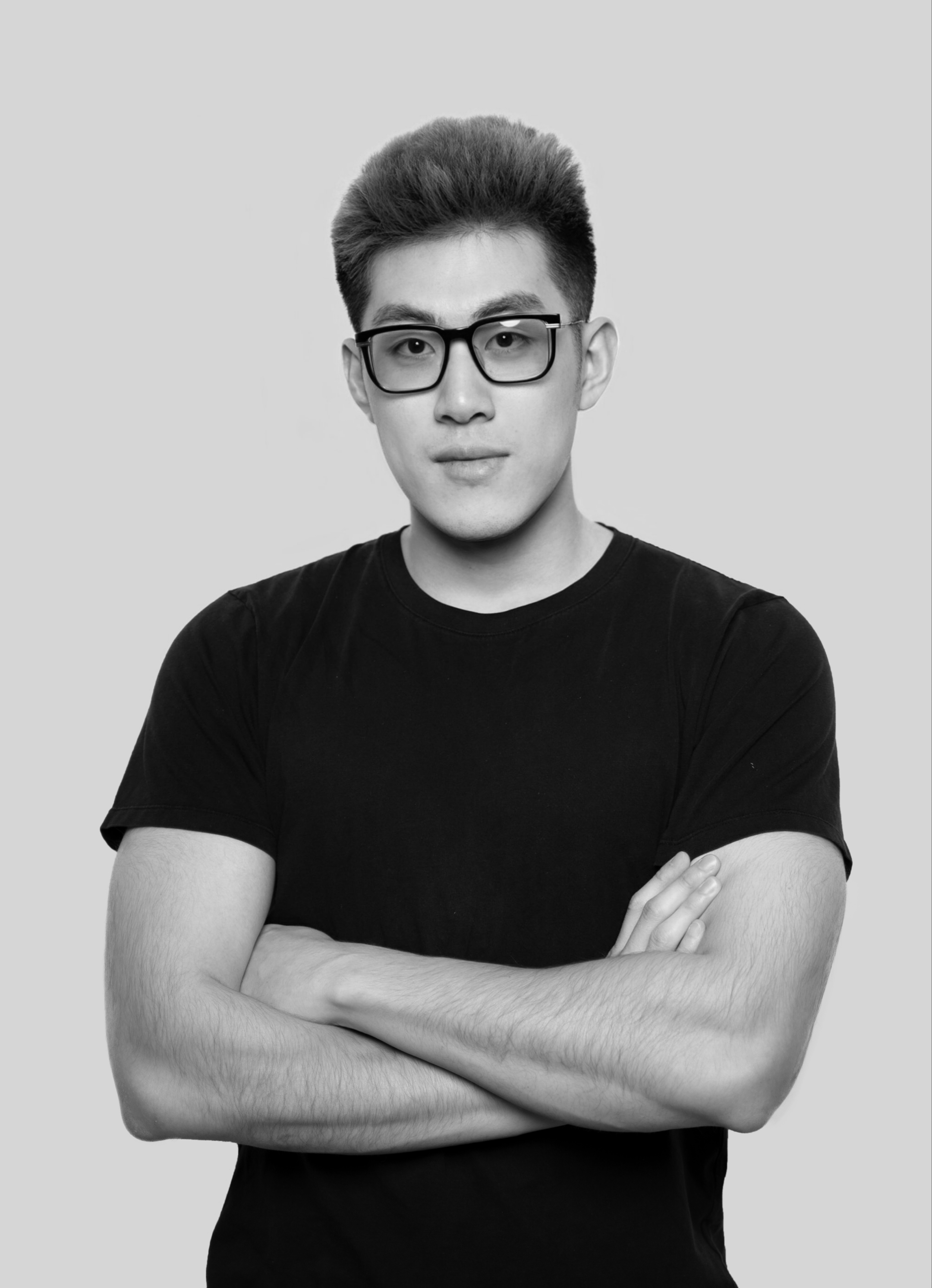
Yuhan Gu - Portrait
ARTIST STATEMENT
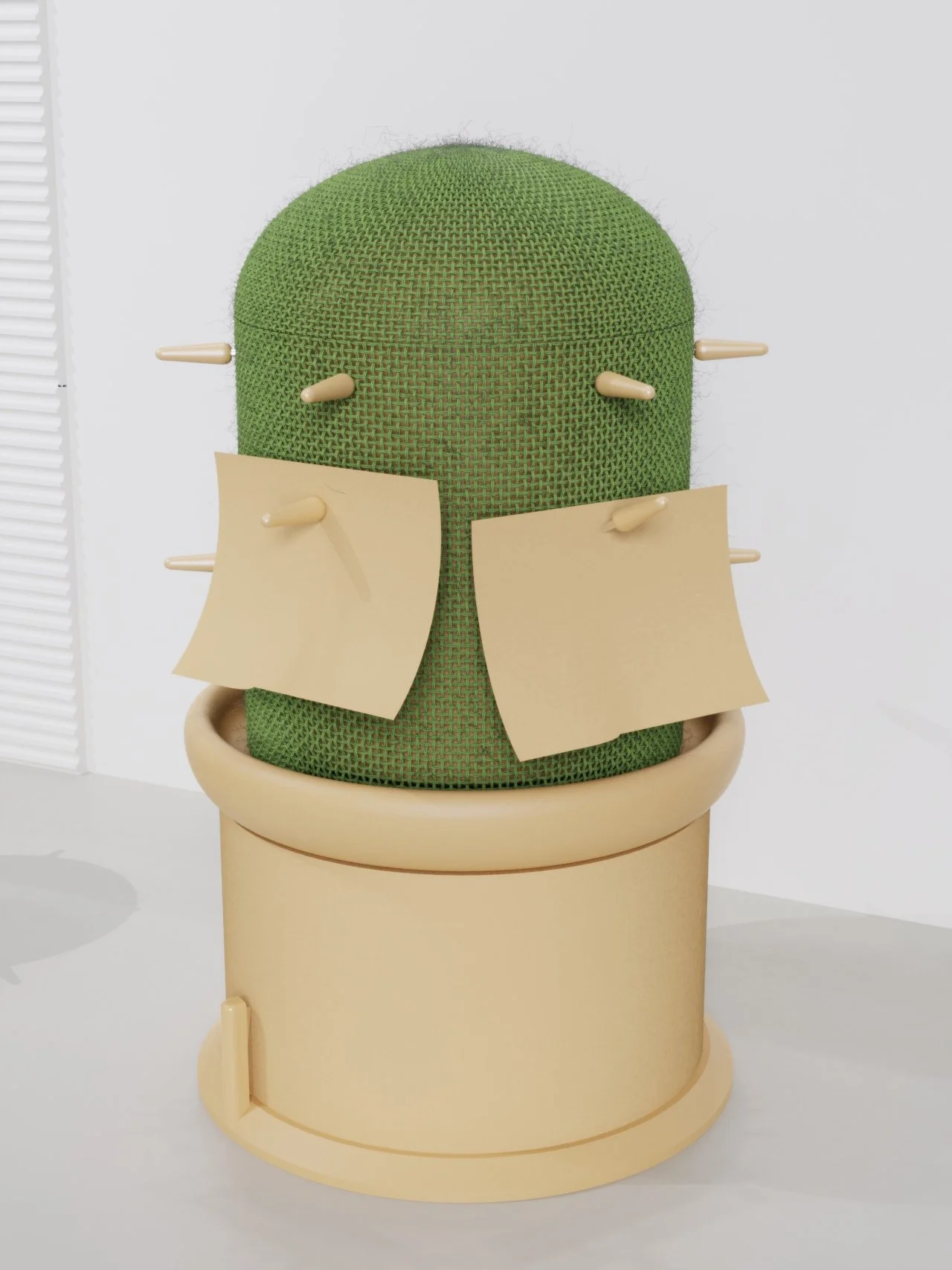
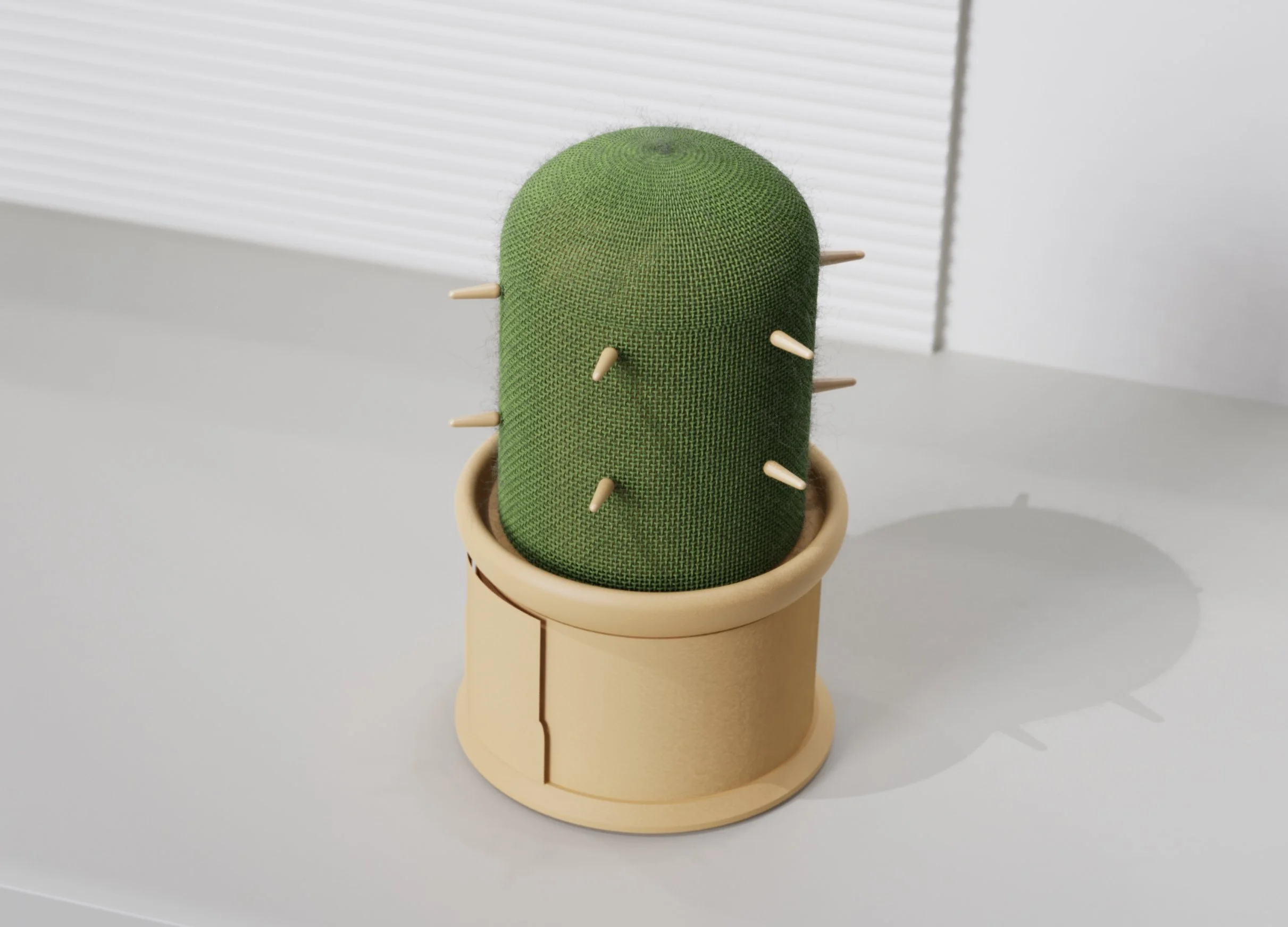
TACTO reflects Yuhan Gu’s interest in the emotional relationship between people and the objects they keep close in their daily workspace. Designed as a cactus-shaped memo holder, the project transforms a familiar natural form into a playful and functional desktop object.
Through its soft felt surface, cactus-like pins, and sculptural silhouette, TACTO reintroduces tactility into an increasingly digital work environment. The object offers a warm and expressive way to hold notes, reminders, and personal messages while bringing a small moment of joy to everyday routines.
The project represents Gu’s broader design philosophy: merging function with emotional resonance and turning ordinary objects into meaningful daily companions.
TACTO, Mixed Media, Desktop Scale, 2025 © Yuhan Gu
INTERVIEW
First, can you tell us about your background and what first led you toward industrial design?
I am a New York–based industrial designer, and my interest in design began with a curiosity about how everyday objects shape both behavior and emotion. I was always drawn to the subtle ways that form, material, and interaction can influence how people experience their surroundings.
Over time, this curiosity developed into a more focused design practice through formal training and professional experience in product design. Working across different categories, from consumer electronics to independent furniture projects, has allowed me to explore both functional problem-solving and more expressive, sculptural approaches to design.
You work across furniture, home accessories, and consumer products. What attracts you to these different mediums and scales?
I’m interested in how design operates across different scales, from small personal objects to larger spatial pieces. Each medium offers a different kind of relationship with the user.
Consumer products tend to be more immediate and functional, while furniture allows for a more immersive and spatial experience. Moving between these scales helps me maintain a balance between practicality and expression, and it also allows ideas to evolve more freely across different contexts.
TACTO, Mixed Media, Desktop Scale, 2025 © Yuhan Gu
Your work often combines sculptural aesthetics with functionality. How did you develop this balance within your practice?
This balance developed naturally over time as I became more interested in the emotional side of design, rather than purely functional solutions. I began to approach objects not just as tools, but as companions in daily life.
At the same time, my background in industrial design keeps me grounded in usability and production logic. The goal is not to prioritize sculpture over function, but to allow the two to coexist, so that an object can be both meaningful and practical.
What was the starting point behind the TACTO project, and how did the idea first emerge? Could you walk us through your creative process, from the initial concept to the final prototype?
TACTO began with a simple observation: people tend to form small emotional connections with the objects on their desks, even very ordinary ones like note holders or organizers.
The idea developed from exploring how to make this interaction more tactile and expressive. I started with sketching natural forms, eventually focusing on the cactus as a reference due to its recognizable silhouette and inherent “pin-like” qualities.
From there, I moved into 3D modeling and produced early prototypes through 3D printing to test proportions and usability. These samples helped refine the scale, interaction points, and overall structure. The final piece combines a soft felt surface with pin-based interaction, creating a balance between a playful visual identity and practical functionality.
Why did you choose the cactus as the central visual and conceptual element for TACTO?
The cactus offered both a strong visual identity and a natural conceptual link to the function of the object. Its form inherently suggests points of attachment, which aligns well with the idea of holding notes or small items.
At the same time, the cactus carries a certain emotional and symbolic quality; it’s resilient, minimal, and slightly playful. I was interested in translating that into an object that feels approachable and expressive within a workspace.
TACTO, Mixed Media, Desktop Scale, 2025 © Yuhan Gu

TACTO, Mixed Media, Desktop Scale, 2025 © Yuhan Gu
Materiality seems essential in this project, especially through the use of felt and tactile surfaces. How do you select materials when developing a new object?
Material selection is always closely tied to both function and emotional experience. In the case of TACTO, felt was chosen because it introduces softness and tactility, which contrasts with the typically hard surfaces found in office environments.
I often look for materials that can enhance interaction, not just visually, but physically. Texture, flexibility, and temperature all play a role in how an object is perceived and used. The goal is to create a more engaging and human-centered experience through material choices.
Themes such as emotional connection, playfulness, and everyday interaction appear throughout your work. Why are these ideas important to you?
I believe that design has the potential to influence not only how we use objects, but also how we feel in our daily environments. Small interactions, like placing a note or touching a surface, can have a subtle but meaningful impact.
In an increasingly digital and efficiency-driven world, I find it important to reintroduce moments of tactility, playfulness, and emotional connection. These elements help create a more balanced and human experience in everyday life.
How has the public and professional reception to TACTO influenced your perspective on the project?
The reception has been very encouraging, especially receiving international recognition such as the IDA Design Award Gold. It reinforced the idea that even small, everyday objects can resonate with a wider audience when they are thoughtfully designed.
It also gave me more confidence in continuing to explore emotional and interaction-driven design, rather than focusing solely on purely functional or commercial outcomes.

TACTO, Mixed Media, Desktop Scale, 2025 © Yuhan Gu
Your work has recently received important international recognition. Has this changed the way you think about your future direction as a designer?
Recognition has been both motivating and grounding. It validates the direction I’ve been exploring, but it also raises the expectation for future work.
Going forward, I aim to continue developing projects that sit at the intersection of function, emotion, and form, while also expanding into new scales and typologies. The goal is to build a consistent body of work that reflects both conceptual depth and practical relevance.
Lastly, are there any upcoming projects, materials, or themes you are particularly interested in exploring next?
I’m currently interested in further exploring the relationship between objects and spatial environments, particularly how smaller objects can influence larger atmospheres.
I’m also continuing to experiment with materials that introduce more tactile and sensory qualities into everyday products. Moving forward, I hope to develop projects that expand on these ideas while maintaining a balance between usability and expressive form.
Artist’s Talk
Al-Tiba9 Interviews is a curated promotional platform that offers artists the opportunity to articulate their vision and engage with our diverse international readership through insightful, published dialogues. Conducted by Mohamed Benhadj, founder and curator of Al-Tiba9, these interviews spotlight the artists’ creative journeys and introduce their work to the global contemporary art scene.
Through our extensive network of museums, galleries, art professionals, collectors, and art enthusiasts worldwide, Al-Tiba9 Interviews provides a meaningful stage for artists to expand their reach and strengthen their presence in the international art discourse.


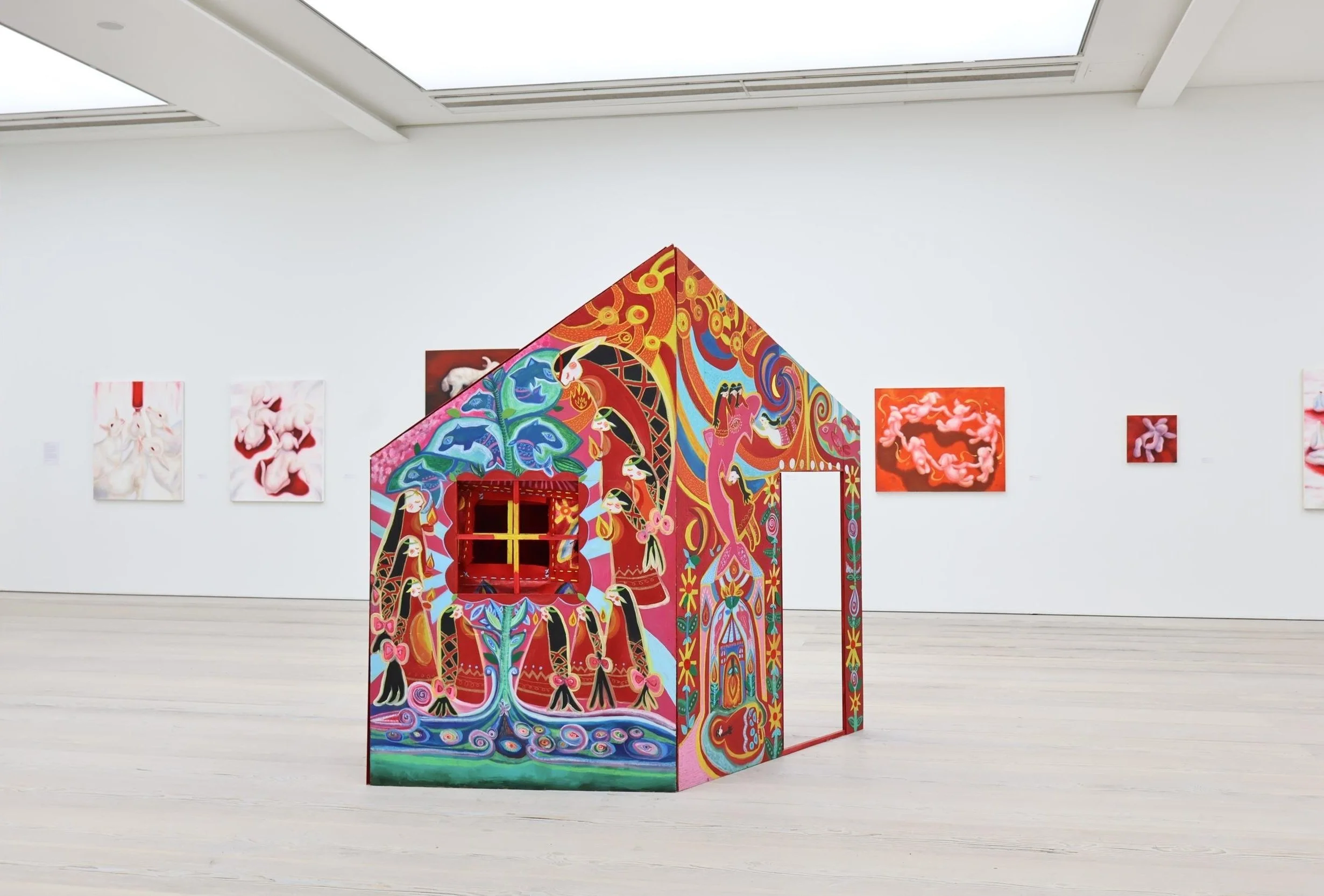




Yuhan Gu is a New York–based industrial designer whose work explores the intersection of function, emotion, and sculptural form. TACTO reflects Gu’s interest in the emotional relationship between people and the objects they keep close in their daily workspace. Designed as a cactus-shaped memo holder, the project transforms a familiar natural form into a playful and functional desktop object.