
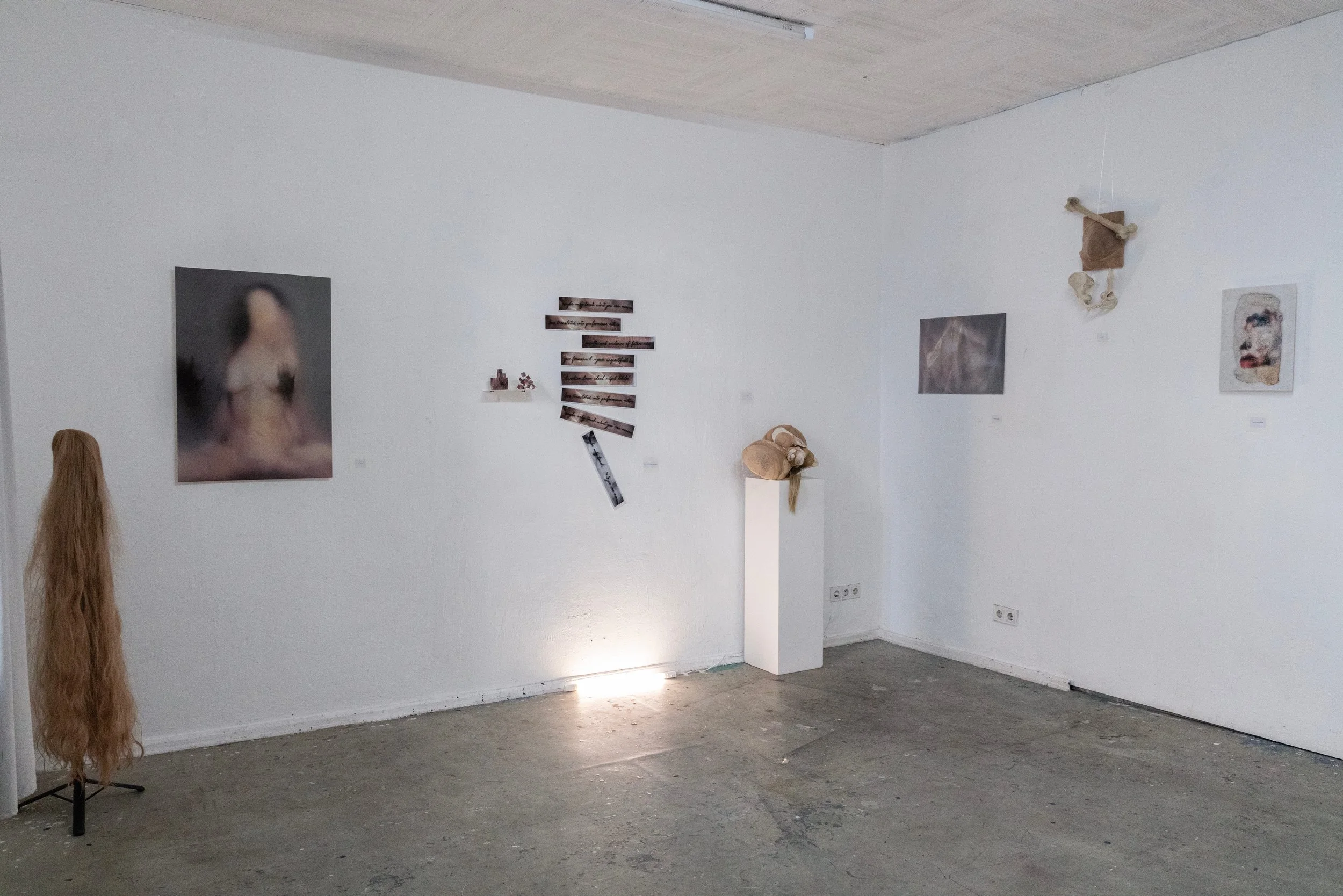
10 Questions with Ashleigh Hobbs (Arnika)
Ashleigh Hobbs, known by her artist name Arnika (b. Australia), is a multidisciplinary artist and musician working primarily through sound and performance, expanded through self-portraiture and installation. Her practice explores femininity, bodily autonomy, and the ways internalised ideals shape the female body and psyche.
Drawing on personal narrative, her work examines how identity is formed under social expectations of beauty, desirability, and control. Through music, image-making, and sculptural forms, she creates immersive environments that move between seduction and unease.
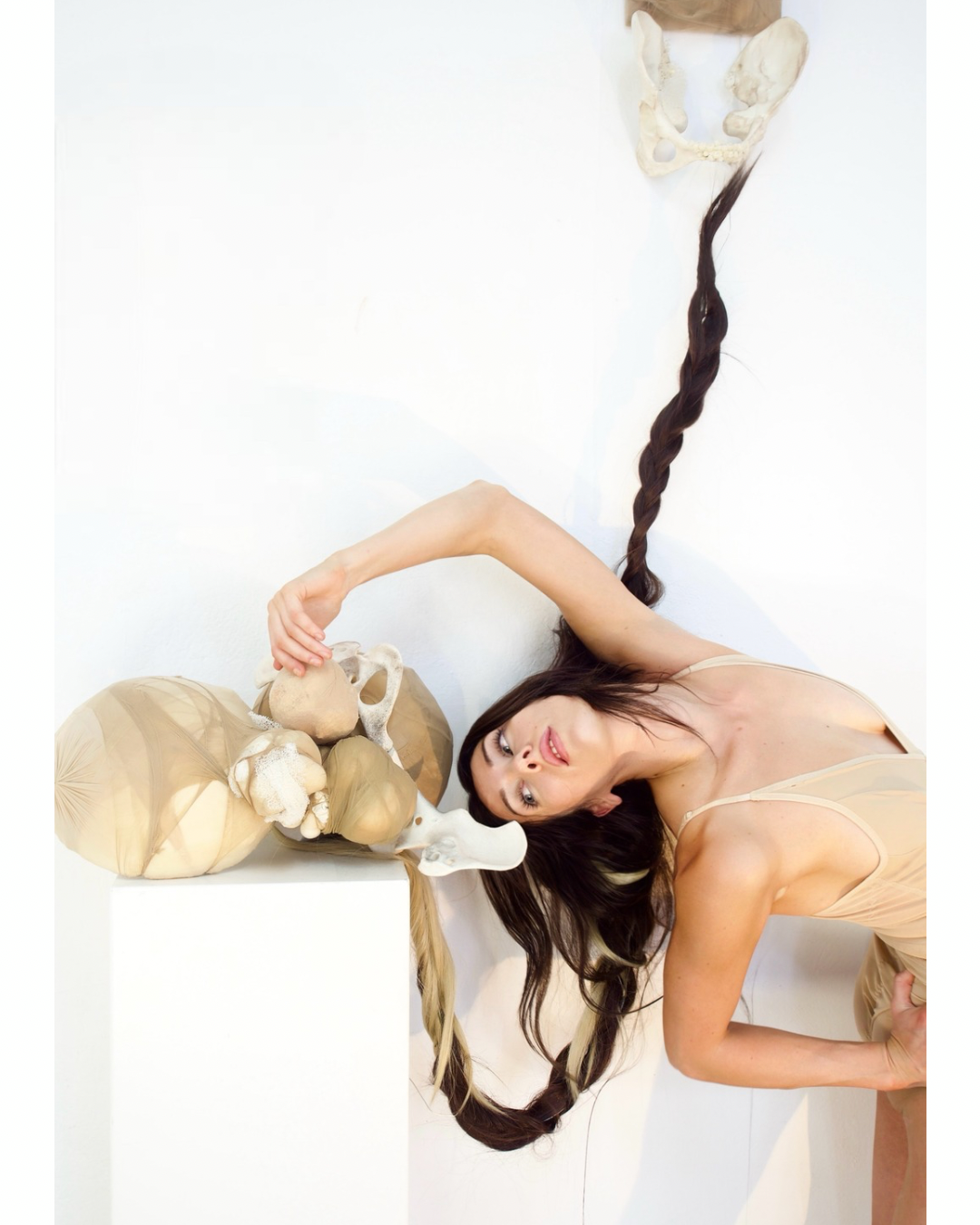
Ashleigh Hobbs (Arnika) - Portrait | Ph. Sofia Reggio
INTERVIEW
First, can you tell us about your journey into art? What first inspired you to become an artist and musician?
I don’t think there was a moment where I decided to become an artist. If you ask my mother, I was born a performer. I’ve always been extremely dramatic, performative and highly sensitive, so I needed somewhere to put all of that. I’ve been making things for as long as I can remember. Music came first because it gave me somewhere to put emotions into lyrics and create a language that felt safe to express. Visual art arrived in much the same way, and I was always creating and painting from a young age. As I got older, I realised I wasn’t particularly interested in separating disciplines. Where I’m from in Australia, being an artist alone wasn’t particularly understood, but being cross-disciplinary was almost incomprehensible. Despite feeling misunderstood for much of my upbringing, I didn’t really care. Singing, installation, sculpture, photography and performance all felt like different ways of asking the same questions, so I kept combining them in my own way. My practice has grown out of questions around embodiment, memory and the stories we inherit, particularly around femininity. For a long time, I was trying to understand why I felt so disconnected from my body and why I often felt like an alien in the world. But the older I get and the more grounded in myself I become, the less I feel the need to understand. Now it’s more about making other people who have struggled with embodiment and femininity feel a little less alone, regardless of gender.
OPENSTUDIOS, 2026 © Ashleigh Hobbs (Arnika)
How do you decide which medium best expresses an idea?
I don’t think I ever consciously decide. Some experiences just resist language entirely. If I can write about something too easily, it probably doesn’t need to become a sculpture. Likewise, there are things that only make sense as music because rhythm, breath and voice communicate something words alone can’t. I think of mediums as having different emotional vocabularies. Sound can be immediate and visceral. Sculpture asks people to slow down, the artist especially. Installation lets the viewer’s body become part of the work. Lately I’ve become far less interested in mastering a particular medium and more interested in finding the form that feels most honest for the idea I’m trying to communicate.
What does your creative process usually look like?
I’m fairly obsessive. Once an idea takes hold it’s fairly impossible for me to ignore. I’ll collect references, write fragments of songs, sketch, read, photograph things and fill pages with notes until I notice patterns start emerging. Rather than moving in a straight line, the work develops through accumulation. Different pieces begin speaking to each other before I fully understand why, and when they finally do, it almost feels like magic. Eventually there’s a point where I stop thinking and start making. That’s usually when the work becomes clearer than the original idea ever was.
Many of your works explore femininity and bodily autonomy. What first drew you to these themes, and why do they remain important in your practice today?
I’ve always been interested in the feminine body because it’s where power is negotiated. Ideas around femininity, beauty, desirability and control shape how we’re taught to move through the world, often long before we’re aware they’re there. I’m interested in making those invisible systems visible. My work isn’t really about illustrating those ideas so much as creating spaces where they become tangible. I’m interested in inherited behaviours, contradictions, and the tension between vulnerability and agency. Those questions continue to evolve as I do, which is probably why they keep returning in different forms.
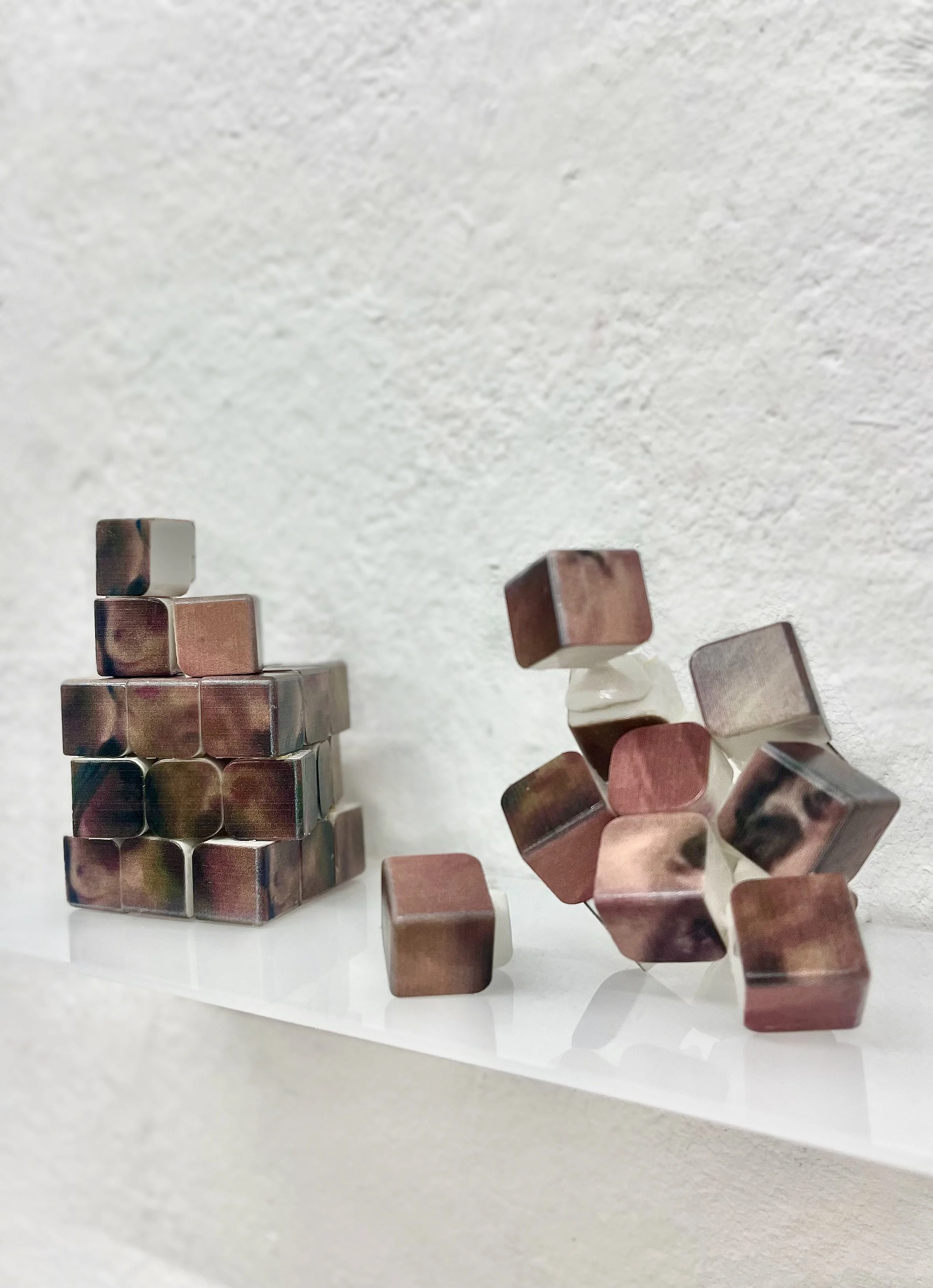
HOW TO LOVE A WOMAN, photographics culpture, 11×11x6 cm, 2026 © Ashleigh Hobbs (Arnika)
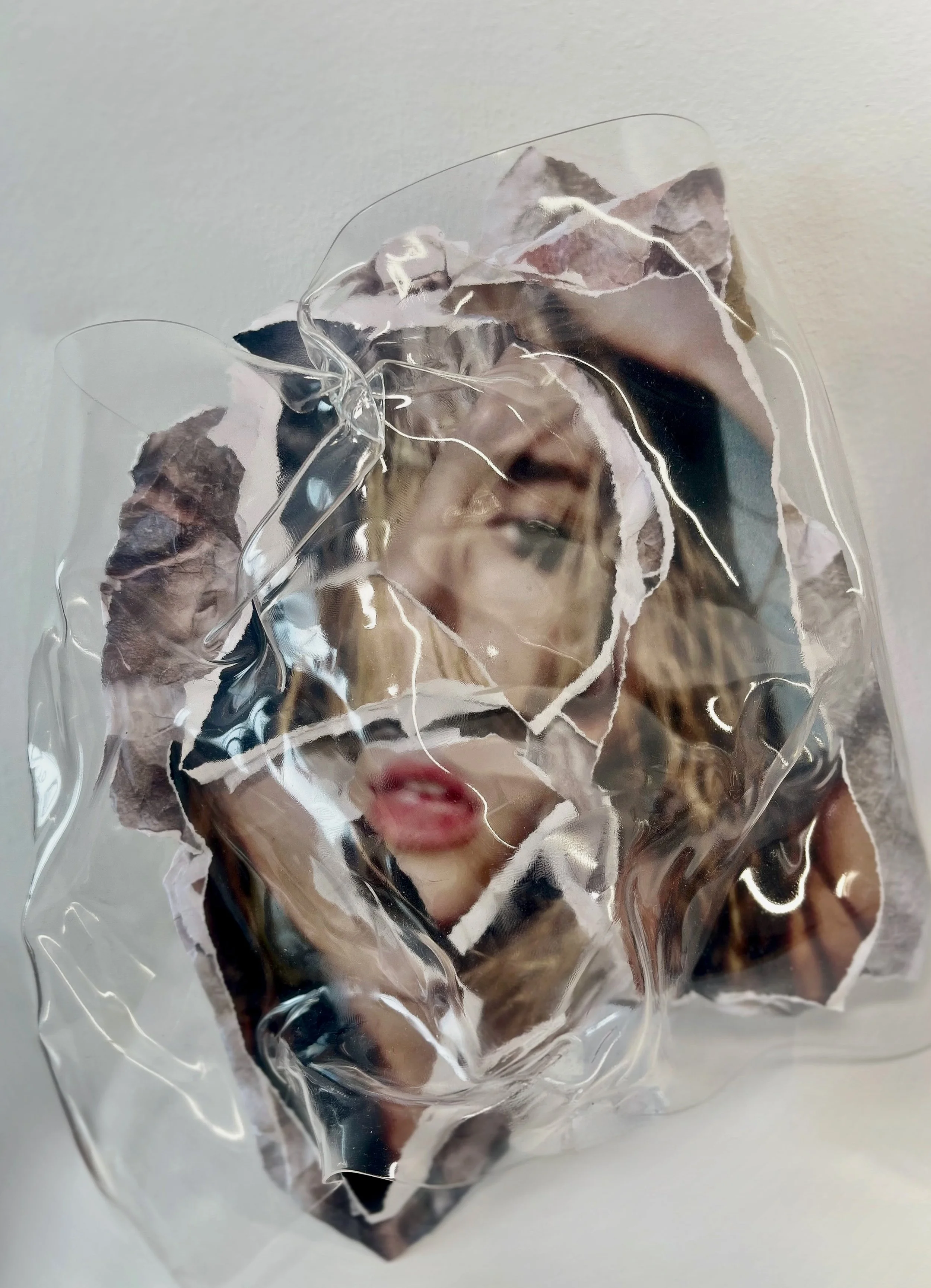
UNMASK, sculpture,m A4, 2025 © Ashleigh Hobbs (Arnika)
Your work often feels deeply personal. How do your own experiences influence the stories and ideas you choose to explore?
Oh, it is. I know I seem brave objectively, but God, I feel so raw and vulnerable and terrified. Almost everything begins with something personal, but the point is that I don’t think the work stays there. And I don’t want it to. I’m less interested in autobiography than transformation. Personal experience simply gives me an entry point into questions that feel much larger than myself. If a work only communicates my own story, I don’t think it’s finished. I’m hoping it becomes somewhere another person can recognise themselves, even if our experiences are completely different but we share similar struggles.
Your installations and performances create spaces that are both alluring and unsettling. What kind of emotional experience do you hope audiences will have when encountering your work?
I’m not necessarily trying to make people comfortable. My work is disconcerting and provocative for a reason. I hope the work creates enough space for people to sit with ambiguity rather than immediately resolving it. Sometimes that means discomfort, sometimes tenderness, sometimes recognition. Sometimes it’s sexualised through a heteronormative gaze, which is also part of the work. The responses I value most are when someone tells me they felt something they couldn’t immediately explain. I think art is one of the few places we’re allowed to remain uncertain. I’m much more interested in asking difficult questions than providing neat answers.
Beauty, desirability and control are recurring subjects in your practice. How do you think these ideals have changed in recent years, and how has that influenced your work?
I think these days I’ve become much more suspicious of beauty. Earlier in my practice, I was interested in beauty as something seductive. Now I’m more interested in what beauty conceals. What we’re encouraged to desire, and I guess, who benefits from those ideals, really. Recently I’ve also become much more interested in the physical body itself. Teaching myself sculpture in Berlin shifted something for me. Working directly with anatomical forms felt less like representing the body and more like understanding it.

PROJECTIONS, A1, SELF PORTRAIT PIGMENT PRINT © Ashleigh Hobbs (Arnika)
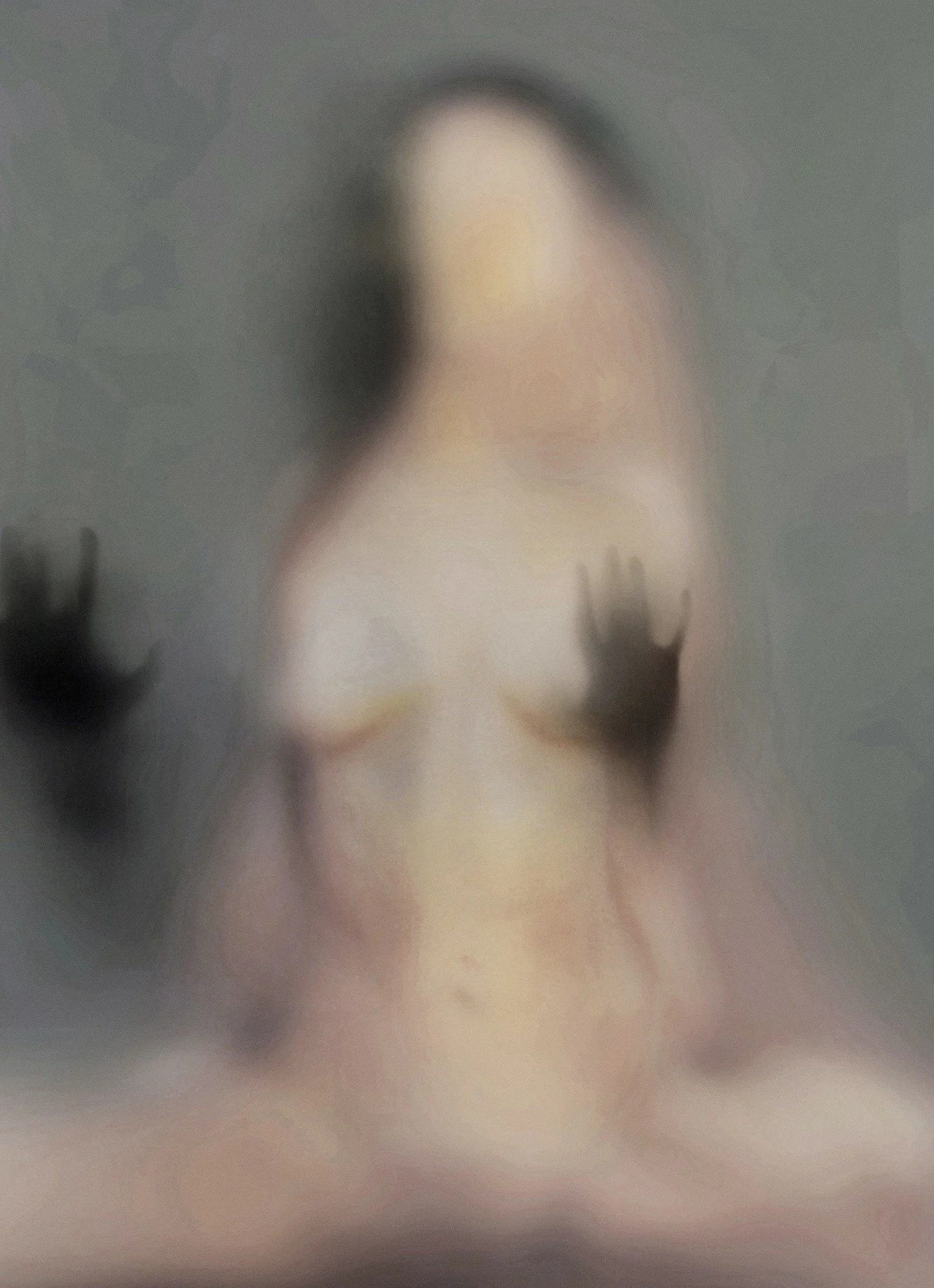
PROJECTIONS, A1, SELF PORTRAIT PIGMENT PRINT © Ashleigh Hobbs (Arnika)
As both a visual artist and a musician, how do these two creative practices inform and enrich one another?
I honestly don’t separate them very much. Never have. My brother writes and produces much of my music with me, and he’s an enormous part of the project. I’m the lyricist and vocalist, but for him to understand what I want something to sound like, I build a visual world first. They’re really one and the same for me. Both are concerned with rhythm, tension, repetition and emotional pacing. Sometimes a sculpture feels musical in the way it asks someone to move through space. Sometimes a song feels architectural because of the way it’s built. Jake is my older brother, so he knows exactly how my brain works. We seem to share a very visual way of thinking about sound. He somehow hears what I see, and vice versa. Each discipline helps me think differently about the other, and I think moving between them keeps both practices alive.
What has been the most surprising or memorable response you’ve received from viewers or listeners to your work?
One of the most meaningful responses came after exhibiting recent sculptural work in Berlin. Someone spoke about feeling unexpectedly seen by the work without knowing anything about the experiences that informed it. That reminded me that art doesn’t need audiences to know the entire backstory in order to communicate something truthful. During a recent period of loss, I became acutely aware of how fragile our relationship with our bodies can become. I don’t think I realised how many people carried similar experiences until they began sharing them with me. We often underestimate humanity. Those moments are probably the most rewarding. They remind me that vulnerability can become something shared rather than something solitary, and that we were never really meant to carry these experiences alone.
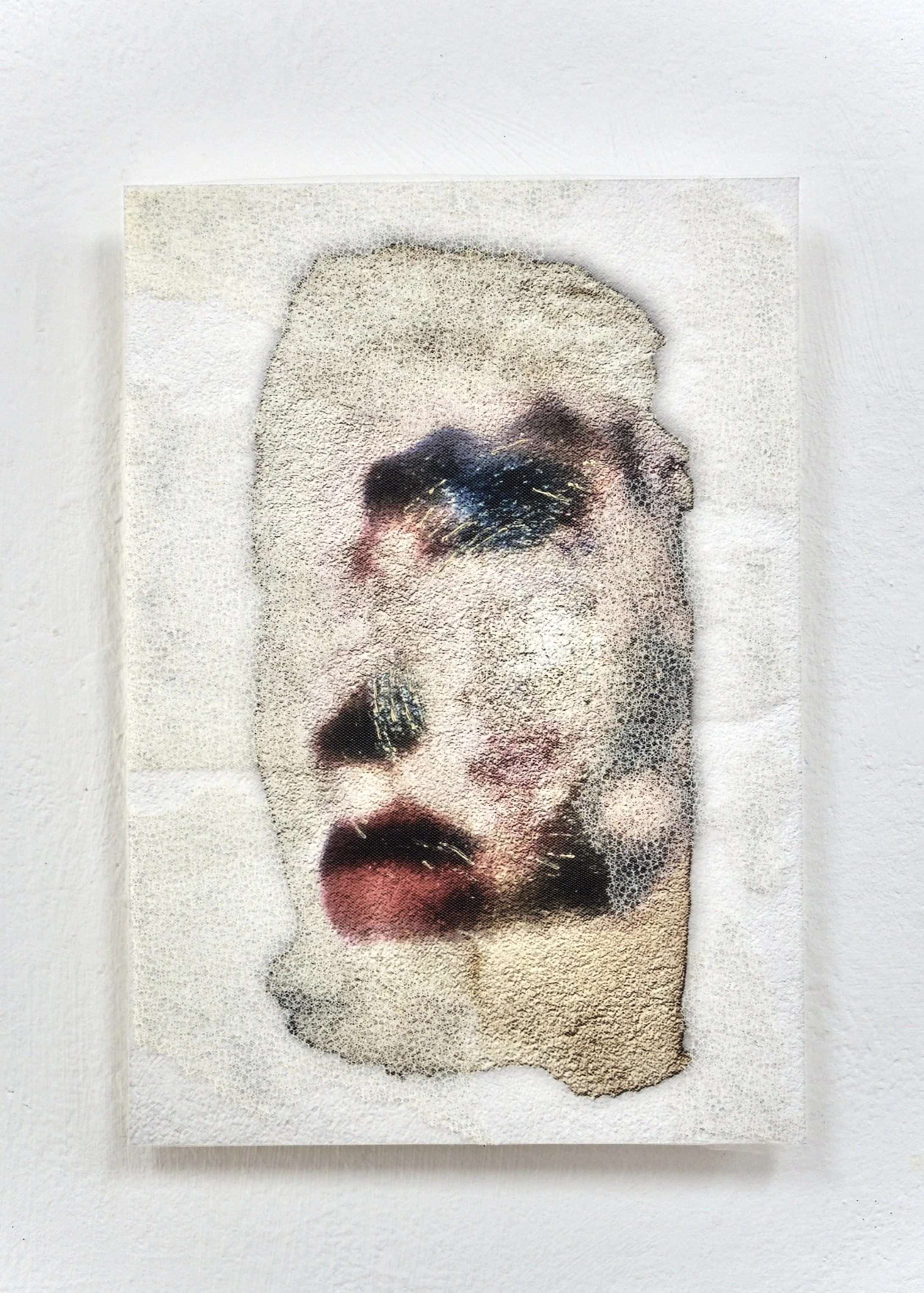
DID YOU EVER REALLY SEE ME, mixed media, A3, 2026 © Ashleigh Hobbs (Arnika)
Lastly, looking ahead, are there any new ideas, collaborations or projects that you’re particularly excited to develop?
At the moment I’m so excited by the direction my practice has taken over the past few months. Teaching myself sculpture and collaborating with so many incredible international femme artists in Berlin has opened up a completely new way of working, and I’m interested in continuing to combine installation, performance and sound in increasingly immersive ways. Alongside that, I’m preparing new music under my project Arnika, and I’m becoming more interested in the relationship between live performance and visual installation rather than treating them as separate practices. Due to the very personal nature of my lyrics, this kind of terrifies me. Which is great. Usually that leads to the most honest work.
Artist’s Talk
Al-Tiba9 Interviews is a curated promotional platform that offers artists the opportunity to articulate their vision and engage with our diverse international readership through insightful, published dialogues. Conducted by Mohamed Benhadj, founder and curator of Al-Tiba9, these interviews spotlight the artists’ creative journeys and introduce their work to the global contemporary art scene.
Through our extensive network of museums, galleries, art professionals, collectors, and art enthusiasts worldwide, Al-Tiba9 Interviews provides a meaningful stage for artists to expand their reach and strengthen their presence in the international art discourse.
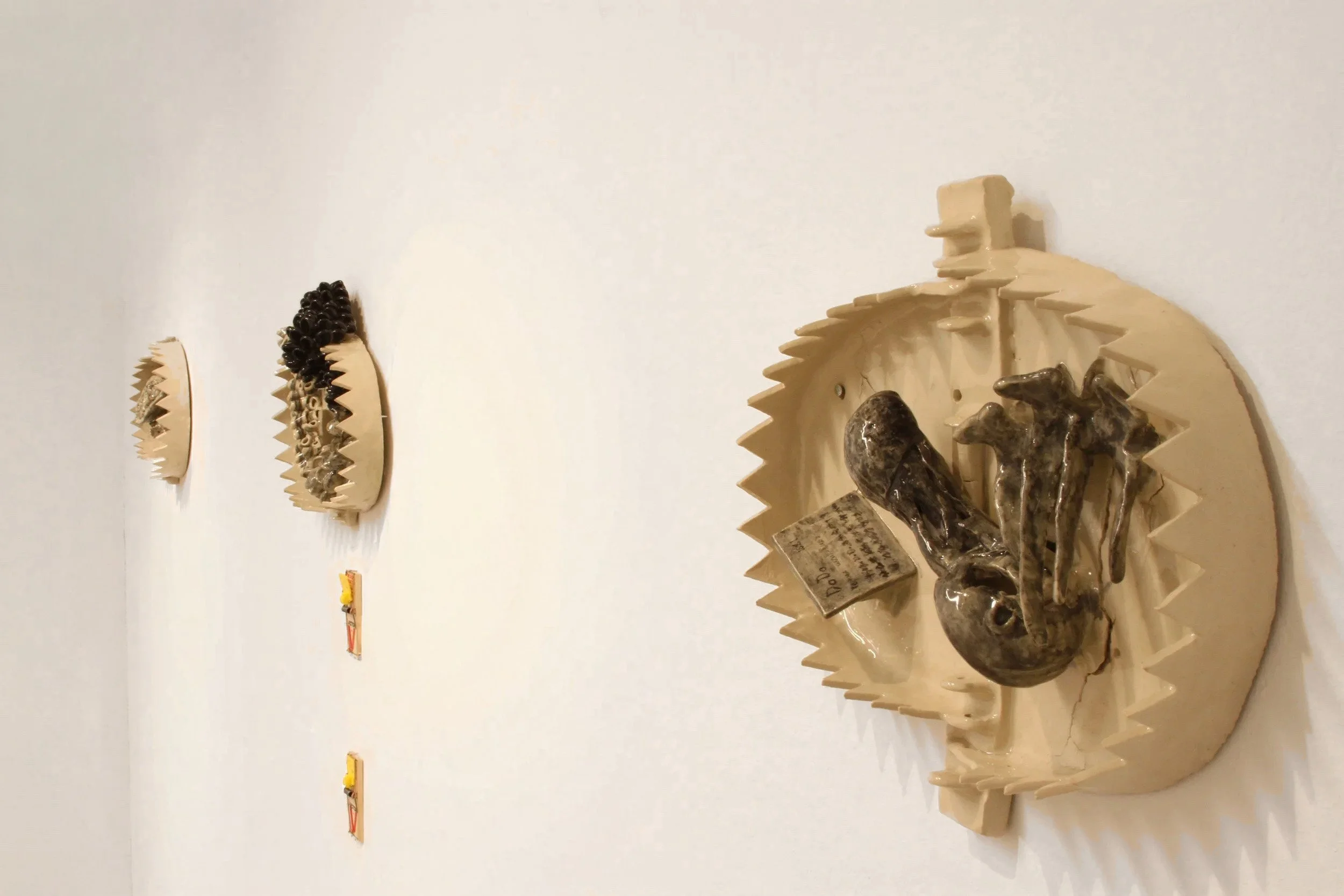


Lim Won Ji (Oneg) is a South Korean artist based in Chicago. Working across sculpture, installation, performance, and process-based experimentation, Lim investigates hypervigilance as a bodily condition shaped by anxiety, uncertainty, anticipation, and the desire for control, constructing unstable situations in which order is continually negotiated through gravity, time, repetition, and chance.