
10 Questions with Boris Popoff
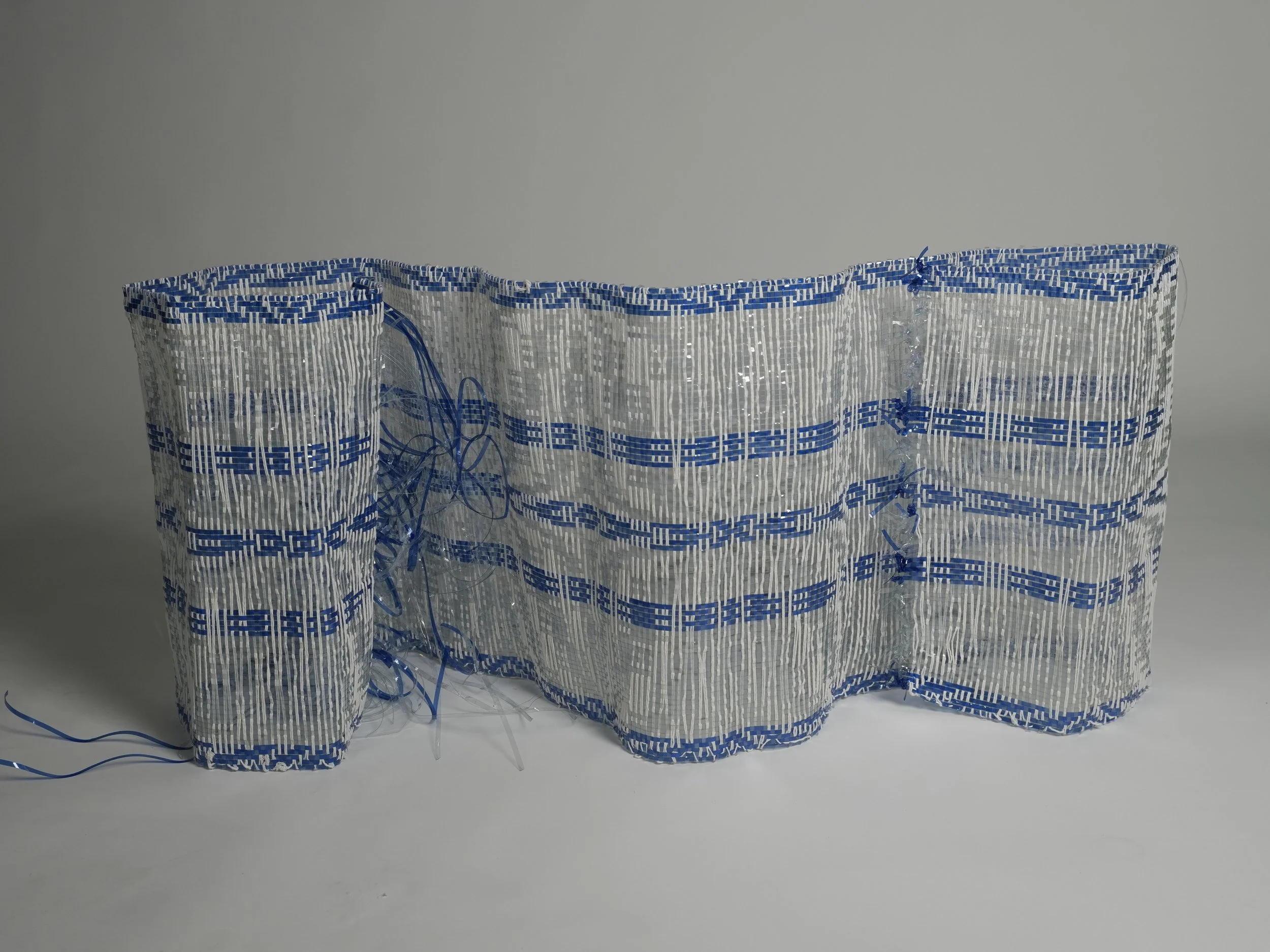
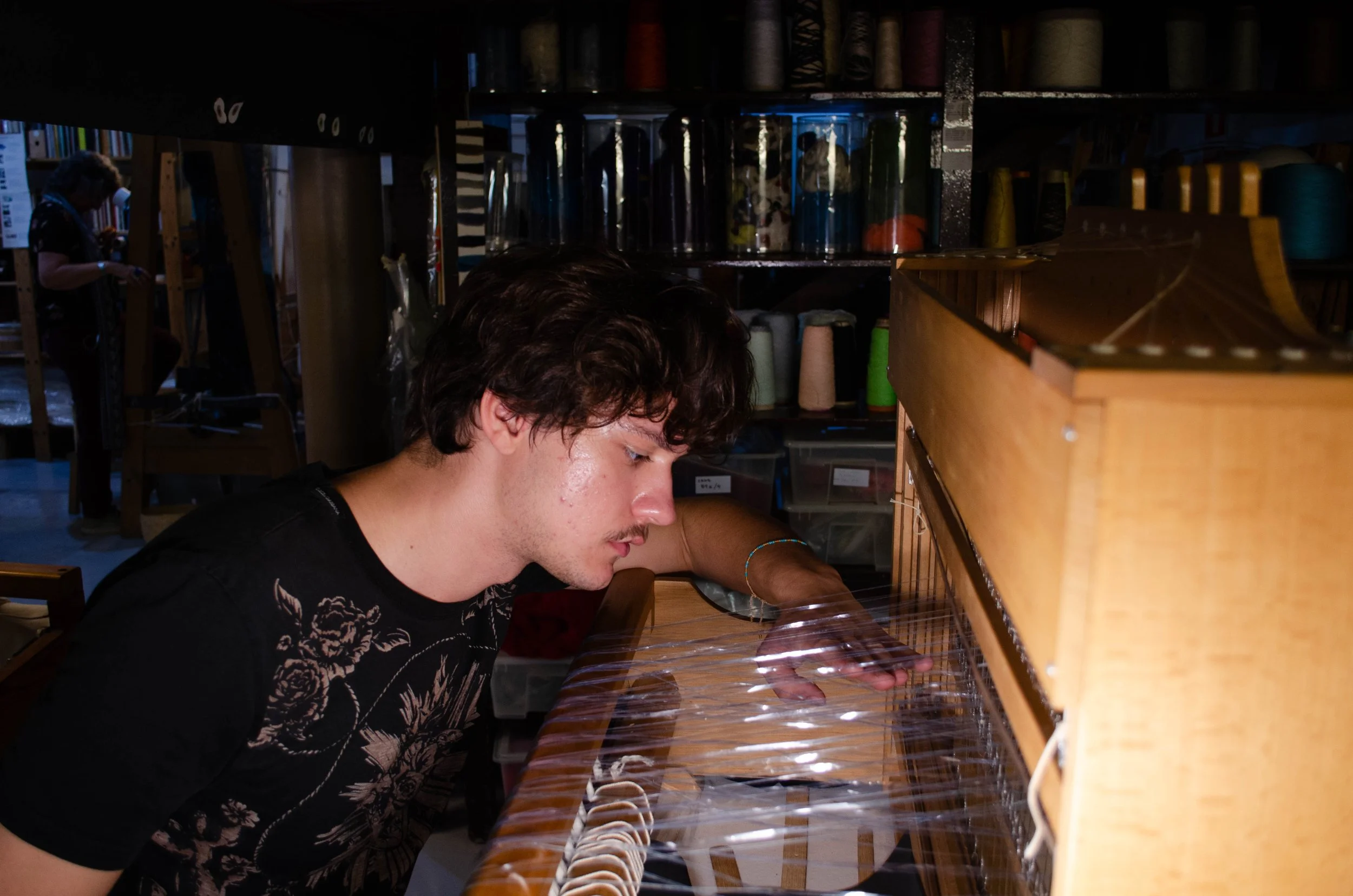
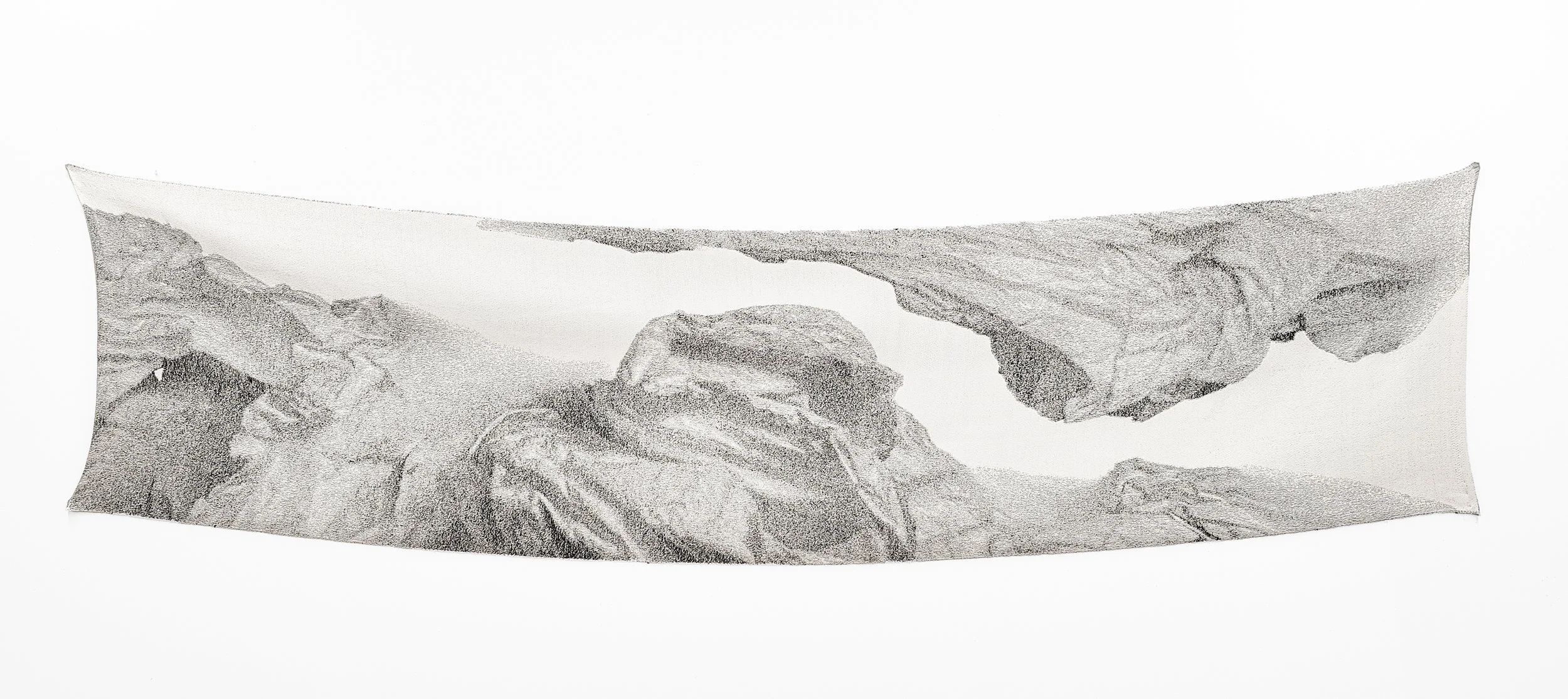
Boris Popoff is a textile artist and designer based in Barcelona. His work merges traditional weaving with sustainable material research. He is the creator of PETEXTILE, a project that transforms post-consumer PET plastic into woven textiles. His practice bridges craft and experimentation, positioning weaving as a cultural heritage and a contemporary investigation. He has exhibited and collaborated across art, design, and material research.
Boris Popoff - Portrait
ARTIST STATEMENT
Boris Popoff’s PETEXTILE project explores the intersection of craft, sustainability, and innovation by transforming post-consumer PET plastic into woven textiles. Combining traditional weaving with material experimentation, he reimagines waste as a resource, opening new pathways for sustainable aesthetics. His practice embodies material responsibility while honoring weaving as both heritage and a site of future-making. This work invites a dialogue on how artisanal processes can provide us with sustainable solutions to waste problems, effectively reimagining them in our contemporary times.
© Boris Popoff
INTERVIEW
Please tell our readers a bit about your background and how you first became interested in textiles.
I studied product and furniture design for my Bachelor’s degree in London. During my first year, we got to work with some textile processes through lacemaking and basic basketry. I remember wandering into the weaving workshop on campus, which was reserved exclusively for textile students. I was fascinated by the machines, tools, and processes. It felt like its own secluded world. My interest has always been in creative processes where a repetitive action allows for tremendously intricate results. I find that kind of work grounding. So when I graduated from my MA in Barcelona, I finally wanted to explore weaving as the main focus of my practice. As it turned out, I absolutely loved it.
What initially drew you to weaving as your main medium over other forms of textile art?
What I love about weaving is the countless possibilities that come from such a simple set of basic rules. You can combine, subtract, add, experiment and manipulate, and it gives you endless outcomes. It’s fascinating. I also enjoy the repetitive nature of the work. It feels therapeutic, and I often reach a meditative state while weaving. Once I catch a flow, I can stay in it for extended periods of time. Moreover, it teaches me patience, and the satisfaction of seeing a piece come to life block by block is extremely rewarding.
© Boris Popoff
How did the idea for PETEXTILE first emerge?
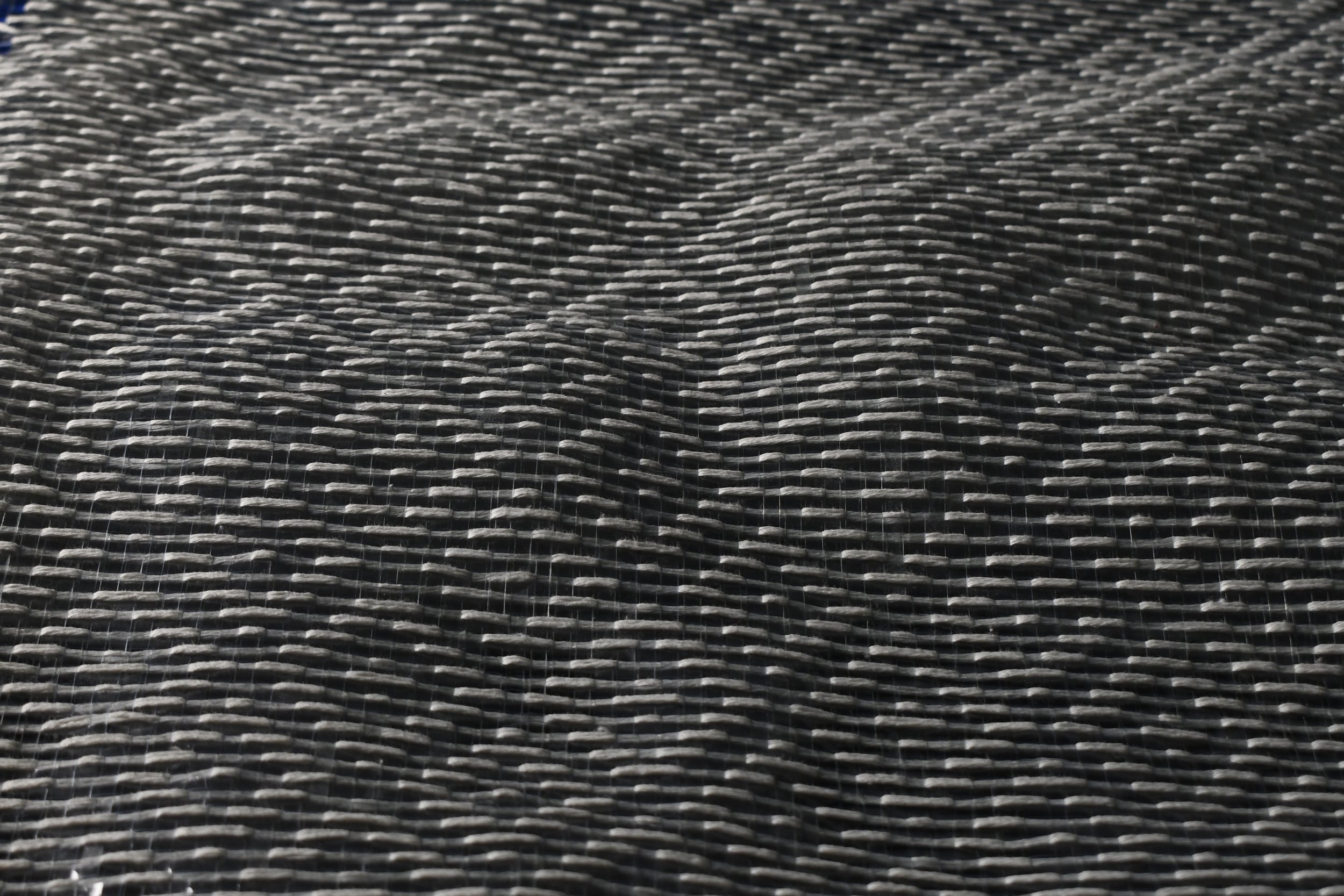
PETEXTILE emerged from an initial MA project in which I transformed plastic bottles through basketry processes. That first iteration allowed me to better understand their nature, properties, and behaviour when interpreted as raw basketry materials.
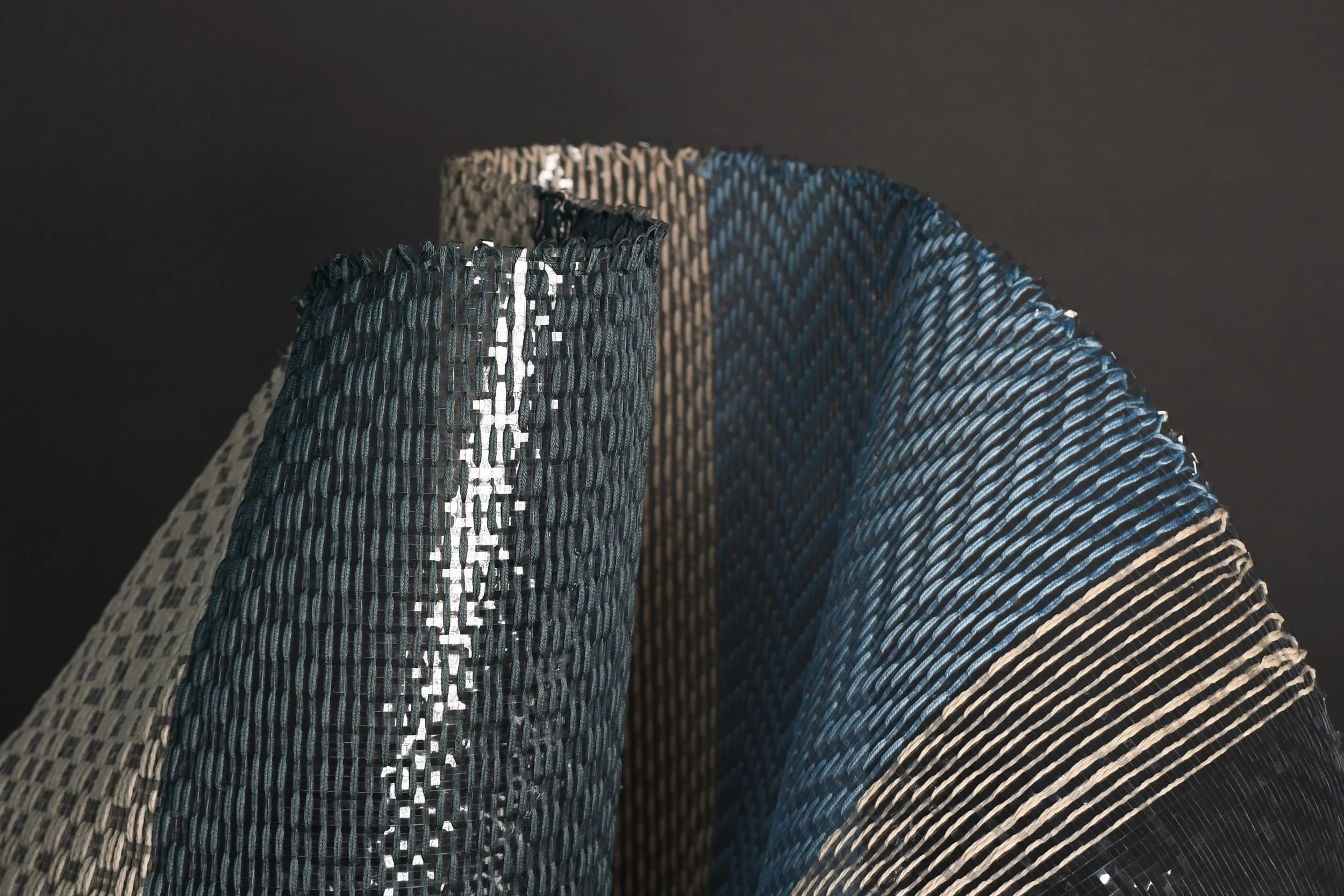
I was curious to explore weaving techniques with unusual materials. I noticed how cut plastic bottles could behave like thread while maintaining many of the same basic properties as more traditional textile materials. From there, I wanted to expand on the possibility of transforming discarded bottles through artisanal processes.
Why did you choose post-consumer PET plastic as your material of research?
PET bottles are one of the most common single-use plastics in the world. Wherever you are, you’re bound to encounter them in stores, in cities, and in everyday life. They represent a significant percentage of global plastic waste, which is astounding. According to Picvisa Waste Technologies, 88% of the 500 billion plastic bottles used each year end up as waste.
Moreover, while many recycling processes do reuse the material, they often require substantial amounts of energy. I wanted to explore an approach that allows for the transformation of these bottles in a more energetically efficient way. Most of that process comes directly from my hands through weaving them on the loom.
How do you approach the balance between traditional weaving techniques and material experimentation?
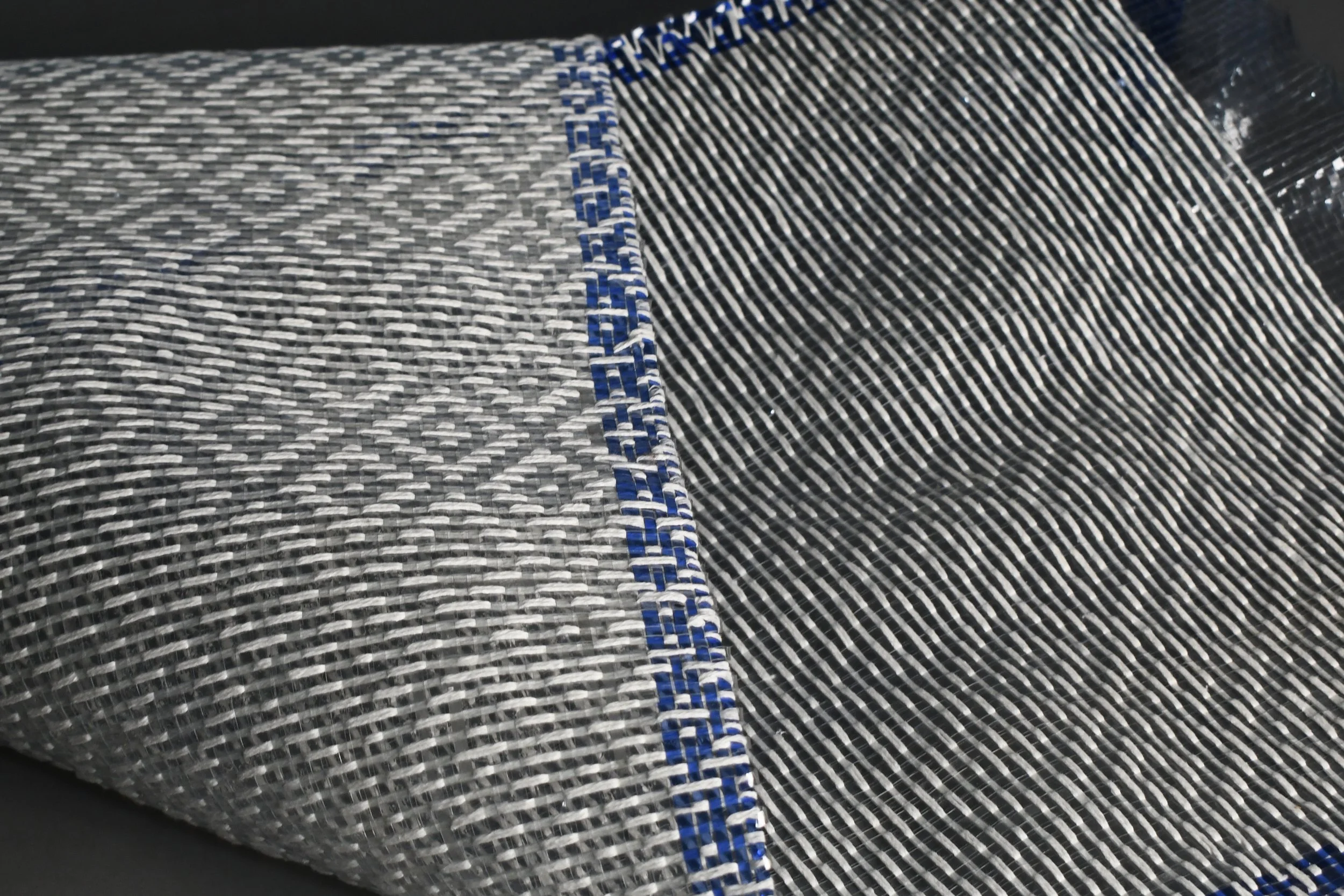
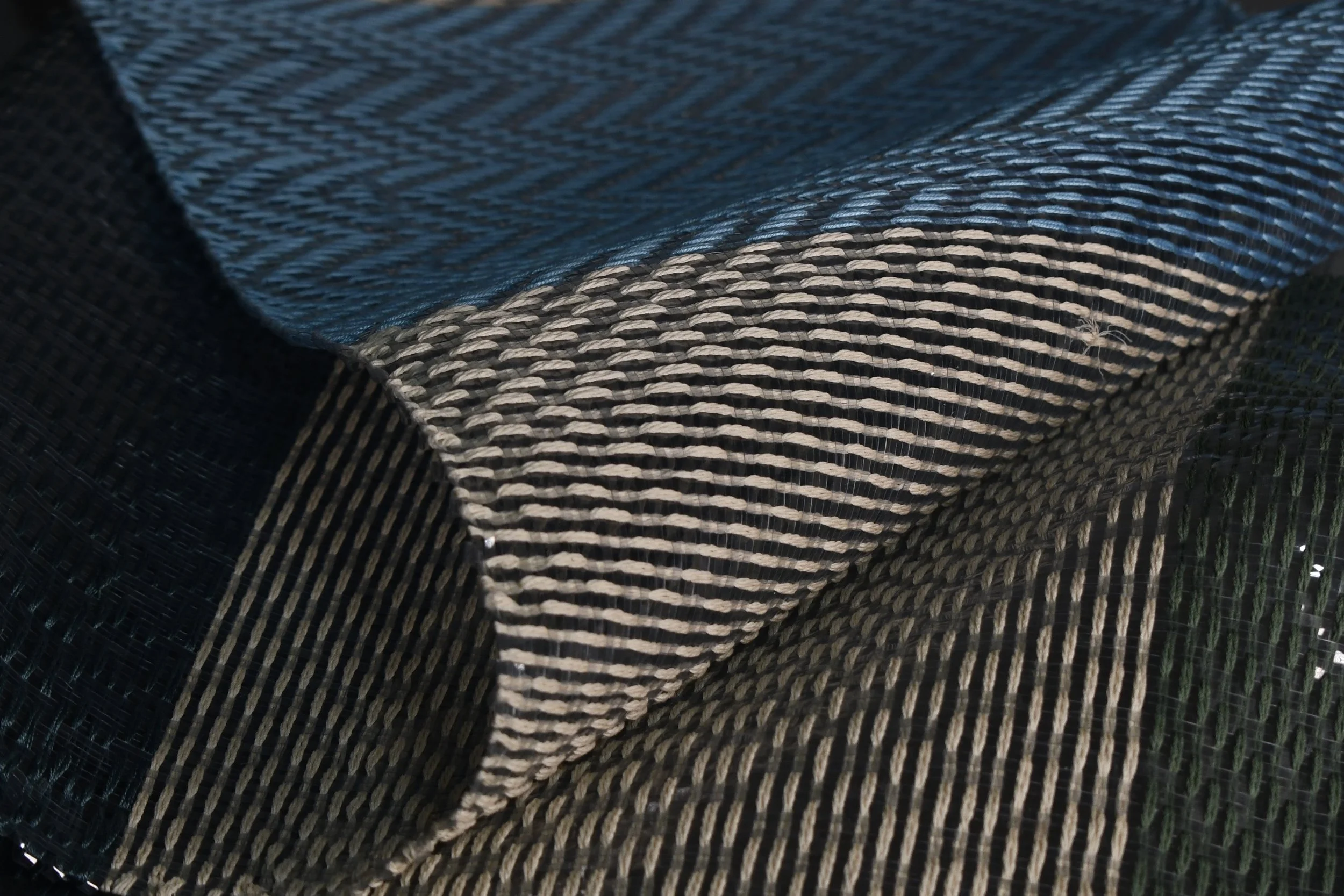
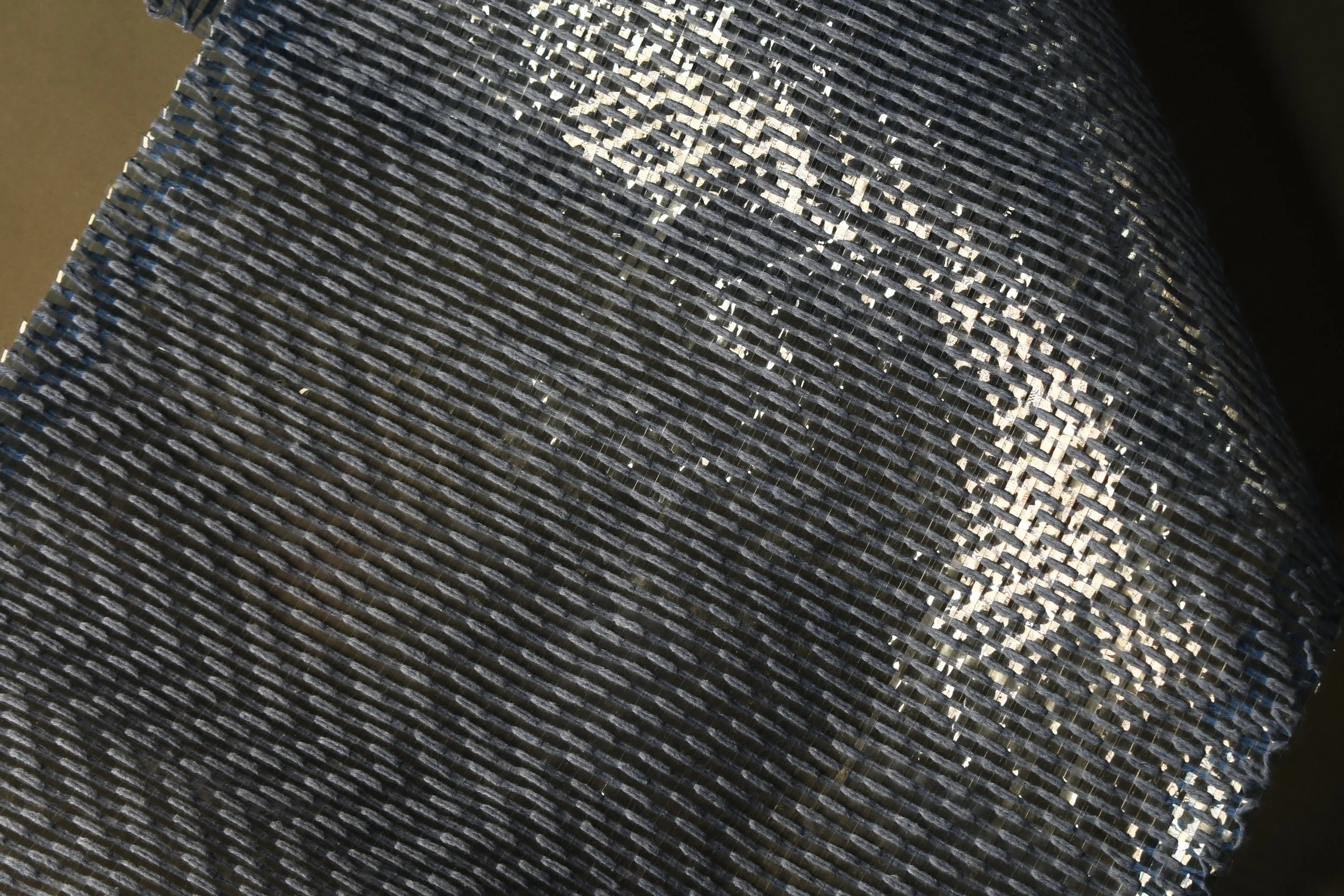
The crossover between these bottles and the loom, the way they interact, is fascinating. What I did was reimagine traditional techniques and processes to fit the unusual material at hand. I had to adjust certain aspects of the weaving process: how to attach the strips to the loom, what patterns and combinations worked best, and how to finish the pieces.
Nevertheless, these changes were relatively minor. I did not have to reinvent traditional weaving techniques in order to produce these works. I simply had to reimagine them within a new material context, and it turns out that the adaptations don’t deviate much from the original processes.
© Boris Popoff
© Boris Popoff
What does sustainability mean to you within the context of your artistic practice? And in your opinion, how can art address such themes and raise awareness in the public?
Sustainability should be at the core of every creative practice. As creatives, we put things out into the world that are made by our hands and minds, and we should think carefully about the messages we spread, even indirectly. By looking at how everyday objects can be reused, we give them new meaning and shed new light on what possibilities the future holds. Art can not only provide tangible results but also influence the way people think. If creative trends continue to promote a more sustainable and balanced way of producing. If waste continues to be presented as an appealing material possibility, then mindsets may begin to shift alongside it.
Can you walk us through your creative process, from collecting materials to weaving the final piece?
It all starts with collecting the bottles. For these pieces, I sourced them from my entourage as well as from two local establishments. I asked them to collect bottles for me, which gave me a steady supply. Since PET bottles are so widely used, gathering them was relatively easy.
I then had to find a machine capable of cutting them into neat, thin strips with adjustable widths. That was quite a niche area of research, but I eventually found a great product from an Austrian company. Once the strips were cut, I disinfected and cleaned them before bundling them together so they wouldn’t get mixed up.
After that, the process became similar to working with any other material. I cut the strips to the appropriate lengths and mounted them on the loom. Maintaining tension was challenging at first, but we eventually found a solution. Once on the loom, the weaving process did not differ drastically from working with more traditional materials.
Many of your works sit between art, design, and research. How do you navigate these fields?
It can definitely be a tricky balance to maintain. I think what we produce as creatives is a direct result of how we organise ourselves and our process. To navigate these different fields, two things are essential: decision-making and accepting that the process doesn’t need to be perfect. In the past, I often got stuck trying to make everything perfect. Now, I focus on simply doing the work. That shift in mindset has been crucial.
I designed these textiles through a material-driven lens, but they are as much artistic pieces as they are designed objects. Ultimately, I suppose it’s in the eye of the beholder. My job is done as soon as they come off the loom.
© Boris Popoff
© Boris Popoff
What themes or questions are you currently exploring through PETEXTILE?
At its core, PETEXTILE aims to give traditional weaving a new role in the contemporary world. I want to reimagine traditional textile crafts through a contemporary lens.
These skills and forms of knowledge have shaped humanity since the dawn of time. They enabled communities to prosper, provided livelihoods, and acted as self-regulating tools. Today, in a world of fast fashion, AI, technology, and instantly available commodities, I want not only to integrate weaving into a modern context but also to slow the world down as an act of resistance. You cannot rush weaving. You cannot rush the process. It is a self-regulating practice that, within the wider context of textile crafts, I believe remains essential to our collective well-being. Through PETEXTILE, I aim to contribute to its preservation.
Lastly, what future directions or projects are you excited to develop next?
There are a few things currently brewing in my mind. I’d like to explore PETEXTILE further within product and furniture design through future collaborations. These woven works are finished pieces in their own right, but I can also imagine them becoming part of larger objects and systems. Recently, I collaborated with a creative working with mycelium, who grew it directly onto one of my woven pieces. That experience made me curious about how PETEXTILE can interact with other artistic and material disciplines. Alongside that, I have been learning and expanding my lacemaking practice. I am currently preparing a small collection of lace works that will be exhibited and available for purchase at an exhibition called Lip Lines, hosted by Haba Art Lab in Barcelona at the end of July.
For now, I am focused on deepening my weaving and lacemaking skills and understanding them as thoroughly as possible before continuing to reinterpret them through a contemporary lens. I am excited about future outcomes that aim to preserve the invaluable knowledge these crafts carry. They have been with us since the beginning, and I believe they should remain with us until the end.
Artist’s Talk
Al-Tiba9 Interviews is a curated promotional platform that offers artists the opportunity to articulate their vision and engage with our diverse international readership through insightful, published dialogues. Conducted by Mohamed Benhadj, founder and curator of Al-Tiba9, these interviews spotlight the artists’ creative journeys and introduce their work to the global contemporary art scene.
Through our extensive network of museums, galleries, art professionals, collectors, and art enthusiasts worldwide, Al-Tiba9 Interviews provides a meaningful stage for artists to expand their reach and strengthen their presence in the international art discourse.


Boris Popoff is a textile artist and designer based in Barcelona. His work merges traditional weaving with sustainable material research. He is the creator of PETEXTILE, a project that transforms post-consumer PET plastic into woven textiles. His practice bridges craft and experimentation, positioning weaving as a cultural heritage and a contemporary investigation. He has exhibited and collaborated across art, design, and material research.