
10 Questions with Yulin Peng
Yulin Peng is the curator and director of Galerie de Nuage, a contemporary art gallery and cultural platform operating between New York and Hong Kong. A licensed architect with a Master of Architecture from Columbia University, her practice spans curation, design, and economic research.
Founded on the belief that humanity is better united through shared experience beyond cultural or political differences, Galerie de Nuage works with international artists and collectors who embody and aspire to that vision. Yulin's curatorial practice focuses on the relationship between space, culture and personal experiences through projects that integrate spatial thinking with cultural context across geographies. Under her direction, the platform has built an international footprint, developing collaborations across continents and contributing to public programming, including the London Festival of Architecture.
Her design work has received international recognition, including the IDA International Design Award, and has been presented through exhibitions, publications, and collaborative initiatives across design and cultural platforms. Alongside her curatorial and design practice, Yulin pursues research in cultural investment and financial economics to explore how frameworks from portfolio theory and financial engineering can enable cultural projects that benefit wider communities. Through this interdisciplinary perspective, her work bridges the creative and the quantitative, contributing to broader questions of how culture is shaped and sustained in the contemporary landscape.
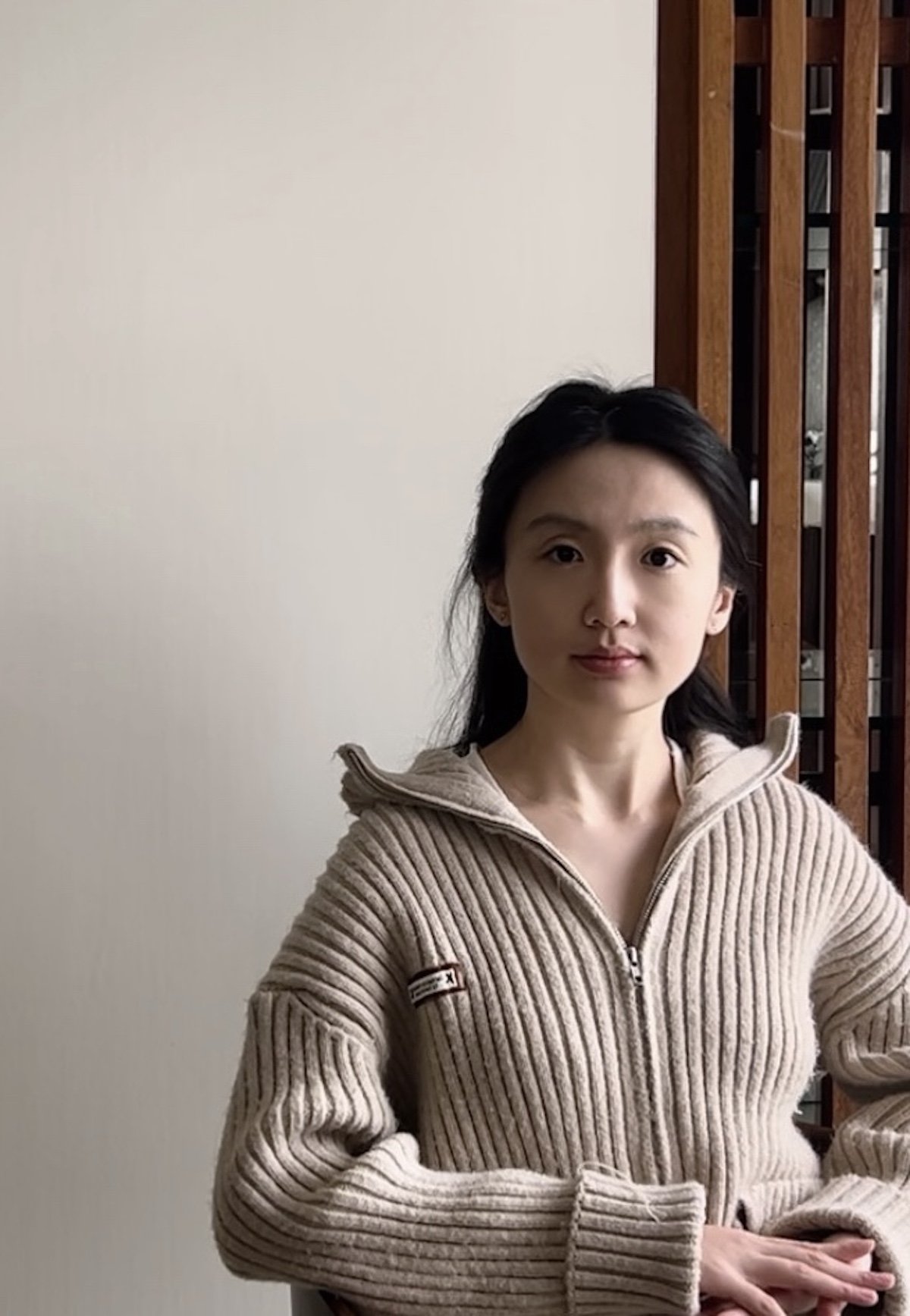
Yulin Peng - Portrait
INTERVIEW
Let’s start with your background. Can you tell us about your journey from studying at Columbia University to directing Galerie de Nuage?
I grew up in China amid the biggest construction boom on the planet, and architecture was a coincidental career choice, as I did not want to do a pure engineering path. Initially, I resisted coming to Columbia University, but in hindsight, it was the perfect place without me knowing at the time. It’s a unique program with a crossover of both theoretical writing and design practice. I remember at the open house, then-Dean Amale Andraos sold me on the program, “I am a designer, you should come here!”
While at Columbia University, besides the rigorous training, I had a great time producing GSAPP Conversations, a university podcast that engages leading scholars, architects, and designers, addressing critical questions in contemporary cultural scenes. Over time, I realised that my natural preference perhaps isn’t to be the superstar, despite certain aspects of a design career might demand it. Working behind the scenes to prepare stages for meaningful and scholarly exchanges is what I truly enjoy and excel at. Meanwhile, living and working in Chelsea for around 5 years exposed me to such dynamic art discourses, as we always have the world’s best artists’ latest creations just around the corner. Through more recent professional projects, I was working with galleries and artists around the world, which I enjoyed immensely. And that’s the premise for Galerie de Nuage.

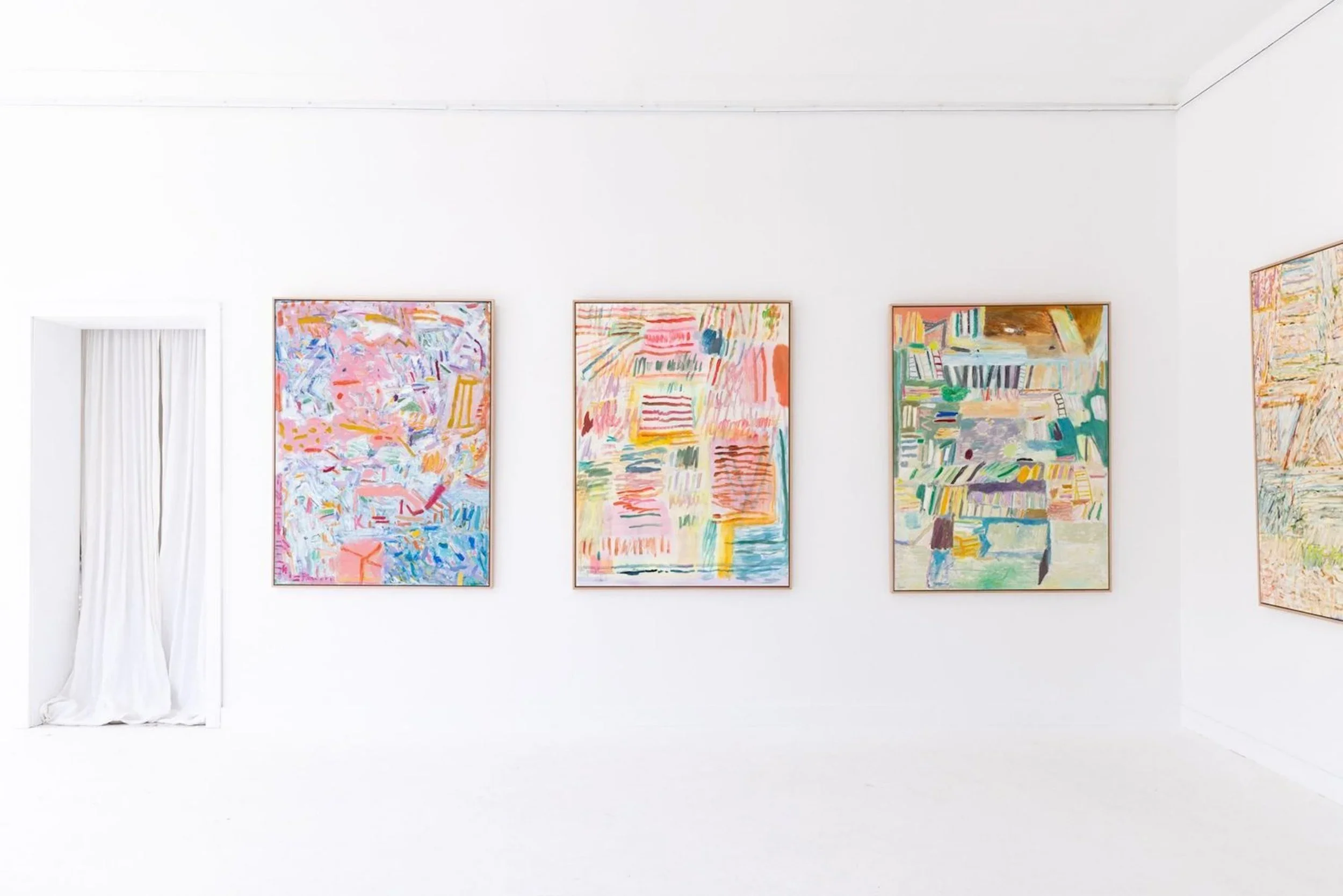
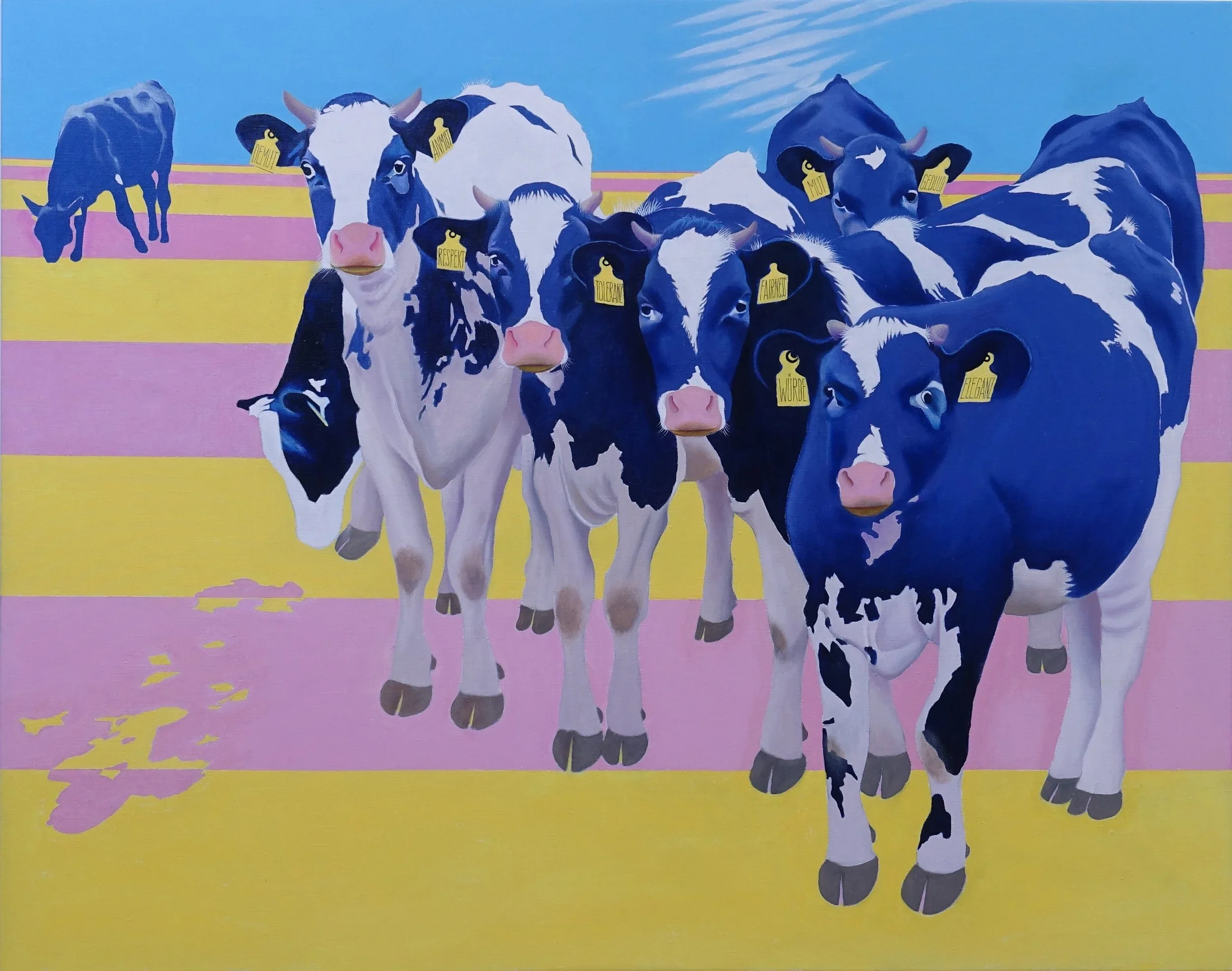
Artwork by represented artist AMBER STOKIE © Yulin Peng - Galerie de Nuage
How does your background in architecture shape your approach to both design and curation? Does it influence the way you curate exhibitions and design gallery spaces?
Throughout the journey, art and design are not strictly distinguished for me. My parents were both artists before they were designers, and they met over an outdoor drawing field trip. Though I was not artistic in the conventional sense, I was interested in photography and film. In architecture school, I always found ways to an art-integrated creative process within my studio projects and cared deeply about visual presentations. I also worked as an assistant for two internationally established, extraordinary artists before my design career started.
For my professional work, I was either designing projects with strong art components or helping clients select and place artworks. These were the fun parts of the projects. Architecture training also enables me to think about exhibition experience and holistic visual presentations in a spatial way, as a default and way of being.
Galerie de Nuage operates between New York and Hong Kong. How do you navigate the cultural differences in these contexts?
I am very proud of the cross-cultural aspect of it; we have built audiences across geographies. Personally, I owe a lot of my professional development, if not entirely, to New York. It’s an intense and lovely relationship. Hong Kong is another metropolis with international perspectives and presence; it is also a short way from home and more of my roots. The audiences have different preferences and value slightly different things, but I find it instinctual to navigate between the two cultural and art scenes.
Right before the Galerie, I was working at a desk in an office on Park Ave, collaborating with galleries and artists around the world, and most of my connections then were specific to that desk and the aura that came with it. Now I know the friendships and collaborations across time zones through Galerie de Nuage can be more sustainable and rewarding, built upon shared projects and long-term exchange. And I think it’s this collaboration and creation-centric mindset that makes navigating between cultures, and eventually being inspired by the process, a natural progression.
Officially, we have strong confidence in both cities and believe in the unique benefits of being embedded in them. Though I am myself more inclined for a quieter life, perhaps in the woodland, near a creek, etc.

A RIVER AND A DREAM EXHIBIT, artworks by represented artist Dong Sheng and Kazu Saito © Yulin Peng - Galerie de Nuage
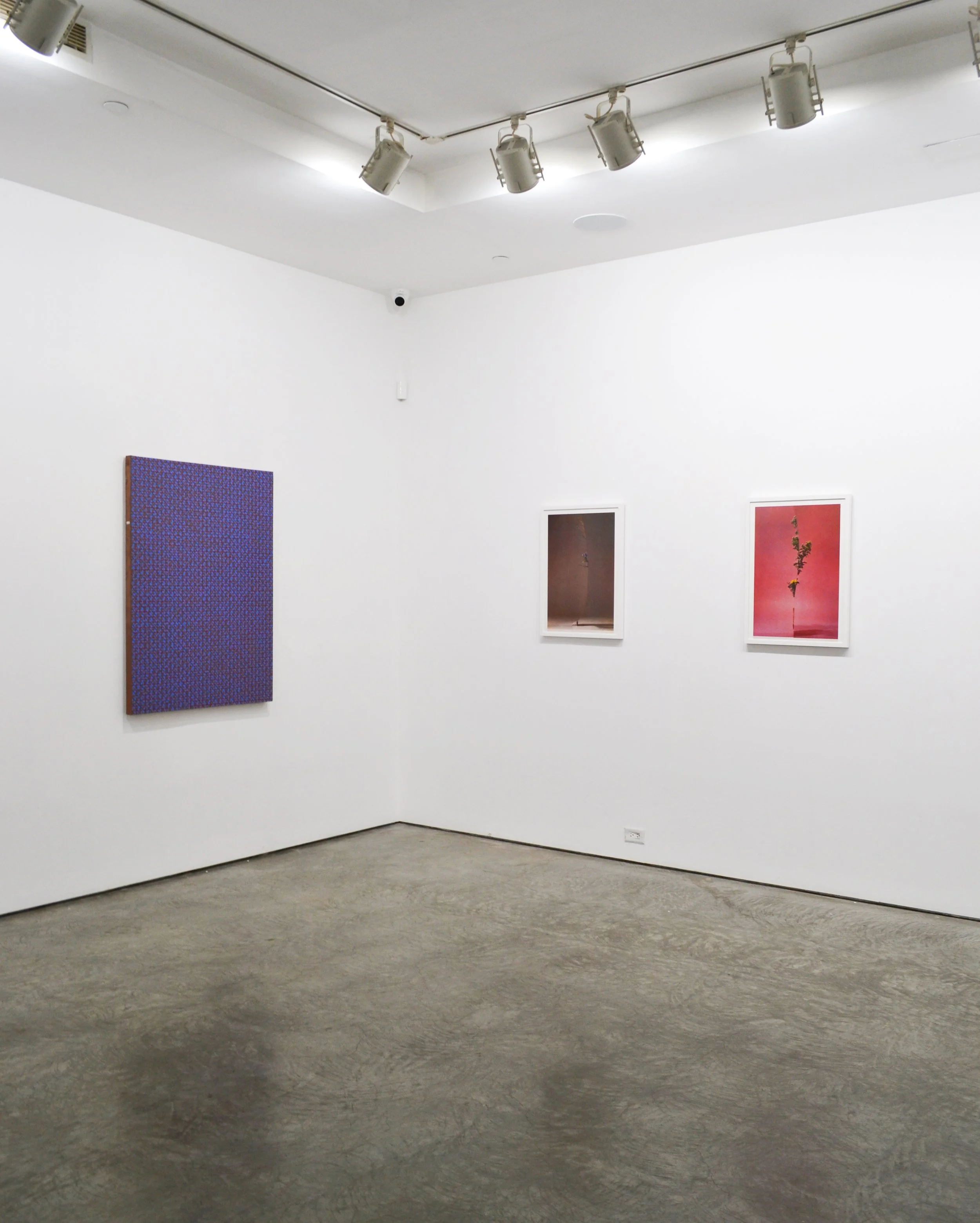
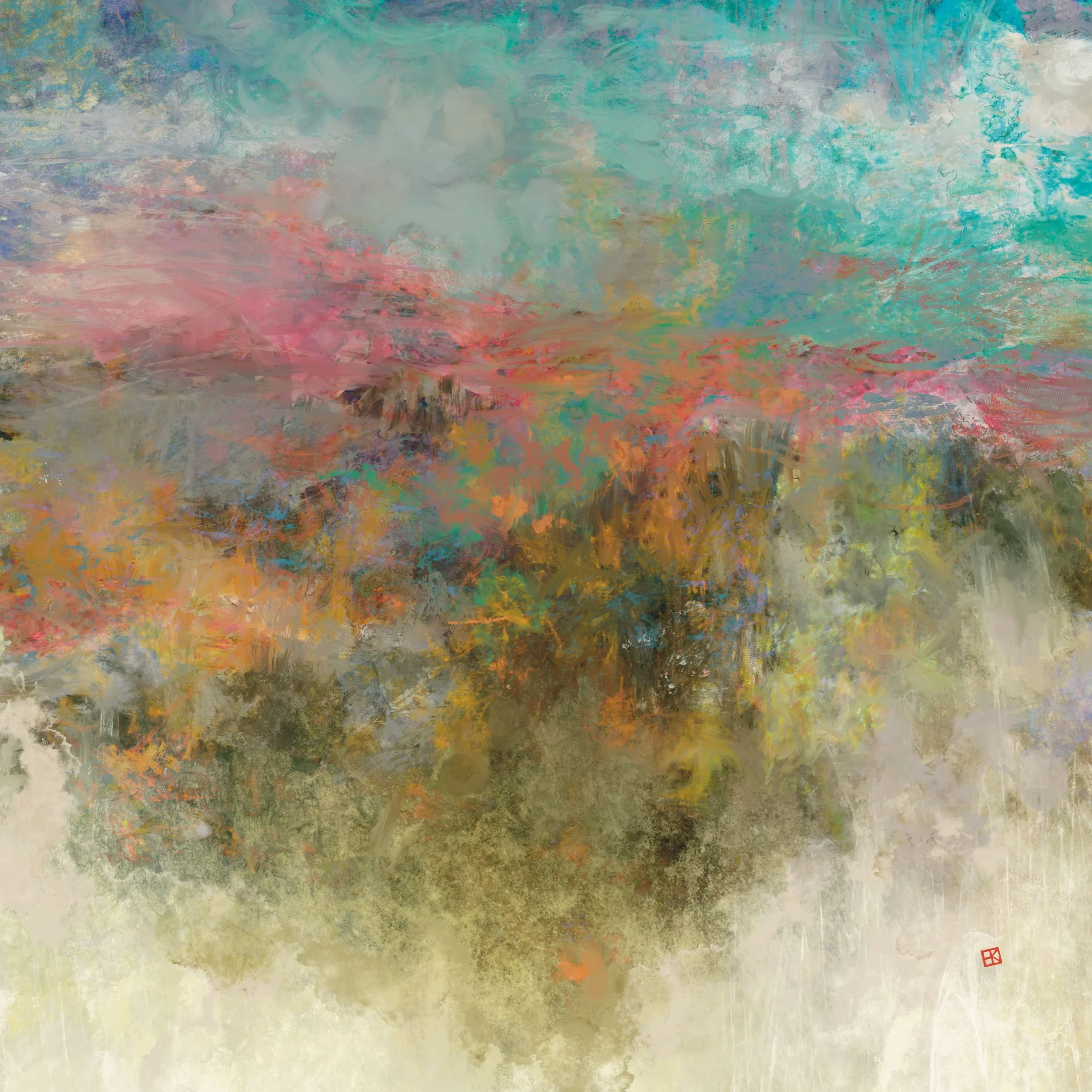
A RIVER AND A DREAM EXHIBIT, artworks by represented artist Nicola Kloosterman © Yulin Peng - Galerie de Nuage
How do your design projects and gallery work inform each other? Do ideas cross over between the two?
For me, design and gallery work are not separate. Both my parents were artists before they were designers, and almost all my mentors worked across art and design to some degree as a matter of course. So I embarked on this crossover from the beginning. What the gallery work enabled me to develop is an expanded understanding of how presentations, narratives and market value interact, sometimes in a reflexive way. And how artworks find their audiences, how context shapes reception, and how a collector's relationship with a piece evolves over time. It has been a mutually reinforcing process in the creative field.
What themes or messages do you hope to communicate through the exhibitions at Galerie de Nuage?
In an increasingly fragmented world, Galerie de Nuage represents the belief that humanity is better united through shared experience beyond geographic, cultural or political differences.
Our artists and artworks embody that, and we want to continue to work with collectors and institutions who also believe in it and aspire to contribute to that vision. Both voices of globalism and nationalism might take respective dominant cycles, but what benefits civilisation and humanity throughout history will remain the same in the long run.

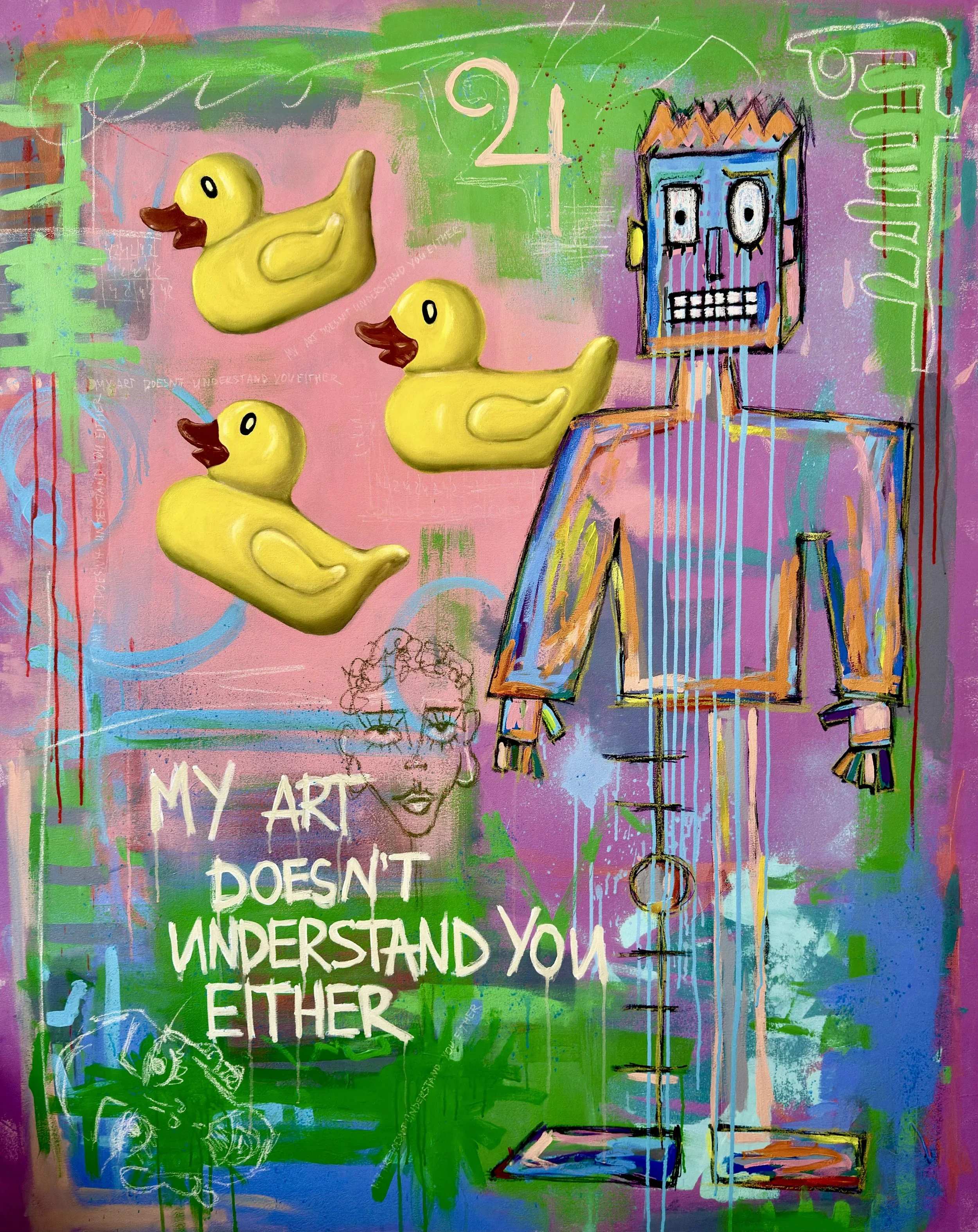
Artwork by represented artist RITA BERNSTEIN © Yulin Peng - Galerie de Nuage
How do you select artists and projects that align with the gallery’s vision of shared human experience?
We have been fortunate to collaborate with a wide range of exceptionally talented artists and are very grateful for their trust and generosity. In many ways, it’s also a mutual selection process. I believe artists are also looking for platforms that resonate with their creative visions.
Art can be about many things, but we approach it as a genuine expression of lived experiences, perceptions and world views. An intuitive connection might be the most important element in the process, and the artist’s narrative also helps to connect with audiences in a coherent way.
While this might sound subjective, I often think about a major part of the role as working for both the collectors and the artists we support. Although I am directing artistic curation, we listen to feedback closely, and for that reason, the platform has become an organism of its own development and subtle will. And we are also starting to orient toward public-facing, intellectually engaging projects.
In your research on cultural investment and financial economics, what insights have influenced the way you run a gallery?
Financial Economics and Portfolio Theory is capable of providing novel perspectives and effective execution to the way we interpret cultural investment that can benefit our society in the long run. While currently under development, I’ve been exploring how these frameworks can change the way cultural work is initiated and funded. I’m interested in a systematic approach that could help shape the cultural scene of the next era to make sure we work toward the bright side, beyond the immediate daily operation. This line of inquiry has also led to ongoing conversations with academic and professional programs, which I feel really excited about.
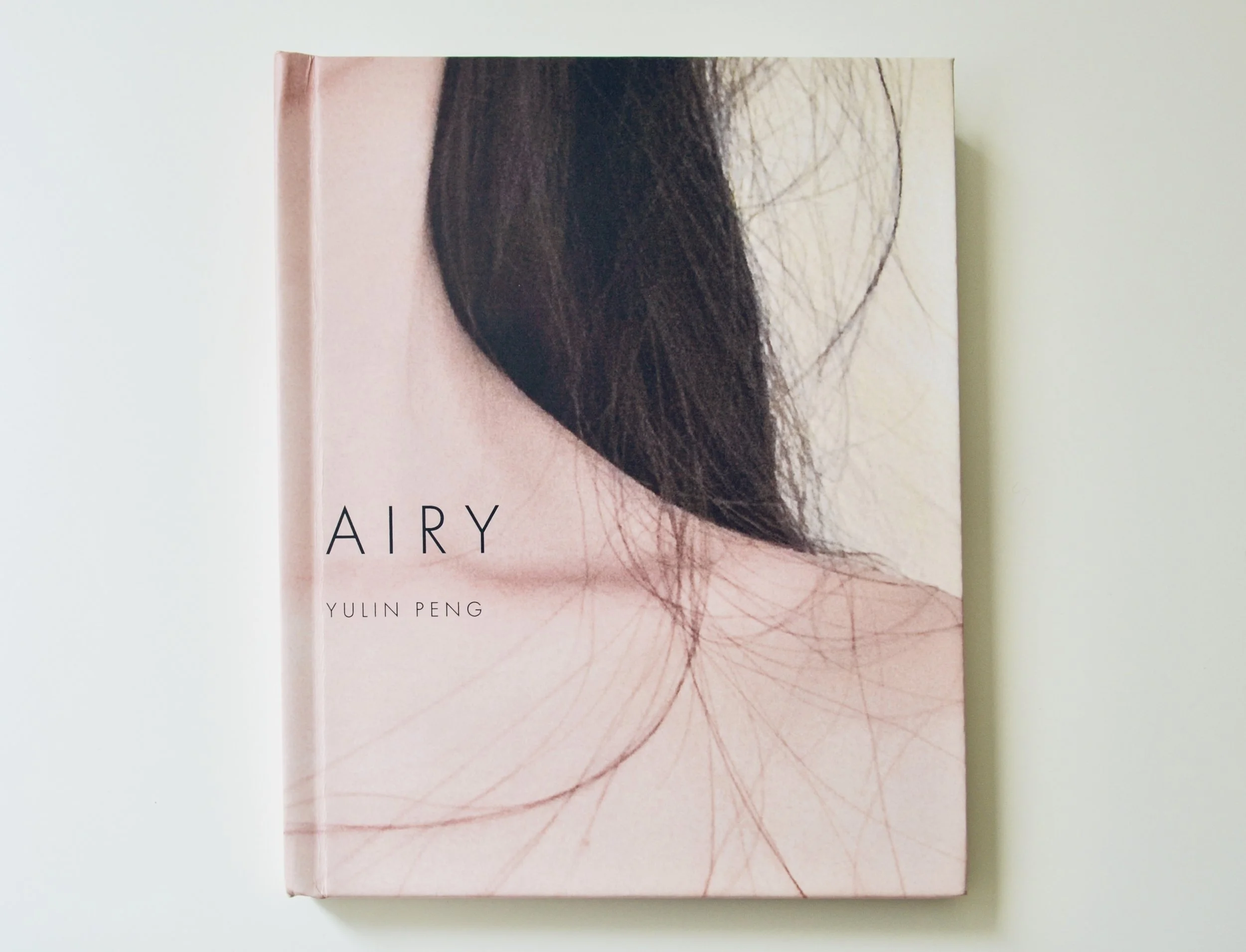
Yulin’s Artbook Airy © Yulin Peng - Galerie de Nuage

Yulin’s Artbook Airy © Yulin Peng - Galerie de Nuage
What do you aim to achieve with Galerie de Nuage in the next few years, both locally and internationally?
I think it’s important to value substance and steady growth for Galerie de Nuage’s future projections. While there are valid, standard steps to engage with audiences and collector bases, the past few years’ primary art market decline is evident with collector fatigue, and blue-chip global galleries backing out / closing locations if not declaring outright bankruptcy, given the traditional model’s steep overheads. I also personally do not think participating in an art fair is helpful to meaningfully experience and connect with the artworks.
On the operations side, we have started conversations with private museums and art foundations. And we are continuing to build audience bases, niche market expertise and institutional collaborations over the next few years. It will be a significant milestone event down the road to have a dedicated physical space to carry out art exhibitions with the goal of contributing positively to artistic creations beyond immediate balance sheet requirements. We will be open to considering bringing in investors after we further clarify and can be substantially confident of the operation model. And continue to champion artists in any way we can as the core mission.
Are there any upcoming projects or exhibitions that you’re particularly excited about and can share with us?
We are hosting an event as part of the London Festival of Architecture this summer, focused on public art and urban inclusivity. It’s an exciting opportunity to engage with audiences in the UK, and contribute to broader discourses around how cultural installations can shape more open, accessible and community-minded urban environments. Or just an open forum to connect with people and have fun with it.
At this stage, I’m particularly interested in exploring how the Galerie can operate across contexts and scales, and how each project can build toward broader cultural dialogues over time.
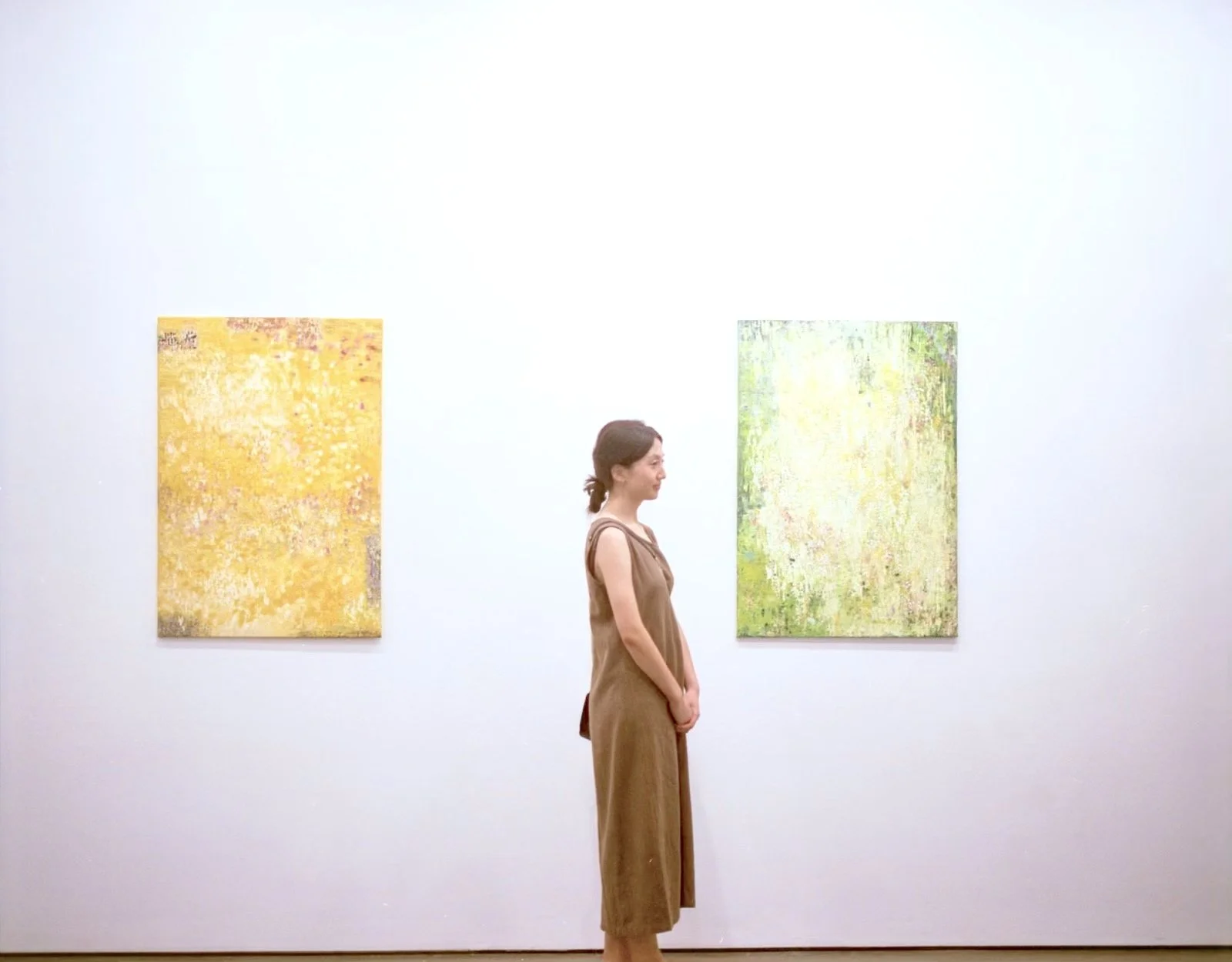
Yulin Peng in Nuage Exhibit, photo by Andrew Orenstein © Yulin Peng - Galerie de Nuage
And finally, what is your biggest goal for 2026? What do you look forward to achieving?
I am in a personal compounding phase, so I am refraining from setting a singular big goal, but lots of substantial learning and precision work with patience. On a personal level, I am learning to make desserts and learning to trust that genuine work will bring good results.
Artist’s Talk
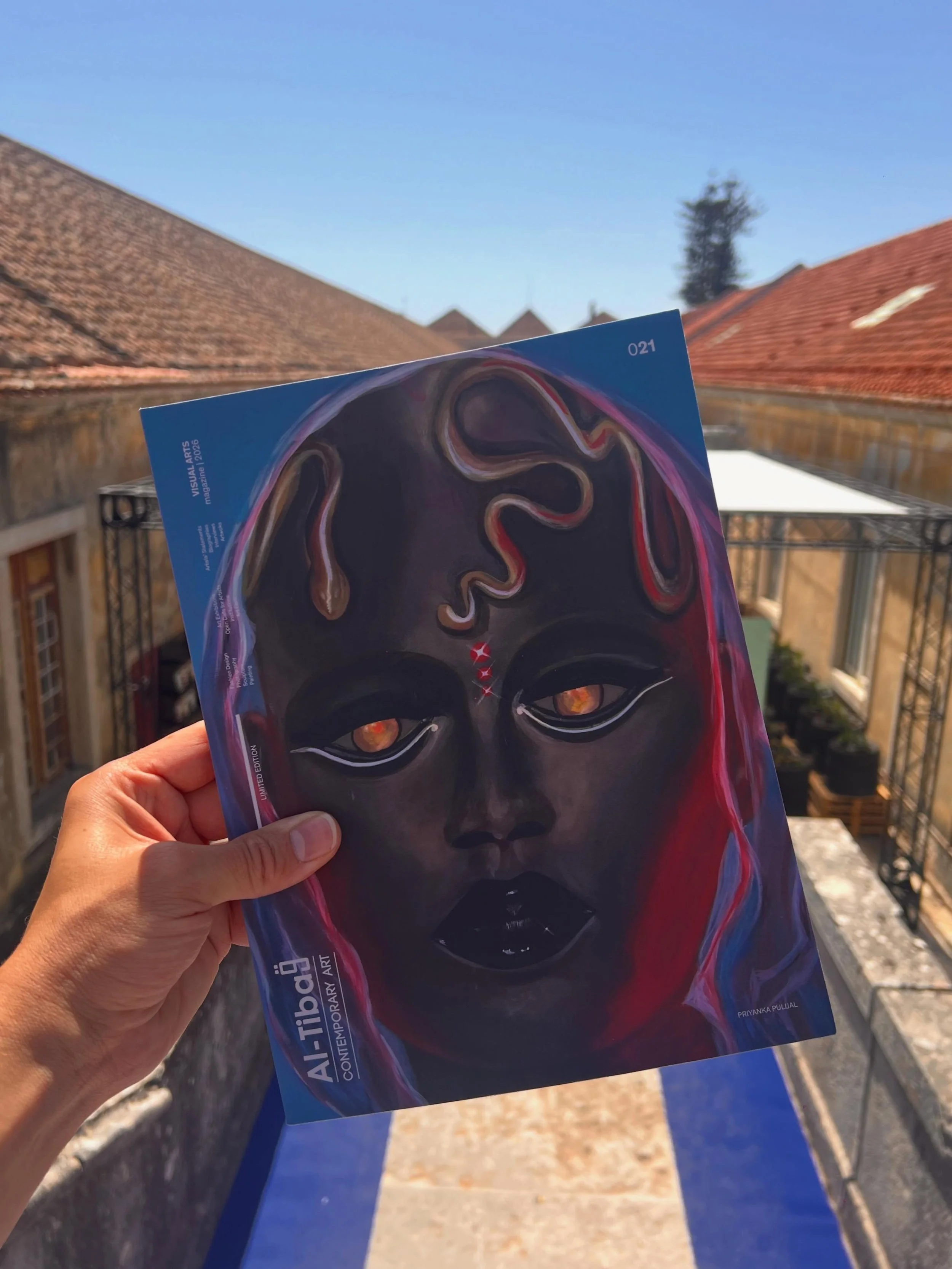
Al-Tiba9 Interviews is a curated promotional platform that offers artists the opportunity to articulate their vision and engage with our diverse international readership through insightful, published dialogues. Conducted by Mohamed Benhadj, founder and curator of Al-Tiba9, these interviews spotlight the artists’ creative journeys and introduce their work to the global contemporary art scene.
Through our extensive network of museums, galleries, art professionals, collectors, and art enthusiasts worldwide, Al-Tiba9 Interviews provides a meaningful stage for artists to expand their reach and strengthen their presence in the international art discourse.


David Moješčík - MojDa is a Czech sculptor. His work is centred on figurative sculpture, the human body, and the female figure. Modelling in clay and with digital tools, he ultimately prioritises manual engagement with materials. . He draws inspiration from yoga philosophy with the concepts of non-violence and human-centeredness, as well as from Egyptian, ancient, and European classical sculpture.