

10 Questions with Chieh-Lin Wu
Chieh-Lin Wu is a London-based image maker working primarily with still life and the human body. With a background in fashion photography, her practice focuses on quiet observation and the subtle details of everyday forms.
Her work explores the visual and tactile relationship between organic materials, often bringing together elements of the body and natural objects to reveal shared structures, textures, and states of transformation. Through minimal compositions and a sensitive use of light, she approaches ordinary subjects as portraits, allowing surfaces and gestures to carry a sense of presence and individuality.
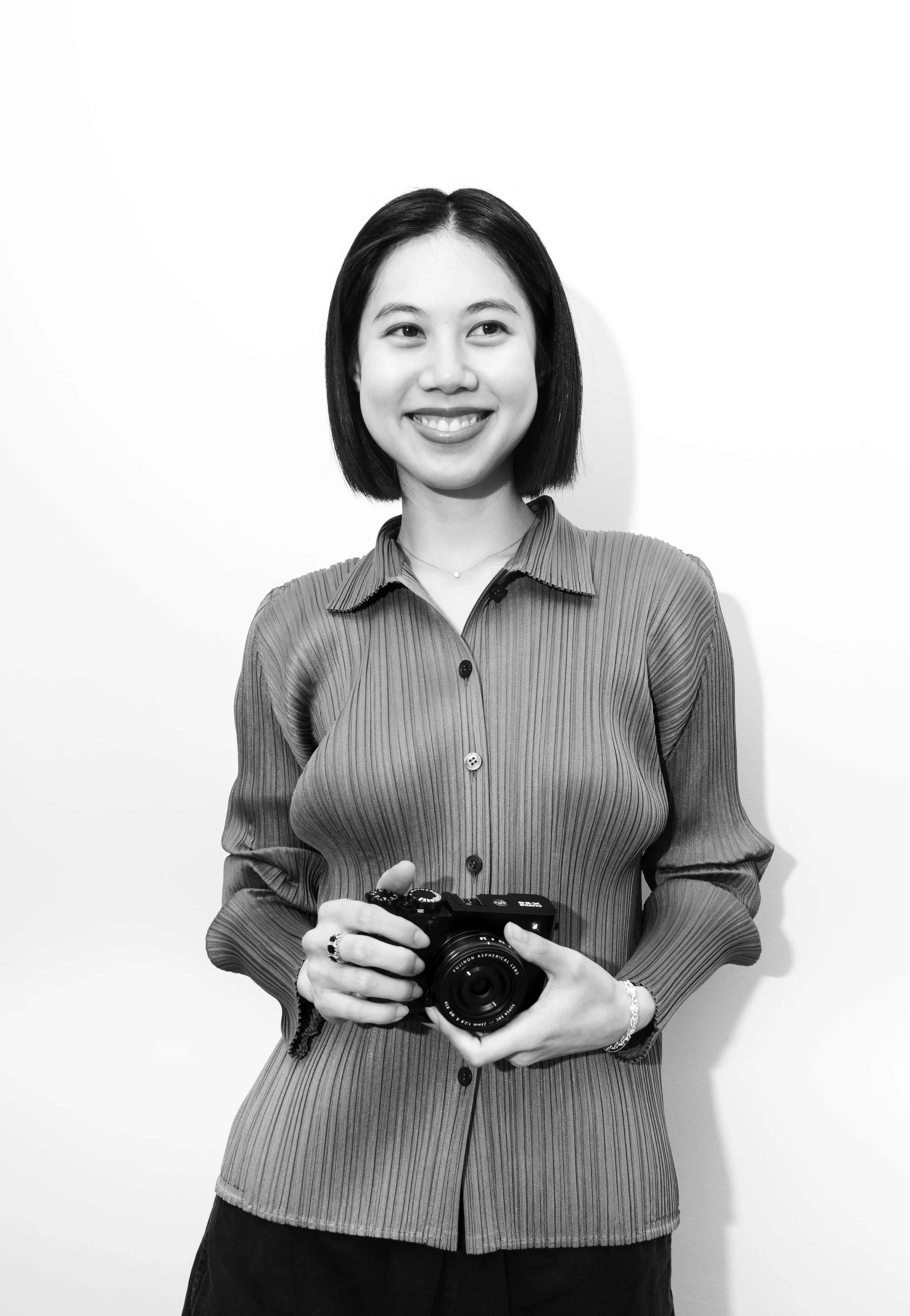
Chieh-Lin Wu - Portrait
Tender Tension | Project Description
Tender Tension explores the visual and tactile relationship between the human body and natural forms, focusing on moments where their boundaries begin to blur.
By placing fragments of skin alongside organic materials such as flowers and leaves, the work highlights subtle similarities in texture, structure, and surface. Through acts of pressure, contact, and proximity, both the body and the natural elements undergo shifts in form, becoming soft, compressed, fragile, or decaying.
Rather than presenting these subjects as separate entities, the images invite a slower way of looking, where distinctions between flesh and plant are destabilised. What emerges is a shared language of materiality, where transformation, vulnerability, and tension are held within the surface.

Tender Tension, Photography, 30x40 cm, 2026 © Chieh-Lin Wu
INTERVIEW
Let’s start with your background. You started in fashion photography. How has that background shaped the way you now approach still life and the human body?
Coming from a fashion photography background, I developed a way of seeing through a lens of beauty and stylisation. It made me particularly sensitive to the structure of the human body, not just as a subject but as a form. Over time, this way of seeing naturally extended into my still life work. I began to project bodily references onto objects, intuitively associating them with parts of the body. This creates a subtle dialogue between the human form and inanimate materials, where objects start to feel almost alive or embodied.
What led you to focus on photography as your primary medium, and what does it allow you to express that other media might not?
I’ve always been observant by nature, and photography became my primary medium largely because of the distance it allows me to maintain between myself and the subject. While many seek to dissolve that distance, I’m more interested in preserving it, as a space for quiet, attentive observation. This distance is not about detachment, but about sensitivity. It allows me to observe without intervening, to remain present without imposing.
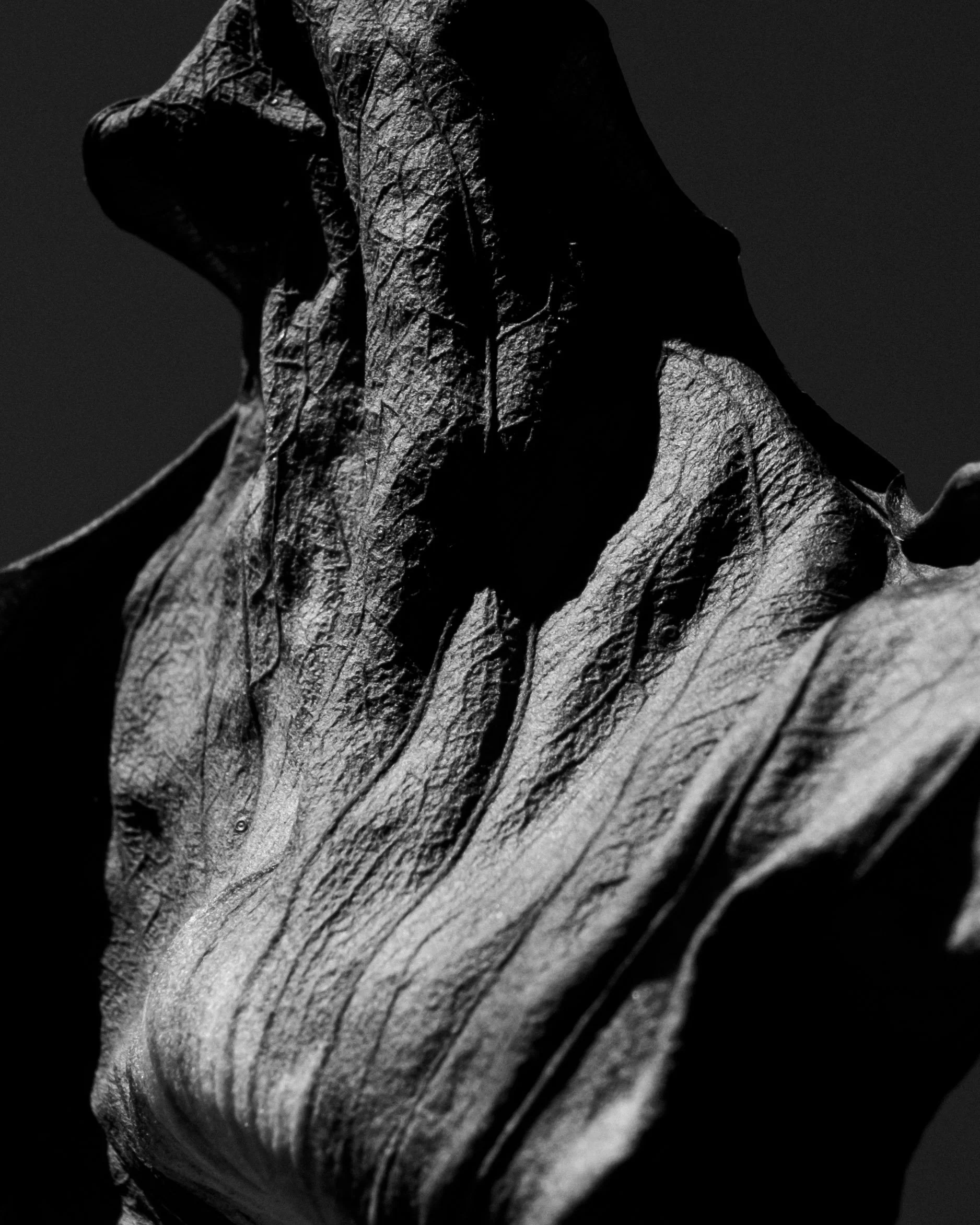
Tender Tension, Photography, 30x40 cm, 2026 © Chieh-Lin Wu
Your work focuses on quiet observation. What draws you to these subtle, often overlooked details in everyday forms?
I’ve always tended to resist what is commonly desired or celebrated. Instead, I’m drawn to what is overlooked, things that feel too ordinary, too subtle, or too quiet to be noticed.
I believe these neglected details are where life truly resides. They carry a kind of truth that exists beyond spectacle or intention. My work is an attempt to stay with these moments, to observe them closely without trying to transform them into something else.
You often work with both organic materials and the human body. When did this dialogue between the two first emerge in your practice?
It wasn’t a single moment, but something that gradually emerged through my practice. Early on, I began photographing flowers with the mindset that each one existed as an individual presence, almost like a character. Through this process, I started to notice a growing connection between these organic forms and the human body. The way they hold softness, fragility, and structure began to feel closely related. Over time, flowers began to feel like a reflection of human existence. Their cycles of growth, bloom, and decay mirror the fragility and temporality of life itself.
Realising that we are also simply part of nature, just another living species within it, brought a sense of humility into the way I think about life and the body. This awareness gradually shaped the dialogue between organic materials and the human form within my practice.
Tender Tension, Photography, 30x40 cm, 2026 © Chieh-Lin Wu

Tender Tension, Photography, 30x40 cm, 2026 © Chieh-Lin Wu

Tender Tension, Photography, 30x40 cm, 2026 © Chieh-Lin Wu

Tender Tension, Photography, 30x40 cm, 2026 © Chieh-Lin Wu
In Tender Tension, you work in black and white. What drew you to this choice, and how does it influence the way we perceive texture, form, and detail?
Subtraction has become an important part of my process, whether through colour, composition, or the reduction of visual elements. It’s a way of questioning what is essential within the image. My decision to work in black and white comes from focusing on the shared qualities between organic materials and the human body, particularly texture, structure, and tension. By quieting the image, these elements are able to emerge without distraction. In this way, the image begins to hold more than what is simply visible.
Your images emphasise touch, pressure, contact, and proximity. How do you translate such tactile sensations through a photographic image?
Working with very close compositions, I approach the image almost as if focusing on a specific part of a body. This proximity creates a sense of intimacy, but also a certain unease. Texture plays a central role in my work. Surfaces become more present, allowing the viewer to almost feel them rather than simply see them.
The way elements come into contact is essential. There is often a sense of compression that introduces a sense of physicality within the image. Through these small gestures, I try to translate tactile sensations into something visual, where touch can exist beyond the physical surface.
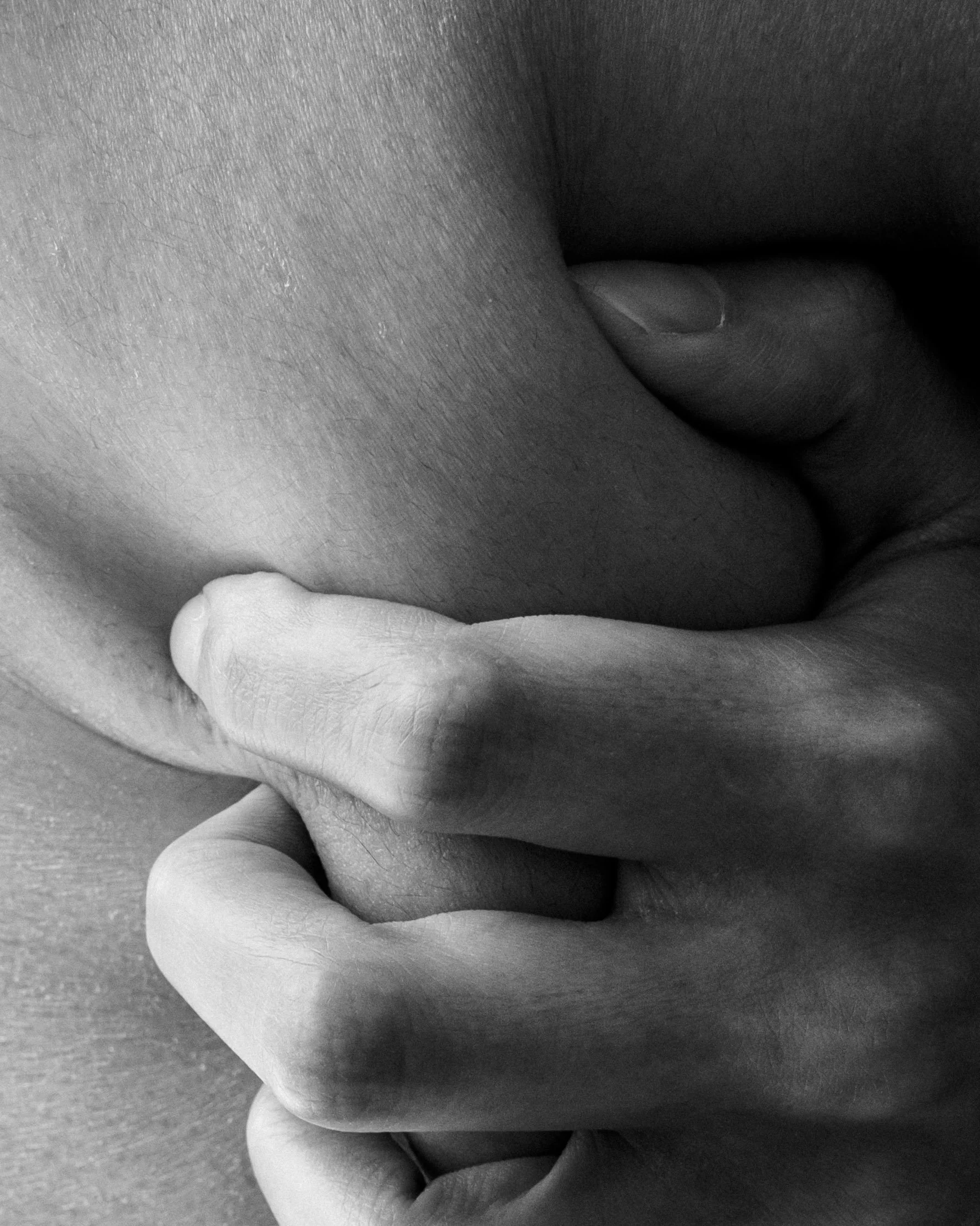
Tender Tension, Photography, 30x40 cm, 2026 © Chieh-Lin Wu
Light plays a subtle but important role in your compositions. How do you use lighting to shape the emotional and material qualities of your subjects?
Light plays an important role in shaping the emotional atmosphere of the work, revealing traces and the physical relationship between forms. It brings greater attention to details formed through time, transformation, and interaction. I’m particularly drawn to natural light because it feels less controlled and more responsive to the subject itself. The shifts in light throughout the day allow the image to remain connected to something living rather than entirely constructed.
You describe your photos as portraits. What does it mean to “portrait” a surface, a gesture, or a material?
A portrait doesn’t necessarily have to depict a face or a clear identity. It can also exist through emotion, physicality, or suggestion. When I photograph a fragment or an object, I approach it with the same attentiveness I would give to a person. What interests me is not simply how something appears, but the resonance it can hold.

Tender Tension, Photography, 30x40 cm, 2026 © Chieh-Lin Wu
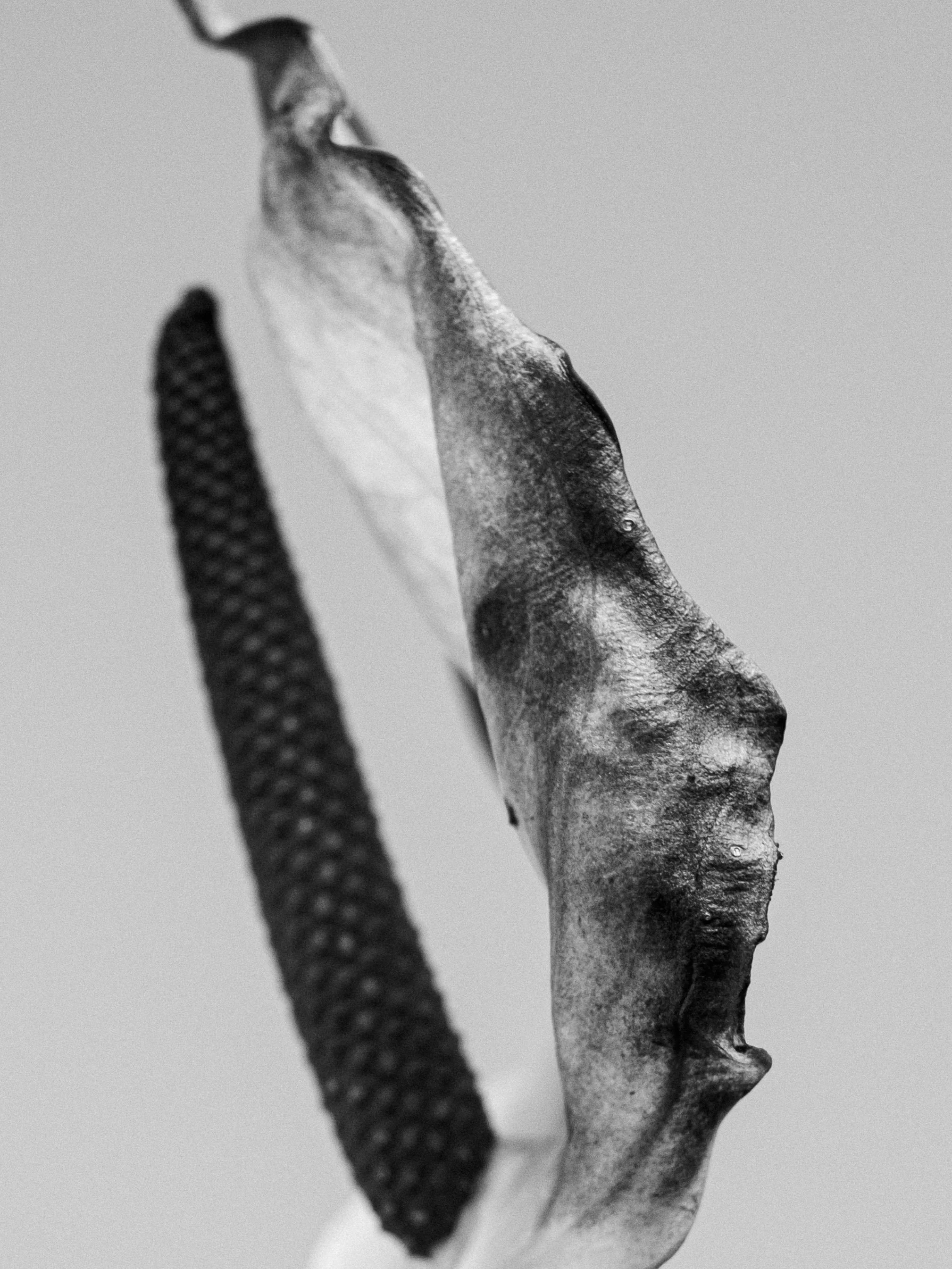
Tender Tension, Photography, 30x40 cm, 2026 © Chieh-Lin Wu
What message or feeling do you hope viewers take away from Tender Tension?
With Tender Tension, I hope to create a slower and more attentive way of looking. The work invites viewers to notice the fragile details, marks, and physical relationships that often exist quietly within everyday life. Rather than presenting the body or organic materials as separate subjects, I’m interested in how they begin to mirror one another through texture, transformation, and vulnerability. The images exist somewhere between intimacy and distance, attraction and discomfort. More than anything, I hope the work leaves behind a heightened awareness of how life, time, and interaction become embedded within forms, materials, and living things.
Lastly, looking ahead, how do you see your practice evolving? Are there new materials, themes, or directions you’re interested in exploring?
Moving forward, I want to continue exploring the relationship between people, habits, and the objects that exist within everyday life. Daily routines gradually leave their imprint on the surfaces and spaces around us. Over time, these interactions begin to reveal something intimate about a person without needing to show them directly.
I keep returning to the small gestures and habits that shape everyday life. To me, they reveal something about how a person inhabits a space and moves through the world. In many ways, habits and everyday gestures feel more honest than direct representation.
Artist’s Talk
Al-Tiba9 Interviews is a curated promotional platform that offers artists the opportunity to articulate their vision and engage with our diverse international readership through insightful, published dialogues. Conducted by Mohamed Benhadj, founder and curator of Al-Tiba9, these interviews spotlight the artists’ creative journeys and introduce their work to the global contemporary art scene.
Through our extensive network of museums, galleries, art professionals, collectors, and art enthusiasts worldwide, Al-Tiba9 Interviews provides a meaningful stage for artists to expand their reach and strengthen their presence in the international art discourse.
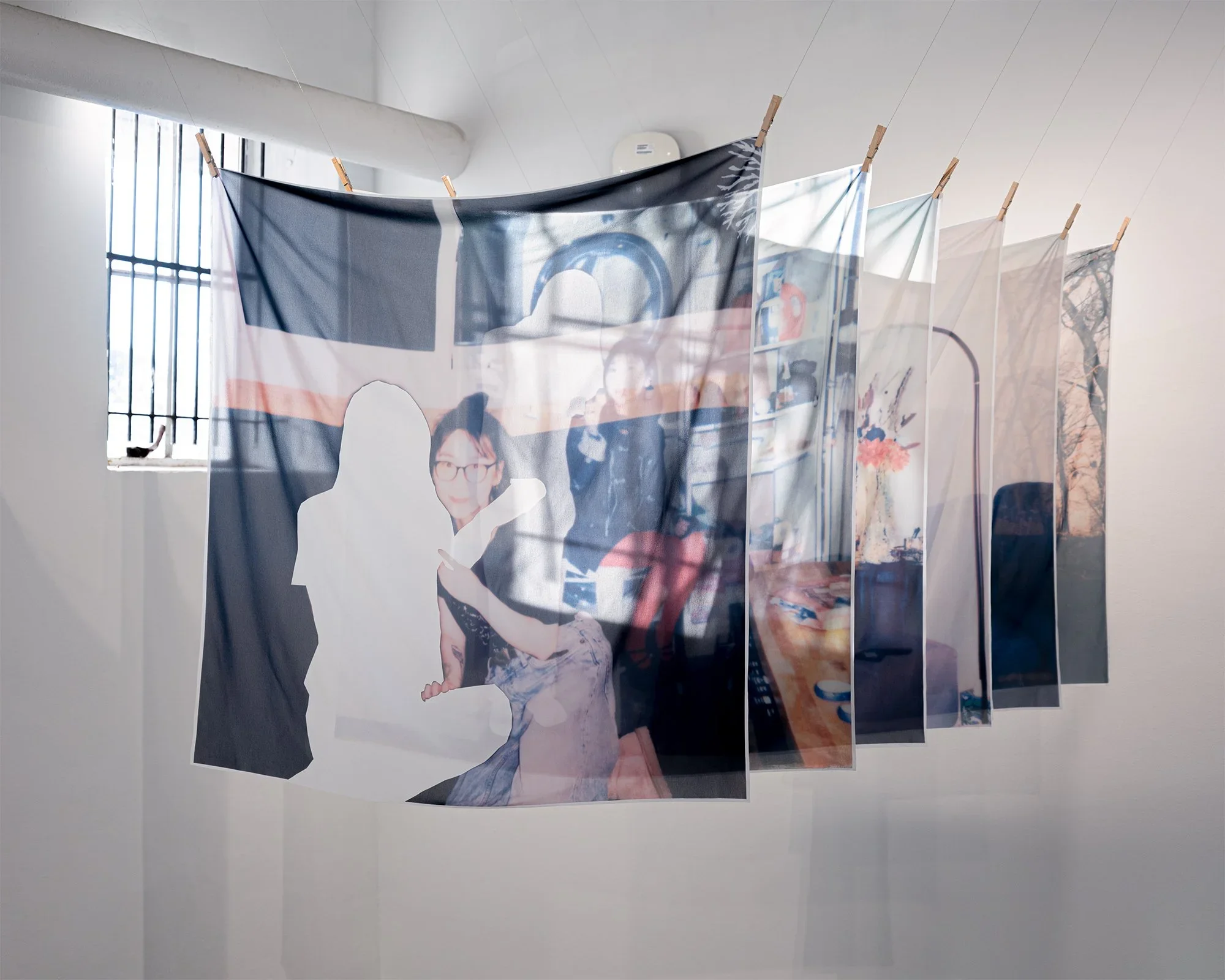

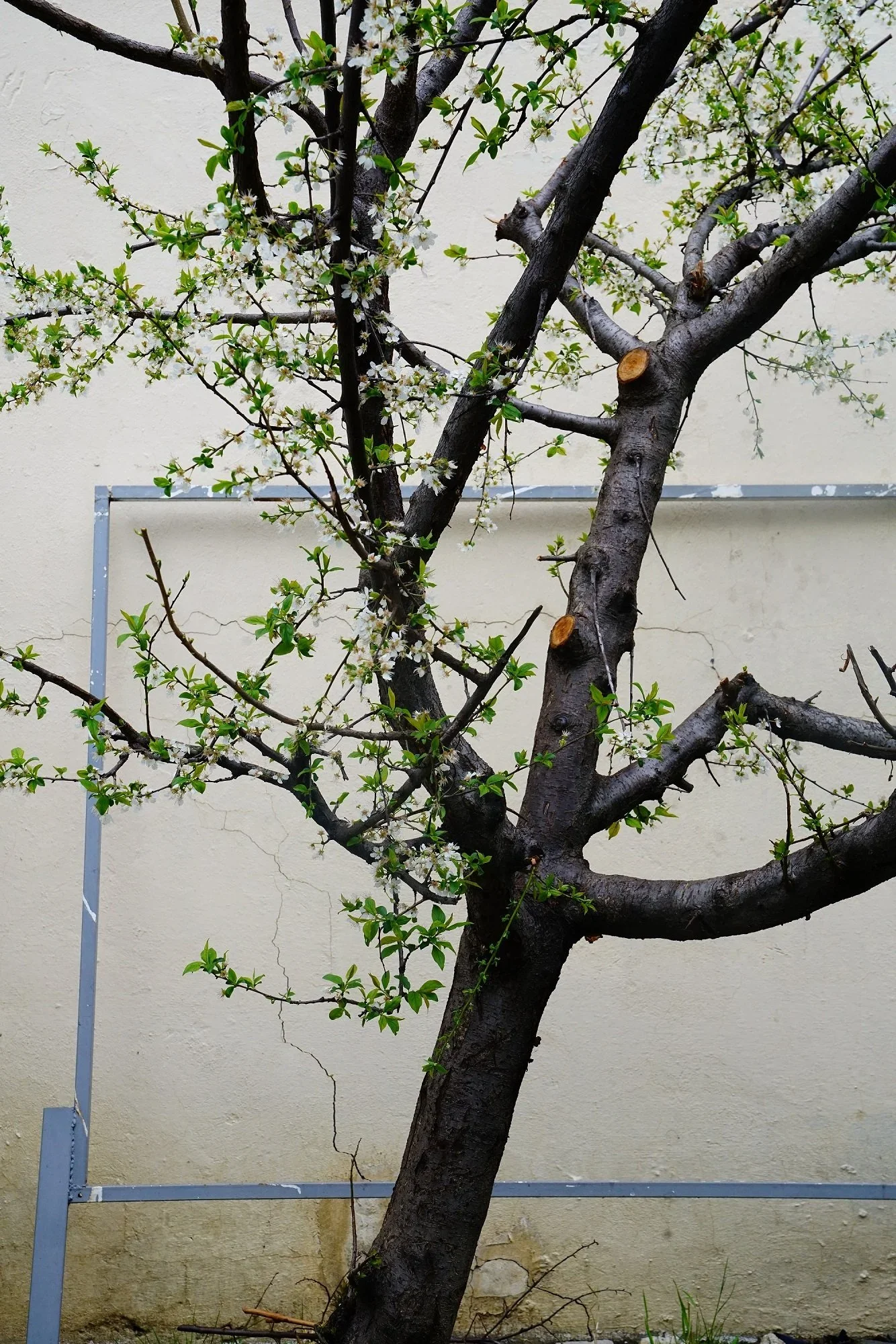


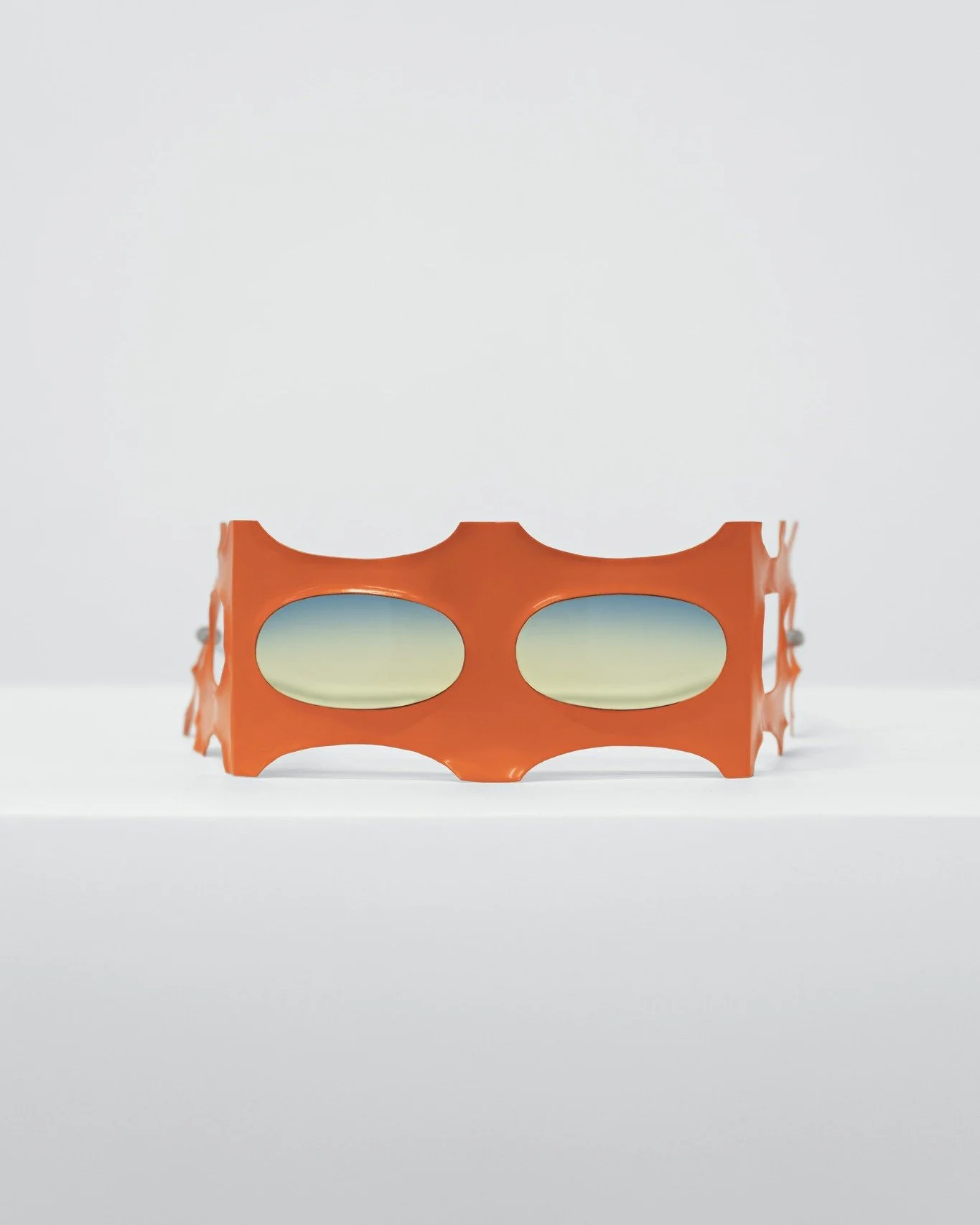
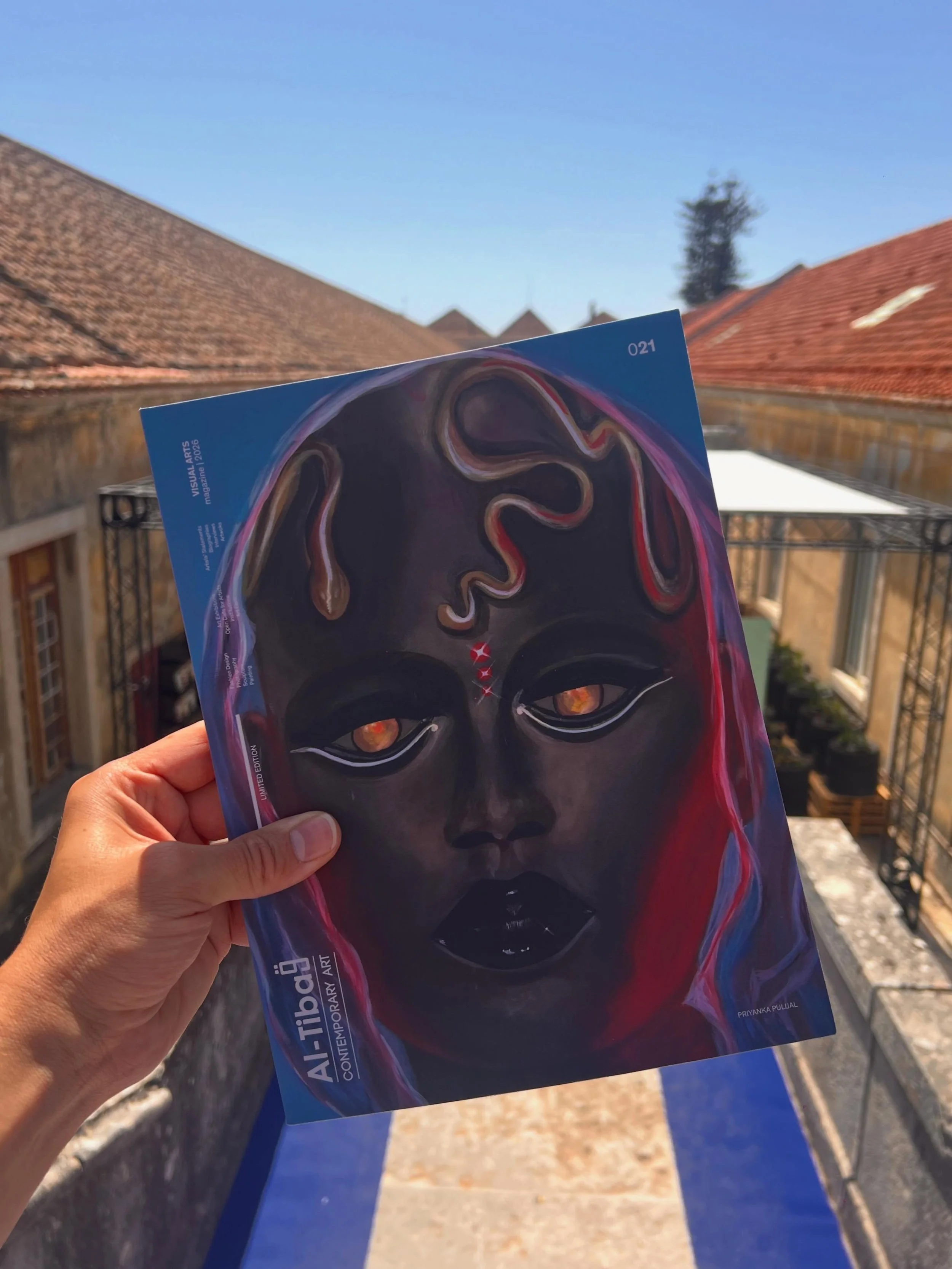
Bichen Liu is a Chinese lens-based visual artist working across fine art photography, black-and-white image-making, and experimental photographic practice. What Lies Beneath is a black-and-white photographic series focusing on exposed root systems and coastal residues, that transforms overlooked ecological fragments into visual records of support, erosion, and displacement.