

10 Questions with Zhiyu You
AL-TIBA9 ART MAGAZINE ISSUE21 | FEATURED ARTIST
Zhiyu You is a Chinese-born illustrator and tattoo artist based in New York. She received her BFA in Illustration from the School of Visual Arts (2022) and previously studied Fine Art at the Central Academy of Fine Arts in Beijing. Her practice combines fine art sensibilities with contemporary illustration, often exploring psychological tension, identity, and subtle emotional narratives.
Her work has been commissioned by clients including The New Republic, Zócalo Public Square, Shenzhen Press Group Publishing House, and Tbaar. Zhiyu’s illustrations have received international recognition from organisations such as Communication Arts, the Society of Illustrators, the London International Creative Competition, Creative Quarterly, and 3×3 Illustration. In 2022, she won the $5,000 grand prize in the Christmas at Tbaar Cup Sleeve Art Contest.
Her work has been exhibited at the Society of Illustrators in New York, Bobblehaus (NYC), and in group exhibitions across the United States and China, including Liminality: Visual Art Exhibition of Asian Artists in America and The Other World in Beijing. Her illustrations have been published in Communication Arts Magazine, The New Republic, Shenzhen Press Group Publishing House and Zócalo Public Square, and featured by Creative Boom, Communication Arts, Voyage LA Magazine, Bold Journey Magazine and major Chinese media outlets, including Netease and Sohu.
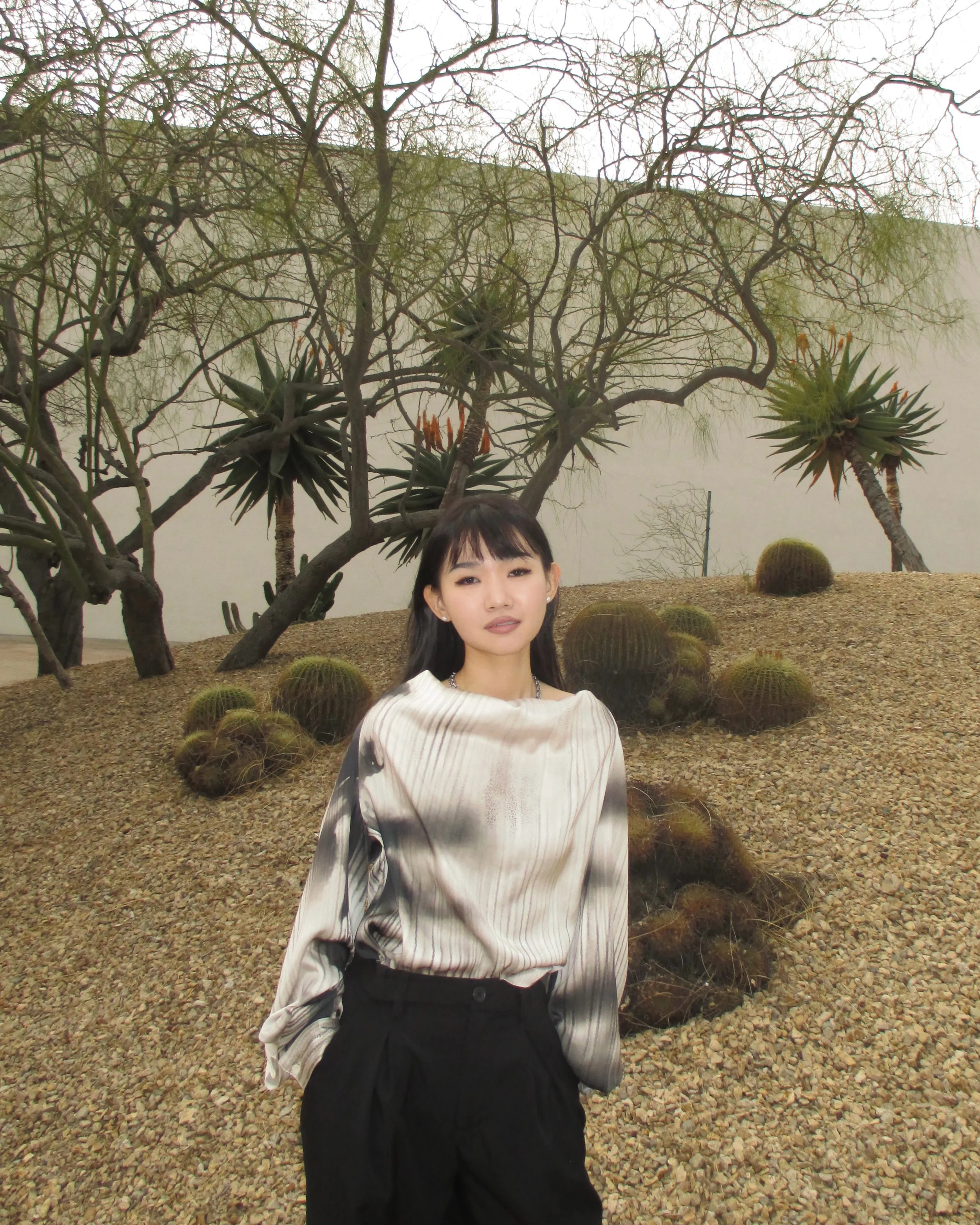
Zhiyu You - Portrait
ARTIST STATEMENT
Zhiyu You’s practice combines traditional painting techniques with digital drawing, forming a visual language shaped by her Chinese cultural background. Through this hybrid approach, she explores the lived experiences of women and marginalised communities, focusing on moments that are often overlooked or unspoken.
She is particularly interested in the quiet emotional undercurrents embedded in women’s daily lives, feelings that exist beneath routine gestures, familiar spaces, and social expectations. By bringing these hidden and undetected emotions into focus, her work creates a space for reflection, recognition, and emotional visibility.
Pressure Beneath the Skin, 16x20 in, 2026 © Zhiyu You
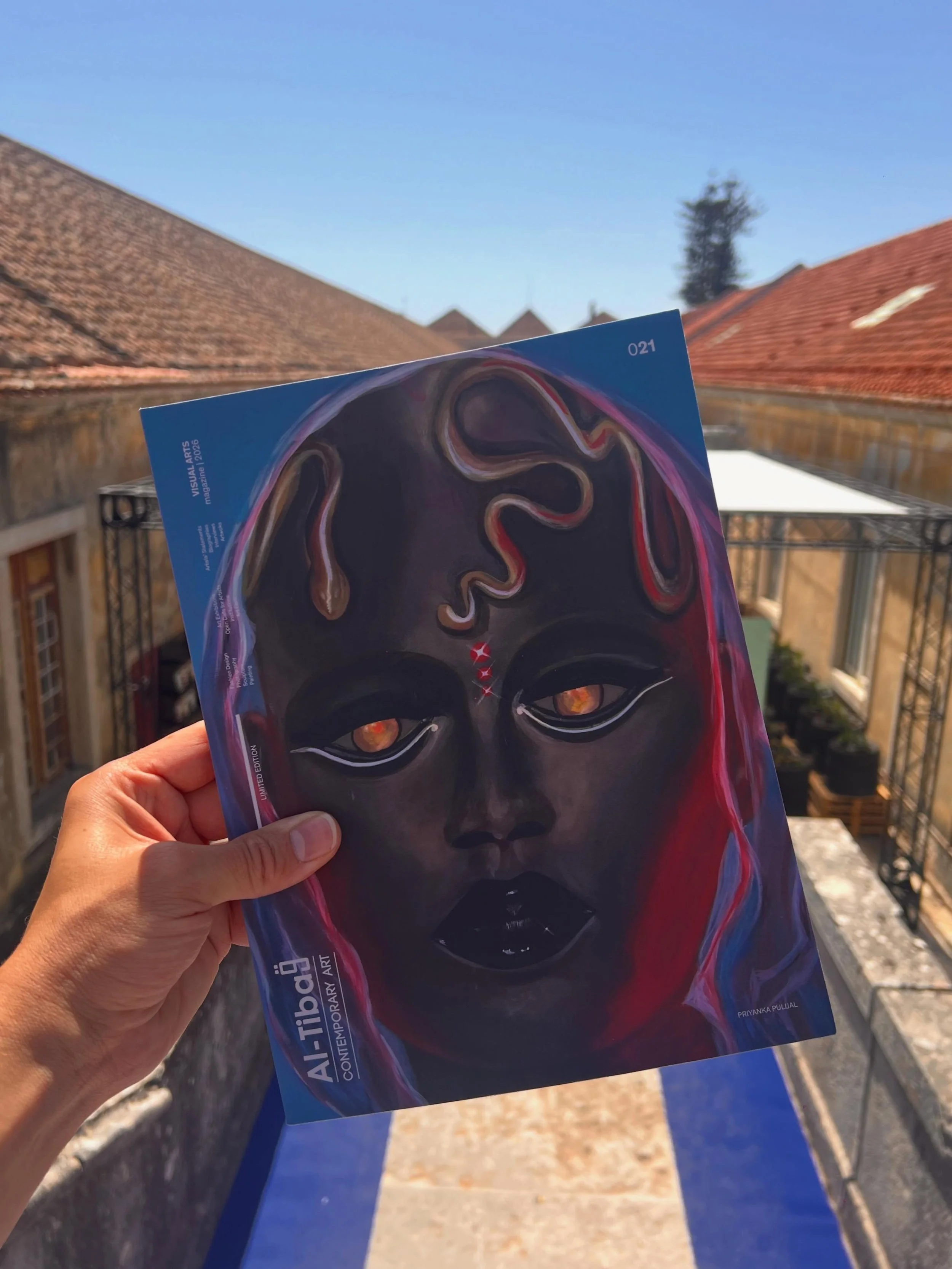
AL-TIBA9 ART MAGAZINE ISSUE21

DISCOVER THE INTERNATIONAL ART SCENE WITH AL-TIBA9
LIMITED EDITION | Shipping worldwide.
Premium museum art paper.
Printed in London.
Grab 3 or more prints and get your FREE digital magazine.

Digital Magazine - Available SOON…
INTERVIEW
First of all, you studied at the Central Academy of Fine Arts in Beijing and later at the School of Visual Arts in New York. How did these two educational experiences shape your artistic foundation?
Studying at CAFA gave me a rigorous foundation in drawing and observation. I spent a lot of time working from life, still lifes, figure drawing, and intensive colour studies, which trained my eye and taught me patience and discipline. The training emphasised structure, anatomy, and the slow process of building an image through repetition. At SVA, the focus shifted toward voice and authorship. I was encouraged to ask why I make images, not just how. That transition from technical discipline to conceptual clarity continues to shape my practice, and I’m deeply grateful for both experiences.
You were born in China and are now based in New York. How has living between these cultural contexts influenced your visual language and perspective?
Living between these two cultural contexts makes me very aware of in-between states, emotional, cultural, and psychological. I’m drawn to ambiguity and quiet tension, which often comes from navigating multiple identities at once. Chinese visual traditions influence my sensitivity to symbolism and restraint, while New York encourages experimentation and openness. My work naturally sits somewhere in that overlap.

What’s in a girl’s head, Daily Life, Digital Painting, 11.5x15 in, 2023 © Zhiyu You

What’s in a girl’s head, The Dreamer, 11.5x15 in, 2023 © Zhiyu You
Your practice combines traditional painting techniques with digital drawing. What attracts you to this hybrid approach, and how do the two methods interact in your process?
I’m drawn to the physical intimacy of traditional media, the resistance of paper, and the unpredictability of ink. Digital tools, on the other hand, allow for layering, iteration, and subtle compositional control. The hybrid process lets me move between instinct and precision. In my personal work, I tend to work more on paper, where the tactile quality helps me stay close to the emotional core of the image. For illustration commissions, I more often use digital painting, since it allows for flexibility and makes it easier to adapt the work based on clients’ needs. Often, the emotional core begins in something tactile, and digital becomes a space for refinement and rhythm.
You focus on the lived experiences of women and marginalised communities. When did you first feel compelled to centre these narratives in your work?
It wasn’t a single moment but a gradual realisation. As I matured, my work became more autobiographical, and I noticed how many quiet struggles around me, especially among women, were rarely visualised. I felt compelled to make space for those subtle, internal experiences. As an artist and as someone who exists within a social fabric, I also feel a responsibility to respond to the world around me. Even in small ways, I hope the work can create space for reflection and contribute to shifting how these experiences are seen and understood. The focus grew organically from observation, empathy, and shared conversations.
Many of your images reveal quiet emotional undercurrents in everyday life. How do you identify and translate these subtle feelings into visual form?
I pay close attention to small gestures, body language, domestic environments, and repetitive routines. I’m less interested in dramatic moments and more in emotional residue. I’m often most moved by subtle emotional shifts. To me, life is made up of these quiet, fleeting moments. Visually, I use restrained compositions, symbolic objects, and negative space to hold that tension. Often, the feeling comes first, and the imagery emerges as a quiet metaphor rather than a direct narrative.

The quite bloom of the otherworld, Digital Painting, 16x20 in, 2025 © Zhiyu You
Could you describe your creative process, from the first idea or emotion to the final image? Do you begin with research, sketches, writing, or intuition?
Most works begin with a vague emotional atmosphere rather than a clear idea. I often record fleeting moments from daily life in my sketchbook, small impressions that stay with me. Over time, I return to those fragments and gradually develop them into ideas, which then evolve into more complete images. I usually write fragments, words, memories, or sensations before sketching. From there, I develop loose drawings and let intuition guide the structure. Research comes in later if needed, but the core is always emotional. I refine gradually, moving between analogue sketches and digital layering until the image feels balanced.
As both an illustrator and a tattoo artist, do these practices inform one another? Does working on skin change the way you think about permanence, intimacy, or storytelling?
Absolutely. Tattooing has deeply changed how I think about intimacy and responsibility. Drawing for skin introduces permanence and collaboration; the work becomes part of someone’s life. It has made me more attentive to scale, flow, and emotional clarity. Designing tattoos also pushes me to think in three dimensions, since the image shifts with the movement of the body and is no longer confined to a flat surface. At the same time, illustration gives me conceptual freedom, which keeps tattooing from becoming purely technical. The two practices balance each other.
Psychological tension and identity are recurring themes in your work. Are these subjects drawn from personal experience, observation, or a mix of both?
They come from a mix of personal experience and observation. I draw from internal emotions, but I rarely treat them as purely autobiographical. Instead, I try to distil feelings into something collective, something viewers can project themselves into. I’m interested in shared psychological spaces rather than individual narratives.

Gluttony, The Feast of Emptiness, Digital Painting, 20x20 in, 2023 © Zhiyu You

Greed, Hands That Are Never Full, Digital Painting, 20x20 in, 2023 © Zhiyu You

Envy, The Girl Never in the Mirror, Digital Painting, 20x20 in, 2023 © Zhiyu You
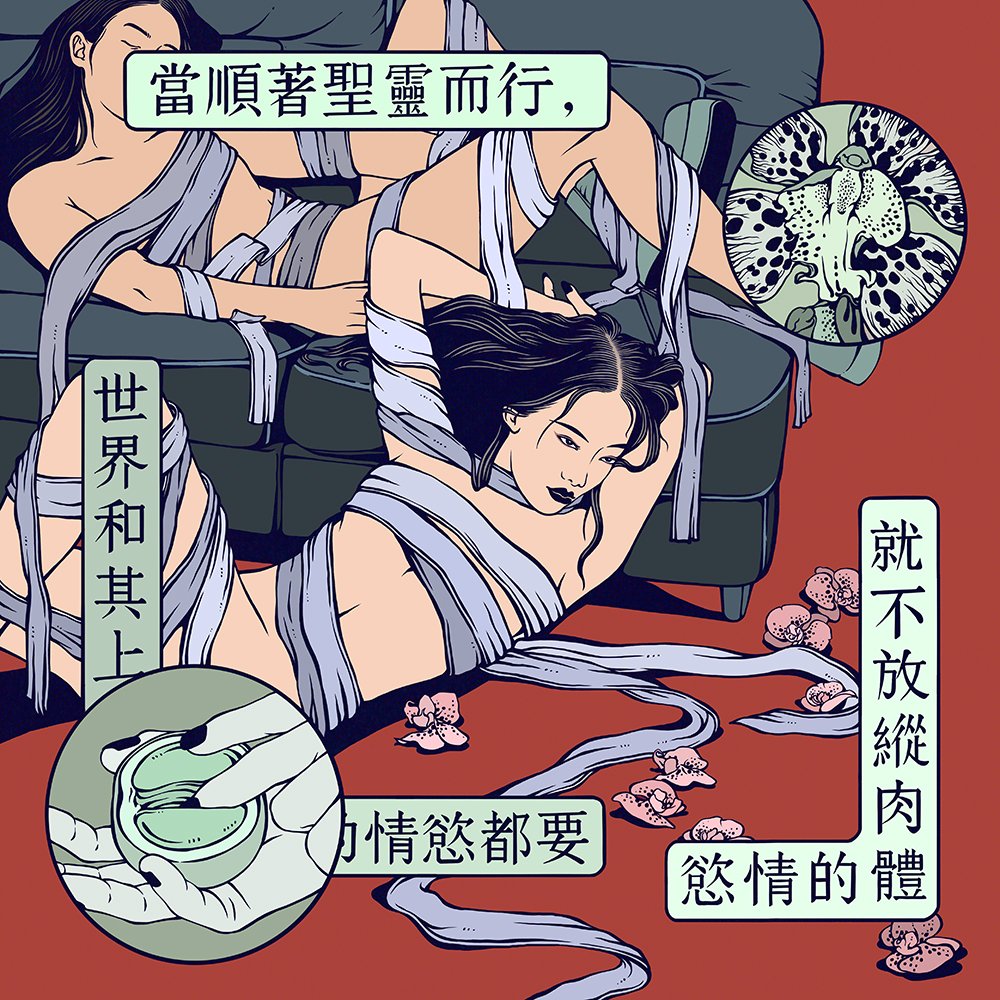
Lust, Skin Just Out of Reach, Digital Painting, 20x20 in, 2023 © Zhiyu You
Looking ahead, are there new themes, materials, or formats you are interested in exploring?
I’m interested in exploring different media and how an image can shift across formats. For me, tattooing is already an extension of painting, a way for an image to move from surface into living space. I’m curious about continuing to expand that dialogue, allowing ideas to translate across different materials and contexts. At the same time, I’m drawn to formats that unfold more slowly, such as artist books, where sequencing and pacing become part of the storytelling.
Finally, what are your long-term career goals? Do you see yourself expanding further into fine art, publishing, tattooing, or perhaps new interdisciplinary directions?
Long term, I hope to maintain a fluid, interdisciplinary practice. I want to continue developing in fine art and exhibitions while also publishing books and sustaining my tattoo practice as a more intimate extension of my work. Ultimately, my goal is to build a body of work that moves across formats but remains emotionally cohesive.
Artist’s Talk
Al-Tiba9 Interviews is a curated promotional platform that offers artists the opportunity to articulate their vision and engage with our diverse international readership through insightful, published dialogues. Conducted by Mohamed Benhadj, founder and curator of Al-Tiba9, these interviews spotlight the artists’ creative journeys and introduce their work to the global contemporary art scene.
Through our extensive network of museums, galleries, art professionals, collectors, and art enthusiasts worldwide, Al-Tiba9 Interviews provides a meaningful stage for artists to expand their reach and strengthen their presence in the international art discourse.

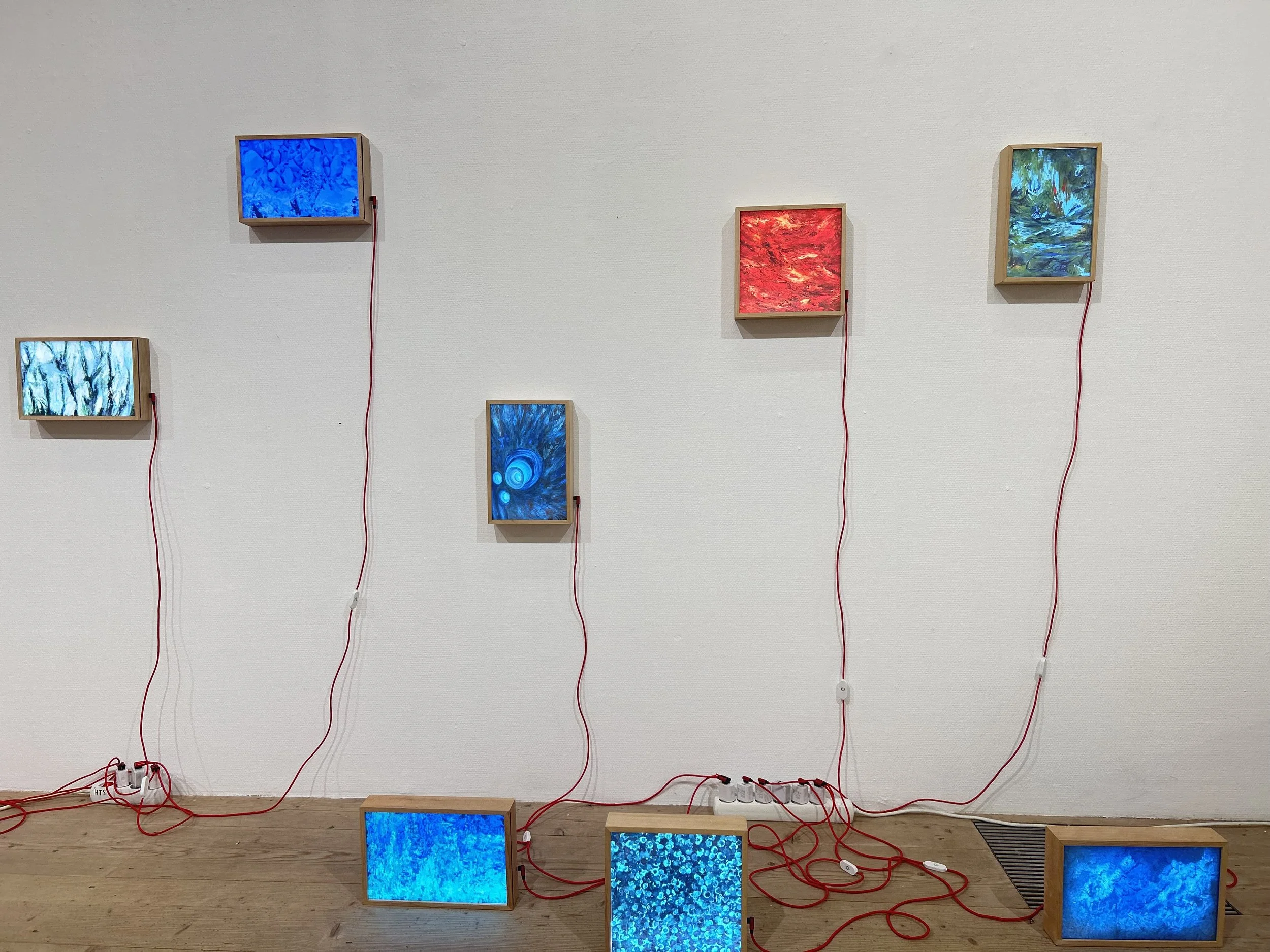
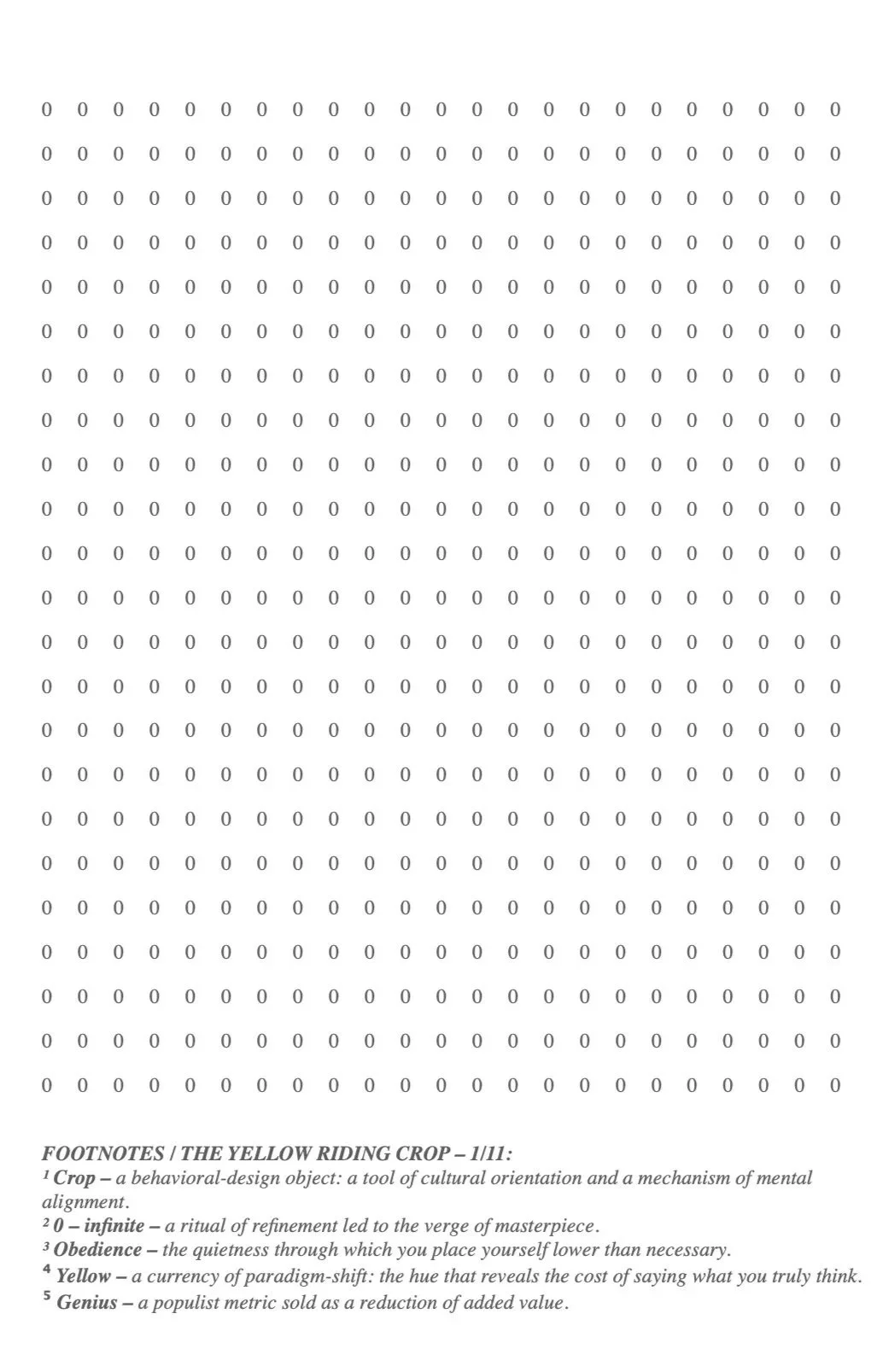

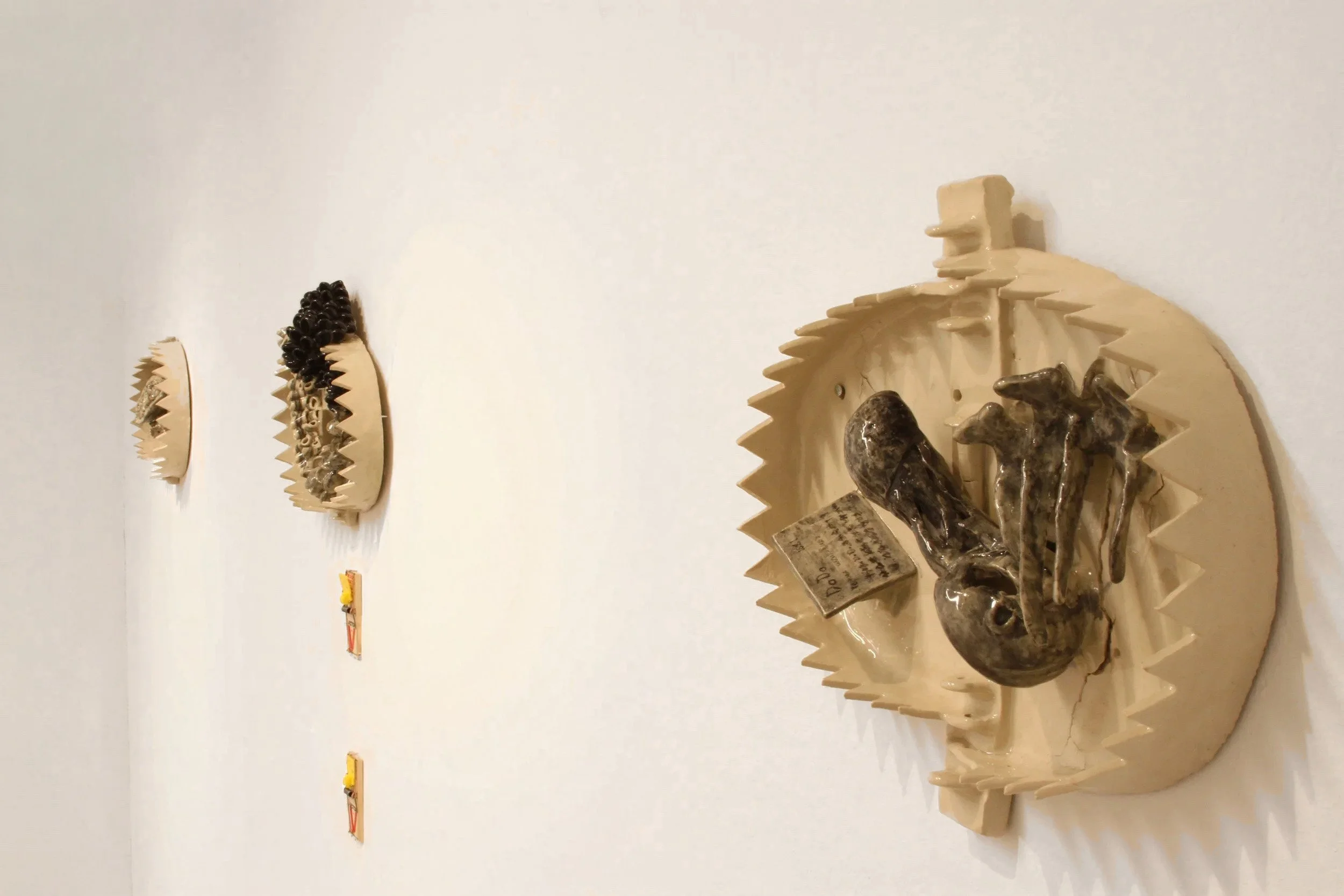

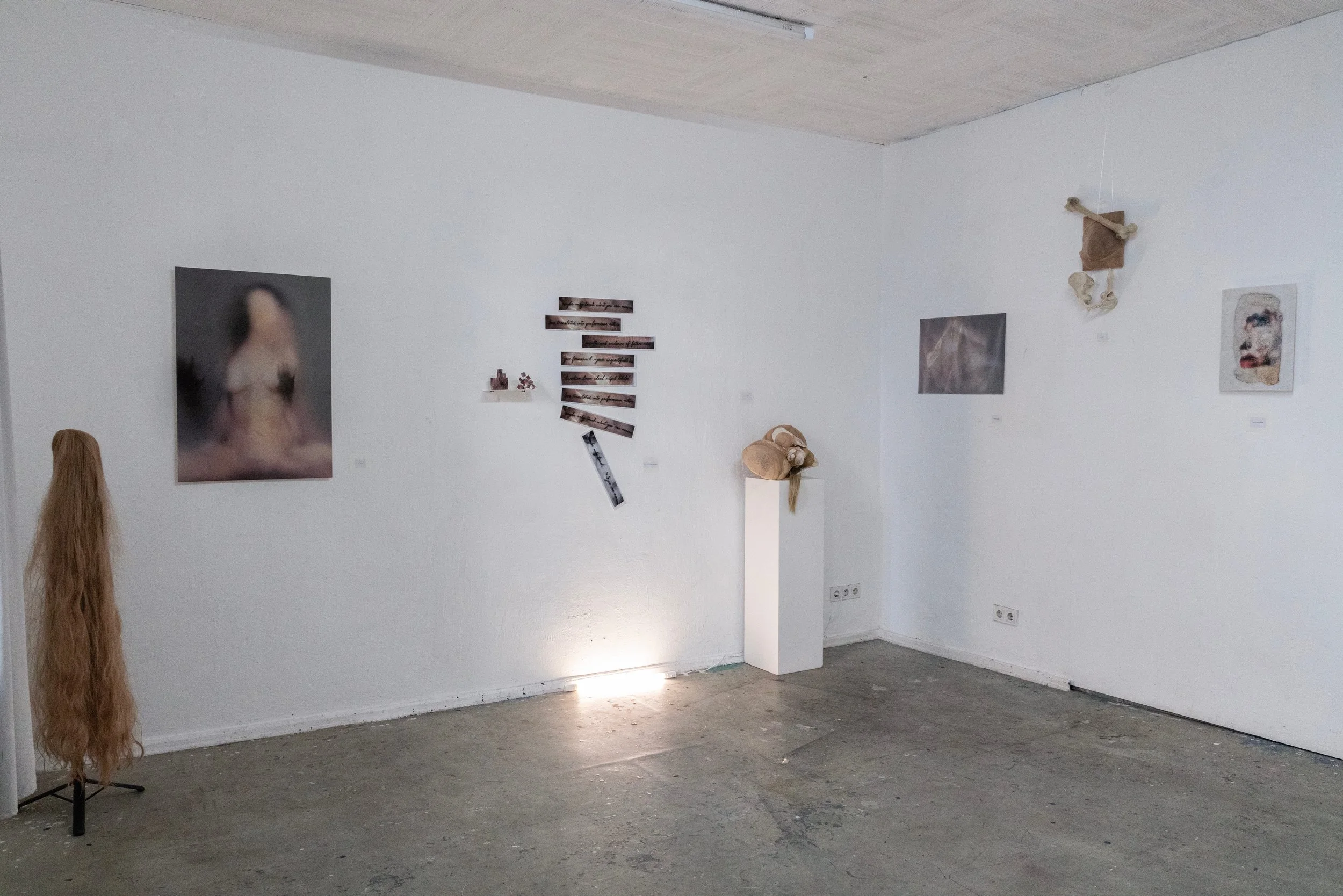
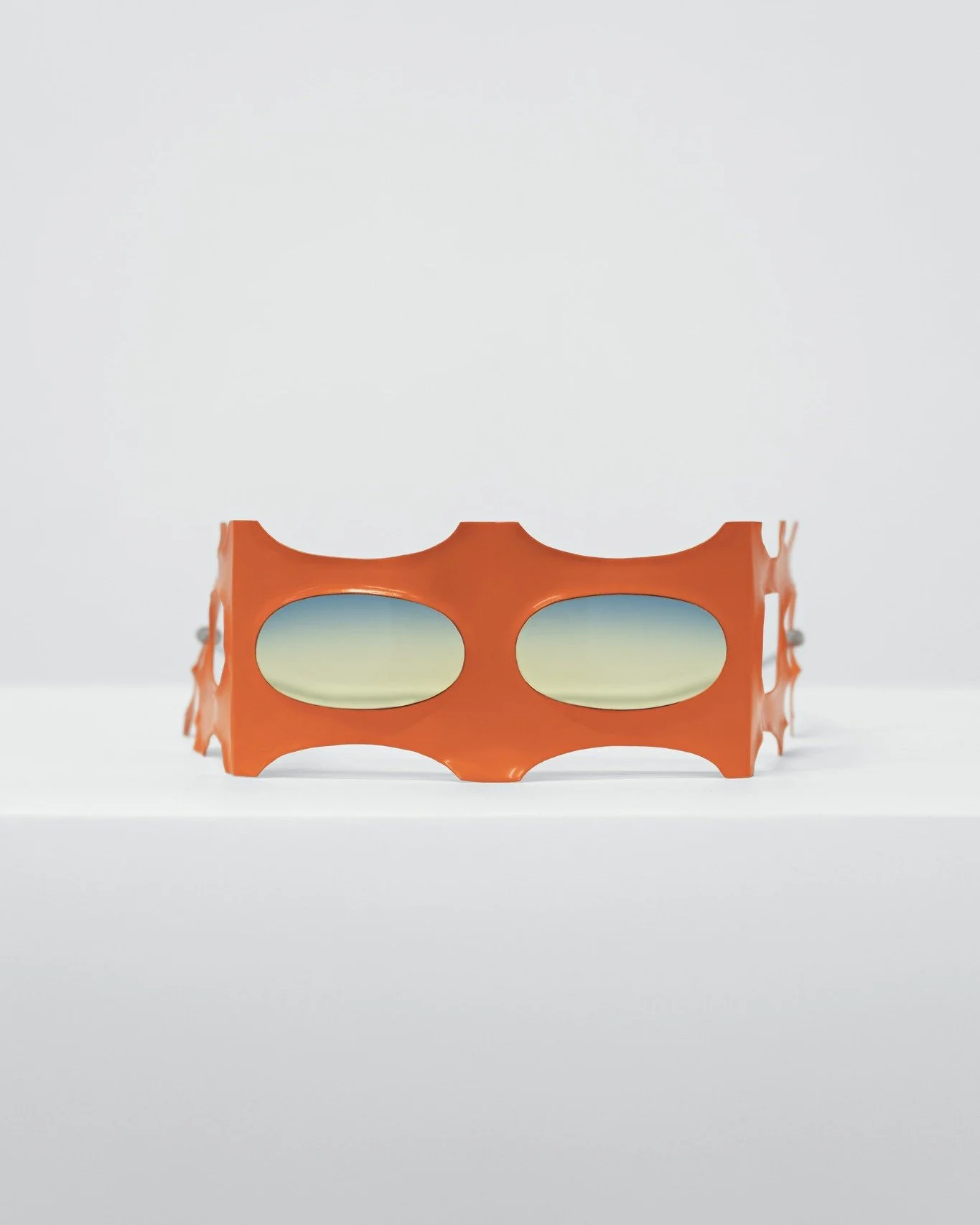
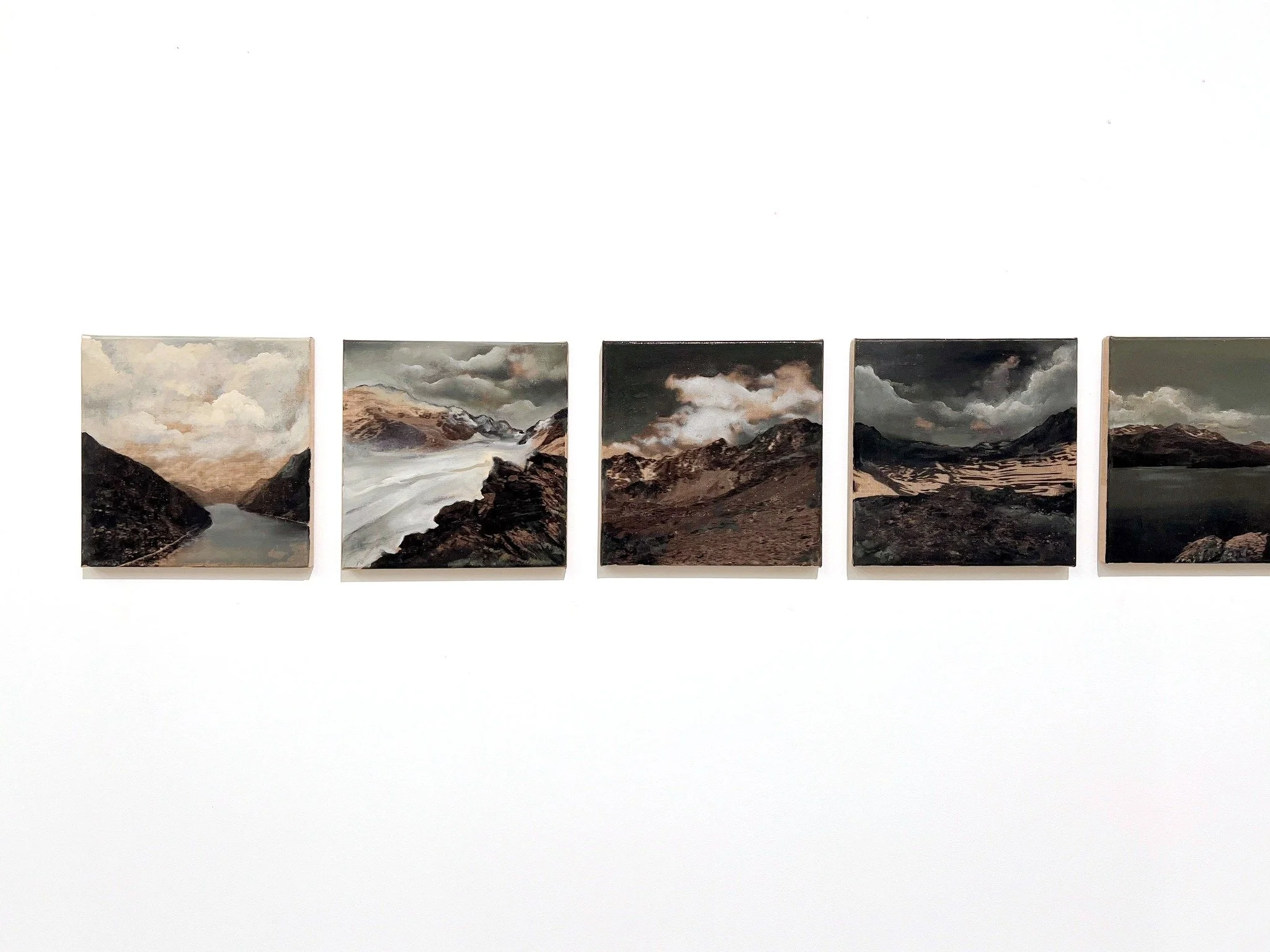
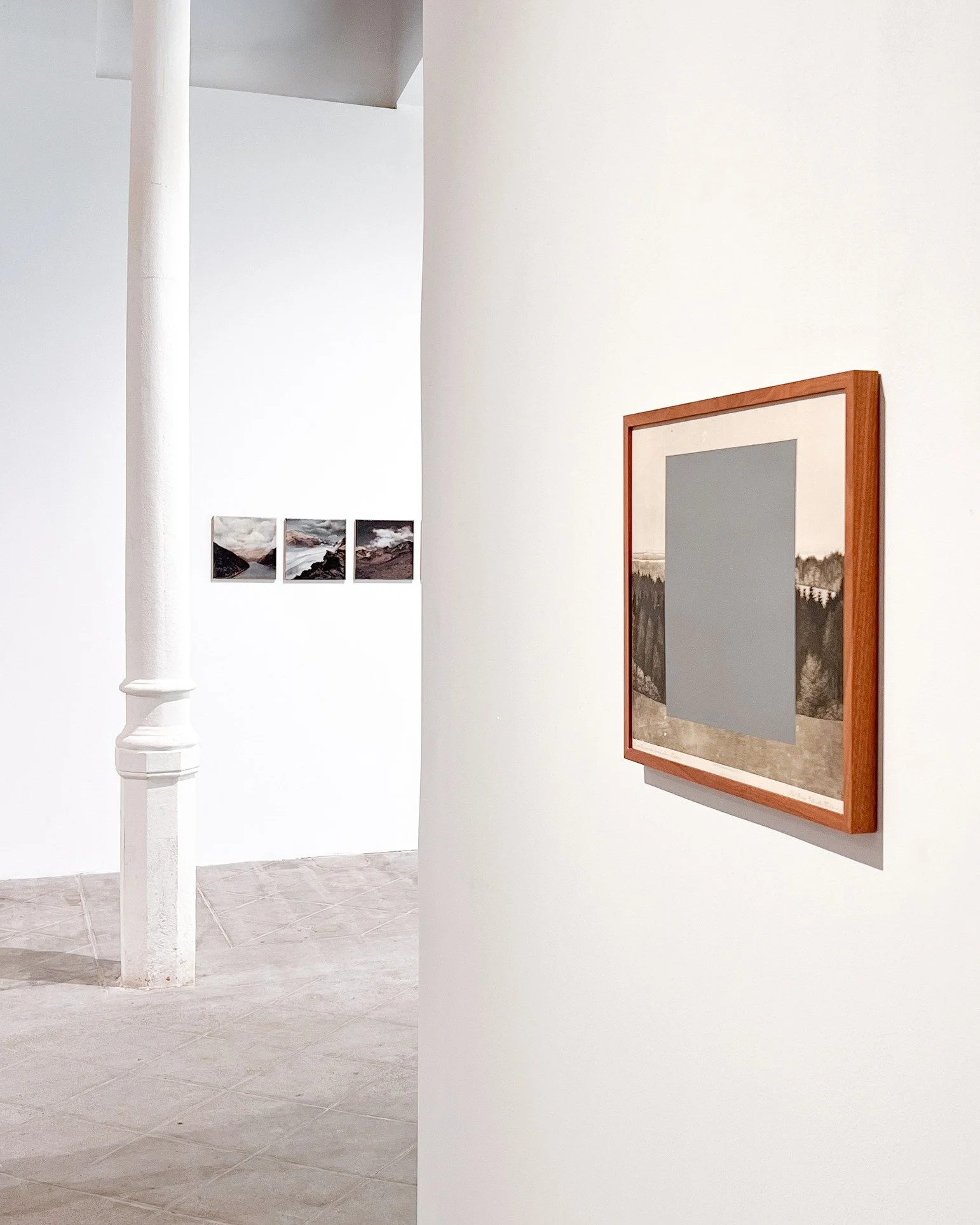
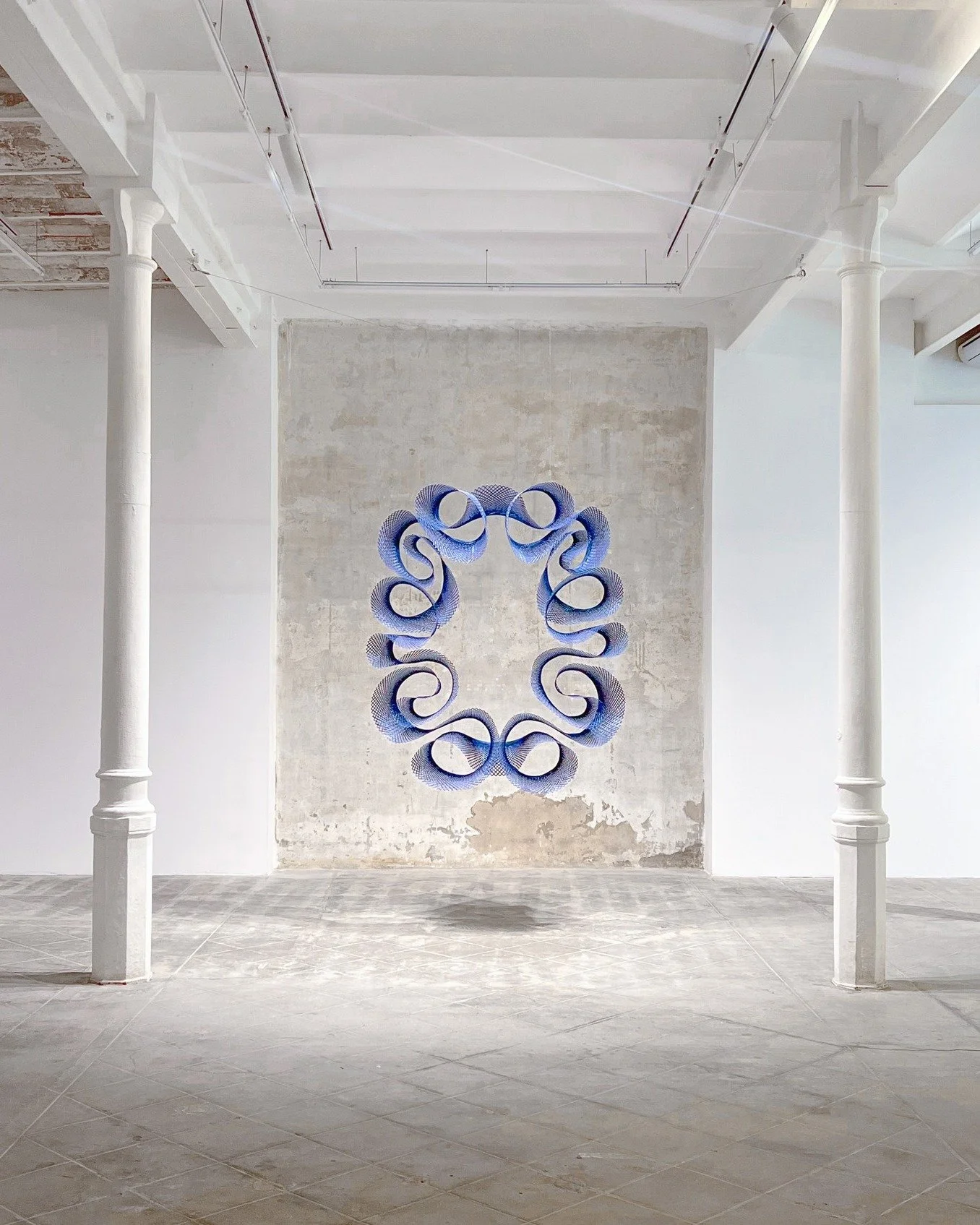
Kfir Galatia-Azulay Darash is an architect, engineer, multidisciplinary designer, and artist. In his practice, architecture defines the framework, scale, rhythm, and light; interior design addresses the body and the human experience; product design approaches detail, material, and physical contact; and art allows an idea to move beyond function and become emotion, memory, and interpretation.