

10 Questions with Chloe Saron
Al-Tiba9 Art Magazine ISSUE21 | Featured Artist
Chloe Saron was born in Baltimore, Maryland. Her interest in art was influenced by her grandmother, who painted traditional landscapes, portraits, and still lifes. After accepting an art scholarship, she graduated from Towson University with a BFA in Painting in 2015. Saron then worked for a prestigious contemporary art gallery in Jackson Hole, Wyoming, which solidified her passion for thought-provoking, non-traditional work. In 2018, she moved to Stowe, Vermont, to pursue her art full-time. Two years later, she debuted her series “Modern Romantic” in a solo show at KW Contemporary Art in Kennebunk, Maine, which was well-received. Since then, she has been featured in Maine Home + Design Magazine, Maine Today Media, Artist Closeup magazine, CREATE! Magazine, and been selected as the Top 10 Artists feature at the Affordable Arts Fair in NYC. She’s had solo and group shows all over the country, most recently at Manor Mill Gallery in Monkton,Maryland and Night Owl Gallery in Baltimore, Maryland. She is currently earning her master's in painting at Maryland Institute College of Art.
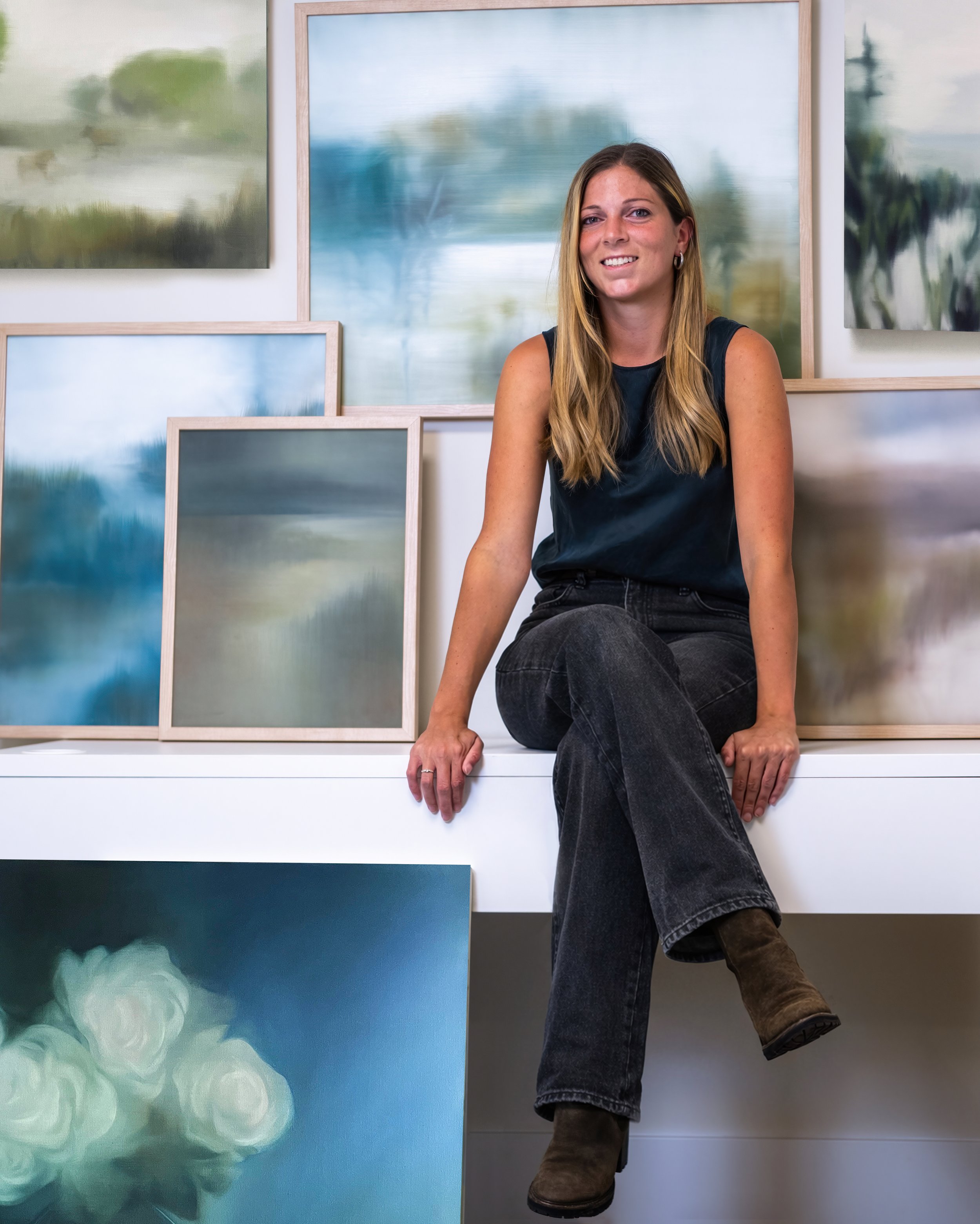
Chloe Saron - Portrait
ARTIST STATEMENT
What is so exciting about Saron’s process is that it is an act of personal rebellion, going against everything she was trained to do. Saron blurs lines where they shouldn’t and pulls from innate training to make sense of scenes that are automatically painted. It becomes an evolving riddle, where reflection offers a way of listening, not just to what she sees, but to what she feels, remembers, and carries internally. There is freedom in allowing the painting to unfold without forcing resolution, trusting that ambiguity can hold truth. This practice arose from a need to carve out silence within environments of loudness and unpredictability, making painting a lifeline and a space for healing. Through blurred forms and softness, the artist explores memory, interconnectedness, and stillness, inviting viewers into a quiet space of reflection and recognition.
Elysium, Oil on Canvas, 24x30 in, 2026 © Chloe Saron
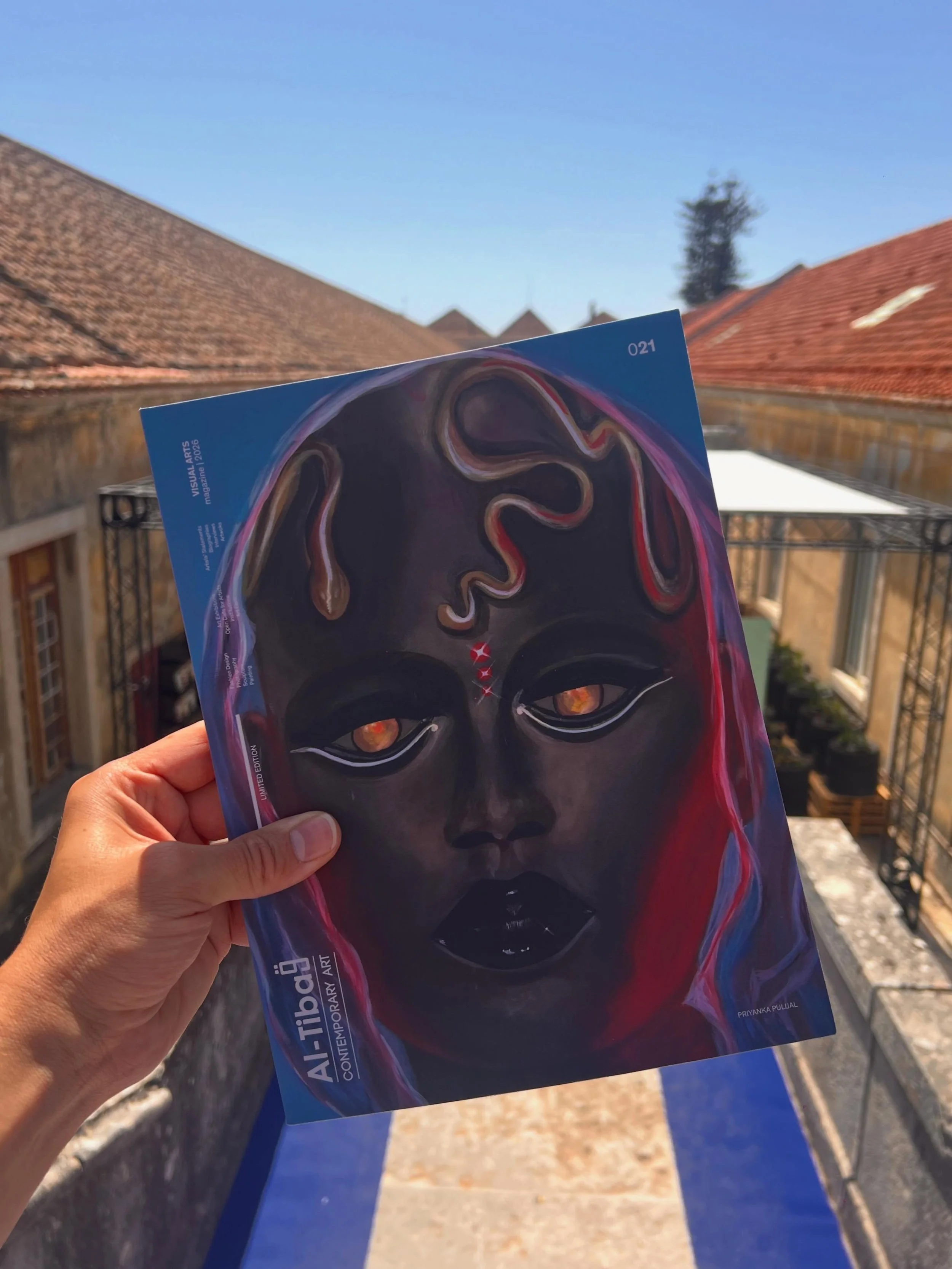
AL-TIBA9 ART MAGAZINE ISSUE21

DISCOVER THE INTERNATIONAL ART SCENE WITH AL-TIBA9
LIMITED EDITION | Shipping worldwide.
Premium museum art paper.
Printed in London.
Grab 3 or more prints and get your FREE digital magazine.

Digital Magazine - Available SOON…
INTERVIEW
Let’s first look back at your childhood. You grew up surrounded by painting through your grandmother’s practice. How did those early experiences shape your understanding of art and your decision to become an artist yourself?
My grandmother was a very traditional portrait and landscape painter. But what I remember most as a child wasn’t what she painted; it was the environment. The studio itself: the lighting, the smell of mineral spirits, the stacks of canvases half-finished but waiting to be returned to the easel. It was quiet, but fully alive with beauty and creation.
She was meticulous in her training, but her passion ran much deeper. I think I inherited that passion, but I felt constrained by the rigidity of representational work. Even early on, I was drawn to something less fixed, something more intuitive, more open-ended.
Looking back, that tension between discipline and freedom became foundational. What excites me now is my process. It challenges how my grandmother painted and traditional painting techniques. It blurs lines where they shouldn’t be blurred and resists the need for accuracy or fixed reference. The sense of lighting is not concrete. Instead, I’m pulling from my training to make sense of something that is unfolding automatically. That push and pull, between structure and surrender, began in her studio.
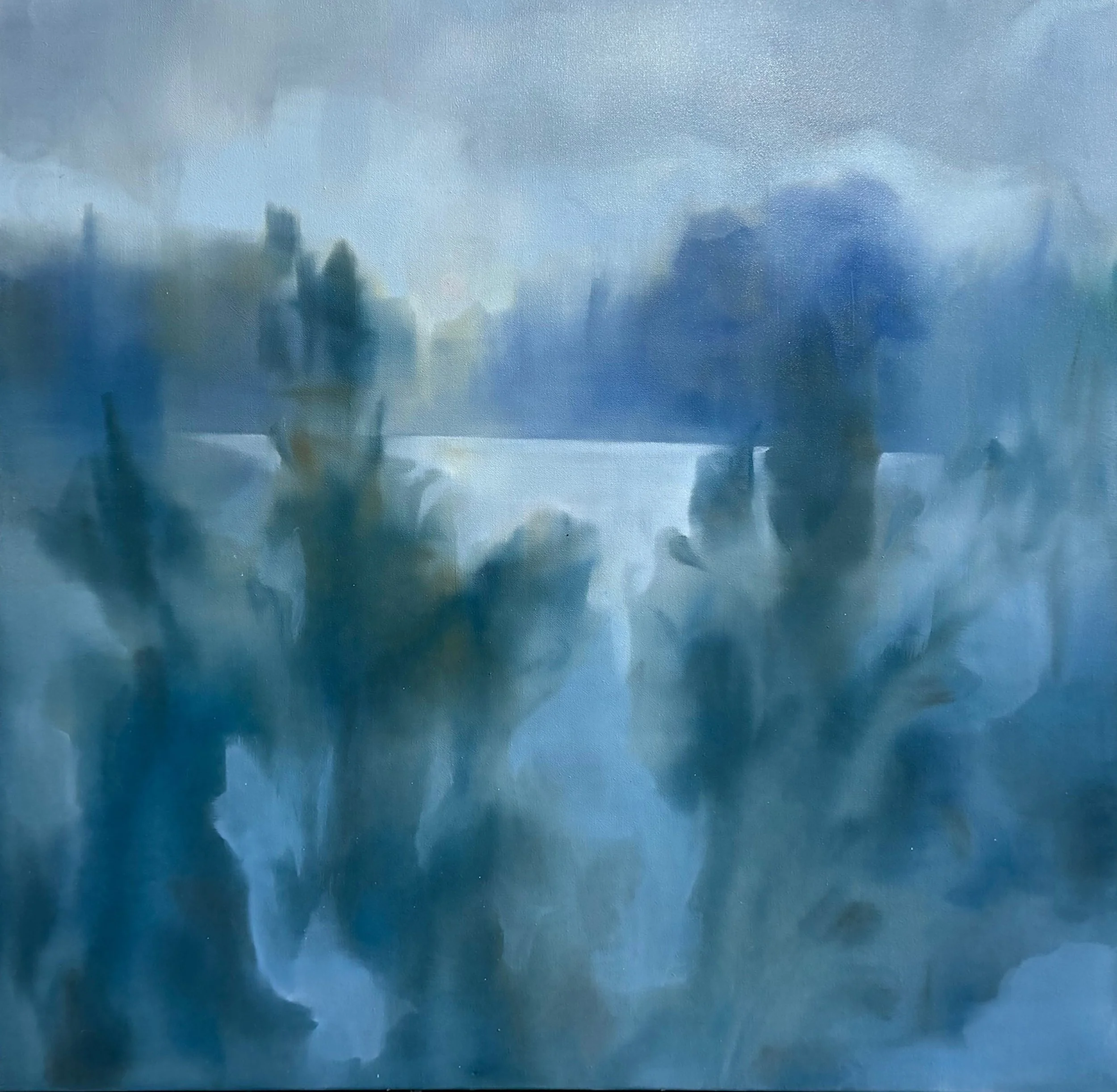
Vinca, Oil on Canvas, 36x36 in, 2025 © Chloe Saron
After studying painting at Towson University and now pursuing a master’s degree at MICA, how has your relationship with painting evolved between academic training and your current practice?
I’m so grateful for my time at Towson. I had incredible mentors who really taught me to respect technique and commit to the discipline of painting. What my education ultimately gave me was artistic license. Because of that foundation, I now have complete freedom in how I approach painting. I can render a hyper-realistic figure or still life if I choose, but I can also decide when to let go, when to blur, when to dissolve structure into something more atmospheric or intuitive.
My current practice feels like a full-circle moment. I’m beginning to reintroduce elements of representation, specifically figures and objects, but they exist within a much looser, more intuitive space.
Over the years, painting has become your primary medium. Why does painting, specifically, feel like the right language for what you want to express? What does it allow that other mediums might not?
Painting is pure magic, especially oil paint. It allows me to be both physical and introspective at the same time. I can spend hours completely immersed, where the outside world fades, and I’m fully inside the act of making.
What painting offers me is a way of listening, not just to what I see, but to what I feel, remember, and carry internally. I’ve found that it allows for a kind of expression that language can’t reach. Internal dialogues, memories, and emotional undercurrents begin to surface slowly, sometimes unexpectedly, as if they’ve been waiting for the right conditions to emerge.
It’s also a space of surrender. Letting paint move, letting edges dissolve, allowing colour to breathe. Painting gives me the ability to sit with uncertainty and let something unfold rather than forcing it into resolution.

Rule of Three, Oil on Canvas, 60x60 in, 2025 © Chloe Saron

Juno, Oil on canvas, 36x48 in, 2025 © Chloe Saron
In your statement, you describe your process as a form of personal rebellion against traditional training. What does surrendering control look like in the studio, and how do you know when a painting has reached resolution?
Removing reference images changed everything for me. I tend to be obsessive, and if I have a reference, I will replicate it exactly. But that process became limiting. I already knew the outcome before I even began, and I would lose interest while working. Now, my process is entirely intuitive. It’s a giant, evolving riddle. Each mark is a response to the last, building a rhythm that feels both intentional and out of my control.
Knowing when a piece is finished is still something I’m learning. But there’s a moment when you step back, and the painting quiets you, when your heart rate slows, and there’s no single area pulling or demanding attention. It holds itself. That’s when I know it’s complete.
Memory and intuition seem central to your creative process. Do your works begin with a clear emotional intention, or do meanings emerge gradually while painting?
Memory, for me, isn’t visual, it’s sensory. It’s a feeling, a sound, a presence. As I paint and forms begin to blur and emerge, memories surface in unexpected ways. I treasure the process of automatic painting, allowing my hand to lead before my mind can interfere. Because of that, meaning tends to emerge gradually rather than being predetermined.
Emotion is always present, whether I intend it or not. It reveals itself through colour, light, density, and movement. When I look back at a painting, I can always see exactly what I was carrying at that time, even if I wasn’t consciously aware of it while painting.

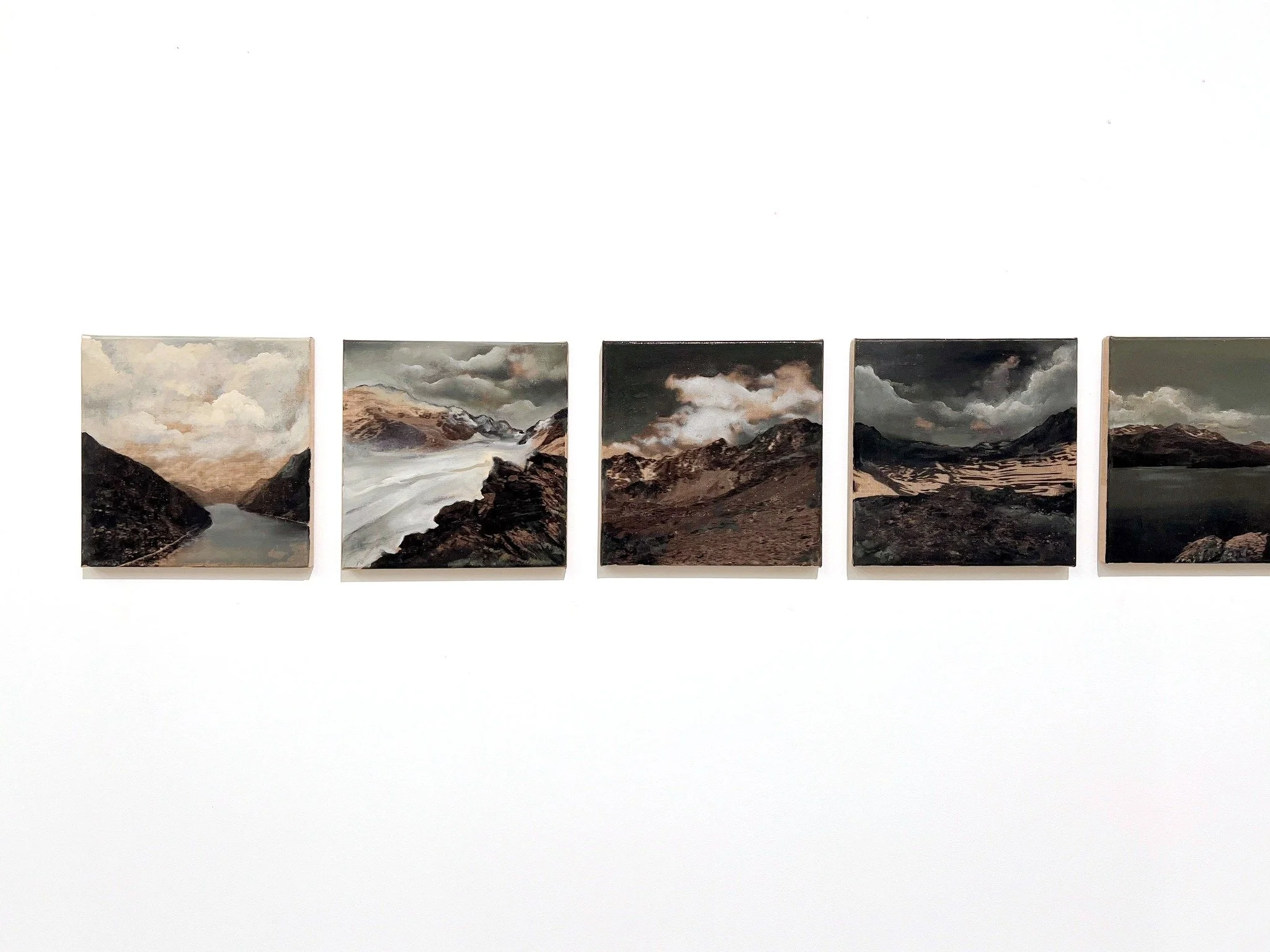
Why 4, Oil on canvas, 10×10 in, 2025 © Chloe Saron

Why, Oil on canvas, 12×12 in, 2025 © Chloe Saron

Why 23, Oil on canvas, 12×12 in, 2025 © Chloe Saron

Why 71, Oil on canvas, 12×12 in, 2025 © Chloe Saron
Your colour palette often feels soft, luminous, and atmospheric. How do you approach colour emotionally rather than descriptively, and what role does colour play in building mood within the work?
I’ve always had an inherent connection to blue. It feels timeless, it’s the sky, the ocean, distant mountains. It can be quiet like fog or powerful like waves. It holds both stillness and intensity. It’s the colour of life in a lot of ways. But recently, I’ve been expanding into warmer tones and greens as I begin weaving figures more directly into the environments I render, and I’m excited to see where those colours take my work.
Colour, for me, is a way to build mood from within rather than describe something external. I’m interested in creating transitions, colours that glow into each other rather than sit in contrast.
Themes of silence, softness, and peace appear as responses to environments marked by noise and instability. How do you translate these internal experiences into visual form without becoming overly narrative?
I don’t respond to chaos by recreating it. Instead, I create the opposite. Softness, stillness, and blurred edges become visual representations of peace. I used to describe my response to unsafe conflict as “plateauing,” flattening emotionally to cope. That translated visually into horizon lines, quiet landscapes, and softened forms.
My practice came from a desire to process and ultimately heal. I am very interested in the act of disassociation as a response to trauma. Personally, I’ve found memorable places to be a lifeline when trapped in a moment too heavy to bear. Whether it be the morning fog on the lake I grew up on in the Adirondack mountains, the towering summit of the Grand Tetons, or an empty beach on the coast of Tasmania, I can always go to these places in moments of need. The secret is realising that they are existing with me in that moment, apart from me, but within me, and I can always access the person I was when I was there. What’s remarkable is that these places consistently show up in my work, automatically and subconsciously.

Flora, Oil on canvas, 36×36 in, 2025 © Chloe Saron
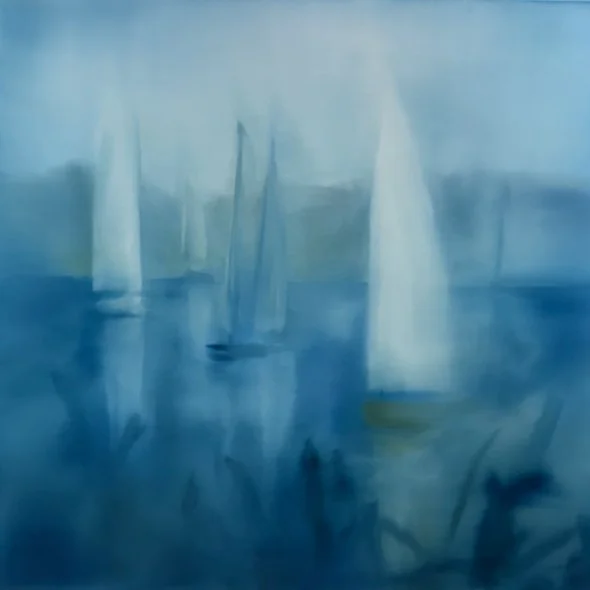
Auster, Oil on canvas, 36×36 in, 2025 © Chloe Saron
Your paintings invite viewers to project their own memories and emotions onto blurred scenes and figures. How important is audience interpretation to you, and what kind of experience do you hope viewers leave with?
Audience interpretation is incredibly important to me. The work isn’t meant to dictate meaning; it’s meant to hold space for it. I want viewers to enter a world where noise becomes a hum, where they can access their own memories: a place, a feeling, a moment. I want the experience to feel familiar without being specific.
Your work has received strong recognition through exhibitions and publications. Has public reception influenced your practice, or do you try to protect a more private, intuitive space while working?
I still feel very rooted in my private, intuitive practice. I have so much I want to explore and say. But I would be lying if I said I wasn’t deeply affected by the responses I receive. There’s a shared emotional thread in how people connect to the work. We’re all navigating the same things: seeking peace, processing, trying to understand. I think there’s a quiet intensity building in people right now, and at the same time, a kind of numbness. If my work lends to that conversation, I welcome it, note it, and my work grows from it.
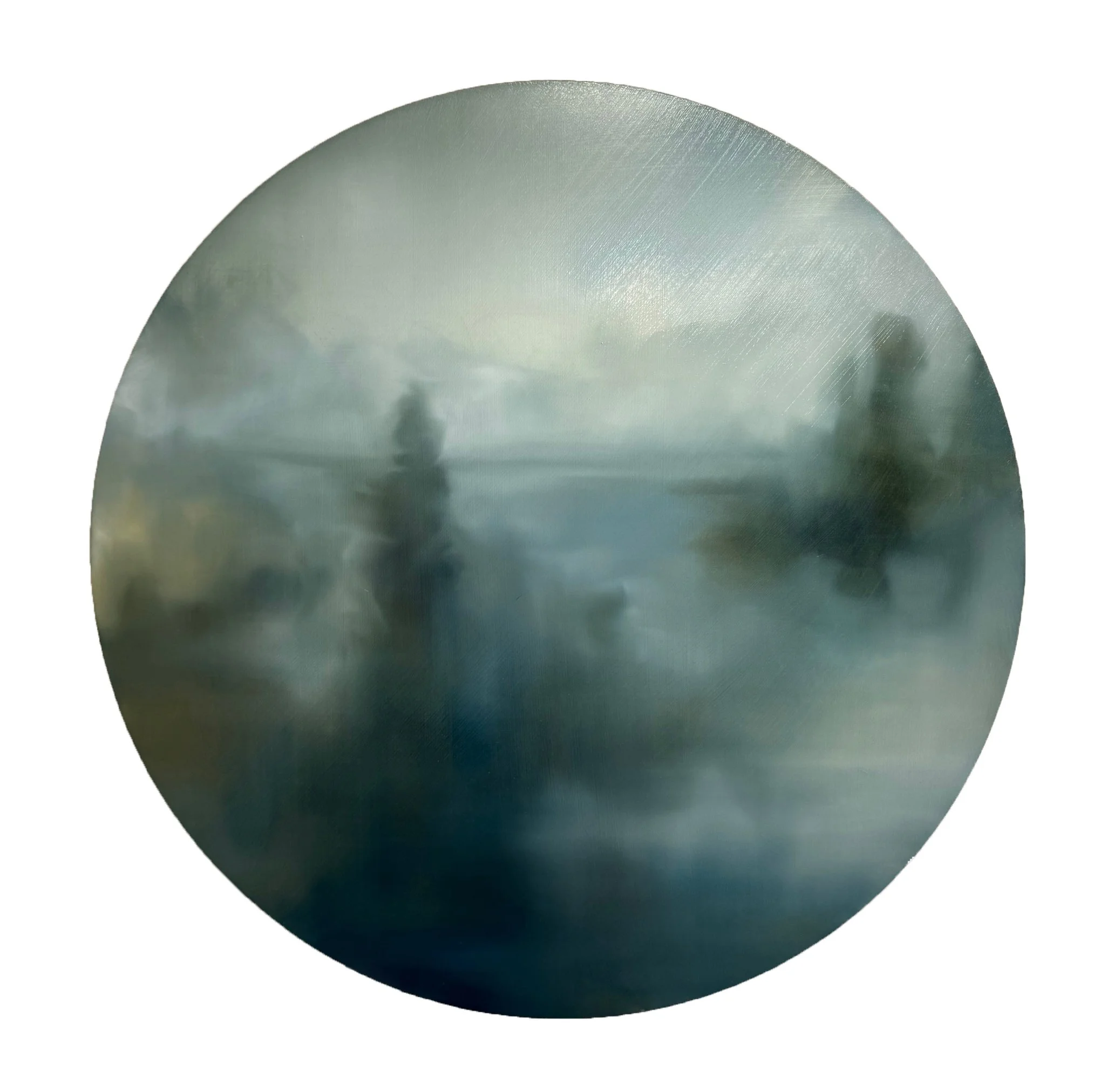
Septentrio, Oil on canvas, 36x36 in, 2025 © Chloe Saron
Lastly, as you look toward the rest of 2026, what artistic goals, dreams, or new directions feel most important for you, whether conceptually, technically, or personally?
Intuitively, I feel a strong pull toward larger, more figurative work. I’m especially interested in exploring the relationship between the human body and the natural environment, how landscape interacts with healing, trauma, and emotional states. I’m ready to tell more of a story, while remaining ambiguous enough for the viewer to feel personally connected to the work.
I’m developing several large-scale narrative works centred around themes of energy, dissociation, protection, power, and healing. I’m also nearing completion of a major piece titled ATARAXIA, a 9 x 20-foot installation composed of 180 individual painted panels, functioning as both a singular immersive environment and a network of interconnected works.
This year, I want to spend time in places where nature is not only preserved, but deeply respected as part of the community’s identity. I recently spent time in Hawaii and was struck by the sense of collective energy and reverence for the environment; the two felt inseparable, intertwined in a way that carried a quiet, almost spiritual presence. It shifted how I think about place, belonging, and the role landscape plays in shaping both individual and shared experience.
This summer, I will be in residence in Greece, where I’m looking forward to engaging with landscapes layered with ancient history. These are places where human narratives of power, protection, violence, beauty, and the pursuit of knowledge are embedded into the land itself. I’m interested in how these histories linger, how they shape the emotional atmosphere of a place, and how they can be translated through paint into something both contemporary and timeless.
At its core, I want my work to continue showing the viewer that the way out is within, that stillness, healing, and connection are always available to us. I want the work to continue being both a vessel and a reminder of that.
Artist’s Talk
Al-Tiba9 Interviews is a curated promotional platform that offers artists the opportunity to articulate their vision and engage with our diverse international readership through insightful, published dialogues. Conducted by Mohamed Benhadj, founder and curator of Al-Tiba9, these interviews spotlight the artists’ creative journeys and introduce their work to the global contemporary art scene.
Through our extensive network of museums, galleries, art professionals, collectors, and art enthusiasts worldwide, Al-Tiba9 Interviews provides a meaningful stage for artists to expand their reach and strengthen their presence in the international art discourse.



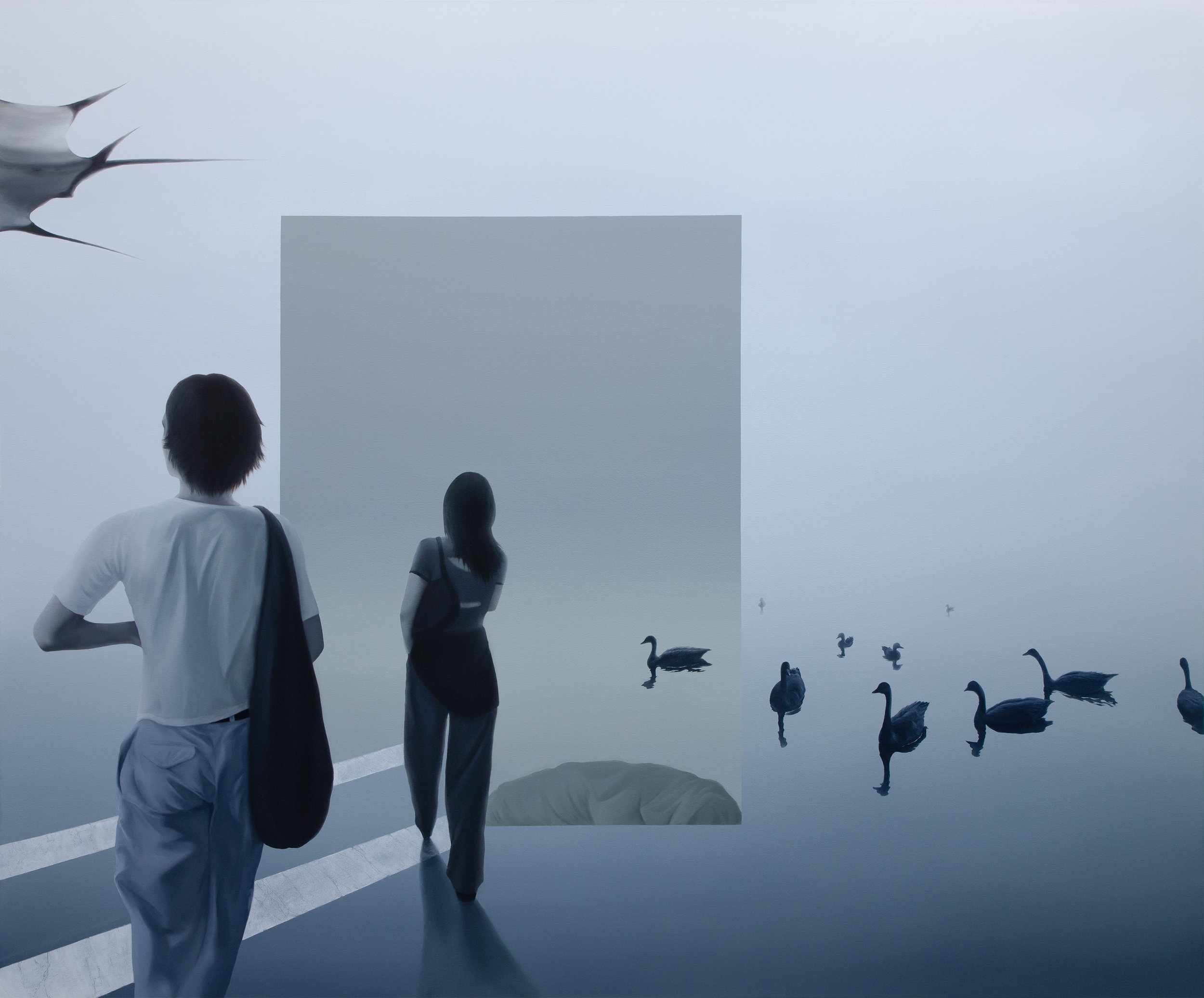
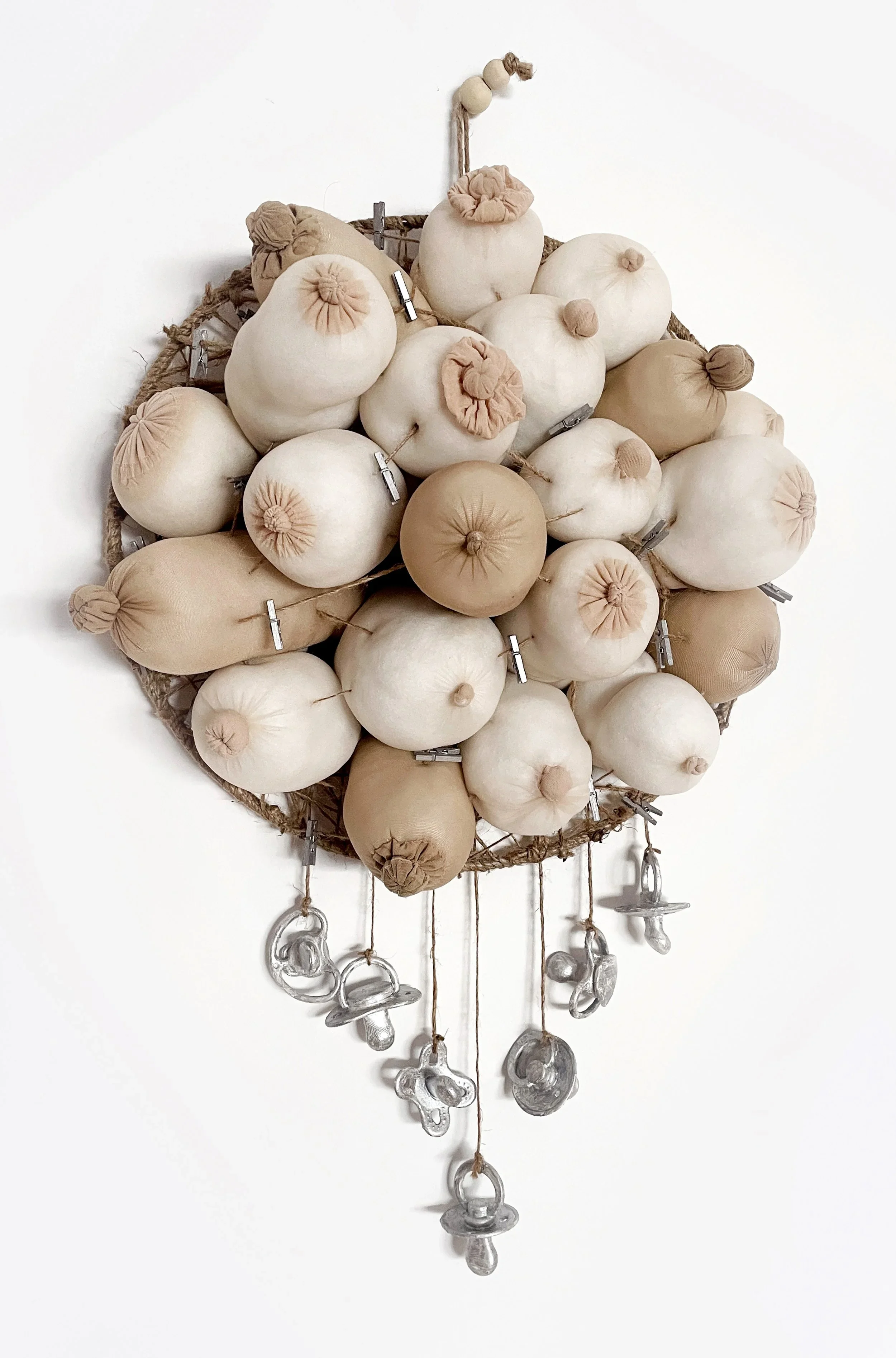

Brooklyn-Born Allan Gorman is a contemporary fine artist based in Jersey City, NJ, with a unique artistic vision cultivated by a distinguished commercial career that helped refine a sense of aesthetics and unwavering commitment to excellence that continues to define his artistic process to this day. His latest series of paintings is titled Imaginary Spaces.