
10 Questions with Leah Larisa Bunshaft
Leah Larisa Bunshaft (Dizlarka) was born in Ukraine and spent her youth in Russia. Later, she emigrated to Israel and currently lives and works in Spain. She holds an MA from the Arts and Construction Department of the Novgorod State University.
Trauma received in childhood, changes of countries influenced the choice of themes of the artist. A key theme in Leah's artworks is the vulnerability of the fragile human being in this insecure world, issues of femininity, women's lives, feminism and self-identity. She is also fascinated by the theme of time and cycles.
Dizlarka is a multidisciplinary artist who works in mixed media. Her artworks have been published and exhibited in the United States, Germany, the United Kingdom, Israel, Spain, Italy, and Greece (including presentations at the MoRA International Museum (USA), Civic Museum of Nepi (Italy) and Agostino Diused Museum (Italy).
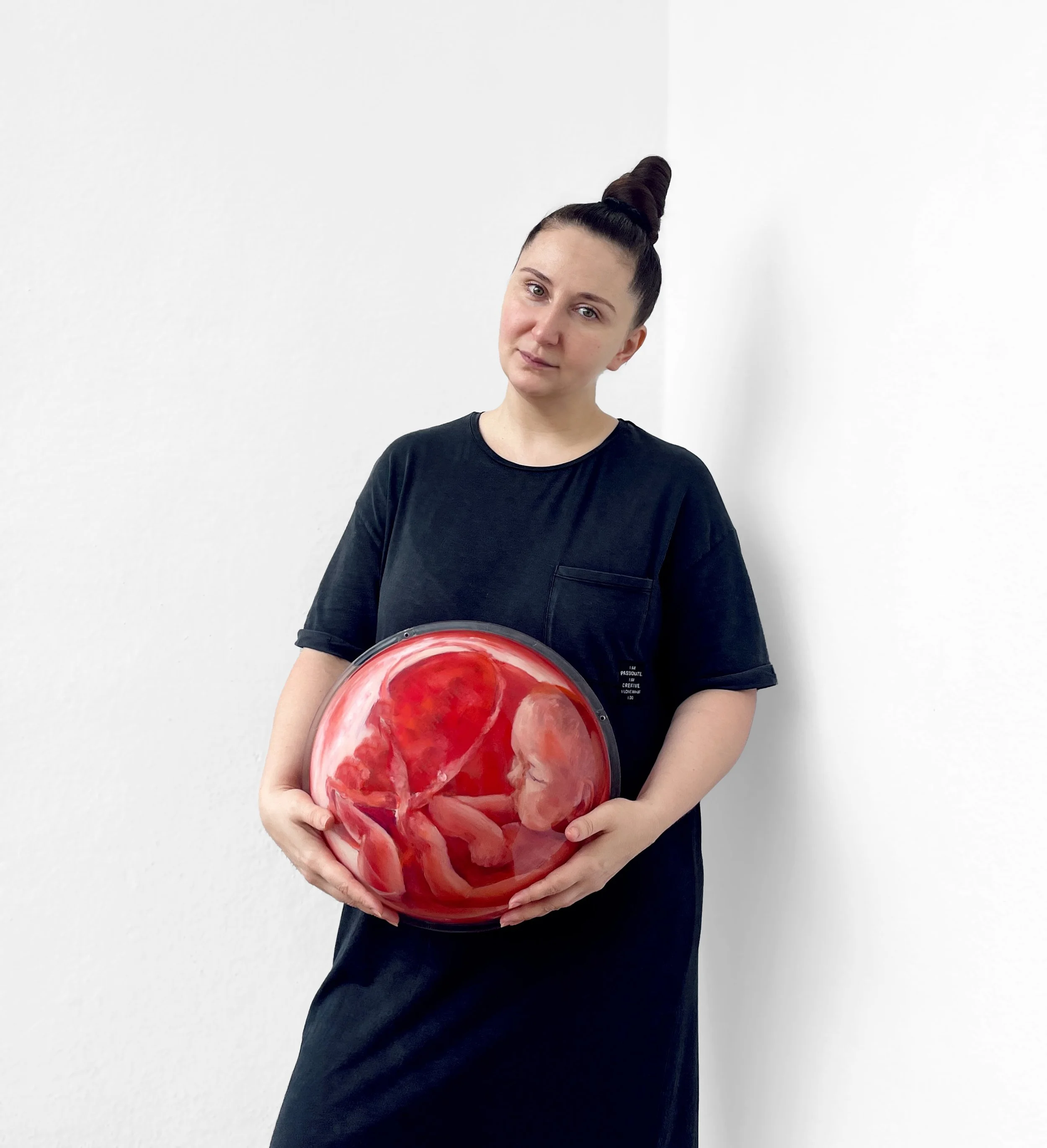
Leah Larisa Bunshaft - Portrait
ARTIST STATEMENT
Dizlarka creates art to highlight the fragility of human beings in an unstable world. In her practice, the artist explores themes of time and cycles, as well as questions of feminism, femininity, motherhood, and female identity.
Dizlarka’s work emerges from the tension between reality and fear, from the rapid changes in the world and the desire to find peace in times of uncertainty. Her experience of moving between cultures and living through periods of instability makes these themes deeply personal. Who is she and where does she belong? Without what would she cease to be herself? When does experience protect her, and when does it become a limitation? How can one enjoy nature and the laughter of children when the world is becoming increasingly dangerous? What does it mean to be a woman in the modern world? The artist observes subtle beauty, complex emotions, and moments that often go unnoticed.
Working with painting, drawing, installation, photography, and their combinations, Dizlarka seeks to express what is difficult to put into words. The form and material always follow the meaning she aims to convey. The artist is drawn to the mixing of materials, where the most compelling results emerge through their interaction.
In her practice, the artist asks whether it is possible to build an inner world even when the external one remains unstable. How can a delicate balance be found between control and freedom, between rootedness and change? Dizlarka believes that art can become a space of reconciliation, where vulnerability transforms into a path toward freedom and a bridge between inner truth and shared reality.

Vanishing, 150x150x10 cm, 2026 © Leah Larisa Bunshaft
INTERVIEW
Let’s start from the beginning. Can you tell us about your background and how your journey across different countries has influenced your artistic path?
I was born in Ukraine, grew up in Russia, later lived in Israel, and now I am based in Barcelona, Spain. This directly shaped my art. My life feels like a quilt of diverse experiences. I do not fully belong to one place or people. I feel comfortable everywhere, yet never entirely at home anywhere. This liminal state between cultures, languages, and identities became the core of my artistic voice. It pushed me toward work about belonging and the instability of modern life.
When did you first realise that art would become an important part of your life?
I have drawn since childhood, finding in it a private world of comfort. But after university, I chose graphic design for practical reasons, seeing it as more modern and exciting. Young people often lack the life experience to tell meaningful stories through art. My thoughts and feelings accumulated quietly. In early 2019, I attended a painting workshop just for fun and realised I was losing something essential by staying in design. That moment turned everything. I returned to art with new enthusiasm. My paintings became more meaningful and more honest. Art was no longer a hobby. It became my way of understanding myself and the world.

Broken, 20x34 cm, 2024 © Leah Larisa Bunshaft
Your work often explores vulnerability and identity. How did these themes enter your practice?
Naturally. I tried making art about abstract themes, but it did not inspire me. Over time, I realised that drawing from personal experience and making introspective art is my path. I am a sensitive person. As a child, I survived a serious accident, a fall with severe burns. The scars remain on my body today. That is when a deep fear of falling emerged, along with an intense desire for control. I grew up in Russia in the 1990s, a dangerous time for everyone. Later, living in Israel amid rocket attacks and terror events reinforced this awareness. With such a background, you understand how fragile human life is. How quickly your cosy little world can be shattered by politics, nature, or violence. These experiences became the foundation of my work on identity and fragility. Even during the pandemic, people in stable countries realised human vulnerability too...
How do ideas of femininity, feminism, and women’s experiences shape your work today?
This is integral to my practice. First and foremost, I was born a woman and feel like one. I like exploring women’s history and comparing it to women’s rights today. Many claim gender equality exists. It does not. We are at least a century away, assuming no major wars, since global crises always set women’s rights back. I cannot change everything, but I choose to speak about it. My art does not aggressively blame men. Instead, I show the emotional dimension of women’s lives, inviting men to feel it slightly. In my project "Fragile Beginnings," I explore pregnancy and motherhood. In "My Borders," I address the emotional aspects of women’s lives. These projects give voice to experiences often silenced or minimised.

Dangerous Standards, 23x65x17 cm, 2025 © Leah Larisa Bunshaft

Game on, 20x20x10 cm, 2023 © Leah Larisa Bunshaft
You frequently address time and cycles. What draws you to these concepts?
I am both drawn and terrified by cyclicity, the interconnectedness of everything, the repetition of patterns, proportions, behaviours, and events. I have only begun working with time cycles, mainly exploring them conceptually while gathering material for future practice. My artwork "Cycles of Despair," an art clock about unsuccessful attempts to conceive, visualises this tension. The artwork "Fractals of Love," kaleidoscopic photographs of my child, also reveals cyclic patterns in nature and human experience. I am fascinated by how time loops, how pain repeats, and how love regenerates. These cycles reflect both personal and collective rhythms.
Why do you choose to work across multiple media rather than a single medium?
Mixed media allows me to express themes more fully. Our time offers artists the freedom not to restrict themselves to one material. This is incredible luck, and it would be strange not to use it. For me, there is also an element of exciting play and self-challenge. Each medium brings its own language. Textiles carry intimacy, concrete carries weight and instability, and collage carries fragmentation. Working across media keeps my practice alive, dynamic, and honest to the complexity of my ideas.
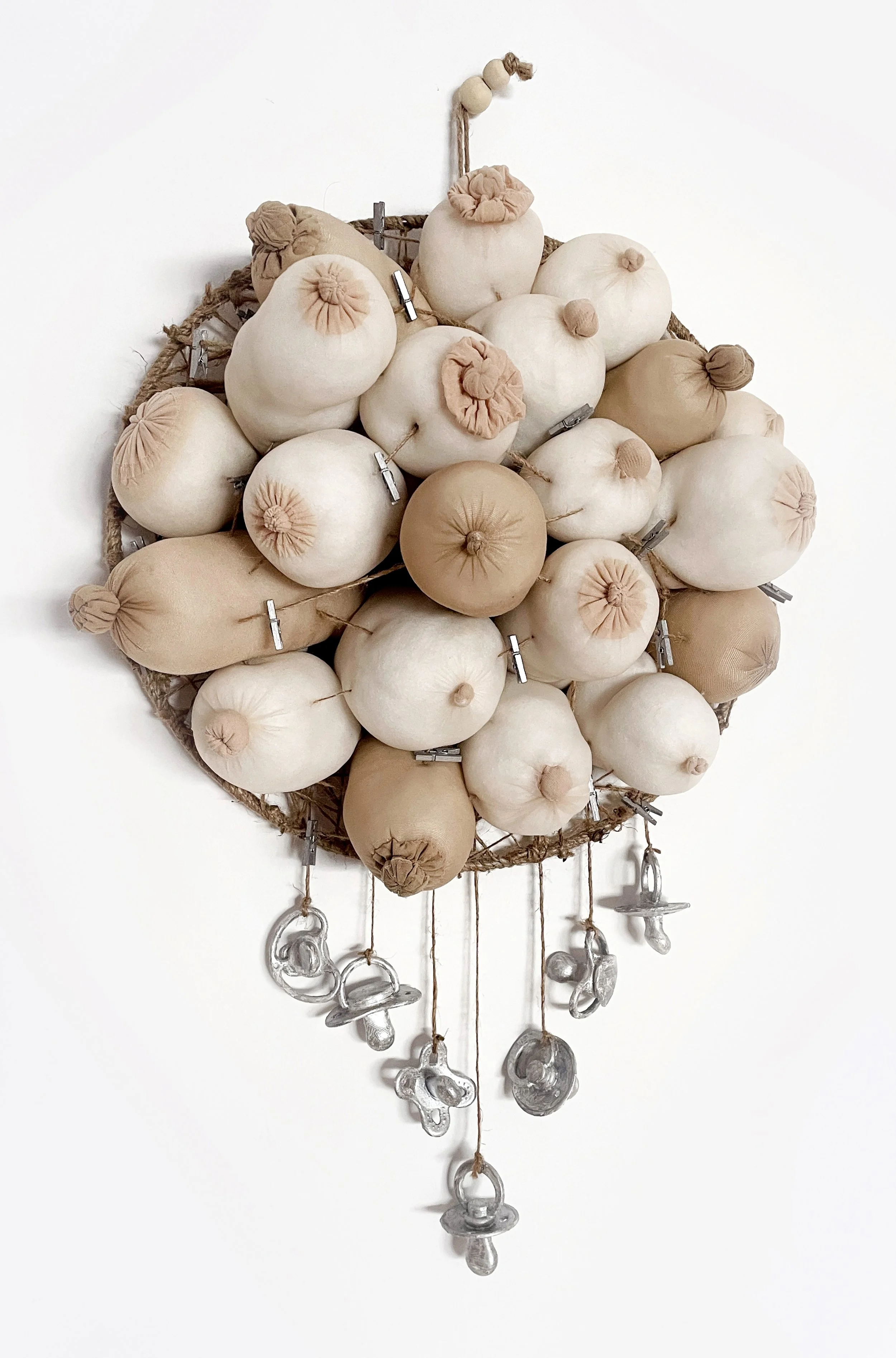
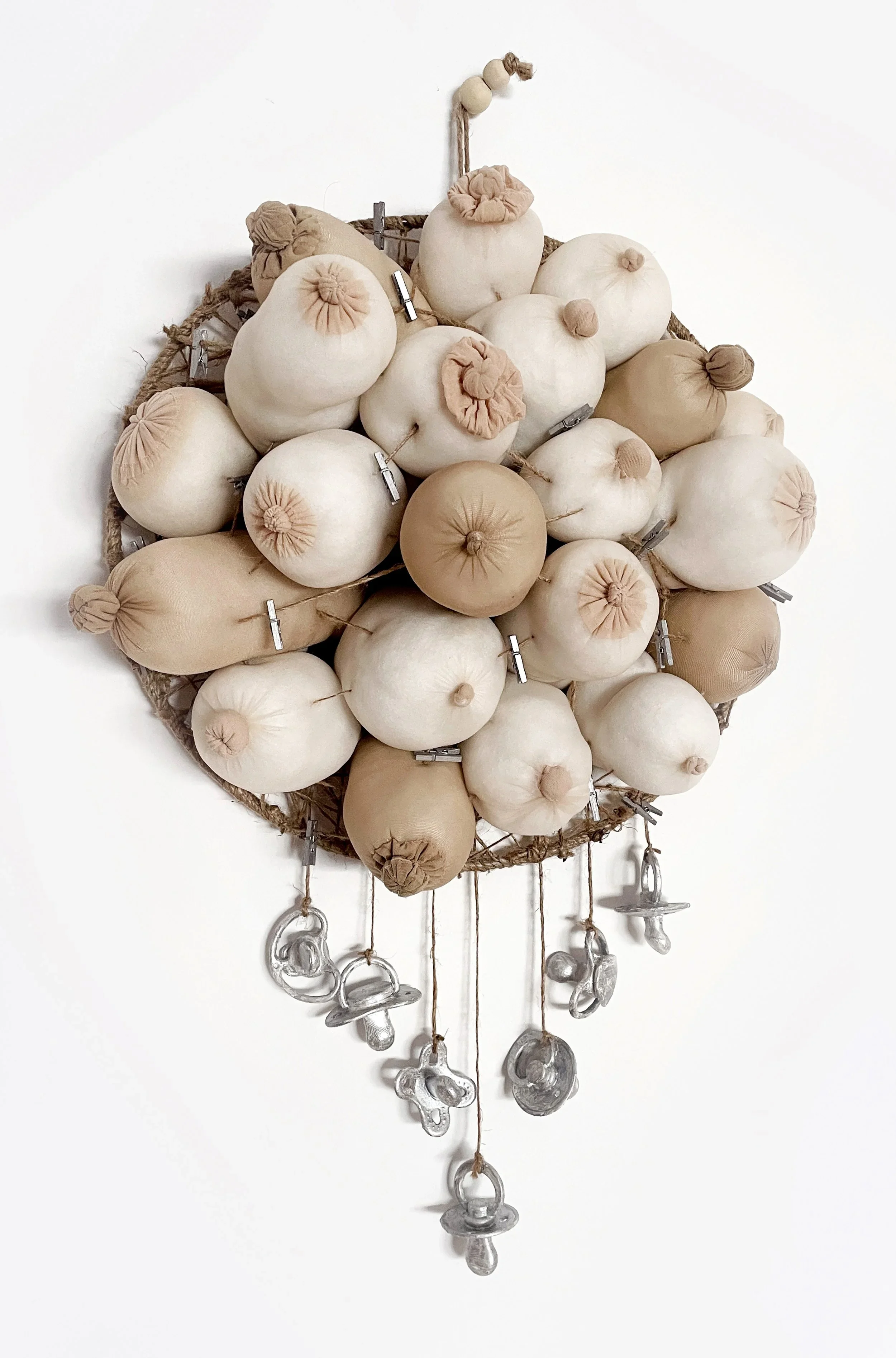
Not Mine Anymore, 70x40x20 cm, 2025 © Leah Larisa Bunshaft
How do materials influence the meaning or emotional tone of a work for you?
Material is merely the vehicle. The reverse is true. Once I decide what I want to say, I think broadly about which media will transmit this idea most accurately. For me, the core is transmitting the idea. Sometimes all I need for my work is canvas and oil paint, as in the artwork "The All-Seeing World". But I have installations I could not imagine as oil paintings on canvas without losing their entire depth and expressiveness (for example, art installation "Game on" or "Dangerous Standards"). In the artwork "Not Mine Anymore," a textile installation woven from my child’s first pacifiers, the material itself carries memory, fragility, and love. Concrete in my "Emigration and Adaptation" series conveys hardness, instability, and the weight of displacement. Materials do not dictate meaning. They amplify it.
Your practice reflects personal and collective instability. How do you translate these experiences visually?
I translate instability as I feel and can express it. Most intensely in my project "Emigration and Adaptation," where I use concrete, collage, and textile experiments. These exist as graphic works, paintings, and installations. The roughness of concrete, the fragmentation of collage, and the softness yet vulnerability of textiles all visualise the tension between stability and collapse. Instability is not just a theme. It is the atmosphere of our time, and my art tries to make it visible, tangible, and felt.

Through Her Own Eyes, 30x30 cm, 2025 © Leah Larisa Bunshaft
What kind of response or reflection do you hope viewers experience when encountering your work?
I hope for understanding. When a viewer sees my work, I want them to find a bit of themselves or someone they love, or to reflect and better understand another person. When we realise someone else shares our feelings, those feelings become more legitimate, and we feel less alone. I want us to become aware of our fears and experiences and to accept them within ourselves. By accepting ourselves, we can accept others who are different, leading to greater mutual understanding. In this complex global moment, when we are being divided by religion, politics, gender, sexuality, and countless other topics, art must remain the compass guiding us out of darkness.
Lastly, what are you currently working on, and what directions would you like to explore in the future?
A month ago, I exhibited "My Borders." Now I am focusing on presenting my other project, "Fragile Beginnings," a deeply personal series born from my own experience of a difficult late pregnancy and the first months of motherhood. Inspired by global fertility issues and conversations with women sharing their struggles, this socially oriented work addresses the value of life, the hardships of conception, and the psychological and physical transformations women face during and after pregnancy. I will continue exploring time, cycles, and migration. I am also developing two new conceptually rich series, which are still a secret. Broadly, my plan is to keep searching for myself in art and art in myself. I hope observing this process is at least interesting to others.
Artist’s Talk
Al-Tiba9 Interviews is a promotional platform for artists to articulate their vision and engage them with our diverse readership through a published art dialogue. The artists are interviewed by Mohamed Benhadj, the founder & curator of Al-Tiba9, to highlight their artistic careers and introduce them to the international contemporary art scene across our vast network of museums, galleries, art professionals, art dealers, collectors, and art lovers across the globe.

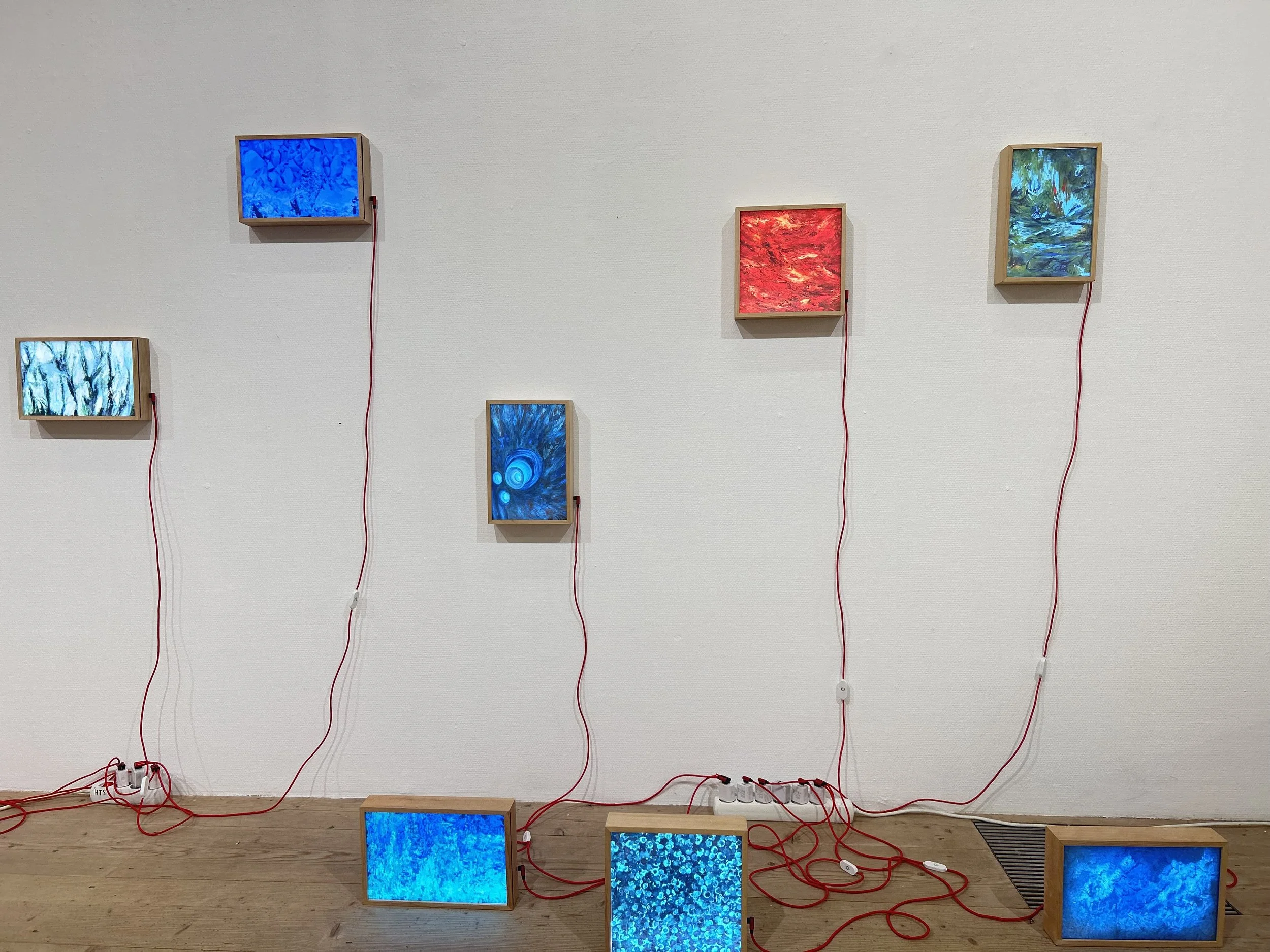

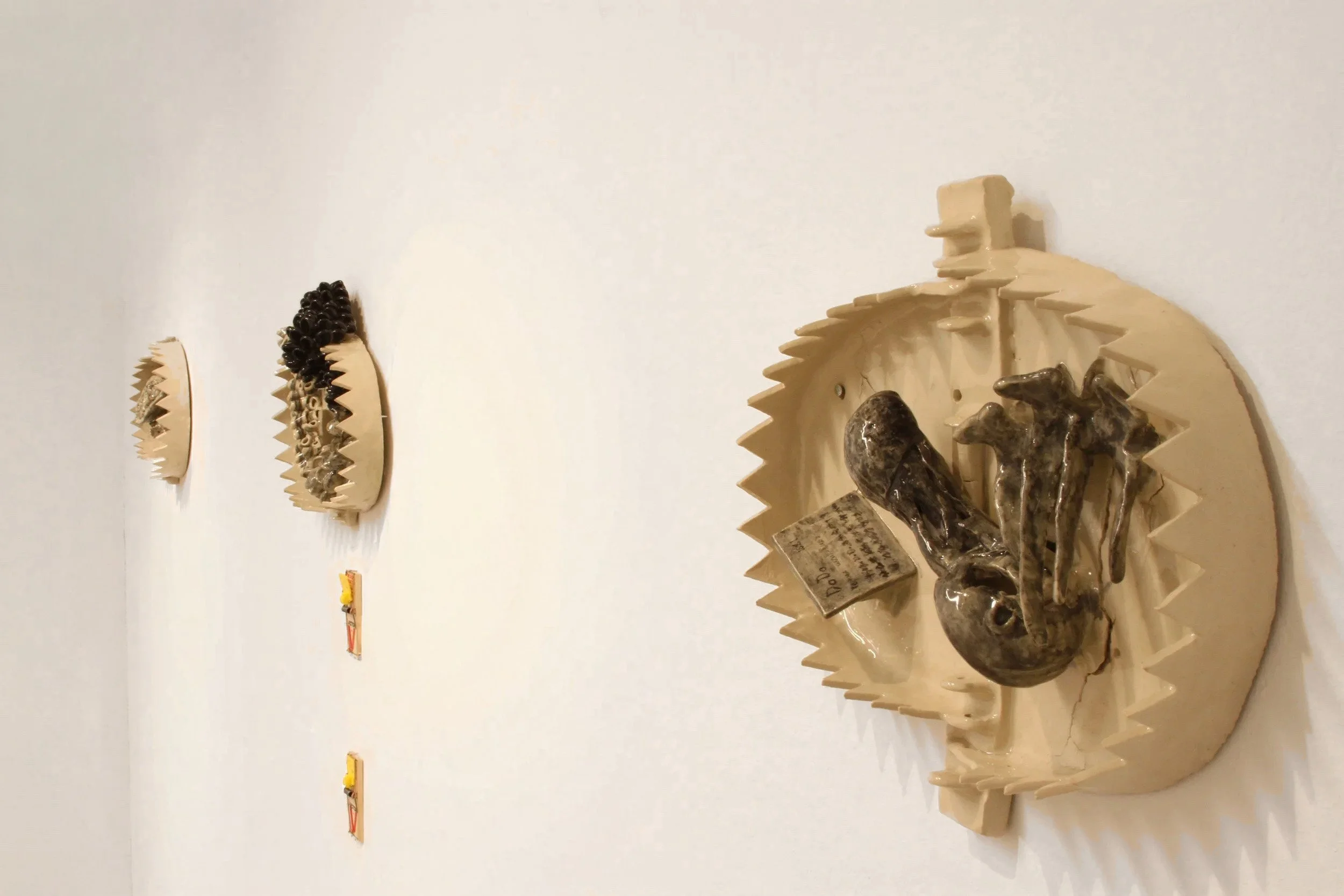

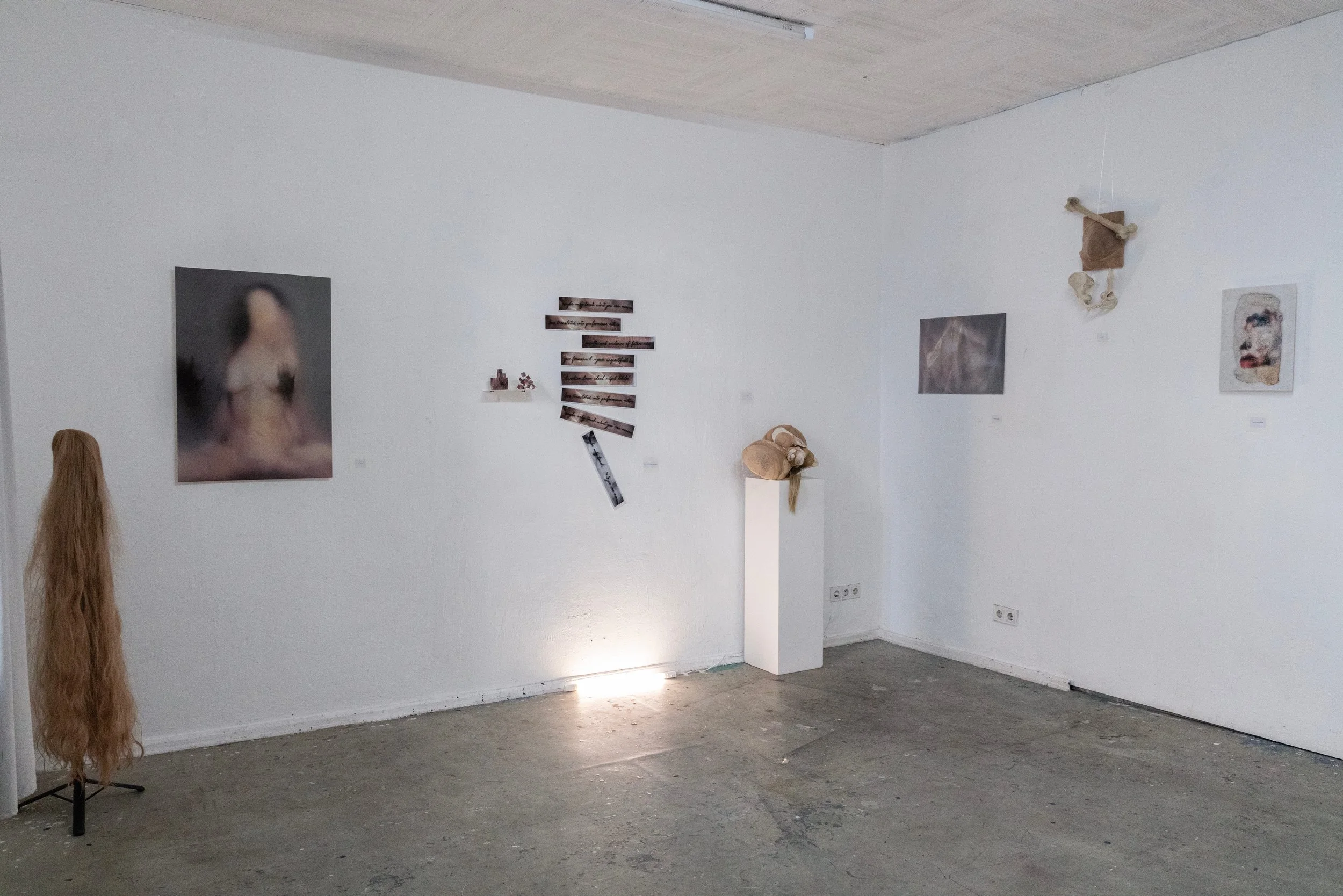
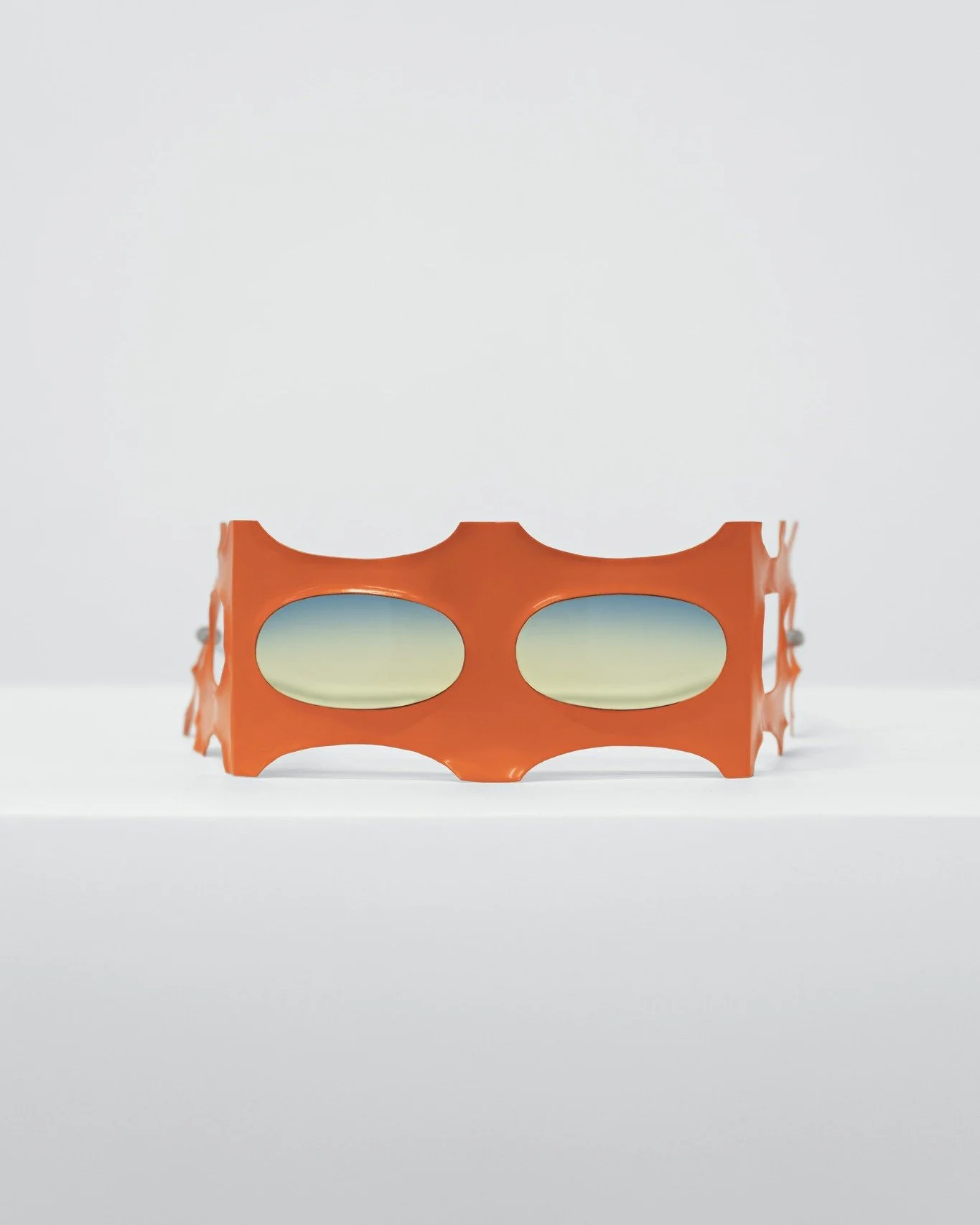
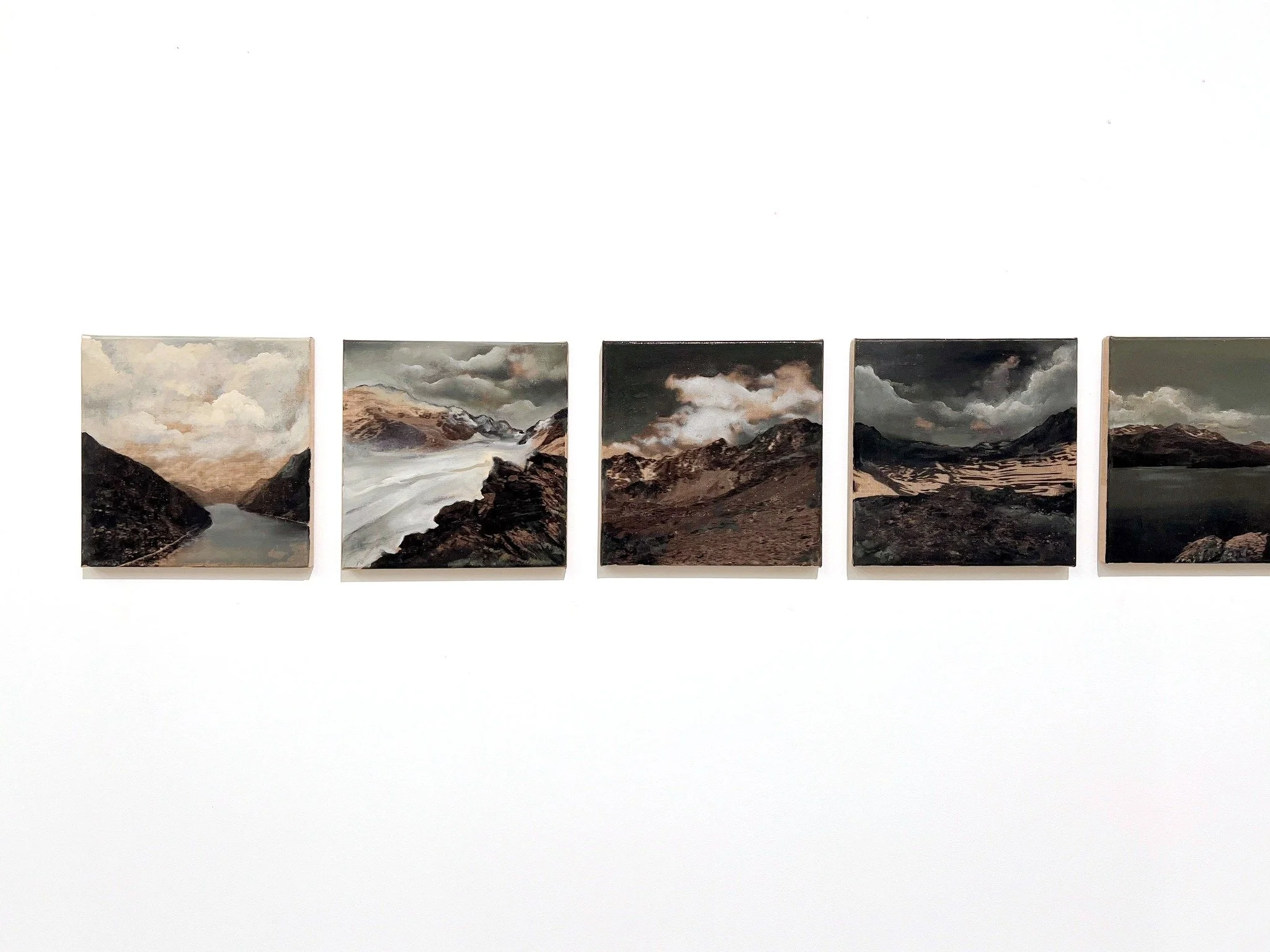
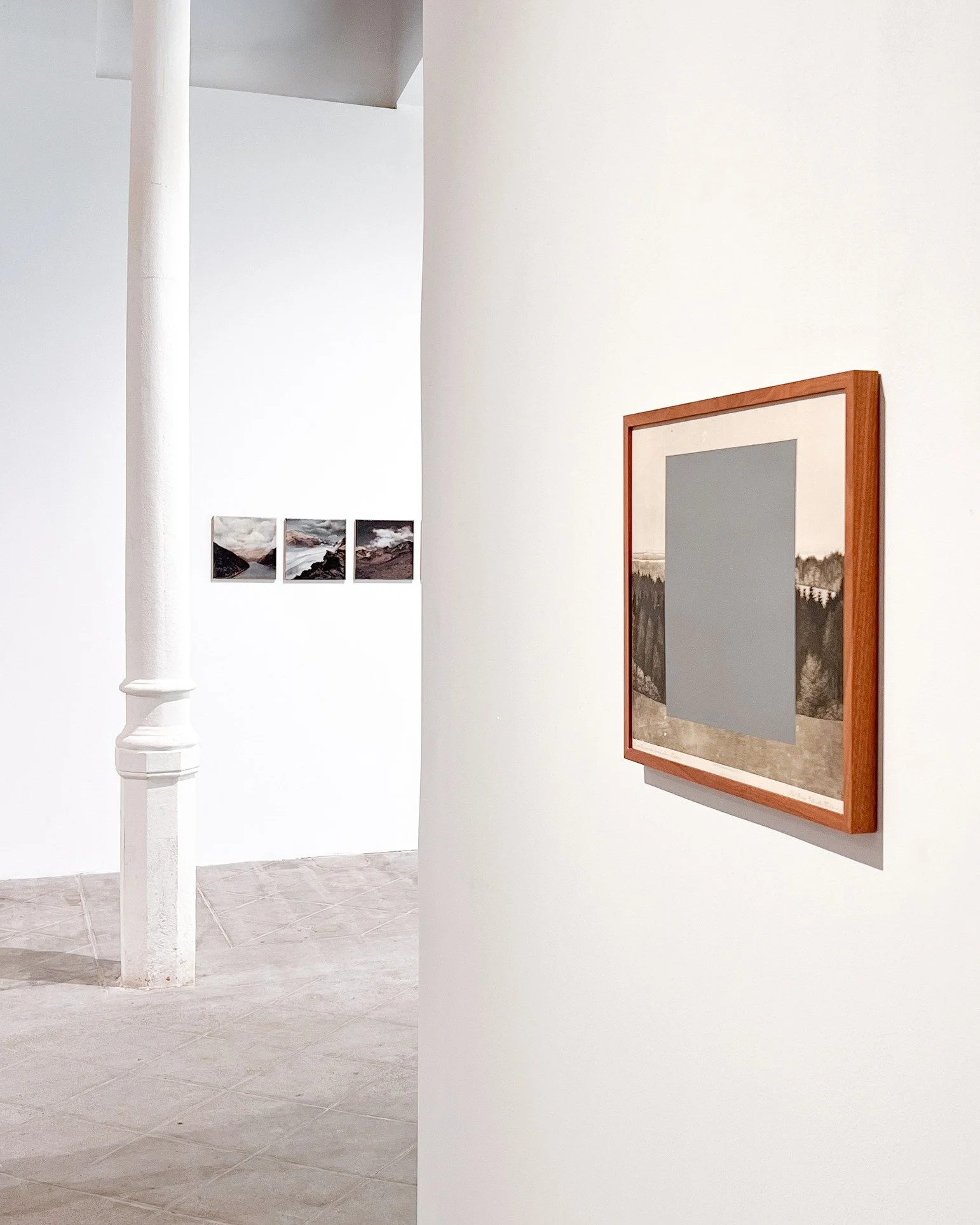
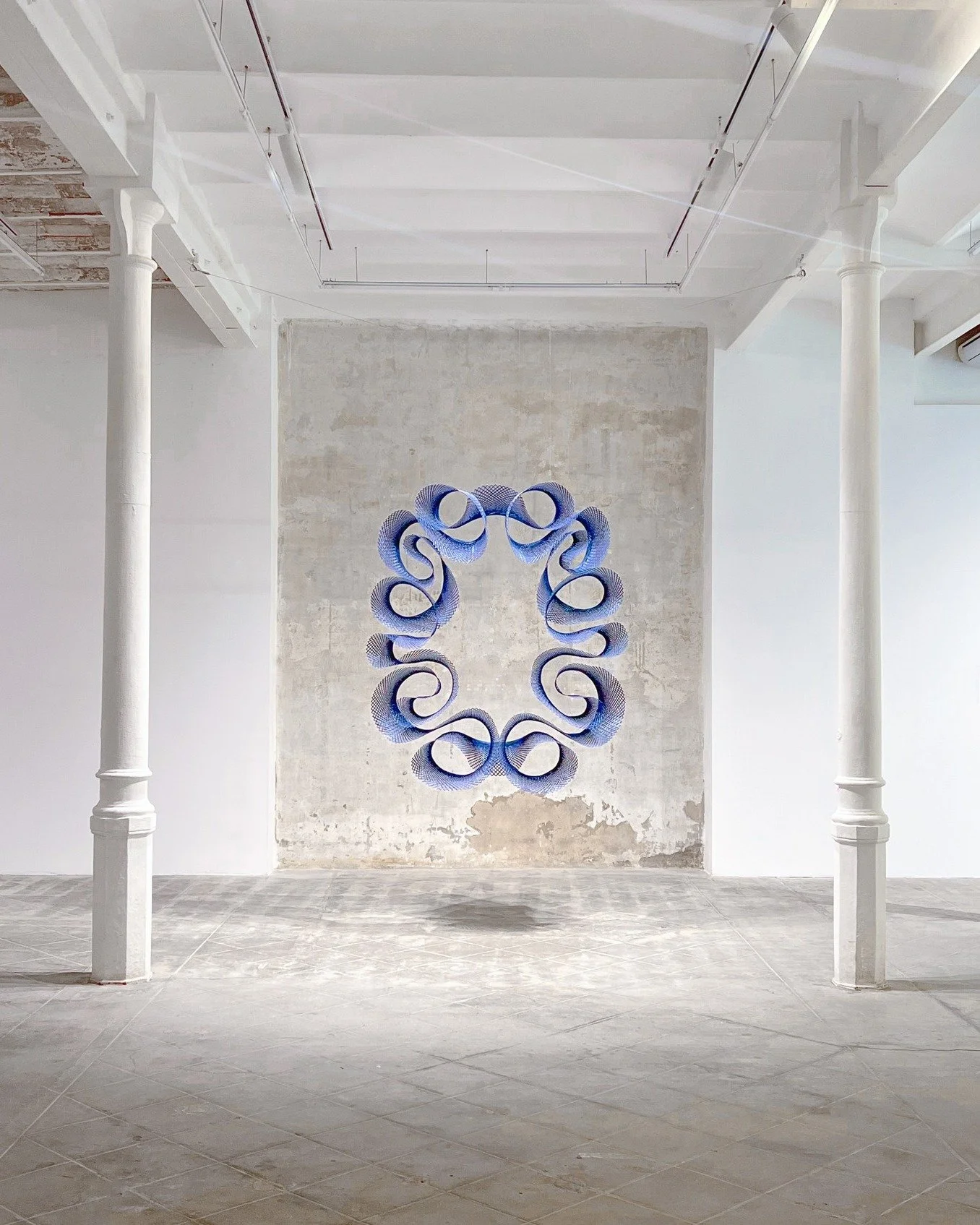
Kfir Galatia-Azulay Darash is an architect, engineer, multidisciplinary designer, and artist. In his practice, architecture defines the framework, scale, rhythm, and light; interior design addresses the body and the human experience; product design approaches detail, material, and physical contact; and art allows an idea to move beyond function and become emotion, memory, and interpretation.