

10 Questions with Run Wu
Run Wu is a Chinese Australian interdisciplinary digital artist, filmmaker, and signed commercial director currently based in Paris and London. Since 2013, he has been blending technical expertise with artistic innovation, establishing a distinctive voice in the realms of commercial and experimental media.
Run’s professional career has seen him contribute to high-profile commercial projects, showcasing his expertise in storytelling, motion graphics, and animation. By day, he works with global brands and agencies, creating world-class visual narratives. By night, he delves into the world of niche video art, exploring the intersections of identity, technology, and contemporary culture.
Drawing inspiration from his multicultural background and experiences across continents, Run's work often reflects themes of displacement, transformation, and the human condition. His video installations and experimental films have been featured on multiple online publications, earning him recognition for pushing the boundaries of digital media.
As a committed lifelong learner, Run continually experiments with both emerging technologies and traditional media, from photography, VR, to generative art, constantly collaborating with artists from different disciplines and seeking new ways to engage and inspire audiences. His unique ability to balance commercial viability with artistic integrity positions him as a compelling voice in the global creative landscape.
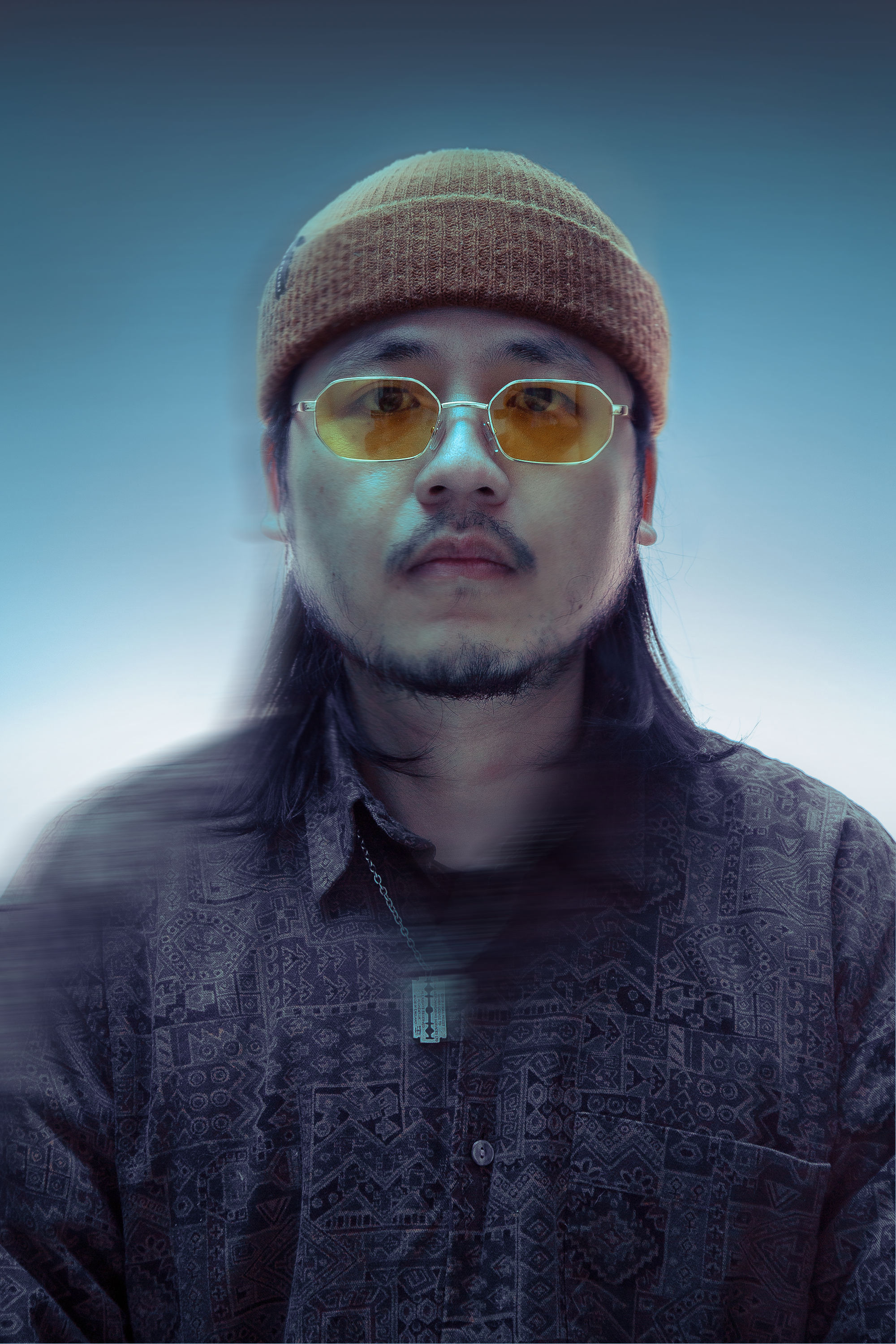
Run Wu - Portrait
ARTIST STATEMENT
Run Wu's work is dancing at the intersection of art, technology, expanded consciousness, and cinema, crafting immersive experiences that challenge perception and provoke thought. His distinctive approach to visual storytelling draws deeply from an eclectic range of influences, including the avant-garde spirit of the French New Wave, the enigmatic narratives of Edogawa Ranpo, and the surrealist explorations of Shūji Terayama.
By fusing these inspirations with cutting-edge digital techniques, Run creates works that blur the boundaries between the tangible and the abstract, inviting audiences to engage with layered narratives and dreamlike visuals. His practice reflects a commitment to exploring the evolving relationship between humanity and technology, delving into themes of memory, identity, and the subconscious.
Whether through experimental video art, animation, or interactive installations, Run Wu continuously seeks to push the limits of visual storytelling, offering viewers a portal to realms where imagination and innovation converge.
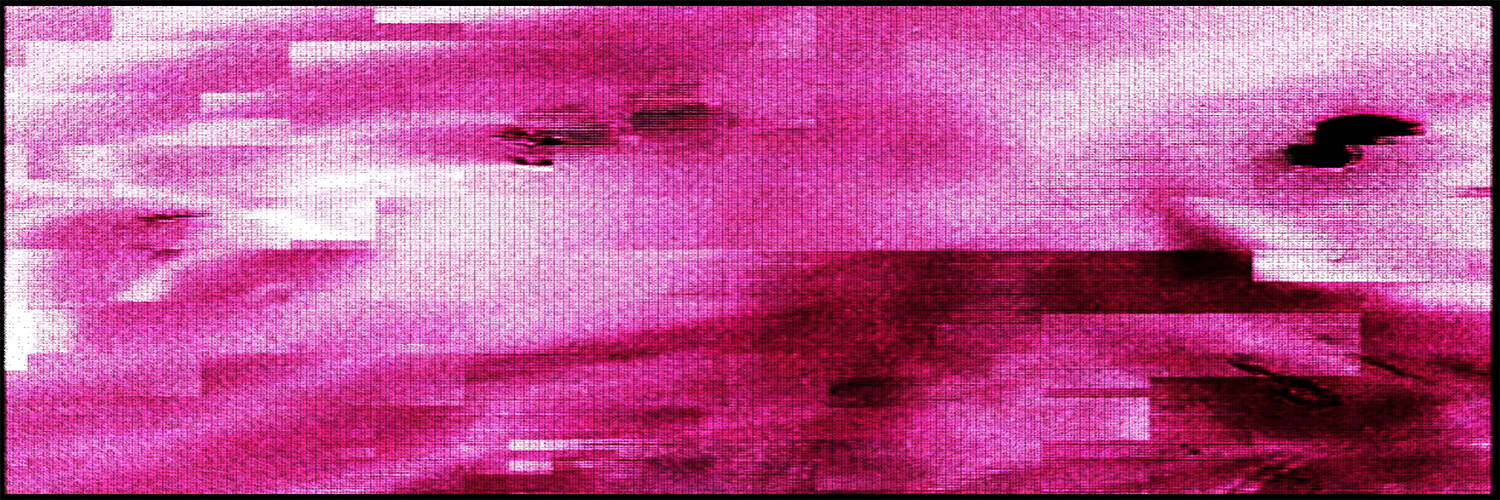
Karawane, Video, Digital, 2024 © Run Wu
INTERVIEW
Your work spans various media, including video art, animation, and interactive installations. How did you develop your interdisciplinary approach, and what continues to inspire you to explore new technologies?
My practice developed through a gradual movement between disciplines rather than a deliberate attempt to define one. I started in motion design and film production, but I quickly became interested in how moving images could exist beyond traditional cinematic formats, as installations, spatial experiences, or digital environments.
Over time, film, animation, photography, and experimental visual art became interconnected languages rather than separate media. Each project determines its own form. Sometimes an idea demands the intimacy of cinema; other times it becomes something more architectural or immersive.
Technology plays an important role in this process. I see new tools less as technical upgrades and more as extensions of artistic vocabulary. They allow us to imagine new visual grammars and new ways of constructing experience.
As a Chinese-Australian living between Paris and London, how does your multicultural background shape your artistic narrative and themes?
Living between cultures inevitably changes the way one perceives identity and belonging. My background exposed me early to different cultural systems, aesthetic traditions, and ways of interpreting images.
That experience created a kind of dual perspective, simultaneously inside and outside of cultural contexts. In my work, this often appears through themes of hybridity, displacement, and transformation.
Cities like London and Paris are also places where histories and contemporary cultures constantly overlap. Being immersed in those environments reinforces my interest in how identities evolve within globalised visual culture.
Your career bridges commercial projects and experimental art. How do you balance the demands of commercial storytelling with your personal artistic vision?
For me, the distinction between commercial and experimental work is less rigid than it might appear. Both involve storytelling, collaboration, and the development of visual language.
Commercial projects operate within larger production ecosystems, which can be incredibly stimulating; they involve dialogue with directors, designers, and technologists at scale. Experimental work offers a space for intuition and conceptual exploration.
Rather than balancing the two, I see them as mutually reinforcing. Ideas developed in experimental contexts often influence the aesthetics of commercial work, while the discipline and technical complexity of commercial projects refine my independent practice.

Karawane, Video, Digital, 2024 © Run Wu
Memory, identity, and the subconscious are central themes in your work. What inspired you to explore these areas, and how do you translate abstract concepts into visual storytelling?
I’m interested in the fragile relationship between memory and image. In contemporary culture our memories are increasingly mediated by digital archives, algorithms, and visual interfaces.
This creates a strange condition where personal memory and technological representation begin to overlap. My work often explores that tension, how identity is constructed through fragments, symbols, and visual echoes rather than fixed narratives.
Visually, I approach these themes through atmospheric environments, layered imagery, and symbolic forms. Instead of presenting direct explanations, the work creates spaces where viewers can navigate meaning through emotional and visual association.
Your inspirations range from the French New Wave to Edogawa Ranpo and Shuji Terayama. How do these influences manifest in your projects?
What draws me to those figures is their willingness to challenge conventional storytelling and explore psychological or surreal territories. The French New Wave introduced a radical freedom in cinematic language, while artists like Edogawa Ranpo and Shuji Terayama explored darker poetic dimensions of narrative and identity.
Rather than referencing them directly, I’m interested in translating their experimental spirit into contemporary visual forms through digital imagery, hybrid cinematic structures, and immersive visual environments.

Karawane, Video, Digital, 2024 © Run Wu
Technology plays a significant role in your art. How do you address the ethical and emotional aspects of humanity’s evolving relationship with technology?
Technology has become inseparable from how we perceive reality. It shapes communication, memory, and even our sense of identity.
In my work, I’m interested in the ambiguous space between fascination and unease that technology creates. Instead of presenting it as either utopian or dystopian, I try to explore the emotional complexity of living within increasingly mediated environments.
Art offers a space where we can reflect on these shifts, not by providing answers, but by making the invisible systems shaping our lives more perceptible.
Your projects often blur the boundary between the tangible and the abstract. How do you approach building immersive narratives?
I often begin with a conceptual structure rather than a linear narrative. From there, I construct visual systems, environments, textures, motion languages, and symbolic elements that can communicate meaning beyond dialogue.
In installations or spatial works, the audience becomes part of the narrative architecture. The goal is to create layered experiences where viewers move through visual environments and construct their own interpretations.
Themes of displacement and transformation recur in your work. How do these ideas connect to your personal experiences?
Living between countries inevitably introduces a sense of movement and transformation. Identity becomes less fixed and more fluid, shaped by geography, culture, and context.
These experiences resonate in my work through evolving environments, hybrid forms, and narratives that explore transition or mutation.
I’m interested in how transformation, whether personal, cultural, or technological, becomes a central condition of contemporary life.

Karawane, Video, Digital, 2024 © Run Wu
What emerging technologies or artistic developments excite you most right now?
I’m particularly interested in how emerging tools such as real-time rendering, machine learning, and hybrid digital-physical installations are changing how visual work can be experienced.
What excites me most is not the technology itself, but how artists reinterpret these tools in poetic or unexpected ways.
The future of visual art will likely be defined by hybrid practices where film, spatial design, and digital systems intersect.
What are you currently working on?
I’m currently developing several projects that continue exploring the intersection of moving image, technology, and contemporary visual culture.
Alongside collaborations with studios and creative partners, I’m also expanding my independent practice through Run WuStudio, where I develop film, photography, and experimental visual projects that investigate new visual languages in the digital era.
Artist’s Talk
Al-Tiba9 Interviews is a curated promotional platform that offers artists the opportunity to articulate their vision and engage with our diverse international readership through insightful, published dialogues. Conducted by Mohamed Benhadj, founder and curator of Al-Tiba9, these interviews spotlight the artists’ creative journeys and introduce their work to the global contemporary art scene.
Through our extensive network of museums, galleries, art professionals, collectors, and art enthusiasts worldwide, Al-Tiba9 Interviews provides a meaningful stage for artists to expand their reach and strengthen their presence in the international art discourse.


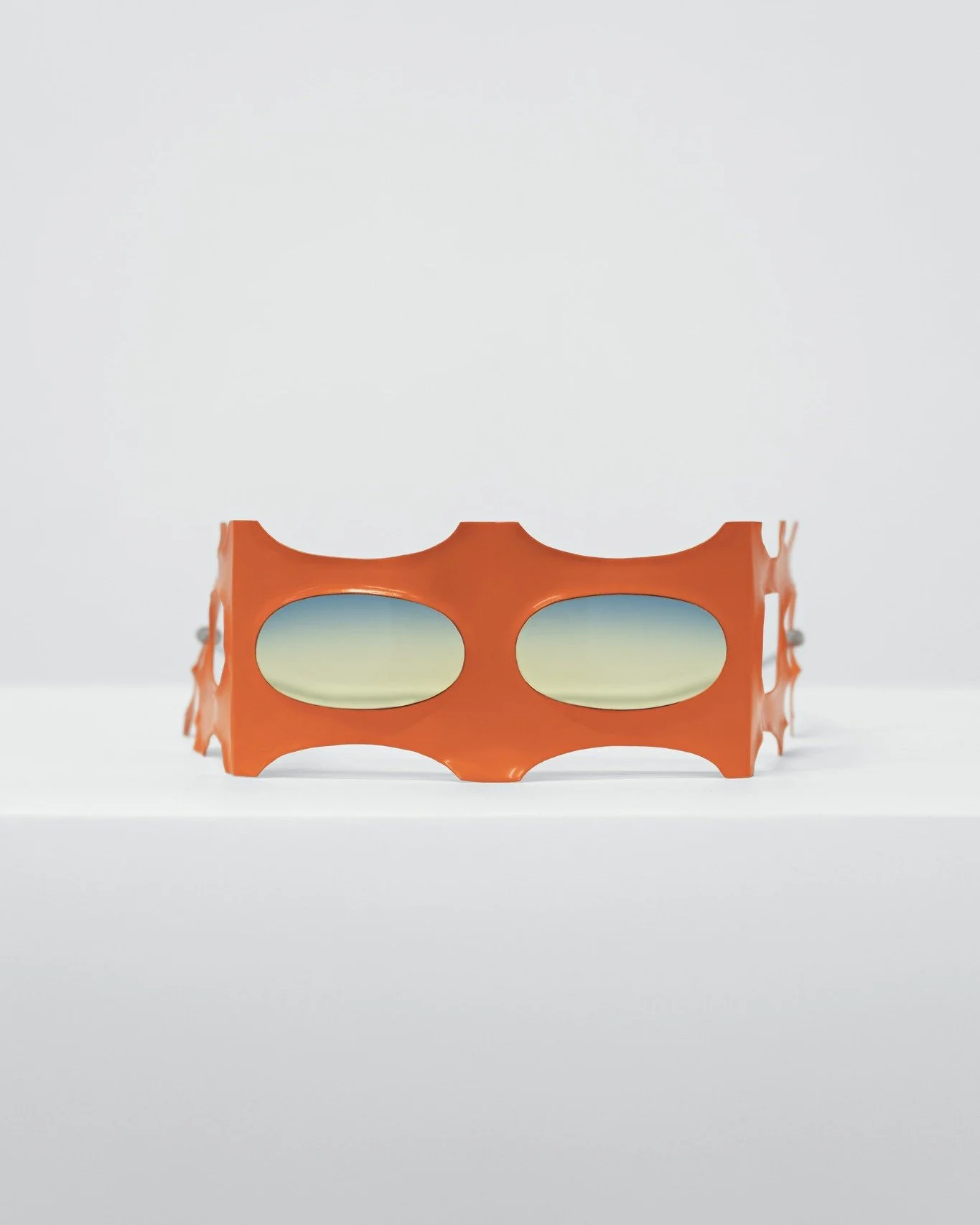
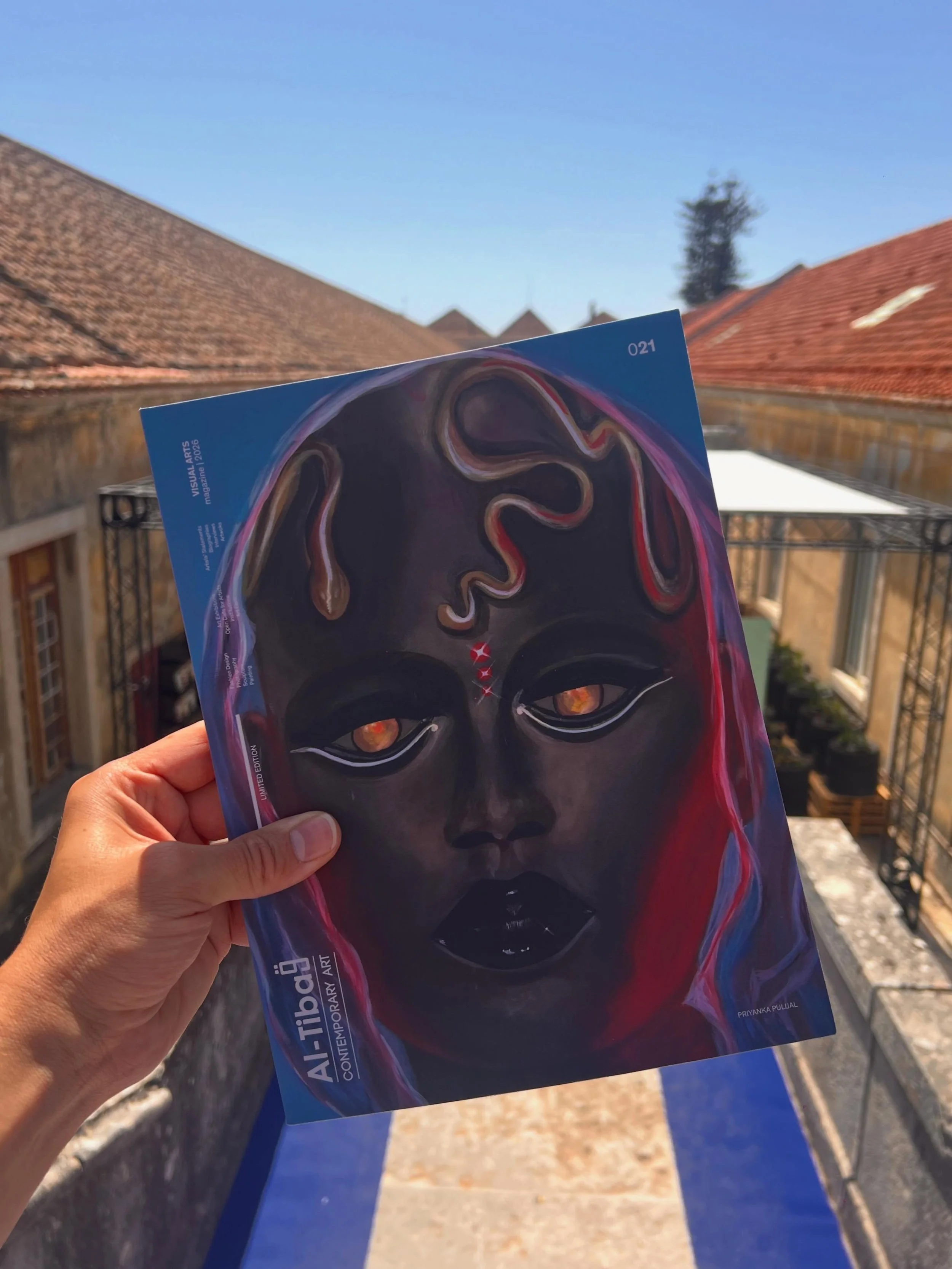
Lumi Liu is a New York–based designer and visual artist working at the intersection of art, medical visualisation, and public expression. Her practice explores consciousness, hidden biological systems, and the multiple dimensions of life that exist beyond human awareness. Lumi transforms these invisible biological architectures into poetic artistic experiences.