

10 Questions with Heejai Park
Heejai Park is a visual designer working at the intersection of design and technology. Based between San Francisco and Seoul, she explores how emerging technologies can shape new visual languages and human experiences. Her work combines brand identity, generative design, motion, and experimental installations, often integrating tools such as creative coding and data-driven systems.
Heejai studied Graphic Design at ArtCenter College of Design, where she developed an interdisciplinary approach that connects visual communication with interactive media and physical environments. Her projects range from identity systems and digital interfaces to installations that respond to real-time data.
She is currently working as a visual designer on the Google Pixel team, contributing to scalable design systems across multiple surfaces. Through her work, she seeks to bridge the gap between human creativity and technological systems, creating experiences that are both functional and expressive.
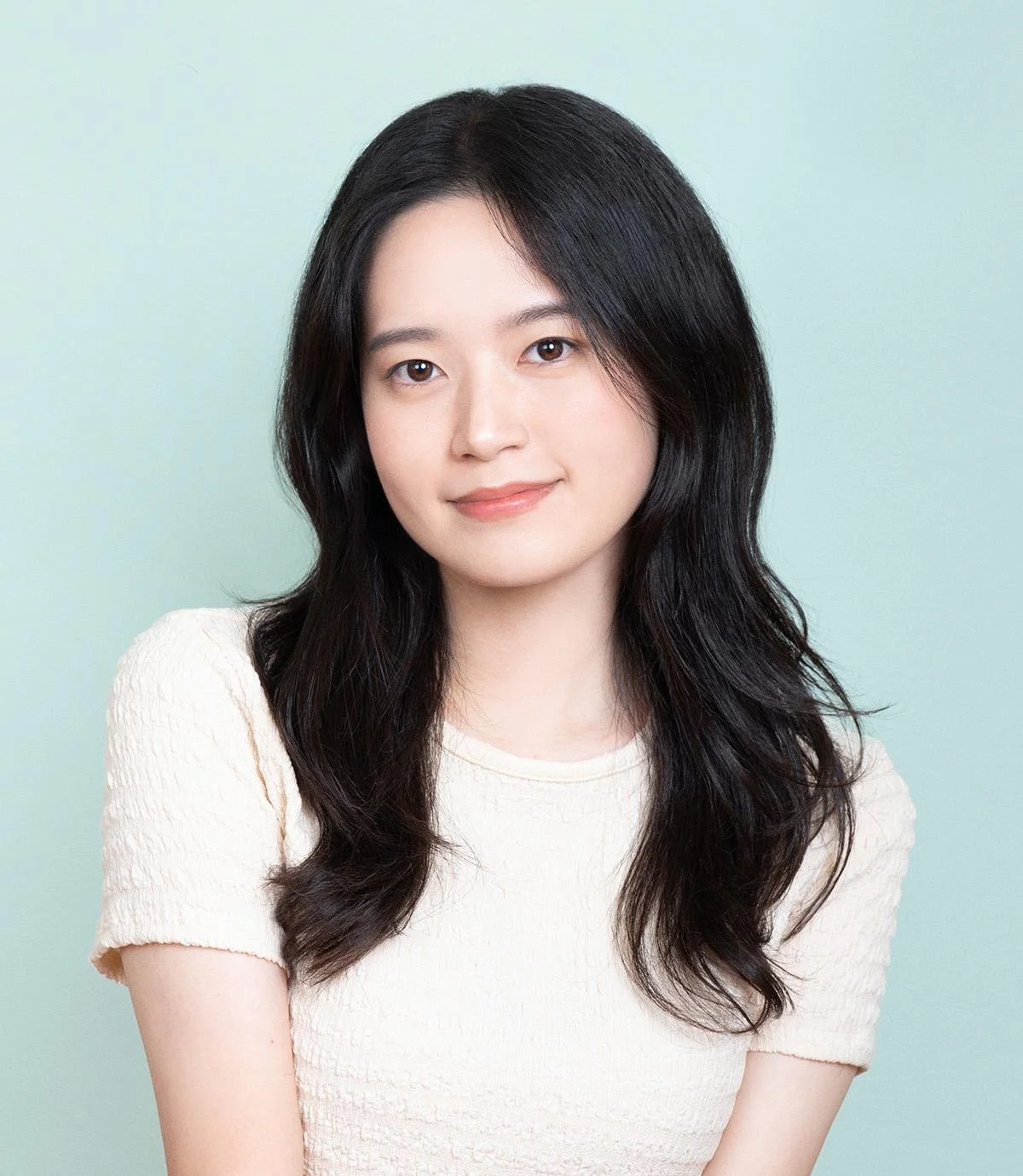
Heejai Park - Portrait
ARTIST STATEMENT
Heejai Park’s work explores the relationship between humans and technology through visual design and experimental systems. She is interested in how artificial intelligence and digital tools influence the way people think, create, and perceive the world.
Her projects often translate invisible data and computational processes into tangible visual forms. Using generative systems, real-time data, and modular structures, she creates works that evolve over time and respond to changing conditions.
Rather than treating technology as purely technical, Heejai approaches it as a creative medium. She uses design as a way to question how digital systems shape everyday experiences and human cognition.
Through her work, she aims to create meaningful connections between people and technology, transforming complex systems into intuitive and engaging visual experiences.
Electric Fog, Custom-built desk, cardboard, projector, 10x8 ft, 2025 © Heejai Park
INTERVIEW
Do you remember when you first realized you wanted to become an artist? What drew you to visual expression?
I do not think there was a single moment when I decided to become an artist. It was something that built over time. Growing up in Korea, I was preparing for art school, which meant constantly drawing and observing the world around me. Visual expression became the most natural way for me to process and communicate ideas.
I became less interested in drawing as a technical skill and more interested in how visuals could carry meaning. A small change in form or composition could completely shift perception. That curiosity made me realise that visuals are not just images, but ways of thinking.
How did your experience at ArtCenter College of Design shape your interdisciplinary approach?
ArtCenter pushed me to move beyond static design. I started to see design not as a fixed outcome, but as something that can evolve and respond over time.
Through classes like generative design and transmedia, I began working with code, motion, and interaction. That was a turning point. I realised I could build systems and experiences rather than just individual pieces.
It also changed how I think about design. Instead of focusing on a single artefact, I began designing rules, behaviours, and structures. That way of thinking continues to shape my work today.

Electric Fog, Custom-built desk, cardboard, projector, 10x8 ft, 2025 © Heejai Park
How did you develop a hybrid practice across branding, motion, and installation?
It came from a sense that each medium felt incomplete on its own. Branding felt too static. Motion felt limited in duration. Installation felt tied to a specific space. When I started combining them, they began to support each other. A visual identity could extend into motion, and then into a spatial or interactive experience. I stopped thinking in terms of medium and started thinking in terms of systems that can exist across different contexts. That is how my hybrid practice developed.
When did you begin to see technology as a creative medium?
At first, I used technology mainly as a tool. But when I started working with creative coding, that perspective shifted. Code introduced a level of unpredictability. Instead of controlling every outcome, I could define a system and allow it to generate results. That shift changed how I approached design. Technology became something I could collaborate with. It introduced behaviour, variation, and time into my work in a way that traditional tools could not.

Synthetic Cognition, paper, 7x10 in, 2025 © Heejai Park
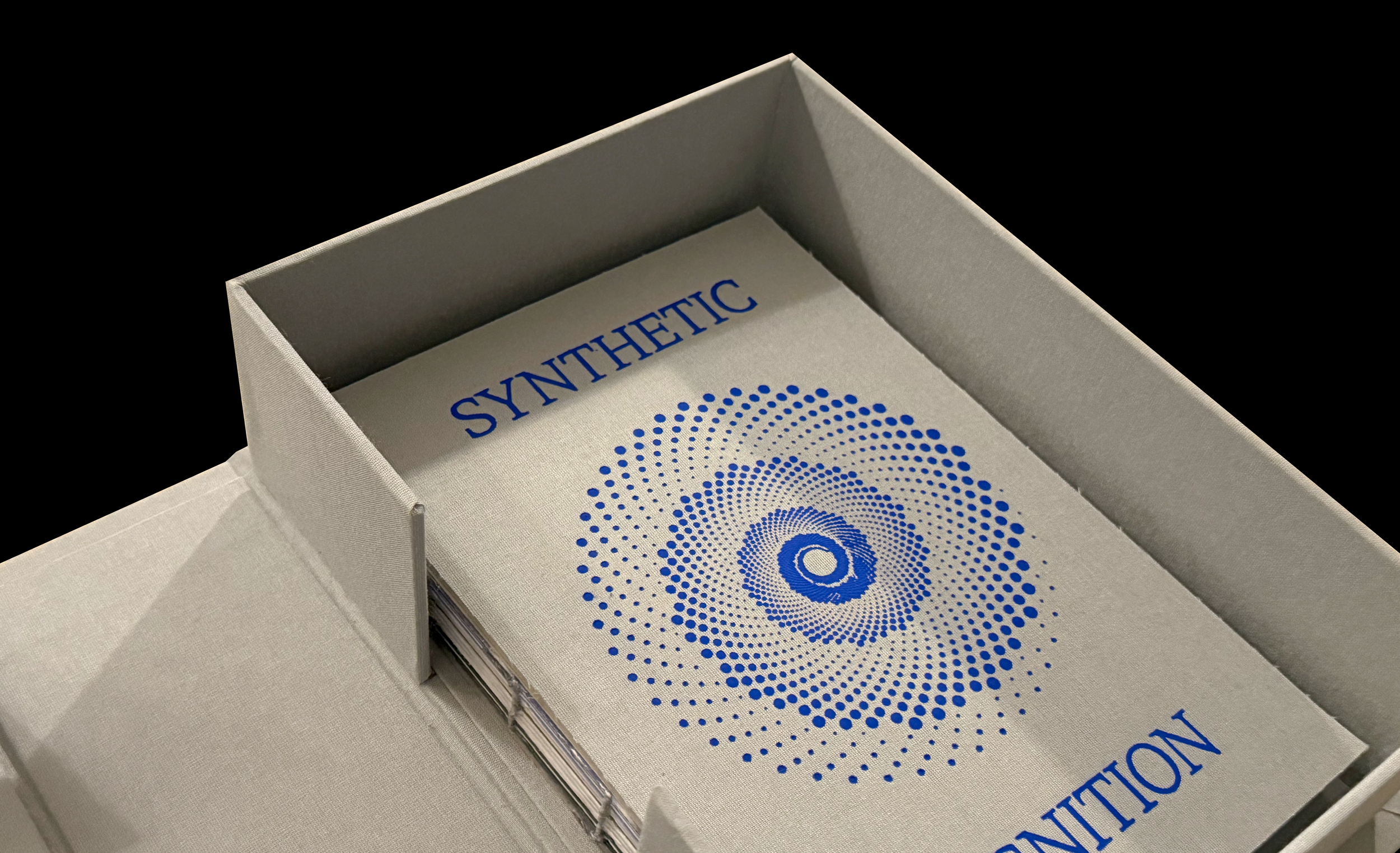
Synthetic Cognition, paper, 7x10 in, 2025 © Heejai Park
What interests you about making computational processes visible?
Many of the systems we interact with today are invisible. Algorithms and data flows constantly shape our experiences, but we rarely see them. I am interested in making those systems perceptible. Not necessarily to explain them, but to let people feel their presence. When data becomes visual through patterns or motion, it creates a different kind of awareness. It makes abstract systems tangible and sometimes slightly uncomfortable. That tension between what is visible and what remains hidden is something I continue to explore.
Can you describe your creative process, especially for generative or data-driven projects?
I usually begin with a concept rather than a visual outcome. I ask questions like what it means to translate data into form or how a system behaves over time. From there, I define variables such as inputs, rules, and constraints. For example, I decide what data I will use, how it maps to visual elements, and what kind of behaviour it produces. Then I prototype using code. The process is iterative. I generate results, observe them, and refine the system. Instead of designing one final composition, I am designing a range of possible outcomes.
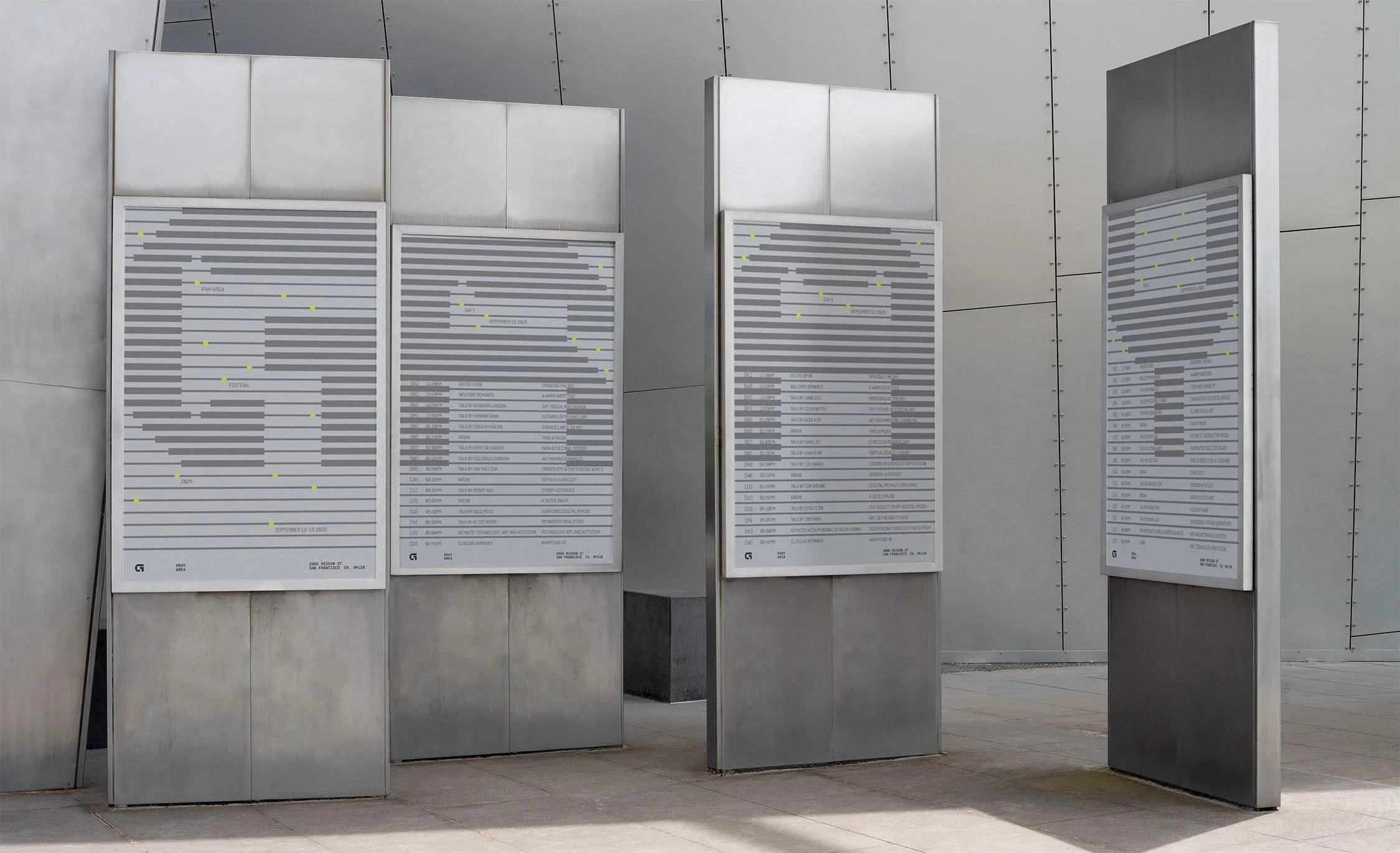
Gray Area, paper, 24x36 in, 2025 © Heejai Park
What technologies excite you the most right now, and why?
I am especially interested in real-time systems and AI. Real-time data allows work to stay responsive. It changes based on context, such as environment or user interaction. That makes the work feel alive. AI introduces a different kind of collaboration. It challenges the idea of authorship and control. It forces you to think about how much of the outcome is intentional and how much emerges from the system. Both areas push design toward something more dynamic and less fixed.
How has your work on Google Pixel design systems influenced your personal practice?
Working on Google Pixel, especially on scalable systems like Live Updates, has changed how I think about structure and constraints. Design in that context is not just about expression. It is about clarity, scalability, and consistency across different surfaces. Every decision has to function within a larger system. That thinking has influenced my personal work as well. Even in experimental projects, I approach them as systems that can adapt and evolve. There is an ongoing balance between structure and experimentation, and that balance has become central to my practice.

Fog Generator, Digital, 1920x1080 px, 2025 © Heejai Park
What new themes or directions are you interested in exploring?
I want to explore the relationship between physical and digital space more deeply. Much of my work translates data into visuals, but I am interested in pushing that into spatial experiences that people can move through and interact with. I am also drawn to themes around surveillance, identity, and systems of control, especially how invisible systems influence human behaviour.
What is one goal you hope to achieve by 2026?
By 2026, I want to create a project that brings together design, technology, and interaction into one cohesive system. I imagine something that exists across visual, spatial, and computational dimensions. Not just as an artwork, but as an experience that people can engage with in real time. My goal is to continue exploring the boundary between design and systems, and to create work that not only communicates, but also behaves.
Artist’s Talk
Al-Tiba9 Interviews is a curated promotional platform that offers artists the opportunity to articulate their vision and engage with our diverse international readership through insightful, published dialogues. Conducted by Mohamed Benhadj, founder and curator of Al-Tiba9, these interviews spotlight the artists’ creative journeys and introduce their work to the global contemporary art scene.
Through our extensive network of museums, galleries, art professionals, collectors, and art enthusiasts worldwide, Al-Tiba9 Interviews provides a meaningful stage for artists to expand their reach and strengthen their presence in the international art discourse.
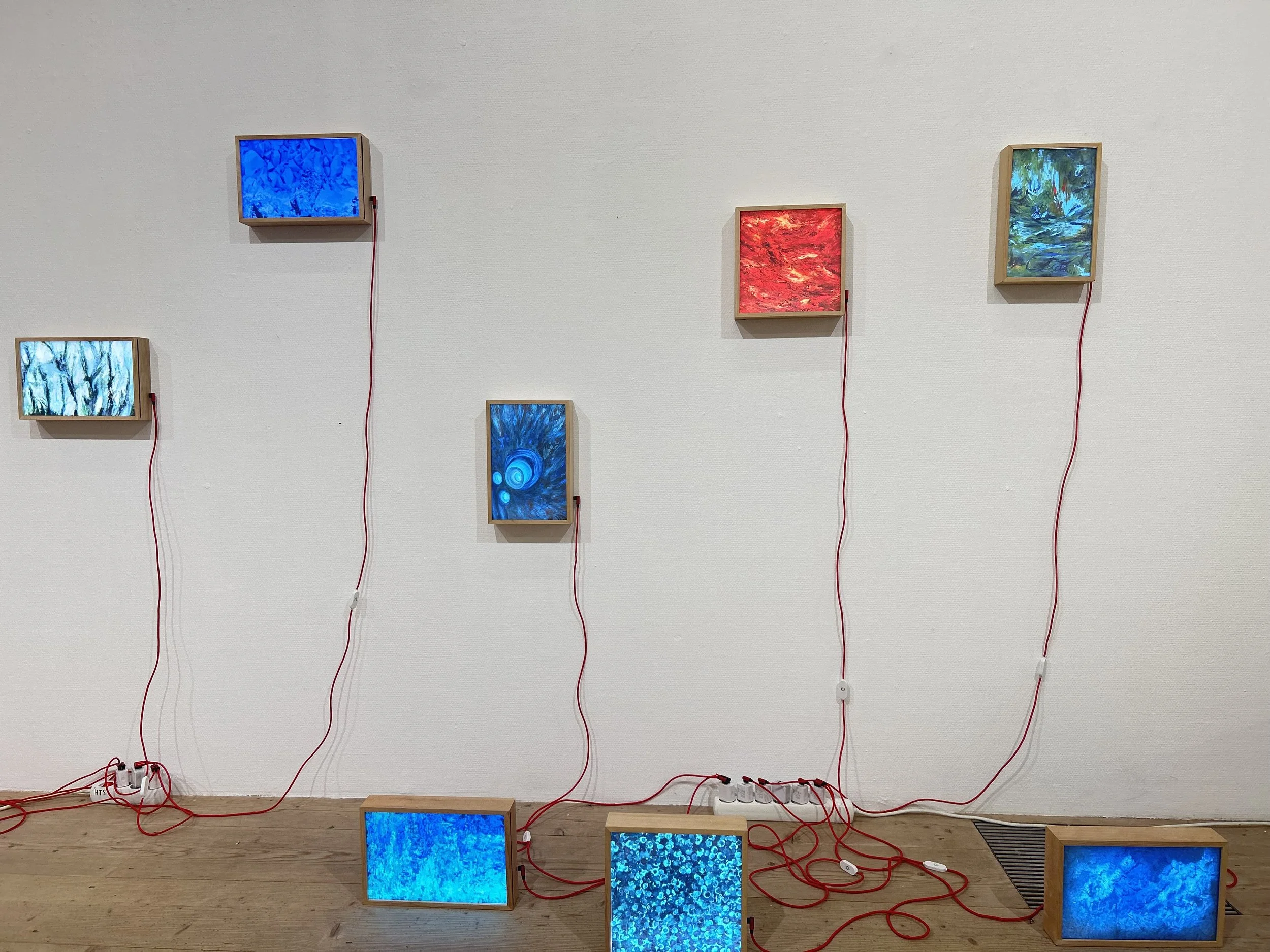
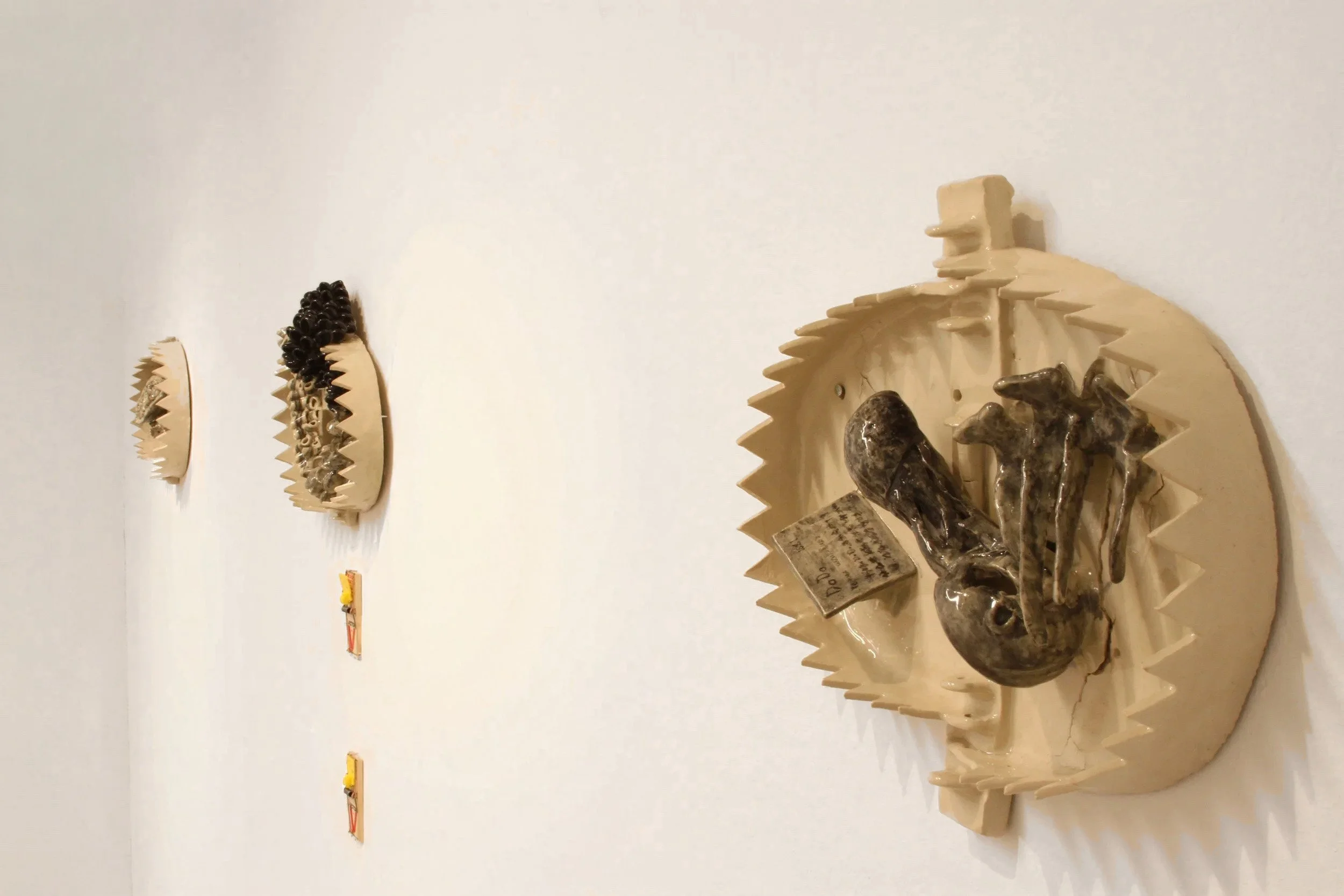

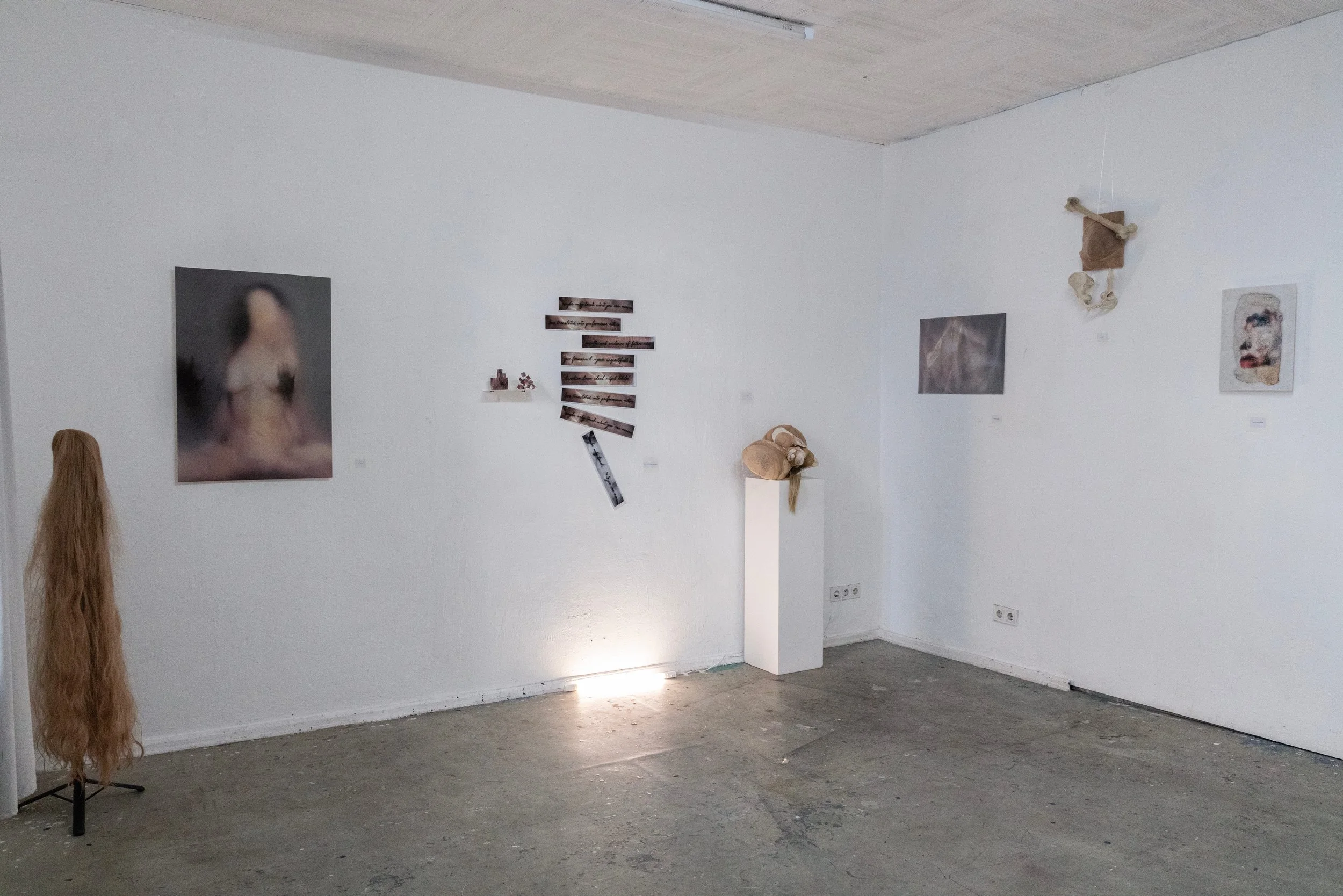


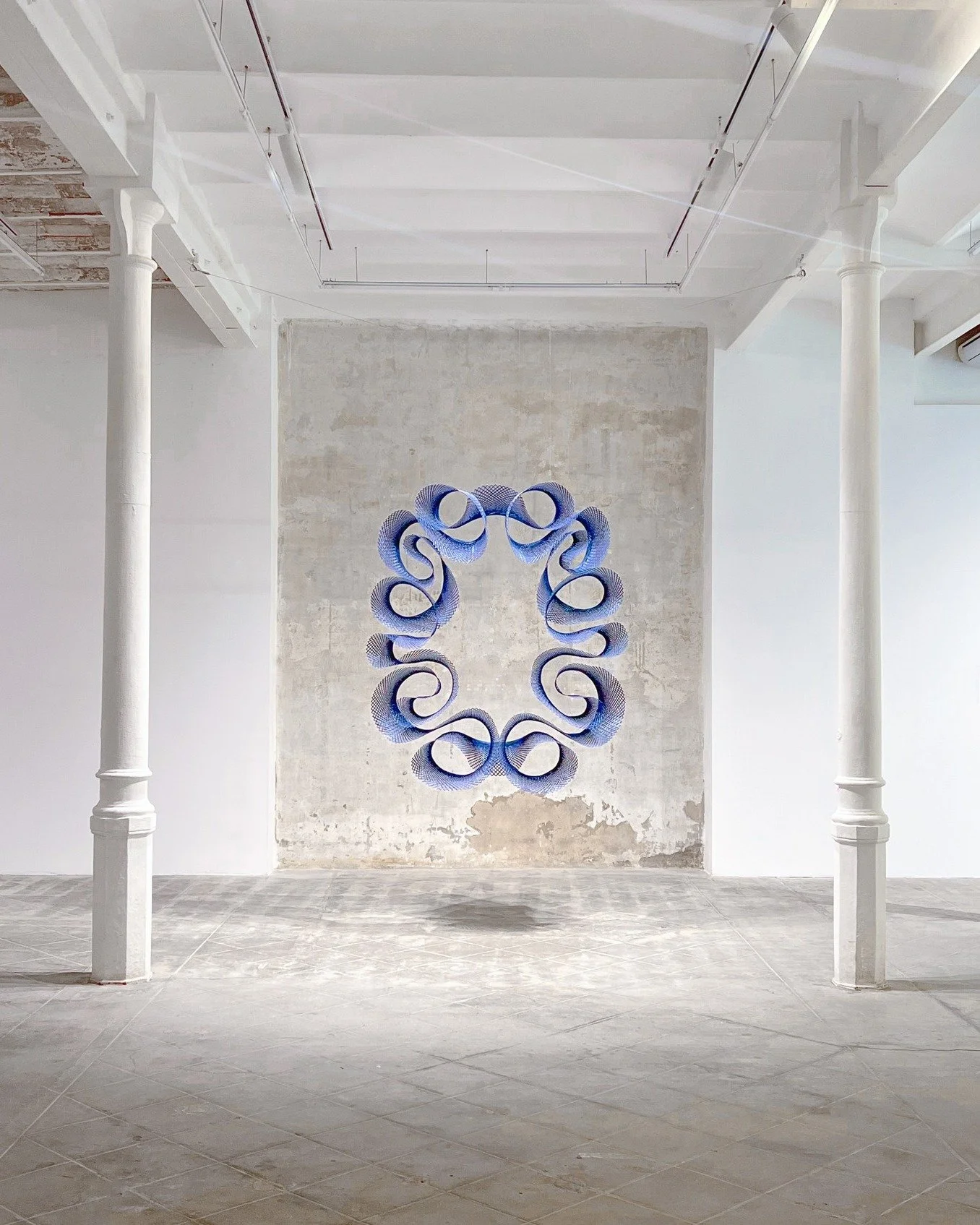
Lim Won Ji (Oneg) is a South Korean artist based in Chicago. Working across sculpture, installation, performance, and process-based experimentation, Lim investigates hypervigilance as a bodily condition shaped by anxiety, uncertainty, anticipation, and the desire for control, constructing unstable situations in which order is continually negotiated through gravity, time, repetition, and chance.