
10 Questions with Haohao Huang
Haohao Huang is a Chinese visual artist based in Savannah, Georgia. She received her MFA in Photography from the Savannah College of Art and Design (SCAD). Her practice explores memory, intimacy, displacement, and belonging, often examining the instability of memory and the ways personal experiences are translated and transformed through photographic processes.
Her work has been exhibited at the Center for Photographic Art, the Society for Photographic Education Annual Conference, and galleries in Savannah and Beijing. Her recent solo exhibitions include Lost in Translation at Alexander Hall and ArtStryngs Gallery in Savannah. In 2026, Huang was selected as a Top 200 Finalist for Photolucida Critical Mass. Her work has also received recognition from the BBA One Shot Award and the Annual Photography Awards and has been featured in publications including Shuttles Photography and The HAND Magazine.
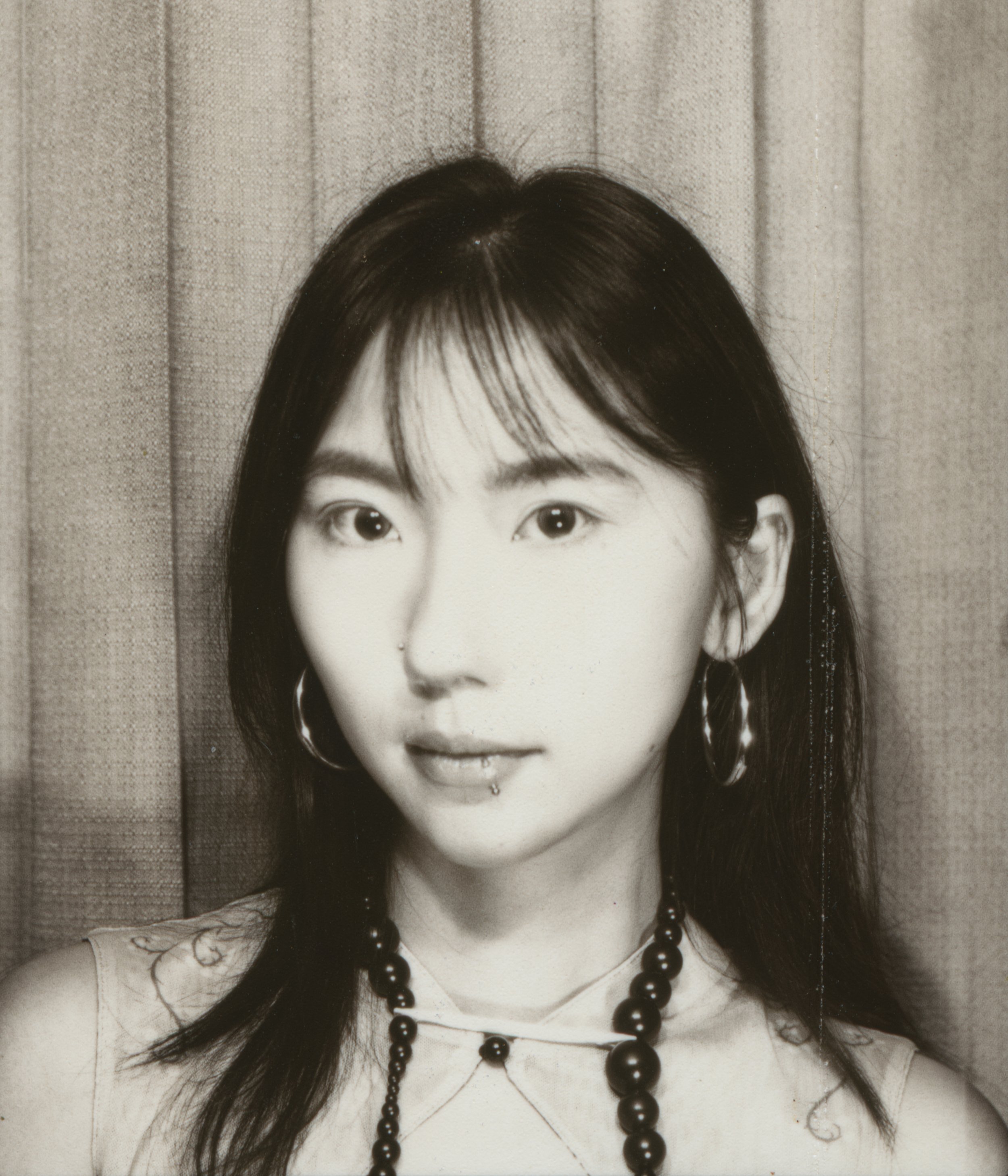
Haohao Huang - Portrait
Lost in Translation | Project Description
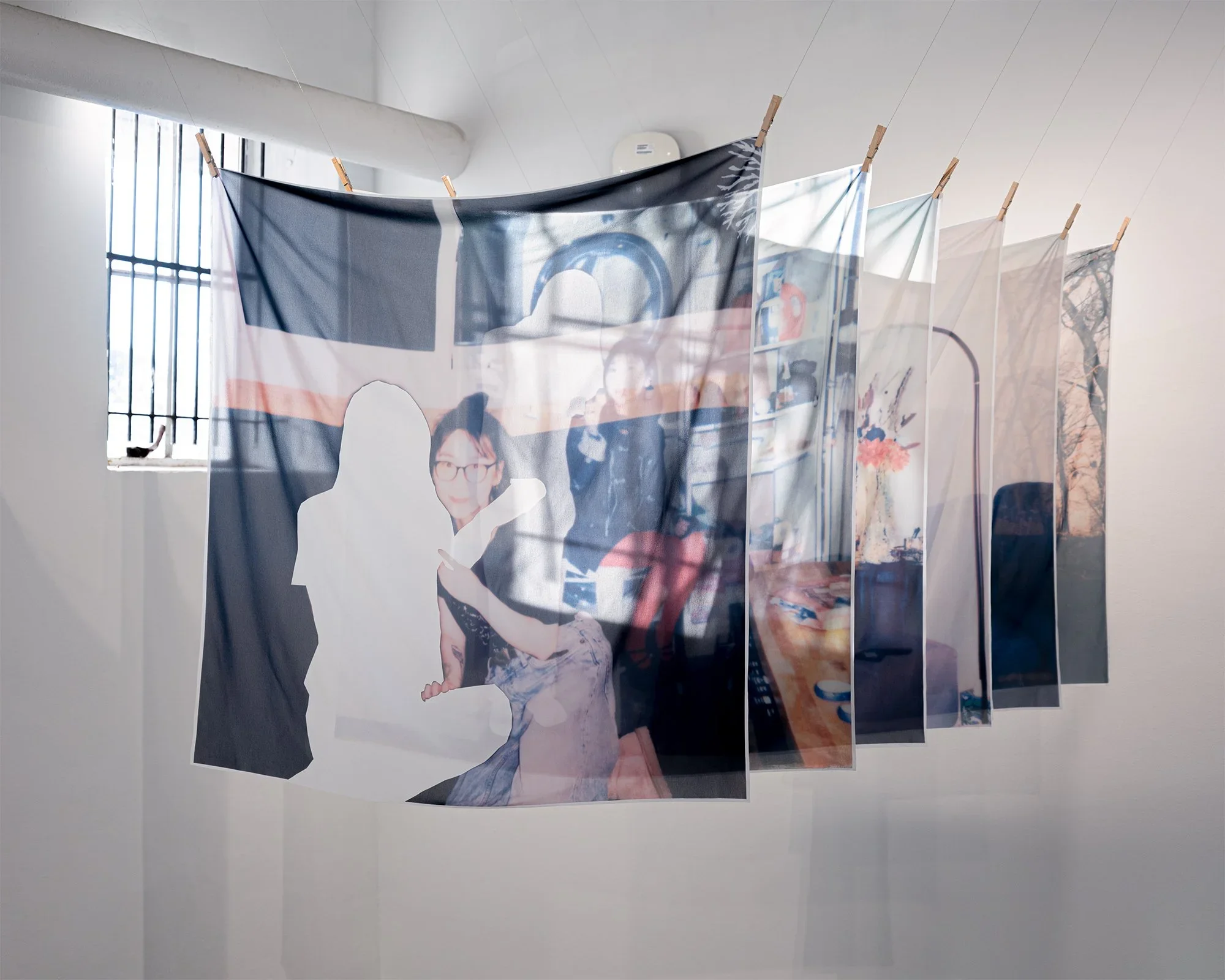
Lost in Translation is an ongoing photographic project that examines intimacy, memory, and the instability of identity through the material language of photography. The work originates from a personal archive of Polaroid photographs made during a past relationship. Once serving as evidence of closeness and shared presence, these images have gradually transformed into fragile traces shaped by time, distance, and emotional change.
Through processes including emulsion lifts, layering, fragmentation, re-photographing, and printing on translucent materials, Huang physically alters the original images to reflect the shifting nature of memory and the reconstruction of self after separation. Faces dissolve, surfaces wrinkle, and details disappear, challenging photography’s conventional role as a stable record of experience. Instead, the photograph becomes an object that carries transformation, loss, and emotional residue.
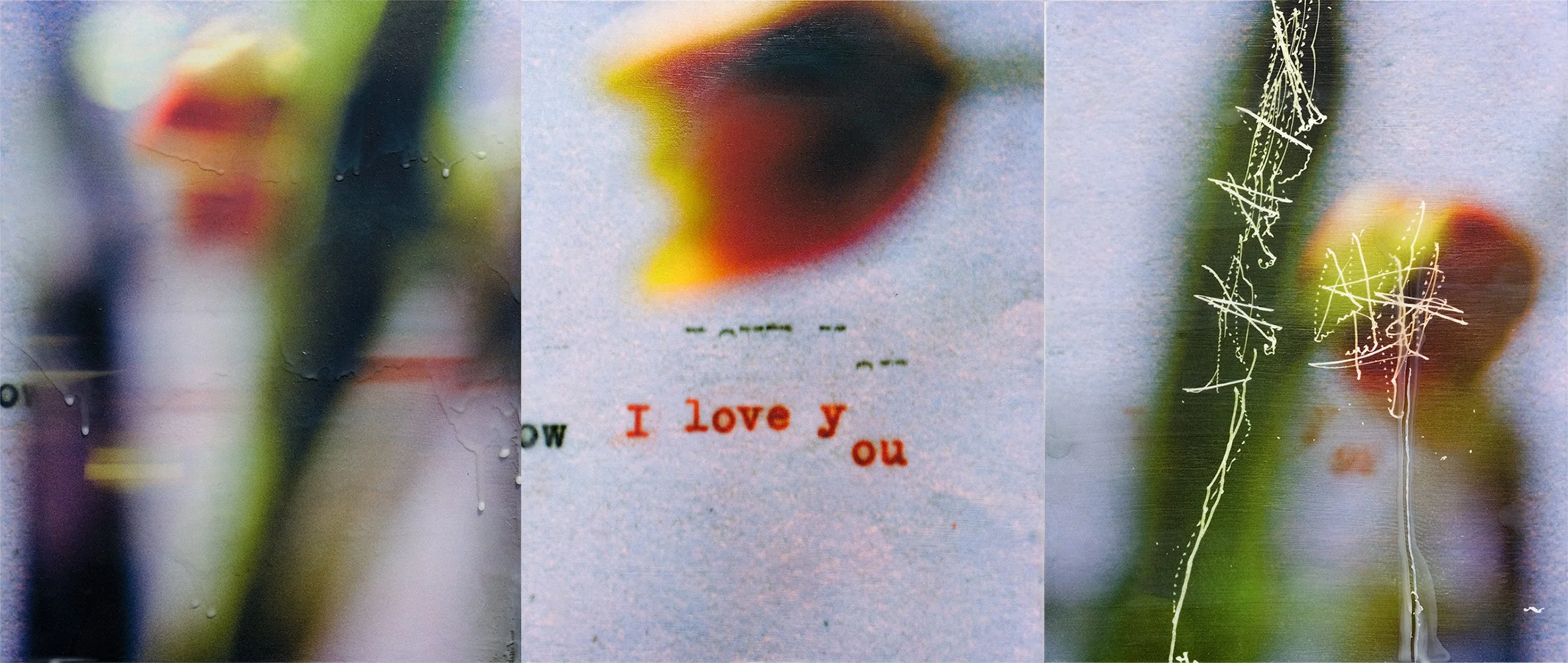
Lost in the Garden, Triptych, inkjet print with encaustic, Each 14x11 in, 2025 © Haohao Huang
INTERVIEW
First, could you tell us a little about your background and what first drew you to photography?
I’m originally from China, and both my undergraduate degree and my first master’s degree were in finance. My dad has always been interested in mechanical things, and when I was in high school, he bought a camera. I started playing around with it, and that was how I first got into photography. Around the same time, I met some friends at school who were also interested in photography, so we would often go out and take pictures together.
You studied for your MFA at SCAD. How has your education shaped the way you approach your practice?
Studying at SCAD was my first opportunity to really understand photography as a discipline in a systematic way and to build the fundamental skills I needed. At the same time, my professors were always introducing us to different artists and different approaches to making work. Through that exposure, I gradually developed a better understanding of the kinds of art and artistic approaches I was personally drawn to. Conversations with my professors and classmates were also very important. The exchange of ideas often pushed me outside of my usual way of thinking and helped me see things from perspectives I might not have considered on my own.

Tension in the Weave, Textile-based installation, set of 6, Each 39x39 in, 2024 © Haohao Huang
How would you describe your artistic practice, and what role does photography play within it?
As an artist, I’m mainly interested in memory, relationships, identity, and the idea of belonging. Photography is often a starting point for me. I’m particularly interested in its materiality. I think of a photograph not only as an image, but also as a physical object, something that can be manipulated, transformed, and used as the material for creating something new.
Your work often deals with the instability of memory. How do personal experiences influence the themes and images you choose to work with?
I’ve noticed that my memories of the past are constantly changing. Some experiences once felt incredibly specific, but as time passes, what remains might only be an image, a feeling, or a few fragmented details. Sometimes photographs actually make me question whether I’m remembering the experience itself, or a version of it that I’ve gradually reconstructed and reimagined over time.
Because of that, the images I choose to work with are usually very directly connected to my own experiences. In Lost in Translation, for example, I use Polaroids from a past relationship. To me, these photographs are not only records of that relationship, but they also become a way for me to revisit and understand that experience. By repeatedly working with and transforming these images, I’m also observing how my own memories change over time.

Breathing Through the Cracks, Archival inkjet print, 12x75 in, 2025 © Haohao Huang
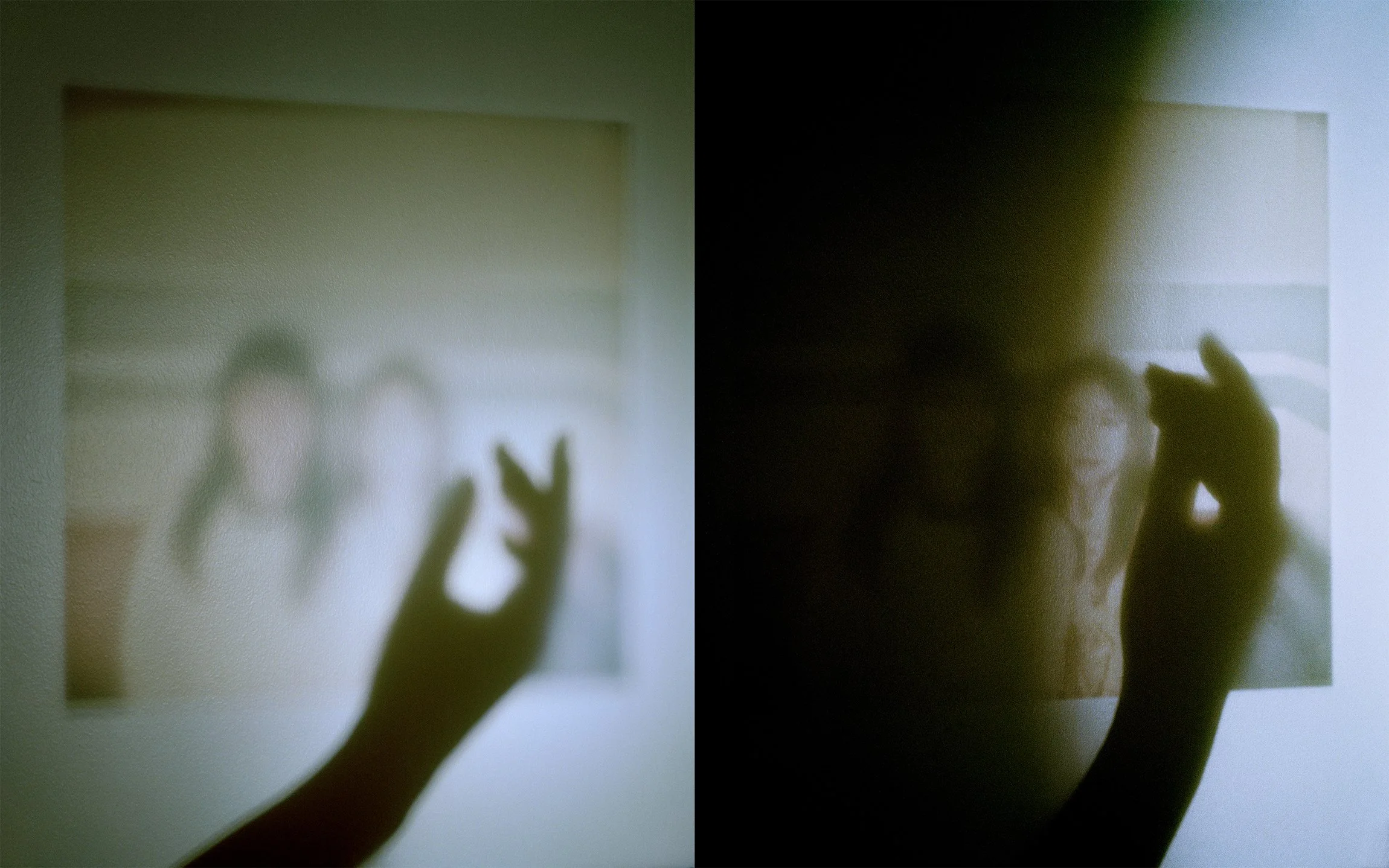
Hands Adrift, Diptych, archival inkjet print, Each 30x24 in, 2024 © Haohao Huang
Could you tell us about Lost in Translation and how the project first began?
Lost in Translation is my MFA thesis project. I struggled for quite a while to decide what I wanted my thesis to be about. My original subject was death, but as I started working on it, I realised that it was too heavy for me. At that point in my life, I didn’t feel that I had the ability to approach the subject in the way it deserved.
I talked about it with my partner at the time, who is also the other central figure in this project, and he thought maybe I should create artworks that made me happy. I happened to be very much in love at that point, so I thought, why not make the project about intimacy? It was something I was experiencing personally and felt deeply connected to, so that became the starting point of the project.
The project uses Polaroids from a past relationship as its starting point. What made you want to revisit and physically transform these images?
I’ve always been interested in Polaroid as a medium because its physicality makes the material aspect of photography very visible and immediate. At first, I saw videos of other people doing emulsion lift and found the process fascinating, so I started experimenting with it myself. As I continued working with the process, I gradually began to discover more meaning within it. What started as curiosity about the technique eventually became a way of thinking about the images themselves and my relationship to the experiences they represented.

The Transparency Between Us, Archival inkjet print, 27x23 in, 2024 © Haohao Huang
You work with processes such as emulsion lifts, layering, fragmentation, and re-photographing. How do you decide which process to use, and how does the image develop through that process?
The process isn’t predetermined. I usually find it through experimentation and through interacting with the image itself. I choose a particular method when the visual changes it creates feel connected to what I’m experiencing or trying to express. Take emulsion lift as an example: the emulsion is an incredibly fragile layer of material, and I see a similar kind of fragility in intimate relationships. The process of lifting and handling the emulsion feels a lot like the way I sometimes approach intimacy; I’m always being very careful with it, almost afraid that it might tear or fall apart.
In Lost in Translation, faces and details gradually dissolve or disappear. What do these transformations say about memory, identity, and the passage of time?
The gradual distortion and disappearance of faces and details reflect how, over time, I began to realise that the person I was in a relationship with might have been very different from who I initially thought he was. I think I sometimes unconsciously project my own expectations onto another person at the beginning of a relationship.
From the beginning of a relationship to its end, emotions are constantly shifting, and our understanding of ourselves is shifting as well. That sense of change doesn’t necessarily stop when the relationship ends, it can continue long afterwards. For me, the transformation of these images reflects that fluidity: the way our understanding of another person, of ourselves, and of the relationship itself continues to change with time.
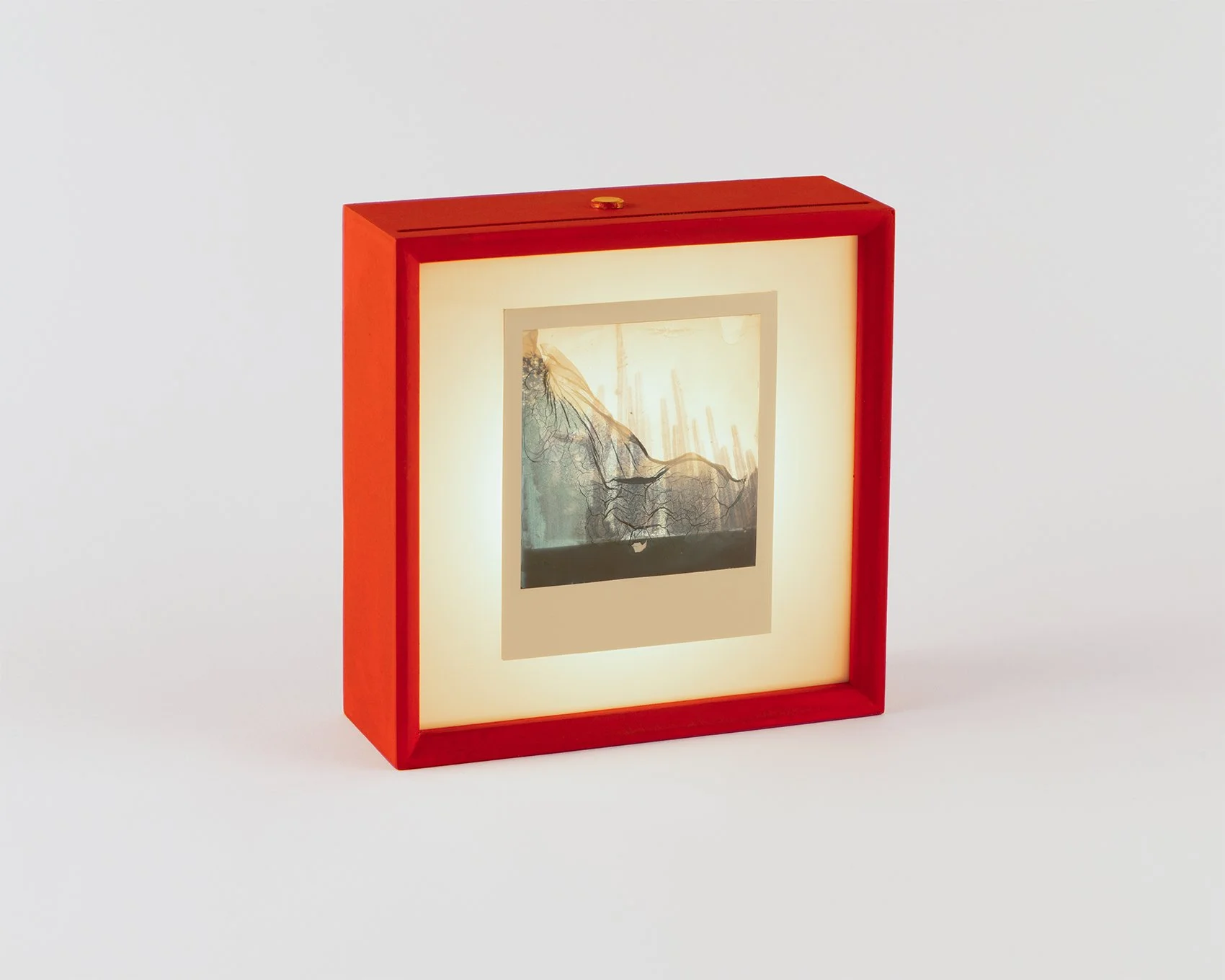
Us, Polaroid emulsion lift in light box, 6.3x6.3x2 in, 2024 © Haohao Huang

The Weight of Your Lightness, Mixed media, 20x17x6 in, 2025 © Haohao Huang
Your work has been exhibited in both the United States and China. How have audiences responded to your work, and have those responses influenced the way you think about it?
I haven’t really noticed a significant difference between how audiences in China and the United States understand my work. What has been more meaningful to me is realising that although Lost in Translation comes from a very private and personal experience, once the work is exhibited, the story no longer belongs only to me. Some viewers have shared their own experiences of past relationships, loss, or memory with me. Sometimes they see things in the work that I wasn’t even consciously aware of while I was making it. Those responses have made me realise that a work can begin with a very personal experience but eventually connect with emotions that are much more universal. They have also made me more comfortable with leaving space for the viewer, rather than trying to explain every detail of the work.
Lastly, what are you currently working on, and are there any new directions or projects you would like to explore in the future?
I recently created a new project called Not Built for Me. Like much of my previous work, it begins with my own experience, in this case, my experience of living alone in the United States as a Chinese person. The project explores how individuals are shaped by environments that were not designed for them. Looking forward, I’d still like to continue exploring relationships between people, not only intimate relationships, but relationships in a much broader sense. I find people endlessly diverse and complicated, and that complexity is something I find fascinating and want to keep exploring through my work.
Artist’s Talk
Al-Tiba9 Interviews is a curated promotional platform that offers artists the opportunity to articulate their vision and engage with our diverse international readership through insightful, published dialogues. Conducted by Mohamed Benhadj, founder and curator of Al-Tiba9, these interviews spotlight the artists’ creative journeys and introduce their work to the global contemporary art scene.
Through our extensive network of museums, galleries, art professionals, collectors, and art enthusiasts worldwide, Al-Tiba9 Interviews provides a meaningful stage for artists to expand their reach and strengthen their presence in the international art discourse.

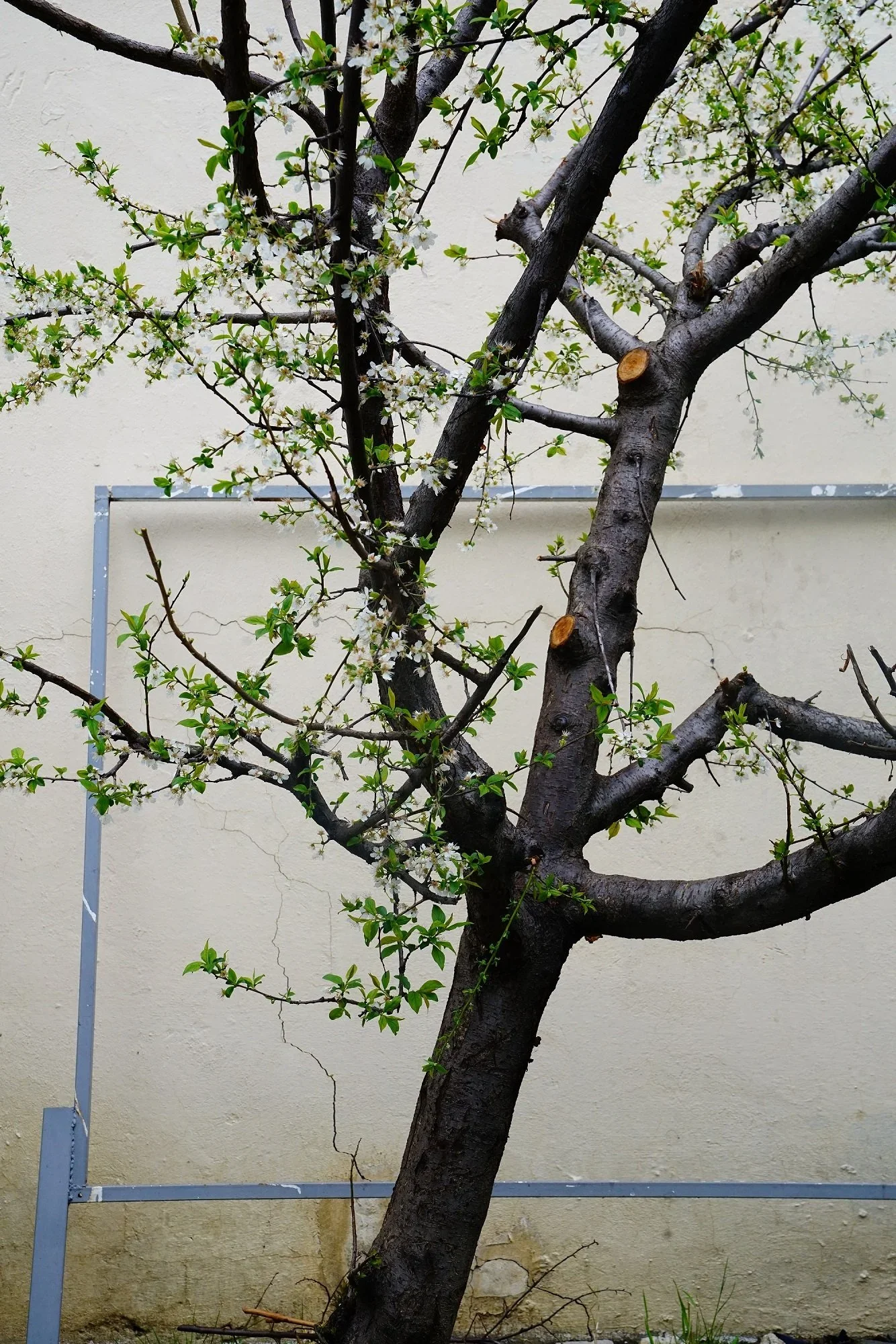


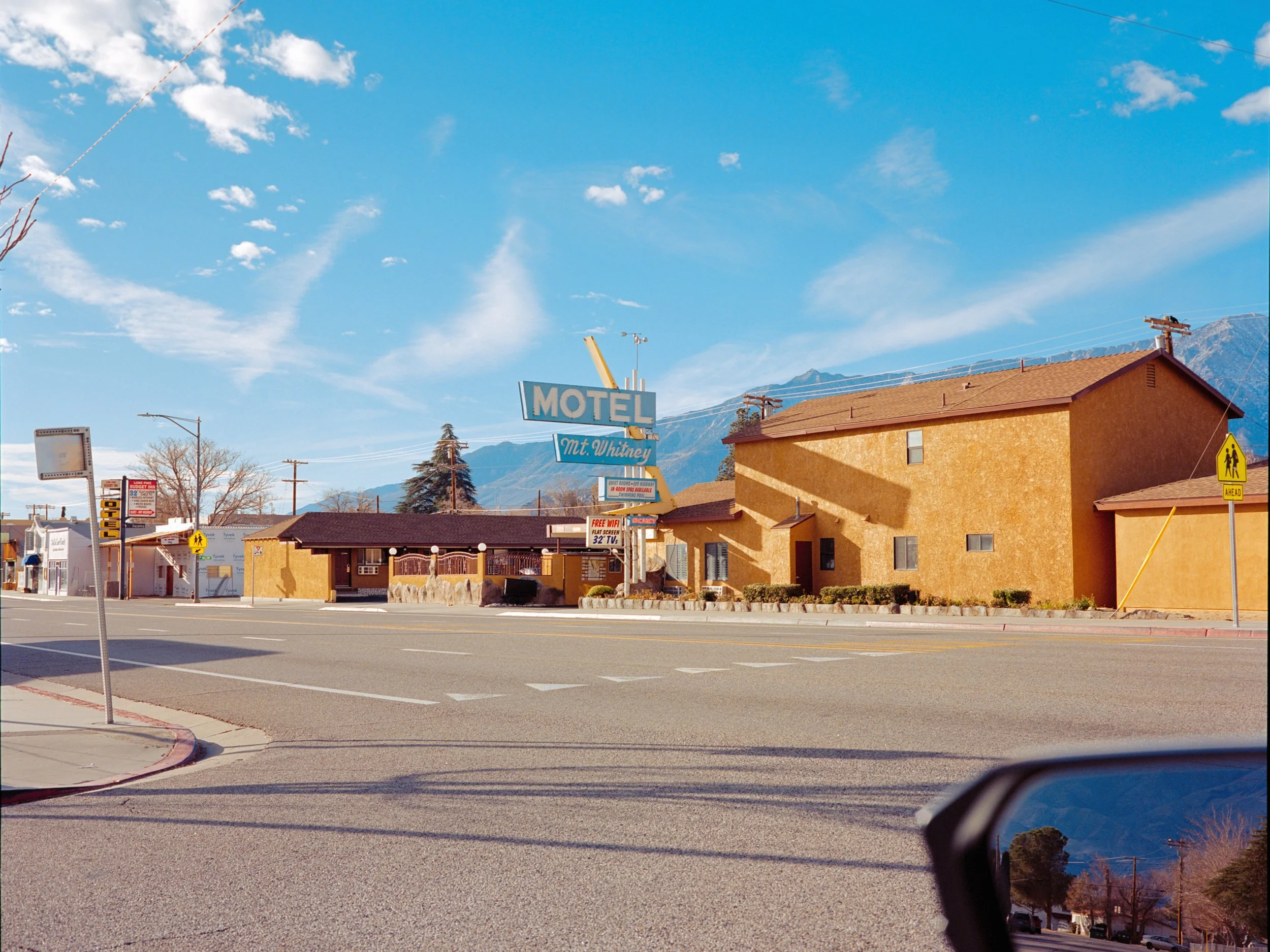
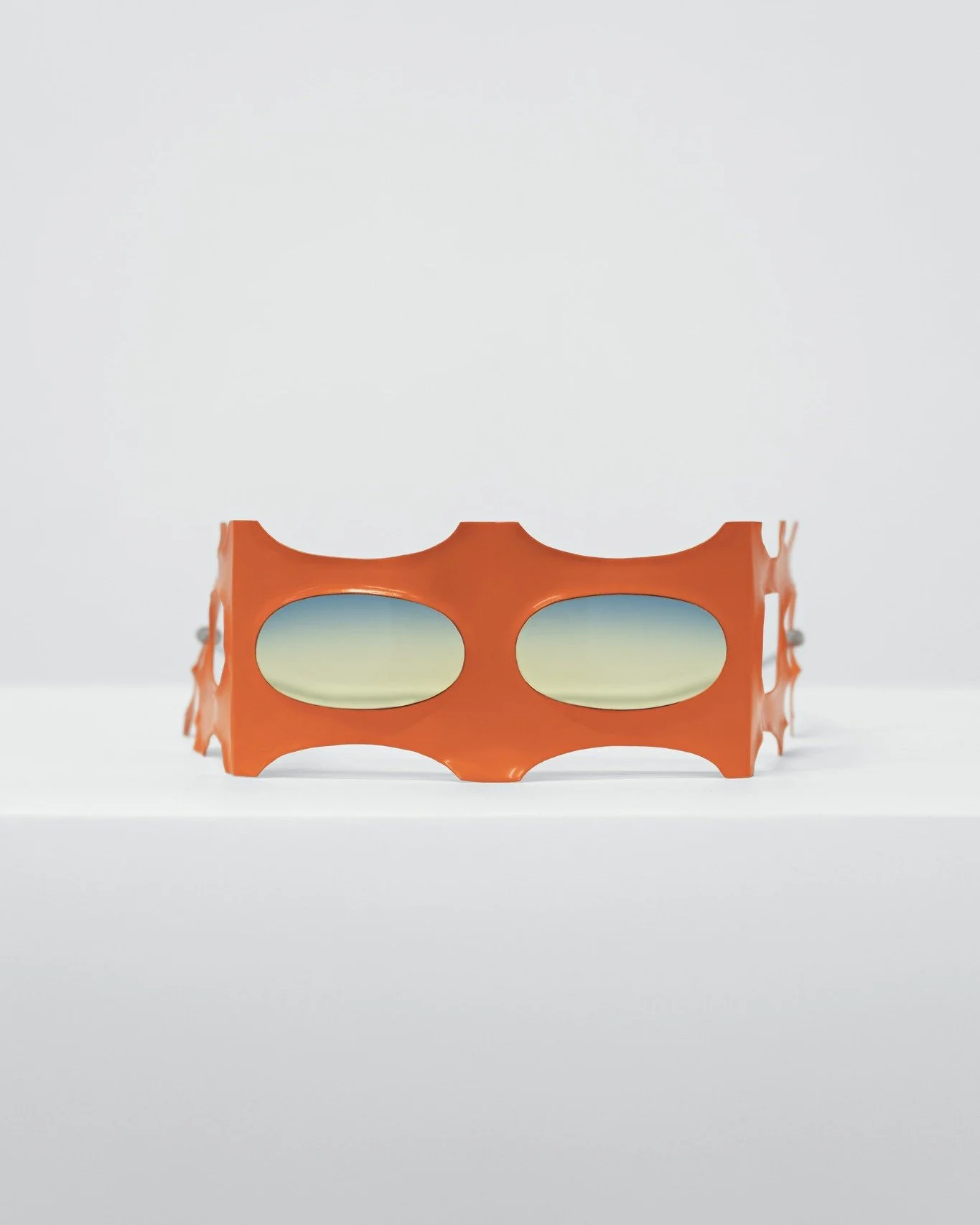
Haohao Huang is a Chinese visual artist based in Savannah, Georgia. Her practice explores memory, intimacy, displacement, and belonging, often examining the instability of memory and the ways personal experiences are translated and transformed through photographic processes. Her latest series, Lost in Translation, examines intimacy, memory, and the instability of identity.