
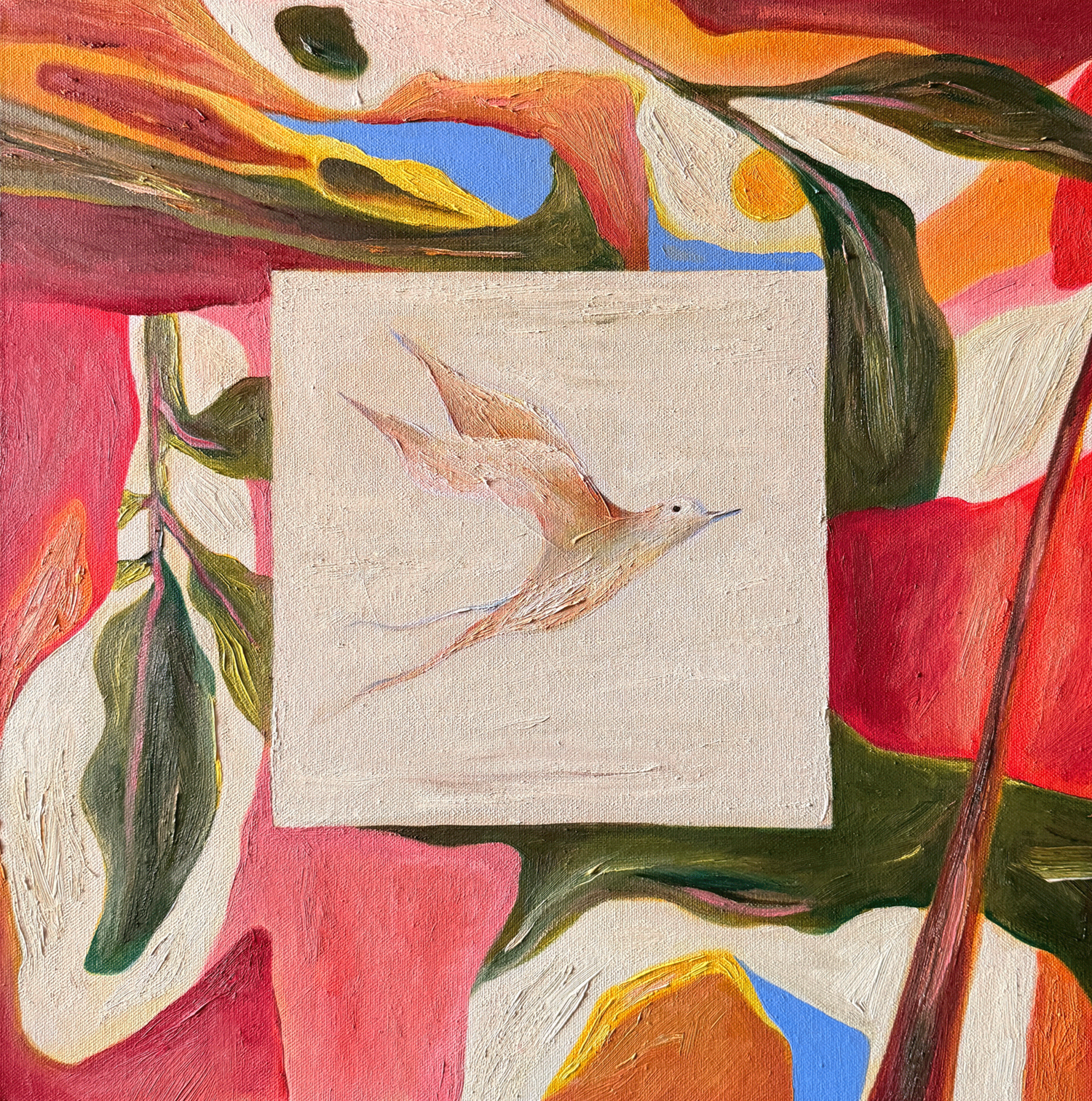
10 Questions with Raya Mansoor
Raya Mansoor is a contemporary artist from the Maldives whose practice moves between abstraction and expressionism, shaped by island life, personal memory, and observation. Working primarily with acrylic and oil on canvas, she builds layered compositions through colour, gesture, and forms drawn from the natural and everyday world around her.
Her work is rooted in the visual language of the Maldives: the warmth of sunlight, changing skies, the seas, familiar homes, and the small details that shape a sense of belonging. Rather than representing these references directly, Mansoor allows them to reappear through feeling, colour, and fragments of memory. Her paintings hold onto a place without needing to explain it completely.
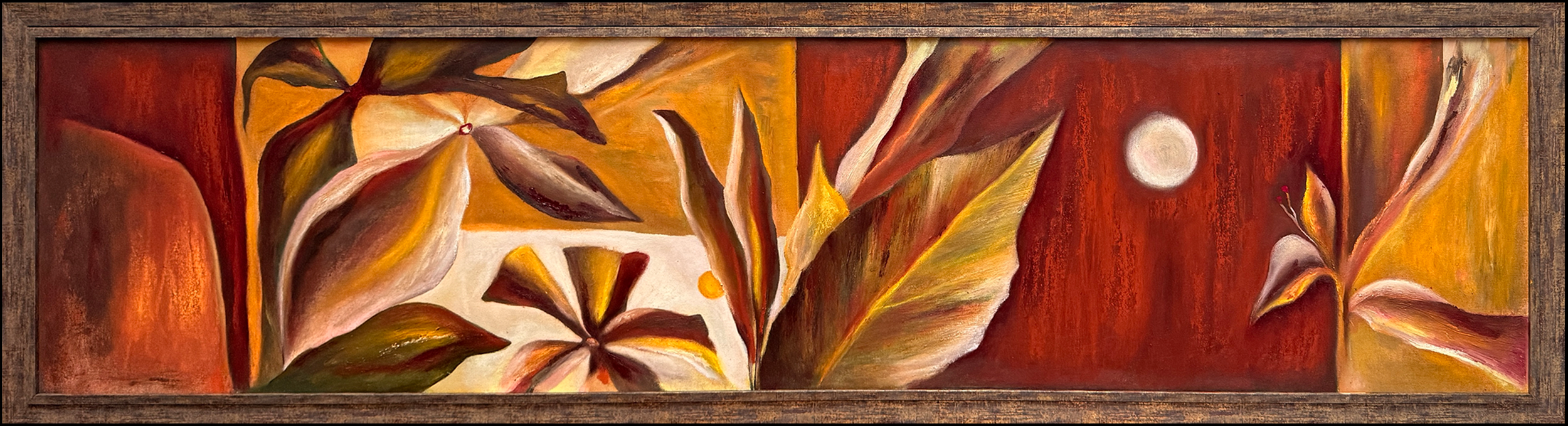
In her ongoing Avi series, Mansoor reflects on a life shaped by the constant presence of sunlight in the islands, how it touches the ocean and land, changes the colours of a day. The series brings together memories of home with observations gathered through travel, study, and time spent looking closely. Smaller studies often become an important starting point for larger works, allowing a single moment, colour, or landscape to slowly develop into something more expansive.
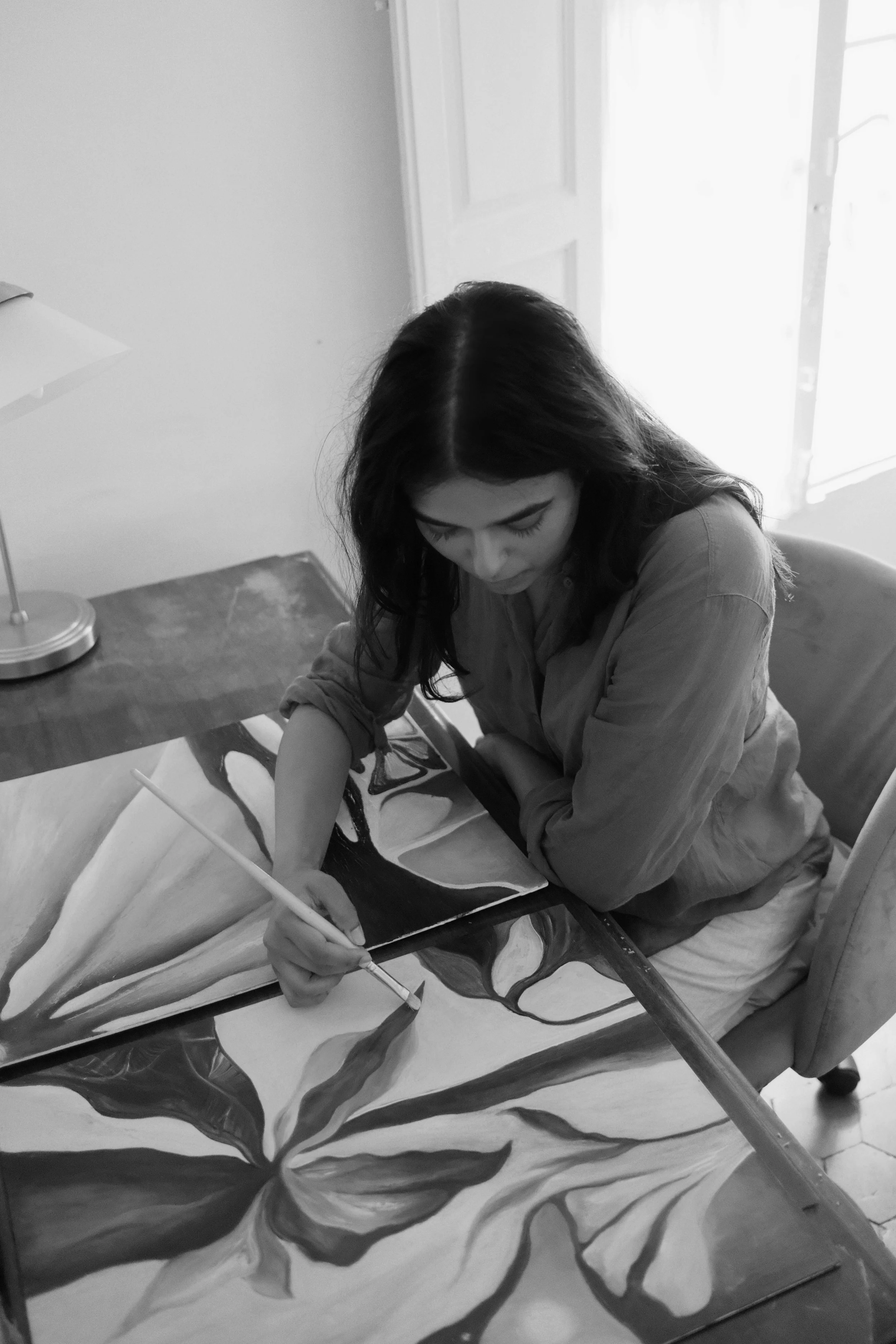
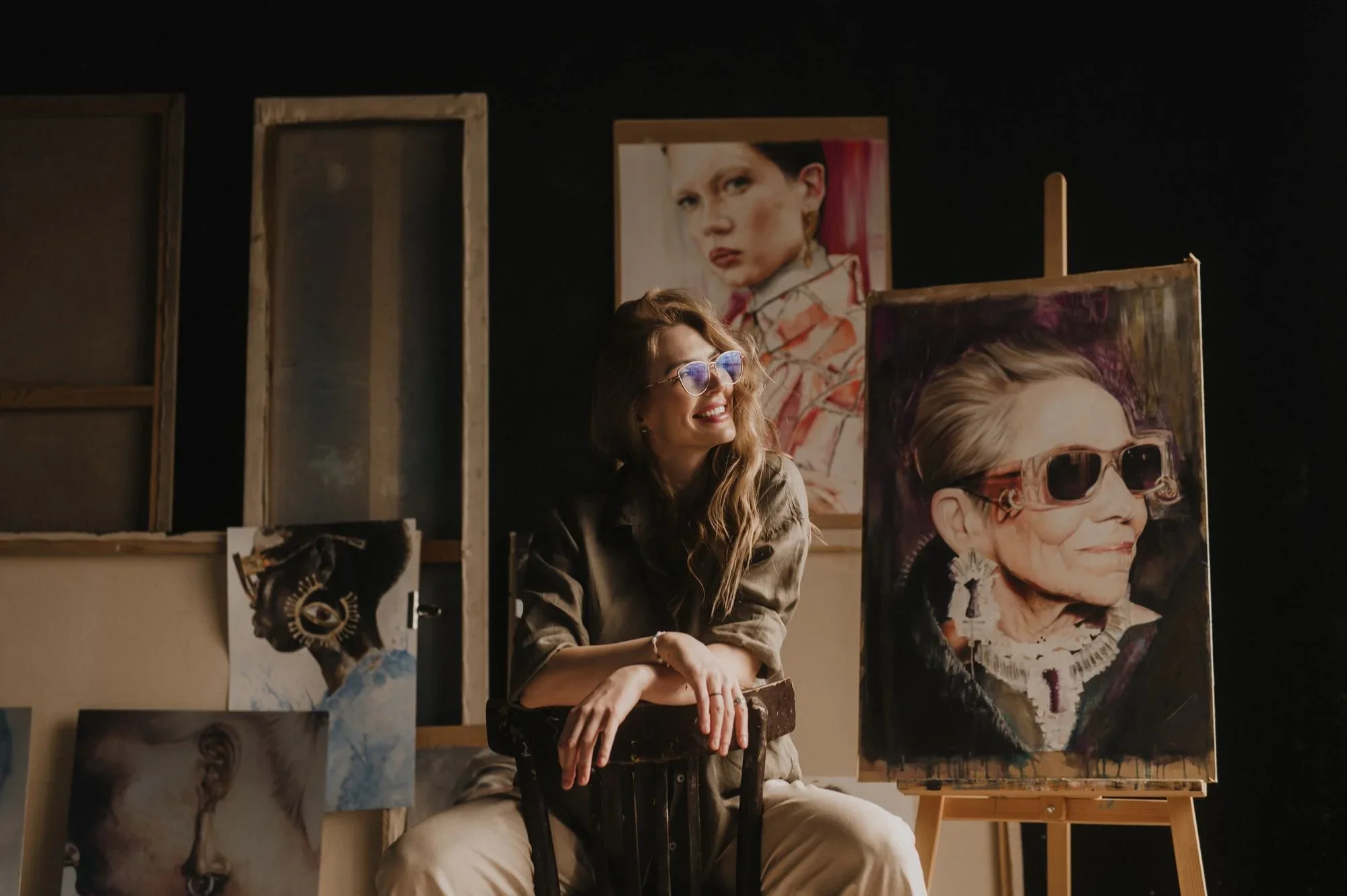
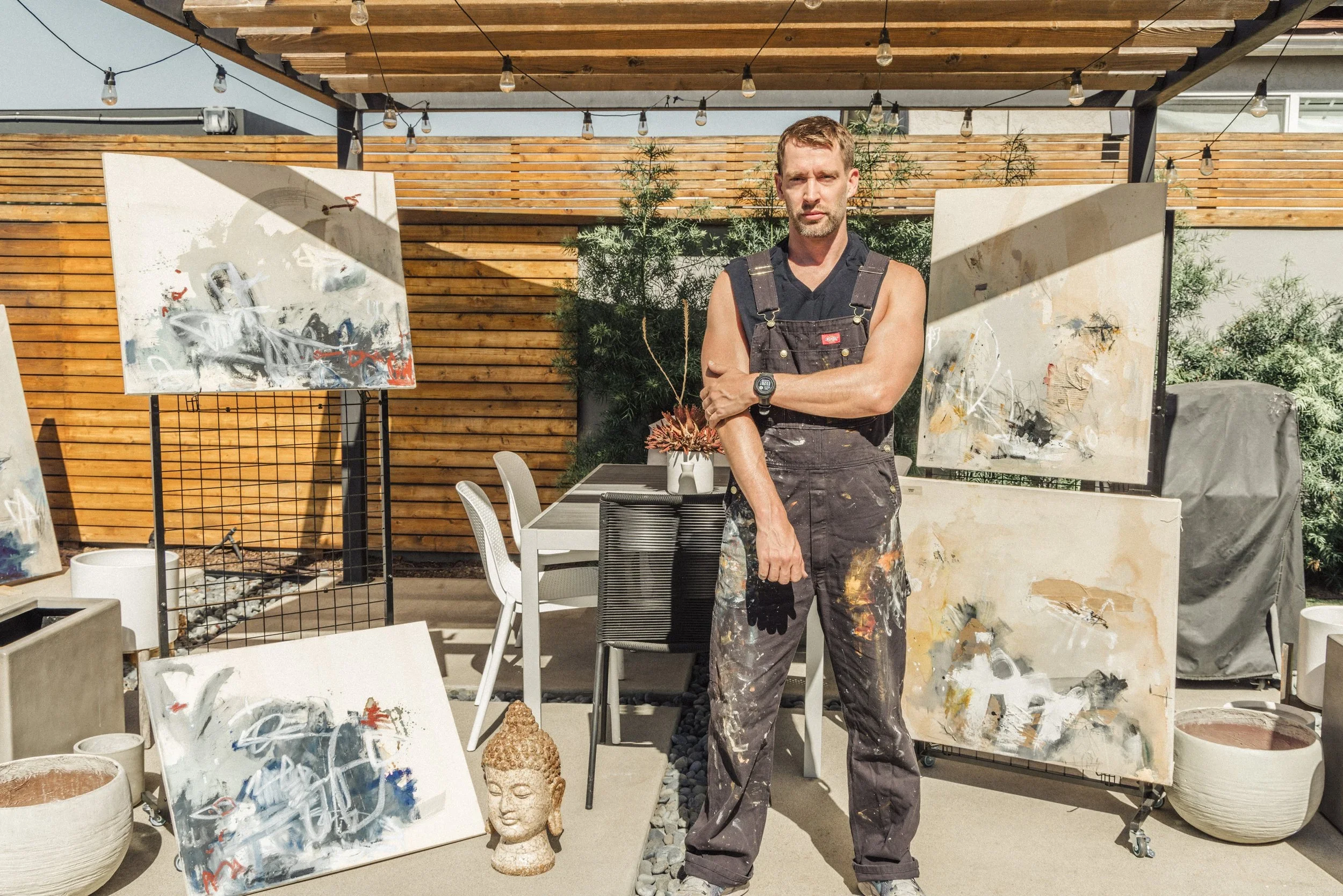
Raya Mansoor - Portrait
“I work with color and form as a way of exploring movement, memory, and place. My paintings are intuitive and process-led, shaped by natural change, and emotion. ”
INTERVIEW
First of all, you studied Economics before pursuing art professionally. How has your personal and academic background influenced your approach to creativity and art-making?
Art has always been a part of my life. At that time, painting was something very personal to me: a place to slow down, experiment, and make sense of the things around me. I did not begin with the expectation that it would become my profession; that understanding came gradually, as I continued to paint, share the work, and realise that there was more I wanted to keep exploring.
My academic background might have influenced the way I approach building a practice around art. It helped me be more intentional about the practical side of pursuing a creative life, and about giving the work the time and care it needs to grow. But creatively, painting is where I feel most able to follow intuition. I do not always begin with a fixed idea or a clear outcome. Often, the work begins with a colour, a memory or something small that I have noticed in daily life.
I think both sides have found their place in my journey. There is a part of me that wants to be thoughtful about how I pursue art, but painting itself continues to teach me to stay open, curious, and less concerned with having all the answers from the beginning.
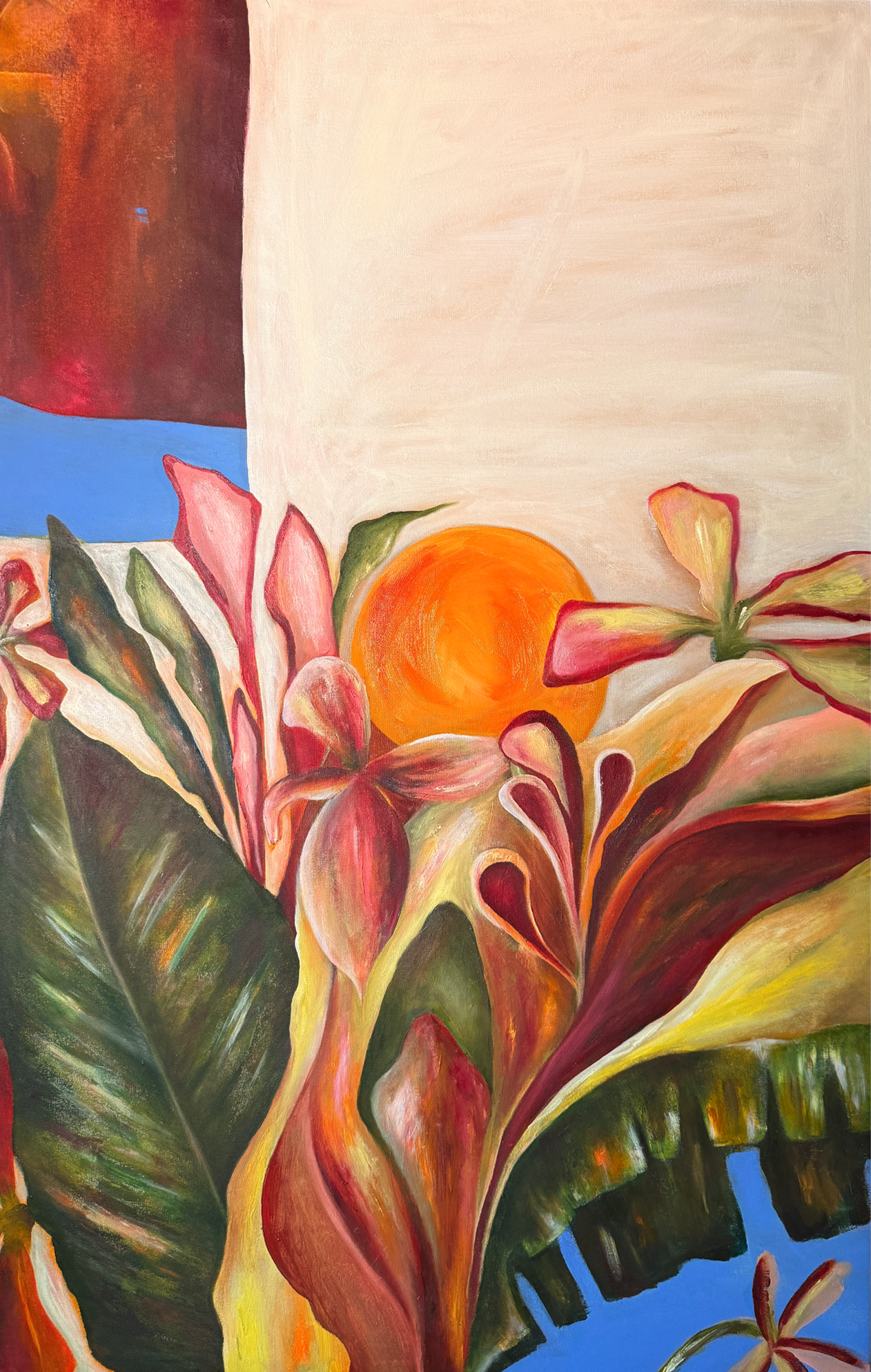
© Raya Mansoor
Your artistic journey began with exploring ocean life and later evolved into more expressive and abstract works. What inspired this transformation?
The ocean was one of the first things I felt drawn to paint. Growing up in the Maldives, it was always around me, so it felt natural to begin there. In my earlier work, I explored ocean life in a more direct way, often through familiar forms and creatures.
Over time, I became more interested in the feeling of being surrounded by the sea and islands, rather than painting them exactly as they appear. I wanted to make space for colour, memory, light, and movement to lead the work. The shift towards a more expressive and abstract approach happened quite naturally as I became more comfortable allowing a painting to develop beyond its original reference. The ocean is still very present in my work, just in a different way now. It is there in the colours, the sense of movement, and the feelings that come from growing up close to it.
Can you tell us about your creative process? How does an idea develop from an initial inspiration into a finished painting?
The process often begins with something small that catches my attention. I collect these things over time, without always knowing immediately where they will lead.
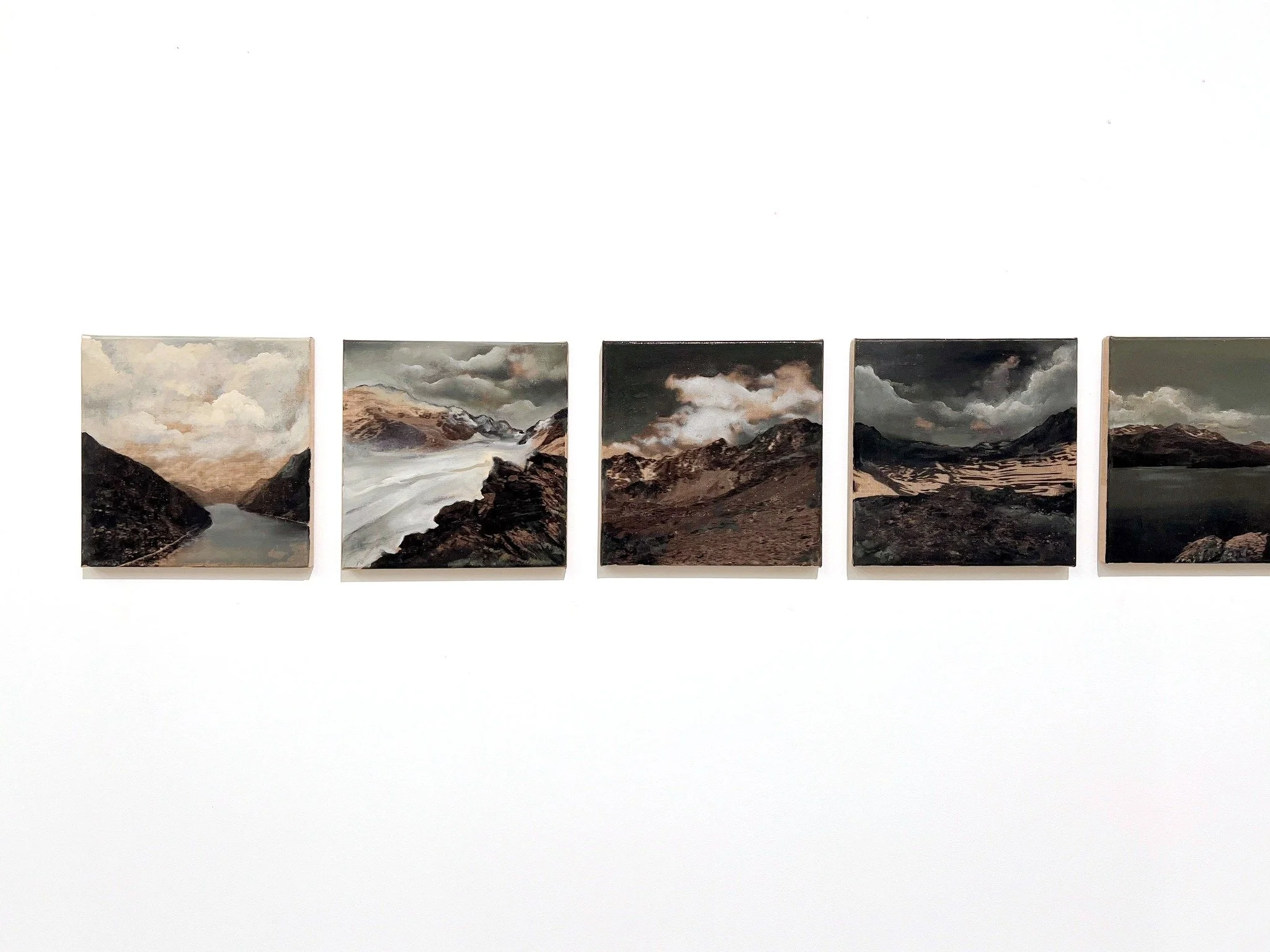
Recently, I have really started to enjoy beginning with smaller studies. During a recent residency in France, I spent time making studies from what I was observing around me, that focused a lot on landscapes and the changing colours. They gave me the chance to look more closely and explore an idea without putting too much pressure on the outcome.
Some of these studies have since become the starting point for larger works. By the time a painting is finished, it has often moved away from the original reference. It becomes less about recreating a specific place or image, and more about holding onto a feeling from it. I try to leave room for the painting to change as I work, because some of the most important parts appear unexpectedly along the way.
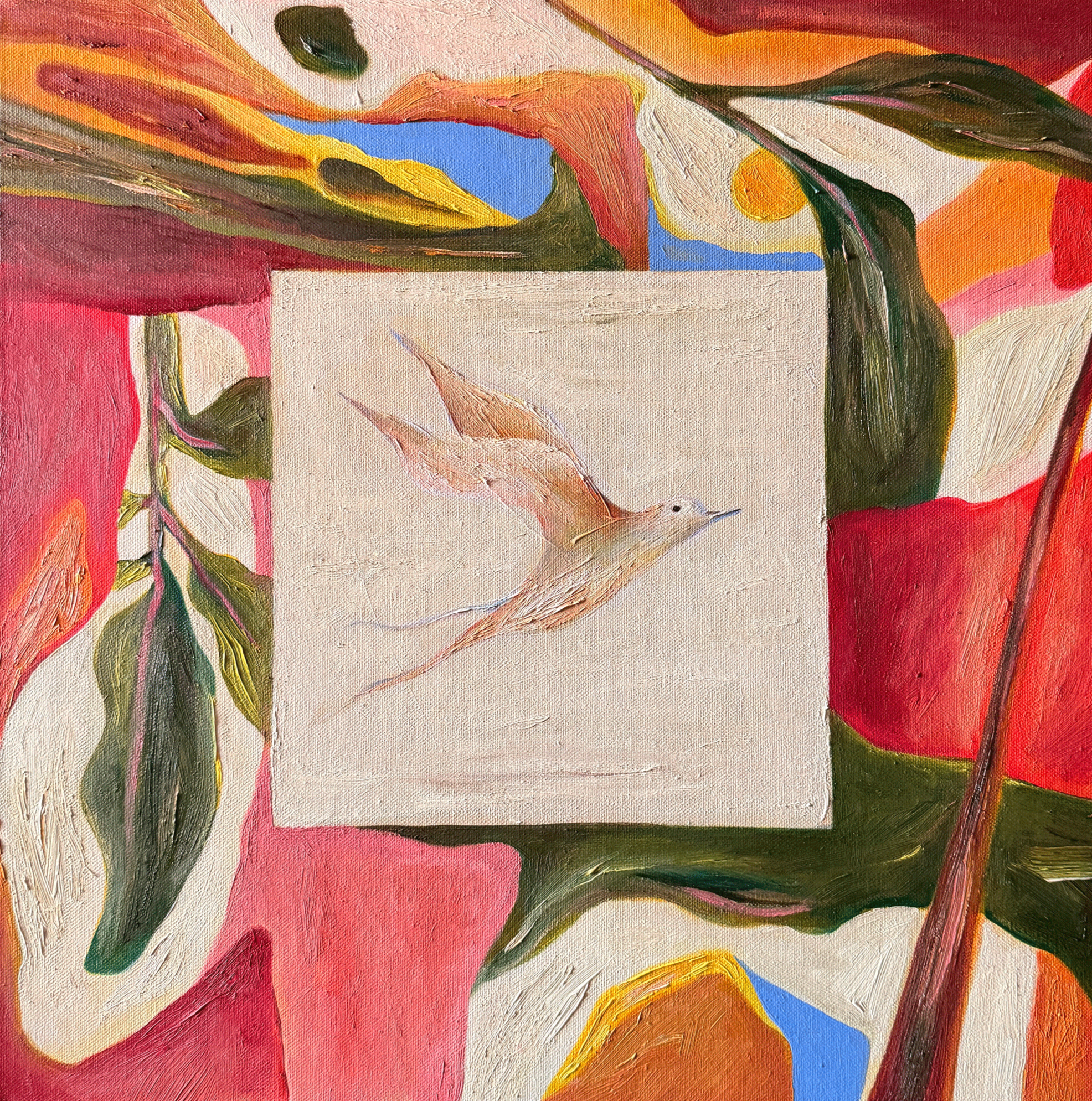
© Raya Mansoor
© Raya Mansoor
Your series Avi is deeply connected to island life. What memories, places, or experiences from the Maldives inspire this body of work?
Avi is a body of work shaped by island sun, memory, and the colours that have surrounded me throughout my life in the Maldives. It began as a way of exploring the warmth and brightness of home, but it has gradually become a wider reflection on the places, people, and small moments that make us feel most like ourselves.
I often think about the things that are part of everyday life here: the evening sky, a familiar stone wall in the midday sun, fruit on a table, the changing tones of the sea. I do not try to paint these moments exactly as they are, but they stay with me and return in different forms, colours, and fragments.These are not always memories I set out to paint, but they seem to find their way into the work.
The paintings are personal to where I come from, but I hope they still feel open. More than showing one specific place, Avi is my way of holding on to the feeling of home.
With Avi, I am trying to paint from that familiarity rather than explain it too clearly. The paintings are connected to home, but they are also about the feelings that certain places and moments leave behind.
Colour plays a central role in your paintings. How do you choose colours, and what emotions or stories do you hope they communicate to the viewer?
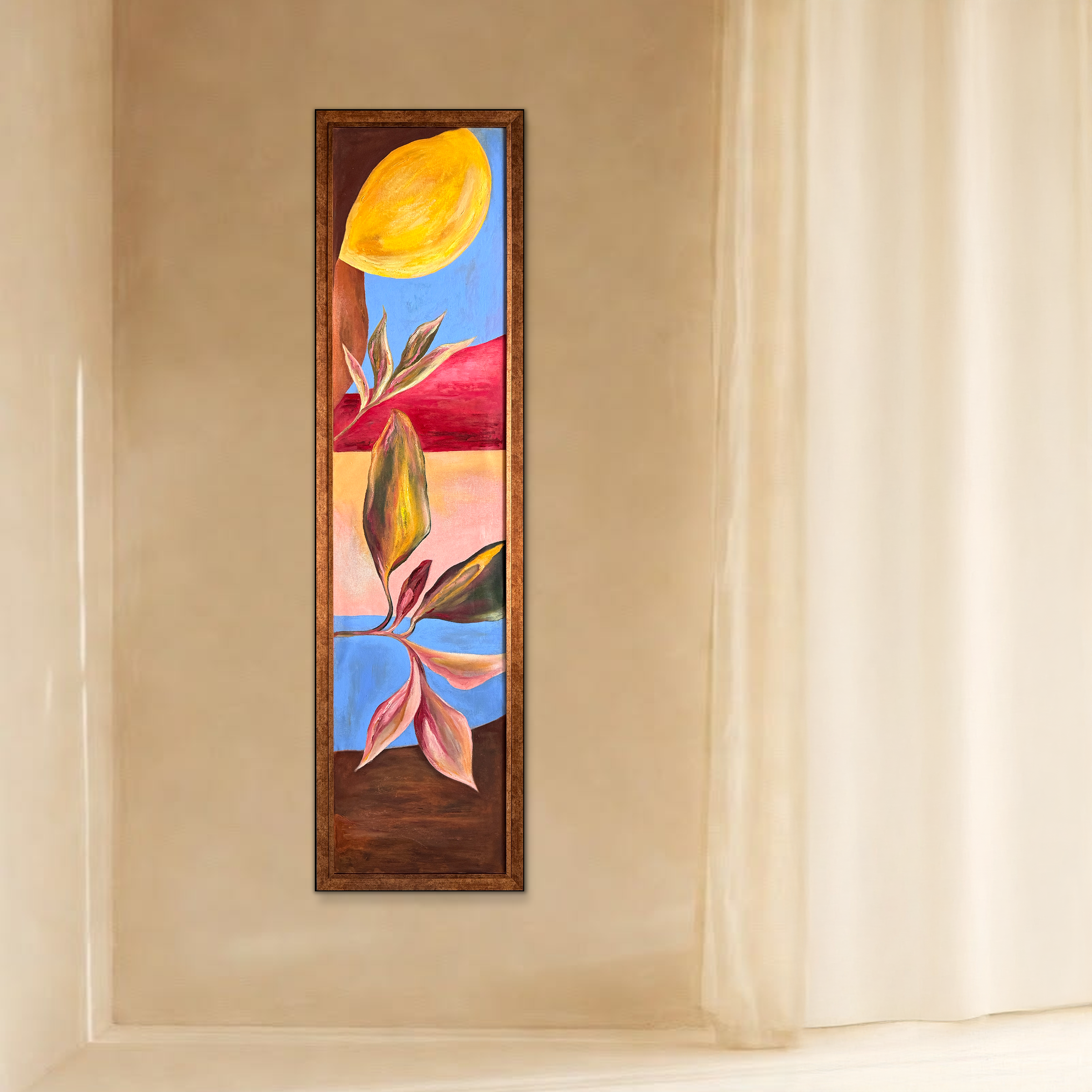
Colour is often the first thing that draws me into a painting. It can come from something I have seen, and I go with what feels right as the painting develops.
Growing up in the Maldives has naturally shaped my palette. There is so much colour in daily life, from the sea and sky to homes, and the changing light throughout the day. I am interested in how those colours can carry a feeling, rather than simply describe a place.
I like when colour can feel personal to the viewer, bringing back a memory, a place, or a feeling of their own. For me, that openness is one of the most meaningful parts of painting.
© Raya Mansoor
You work with acrylics, oils, and natural materials. How do different mediums influence the way you express your ideas?
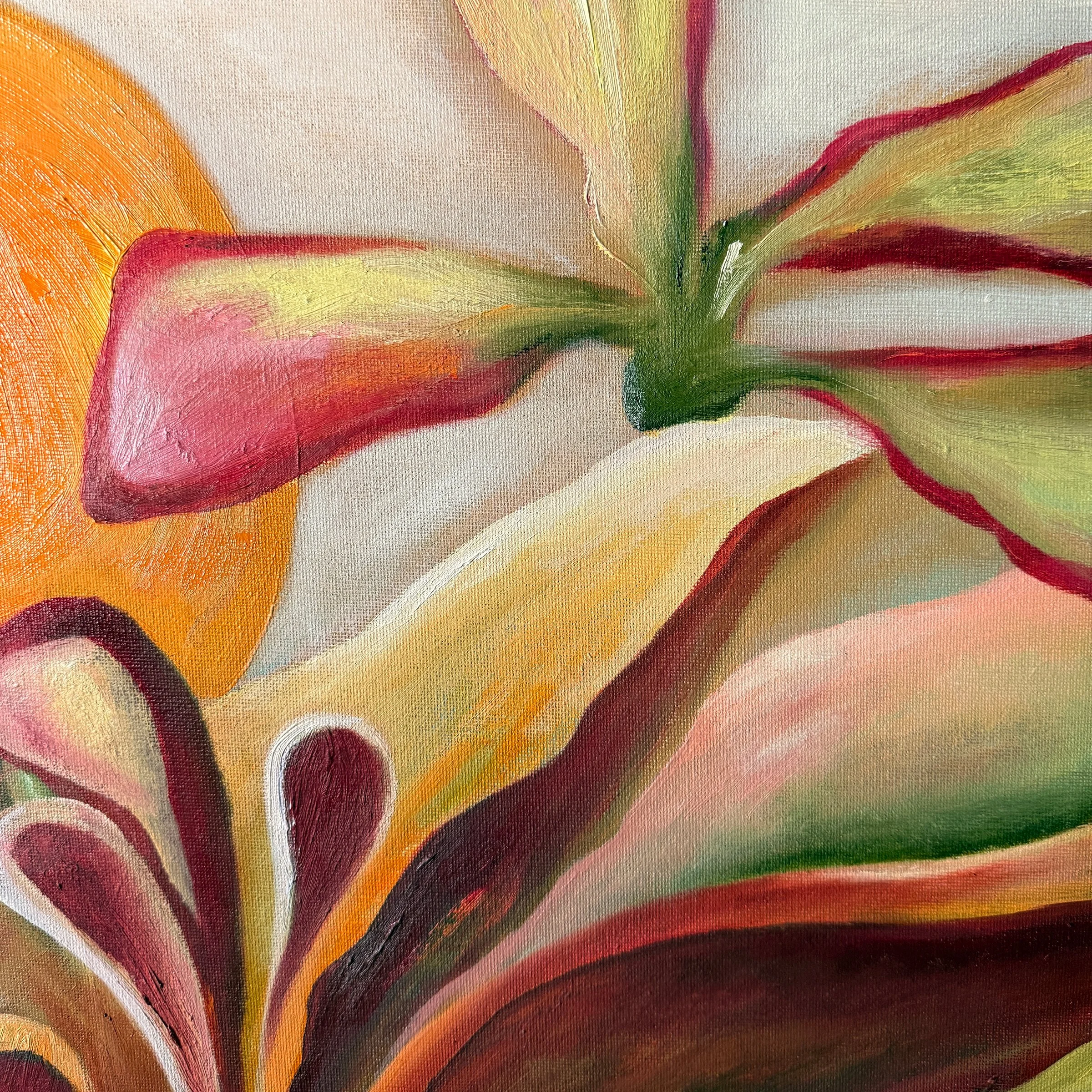
I work with acrylics and oils, but I have become especially drawn to oils. They give me more time to sit with a painting, return to it, and let the colours and forms develop more slowly. I like that I can move the paint around, layer it, and make changes as the work grows.
That slower process helps me stay open to what the painting needs, rather than deciding everything too early. It allows the work to build gradually and often leads me to places I had not planned from the beginning.
Your works explore themes of nature, heritage, light, and daily life. What personal connections do you have with these themes?
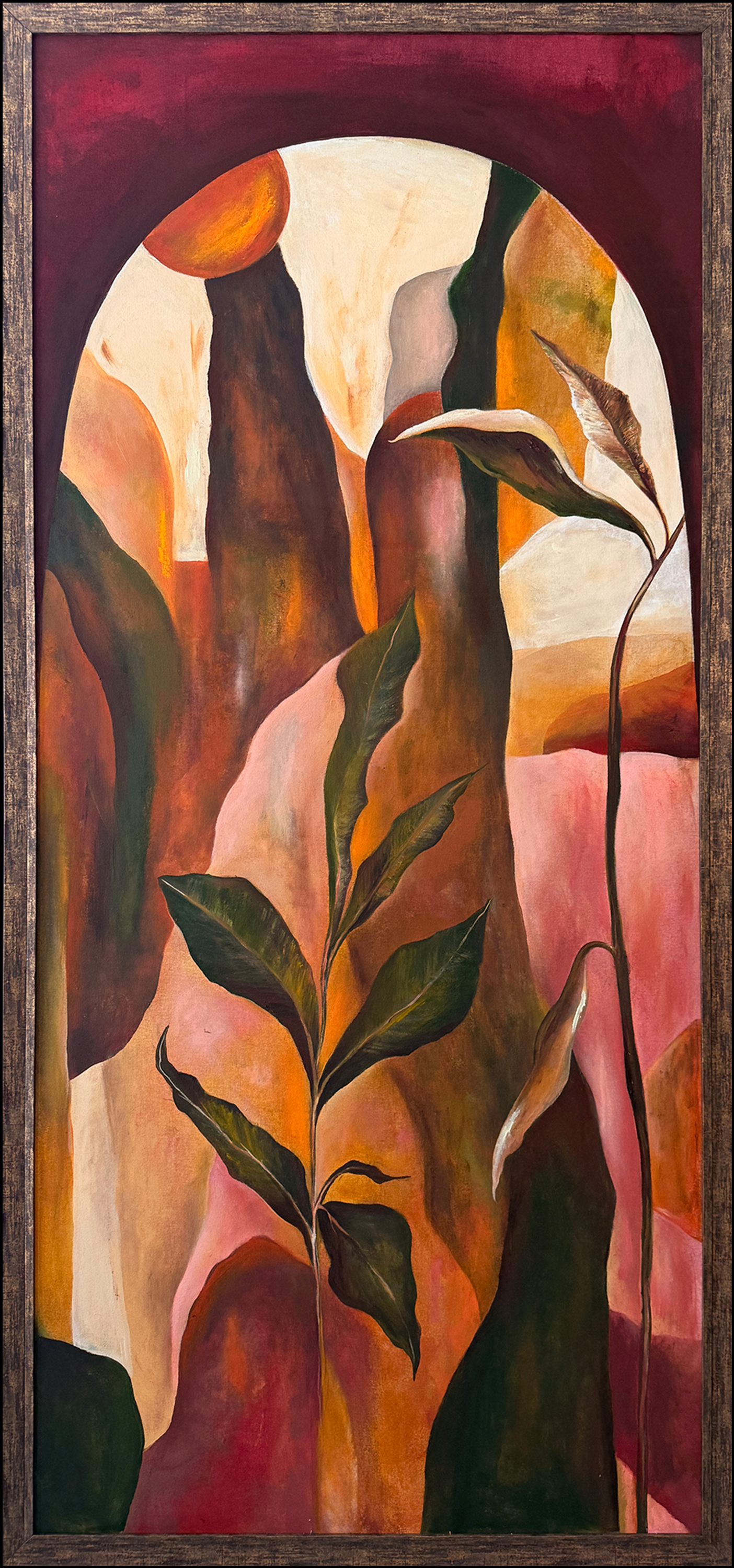
Nature was never something separate from daily life here, and heritage comes through the small things that feel familiar through places, people, and the way a home can hold so many stories. Painting helps me pay closer attention to them. It gives me a way to hold onto a feeling that may otherwise pass by unnoticed.
© Raya Mansoor
What have been the biggest discoveries throughout your artistic journey?
One of the biggest discoveries has been that learning never really stops, and that is something I genuinely love about painting. There is always more to look at, understand, and try, whether it is through the work itself, other artists, or spending more time observing what is around me.
My recent residencies have been especially meaningful in that way. They gave me the time and space to step away from my routine, work more closely from observation, and learn from new surroundings and conversations.
© Raya Mansoor
Your work has been exhibited internationally, from the Maldives and Singapore to Dubai and Berlin. How has sharing your art with different audiences influenced your perspective as an artist?
I love seeing how people can connect with it in similar ways, even when they come from very different places and experiences. A painting may begin with something personal to my life in the Maldives, but people often respond to the feeling of it through memories or places of their own.
I always enjoy hearing what someone sees in a work or what it reminds them of. It is a lovely reminder that art can create a connection without needing everything to be explained in the same way.
Lastly, looking ahead, what are your goals for your artistic practice? Are there any new projects, themes, or directions you would like to explore in the future?
Avi feels like a body of work with much more to explore, and I am interested in seeing how it grows through new places and different scales. More than anything, I hope to keep making work that feels honest to me and connected to where I come from, while staying open to being changed by new experiences along the way.
Artist’s Talk
Al-Tiba9 Interviews is a curated promotional platform that offers artists the opportunity to articulate their vision and engage with our diverse international readership through insightful, published dialogues. Conducted by Mohamed Benhadj, founder and curator of Al-Tiba9, these interviews spotlight the artists’ creative journeys and introduce their work to the global contemporary art scene.
Through our extensive network of museums, galleries, art professionals, collectors, and art enthusiasts worldwide, Al-Tiba9 Interviews provides a meaningful stage for artists to expand their reach and strengthen their presence in the international art discourse.



Raya Mansoor is a contemporary artist from the Maldives whose practice moves between abstraction and expressionism, shaped by island life, personal memory, and observation. Working primarily with acrylic and oil on canvas, she builds layered compositions through colour, gesture, and forms drawn from the natural and everyday world around her.