
10 Questions with Wangkai Wei
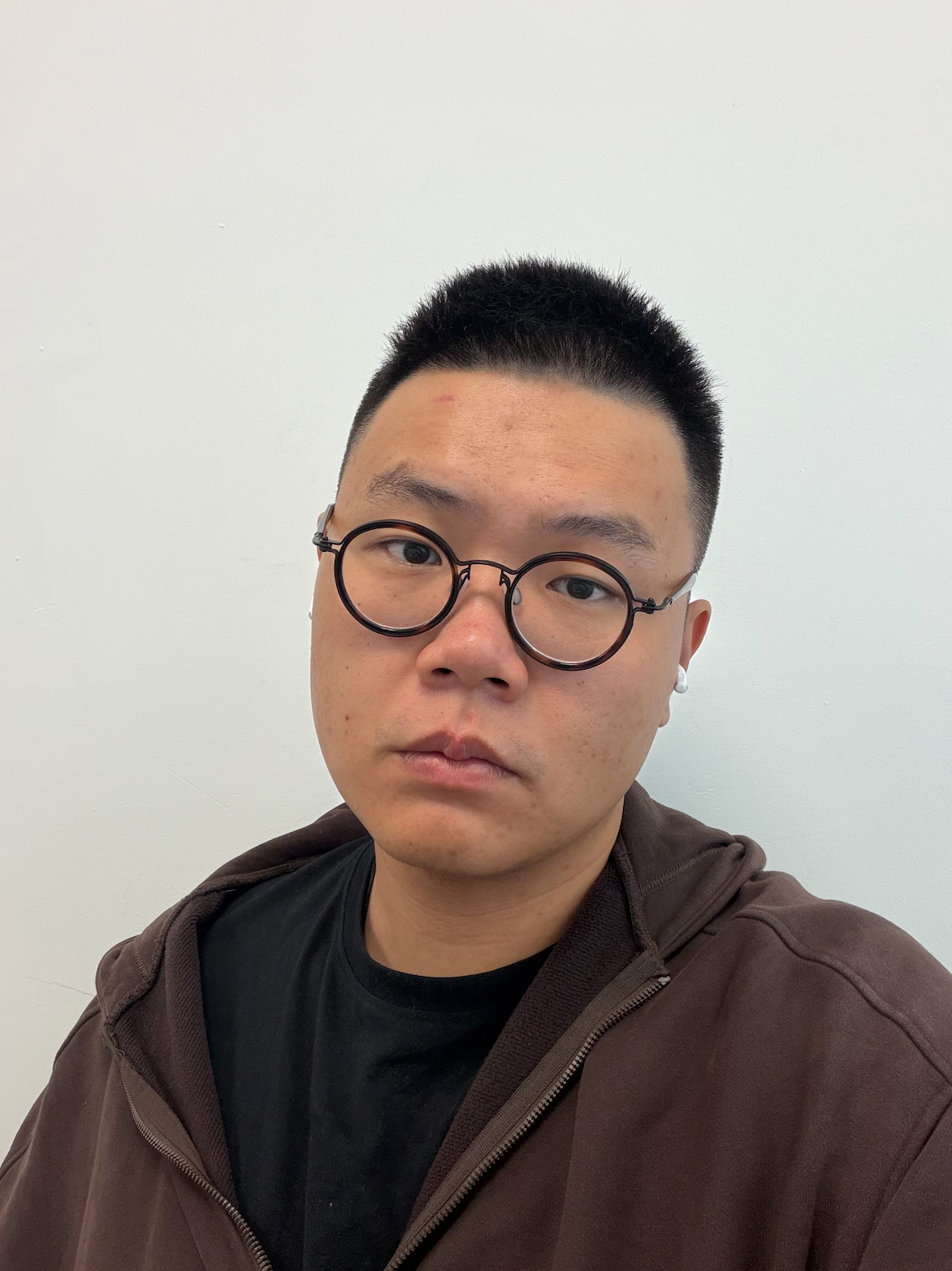
Wangkai Wei - Portrait
Wei Wangkai is a Chinese photographer and artist whose practice moves between documentary observation, psychological inquiry, and personal narrative. Born in 1996, he studied psychology at the University of Colorado Boulder and later received a master's degree in psychology from Pepperdine University. His background in psychology continues to shape the way he approaches image-making, especially his interest in memory, perception, intimacy, and the emotional structure of place.
Working across road-trip photography, landscape, portraiture, and diaristic image-making, Wei often focuses on the fragile relationship between people and the environments they pass through. His photographs are less concerned with description alone than with the way a place can hold longing, disorientation, tenderness, and silence. Much of his work is rooted in the experience of movement between countries, between relationships, and between inner and outer worlds.
Wei's photographs have been recognised internationally. He has received nominations for the 1839 Photography Awards and was awarded Gold in the 2025 500px Global Photography Awards. In addition to his photographic practice, his work is deeply informed by an ongoing interest in memory-its erosion, fragmentation, and emotional afterlife. For him, photography serves not only as observation, but as a way of preserving what remains unstable, partial, and felt.
He currently works between China and the United States.
American Vacation | Project Description
In American Vacation, Wei Wangkai approaches the visual language of the road trip not as a symbol of freedom, but as a container for emotional instability, desire, memory, and displacement. The project unfolds through motels, deserts, highways, gas stations, roadside attractions, and temporary interiors-spaces that appear familiar within the mythology of America, yet become strange when filtered through intimacy, distance, and personal transition.
Rather than treating America as a fixed subject, Wei photographs it as a psychological field. Landscape and emotion are inseparable: heat, neon, empty roads, rented rooms, and passing bodies all contribute to an atmosphere of vulnerability and impermanence. The work resists the heroic tradition of the American road narrative and instead turns toward fragmentation, tenderness, and the unstable texture of lived experience.
Informed by his background in psychology, Wei is interested in how photographs function like memory: partial, emotionally charged, and often more truthful in their distortions than in literal clarity. American Vacation does not attempt to explain a place; it registers the tension between presence and disappearance, attachment and drift. For Wei, photography is a way of measuring attention and emotional residue, and this project reflects on what remains when movement no longer promises escape.
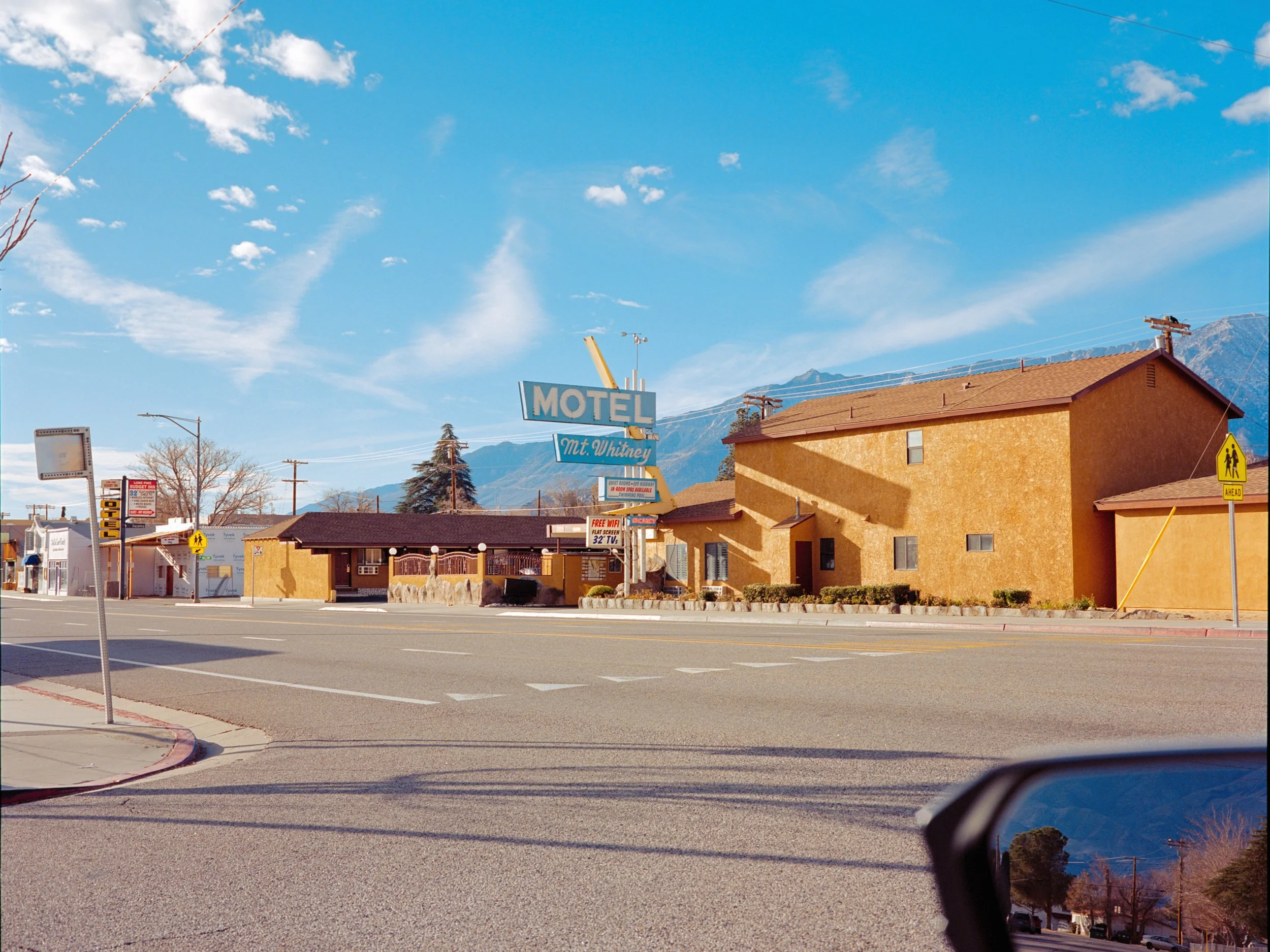
Intersection, film, 2023 © Wangkai Wei
INTERVIEW
How did psychology shape the way you approach photography?
Psychology made me attentive to what remains indirect in human experience, memory, projection, contradiction, and emotional residue. It taught me that people are never defined only by what appears on the surface. In photography, that understanding led me away from straightforward description and toward atmosphere, distance, and the quieter traces of inner life.
How did your path from China to the U.S. shape your practice?
My path was never linear. I moved between China and the United States while studying psychology, and photography developed within that experience of movement, adjustment, and cultural transition. It became a way to hold ambiguity when language felt insufficient, and a way to think through experience without reducing it to a fixed explanation.
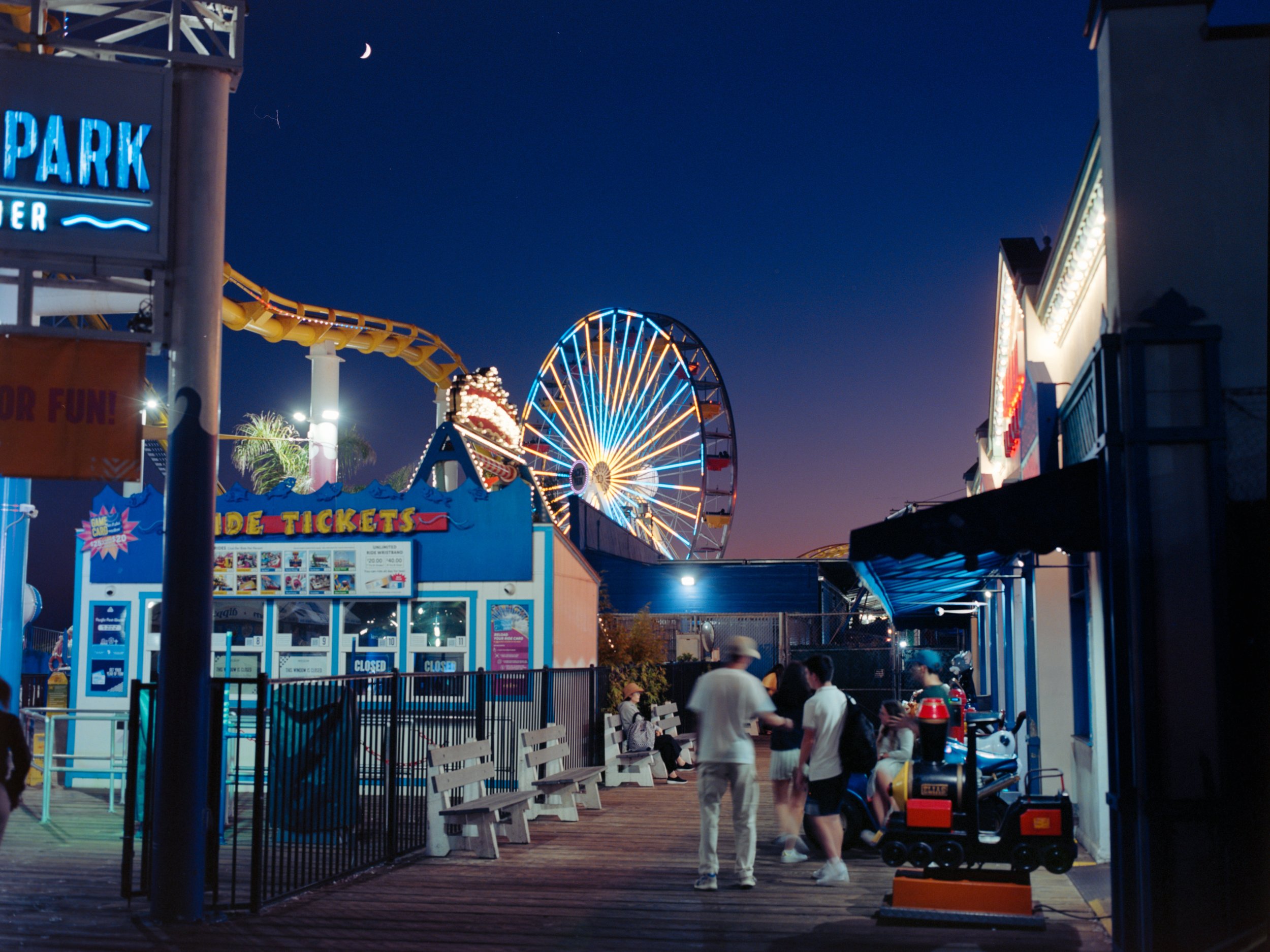
Santa Monica, film, 2023 © Wangkai Wei
How has living between China and the United States influenced you as an artist?
Living between China and the United States shaped me culturally, personally, and psychologically. I was a very introverted child, and English gradually became a second psychological space for me. That condition made me especially attentive to the distance between inner life and expression. I also learned a surprising amount of English through George Carlin’s stand-up, and his rhythm, irony, and freedom with language left a lasting impression on me. That tension between inwardness and expression continues to shape how I think about identity, instability, and belonging in my practice.
How do you decide between portraiture, landscape, and road-trip photography?
I usually begin with an emotional condition rather than a category. Sometimes the centre of a project is a person; at other times, the emotional weight is carried more fully by a space, a motel room, a roadside stop, a desert, or a temporary interior. What matters most is finding the form that can hold that emotional charge with the greatest clarity.
What is your creative process like?
My process is actually quite simple: I follow emotion, but I work within strict limits. Film is expensive, so on many trips I bring only two rolls of 120 film, which may mean making just twenty photographs over five days. That limitation slows me down and forces a more deliberate way of seeing. I also do my own darkroom work, which gives me a quiet, physical way to return to the image. Over time, I have become less interested in making an obviously “great” photograph and more committed to using restraint, emptiness, and ordinary subjects to build mood.
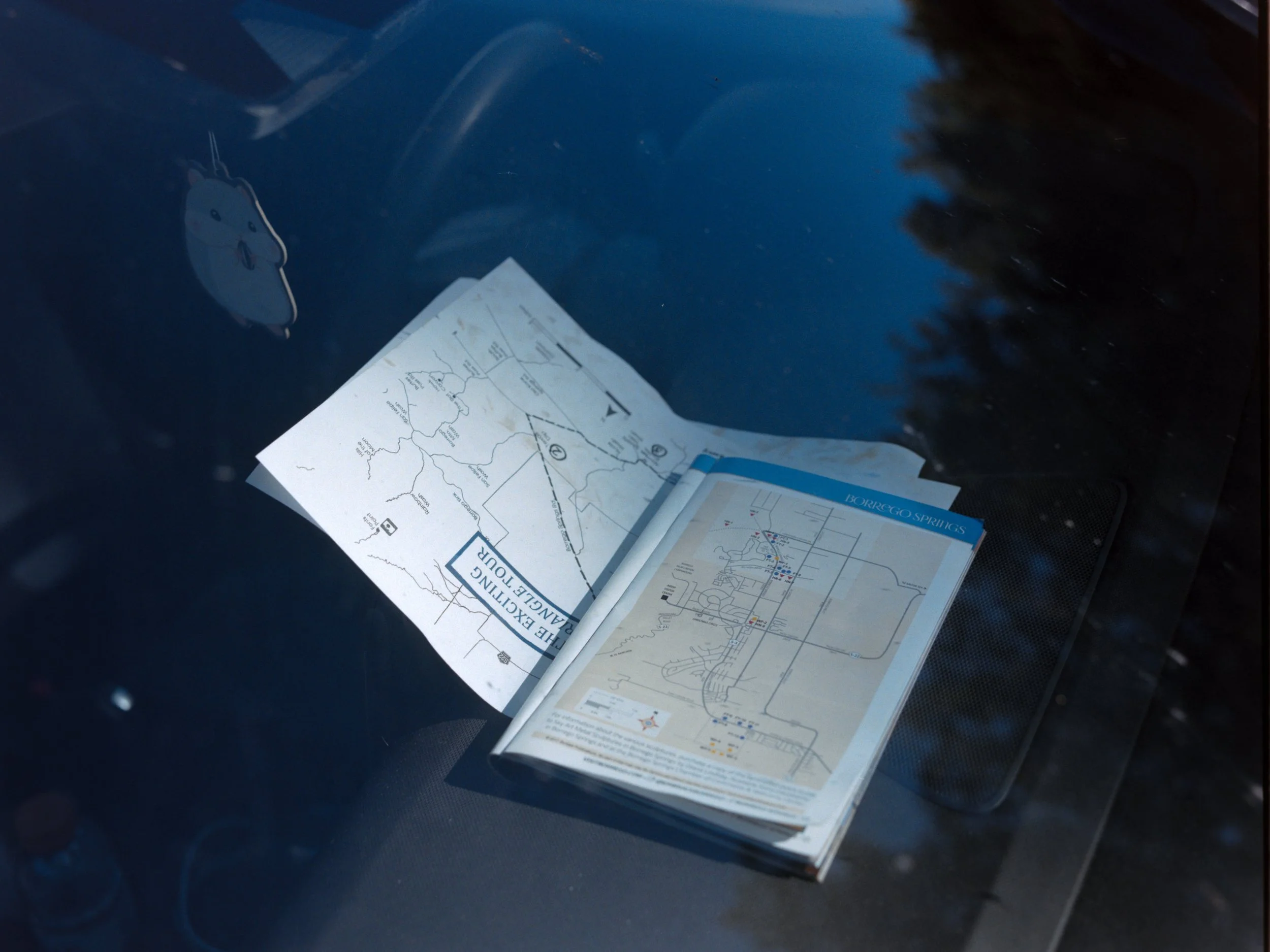
Map, film, 2023 © Wangkai Wei
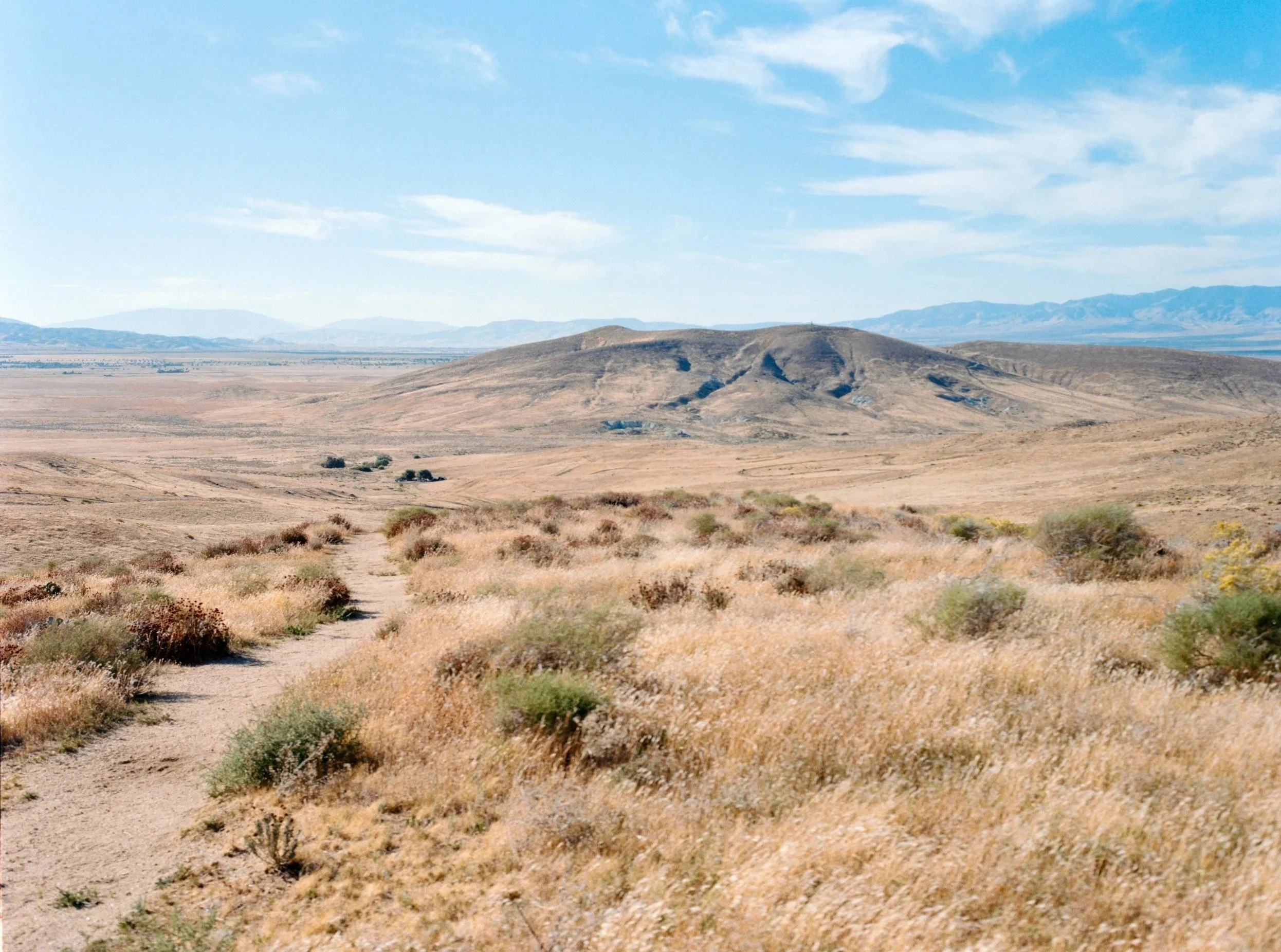
Nature Hike, film, 2023 © Wangkai Wei
How do you translate psychological states into visual language?
A great deal of that comes from my experience of life in China. Chinese culture remains, in many ways, deeply collectivist, and emotional expression is often more indirect and internalised. In classical Chinese poetry, feelings are frequently carried by weather, objects, distance, or landscape rather than named directly. That structure stayed with me. In life, it could be exhausting; in art, it became an essential tool. I let emotion move into rooms, roads, light, and empty space.
What inspired American Vacation?
I am closer to the kind of photographer who photographs first and understands the full structure of a project later. While making American Vacation, I was highly aware of road-trip stereotypes and often questioned that visual language. Over time, however, I understood that these places, motels, highways, gas stations, and desert roads, were not simply borrowed photographic forms. They were genuinely part of how I move through life. Driving has long been a form of pleasure, escape, and temporary relief for me, and the project became fully meaningful once I recognised that those repeated forms belonged to my own emotional reality.
What do you hope viewers take away from American Vacation?
American Vacation is one of my more accessible projects because viewers already recognise the emotional language of road trips, longing, and personal narrative within photography. At the same time, it marks an important transition in my practice. I began with photography in a more direct way, but over time I became increasingly shaped by contemporary art and by questions of how meaning is constructed through sequence, structure, and fragmentation. I hope viewers experience both the intimacy of the work and that larger shift in my thinking.

Breakfast, film, 2023 © Wangkai Wei
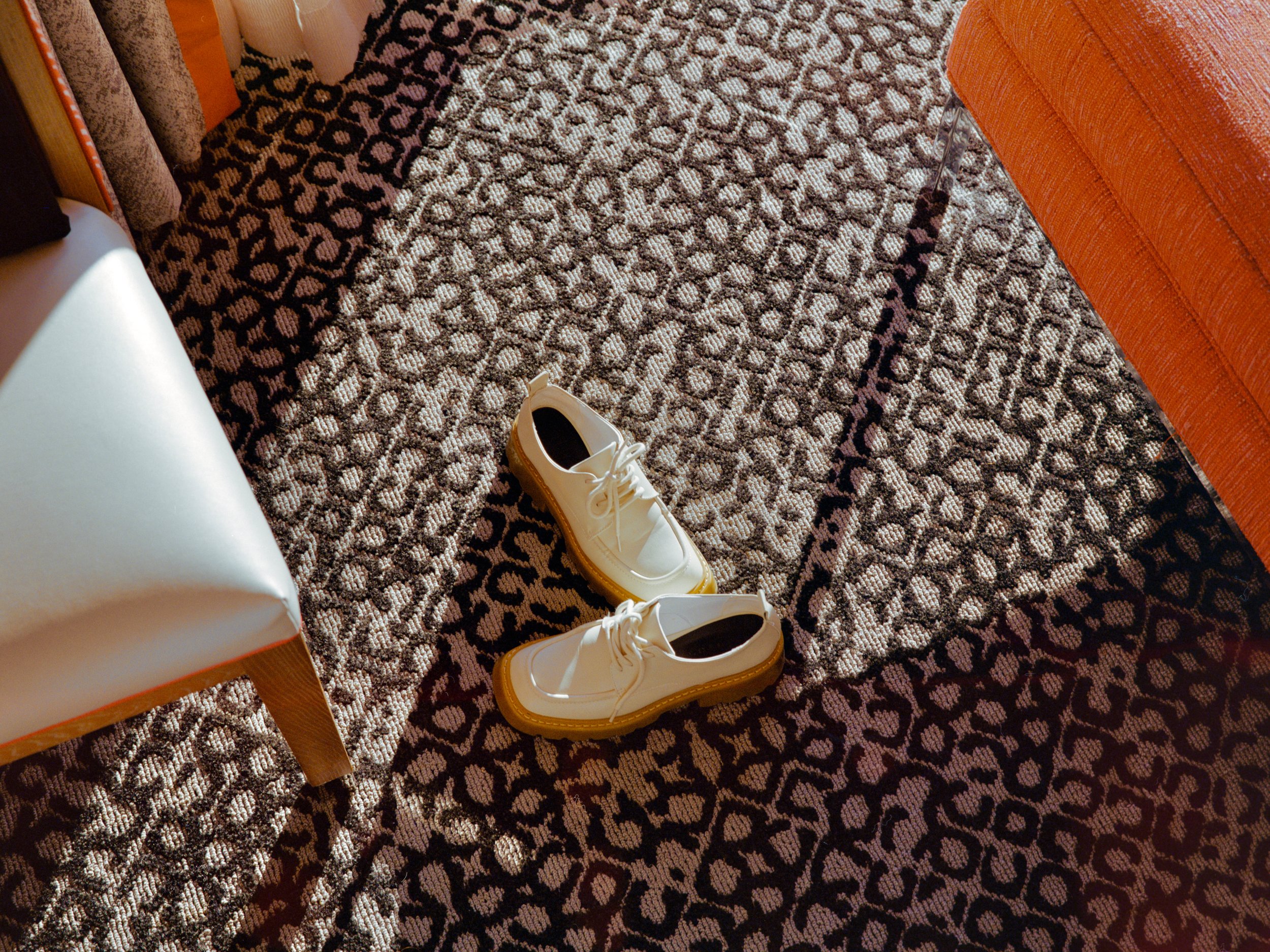
Vacation, film, 2023 © Wangkai Wei
Why are you drawn to fragmentation, impermanence, and intimacy?
Part of that comes from experience, and part of it comes from temperament. I entered photography in an unusual way: after repairing many cameras, I felt compelled to use them. I am also a deeply emotionally sensitive person. When I was younger, I assumed other people experienced emotion in ways similar to mine, but with time, I became much more aware of how misaligned emotional lives can be. That recognition, and the confusion and sadness that can come with it, continues to draw me toward intimacy, asymmetry, memory, and impermanence.
What directions are you excited to explore next?
I want to go further into the relationship between photography, memory, and psychological structure. I am also increasingly interested in moving more deeply into contemporary art without leaving photography behind. Sequence, narrative gaps, installation logic, and the collective meaning produced by images all feel central to where I want to go next.
Artist’s Talk
Al-Tiba9 Interviews is a curated promotional platform that offers artists the opportunity to articulate their vision and engage with our diverse international readership through insightful, published dialogues. Conducted by Mohamed Benhadj, founder and curator of Al-Tiba9, these interviews spotlight the artists’ creative journeys and introduce their work to the global contemporary art scene.
Through our extensive network of museums, galleries, art professionals, collectors, and art enthusiasts worldwide, Al-Tiba9 Interviews provides a meaningful stage for artists to expand their reach and strengthen their presence in the international art discourse.
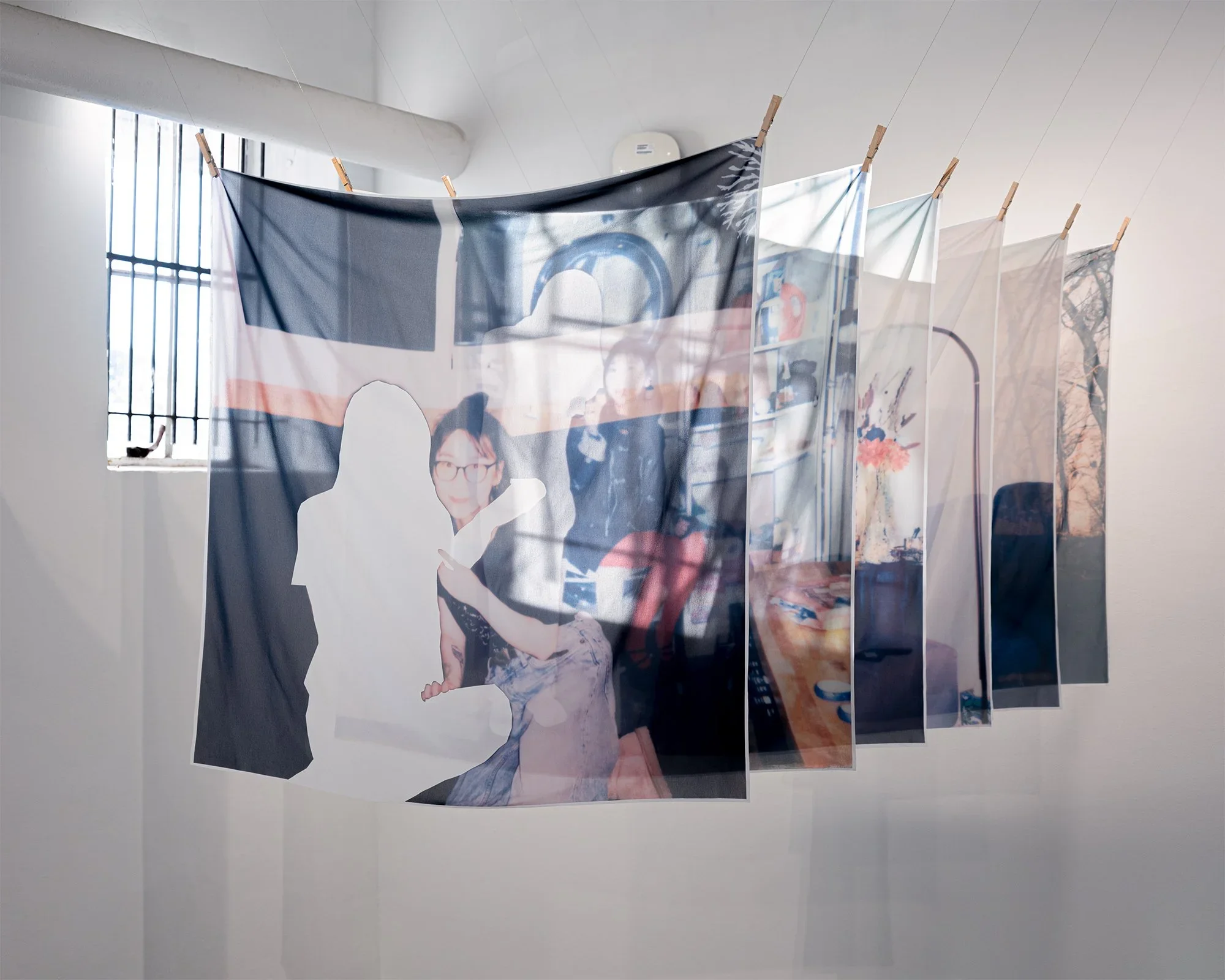

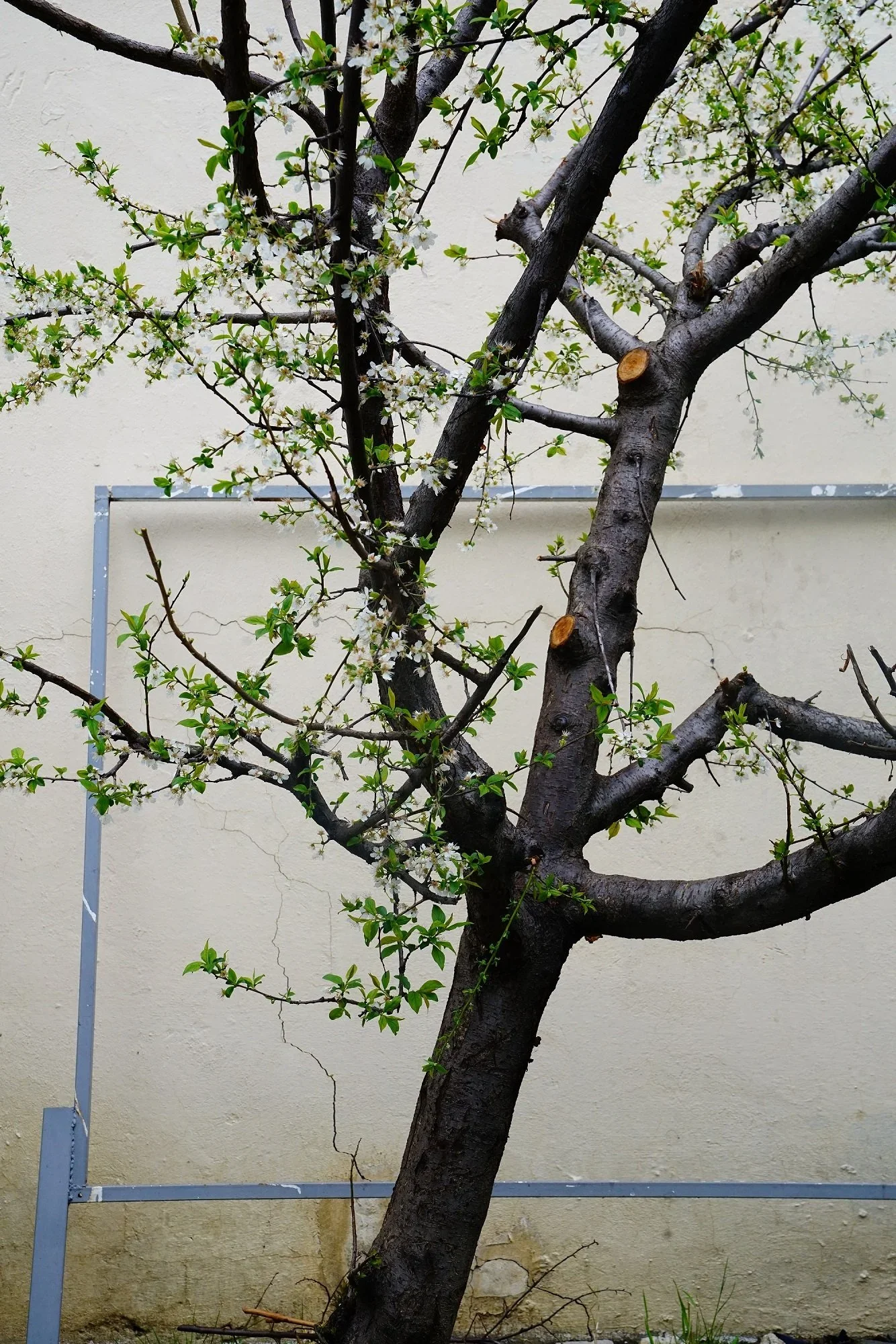


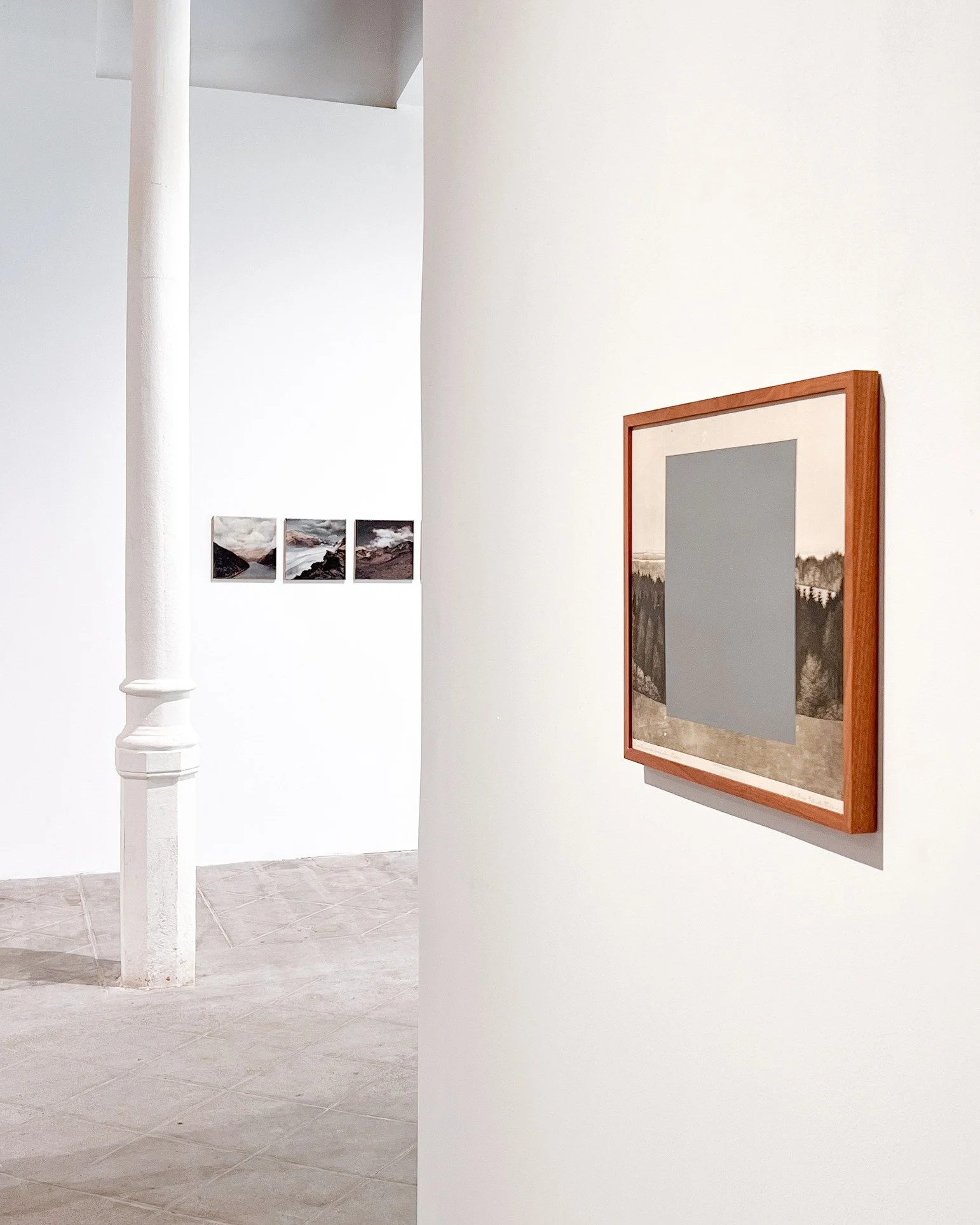
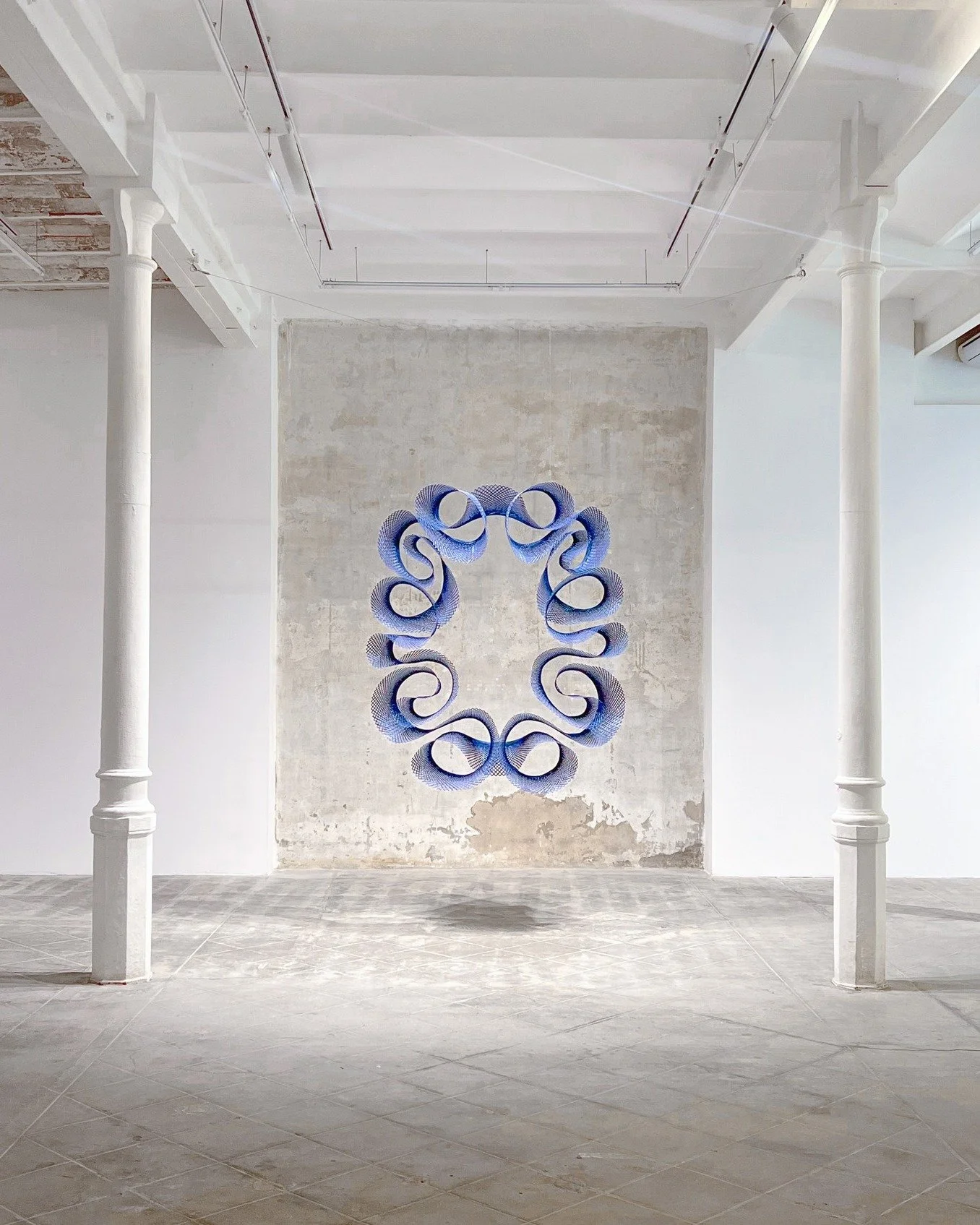
Bichen Liu is a Chinese lens-based visual artist working across fine art photography, black-and-white image-making, and experimental photographic practice. What Lies Beneath is a black-and-white photographic series focusing on exposed root systems and coastal residues, that transforms overlooked ecological fragments into visual records of support, erosion, and displacement.