
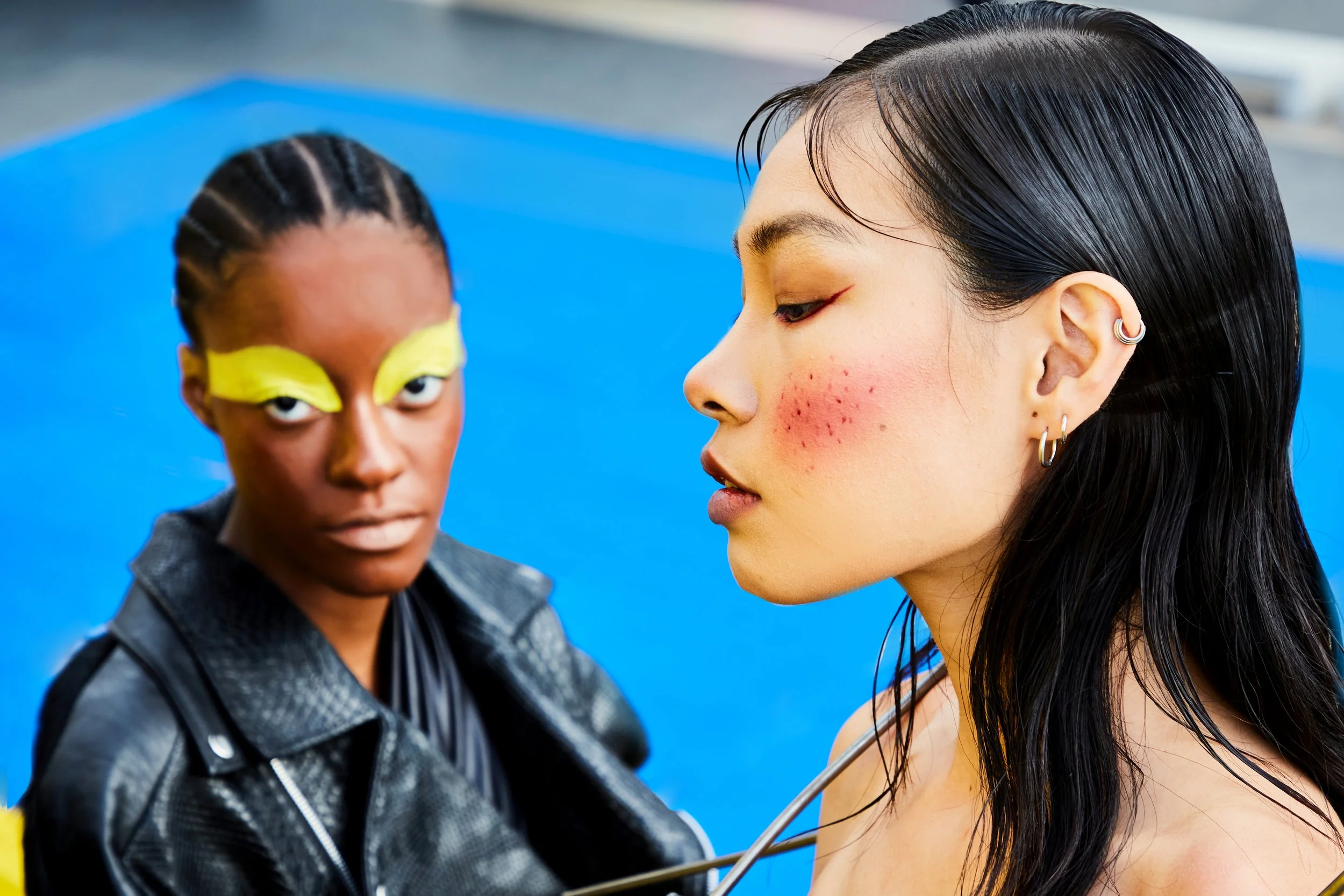
10 Questions with Syona Cheng
Al-Tiba9 Art Magazine ISSUE20 | Featured Artist
Shuk Yan Syona Cheng is a visual artist and photographer whose practice merges fashion, fine art, and surreal digital collage. A graduate of London College of Fashion, University of the Arts London, she draws upon her dual cultural background between the UK and China to construct a distinctive visual language that bridges emotional intimacy and structural precision. Cheng's imagery is characterised by bold colour palettes, sculptural compositions, and the expressive tension of the human form. Through photography and digital manipulation, she transforms familiar gestures into psychological landscapes, revealing how identity and emotion are continually shaped by connection, memory, and space. Her ongoing body of work, Torn and Reconstructed, forms part of a broader visual trilogy exploring the cyclical process of fracture and renewal. Across these chromatic phases, Cheng's practice dissolves the boundary between fashion and fine art, transforming visual experimentation into a poetic inquiry on resilience and transformation.
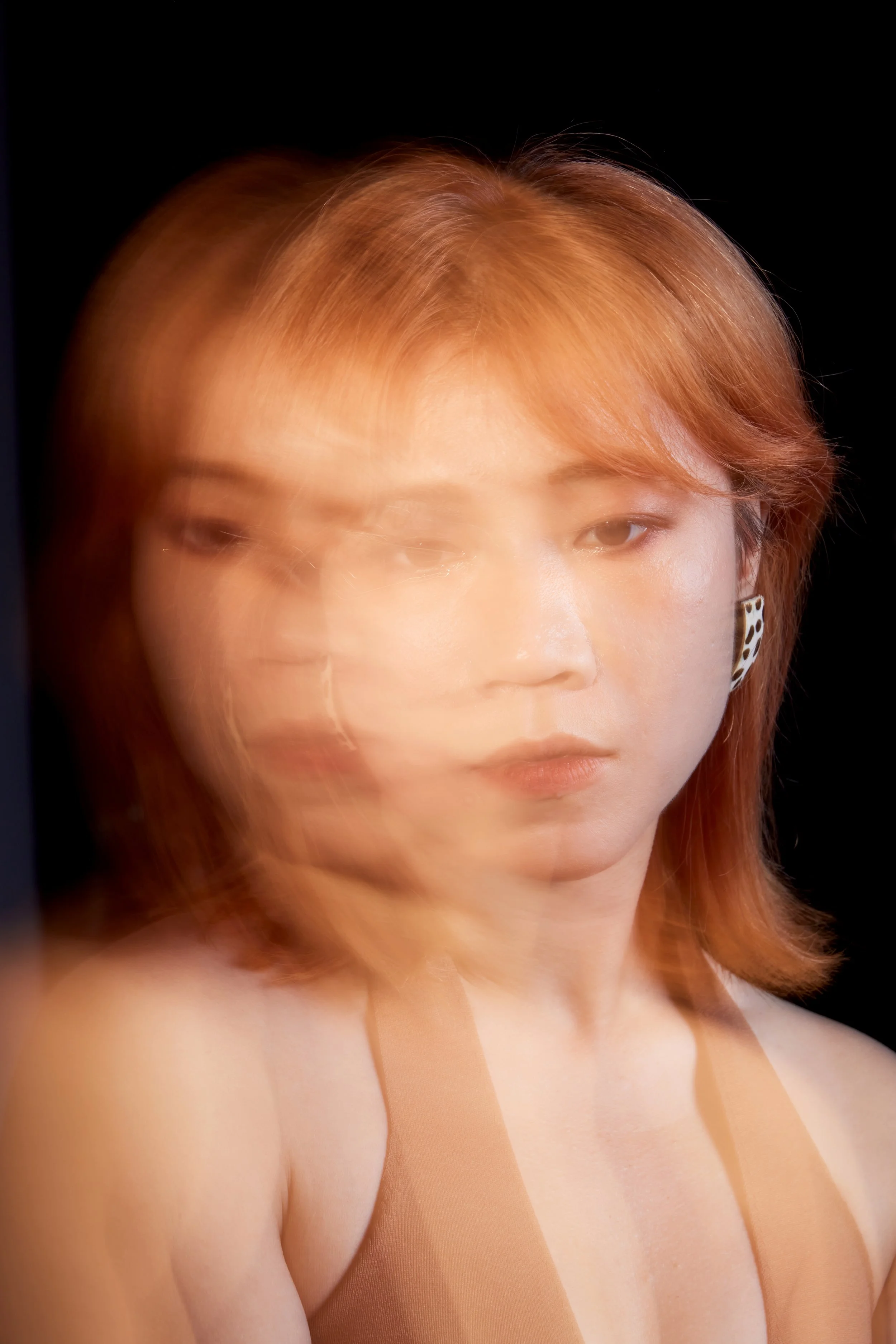
Syona Cheng, Self in Motion (2025)
ARTIST STATEMENT
Shuk Yan Syona Cheng explores the body as a vessel of emotion and transformation. Her ongoing project, Torn and Reconstructed, examines how identity fractures and reforms through human connection, how every relationship, even in absence, leaves imprints that become part of who we are. Using photography and digital collage, Cheng stages the body within symbolic architectures of colour and form, revealing the tension between intimacy and distance, rupture and renewal. The work unfolds as a visual trilogy: Yellow reflects emotional entanglement and reconstruction, the way personal encounters reshape the self. Red evokes desire, pulse, and the inner turbulence of longing. Blue speaks of calm, distance, and the quiet act of becoming whole again. Across these chromatic phases, Cheng builds a poetic narrative of human resilience, a meditation on how we dissolve, adapt, and reassemble in the ever-changing architecture of feeling.
Torn and Reconstructed #2 — The Space Between Us, Photography, 90 × 60 cm, 2025 © Syona Cheng
Torn and Reconstructed | Project Statement
Throughout our lives, certain people accompany us for a time, but their departure doesn't erase their presence. Fragments of them remain within us, woven into our emotional and psychological architecture. Each relationship, no matter how brief, leaves an imprint that reshapes who we become. In the end, we remain ourselves, and yet, we are no longer the same. Torn and Reconstructed explores this quiet process of connection, dissociation, and renewal. Through staged photography and subtle post-production manipulation, Cheng examines how human relationships fracture and reform within us, how traces of others continue to live through our gestures, memories, and emotional landscapes. Using strong colour contrasts, bodily tension, and architectural settings, the series visualises an inner state where intimacy meets distance, where identity is constantly being dismantled and rebuilt. It is a meditation on transformation, how loss and becoming coexist within the same breath.
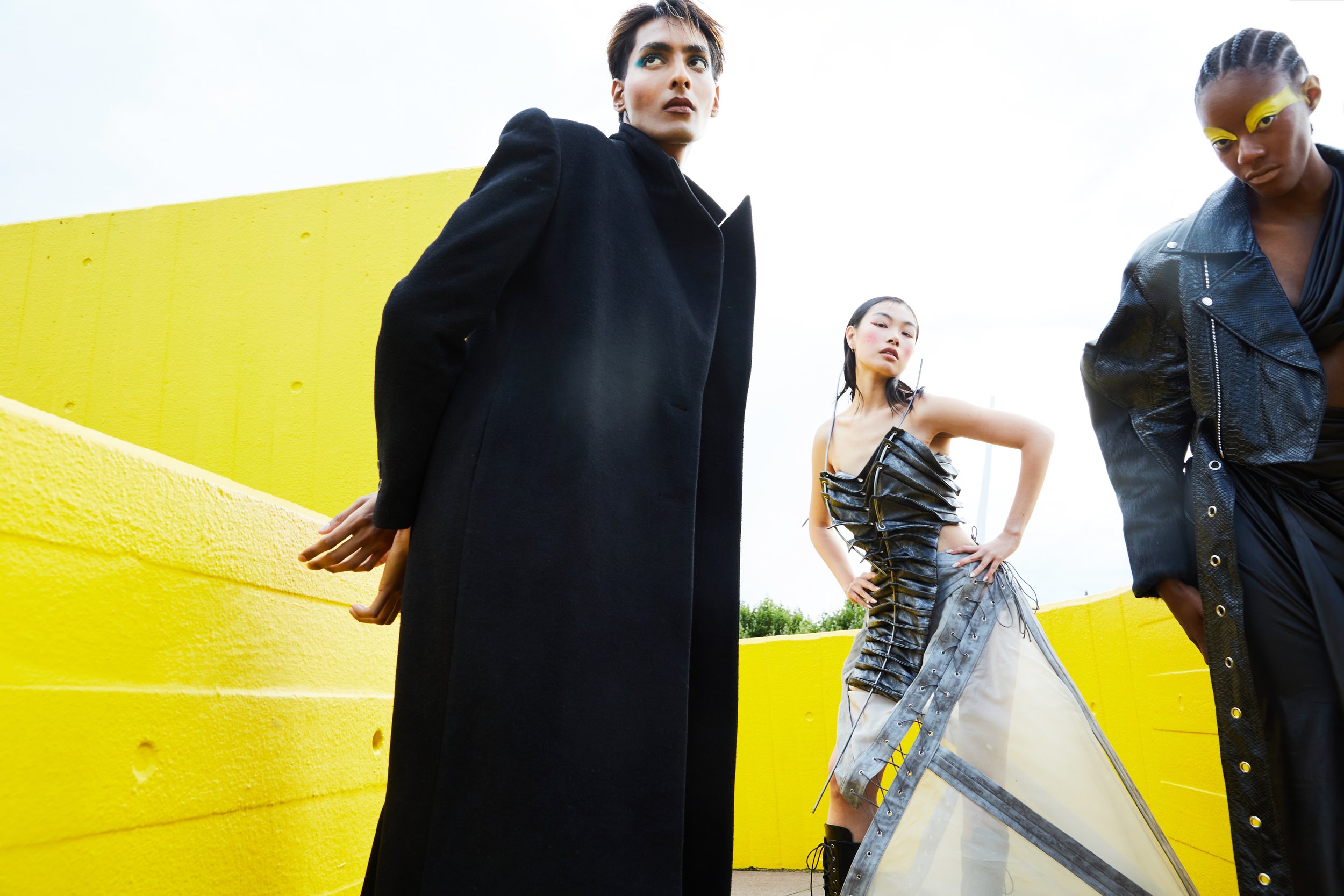
Between Motion and Stillness, Photography, 2025 © Syona Cheng
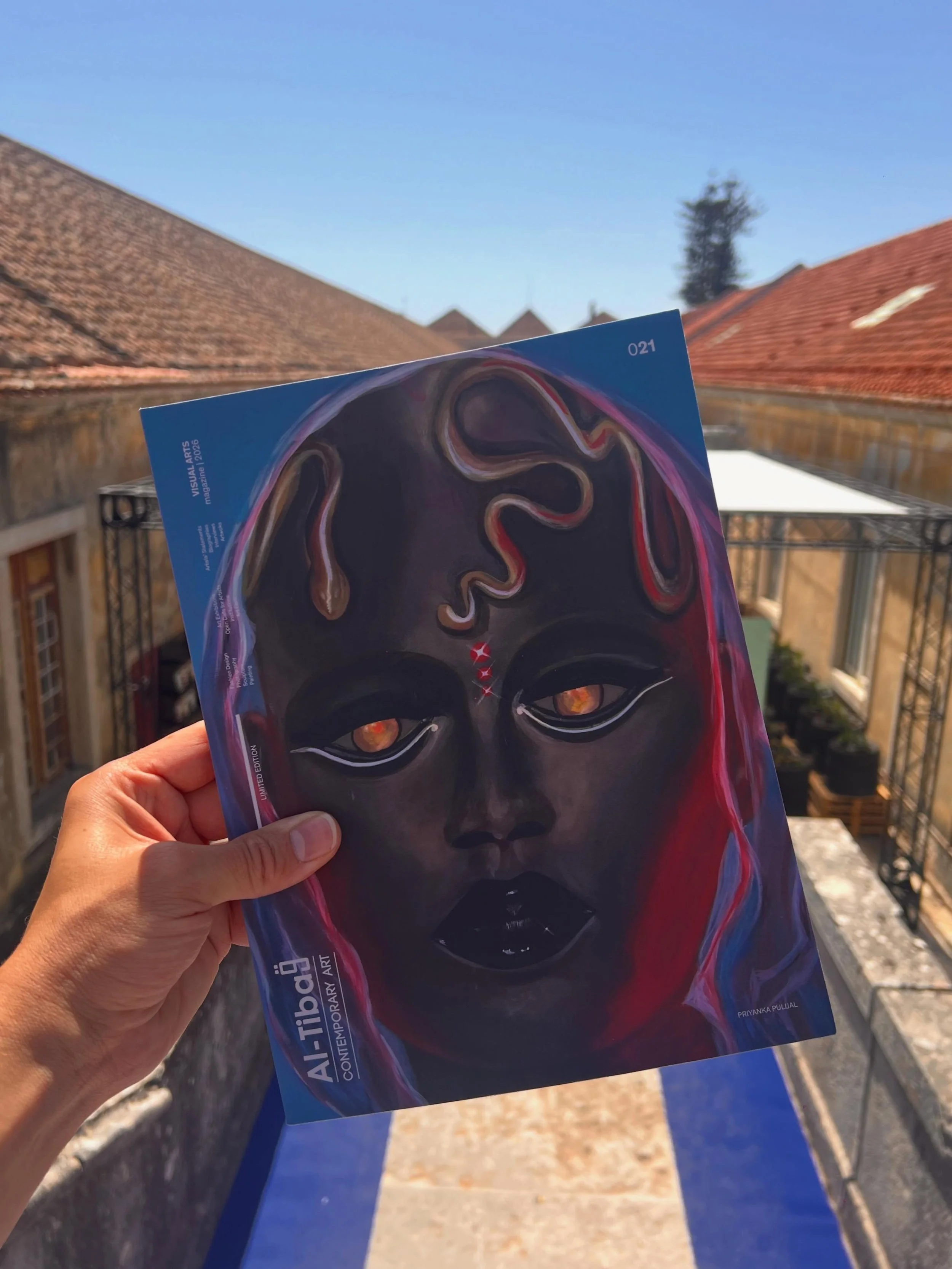
AL-TIBA9 ART MAGAZINE ISSUE20
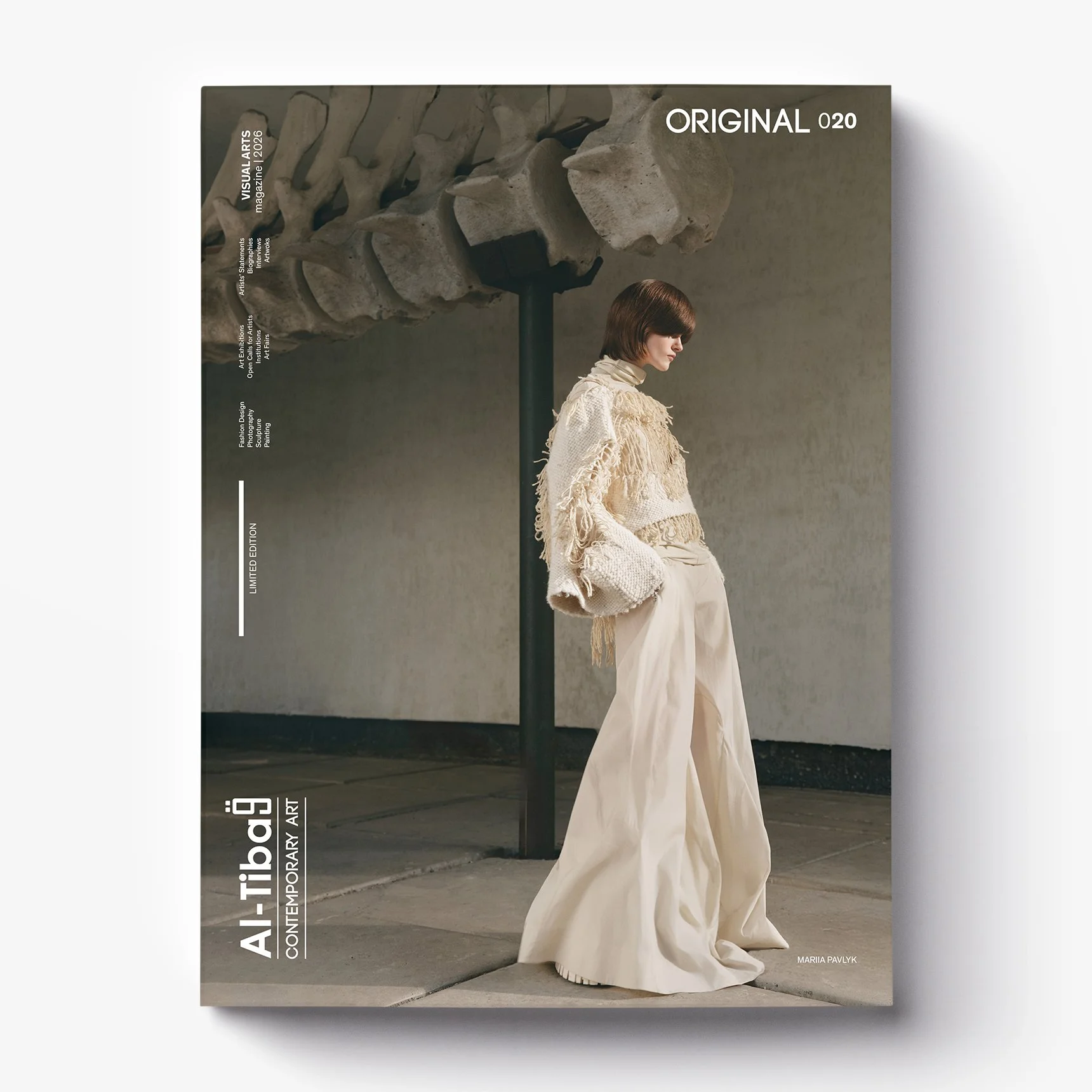
DISCOVER THE INTERNATIONAL ART SCENE WITH AL-TIBA9
LIMITED EDITION | Shipping worldwide.
Premium museum art paper.
Printed in London.
Grab 3 or more prints and get your FREE digital magazine.
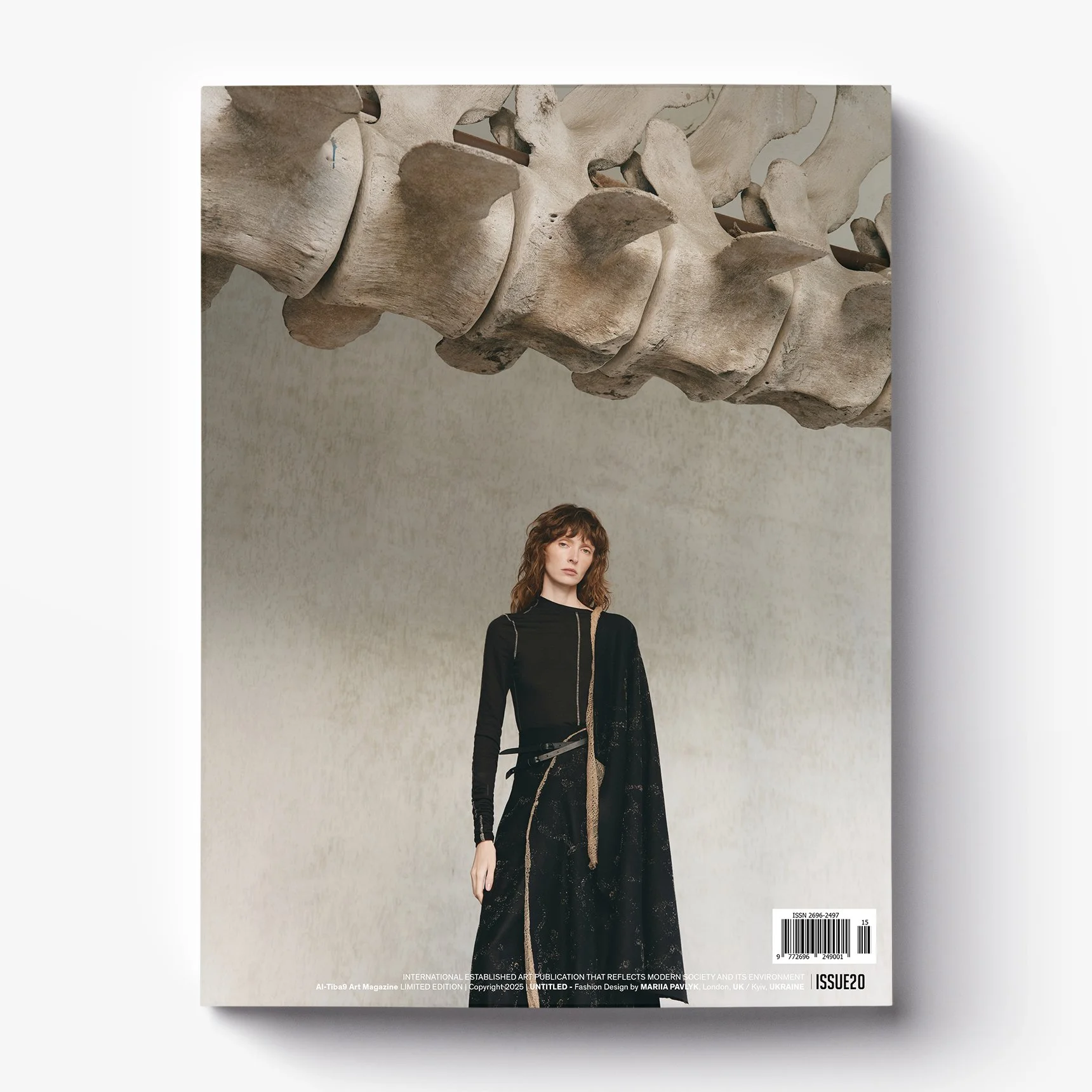
Get your limited edition copy now
INTERVIEW
Your practice moves fluidly between photography, fashion, and fine art, rooted in your studies at the London College of Fashion. How did this multidisciplinary path take shape, and what made photography become the language you rely on most?
My multidisciplinary path developed quite organically through my studies at the London College of Fashion, where fashion was never treated as an isolated discipline, but as a system intertwined with the body, space, material, and emotion. Fashion trained me to observe how the body performs identity, how gesture carries intention, and how visual surfaces can communicate psychological states. Fine art, on the other hand, offered me the conceptual freedom to slow down, to question images rather than simply produce them.
Photography gradually became the language I rely on most because it allows these disciplines to coexist rather than compete. It sits at a precise intersection between reality and interpretation, grounded in the physical presence of the body, yet open to abstraction, distortion, and transformation. Unlike pure fashion imagery or purely conceptual work, photography enables me to hold emotion, narrative, and materiality within a single frame.
For me, photography is not a final medium but a container, one that can absorb fashion’s sensitivity to form, fine art’s conceptual depth, and my own ongoing inquiry into emotional states and human relationships. It is within this medium that my ideas feel most truthful and structurally coherent.
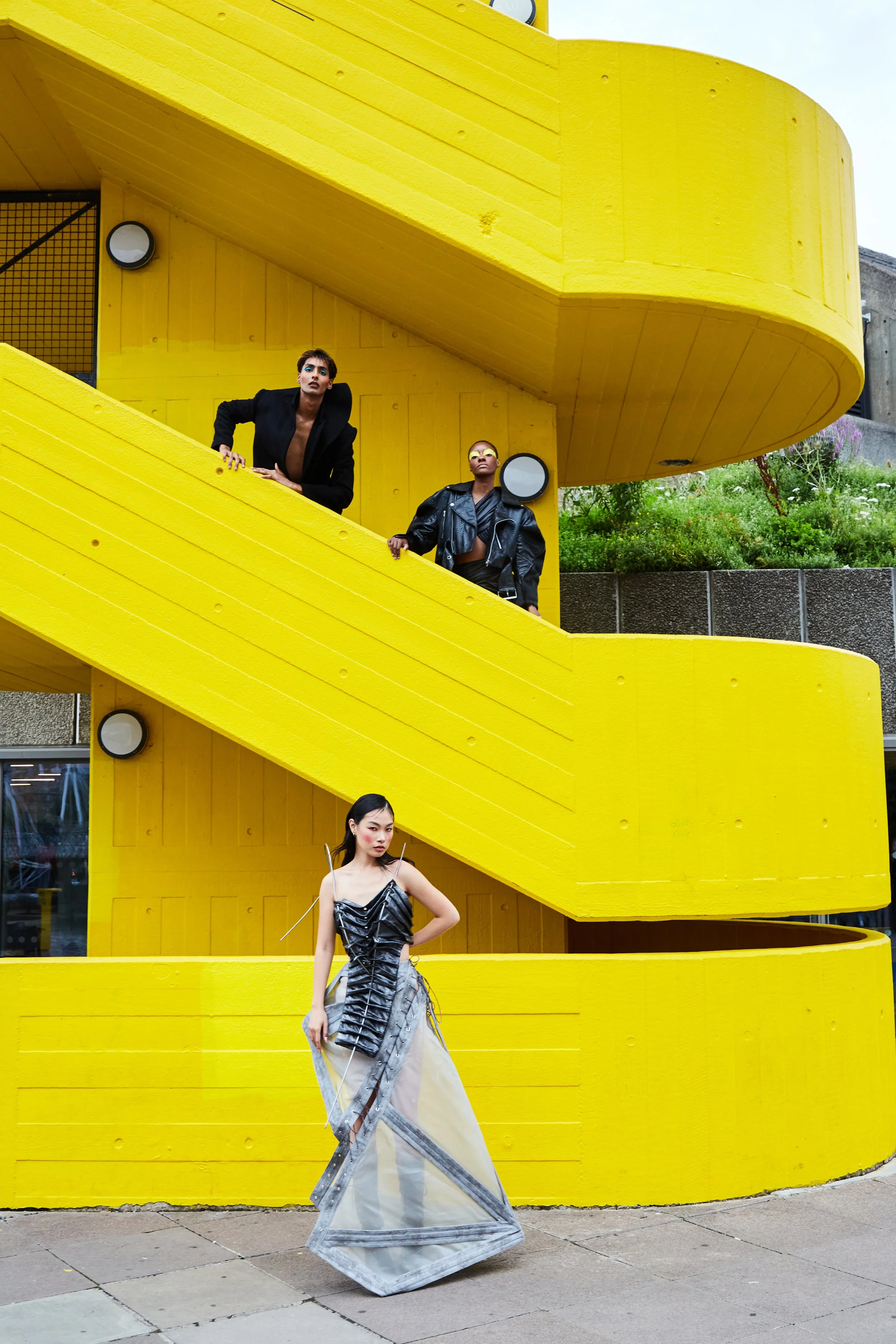
Torn and Reconstructed #4 — Layers of Connection, Photography, 90 × 60 cm, 2025 © Syona Cheng
Your work merges elements of fashion imagery with surreal digital collage. When you create, where does the process begin, with colour, gesture, narrative, or something more intuitive?
My creative process is intuitive, but it often begins with colour. I use colour as a way to establish an emotional temperature, it sets the tone of the work before any concrete image is formed. Each colour carries a psychological weight for me, and it helps define the emotional territory I want to enter.
Once this chromatic atmosphere is established, I begin working with the body. I respond closely to the model’s movements, posture, and gestures, adjusting the image as the body reveals tension, resistance, or vulnerability. Rather than imposing a fixed pose, I allow the interaction between colour and gesture to guide the direction of the photograph.
Digital collage comes later in the process. It emerges from observing individual images and sensing potential connections between them, visual, emotional, or symbolic. Through collage, separate photographs begin to communicate with one another, allowing fragments to be reassembled into a new psychological space. In this way, intuition initiates the work, colour provides structure, the body gives it form, and collage becomes a method of connection and reconstruction.
Coming from a dual cultural background between the UK and China, how does this experience shape your visual language or the emotional themes you’re drawn to?
Growing up and working between the UK and China has placed me in a continual state of in-between, culturally, emotionally, and visually. Rather than experiencing these two contexts as a clear contrast, I have become attuned to the subtle tensions that exist when belonging is never entirely fixed. This position has deeply shaped my sensitivity to themes such as displacement, emotional distance, and the quiet negotiations that occur within human relationships.
The UK offered me a certain distance, a space to observe, analyse, and reflect, while my connection to China carries a more embodied emotional memory, rooted in intimacy, attachment, and unspoken expectations. My visual language often emerges from the friction between these two modes: restraint and intensity, clarity and ambiguity, presence and absence.
As a result, my work rarely seeks resolution. Instead, it holds moments of suspension, rupture, or unresolved closeness. I am drawn to emotional states that sit just before or after something happens, where connection feels possible yet unstable. This liminal perspective allows my work to move beyond cultural representation and toward a more universal exploration of how individuals carry emotional traces across time, space, and relationships.

Torn and Reconstructed #1 — Under the Weight of Colour, Photography, 90 × 60 cm, 2025 © Syona Cheng

Torn and Reconstructed #3 — After the Break, Photography, 90 × 60 cm, 2025 © Syona Cheng
In your statement, you describe the body as a vessel of emotion and transformation. How do you direct or pose your models to communicate tension, intimacy, or rupture through gesture alone?
When working with models, I begin by sharing the conceptual framework of the project rather than directing specific poses. I want them to fully understand and inhabit the emotional territory I am exploring. Once they are immersed in the theme, I invite them to move intuitively, allowing their gestures to emerge from their bodily responses rather than fromconscious performance. My role then becomes one of observation, capturing the moments that surface naturally as the body reacts to the idea.
My role then shifts from directing to observing. I watch closely for subtle moments as they emerge, a hesitation in the hands, a shift of weight, a gesture that feels unresolved or restrained. These are often fleeting instants, and I work through a process of capturing rather than staging, preserving the moments where emotion surfaces naturally through the body.
In this way, gesture becomes a language that precedes explanation. The body is not instructed to represent emotion; it is allowed to register it. Through this process, the body functions as a vessel of emotional transformation, carrying internal states into the image without the need for explicit narration.
Your ongoing series, Torn and Reconstructed, explores how human relationships leave emotional imprints within us. What sparked the idea for this project, and how has it evolved as you continue working on it?
Torn and Reconstructed began as an intuitive response to how relationships quietly alter us over time. I was interested in the way emotional experiences, intimacy, conflict, care, or loss, do not simply disappear once a relationship changes or ends, but instead leave subtle imprints within the body and psyche. These traces are often invisible, yet they continue to shape how we move, connect, and protect ourselves.
Initially, the project emerged from a very personal sensitivity to emotional rupture, but as the series developed, it gradually shifted away from specific narratives toward a more abstract and structural exploration. I became less concerned with depicting individual stories and more focused on visualising the emotional mechanics of relationships, how tension accumulates, how bonds fracture, and how reconstruction begins without ever fully returning to an original state.
As the work continues to evolve, Torn and Reconstructed has become an open-ended process rather than a closed series. Each phase builds upon the last, allowing emotional residue from previous images to inform new ones. In this way, the project mirrors the nature of relationships themselves, layered, non-linear, and constantly reshaped by what has come before.
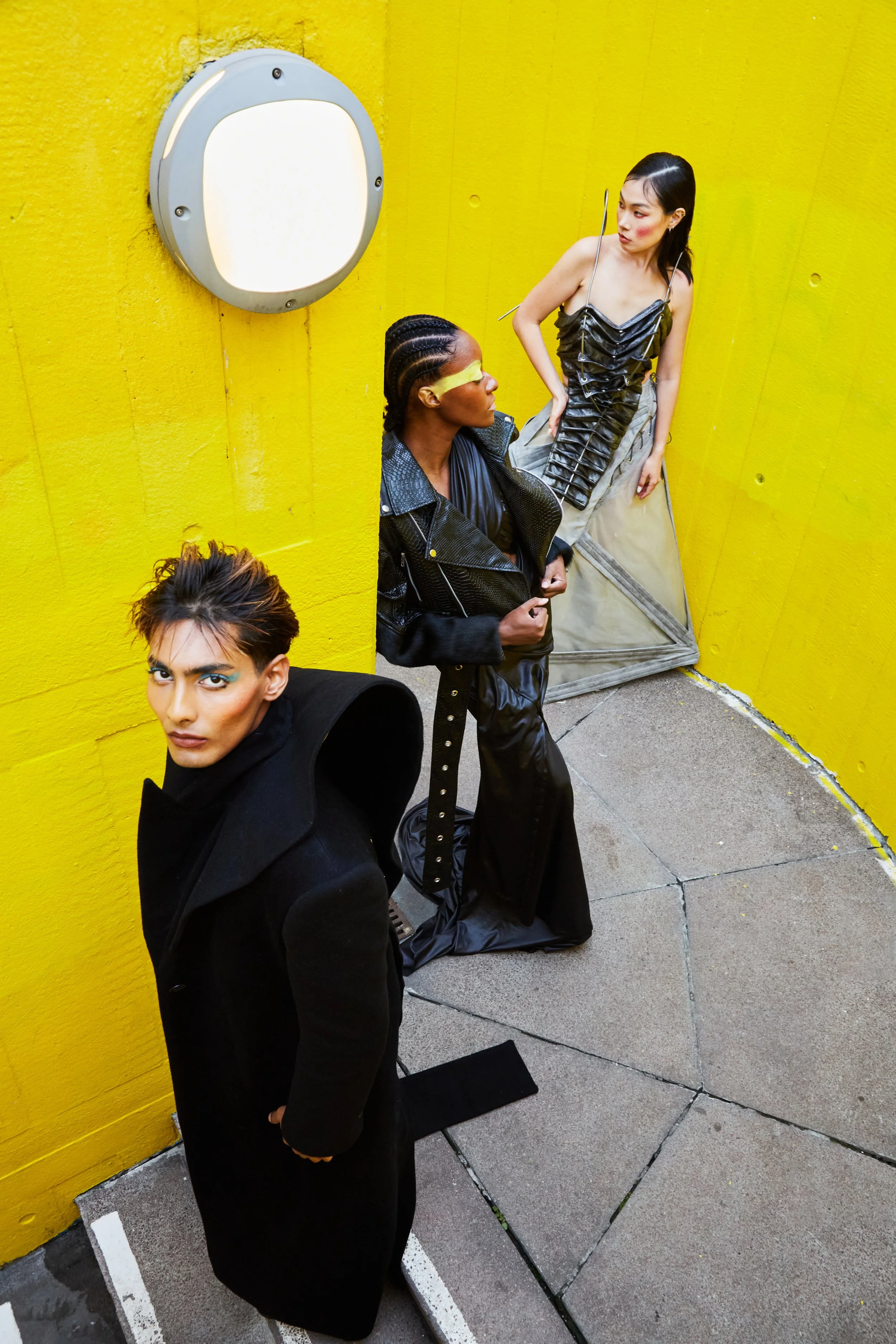
Folded Light, Photography, 2025 © Syona Cheng
The series unfolds in three chromatic phases: yellow, red, and blue. How did you specifically choose these colours? And do they emerge from your concept first, or do they appear through experimentation as the imagery develops?
In my work, colour is closely tied to relational experience. Yellow represents family, a space of warmth, familiarity, and emotional grounding. Blue is associated with friendship, which for me carries a sense of calm, balance, and steady presence. Red corresponds to intimate relationships, which I experience as the most intense and emotionally charged.
In the current presentation of the series, all three models appear against a yellow background, while their makeup and physical presence subtly shift to reflect these different relational states. This decision was intentional. Rather than completing each chromatic phase separately, I approached this stage of the project as an unresolved constellation, allowing different emotional roles to coexist within a shared emotional ground.
As a result, the work remains intentionally open. I see this series as unfinished and evolving, and I plan to continue developing it by revisiting the same relational structure within red and blue environments. In this way, colour operates not only as a symbolic language, but also as a temporal one, marking stages within an ongoing process rather than a closed narrative.
Digital manipulation plays a strong role in your work. How do photography and collage influence one another in your process, and what does each medium allow you to express that the other cannot?
Photography and digital collage function as two distinct yet interdependent stages within my process. Photography grounds the work in physical reality, the presence of the body, the weight of gesture, and the unrepeatable nature of a specific moment. It allows me to capture emotional states as they surface instinctively, rooted in time, space, and lived interaction.
Digital collage enters later as a reflective and connective process. I do not approach collage as a way to alter a single image in isolation, but as a method of observing relationships between separate photographs. I look for moments that resonate with one another, through posture, emotional tension, spatial rhythm, or symbolic detail, and allow these images to be reassembled into a shared psychological space.
What photography cannot fully articulate, such as emotional residue, memory, or internal fracture, collage makes visible. Conversely, without photography, collage would lose its bodily and emotional anchor. Together, they allow me to move between what is physically experienced and what is emotionally retained, turning fragmentation into a language of connection rather than disintegration.
Much of your work deals with fractures and renewal. What message do you hope audiences take away from this tension between destruction and reconstruction?
I do not approach destruction and reconstruction as opposing states, nor do I intend to deliver a fixed message to the viewer. Instead, I am interested in holding space for moments where fracture and renewal coexist. In my work, breaking is not an endpoint, and reconstruction does not imply restoration to an original form.
I hope audiences can recognise that emotional rupture does not erase what came before, nor does healing require complete resolution. The images invite viewers to sit with uncertainty, to acknowledge that being altered by relationships, loss, or conflict is not a failure, but a natural condition of emotional life.
Ultimately, if there is something to take away, it is a permission rather than a conclusion: permission to carry traces, to exist in a state of becoming, and to understand reconstruction as a continuous, evolving process rather than a final outcome.

The Space Between Us, Photography, 2025 © Syona Cheng
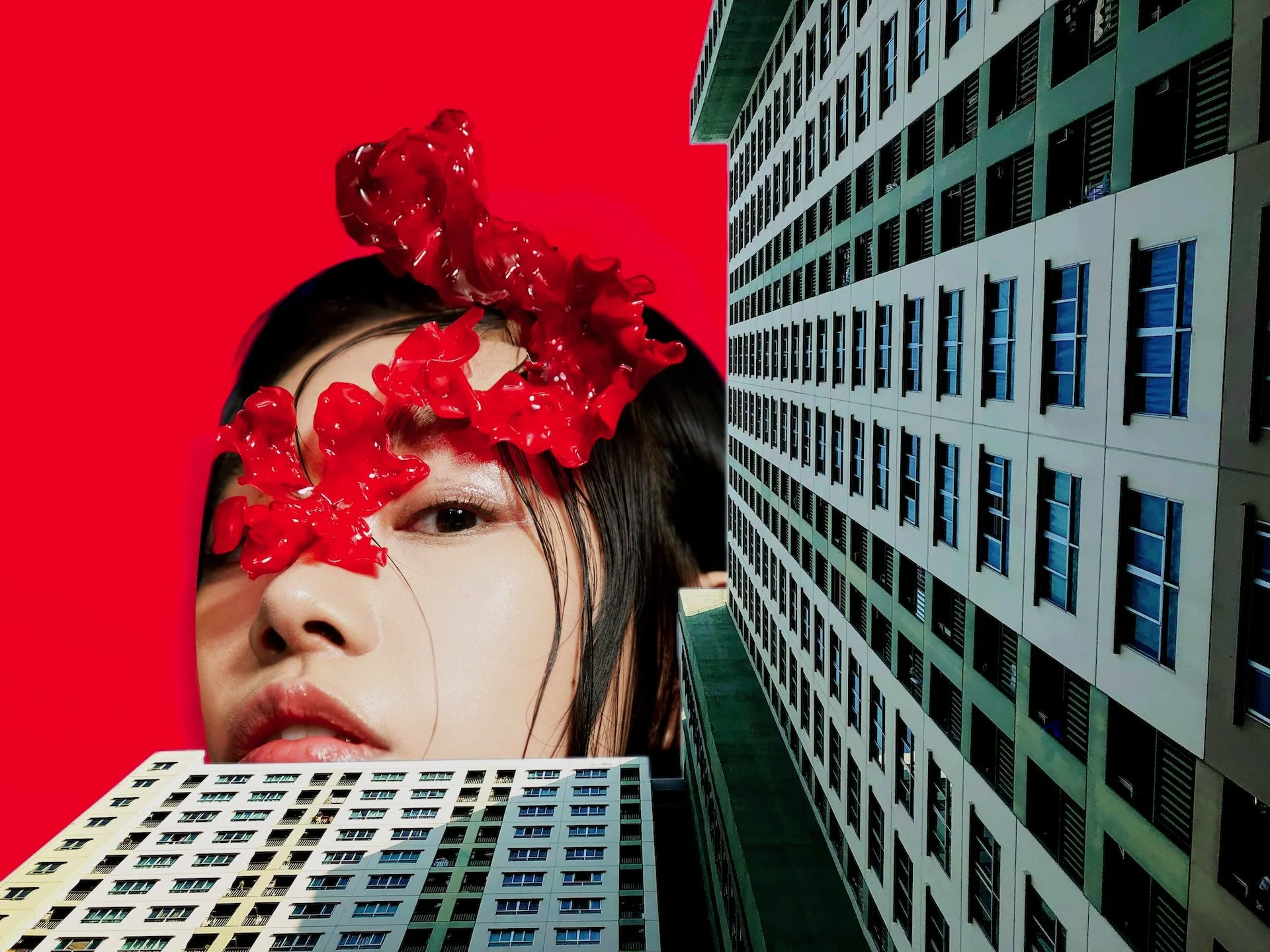
Gaze of Reconstruction, Photography, 2025 © Syona Cheng
Looking ahead, how do you envision your practice evolving? Are there mediums, collaborations, or themes you hope to expand into as your visual trilogy progresses or concludes?
As my practice continues to evolve, I am less interested in abrupt shifts than in deepening the existing questions within new spatial and temporal contexts. The visual trilogy I am working through does not feel like a conclusion, but a foundation from which other forms can emerge.
I am increasingly drawn to expanding my work beyond the single image, exploring how photographic language can move into installation, sequencing, or more immersive environments. This includes a growing interest in collaboration, particularly with practitioners working in movement, sound, or spatial design, where the body and emotional presence can be experienced over time rather than captured in a single moment.
Conceptually, I see my future work continuing to investigate relationships, emotional memory, and transformation, but with greater attention to duration, repetition, and return. Rather than closing a chapter, I am interested in allowing my practice to remain porous, open to evolution, encounter, and reconfiguration as both my personal and artistic contexts shift.
Lastly, as we are at the beginning of a new year, where do you see yourself and your work in five years from now? What is your biggest dream or goal, and how do you plan to achieve it?
In five years, what I hope to preserve most is a sense of openness, an ability to remain receptive to change, encounter, and unfamiliar forms of expression. Rather than aiming for a fixed identity or outcome, I want my practice to continue expanding through the integration of different media, perspectives, and emotional registers.
My ambition is for my work to grow richer, more layered, and more nuanced over time, not by accumulation alone, but through deeper synthesis. I am interested in allowing complexity to emerge naturally, letting contradiction, intimacy, and transformation coexist within the same visual language.
I see this growth as a gradual process, sustained by ongoing experimentation, collaboration, and reflection. By remaining open, conceptually, emotionally, and structurally, I hope to build a body of work that continues to evolve in depth and meaning, while staying responsive to the world I am living in.
Artist’s Talk
Al-Tiba9 Interviews is a curated promotional platform that offers artists the opportunity to articulate their vision and engage with our diverse international readership through insightful, published dialogues. Conducted by Mohamed Benhadj, founder and curator of Al-Tiba9, these interviews spotlight the artists’ creative journeys and introduce their work to the global contemporary art scene.
Through our extensive network of museums, galleries, art professionals, collectors, and art enthusiasts worldwide, Al-Tiba9 Interviews provides a meaningful stage for artists to expand their reach and strengthen their presence in the international art discourse.
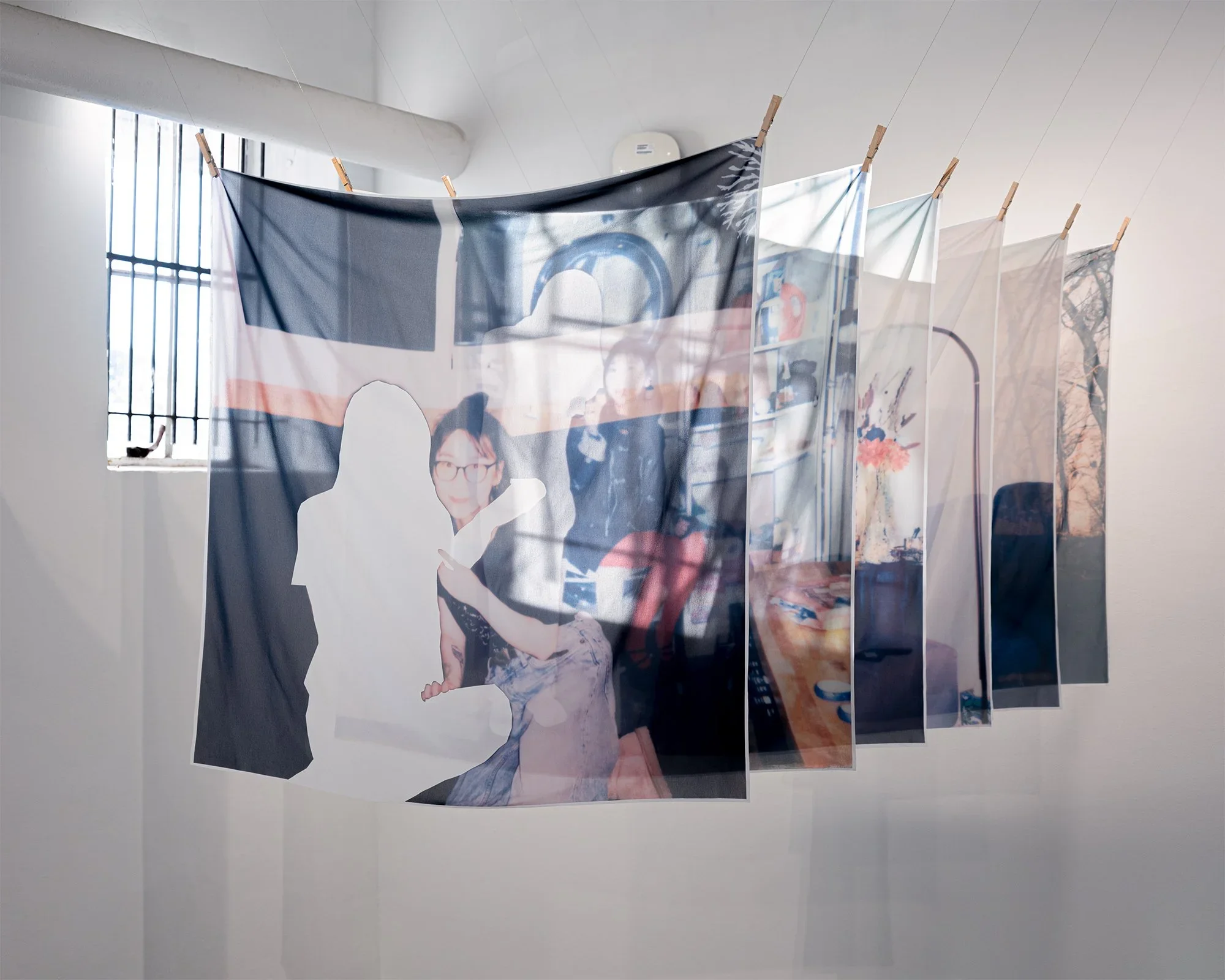

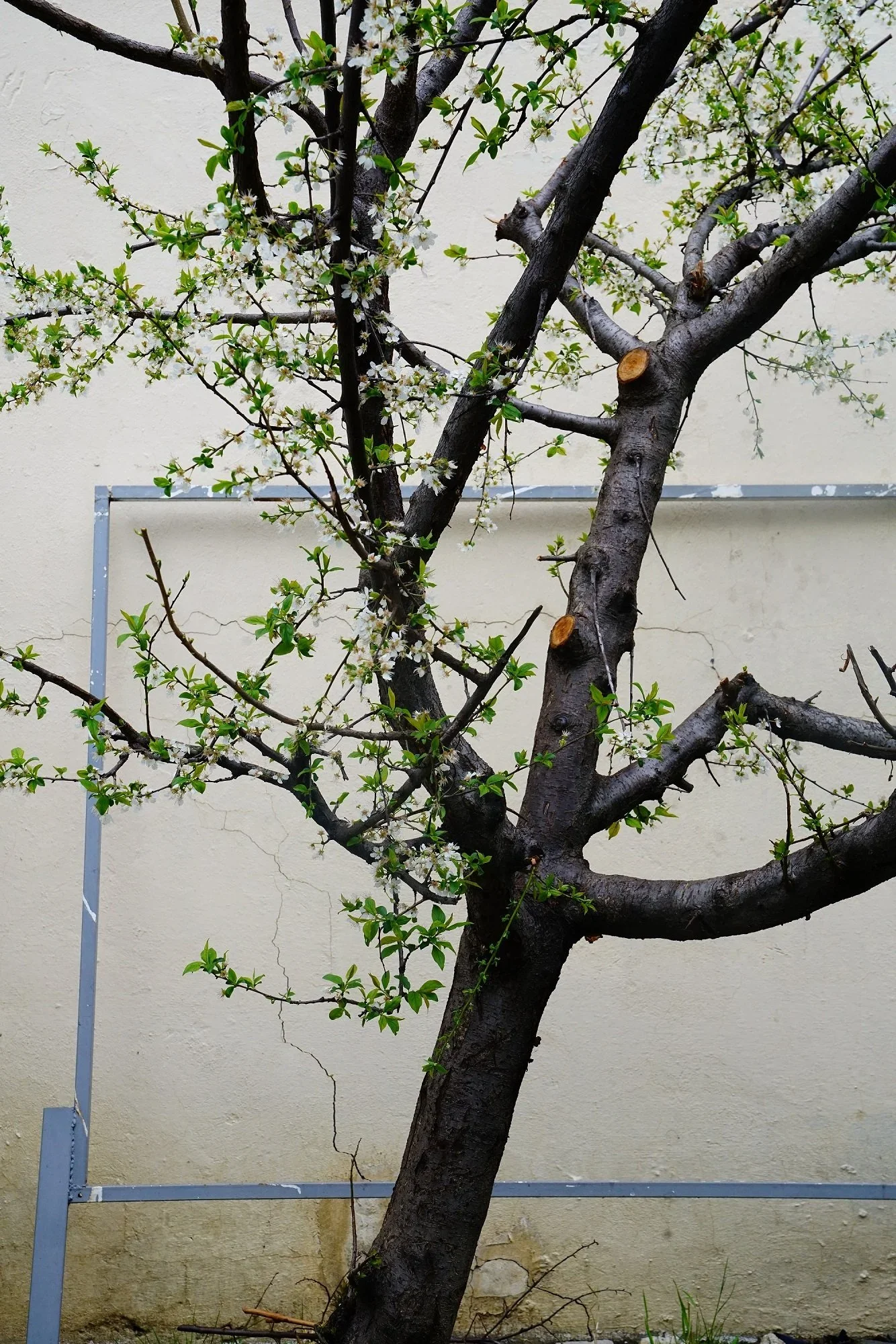


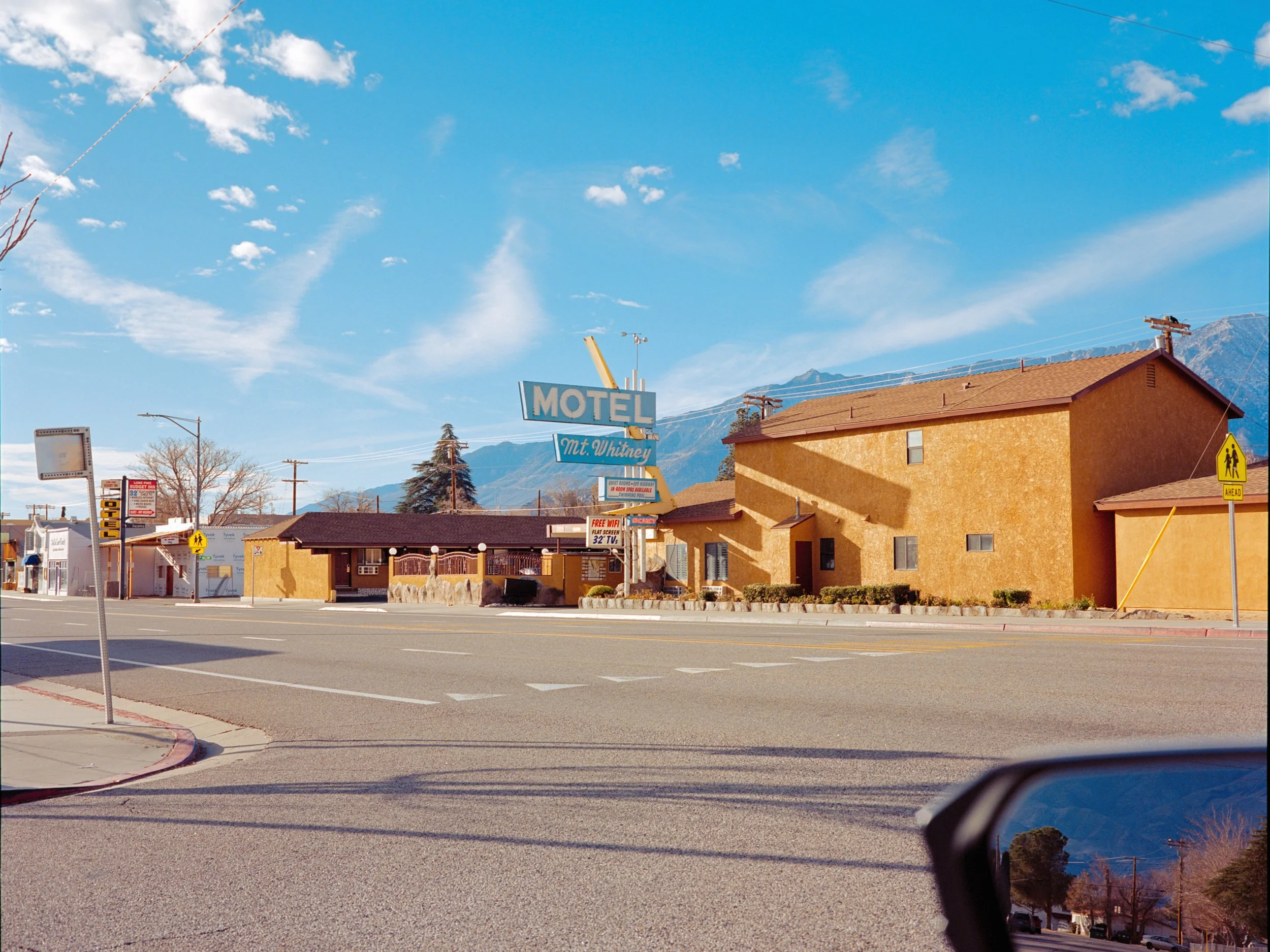

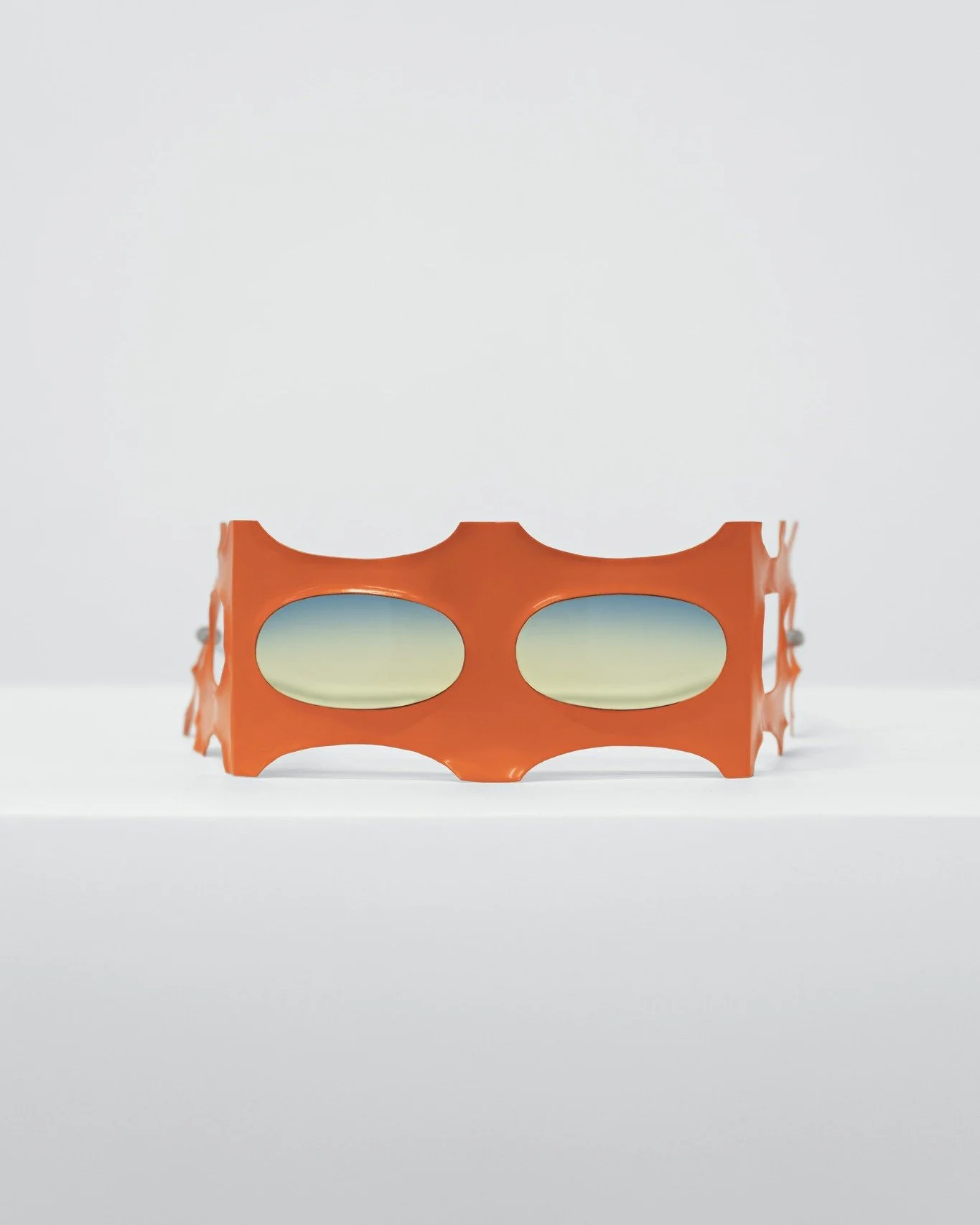
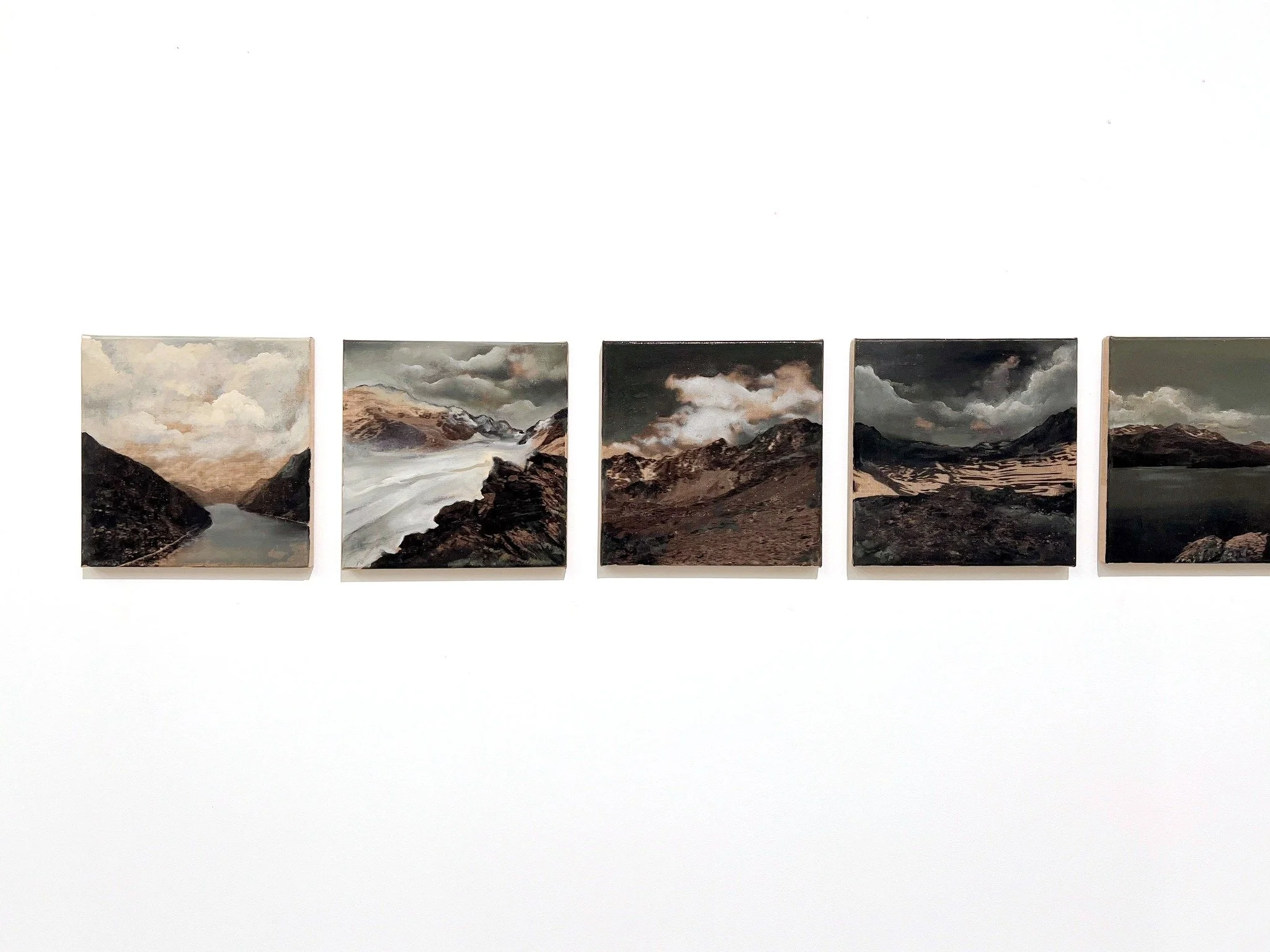
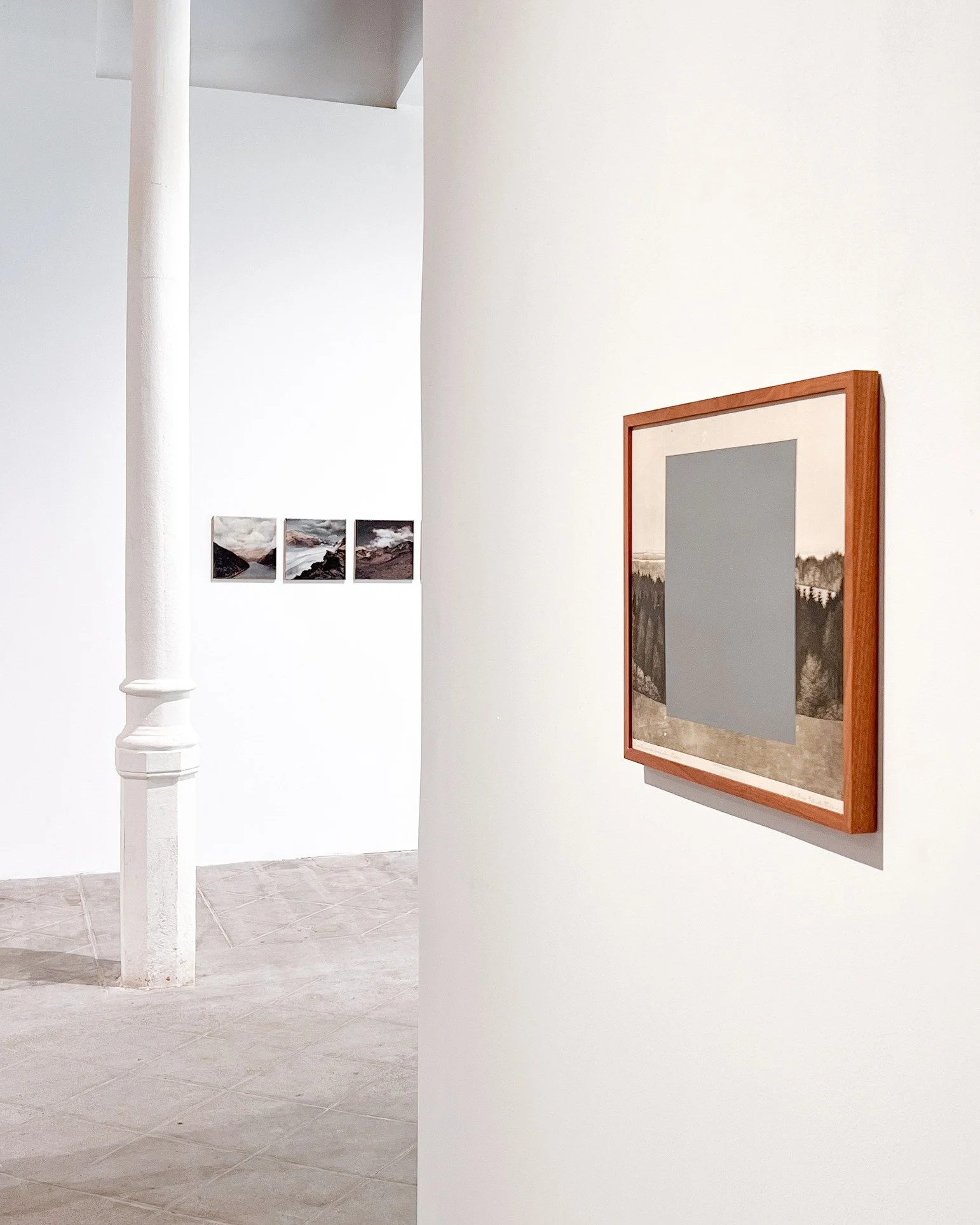
Bichen Liu is a Chinese lens-based visual artist working across fine art photography, black-and-white image-making, and experimental photographic practice. What Lies Beneath is a black-and-white photographic series focusing on exposed root systems and coastal residues, that transforms overlooked ecological fragments into visual records of support, erosion, and displacement.