
10 Questions with Ece Batur
Al-Tiba9 Art Magazine ISSUE20 | Featured Artist
Ece Batur is a London-based contemporary artist whose practice critically examines the entanglements of gendered violence, censorship, and cultural memory as they are inscribed upon the body and the domestic sphere. Working across performance, installation, sound, and text, her practice mobilises materials imbued with domestic and intergenerational feminist symbolism to interrogate how care, resilience, and protection are materially and affectively transmitted. Informed by Anatolian iconography and transnational feminist theory, Batur’s work articulates the dialectics between fragility and endurance, silence and resistance. She completed her MA in Contemporary Art Practice at the Royal College of Art, where she is currently undertaking an MRes, expanding her research into archives of embodiment and the politics of material memory.
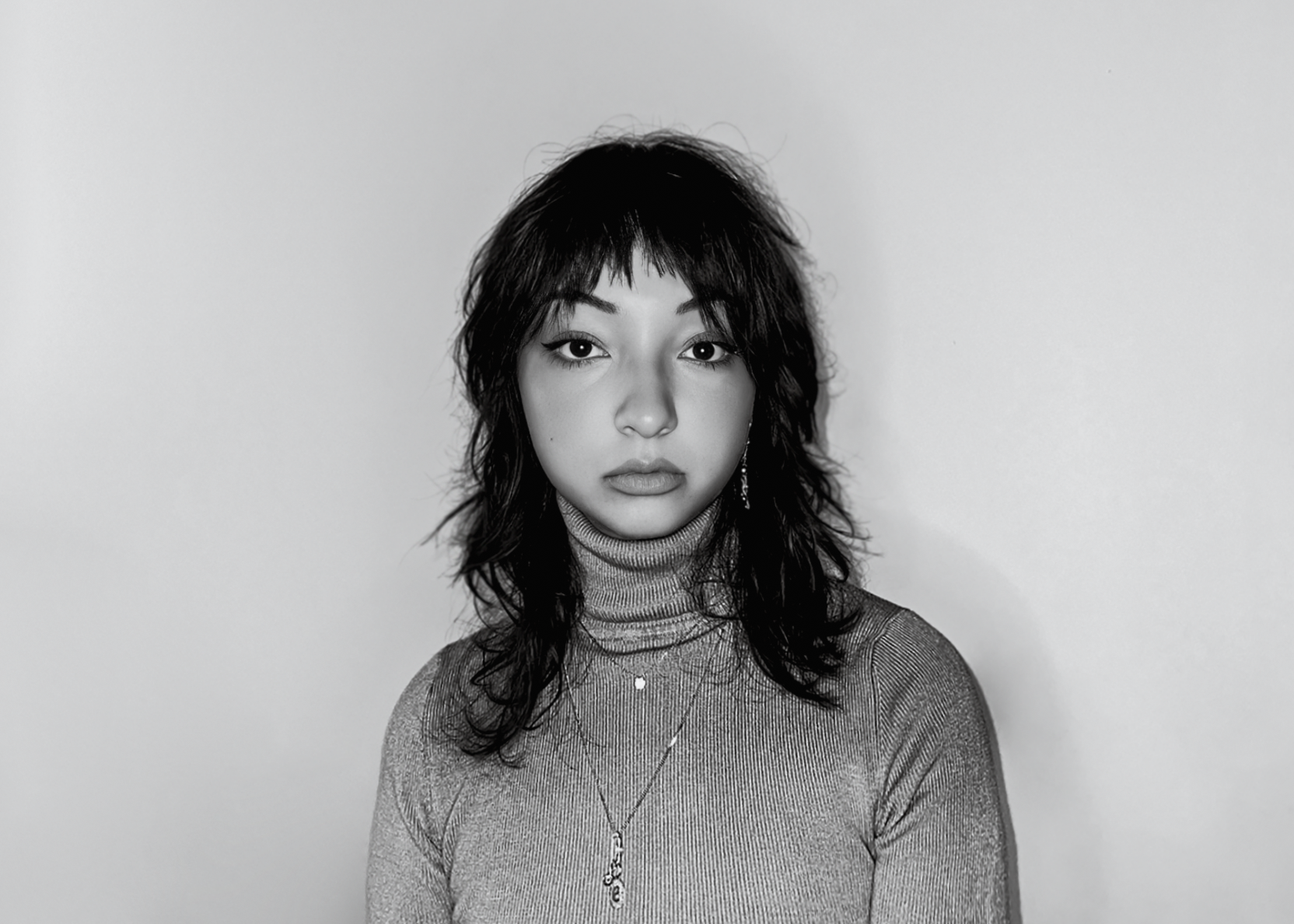
Ece Batur - Portrait
ARTIST STATEMENT
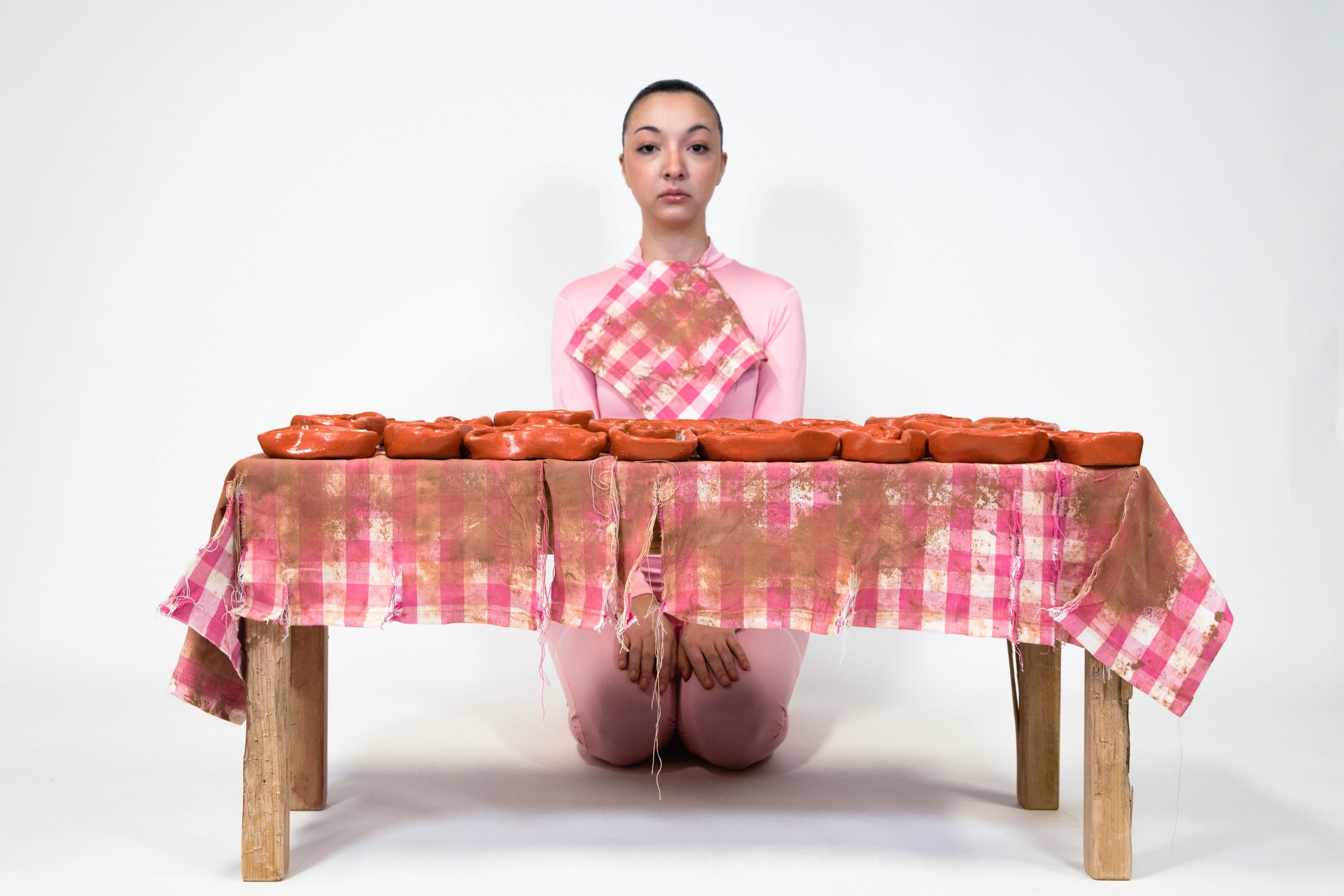
Ece Batur’s practice unfolds through acts of transformation, where domestic gestures and inherited forms of labour become sites of resistance. Her installations and performances examine how memory and systems of gendered violence persist within materials, gestures, and spaces of care. Drawing from Anatolian iconography and feminist theory, she reworks the intimate language of the everyday to explore how histories of resilience are encoded within the body and its surroundings. Through the interplay of sound, movement, and sculptural presence, Batur constructs environments that hold the tension between protection and exposure, silence and endurance, where fragility is redefined not as weakness, but as a sustaining form of strength.
I am Hungry, Performance, Terracotta ceramic, wood, fabric, and video, 13’26’’, 2024 © Ece Batur
AL-TIBA9 ART MAGAZINE ISSUE20
DISCOVER THE INTERNATIONAL ART SCENE WITH AL-TIBA9
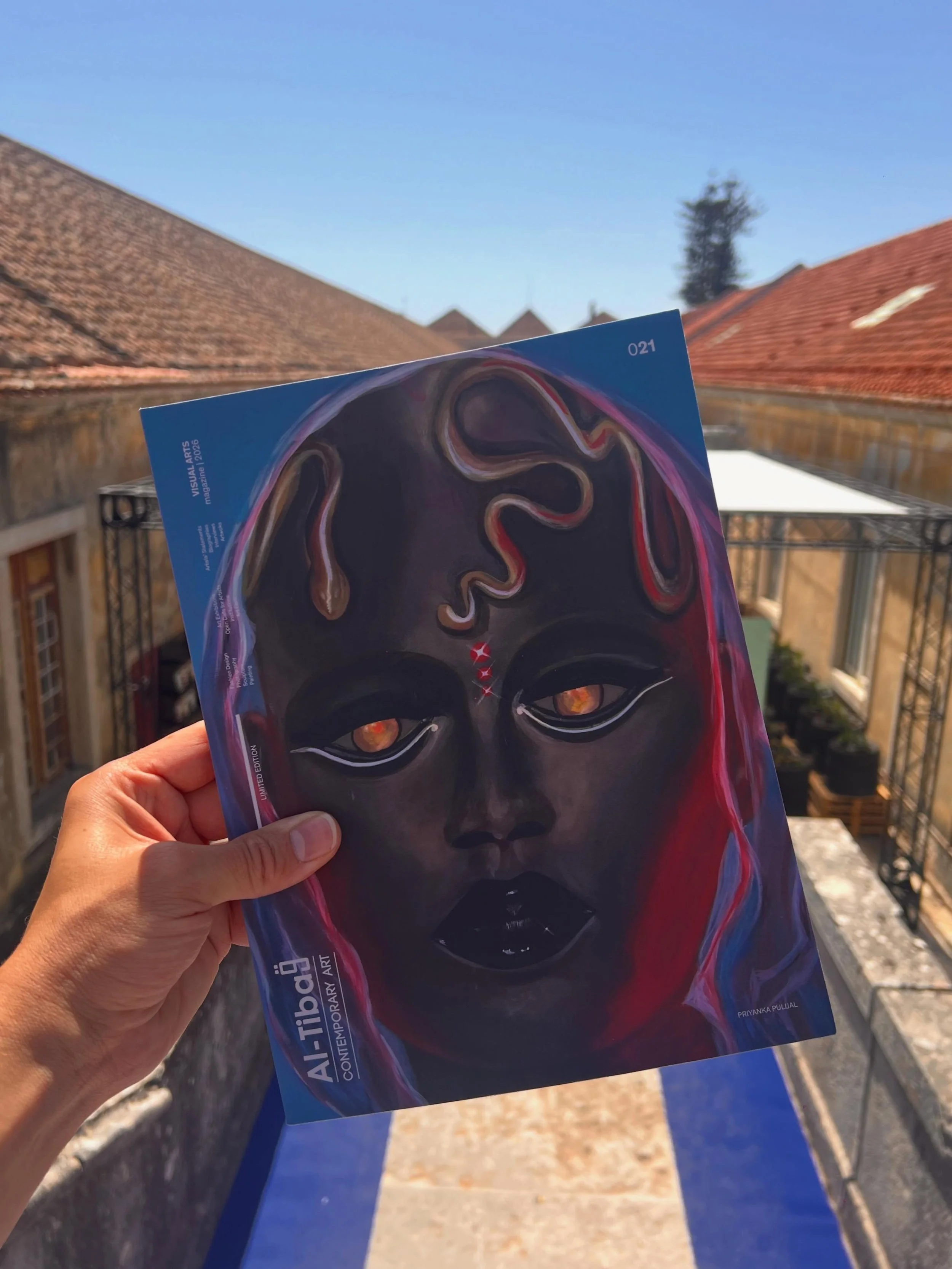
LIMITED EDITION | Shipping worldwide.
Premium museum art paper.
Printed in London.
Grab 3 or more prints and get your FREE digital magazine.
Get your limited edition copy now
INTERVIEW
Please introduce yourself to our readers. Who are you and when did you realise you wanted to be an artist?
Hello, my name is Ece Batur, and I am a Turkish, London-based artist working across performance, video, installation and sound. I grew up in Turkey surrounded by domestic rituals, women’s labour, and the quiet choreographies that shape everyday life, hidden, yet obvious at the same time.
I didn’t have a single moment where I “decided” to be an artist. Instead, it was a slow recognition that the things I was already obsessing over, the gestures I kept observing, the stories and tensions I inherited, could only be expressed through making and witnessing. Art became a language, a way, a compass for exploration. It allowed me to stay with moments I was not yet ready to name or overthink, and to transform experiences that once felt binding into moments of connection, agency, and the courage to stand up or speak up.
How did your background and personal experiences lead you to explore themes of gendered violence and cultural memory in your work?
Much of my work comes from observing how women in my family, and in the places where I grew up and now live, navigate care, survival, and silence. The oppression and aggression that shape womanhood are not always loud or visible; they live in gestures, in expectations, in what is remembered and what is forgotten. Growing up, I witnessed how domestic spaces hold both tenderness and limitation, and how culture and public understanding shape the body in ways that stay with you. These personal experiences, alongside shared and inherited experiences of womanhood, its struggles and resilience, became an entry point into understanding larger structures of gendered violence, from the most ordinary objects, gestures, and actions, to the ongoing reality of femicides in Turkey.
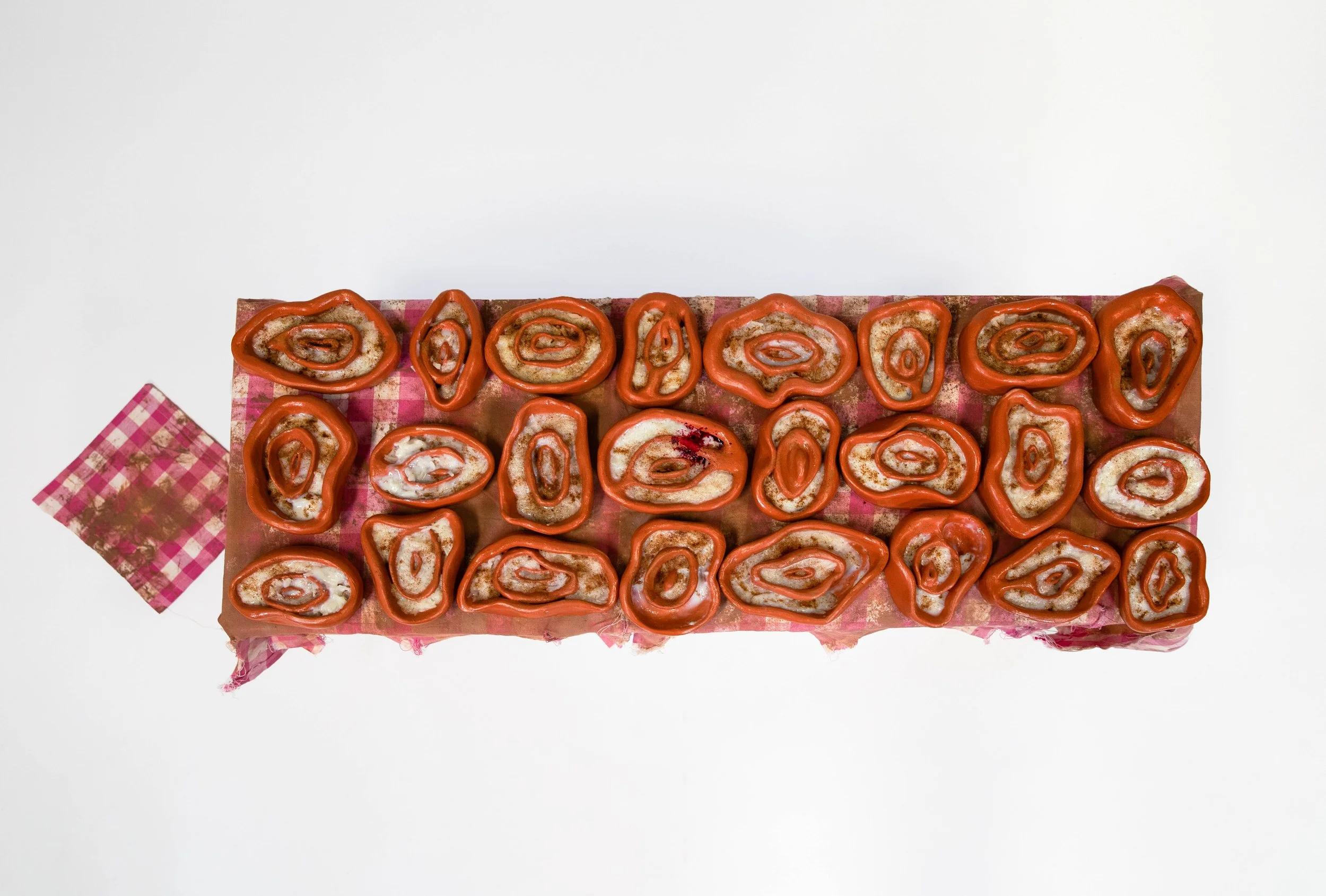
I am Hungry, Performance, Terracotta ceramic, wood, fabric, and video, 13’26’’, 2024 © Ece Batur
What first drew you to working across performance, installation, sound, and text rather than focusing on a single medium?
For my practice, I see the medium as a container for affect, experience, and the texture of storytelling within the work. I have never felt that a single medium could hold everything I need to express. Some questions live in bodily movement, others in touch, through consciousness and the emotional interior, while others emerge through sound or stillness. Performance allows me to bring the body to the centre; installation lets me build an environment that can hold that body; sound communicates emotional states that language alone cannot reach; and text helps me reflect, distil, or fragment those experiences. Working across mediums is simply the most honest way for me to follow material and memory wherever they lead, sometimes toward another question, sometimes toward an answer, sometimes toward a state or a current of feeling.
Your work often connects domestic materials with feminist histories. How do you choose the specific objects, gestures, or symbols you use?
Most of the objects come from memory, either mine or shared within my family. These are everyday items that carry layers of cultural and emotional residue. I choose objects that have shaped the rhythms of women’s lives, objects that choreograph bodies without us realising it. I activate them through performance to reveal the histories they hold: repetition, labour, resilience, quiet violence, tenderness. I’m also drawn to symbols that have travelled generationally, motifs woven into textiles, protective amulets, and domestic tools that become almost mythological through constant use.
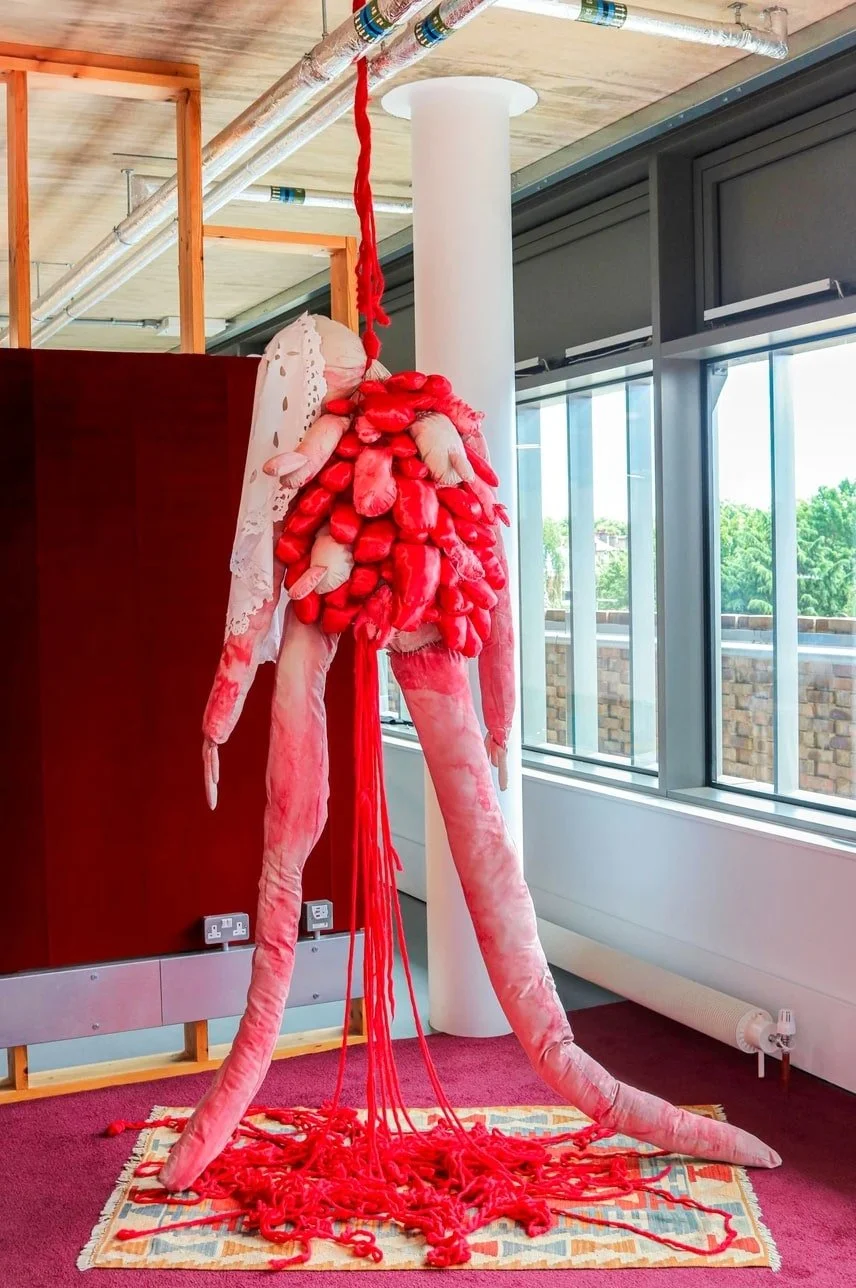
The Weight of Softness, Hand-dyed fabric, Turkish rug, yarn, hand stiching, 232x152x180 cm, 2025 © Ece Batur

The Weight of Softness, Hand-dyed fabric, Turkish rug, yarn, hand stiching, 232x152x180 cm, 2025 © Ece Batur
In what ways do traditions or iconography from Anatolia shape your visual language and the stories you want to tell?
Anatolian traditions hold a strong visual vocabulary built from repetition: weaving patterns, protective motifs, everyday rituals, and gestures of care that have survived centuries. Those live inside my memory and my body, an inheritance waiting to be explored. The carpet symbols, the way women fold fabric, the scent of olive oil soap, the logic of household labour; all of these inform the textures, colours, and movements in my work. They allow me to speak about resilience, lineage, inherited femininity, and reconnection.
What do you hope viewers feel or question when they encounter your installations or performances?
I always hope for a mix of recognition and discomfort. It's indeed hard to navigate, but I want them to sense the intimacy of these domestic gestures, and also question the structures behind them. Ideally, the work opens a space where tenderness and tension coexist, where people can reflect on their own inherited patterns, the silent labour in their living, and the ways the body carries memory that isn’t always healed. I don’t seek to offer answers; I’m more interested in creating an encounter that stays with them afterwards.
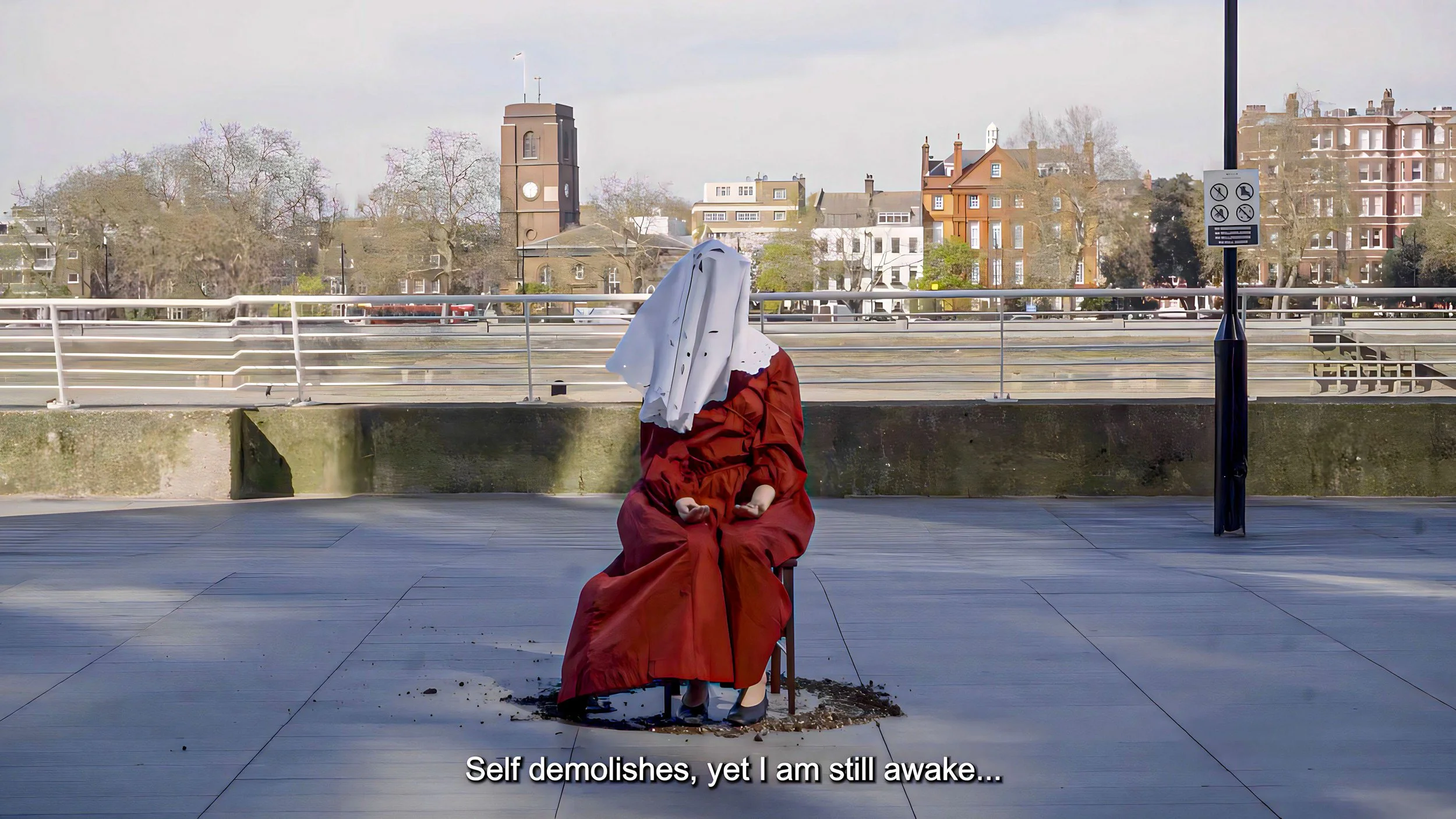
Self Demolishes, Yet I Am Still Awake, Live Performance, moving image, soil, wooden chair, handmade lace veil, red cotton dress, 22’, 2025 © Ece Batur
How do you see the role of contemporary art in addressing issues such as gendered violence and censorship today?
I see art as an expose of what institutions try to hide or soften. It can articulate forms of violence that are difficult to speak about because they are slow, intimate, or normalised. Contemporary art provides space for voices and bodies that have been historically censored, especially those of women and marginalised communities. While art alone can’t restructure systems, it can make people feel, question, remember, and become witnesses, and sometimes that emotional shift is where change begins.
Sound and movement appear as forms of memory in your work. How do these methods change the way you communicate themes of care, fragility, and endurance?
Sound and movement bypass rational explanation. A breath, a repetitive tapping, the friction between skin and an object; these hold emotional truths that language often dilutes. Movement reveals how the body endures, resists, or submits. Sound captures the residue of gestures, the quiet violence underneath care, the fragility inside repetition. Through these methods, memory becomes something lived rather than narrated.

What Remains on the Rug, Live performance, original Turkish carpet and fake blood, 32’, 2025 © Ece Batur
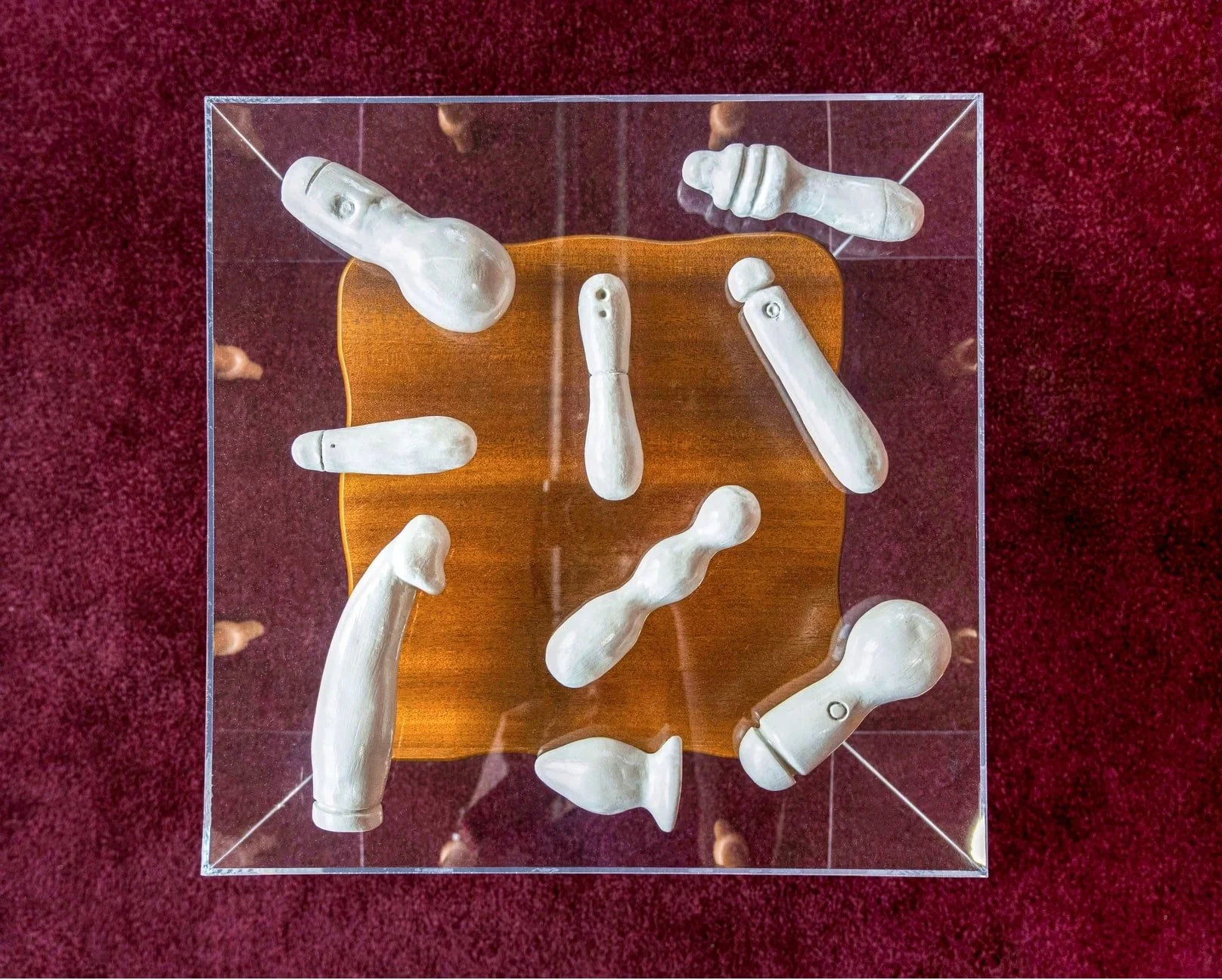
Ritual Objects, Air-dry clay, acrylic sheets, wood, 40×40×40 cm, 2025 © Ece Batur
As you continue your research into archives of embodiment, how is this influencing your current practice or techniques?
Researching embodied archives has pushed me to treat the body itself as a site of storage. I’m increasingly interested in how gestures, scars, and repeated movements become their own archive, one that doesn’t rely on written documentation. This perspective has influenced my current practice by making me work more intuitively: activating objects without rehearsing, letting my body remember for me, and allowing accidents and resistances to guide the performance. It has also shaped the way I work with sound, treating it as a trace rather than a supplement.
Lastly, what new projects, collaborations, or directions are you excited to explore in the near future?
I’m currently expanding my research on domestic rituals into a larger series involving textile-based installations and intuitive endurance-based performances in the Royal College of Art MRes Program. I’m developing new performances that explore abrasion and repetition. Collaboration remains vital to me; I’m working with other performers and colleagues to create pieces that blend movement, archives, and sensory environments. I’m excited to push the work further into public and site-specific contexts, where the intimacy of domestic memory meets the unpredictability of shared space.
Artist’s Talk
Al-Tiba9 Interviews is a curated promotional platform that offers artists the opportunity to articulate their vision and engage with our diverse international readership through insightful, published dialogues. Conducted by Mohamed Benhadj, founder and curator of Al-Tiba9, these interviews spotlight the artists’ creative journeys and introduce their work to the global contemporary art scene.
Through our extensive network of museums, galleries, art professionals, collectors, and art enthusiasts worldwide, Al-Tiba9 Interviews provides a meaningful stage for artists to expand their reach and strengthen their presence in the international art discourse.
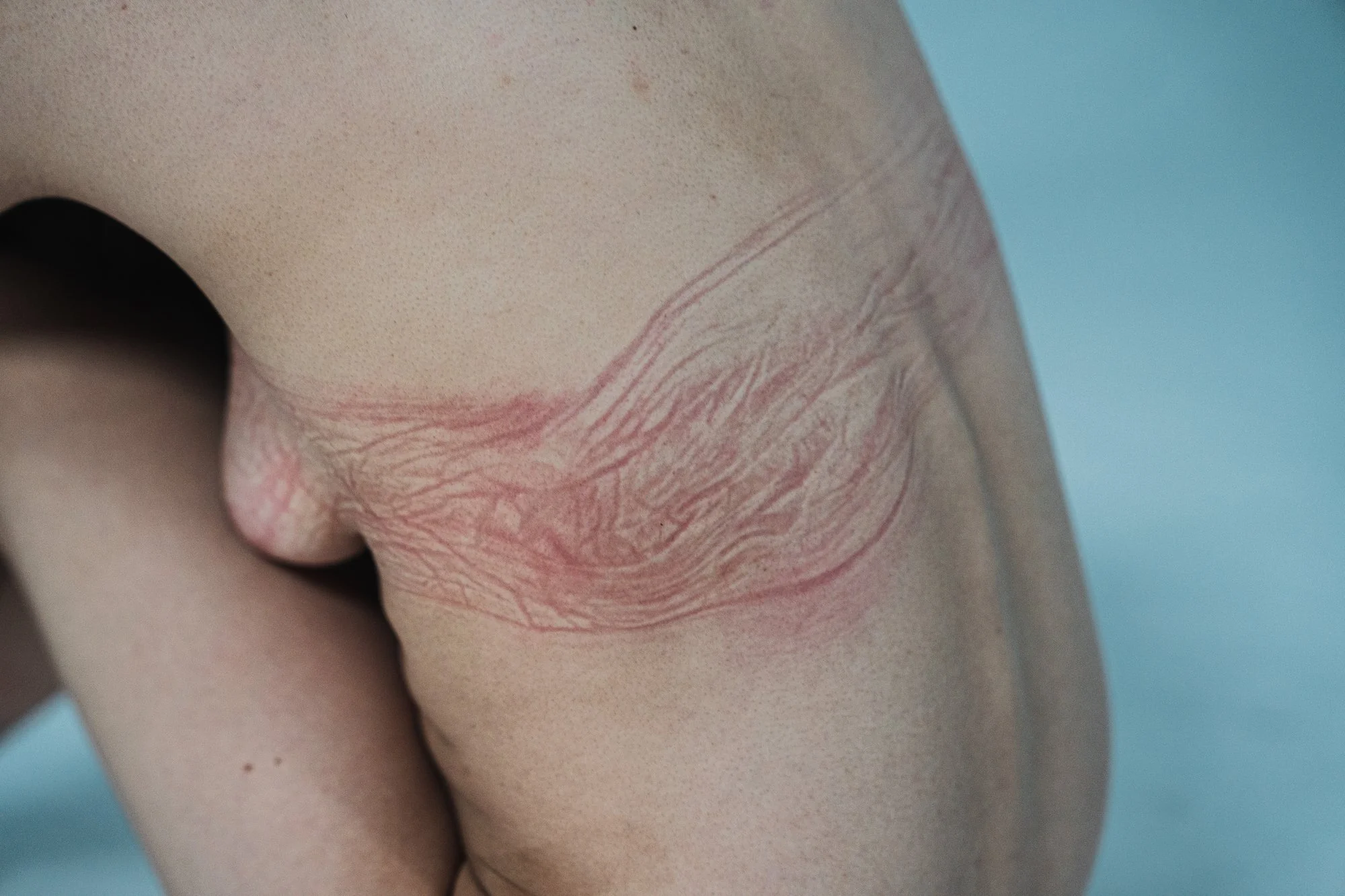

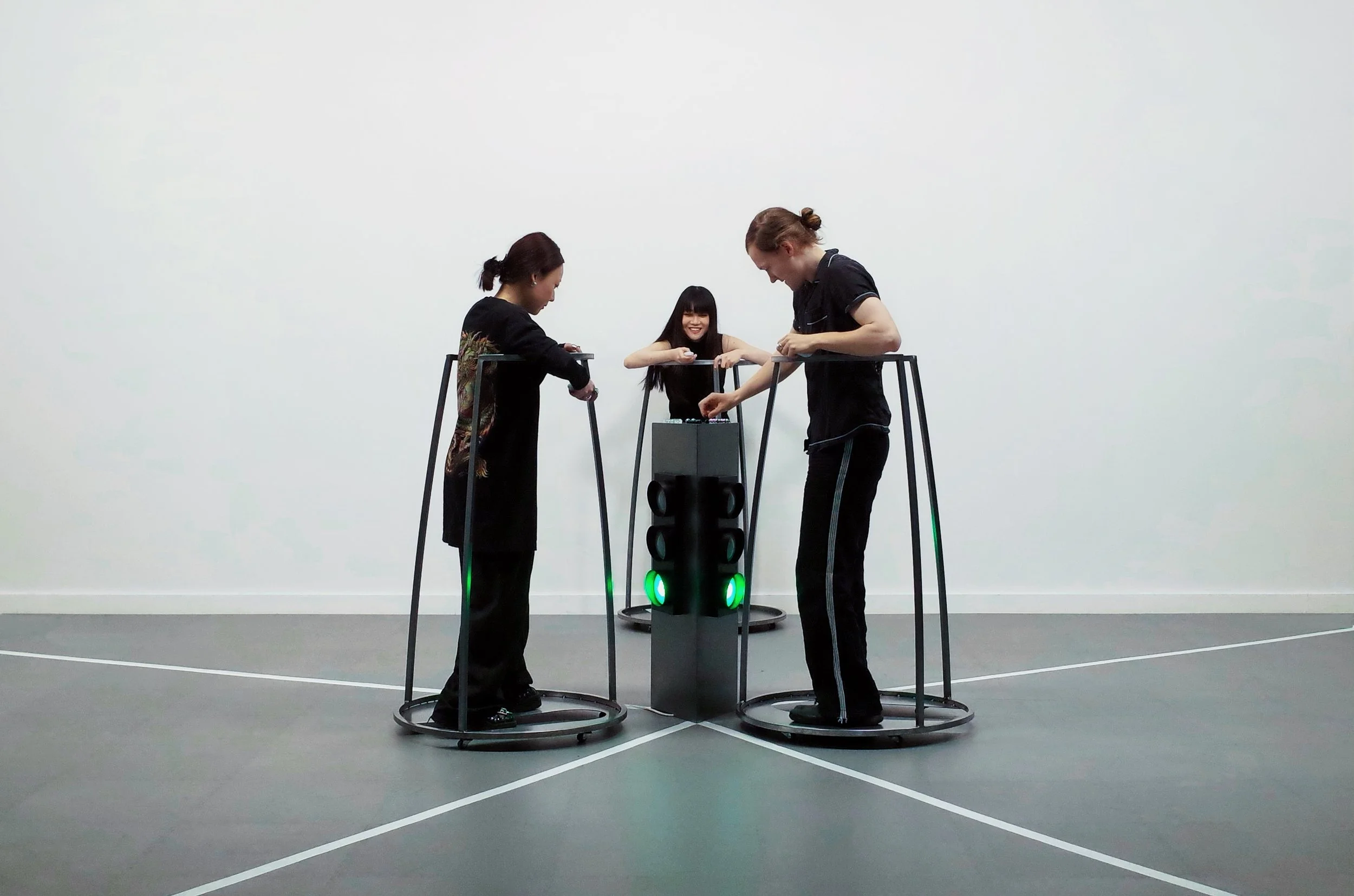


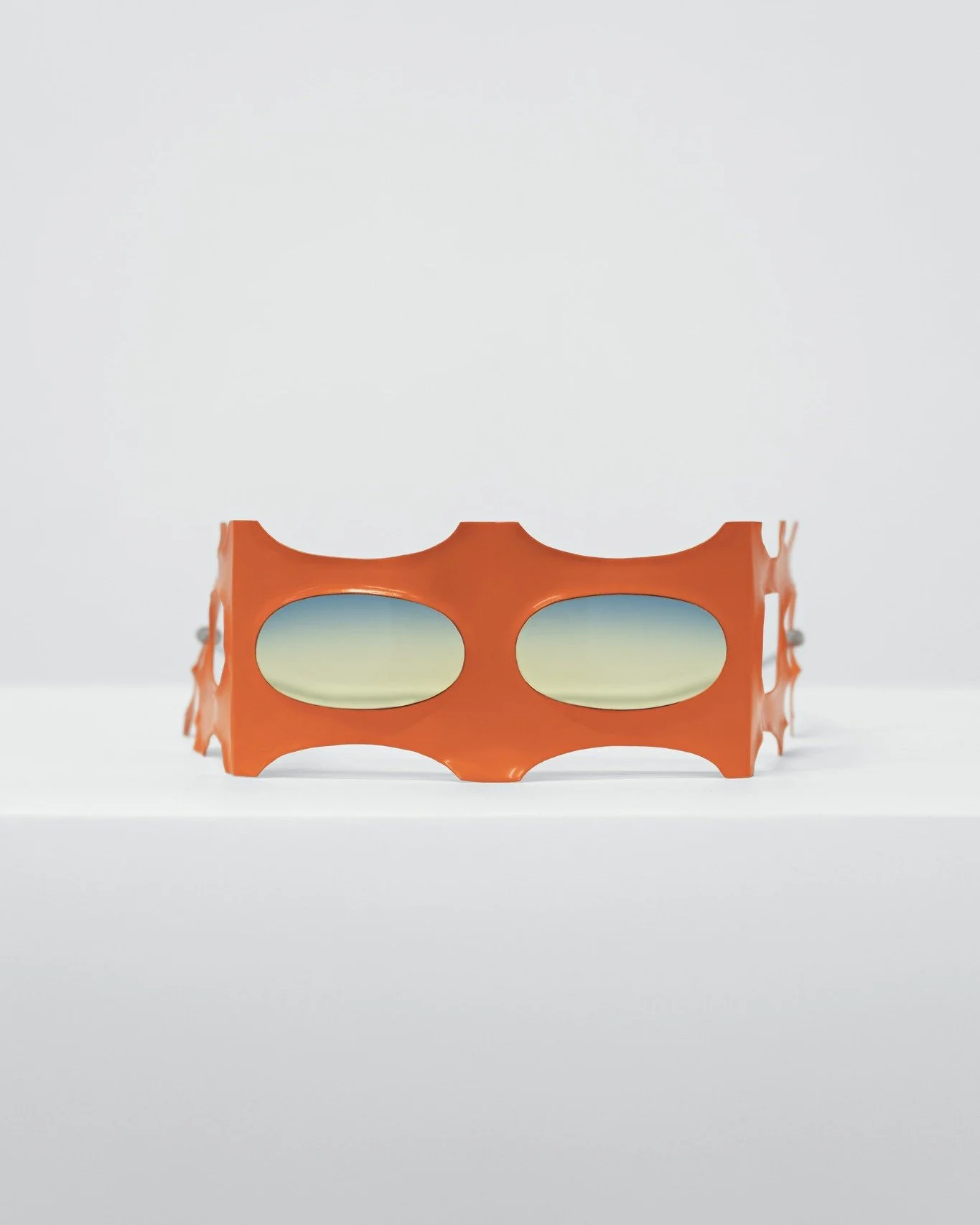
Ekaterina Shcherbakova is a Paris-based artist working across performance, installation, and painting. She develops work at the intersection of feminism, body politics, new materialism, and radical intimacies, combining performance and material research to explore the body as a site where personal experience and political structures converge.