

10 Questions with Pear Dropy
Pear Dropy is a contemporary digital and mixed media artist exploring the relationship between memory, perception, and transformation. Their work combines dreamlike visual language with digital and hybrid processes to create immersive compositions shaped by light, symbolism, and shifting forms. Through this practice, Pear investigates how identity and experience evolve across physical and digital spaces.
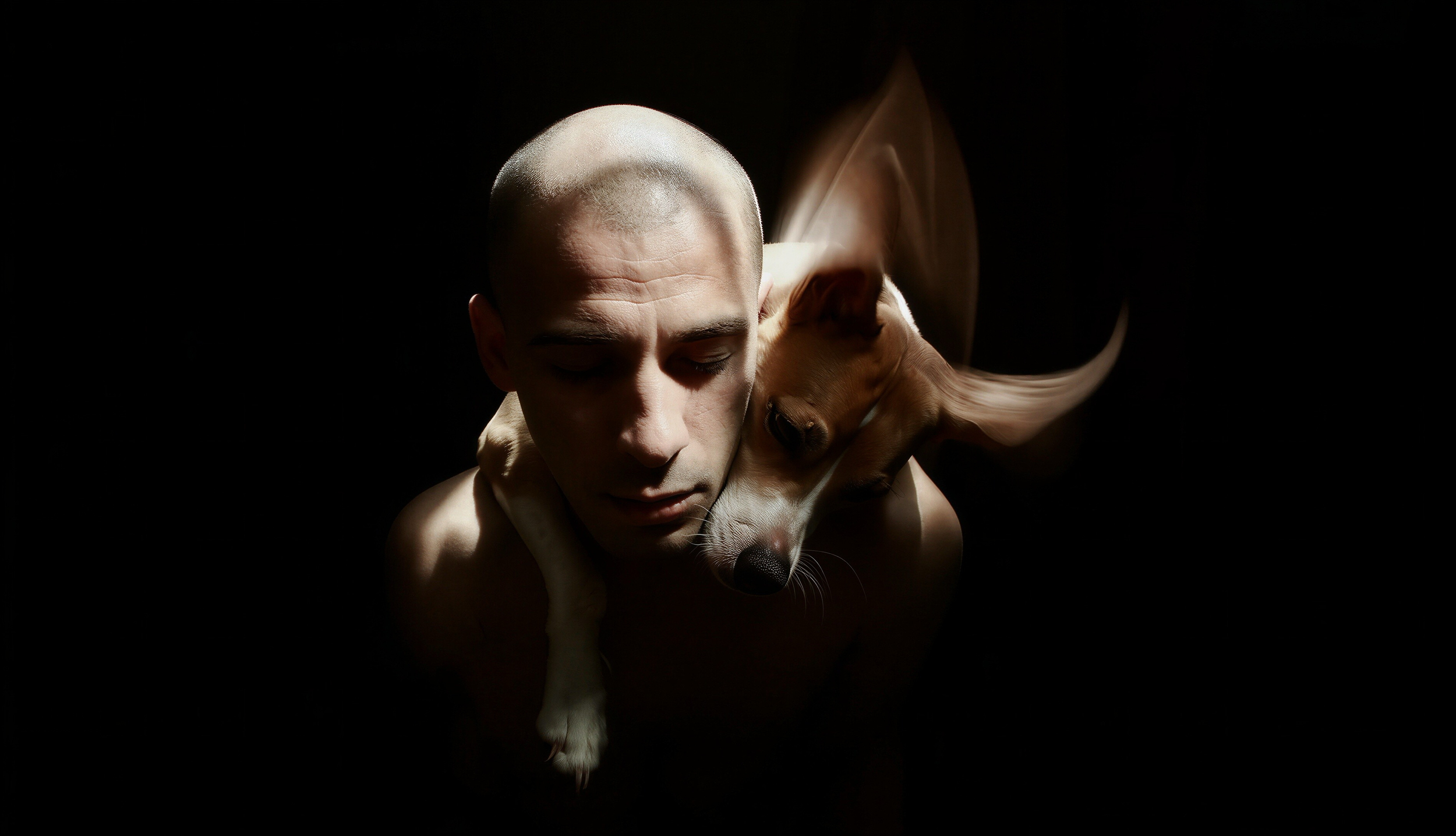
Pear Dropy - Portrait
To Love an Idea | Project Description
Some loves arrive before reason.
Before you can explain them — even to yourself.
You feel it first as a thought that keeps returning. Not finished, not clear yet. Just something that won’t leave you alone. It follows you into quiet moments, into sleep, into the spaces where the world suddenly feels larger than it did before.
You stand beneath an open sky and let it grow.
At the back of your mind something has taken root — a golden tree branching outward through your thoughts. You don’t fully understand it yet, but that doesn’t matter. Ideas don’t arrive complete. They bloom while you are still learning how to hold them.
Clouds drift across the blue above you, bringing light, shadow, and rain — sparks within sparks, the quiet weather of becoming.
Something left behind glimmers.
When you love an idea long enough, it stops being just a thought.
It becomes part of who you are.
I Am the Flowers Here, Mixed Media, 64 x 36cm, 2026 © Pear Dropy
INTERVIEW
Can you tell us about your background and how you first became interested in art and writing?
I started with a question I didn’t yet know how to ask. What held me was not the work itself, but the thinking behind it, how ideas take shape, and where art and writing meet, separate, and meet again. I moved widely across forms, following what held my attention, but always returned to the same question at the centre. Over time, that question, that quiet persistence of curiosity, became woven into the work itself.
How do visual art and writing influence each other in your practice?
Visual art and writing are two distinct languages, each with its own logic, its own silences. In moving between English and Greek, I became aware of how language shifts not only the expression, but the voice that emerges through it. Art and writing do the same. My work lives in the space where they overlap, where the image reaches toward what cannot be said, and language moves toward what cannot be held still.

Sift the Grey for Gold, Digital, 64 x 36cm, 2026 © Pear Dropy
Which usually comes first for you, words or images?
It begins with a kind of productive boredom, a restless sense that what exists is not yet sufficient. I follow that feeling before it has form or direction. Only later does it begin to resolve into something visible or sayable. Words and images arrive as ways of meeting it, not as starting points.
What role does curiosity play in your creative process?
Curiosity moves before certainty. It draws you toward what is unfamiliar, inconvenient, and not yet understood. To follow it without knowing where it leads, or whether it leads anywhere at all, is the work. And yet, that uncertainty is what keeps the work alive. Nothing I value has come from knowing. Everything begins in that open, unformed space.
Your work often crosses boundaries between media. Why is experimentation important to you?
Each medium carries its own limit, a threshold where it begins to shift into something else. That threshold is where the work becomes most alive. Ideas do not belong to a single form, and I don’t ask them to. I’m interested in the moment one language begins to reach into another, and something new takes shape between them.

To Love an Idea Back, Mixed Media, 36 × 48 cm, 2026 © Pear Dropy

Run to Loud the Thoughts Out, Digital, 36 x 50.4cm, 2026 © Pear Dropy
How do you know when a project or idea is complete?
There is a moment when the work settles, when it has said what it needs to say, and nothing more is asked of it. Sometimes that moment arrives immediately; sometimes it only reveals itself with distance. But when it does, it is unmistakable. The idea stops asking anything of you and begins asking something of everyone else. You are no longer the most important person in the room.
What themes or questions do you find yourself returning to most often?
I return to the space between languages, visual, written, spoken, where something shifts, and something remains. Meaning, for me, is always in transition. To stay there requires time and a tolerance for boredom, long enough for the wrong thing to enter and change the direction of the work.
How do audiences typically respond to your work?
The work tends to create a kind of quiet, a space people enter and remain within, often longer than they expect. What stays with me is how differently it is received: each person finding something of their own inside it. To love an idea is to make it personal. At its best, the work offers something that can be returned to and held in different ways.

Loved in Your Quiet — Not Just in Your Light, Mixed Media, 64 x 36cm, 2026 © Pear Dropy
What risks or challenges do you enjoy taking as an artist?
Following something before it is clear, before it has a name or direction. That is the only risk that matters. Everything else is refinement. The work is in holding that space open, long enough for interruption, for what does not belong, to reshape it.
What are you currently working on, and what would you like to explore next?
The works here form part of a series shaped around a single idea: that gold is the residue of an interior life, the luminous trace of what has been thought, loved, and remembered deeply enough to remain. There is more to uncover. The series continues to grow.
Beyond this, I am developing work for screens across cities, art that enters the flow of daily life rather than waiting to be found. I’m drawn to the unexpected encounter: an idea appearing in the middle of an ordinary day. What this becomes is still unfolding. I trust that. The wrong thing, followed long enough, becomes the right one.
Artist’s Talk
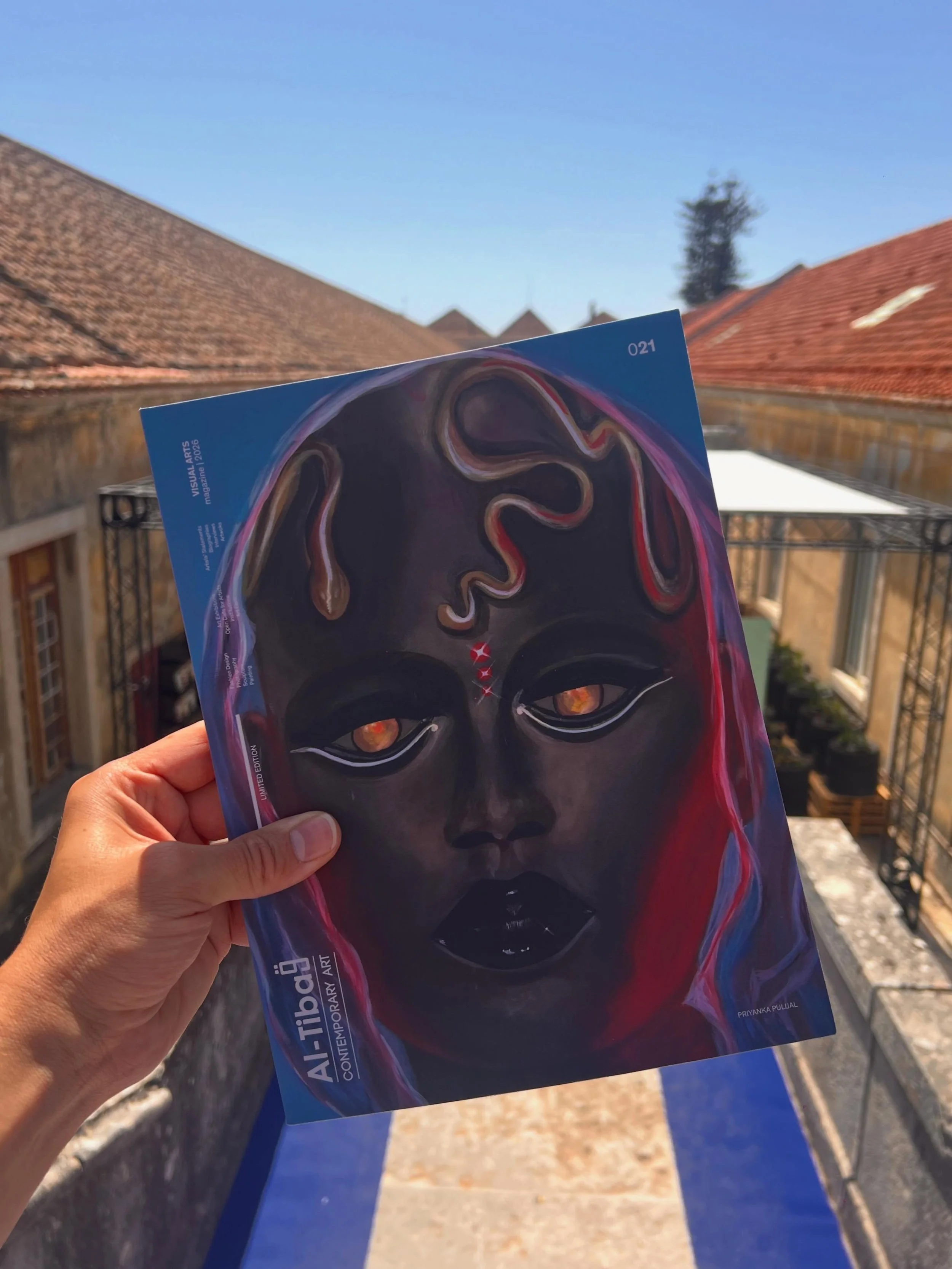
Al-Tiba9 Interviews is a promotional platform for artists to articulate their vision and engage them with our diverse readership through a published art dialogue. The artists are interviewed by Mohamed Benhadj, the founder & curator of Al-Tiba9, to highlight their artistic careers and introduce them to the international contemporary art scene across our vast network of museums, galleries, art professionals, art dealers, collectors, and art lovers across the globe.
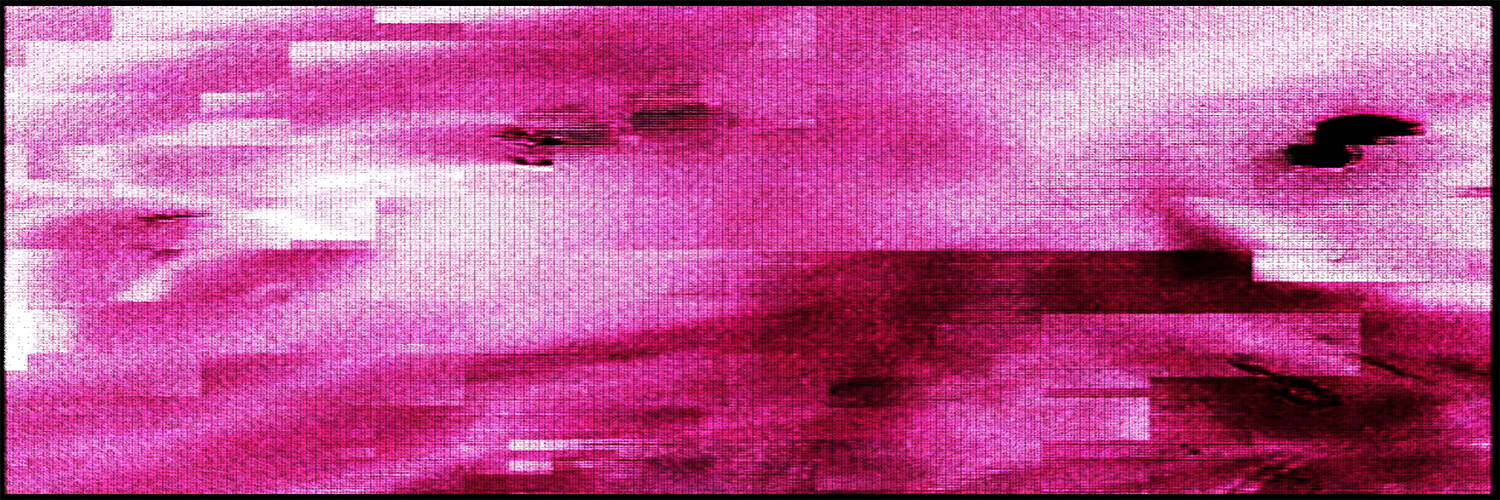


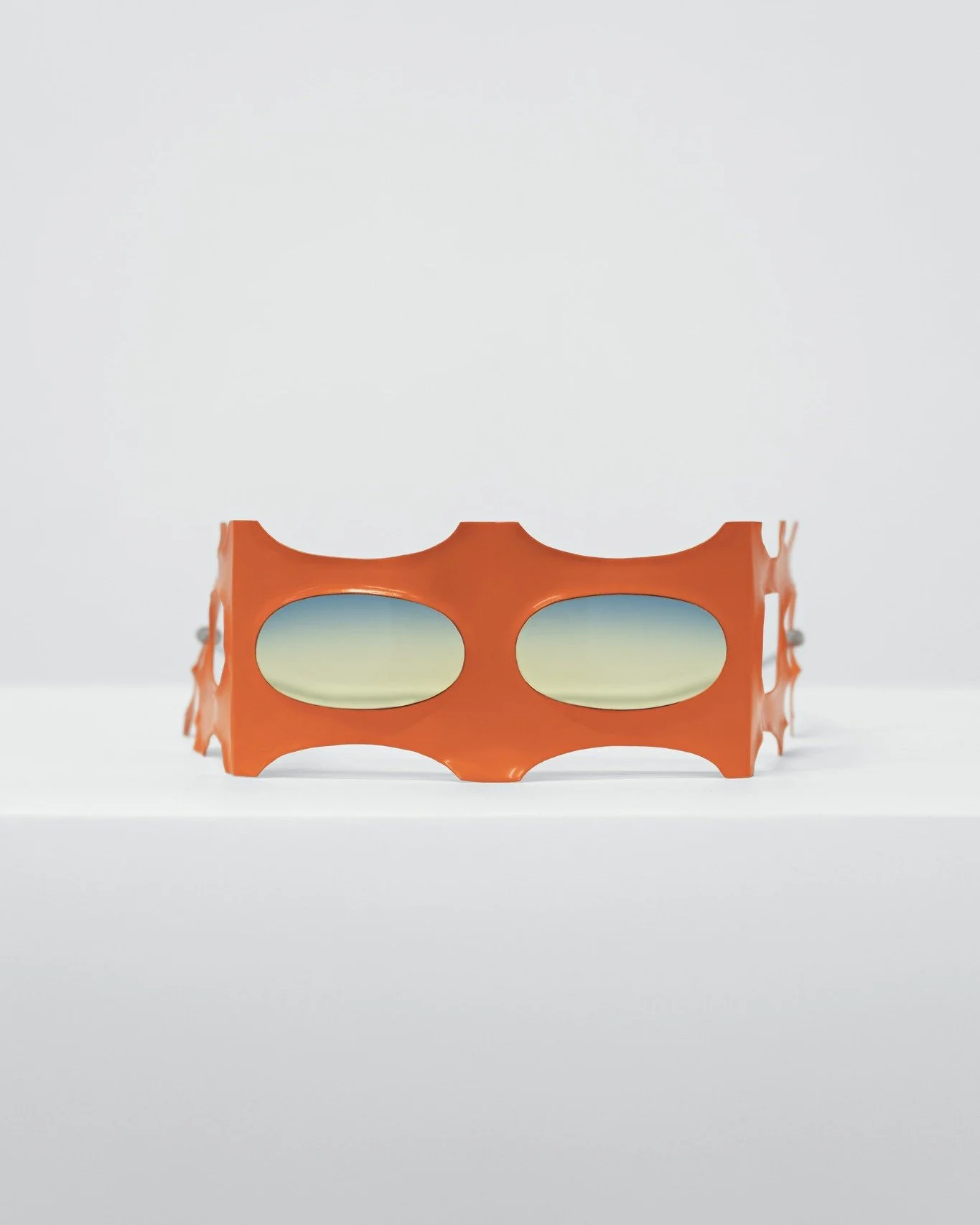
Lumi Liu is a New York–based designer and visual artist working at the intersection of art, medical visualisation, and public expression. Her practice explores consciousness, hidden biological systems, and the multiple dimensions of life that exist beyond human awareness. Lumi transforms these invisible biological architectures into poetic artistic experiences.