

10 Questions with Aligmory
Aligmory is a Spanish visual artist based in Madrid whose work maps the inner architecture of the human mind. Self-taught since 2015, she has developed a distinctive visual language rooted in memory, repetition, and introspection.
A defining moment came in 2021, when she created her signature style: luminous, intricate linework set against a deep, atmospheric blue background. This approach, instantly recognizable, forms the foundation of her artistic universe, where each line and shape carries both rhythm and emotion. Aligmory finds comfort and focus in lines, following their flow to shape her imagined psychological spaces. Her work can be seen as a cartography of memory and mind, translating internal experiences into visual landscapes that balance fragility and intensity.
Working in both digital art and acrylic painting, she explores parallel versions of the same spaces, each beginning with a quiet internal pull, an insistent feeling or thought that asks to be transformed into shape, room, or symbol. Influenced by dreams, the fragility of memory, and her fascination with repetitive mental patterns, she constructs visual worlds that invite quiet introspection and subtle engagement from the viewer.
Alongside her artistic practice, Aligmory pursues a Bachelor's in Psychology at UNED, deepening her exploration of memory, identity, and emotional experience. Her work turns these inner processes into immersive visual spaces, offering glimpses into the intimate rooms where thought and memory intertwine, inviting the viewer inside her mind.
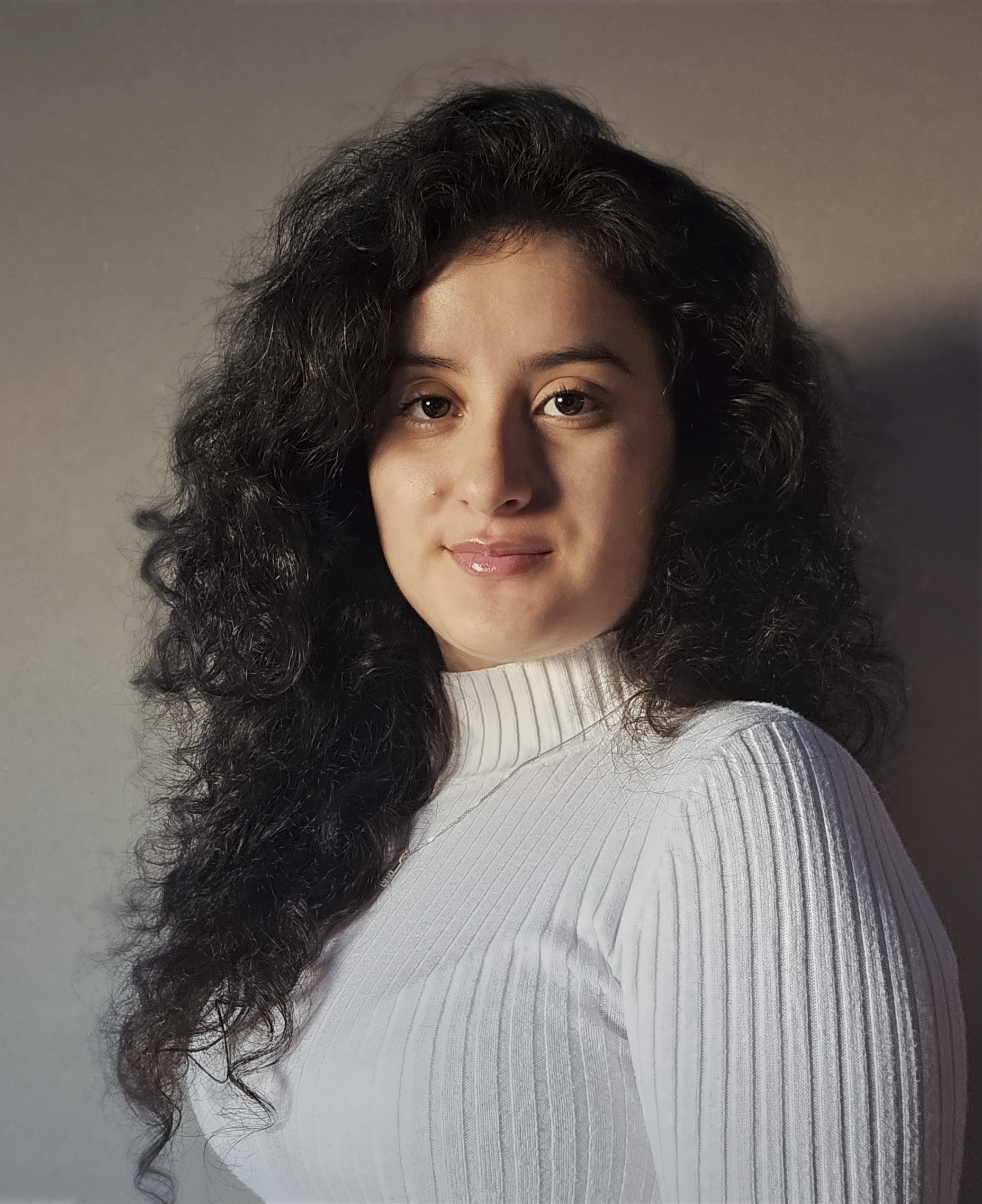
Aligmory - Portrait
ARTIST STATEMENT
Aligmory creates visual maps of inner life. She imagines the mind as a house, a symbolic space where memories, emotions, and fragments of identity live in separate rooms. To depict these psychological interiors, she uses her distinctive visual language: luminous linework on a deep blue background, a style she developed in 2021 to represent the clarity and fragility of inner experience.
Her process begins with an internal sensation, a quiet feeling that insists: “I want to paint this.” From that impulse, she builds architectural spaces shaped by memory and emotion. Repetitive forms, spirals, and symbolic objects echo the loops of thought and the delicacy of remembering.
Her works, in acrylic and digital media, navigate the tension between order and chaos, and between loneliness and connection. Drawing from her fascination with psychology and the processes that shape who we are, she transforms internal experience into visual form.
Through these intimate spaces, Aligmory invites the viewer to explore, pause, and reflect, offering subtle entry points into the intimate landscapes of thought and memory.
Where Are You, Digital, 4961x7087 px, 2025 © Aligmory
INTERVIEW
You’ve been self-taught since 2015. How did your artistic journey begin, and what shaped your early development?
My artistic journey didn’t have a dramatic beginning; it was always there, quietly running through my life. But in 2015, when I had to choose a career path, digital art caught my attention. I had been looking at digital paintings online, fascinated by how the colors felt so rich and seamless. Unlike traditional media, where texture and streaks show through, digital art has this vibrant, unified quality that completely captivated me. I told my mom and my boyfriend about this new art medium I wanted to try, and they both surprised me with my first Wacom tablet. That gift changed everything. I spent the next years teaching myself relentlessly, taking online courses, learning anatomy, character design, backgrounds, and experimenting with every medium I could get my hands on: oils, acrylics, watercolor, everything. But I always kept coming back to digital art. It felt like home. Those early years shaped me through pure curiosity and exploration. I was following that inner spark.
In 2021, you created your signature blue-and-linework style. What led you to this visual language, and why did it resonate so strongly with you?
By 2021, I knew I wanted a visual language that was unmistakably mine. I’d always loved the raw, honest energy of sketches, that feeling of capturing an idea before perfection reaches it. One day, my brother observed me while drawing and simply said, “You should create your own art style.” It was the push I didn’t know I needed. The next day, I came back home and decided it was the right moment to experiment. I opened a blue canvas and used the brush I always used for sketching, because I wanted the process to feel instinctive and imperfect. My first piece was full of different colors; my second one had colors, but they were defined by objects. By the third, I kept repeating the same palette on purpose, trying to understand what felt right. And then the fourth painting happened, the moment everything clicked. I chose just three colors: red for the base, blue for the shadows, and yellow for the light. Combined with the loose linework, it felt alive, direct, and emotionally honest. It carried the energy of a sketch but the atmosphere of a finished piece. That combination of simplicity, imperfection, and emotional clarity resonated with me deeply. It became the foundation of my signature style.
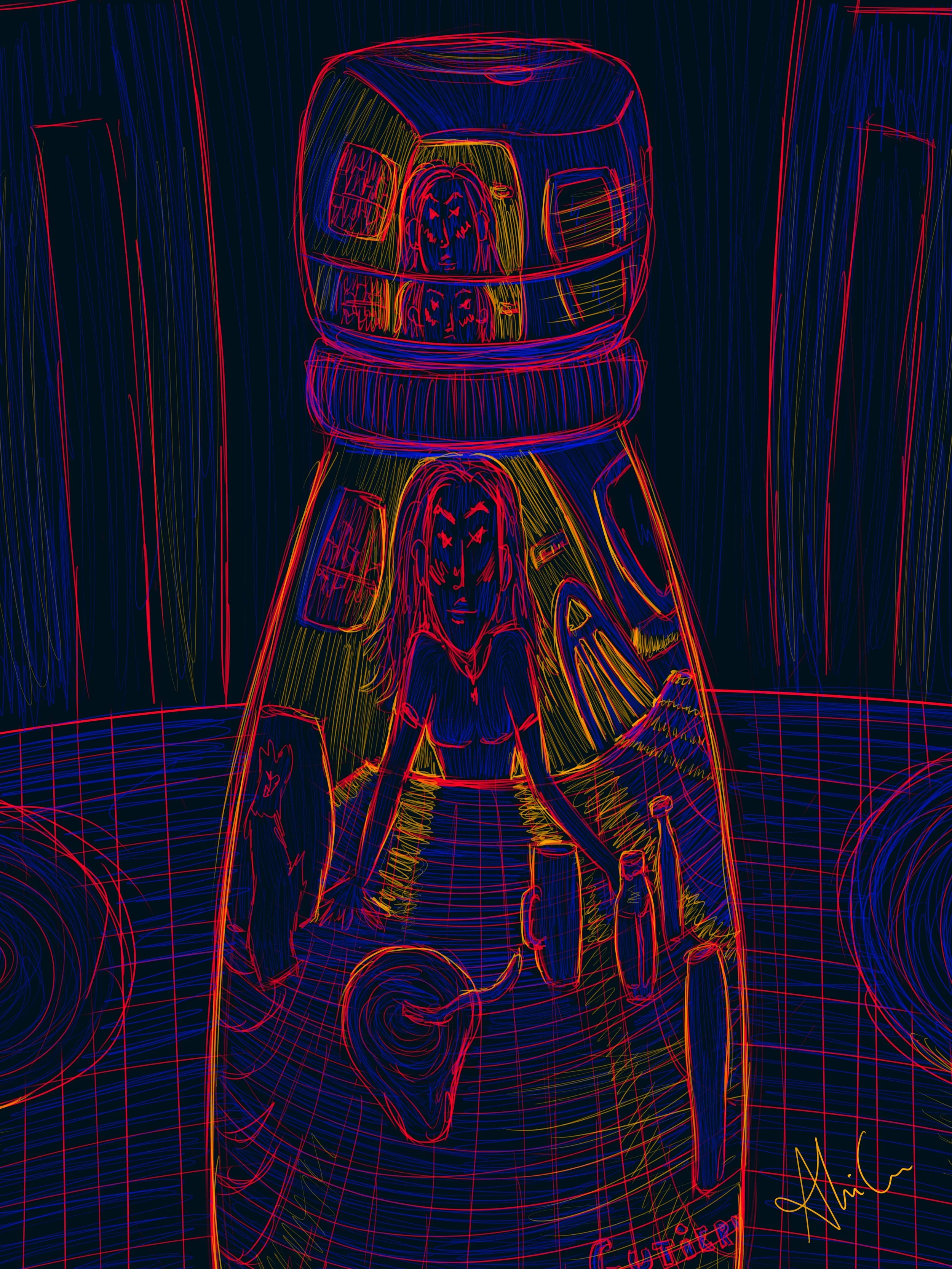
Breakfast At Home, Digital, 5400x7200 px, 2022 © Aligmory
You work in both digital art and acrylic painting. How do these two media differ in the way you express your ideas?
For me, the ideas themselves don’t really change depending on the medium; the difference is in the rhythm of the process. Digital art is fast and intuitive: I open my tablet, and I’m immediately inside the idea, sketching and painting. Acrylic painting moves at a slower pace. There’s preparation involved, setting up materials, refilling colors, arranging everything, and even the lines come out thicker and more physical, with texture. I’ve tried replicating my digital style in acrylics, but I’ve learned I don’t have to match it perfectly. Each medium carries the same “Aligmory” essence in its own way. I choose between them by instinct; some ideas feel like they want the immediacy of digital, while others need the presence and texture of acrylics. It’s all guided by intuition, what I feel in the moment.
Can you describe what usually triggers a new piece? What does that first internal “pull” feel like?
New pieces usually begin with a spark, either something I see, something I dreamed about, or even a memory. Sometimes I’m in a place, watching a scene unfold, and it hits me, the thought that says, “I have to paint this”. Other times it comes from introspection. I revisit memories often, but every now and then a particular moment rises to the surface, and I know it’s time to give it shape. The first pull is emotional, like a small click inside. I keep a small notebook where I sketch these ideas as they come, because I’m much faster at feeling the pull than I am at painting. Later, when the timing feels right, I return to those sketches and follow the one that calls to me. It’s a mix of spontaneity and intuition; the piece chooses when it wants to be made.
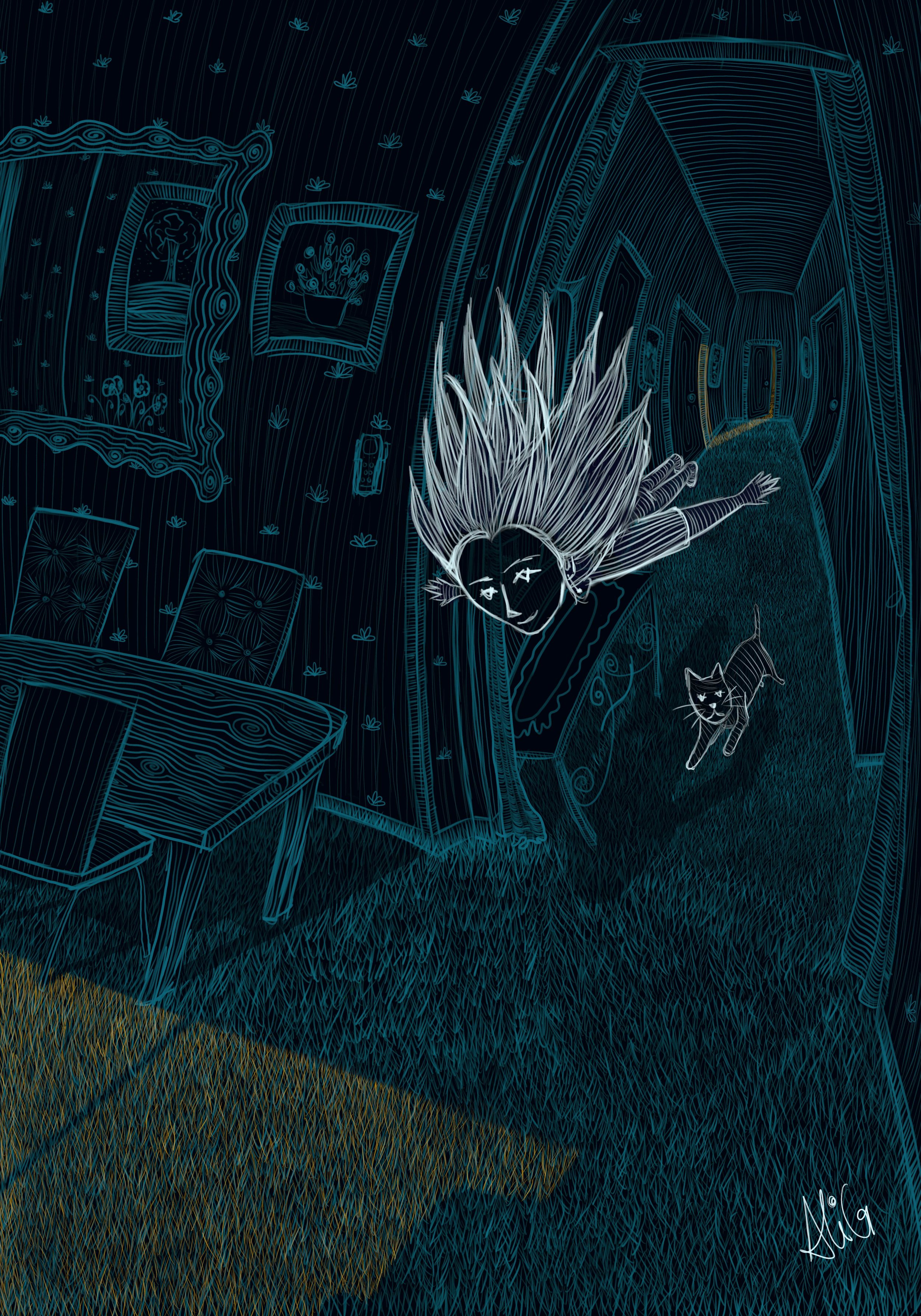
Flying With Zeus, Digital, 4961x7087 px, 2025 © Aligmory

Fragments of Myself, Digital, 4961x7087 px, 2025 © Aligmory
Your works often resemble inner rooms or psychological spaces. How do you translate memory or emotion into architectural forms?
I think of the mind as a house, and the rooms I paint are almost always rooted in places I’ve actually been. For me, a “room” isn’t just a place with four walls; it can be a street, a landscape, an interior, a dream fragment, or any scene that holds emotional weight.
Each painting is like a screenshot of a moment I’ve lived, observed, or imagined, then slightly altered to bring the feeling forward. I’ll add or remove objects, shift proportions, or introduce unexpected details so the memory’s emotional weight becomes visible. My paintings often sit in this strange liminal place, half memory, half dream. I’m reshaping those memories and ideas until they feel like emotional rooms inside a bigger mind-house. They end up familiar but slightly displaced, the way a memory feels sometimes. Color is a key translator for me: red, blue, and yellow pieces tend to hold earthbound, lived memories, while blue, white, and yellow compositions come from the dream or astral side. The result is a scene that feels both familiar and dreamlike, a moment remembered and reshaped until the atmosphere of that memory can be seen.
Repetition and linework play a central role in your style. What draws you to these patterns, and how do they shape the mood of your pieces?
Repetition and line work create the dreamlike atmosphere I’m drawn to, and they feel very natural to me. There’s something soothing about repeating a shape or a stroke; it’s almost meditative, and at the same time, it brings out this subtle sense of obsession that’s always been part of how I experience the world. I’m inspired by psychedelic visuals and dream logic, so I love when a scene feels slightly dreamlike, alive, or like a memory. Even when there are no people in some of my paintings, the lines make the room or landscape feel like it’s breathing. Line work, for me, is the essence of things. With just a curve or a shift in direction, you can suggest a tree, a house, or a person. I don’t want to paint things exactly as they are; I want them to feel like memories or impressions. Sometimes my lines are precise, almost obsessive, and other times they’re loose and free. That tension creates the mood of the whole piece.
You’re currently studying psychology. How does this academic background influence your artistic themes and decisions?
I’ve always been extremely introspective, long before I started studying psychology. My work has always been about the mind, memory, and the little moments that shape us. Studying psychology feels like a natural extension of what I already explore in my art. It gives me language, context, and a deeper understanding of things I’ve intuitively explored for years. When I paint memories or inner spaces, I’m also observing myself. Sometimes I’ll finish a piece and only later realize how that moment shaped me, or how different I am now compared to who I was when the memory happened. Psychology enriches my understanding of the themes I already work with. My creative decisions still come from instinct, but now I see the emotional patterns behind them more clearly.
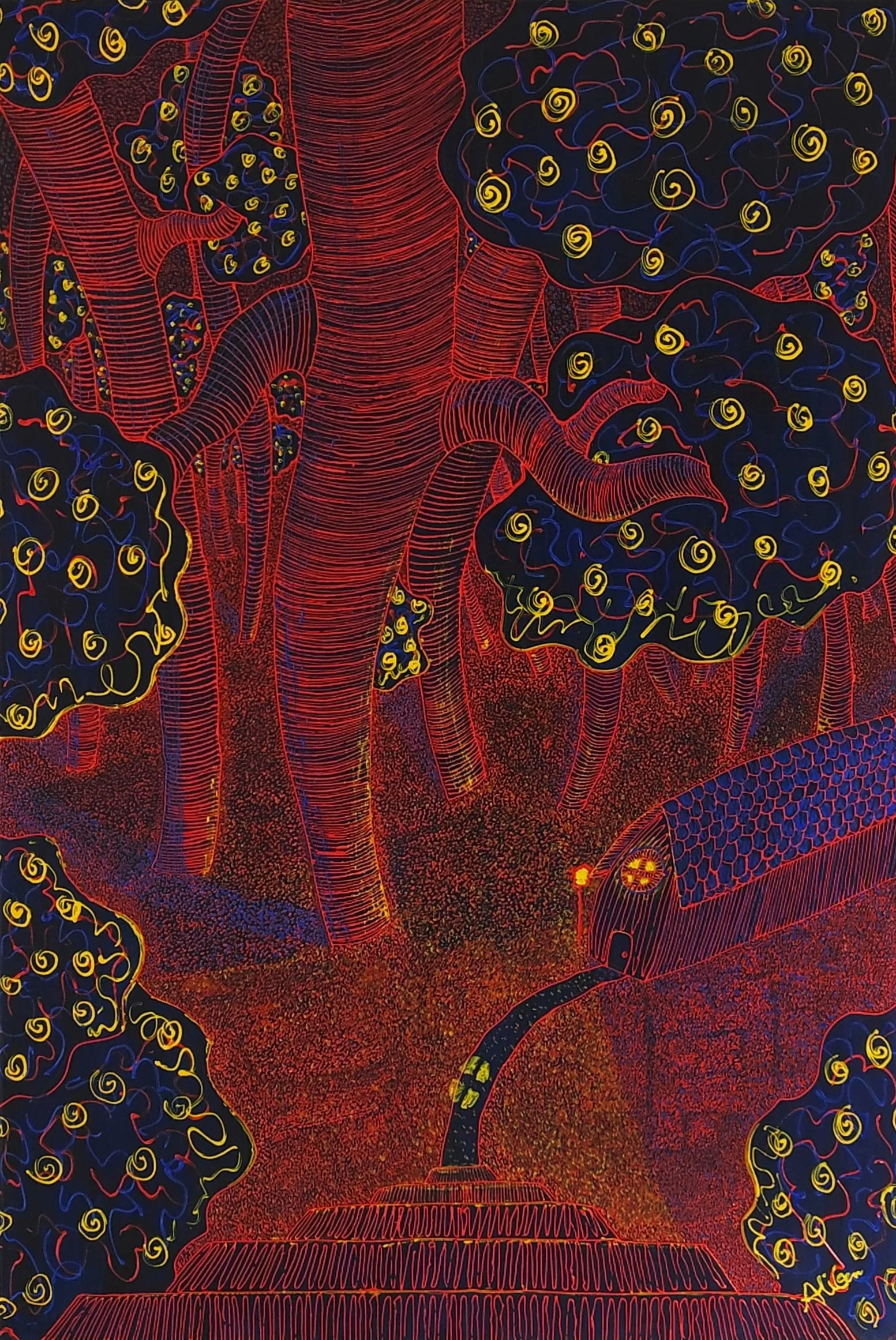
The House Of Memories, Acrylic On Canvas, 60x90 cm, 2023 © Aligmory
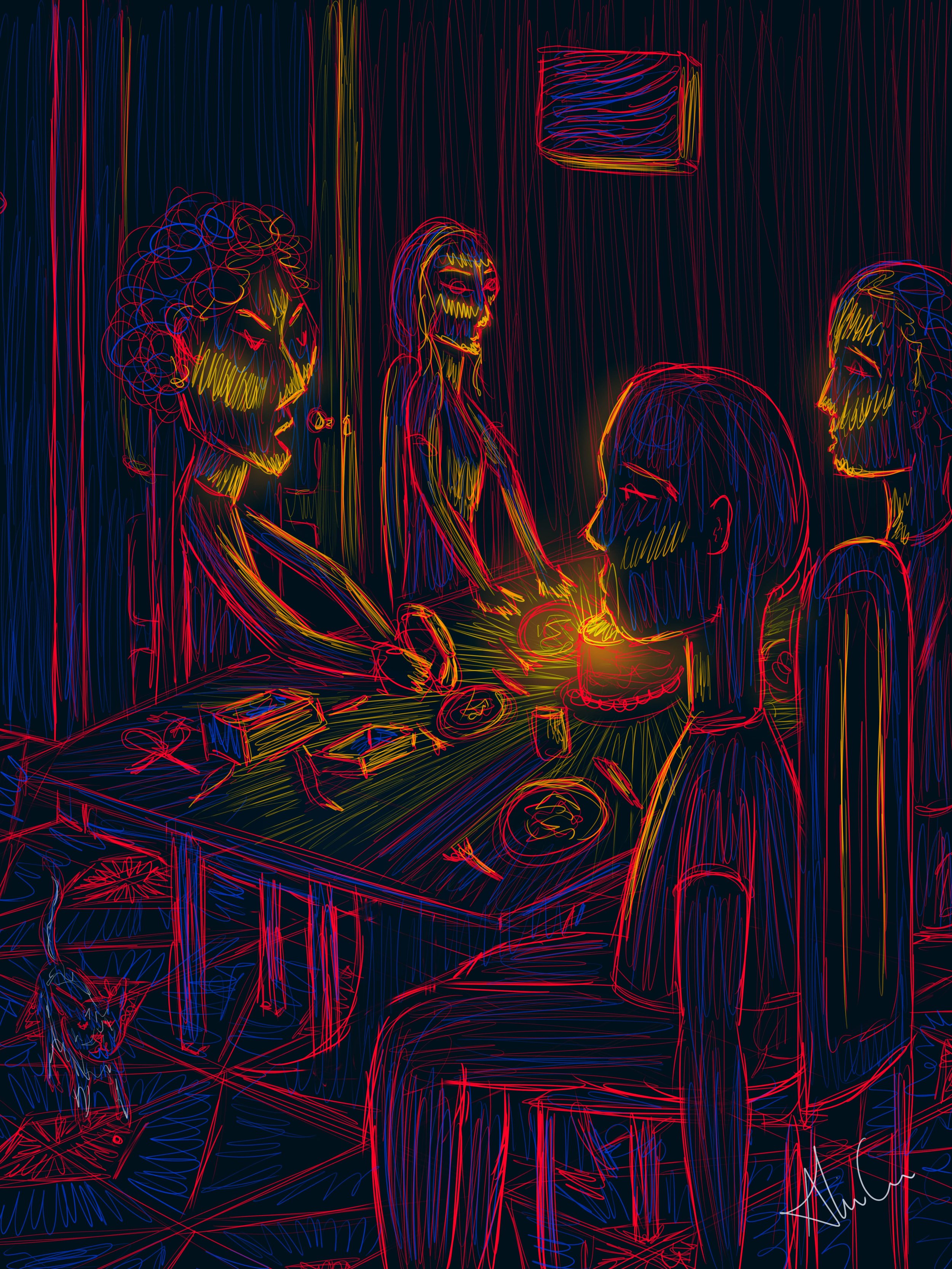
Not What I Wanted, Digital, 5400x7200 px, 2022 © Aligmory
Many of your works explore the balance between order and chaos. How do you navigate that tension during your creative process?
For me, the tension between order and chaos comes from my own creative personality. There’s a part of me that wants to draw every line perfectly, to control every detail and make the shapes match reality exactly. And then there’s the other side of me that says, “Let it be loose!” I don’t want my paintings to feel overly controlled; I want them to resemble the world, in its own way. So the balance becomes an inner negotiation. Some areas lean into precision; others are completely freehand and loose. Sometimes both energies live in the same piece, depending on what I’m feeling or what the memory needs. I naturally drift toward perfection, so part of my process is gently pulling myself back and reminding myself that I don’t want to draw things exactly as they are; they often look more alive that way. That push and pull is what gives the work its character.
What kind of emotional or reflective experience do you hope viewers have when entering your visual worlds?
I never want to tell people what they should feel when they enter my visual world. That’s the beauty of it, everyone brings their own mind into the room. But what I’ve heard from viewers really touches me: even when there are no people in some of my paintings, they still feel alive, as if someone just stepped out of the frame for a moment. There’s this mix of loneliness and warmth that naturally appears, like a quiet space that’s still full of presence. If anything, I hope people sense the dreamlike quality behind the scenes, the repetition, the lines, the obsessive rhythm that makes everything feel slightly psychedelic, slightly “not from here”. I don’t think of my work as surreal in the classic sense, but more like a world that’s tilted just enough to feel like a dream or like a memory. And honestly, whatever they feel, that’s the right answer. I just want the work to open a door.
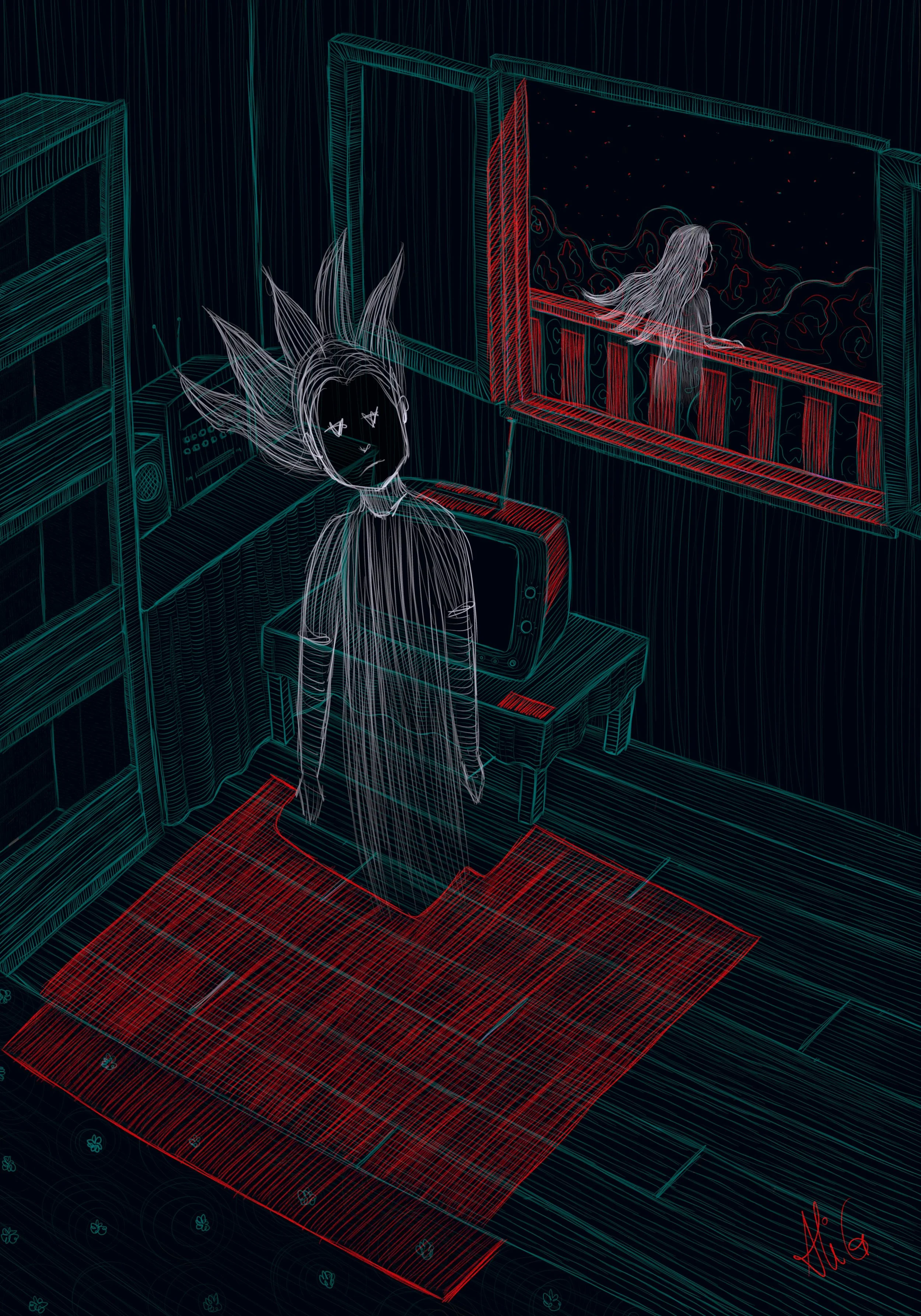
I See You, Digital, 4961x7087 px, 2025 © Aligmory
Looking ahead, what future projects or new directions are you excited to explore in your practice?
I’m excited about expanding my work beyond the paintings and adding a complementary layer that deepens the experience of my art. I’m exploring ways to open the inner world behind them, the atmosphere, the symbols, the emotional architecture that already exists beneath the surface. I’ve started working on a project that moves in that direction, allowing people to step into the mind-house, the place that inspires everything I create. I’m keeping it flexible and organic, letting it take shape naturally. What matters to me is building something people can enter slowly, explore at their own pace, and feel connected to, a world that’s already there, just waiting to open its doors.
Artist’s Talk
Al-Tiba9 Interviews is a promotional platform for artists to articulate their vision and engage them with our diverse readership through a published art dialogue. The artists are interviewed by Mohamed Benhadj, the founder & curator of Al-Tiba9, to highlight their artistic careers and introduce them to the international contemporary art scene across our vast network of museums, galleries, art professionals, art dealers, collectors, and art lovers across the globe.


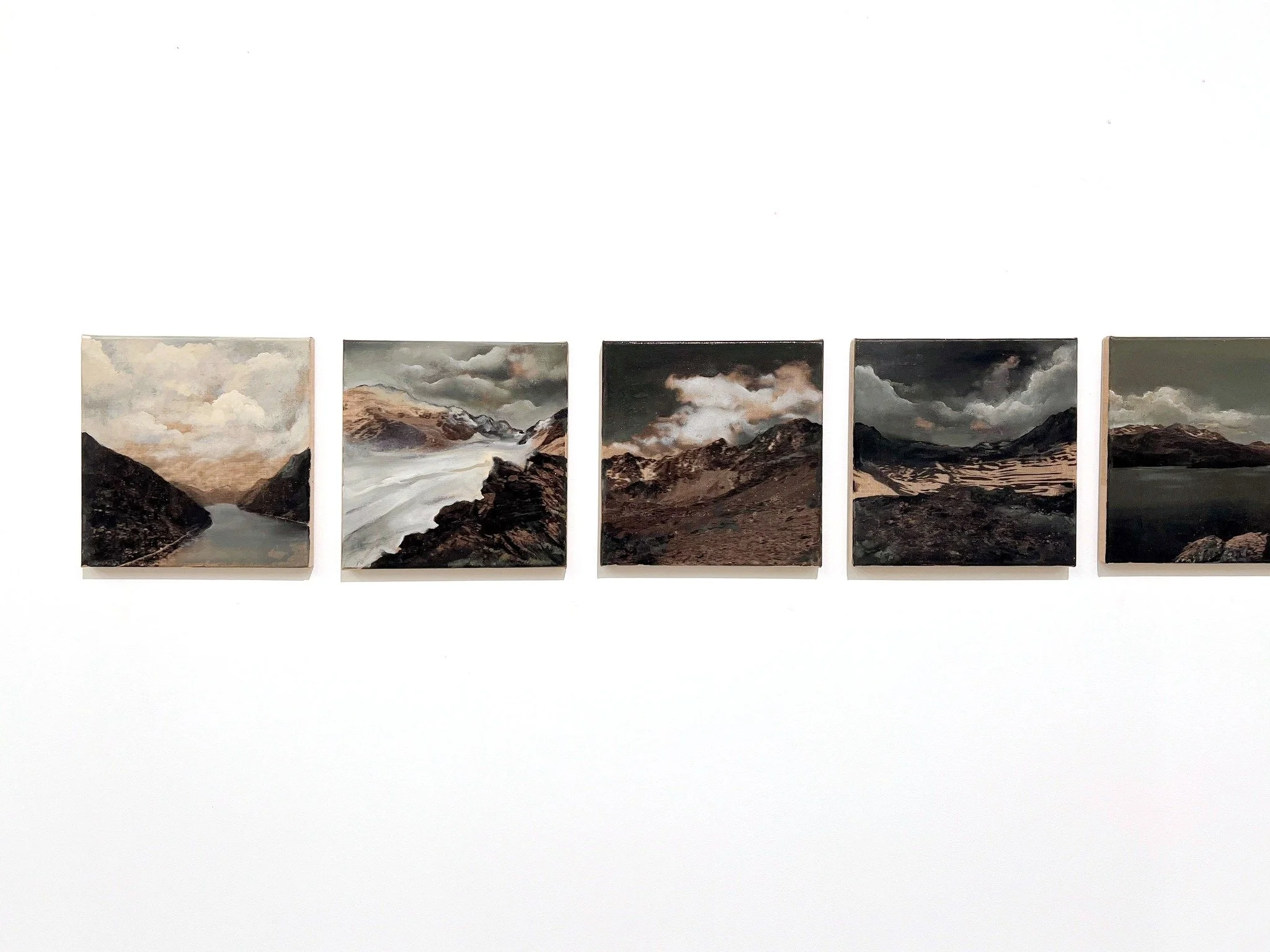
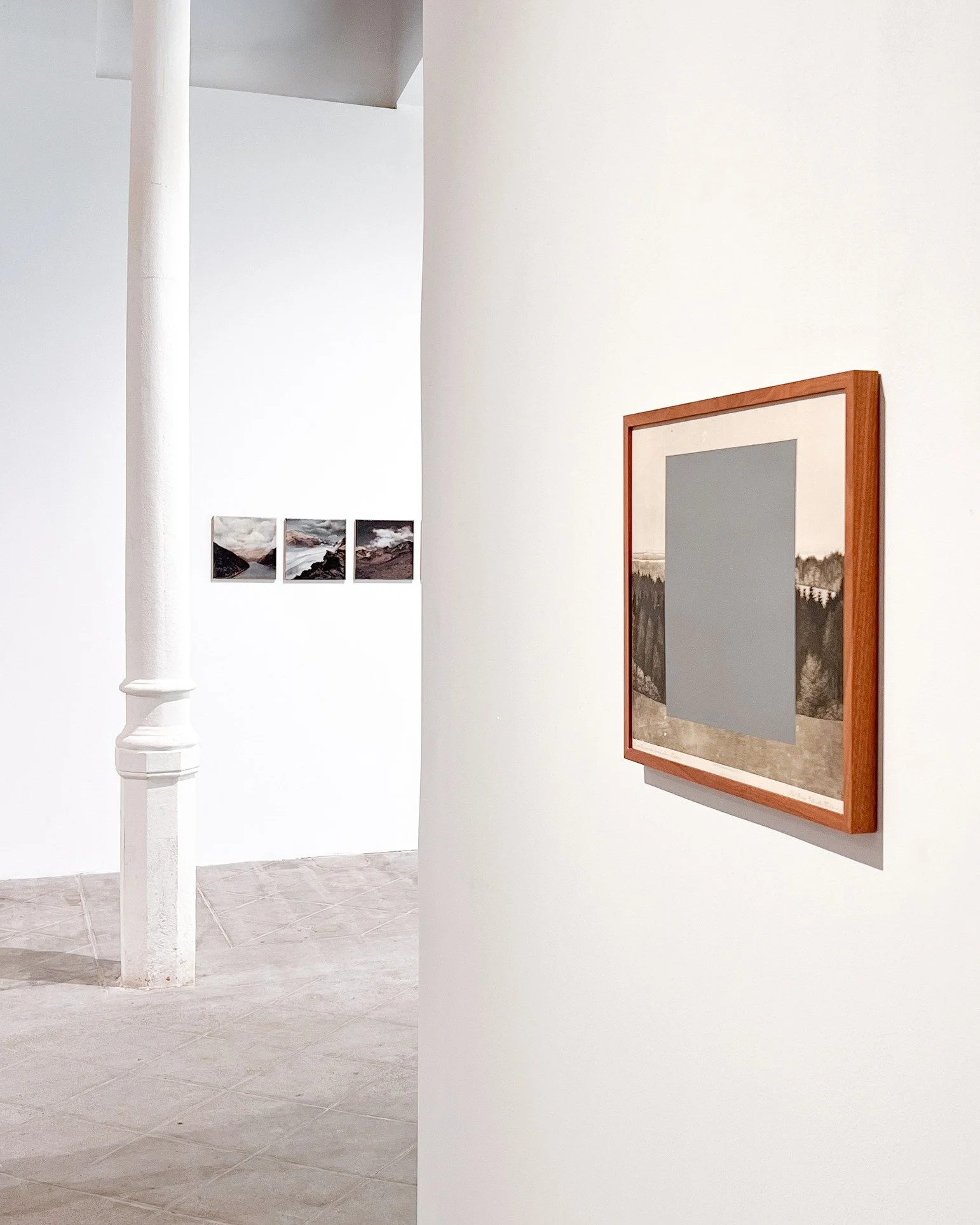
João Prosperi is a Brazilian editor and visual artist based in Los Angeles. His work is driven by an interest in images and the technologies used to create them. Drawing from a background in editing, photography, and post-production, he often works across different tools and formats, combining digital and analogue processes in search of unexpected visual results.