
10 Questions with Marvi Khan
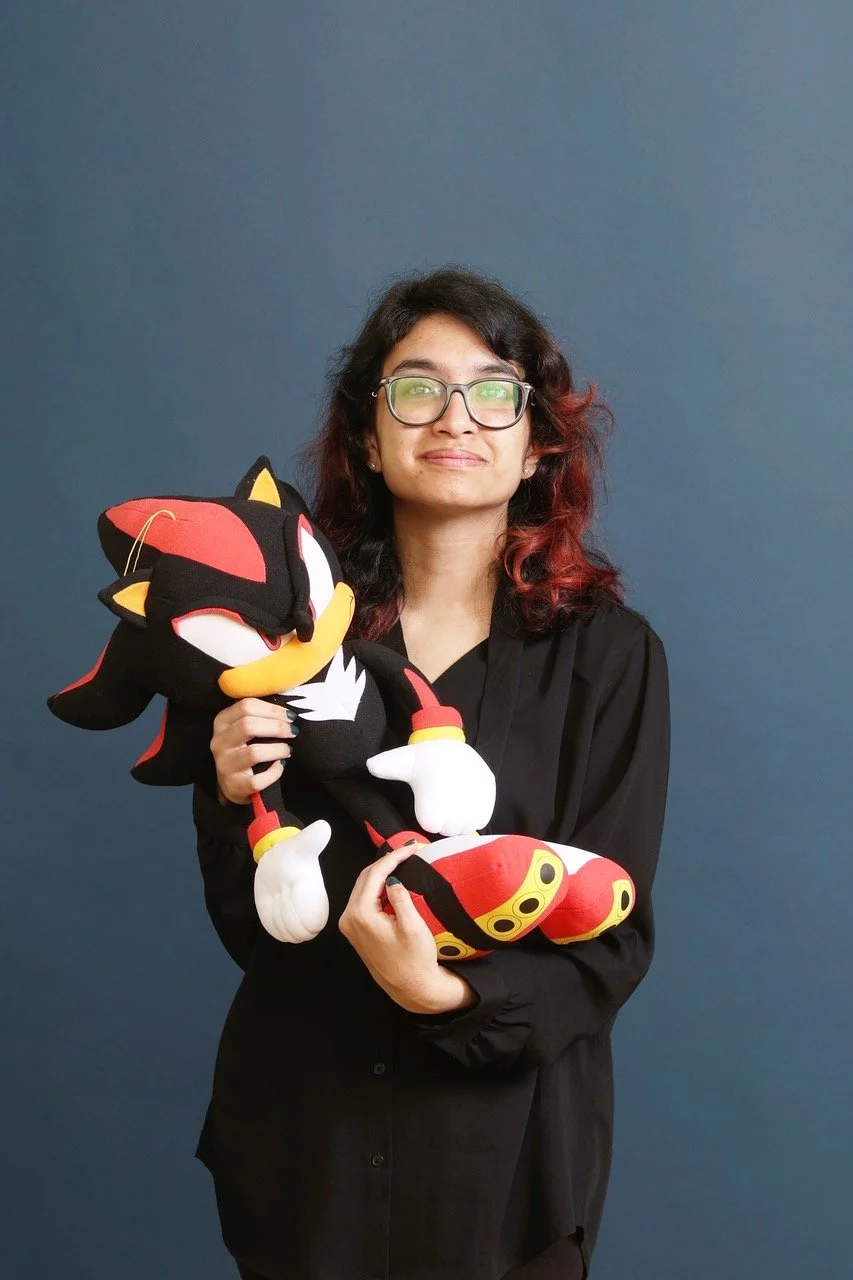
Marvi Khan is a Pakistani-Canadian artist residing in Vancouver, British Columbia. She has a Bachelor of Fine Arts in Visual Arts from Emily Carr University of Art + Design and a Master of Fine Arts from the Glasgow School of Art. Marvi’s art reflects her interest in humanity’s intangible thoughts and feelings. In her practice, she explores elements of abstraction through painting, drawing, and mixed media collage. Marvi’s work has been featured in group shows such as the Langley Arts Council’s My Heritage and Creating for Change exhibitions, as well as the Seymour Art Gallery’s art party fundraiser. Additionally, she has sold her work in the 14th edition of North Van Arts' North Shore Art Crawl. You can find her work featured in publications such as the Arts to Hearts Project's Studio Visit Book: Volume 6, and Simon Fraser University's magazine, The Lyre, Issue 16: Passage. In her free time, Marvi also serves as a member of ArtLaunch’s Young Artist Advisory Council.
Marvi Khan - Portrait
ARTIST STATEMENT
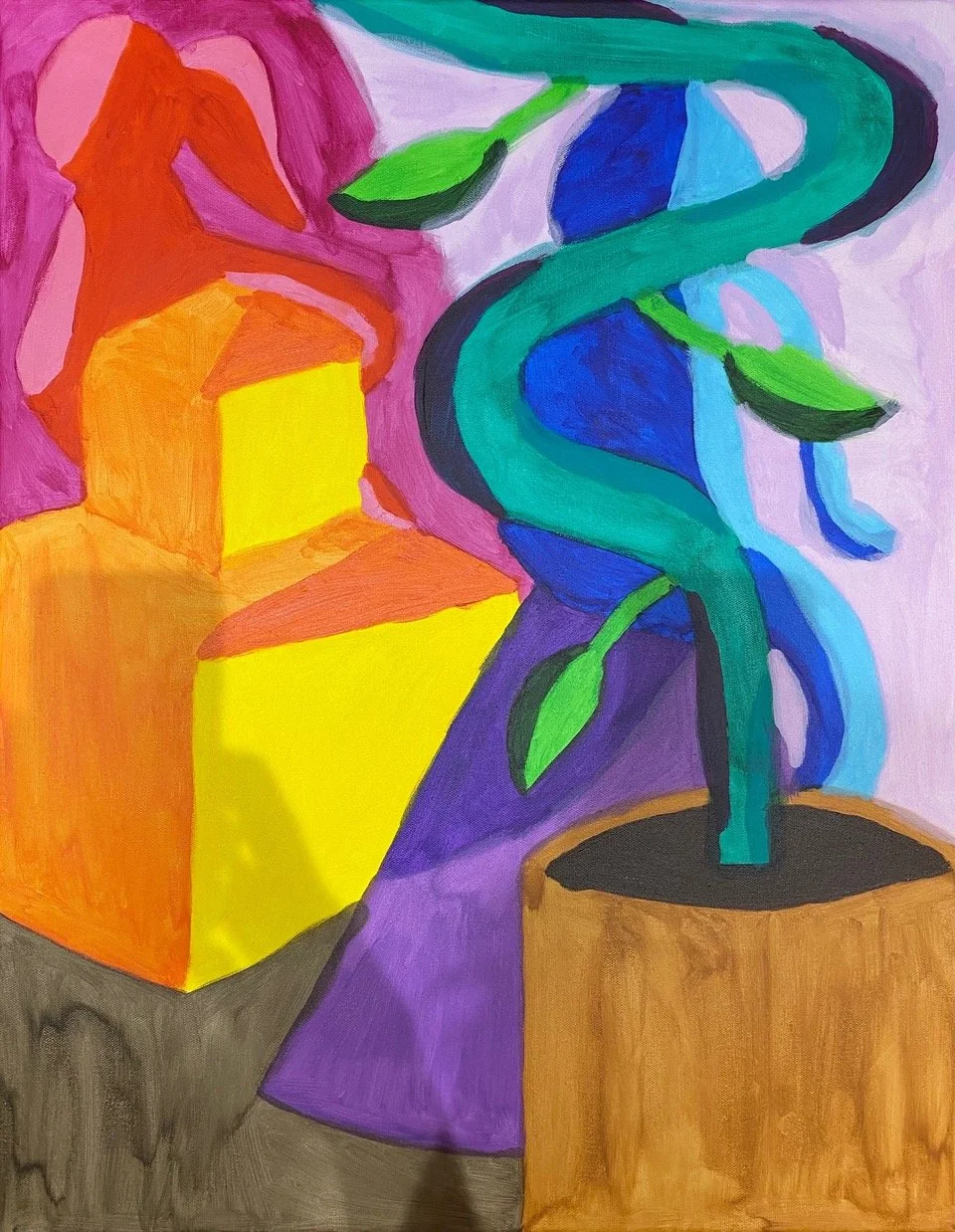
Marvi Khan is an abstract artist, which is a style that she thinks is important, as it challenges the notion that representational artwork is the peak of art. She wants to challenge the misconception that abstraction is pointless and encourage people to give it a second chance. Colour, line, and shape are the most prominent aspects of her work. She started out drawing, making the switch to painting to showcase vivid colours better and use texture to make her linework much more visible. For the finer details, she uses markers, as they are easier to work with, while keeping the drawn element from her earlier work. She often gets told that her art is simplistic. However, she believes it is beneficial to learn to appreciate the conceptual aspects of an artwork over its technical qualities. Her favourite thing about showcasing her work is hearing all of the different interpretations from the viewers. She enjoys it when someone explains how they found a message that was completely unintended.
Prismatic Shadows, acrylic on canvas, 28x22 in, 2024 © Marvi Khan
INTERVIEW
First of all, can you tell us about your background and how you became interested in art?
I have had a fascination with art since I was a small child. In kindergarten, I used to doodle all over my worksheets to the point where my teacher could not read anything I had written. She called for a conference with my parents and encouraged them to nurture my creative talent at home instead. They enthusiastically gave me sketchbooks, and drawing quickly became my favourite pastime. I have many fond memories of playing with my little sister in a dollhouse I made entirely of paper. I had to create a new doll for every outfit needed, and I was also the one improvising the storylines. I was fortunate enough to attend a primary and high school that had robust arts programmes, so I grew up in an environment where creativity was cherished.
You work with painting, drawing, and mixed media collage. What attracts you to these different mediums?
As colour is the most important aspect of my practice, painting is the medium that suits me best. I can mix any shade I want, which is helpful in determining the first step of all my paintings: the colour scheme. It also creates a nice texture, which is especially useful for me, as I prefer to leave very visible lines with my brushwork. Drawing does a similar thing, but works better for the finer details. It is fun to experiment with materials like charcoal or pastel, and see how they interact with different kinds of surfaces. Mixed media is the newest addition to my practice. Incorporating found items is satisfying, as you get to see weeks’ worth of random collecting turn into a unified collage. It is also a great way to use the craft items that I have lying around.
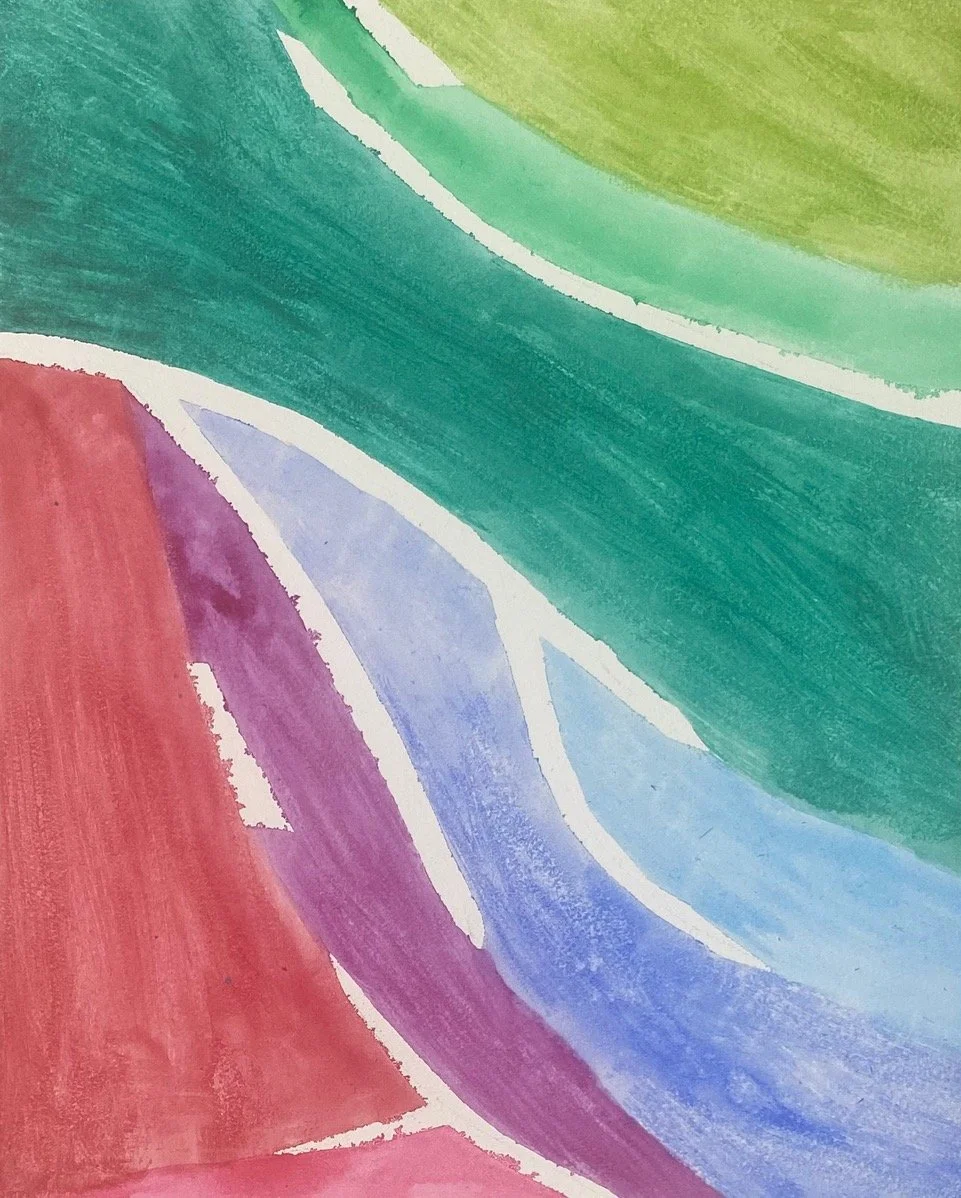
Reading, watercolour on wood panel, 10x8 in, 2026 © Marvi Khan
Why did you choose abstraction as your main artistic language?
I admire how it is a style that lets you be completely free in both theory and technique. It has drawn me in since the beginning, although, combined with my bright colour schemes, it did result in me not being able to get through a single critique in art school without hearing the words “childlike” or “playful” used to describe my work. I used to be bothered by this, but I have come to realise that the gift of abstraction is the ability for everyone to add their own meaning to it. All I ask of the viewer is that they look at the work beyond its representational qualities. This line of enquiry serves as the fundamental basis to aid the audience in having a more fulfilling time engaging with abstract art, without them necessarily having to like it.
How did your transition from drawing to painting influence your practice?
I made the switch from drawing to painting towards the end of 2024. My previous foray into still life and model painting with oil had not gone as well as I had hoped, so I had not painted for two years. Despite this, the medium has always called for my heart, so I eventually gave it another try. This time, I went fully into the concept of exploring non-representational shapes, starting with the mind and body. I made plenty of quick charcoal sketches on a large paper pad, and then spent the next few months taking ideas from them to form compositions to paint. This resulted in a body of work that matched what I wanted to present myself as a professional artist. I finally felt like I had created something that I was confident enough to submit to a gallery.
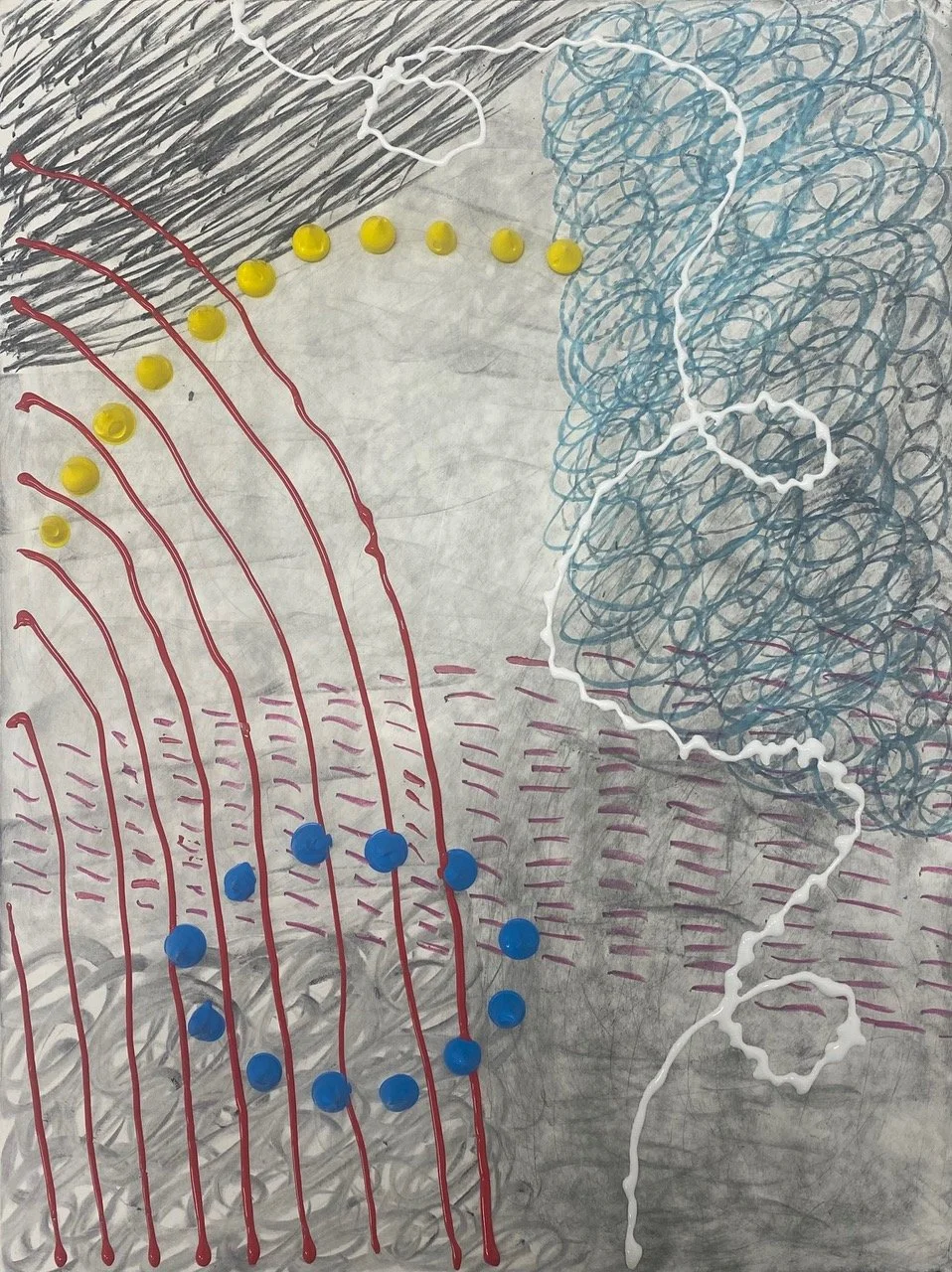
Map, charcoal, pastel, and acrylic on wood panel, 16x12 in, 2026 © Marvi Khan
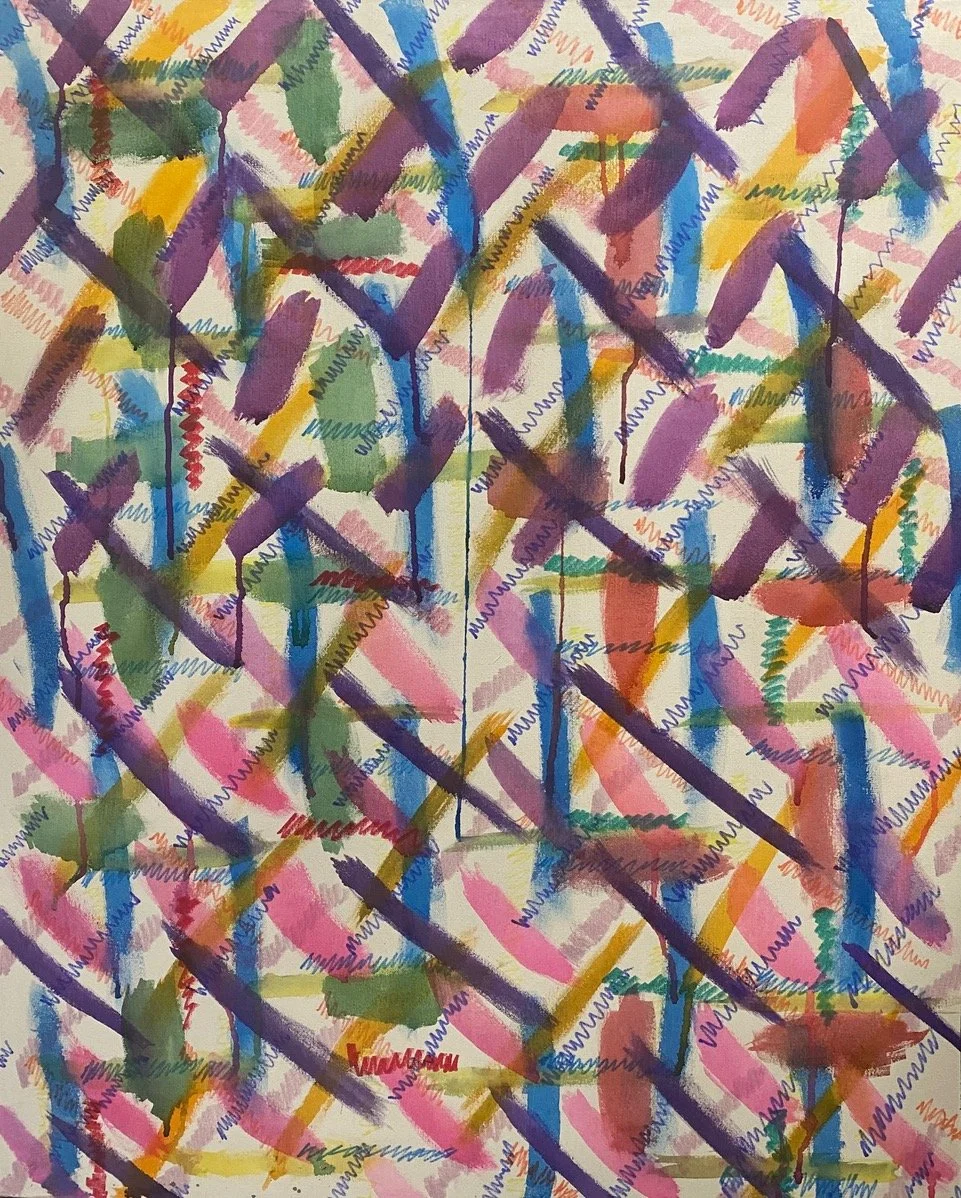
Cookie Cutter, watercolour and marker on canvas, 40x30 in, 2026 © Marvi Khan
What role do colour, line, and shape play in your work?
I am primarily concerned with colour and its relationship to the other principles of art. I wish to challenge the viewer’s perception of colour, and encourage them to think of it as something beyond aesthetics. When a shape is no longer identifiable, how does colour interact with it? How can it be used as a tool to enhance linework or negative space? How can line, texture, or even the surface itself enhance or detract from this relationship? How does your perspective change when dismissing common associations from a work? If you focus on one section and ignore everything else, does anything in your mind shift? Does the meaning even matter? If you come up with your own interpretation, does my opinion as the artist still hold weight?
Can you describe your creative process from the initial idea to the finished artwork?
I tend to skip the sketching stage, as I enjoy the challenge of having to fix any errors that unexpectedly pop up. I always have a very rough mental plan of what I want my next painting to be about. Once I figure out the colour scheme, I proceed to the final piece right away. I work really quickly, so this enables me to simply paint without overthinking the process. Sometimes I work on more than one simultaneously, but since I have shifted to working bigger, I prefer to focus on one thing at a time. There is a lot of experimentation in my practice, so I often begin a painting with the intention of wanting to try out a certain colour scheme or incorporate a material that I have not used in a while, and then let the concept change and grow from there.
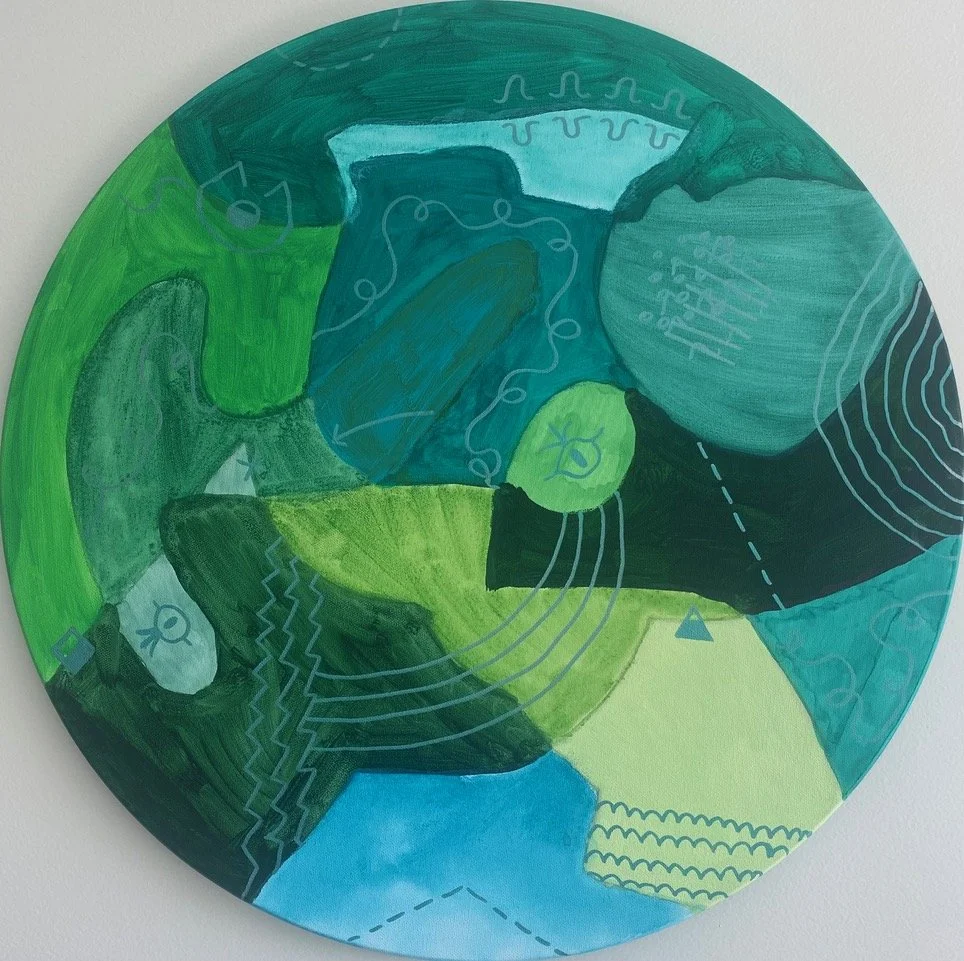
Endless, Nameless, acrylic, watercolour, and marker on canvas, 20x20 in, 2025 © Marvi Khan
Your work explores intangible thoughts and feelings. What themes or emotions are you most interested in expressing?
Over the past year, I did a series of abstract family portraits simply because I wanted to incorporate my family’s native tongue, Urdu, into my work. I also created a diptych based off of Vancouver’s transit maps, as I was taking a class on cartography at the time and thought their designs were aesthetically pleasing. I just recently wrapped up a body of work where I experimented with the metallic paints and drawing materials that I rarely used. The main thing tying those paintings together is that they were all done on oddly-shaped canvases that I happened to find in shops. It is important to me that my work has the ability to evolve over time, whether that be during the process of creation or when revisiting past projects for reflection.
How do you respond to viewers who say your work is simple or difficult to understand?
I think this is fine. I understand that abstract art is controversial. People tend to get upset when the subject is brought up, even though I am not offended by any confusion towards my artwork. I believe that most of the disparaging comments come from a place of poor art education and an initial uneasiness towards the unknown, so I appreciate the people who try to keep an open mind on the topic. All that matters to me is that there is some level of acknowledgement of the rich history behind what I am creating, even if the individual cannot ascertain a clear meaning just from looking at it. Abstraction is often seen as being inherently less valuable in the eyes of the general public, but if I can encourage more people to engage with it, I am satisfied.
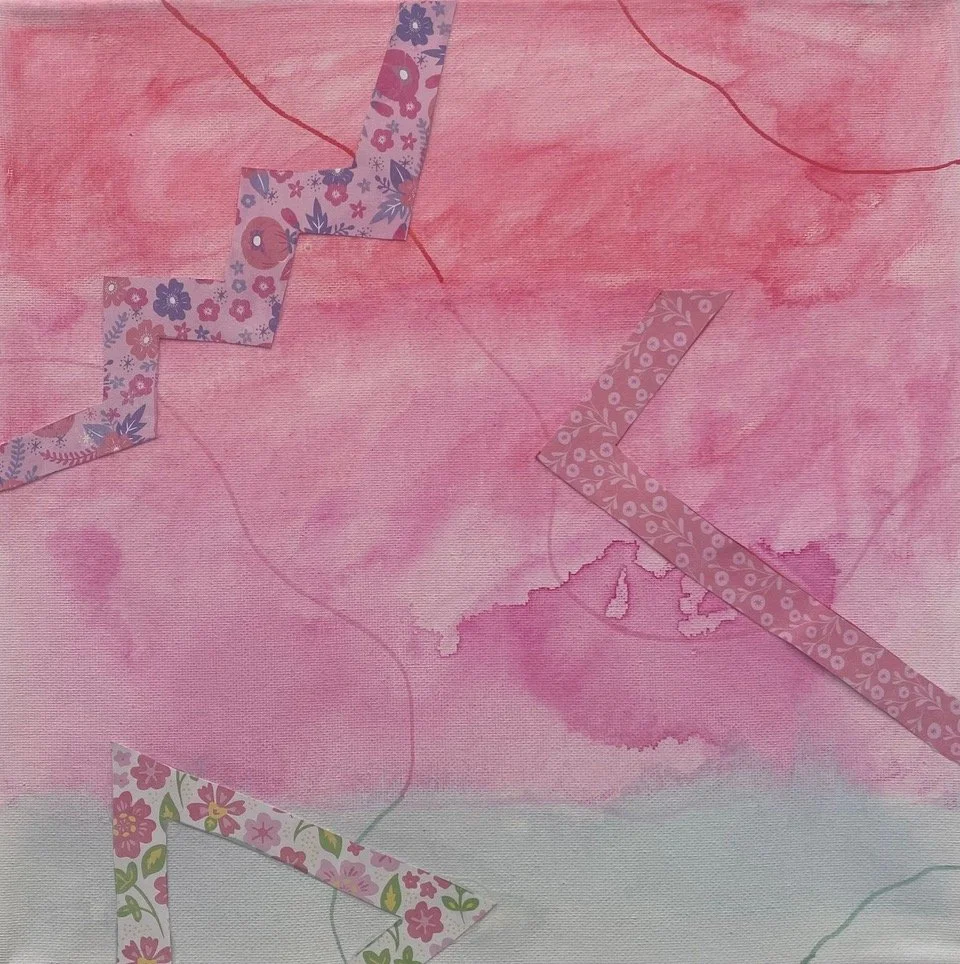
Aerial View (3-part series), watercolour, marker, and paper on canvas, 12x12 in each, 2025 © Marvi Khan
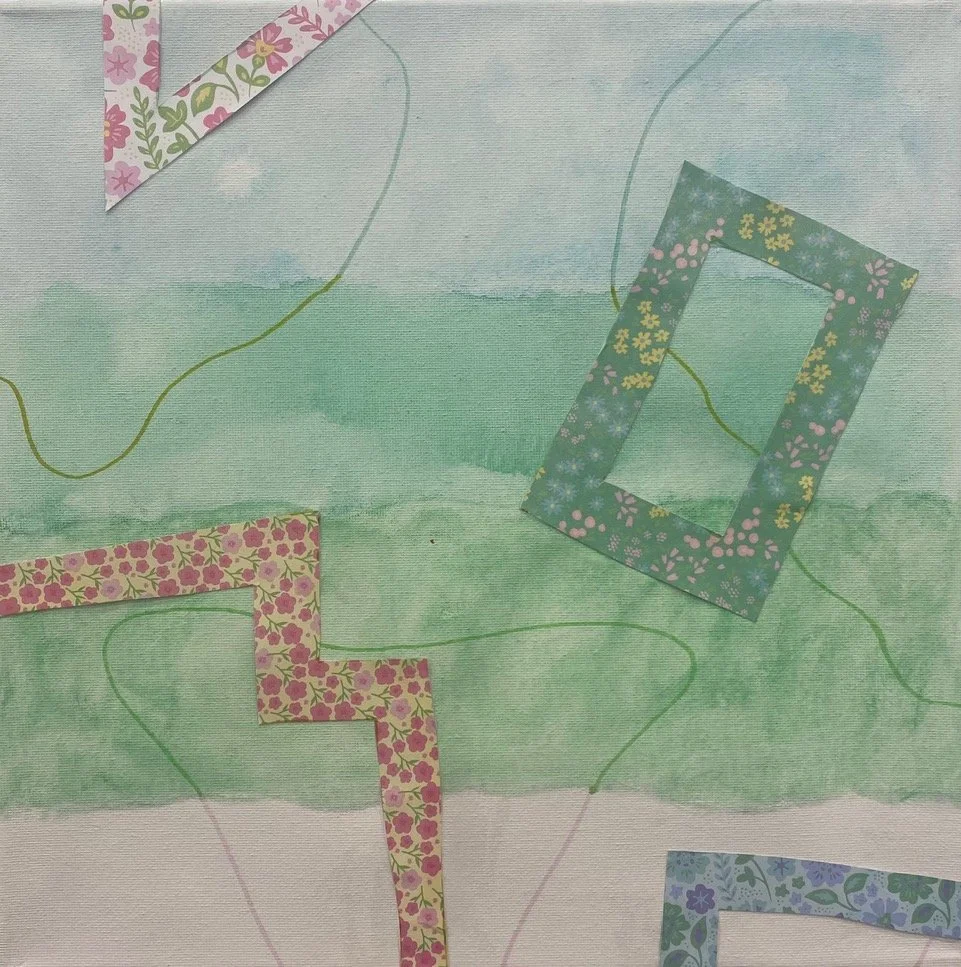
Aerial View (3-part series), watercolour, marker, and paper on canvas, 12x12 in each, 2025 © Marvi Khan
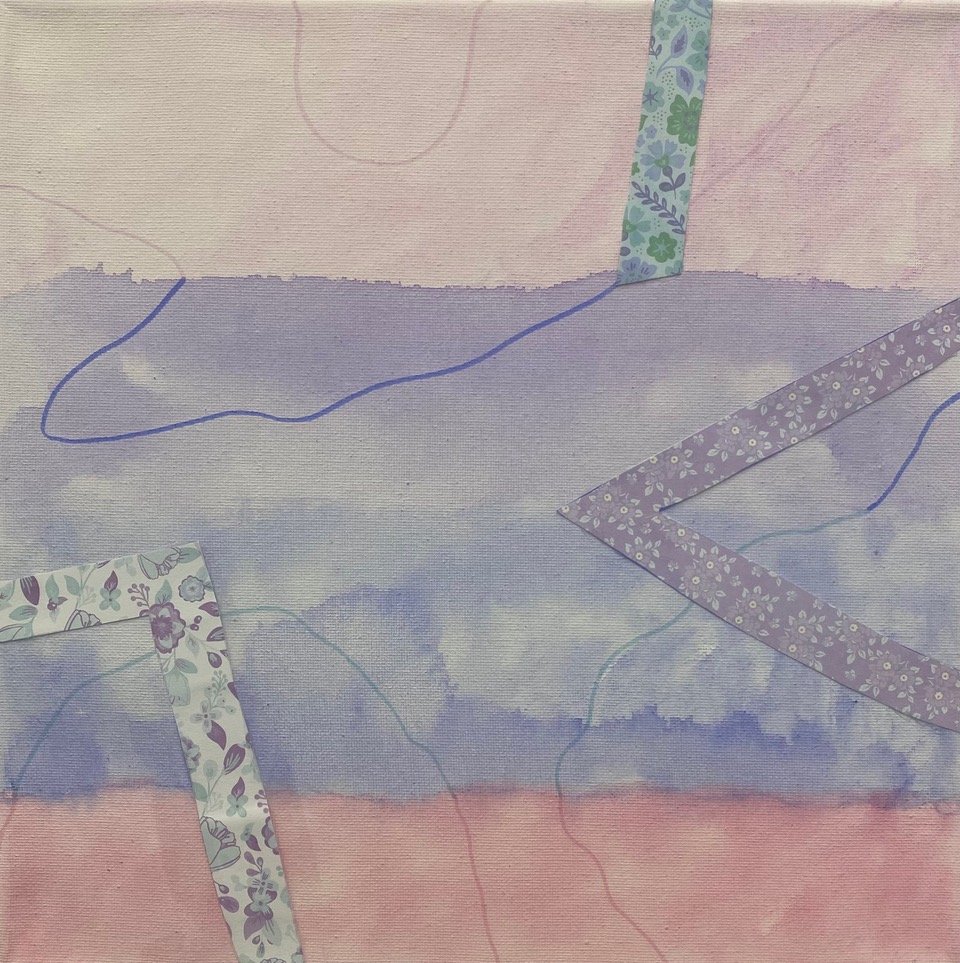
Aerial View (3-part series), watercolour, marker, and paper on canvas, 12x12 in each, 2025 © Marvi Khan
Are there any new projects or ideas you are currently working on?
I am conducting a thesis on the Korean multimedia web series Alien Stage. It is set in a future where humans have been enslaved by aliens and forced to participate in song battles, where the loser is killed. It is a series of animated music videos, with supplementary material in the form of extra songs and comics. I am intrigued by the creators’ recent announcement that the main story will continue in a few years; in the meantime, they will be providing us with ten short stories, detailing different universes that their characters get retrofitted into. This is very similar to a method of making that I implement, where I take an old painting of mine and transform it into something new. My analysis will focus on why this recontextualisation is appealing.
And lastly, what are your goals for the future as an artist?
I would like to do a solo exhibition for the first time. I think curating all my paintings based on colour would open up intriguing discussions about how abstract forms play with colour to influence the viewer. I would also like to try oil painting again, as the longer drying time and different textures would add a fresh, challenging element to my practice. Doing more mixed media collages with found items would be a fun side project in between my usual experiments. I am hoping to create another art book far into the future once my current research is complete, based on an argument that I have been developing for a few years now. It would be a series of essays and illustrations detailing the parallels between live streaming and performance art.
Artist’s Talk
Al-Tiba9 Interviews is a promotional platform for artists to articulate their vision and engage them with our diverse readership through a published art dialogue. The artists are interviewed by Mr. Mohamed Benhadj, the founder & curator of Al-Tiba9 Contemporary, to highlight their artistic careers and introduce them to the international contemporary art scene across our vast network of museums, galleries, art professionals, art dealers, collectors, and art lovers across the globe.



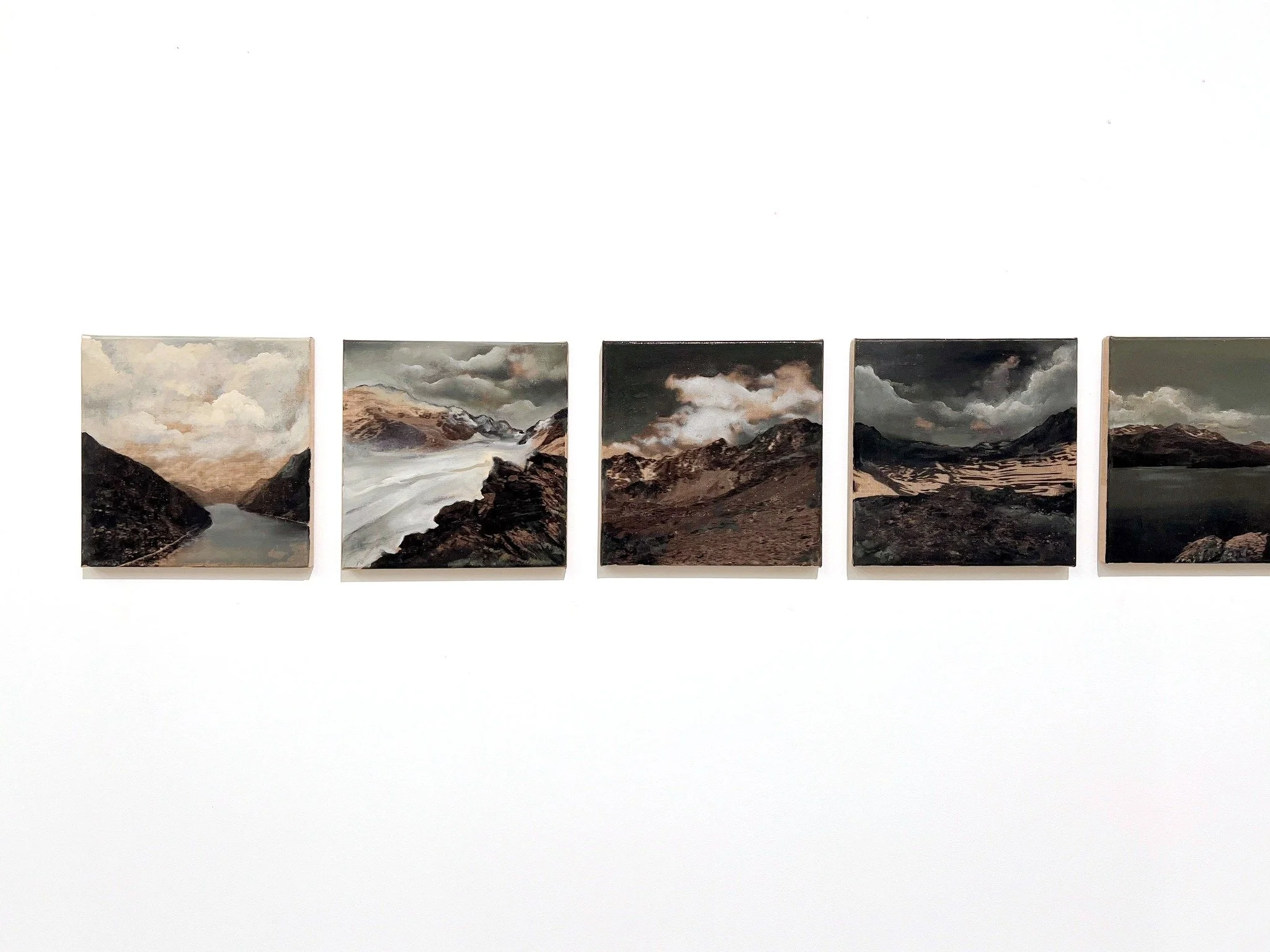
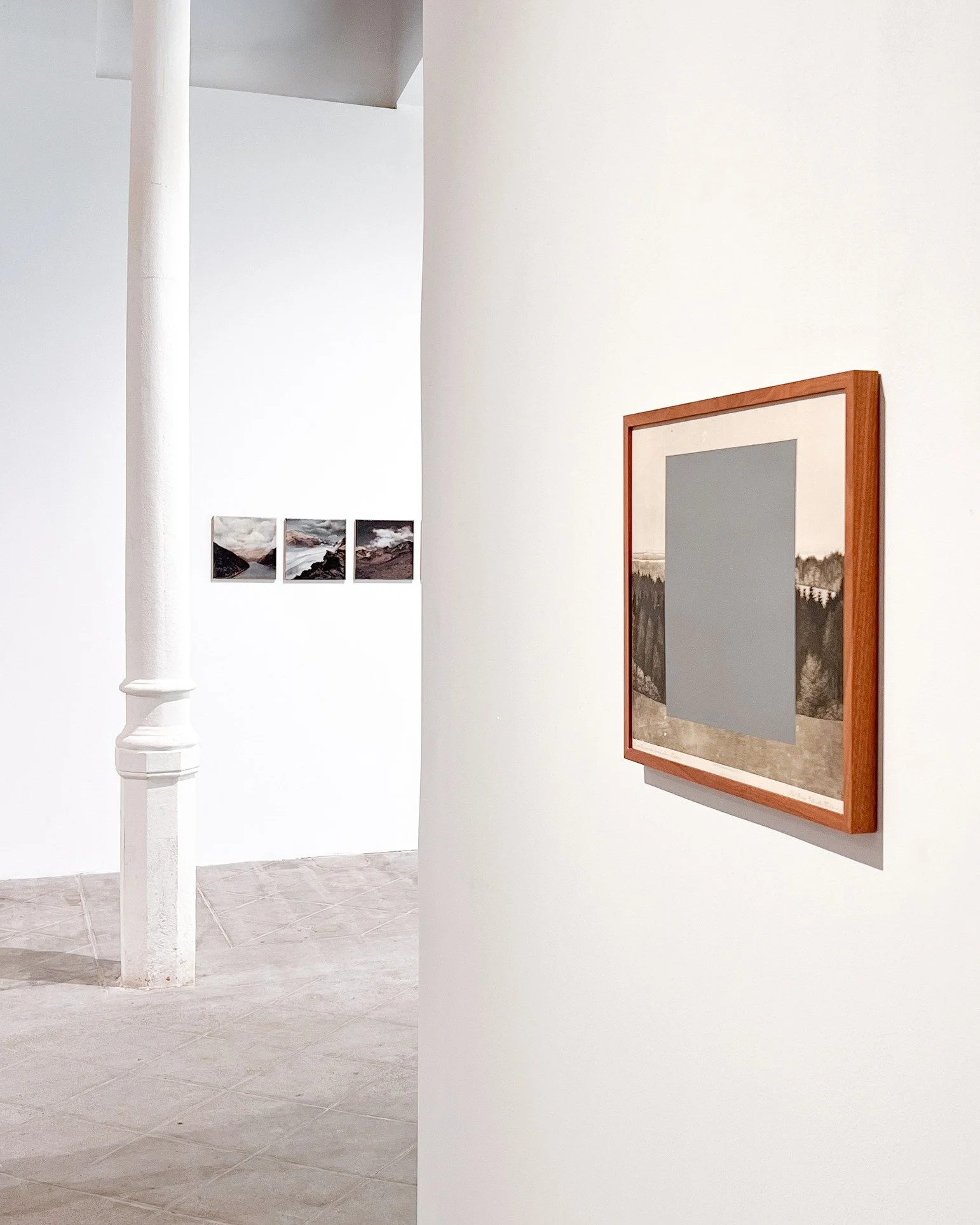
Nataraj von Allmen is a painter based in Switzerland. Often taking photographic material as a starting point, he weaves together landscapes, mythological archetypes, Christian symbolism, and contemporary socio-political themes into complex paintings. Oscillating between figuration and abstraction, his work investigates transformation, collective memory, and the human condition.