
10 Questions with Veronika Fox
Al-Tiba9 Art Magazine ISSUE22 | Featured Artist
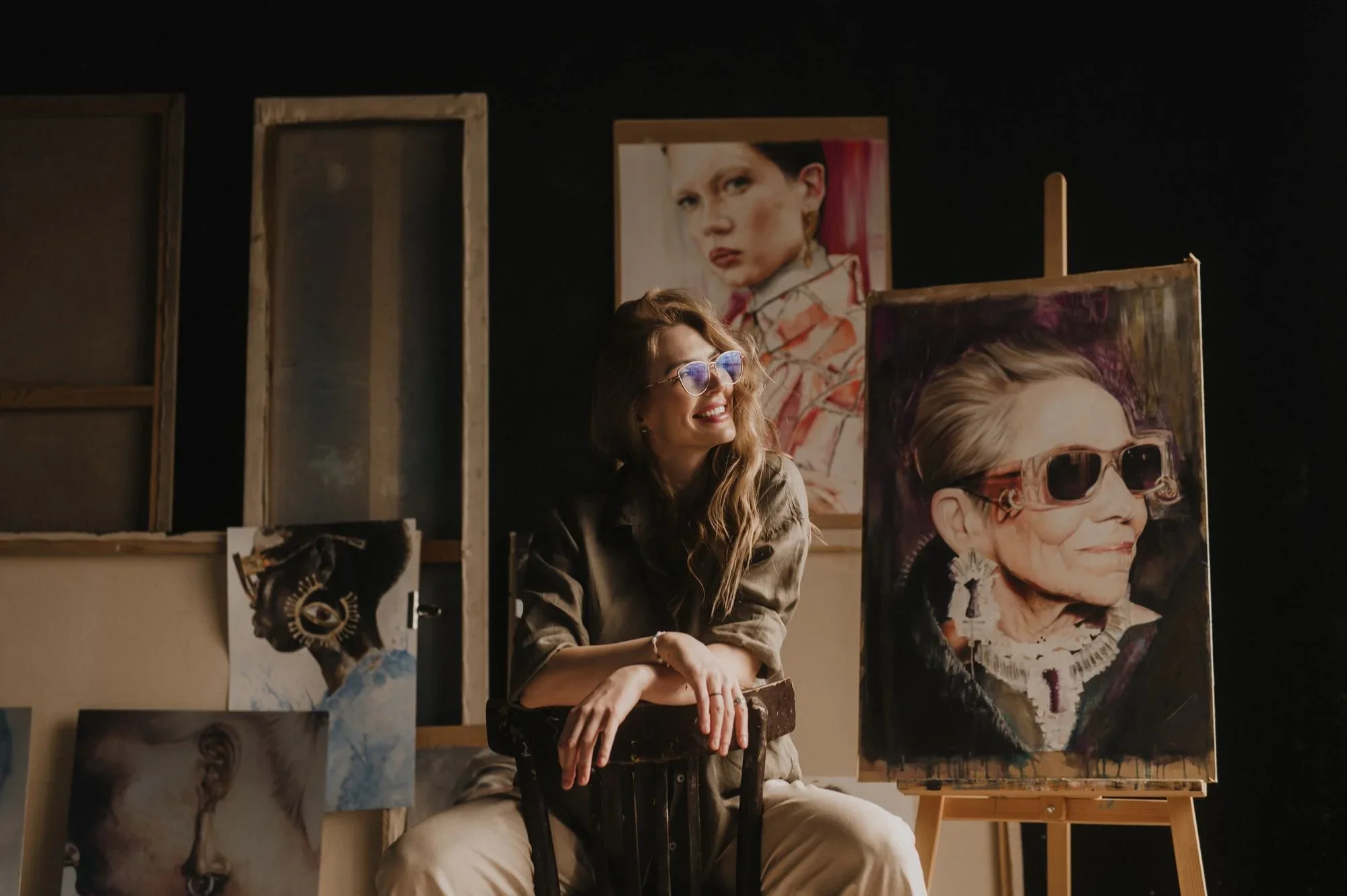
Veronika Fox is a contemporary Ukrainian artist based in New York City. Born in Odesa, Ukraine, she began searching as a teenager for the artistic language through which she could most fully express herself, exploring television presenting, improvisational theater, music, and an international career as a DJ. She spent significant time in Mexico, where music, travel, and spiritual exploration deepened her interest in emotion and inner experience. After the full-scale invasion of Ukraine, Fox arrived in the United States in 2022 and settled in New York. The city’s energy and artistic culture gave her the confidence to commit fully to painting as a professional practice. She continued developing her work at The Art Students League of New York, studying with Larry Poons and James Little. Her practice now moves between abstraction, figuration, surrealism, and escapism, with recurring robot figures evolving into a personal symbolic language.

Veronika Fox - Portrait
ARTIST STATEMENT
Veronika Fox’s work explores the space where emotion, imagination, and symbolism intersect. She paints intuitively, allowing color, texture, gesture, and subconscious feeling to lead the process rather than following a fixed style. Moving between abstraction, figuration, surrealism, and escapism, Fox creates expressive figures, dreamlike forms, and recurring robots that have become her visual signature. The robot embodies contradictions she finds deeply human: strength and vulnerability, logic and emotion, protection and loneliness. As a Ukrainian artist shaped by war, displacement, femininity, spirituality, freedom, and hope, Fox transforms lived experience into symbolic worlds rather than literal narratives. Her paintings bring beauty and pain, fragility and strength, chaos and harmony into the same space, inviting viewers to pause, feel, and discover their own meaning within the work.

Robot Your Choice, Acrylic, charcoal, and oil pastel on canvas, 24 x 36 in, 2024 © Veronika Fox
AL-TIBA9 ART MAGAZINE ISSUE22
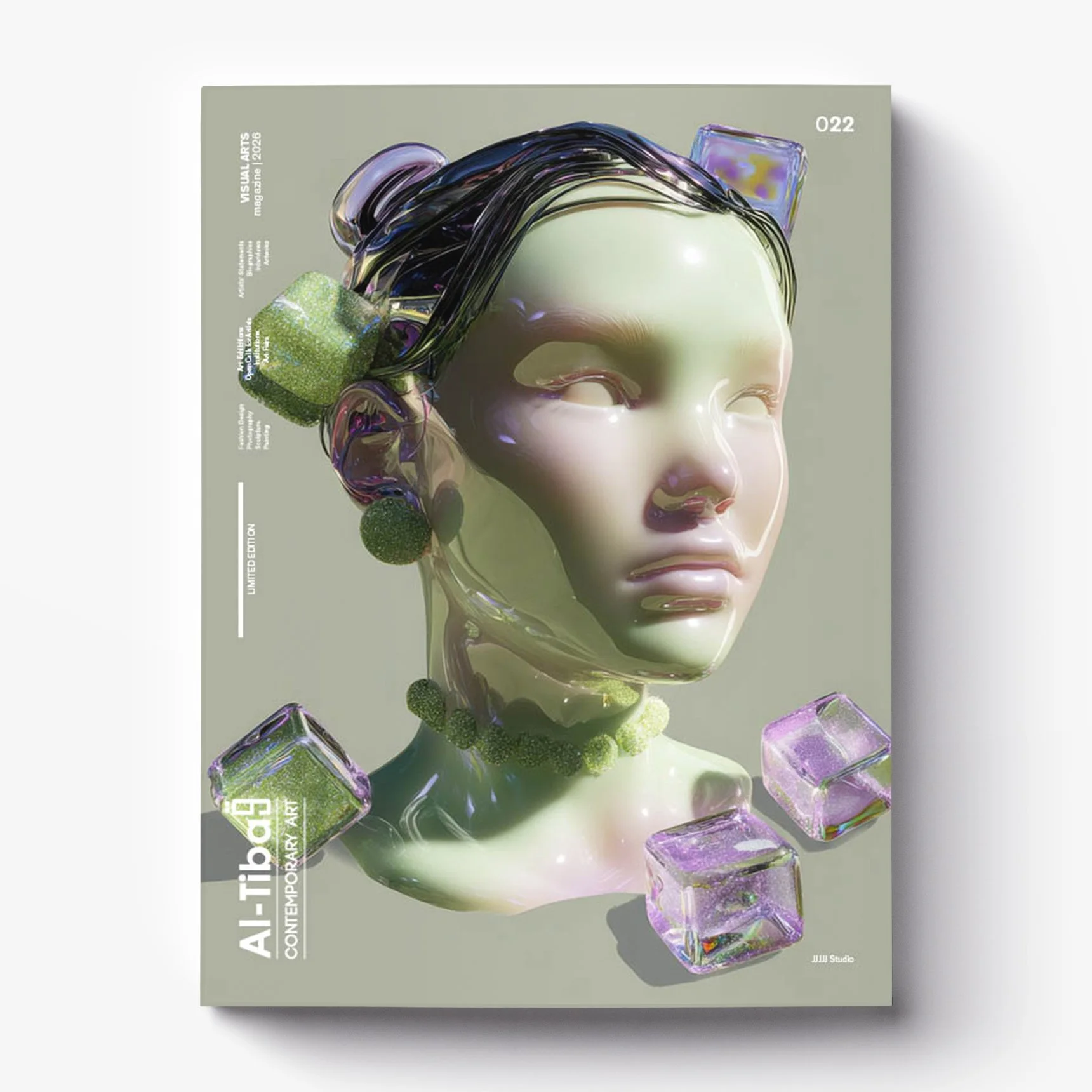
DISCOVER THE INTERNATIONAL ART SCENE WITH AL-TIBA9
LIMITED EDITION | Shipping worldwide.
Premium museum art paper.
Printed in London.
Grab 3 or more prints and get your FREE digital magazine.
Get your limited edition copy now
INTERVIEW
You began exploring different creative fields as a teenager, from television presenting and improvisational theatre to music and DJing. What first drew you towards art, and when did you begin to feel that visual art was becoming your own language?
I believe there is one higher power, one Creator, and that different religions are simply different languages through which people try to communicate with that source. I think creativity can work in a similar way. Acting, music, performance, and painting were different languages I explored in an attempt to reveal something inside myself and bring that energy into the world.
Looking back, painting may have been there all along. I simply needed to go through other experiences before I trusted it enough to recognise it as my own language.
Your path to becoming a professional artist has been quite unconventional. Looking back, how did these different experiences shape the artist you are today?
I don’t see those years as separate careers anymore. They were all part of becoming the artist I am now.
Acting and television taught me to be less afraid of being seen. DJing taught me about rhythm, energy, spontaneity, and the emotional relationship between myself and an audience. Music especially helped me become freer and less self-conscious.
That freedom eventually entered my paintings. I am still a perfectionist by nature, but when I work well, I have to let control go. I have to trust an impulse, make a mark that I cannot completely undo, and allow the painting to move somewhere I did not plan.
So even though those experiences may have looked like detours at the time, I think I needed them. They helped me become less inhibited and gave me the courage to paint the way I do now.

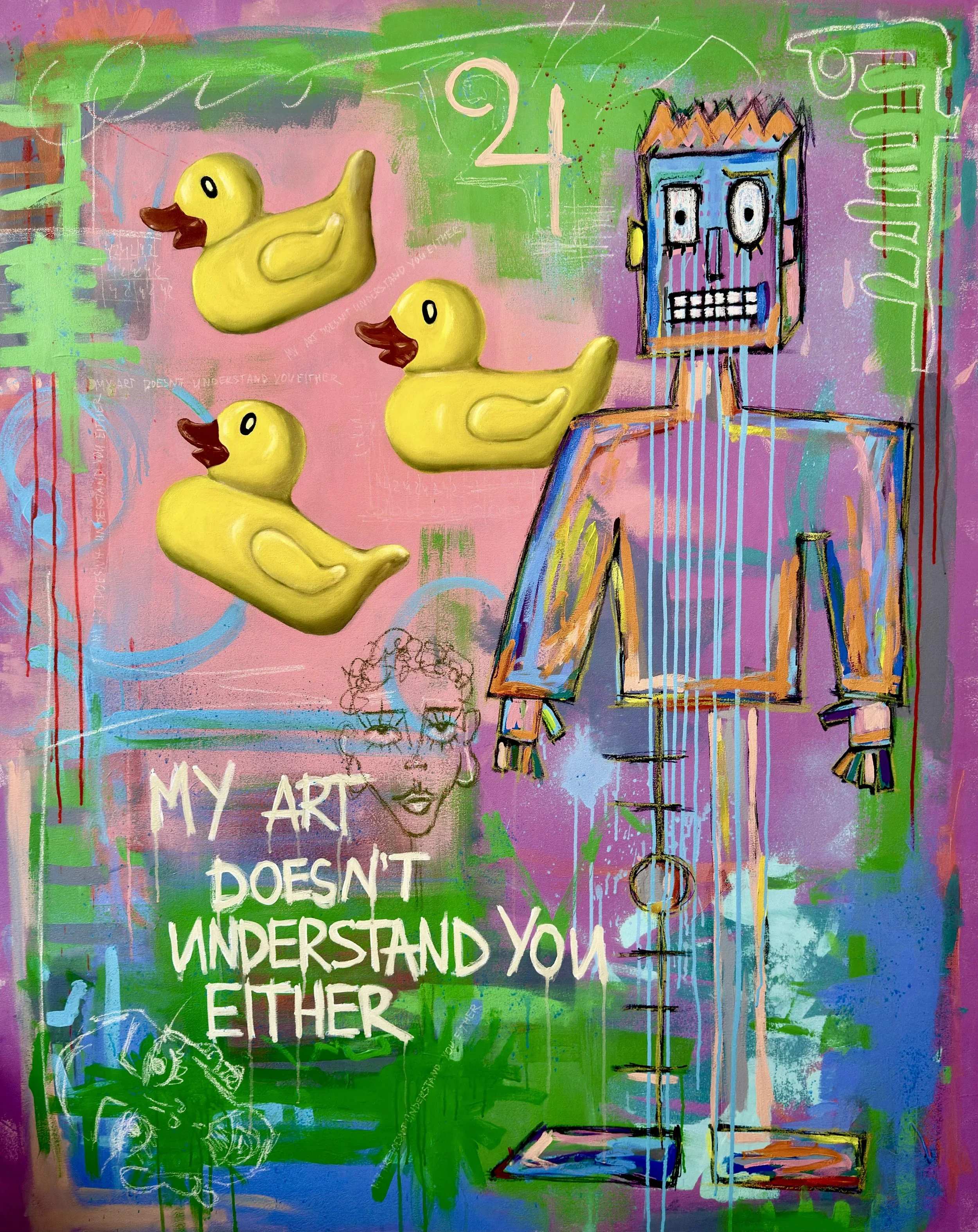
My ART Doesn't Understand You Either, Acrylic, oil, charcoal, and oil pastel on canvas, 66 x 52 in, 2026 © Veronika Fox
You spent significant time in Mexico. How did living there influence your creativity and your approach to art?
Tulum is a place of power for me. It is deeply connected to one of the happiest and freest periods of my life before the war began.
What affected me most was a different understanding of wealth. I did not have much money there, but I felt incredibly rich in another way - in nature, beauty, spirituality, human connection, and freedom. There was less pressure around status and material things, and that lightness changed me.
Spirituality became much more important to me there, and it continues to appear in my work, sometimes consciously and sometimes arriving intuitively.
I keep returning to Tulum and past winter, and when I came back to New York, I noticed a change in my paintings. My work had always been colourful, but new colours and combinations started appearing. There was more lightness and happiness in them. Mexico continues to affect my palette as much as my inner world.
You moved to New York in 2022. How did the city and its artistic environment influence your decision to pursue painting professionally?
New York gave me permission to believe that being an artist could actually be my life.
I love walking through the city at night and noticing paintings through the huge apartment windows. You realise how many people here genuinely live with art and collect it. Then there are galleries everywhere, artists everywhere, and extraordinary work sometimes appearing in places you would never expect.
My husband is also an art collector. At one point he asked me what I really wanted to do, and I told him that my dream was to paint professionally. He encouraged me to take that seriously. I went to The Art Students League, started meeting other artists, received encouragement from my teachers, and eventually began selling my first paintings.
It was a combination of New York, my husband’s belief in me, and my experience at the League that made me finally trust myself. New York made me feel that there was space here for me to become the artist I wanted to be.
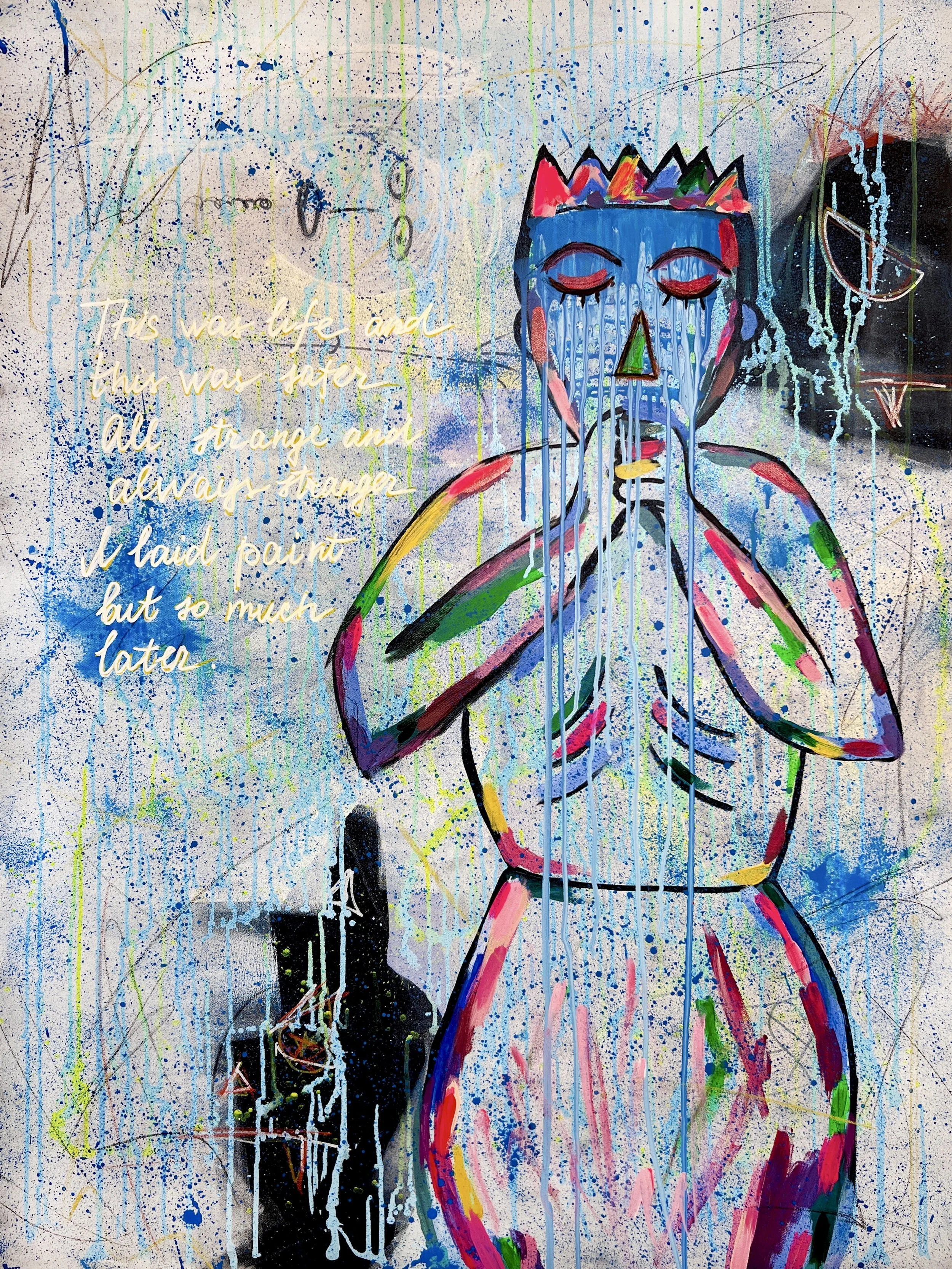
Always Your Stranger, Acrylic and charcoal on canvas, 36 x 48 in, 2023 © Veronika Fox

All the Answers Within YOU, Acrylic, charcoal, and oil pastel on canvas, 36 × 36 in, 2025 © Veronika Fox
You studied at The Art Students League of New York with Larry Poons and James Little. What did you learn from this experience that still influences your work?
They influenced me in very different ways. From James Little, one of the most important things I learned was colour balance. My paintings can be extremely bright and saturated, so balance matters to me. I want different colours to have tension and energy without becoming visually exhausting. I want the viewer to be stimulated by a painting but still want to remain in front of it. Larry Poons affected me differently. He has a very particular personality, and he really stayed in my heart. In his own way, he kept pushing me to stop trying so hard. He challenged my perfectionism and encouraged me to become freer with paint, to stop protecting every mark and allow something unexpected to happen. I still struggle with perfectionism, but I think there would be much less freedom in my paintings today if I had not experienced that push from him.
Your practice moves between abstraction, figuration, surrealism, and escapism rather than following one fixed style, as you mention in your statement. How do you decide what visual language a particular painting needs? And what usually happens in the studio from the first mark to the finished painting?
There are usually two ways a painting begins. Sometimes an idea arrives first. I may read something, experience something, or see an image that immediately makes me want to communicate a thought. That happened with some of my robot paintings after reading The Four Agreements. It also happened with the rubber ducks; I saw a bright pink manicure covered with little 3D yellow ducks and immediately knew I wanted to paint that energy. Other times there is no concept at all. I may simply feel drawn to a particular colour. I begin with abstraction and allow the painting to develop from there. Forms appear, characters arrive, and the meaning often reveals itself during the process. I trust the subconscious very strongly. I do not think I always need to understand why I am making a particular mark while I am making it.
Some characters, especially the robots, often appear when I want to communicate an idea. Other works can simply be playful or visual. The language chooses itself as the painting develops. That is why I say I do not follow a fixed style - I follow intuition.

Robot Living Your Creation, Acrylic, charcoal, and oil pastel on canvas, 24 x 36 in, 2024 © Veronika Fox
Your recurring robot figures have become an important part of your visual language. What do these figures allow you to express that perhaps a more conventional human figure could not?
The robot gives the viewer more freedom. When we look at a realistic human face, we immediately begin judging and interpreting it. We notice beauty, age, gender, expression, personality; we decide very quickly who that person might be. A robot does not carry the same information. It can become almost anyone.
That openness is important to me because I do not want the meaning of a painting to end with my own intention. I may begin a work with a specific emotion or idea, but once someone else stands in front of it, their experience becomes equally important.
The robot can carry strength and vulnerability, logic and emotion, freedom and programming, loneliness and connection without being trapped inside one particular human identity. A viewer can project themselves into it, or see something completely different from what I originally imagined.
For me, that is one of the most exciting things about art: what I intended matters, but what the viewer feels may matter even more.
Your work brings together ideas of war, displacement, femininity, spirituality, freedom, and hope. How do these themes find their way into your paintings?
Most of these themes enter my paintings through emotion rather than through a plan. They are part of my life, so naturally they become part of the work. Sometimes they appear very directly, through words, symbols, or figures. Femininity, for example, is something I explore through a separate group of works centred on women, including paintings inspired by Eve and her first encounter with the serpent.
Other themes such as freedom, spirituality, displacement, war, and hope often enter more intuitively. They can appear through a character, a gesture, a colour, a sentence written into the painting, or simply through the emotional atmosphere of the work.
I don’t usually enter the studio thinking, “Today I am going to make a painting about displacement” or “about hope.” These experiences already live somewhere inside me. Painting is often the place where they find their own way out.
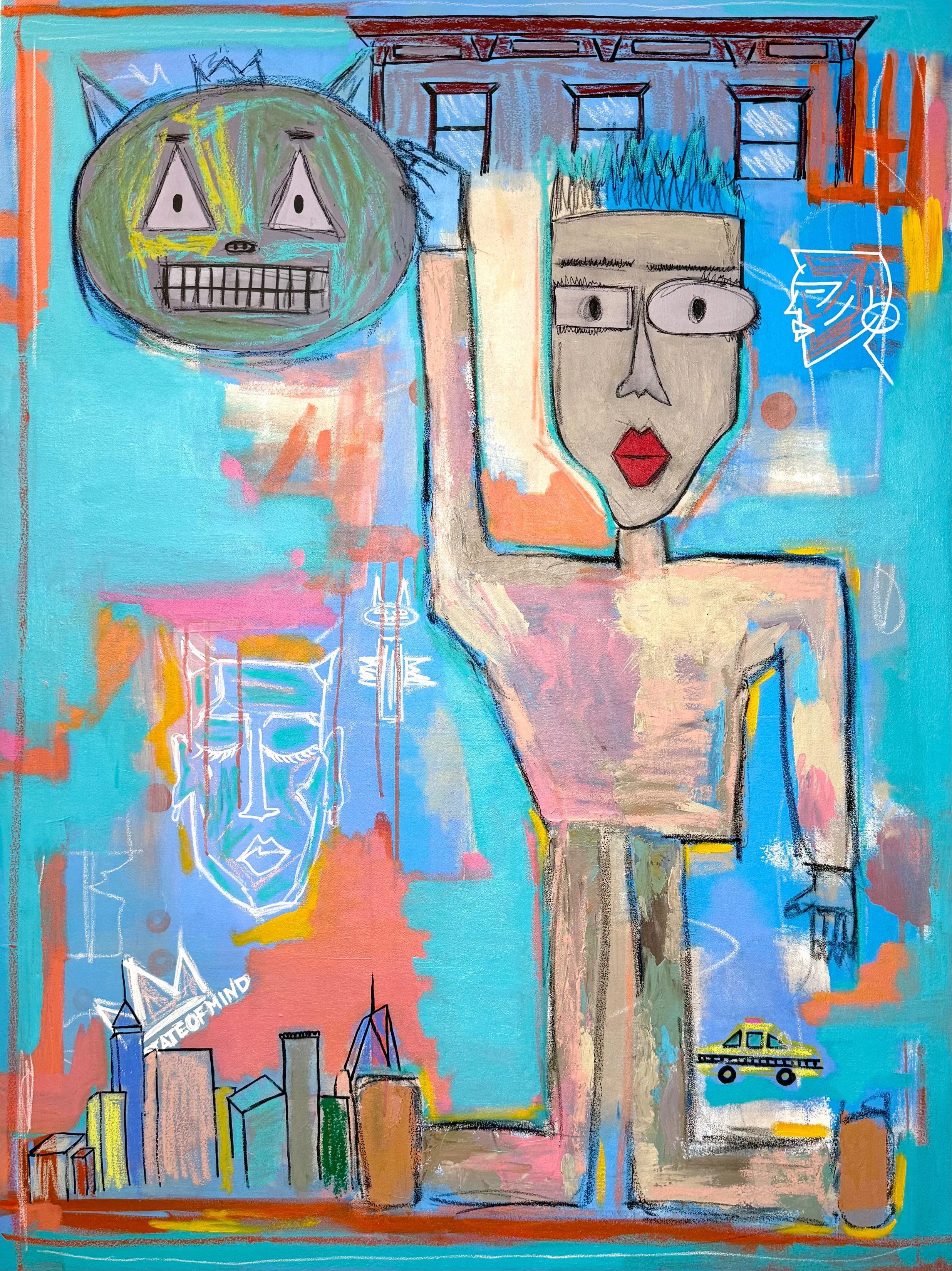
NYC, Acrylic, charcoal, and oil pastel on canvas, 30 × 50 in, 2025 © Veronika Fox

Untitled (Inspired by the War in Ukraine), Acrylic, charcoal, and oil pastel on canvas, 48 x 50 in, 2025 © Veronika Fox
What would you like viewers to take away from your work, even when the meaning is not immediately clear?
For me, it is not necessary for the viewer to understand exactly what I was thinking when I made a painting. I want them to arrive with their own emotions and allow the work to reflect something back to them.
At the same time, I want my paintings to give something. I want them to bring energy, joy, curiosity, or sometimes a reason to stop and think. I like when someone can stay with a painting for a while, continue looking, discover another detail, and then perhaps discover something in themselves through that process.
There may be my story inside a painting, but I don’t want my interpretation to close the door. Once the work leaves my studio, the viewer brings another life and another emotional experience to it. That interaction is very important to me. I hope my paintings leave people feeling a little more full than they were before they encountered them.
What are you working on at the moment, and what directions would you like to explore in the future?
At the moment, I am developing a collection called Instructions Not Included. Several paintings already exist, and I am continuing to build the collection in my studio.
Looking forward, I want to push the physical and visual language of the work further. I am very interested in introducing more three-dimensional elements, experimenting with structure and materials, and creating characters and forms that feel increasingly dimensional while still belonging to my own visual world.
I also enjoy exploring more realistic painting for myself, but I am less interested in realism as a destination than in what I can take from it and combine with my existing language.
I become restless when I stay with one way of working for too long. Curiosity is an important part of my process. The robots will continue to evolve, but I also want to discover new characters, forms, materials, and ways of constructing an image. For me, the future is less about choosing one style and more about continuing to find new ways to express what is changing inside me.
Artist’s Talk
Al-Tiba9 Interviews is a curated promotional platform that offers artists the opportunity to articulate their vision and engage with our diverse international readership through insightful, published dialogues. Conducted by Mohamed Benhadj, founder and curator of Al-Tiba9, these interviews spotlight the artists’ creative journeys and introduce their work to the global contemporary art scene.
Through our extensive network of museums, galleries, art professionals, collectors, and art enthusiasts worldwide, Al-Tiba9 Interviews provides a meaningful stage for artists to expand their reach and strengthen their presence in the international art discourse.



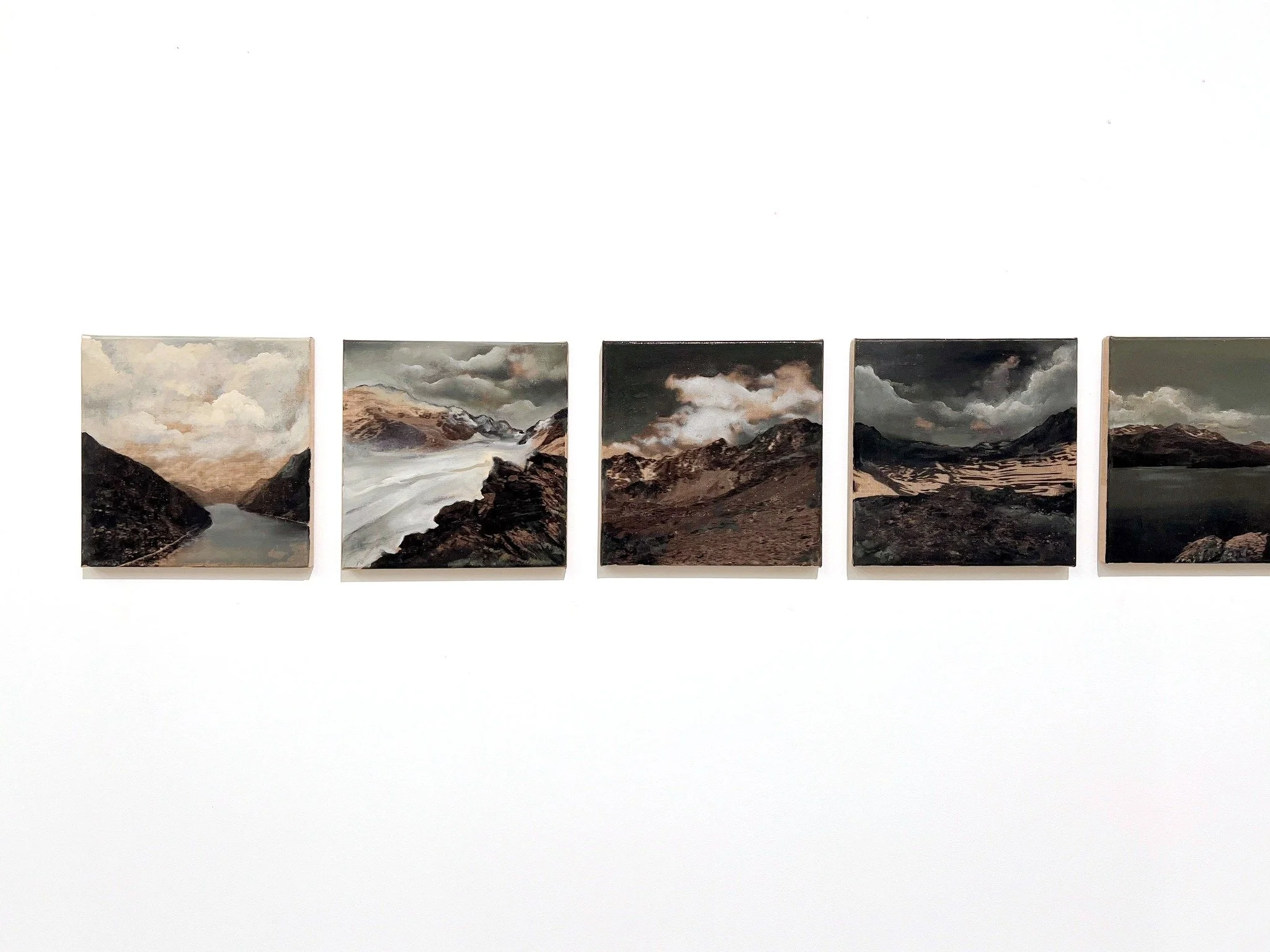
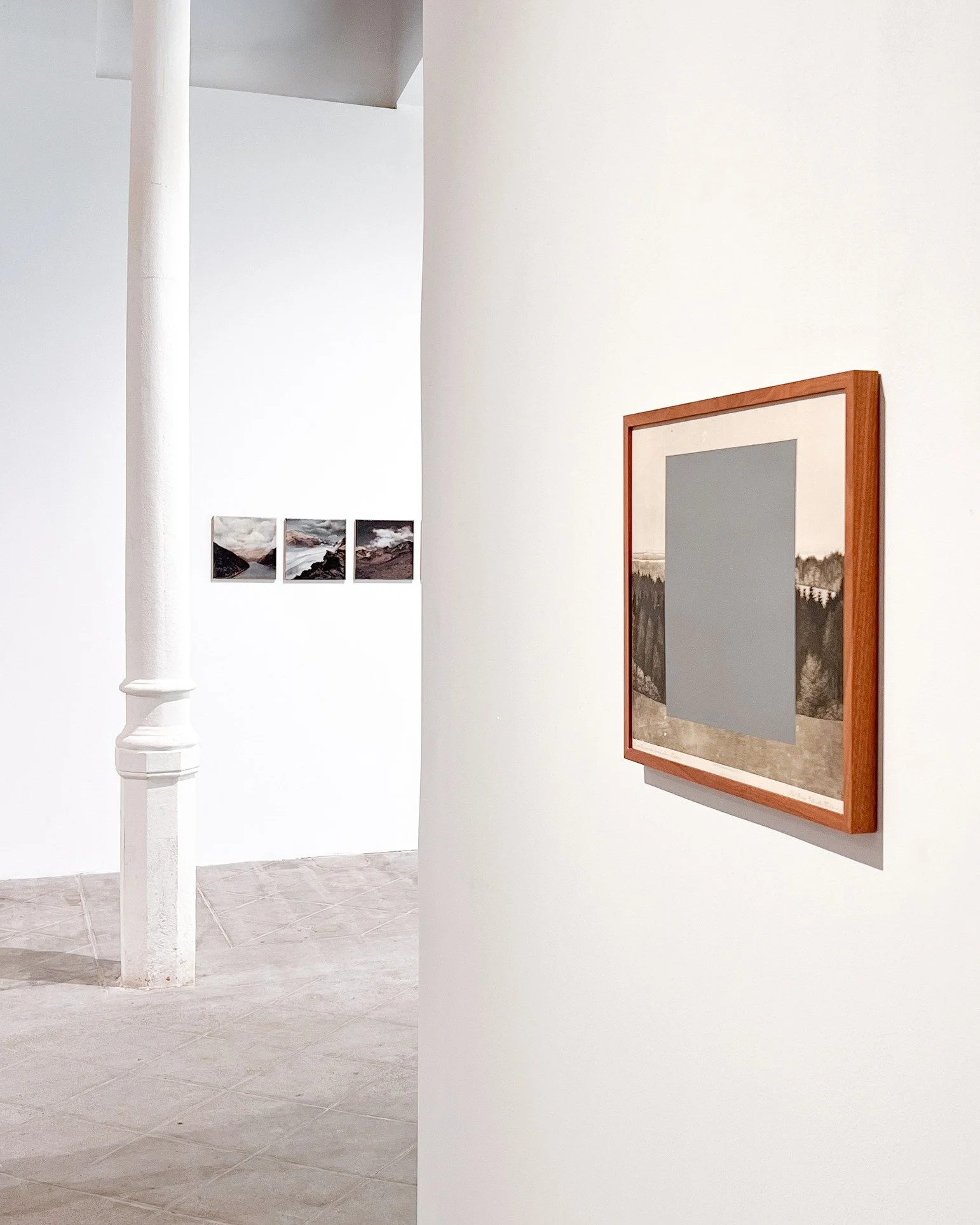
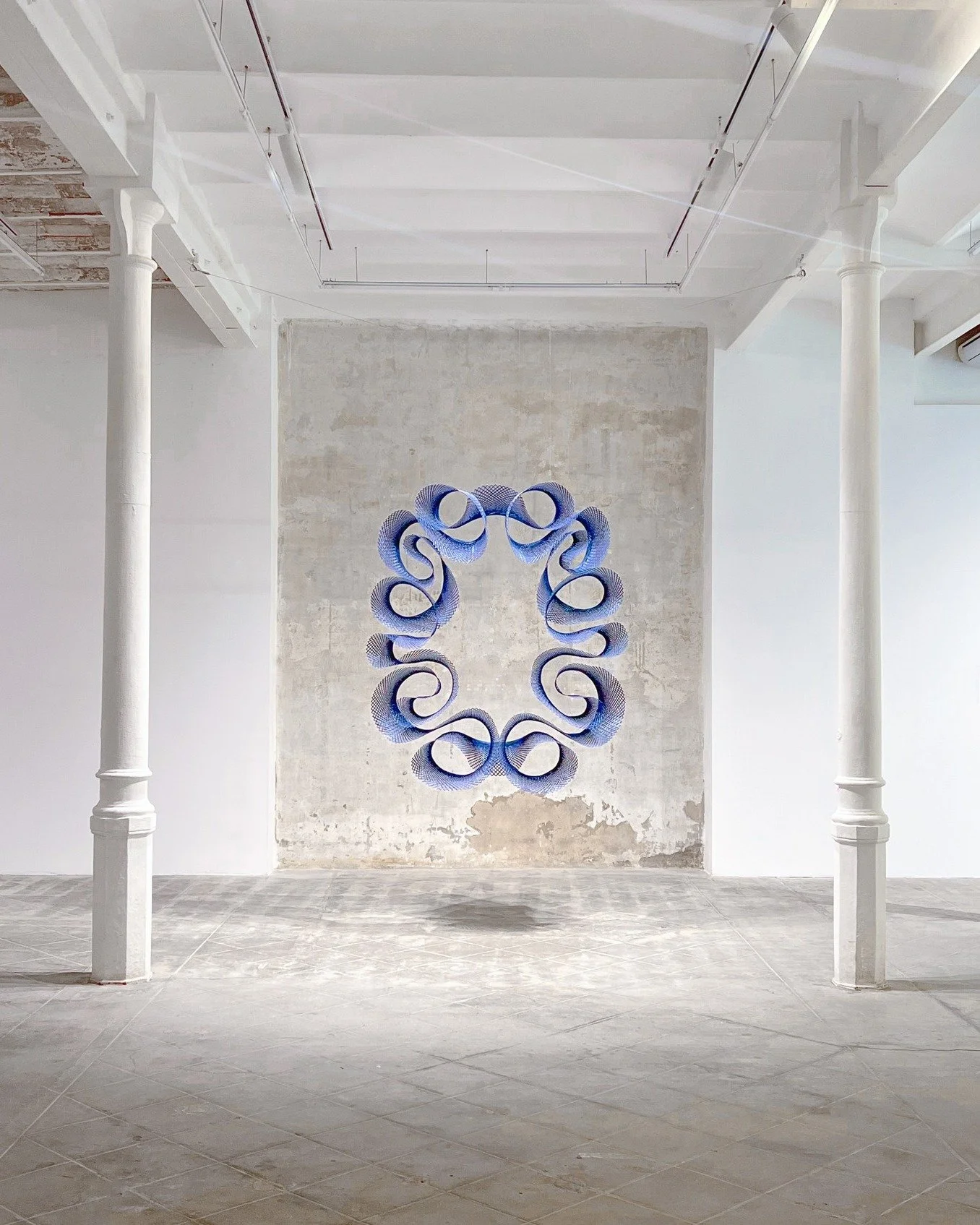
Nataraj von Allmen is a painter based in Switzerland. Often taking photographic material as a starting point, he weaves together landscapes, mythological archetypes, Christian symbolism, and contemporary socio-political themes into complex paintings. Oscillating between figuration and abstraction, his work investigates transformation, collective memory, and the human condition.