
10 Questions with Low How Koon
Al-Tiba9 Art Magazine ISSUE22 | Featured Artist
Dylan Low is a Malaysian visual artist, creative designer, and educator whose multidisciplinary practice bridges contemporary design and fine art. He holds an MA in Visual Communications from the University of Wolverhampton, UK, and serves as a Senior Lecturer at The One Academy, Malaysia. Low's extensive background as an Art Director deeply informs his intuitive manipulation of visuals, space, texture, and colour composition. His work has been widely exhibited, including the duo photography exhibition Close Encounter, and featured in international visual art journals and creative design magazines. His global accolades include an early career showcase at the UK NOISE Festival (Urbis Manchester), the Malaysia Top 10 Outstanding Creative Youth Award, consecutive Painting and Photography awards in Hong Kong, and a UN & WHO design shortlist. Blending his design expertise and academic insight, Low utilises a modern digital canvas to translate traditional philosophies of balance, movement, and atmospheric space into visionary abstract realities.
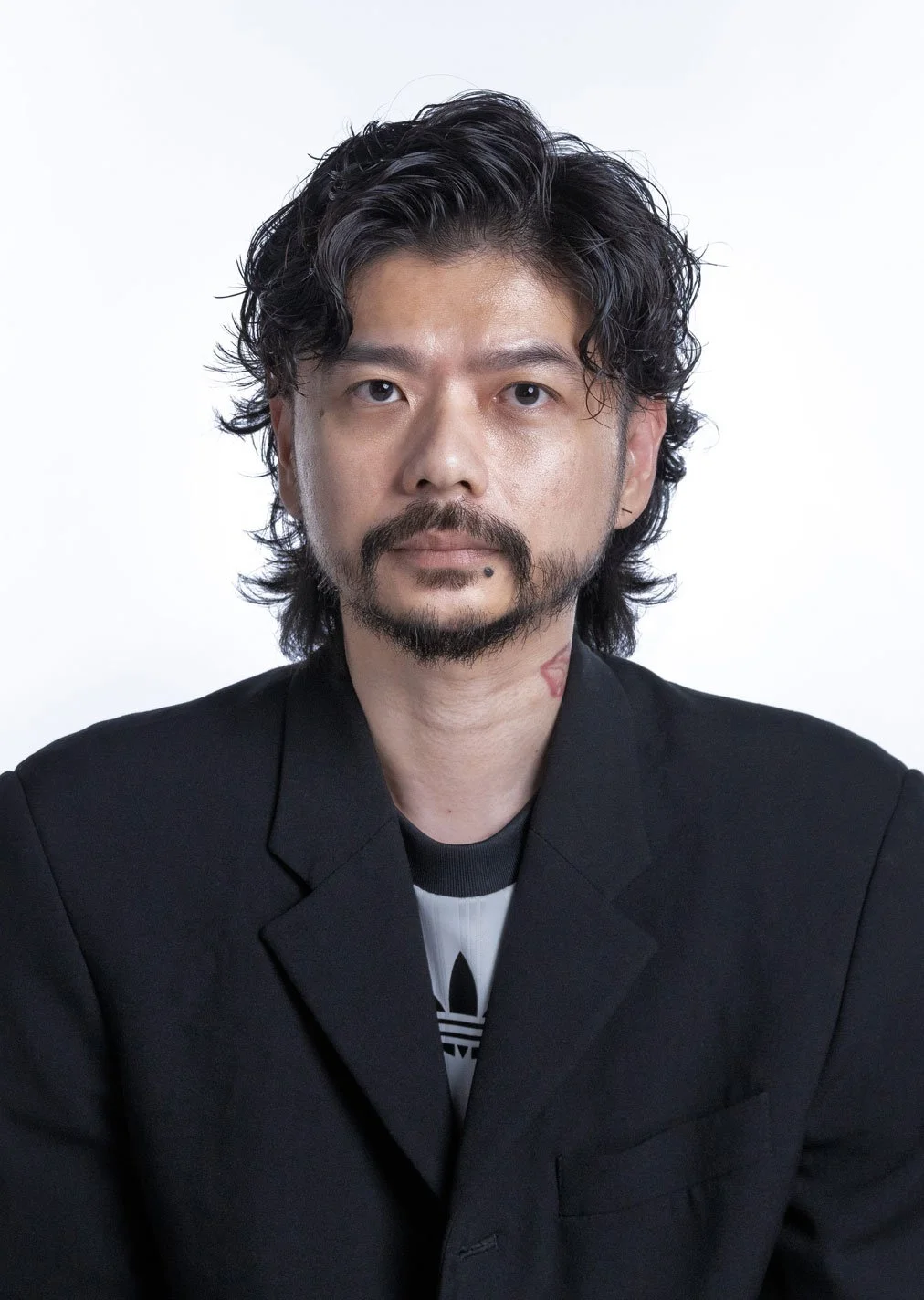
Low How Koon - Portrait
ARTIST STATEMENT
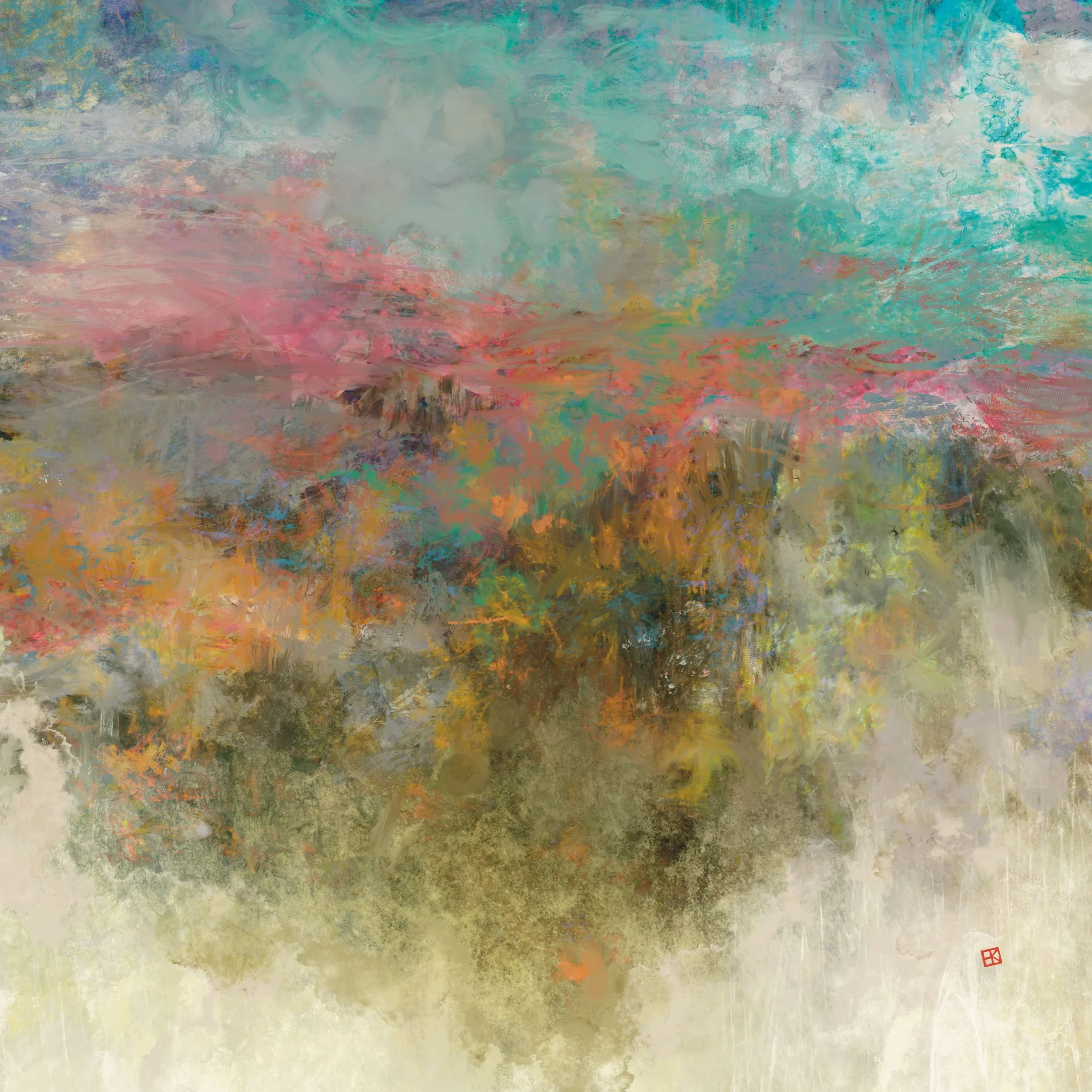
The artist's work investigates the fluid boundaries between emotion, memory, and artistic observation. Using digital paintings as his primary tools, he creates immersive visual narratives that challenge perceptions of emotions in art and design. His aesthetic is defined by a sophisticated, contemporary reimagining of Eastern artistic sensibilities rooted in the spirit of abstract impressionism, transforming the canvas into a dynamic theatre for Qi (气), or vital energy. Rather than replicating traditional motifs, he translates the classical ink-wash interplay of form and void (Liu Bai / 留白) into dense, multi-layered digital textures. Sweeping, atmospheric mists dissolve into vast, quiet expanses, evoking a profound sense of psychological depth and meditative silence. This ethereal spatial freedom is brilliantly anchored by his signature red seal logo, a modern adaptation of the traditional artist's stamp that marks the precise intersection of individual identity, heritage, and boundless nature.

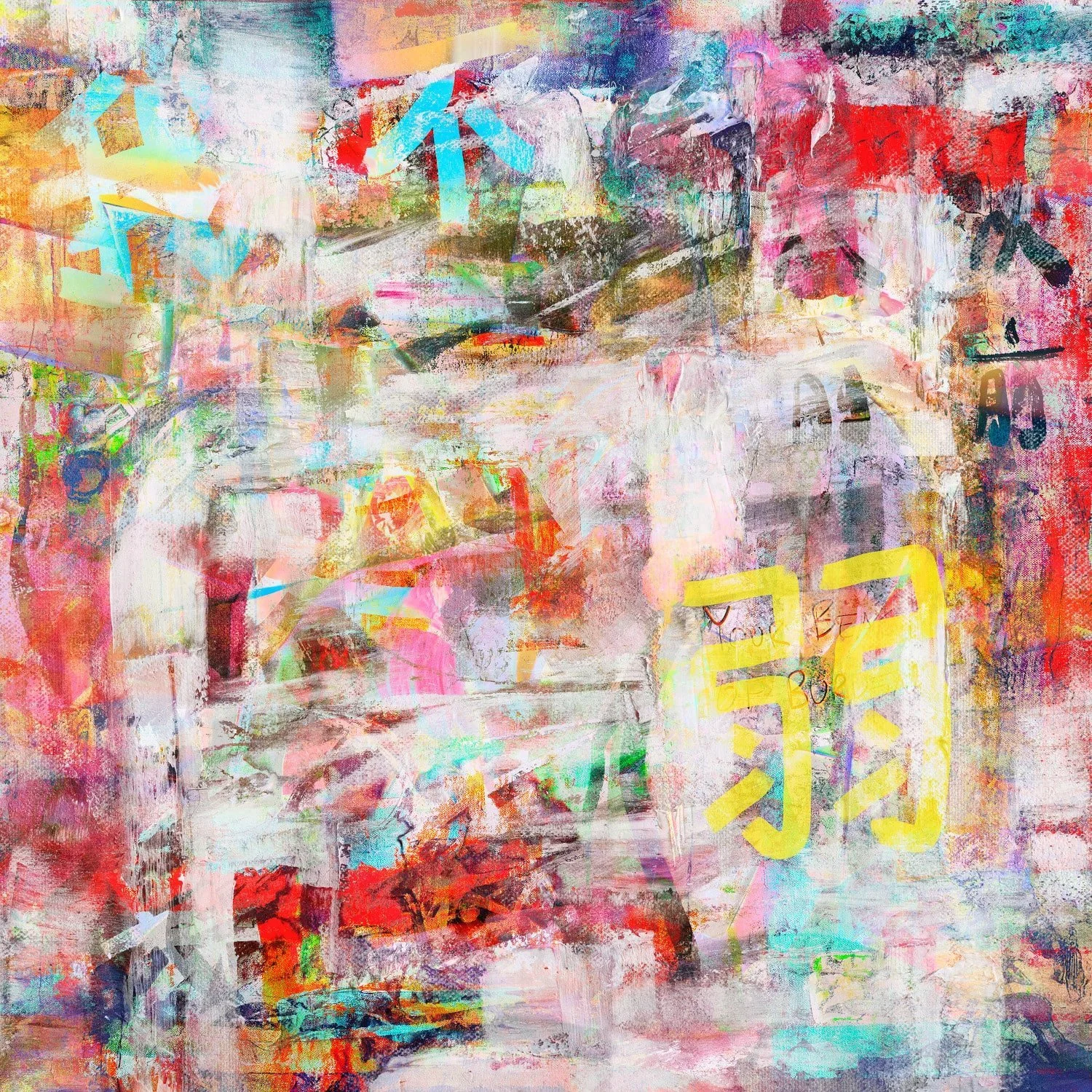
SŪNYATĀ - 空, Digital painting, 50 x 50 cm, 2026 © Low How Koon
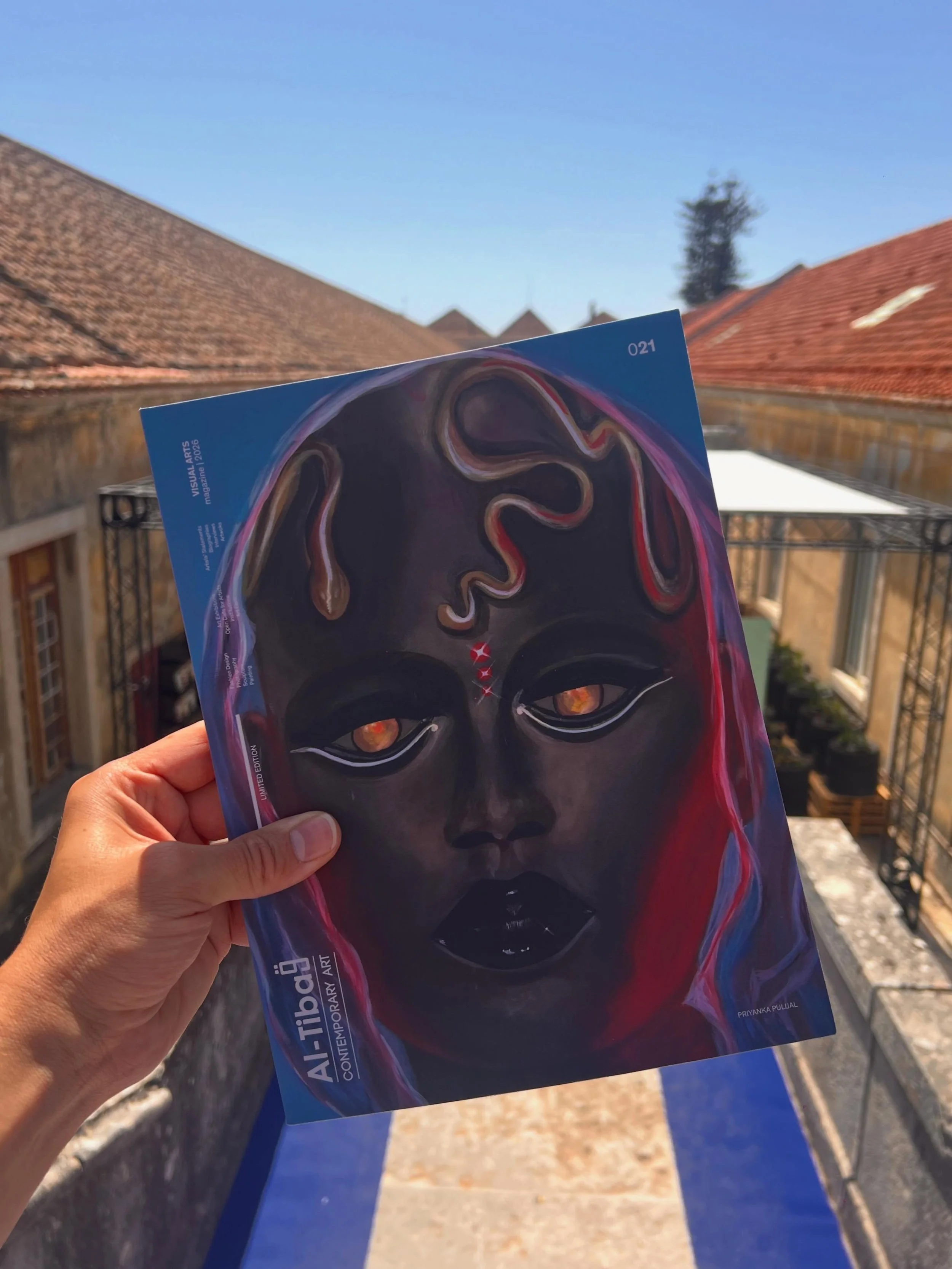
AL-TIBA9 ART MAGAZINE ISSUE22
DISCOVER THE INTERNATIONAL ART SCENE WITH AL-TIBA9
LIMITED EDITION | Shipping worldwide.
Premium museum art paper.
Printed in London.
Grab 3 or more prints and get your FREE digital magazine.
Get your limited edition copy now
INTERVIEW
First, you have a background in visual communication, design, and education. Could you tell us about your journey into art and what led you to develop your own artistic practice?
My journey into fine art has been an organic evolution rather than a sharp pivot, a blending of 'this and that' from my creative background. While my years in visual communication, design, and education provided a strong foundation in visual grammar, the true spark for my independent practice came from a very immediate, daily habit: using my handphone to capture everyday or spontaneous beautiful things.
This practice of observing completely transformed the way I see, teaching me to find extraordinary abstract forms, textures and light in ordinary moments. The pivotal turning point, however, came through the encouragement of my principal, whom I look up to as my master and teacher. Under his mentorship, I was guided to look deeper within myself and further explore this artistic path. The profound guidance turned the things I observed into a bridge for my fine art practice, inspiring me to translate those fleeting visual impressions into multi-layered abstract works that capture the essence of a passing moment.

Immersive Silence, Digital Painting, 90x90 cm, 2026 © Low How Koon
Your experience as an Art Director has played an important role in your career. How has working in design influenced the way you approach fine art?
For me, the transition from art direction to fine art is a shift from strict structure to total freedom. In commercial design, everything is calculated, planned, and driven by a brief. But when I step into my fine art practice, it is entirely different: it is all about the blank canvas and pure intuition. I do not sketch beforehand or follow a rigid plan; I let the feelings and the medium guide me spontaneously.
However, my background as an Art Director plays a quiet, essential role in this process. Years of training in visual communication have become second nature, a form of muscle memory. So, while my process is completely intuitive, my design brain acts as an invisible anchor. It subtly guides my hand when it comes to colour harmony, structural balance, and knowing how to direct the viewer’s eye through space. Design gave me the technical discipline, but fine art gives me the freedom to let that discipline dissolve into raw emotion.
Digital painting is at the core of your practice. What drew you to this medium, and what possibilities does it offer that traditional media do not?
Fundamentally, I believe that art is art, regardless of the medium. The digital canvas is not a separate category of expression; it is simply my chosen vehicle, as fluid and valid as any traditional tool. What truly drew me to digital painting is the unique dimensional possibilities and the unparalleled immediacy it affords. Because my practice relies entirely on raw intuition, the creative spark is highly ephemeral. Traditional media demands physical preparation and drying times that can inadvertently disrupt the creative flow or dilute the urgency of an idea. The digital medium, by contrast, operates at the speed of thought. It allows me to express spontaneous expressions and impressions instantly, capturing the vividness of a moment before the emotional momentum shifts. Furthermore, the ability to manipulate infinite, countless painting layers gives me the freedom to explore depth and texture fearlessly, allowing me to build multiple iterations of a concept while the initial inspiration remains pure and undiminished.

Liminal Horizon, Digital Painting, 95x56 cm, 2026 © Low How Koon

Sanctuary, Digital Painting, 125x77 cm, 2026 © Low How Koon
Your work brings together contemporary digital techniques and ideas rooted in Eastern artistic traditions. How do you balance innovation with cultural heritage in your practice?
My practice has become a natural meeting place for both East and West. Interestingly, my formal creative training began firmly rooted in the Western tradition, which instilled in me a deep understanding of structural composition, colour theory, and tactile form. However, as my journey progressed, I experienced a profound artistic awakening; the philosophy, minimalism, and spiritual aesthetic of traditional Chinese painting suddenly became incredibly beautiful to me. It was a shift in perception that completely captured my creative spirit. Rather than choosing between these two distinct worlds, I felt a strong pull to mix them together.
Today, my work stands directly at this crossroads. I pair the robust presence of Western abstraction with the fluid, meditative resonance of the East. The canvas acts as the perfect environment for this mix: it allows me to reframe the atmospheric, breathing qualities of traditional ink wash, while the space provides an ideal arena to explore liubai (留白), the deliberate, powerful use of emptiness. I am not attempting to replicate historical ink on paper, nor am I just practising Western abstraction. Instead, I am weaving these two lineages into a single visual language, creating a space where both naturally coexist.
Themes such as emotion, memory, and perception are central to your work. What inspires these explorations, and how do they evolve from one series to the next?
Because my artistic process relies entirely on raw intuition, my exploration of emotion, memory, and perception is deeply tied to the present moment. I am constantly inspired by the fleeting, beautiful impressions of daily life, a sudden shift in light, a transient feeling, or a fragment of a memory. I do not analyse or plan these themes beforehand. Instead, when I face the blank canvas, it becomes a direct mirror of my subconscious. I allow these internal emotional landscapes to guide my hand spontaneously, translating the raw energy of how I feel into colour, form, and depth.
Because this process is so fluid, my work naturally evolves from one series to the next as my own internal state changes. I view each series as a distinct emotional ecosystem or a specific chapter of perception. Once I have fully expressed that particular energy and emptied it onto the canvas, the chapter naturally resolves itself. When I move to the next series, it is driven by a fresh shift in my mood or a new wave of inspiration. The evolution between collections isn't a calculated stylistic choice; it is simply a fluid continuation of my personal journey, with each new body of work capturing a different layer of how I feel and experience life at that time.
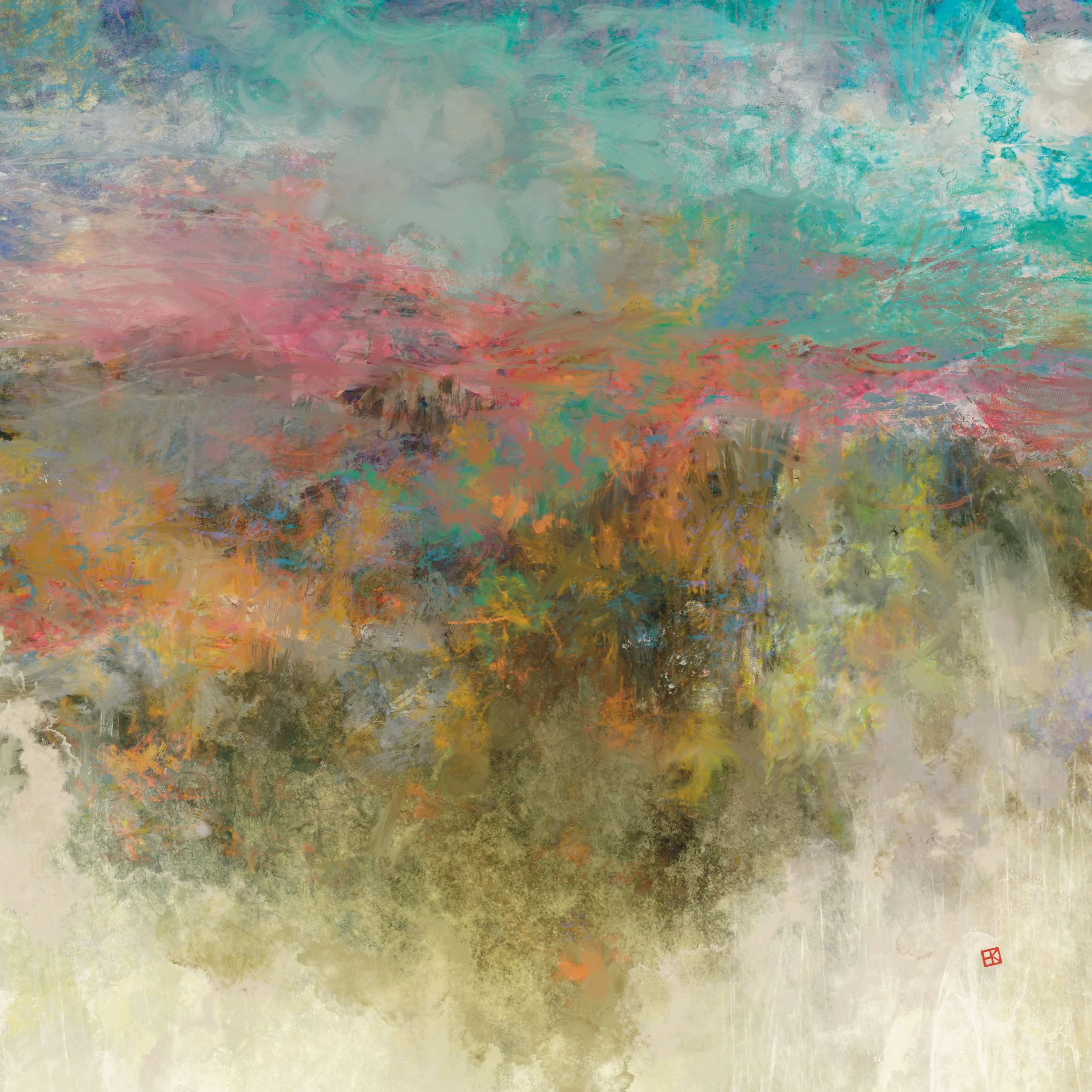
Elysium, Digital Painting, 90x90 cm, 2026 © Low How Koon
Your paintings often evoke movement, atmosphere, and a sense of meditative space. Could you describe your creative process, from the initial idea to the finished work?
My creative process doesn't follow a set formula or a structured timeline; it is entirely guided by feelings and emotions. It usually begins when something small and beautiful catches my eye in daily life, a passing shadow, a particular mood, or a fleeting texture. I don't photograph it or sketch it to replicate later; I simply carry the essence of that impression with me until I am in front of the canvas.
When I begin, there is no blueprint. Facing the blank canvas is about pure spontaneity. The first layer is an instinctive reaction, and from there, the painting becomes an ongoing conversation. I build the atmosphere entirely in the moment, letting the colours fluidly merge and the shapes shift, while always leaving breathing room for the space itself to exist. I don't analyse the composition while I am working; it becomes second nature. Instead, I just keep moving with the energy of the piece until it reaches a sudden point of harmony. My own eyes tell me when it is done; there is a specific moment where the depth feels right, the movement settles, and I just know it is finished.
The concept of Qi (vital energy) and the relationship between form and emptiness are recurring elements in your work. How do these ideas shape the visual language of your paintings?
For me, Qi (气) and emptiness are not academic concepts that I try to illustrate; they are the very life force of how I paint. Because my process is completely intuitive, Qi is the internal resonance that flows through me the moment I face the canvas. It dictates the rhythm of the strokes, the weight of the layers, and the movement that stays alive within the composition. If there is no internal resonance moving through the process, the painting feels stagnant.
The relationship between form and emptiness is equally vital, and it is where my Western training and Eastern spirit truly meet. While my formal background taught me how to construct form and structure space, my appreciation for Chinese philosophy taught me the power of leaving space untouched. I view emptiness not as a void, but as an active, breathing element on the canvas, what traditional painting calls liubai (留白). The forms and the layers need that empty space to possess weight and resonance. By allowing the composition to breathe, the visual language becomes less about forcing a finished image, and more about creating a meditative space where energy and stillness naturally balance each other.
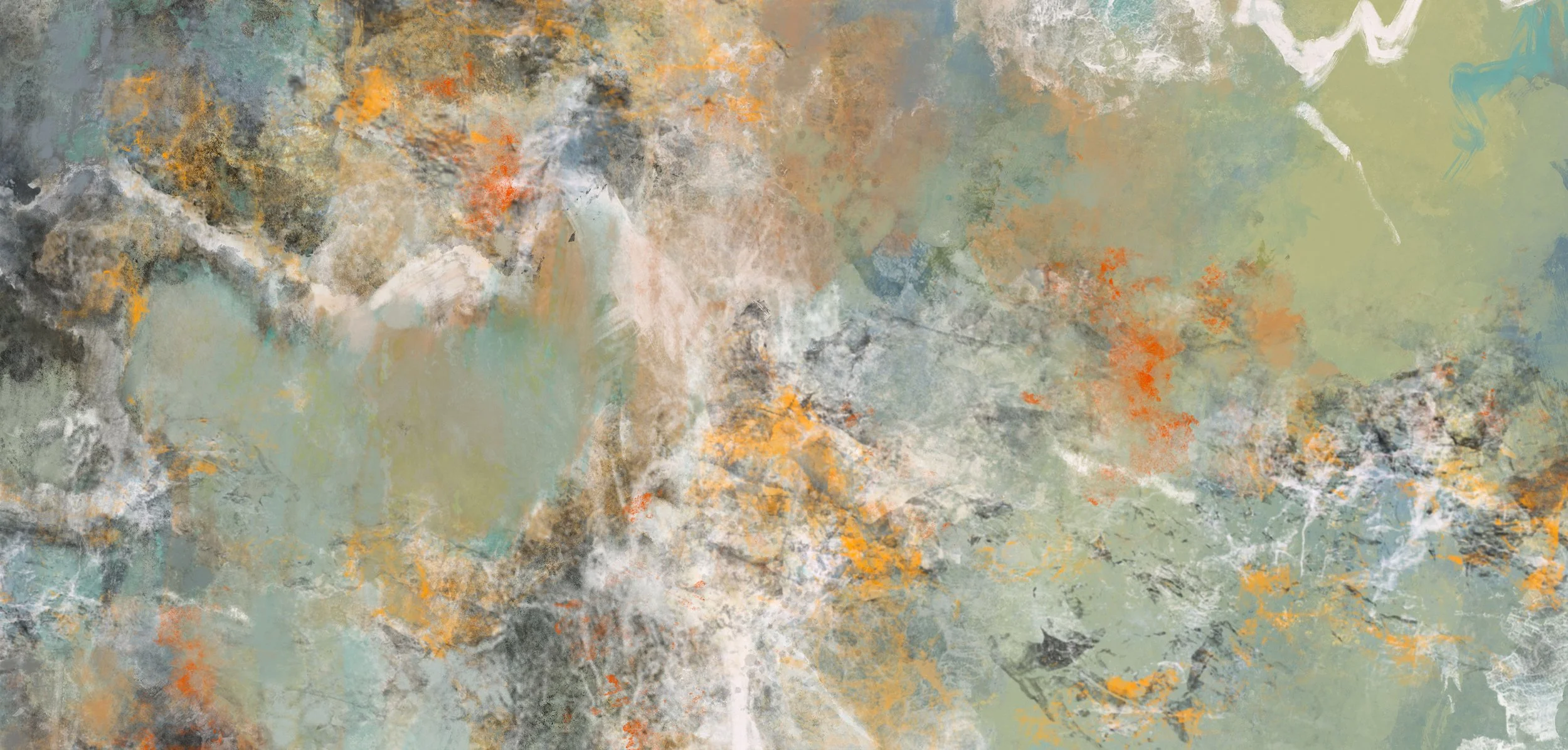
Imperfect Grace, Digital Painting, 90x90 cm, 2024 © Low How Koon

Motion, Digital Painting, 33×60 cm, 2026 © Low How Koon
Your signature red seal logo references the traditional artist's stamp while creating a contemporary identity. What does this symbol represent for you?
For me, the red seal logo is the final punctuation mark on every piece I create. Historically, the traditional artist's stamp represents authentication, lineage, and a deep respect for heritage. By adopting it into my own practice, I am paying homage to that profound Eastern tradition.
However, because my work lives at the intersection of Western abstraction and Eastern philosophy, placing the seal on a contemporary canvas transforms its meaning. It bridges the past and the present. Visually, the stark, vibrant red provides a beautiful counterweight to the fluid layers and meditative emptiness of the painting. Symbolically, it represents the coming together of my entire creative path, my Western training, my discovered love for Chinese aesthetics, and my personal intuition. It is a quiet statement that says: this is my identity, and this is what I paint.
As both a practising artist and an educator, how does teaching influence your own creative thinking, and what have you learned from your students?
Teaching and painting are two parts of the same conversation for me; they constantly feed into one another. As an educator, when I guide students through the fundamentals of structure, form, and composition, it forces me to articulate the very foundations of my own Western training. But more importantly, watching students approach a blank surface with their own unique curiosity is incredibly inspiring. They remind me of the beauty of discovery.
What I have learned most from my students is the value of unlearning, retaining a sense of wonder and approaching the canvas without rigid expectations. Seeing their spontaneous breakthroughs pushes me to keep my own creative thinking open and fluid. Teaching keeps me grounded in the essential joy of making art, ensuring that when I step back into my own studio, I am always bringing a fresh, intuitive perspective to my work.
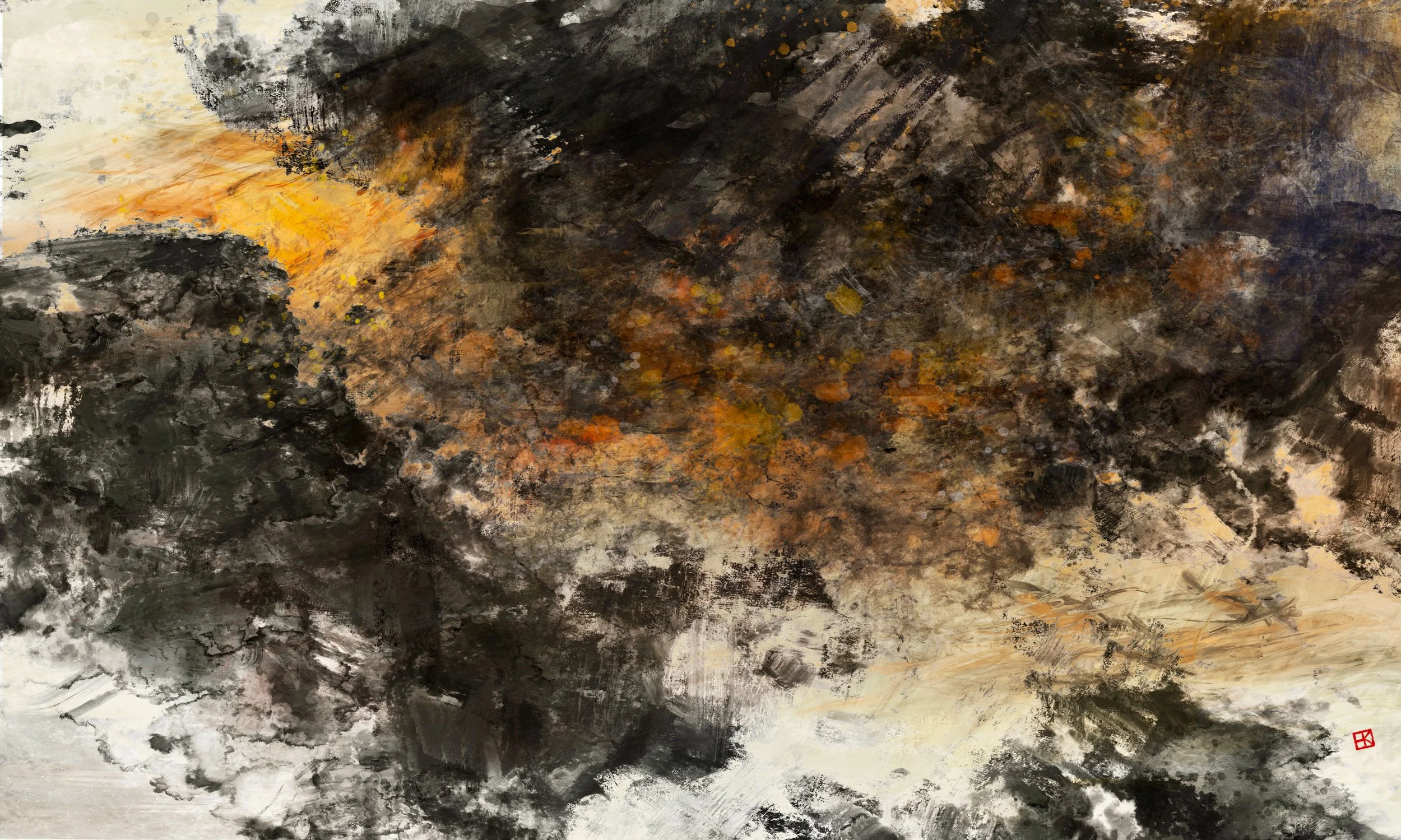
Wind, Digital Painting, 72x120 cm, 2026 © Low How Koon
Lastly, looking ahead, are there new themes, technologies, or collaborations you hope to explore? What are your goals for the next stage of your artistic journey?
Looking ahead, my goal is to explore new boundaries by bridging the digital and traditional worlds. There is often a misconception that digital art is somehow less prestigious or lacks the depth of traditional painting, but I want to challenge that narrative. For me, the internal resonance, the intuitive drive, and the mastery of composition are exactly the same whether I am using a brush or a digital stylus. The tool changes, but the soul of the process remains untouched.
Ultimately, my goals for the next stage remain the same: I just love painting what I do now. The act of painting is, above all, a vital release of emotion for me. Rather than chasing new technologies for the sake of novelty, I want to focus on creating abstract digital works that evoke the exact same emotional weight and presence as a traditional canvas. When someone stands in front of my work, I simply want them to feel that same sense of breath, atmosphere, and meditative depth, proving that this medium carries the same prestige and artistic validity.
Artist’s Talk
Al-Tiba9 Interviews is a curated promotional platform that offers artists the opportunity to articulate their vision and engage with our diverse international readership through insightful, published dialogues. Conducted by Mohamed Benhadj, founder and curator of Al-Tiba9, these interviews spotlight the artists’ creative journeys and introduce their work to the global contemporary art scene.
Through our extensive network of museums, galleries, art professionals, collectors, and art enthusiasts worldwide, Al-Tiba9 Interviews provides a meaningful stage for artists to expand their reach and strengthen their presence in the international art discourse.

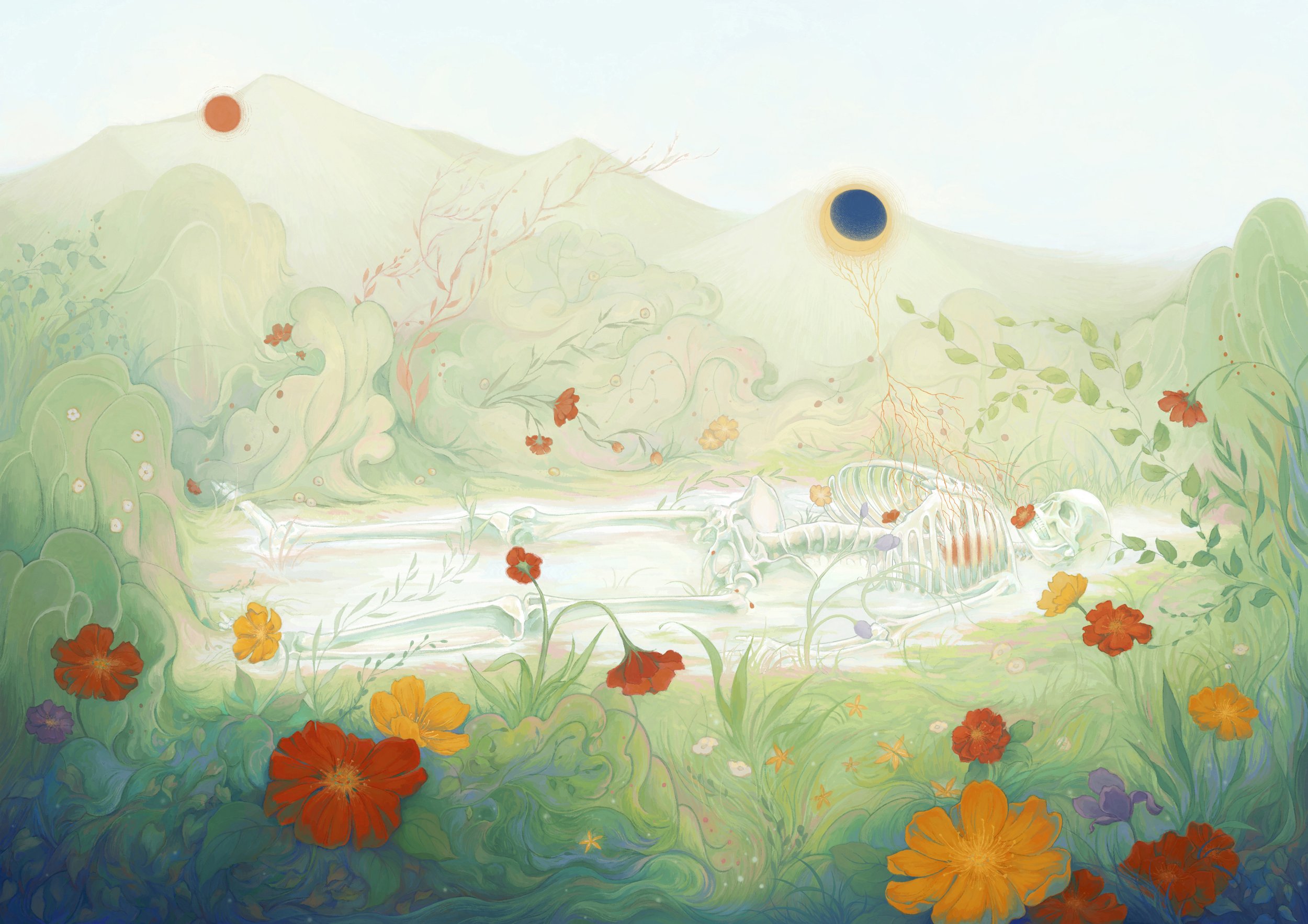



Dylan Low is a Malaysian visual artist, creative designer, and educator whose multidisciplinary practice bridges contemporary design and fine art. His work investigates the fluid boundaries between emotion, memory, and artistic observation. Using digital paintings as his primary tools, he creates immersive visual narratives that challenge perceptions of emotions in art and design.