

10 Questions with Lubna Alayeli
Al-Tiba9 Art Magazine ISSUE22 | Featured Artist
Lubna Alayeli is a multidisciplinary artist and interior designer whose practice explores transformation, memory, and the relationship between natural forms and abstraction. Working primarily through painting, she investigates states of emergence and transition, allowing images to evolve through layered processes of observation, intuition, and material experimentation. Based between Barcelona and Lebanon, her work is informed by Mediterranean landscapes, changing atmospheres, and the subtle dialogue between organic structures and imagined worlds. Through colour, texture, and evolving forms, she creates paintings that inhabit the space between recognition and abstraction.
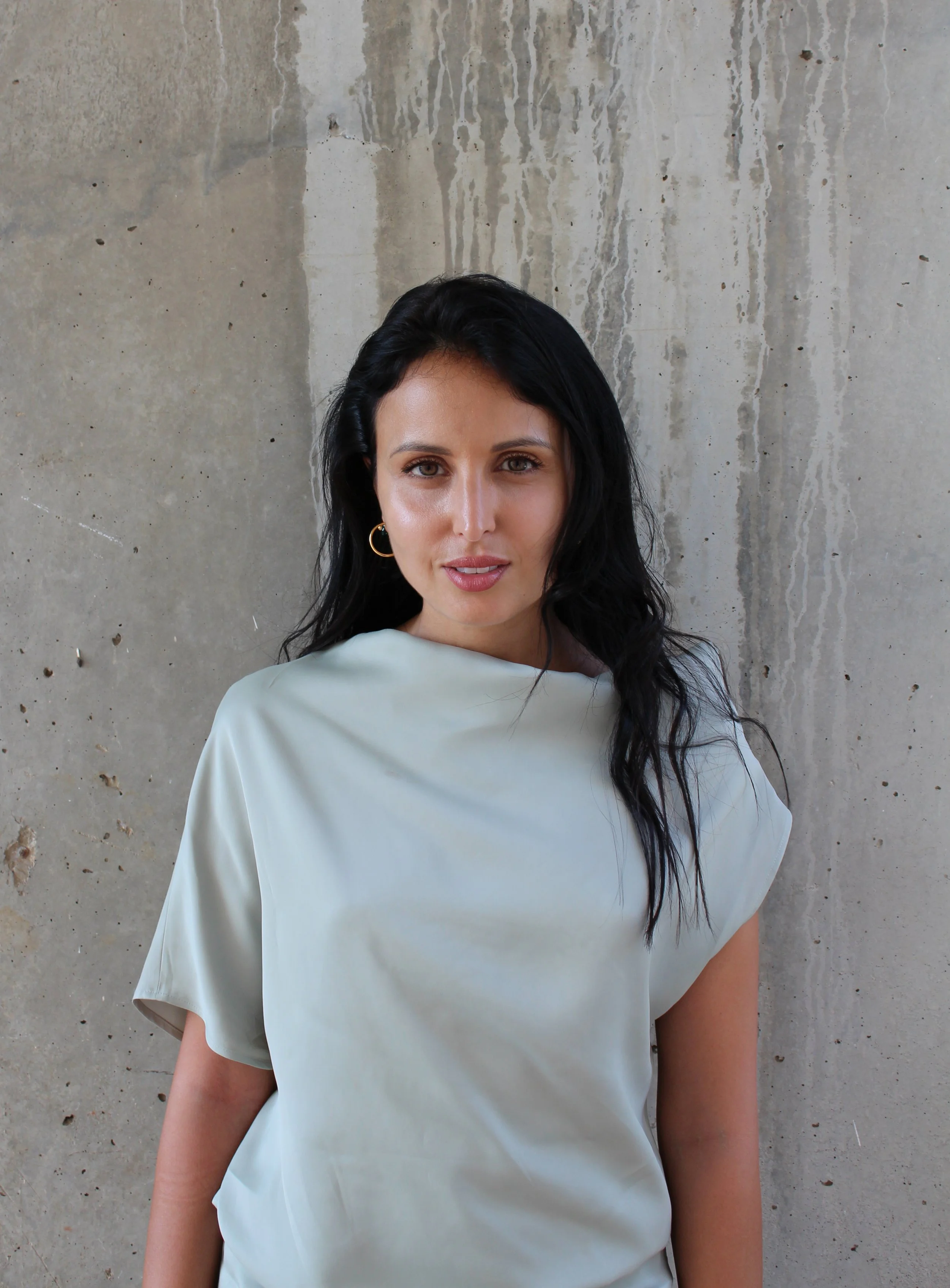
Lubna Alayeli - Portrait
ARTIST STATEMENT
Lubna Alayeli explores the space between abstraction and recognition through paintings inspired by the beauty of natural forms in transformation. Her work investigates the rhythms, patterns, and structures that underlie the visible world, tracing moments of emergence, dissolution, and becoming. Rather than working toward predetermined images, she approaches painting as a process of inquiry, allowing forms to evolve through successive layers of colour, gesture, and experimentation. Influenced by the continuous cycles of change found in nature, her series Transient States embraces uncertainty as a generative space where unexpected relationships emerge, and meaning remains open. Through this evolving process, her paintings invite contemplation of impermanence, transformation, and the beauty of forms that are never fixed but continuously becoming.
Tales in Green, Acrylic on canvas, 80 × 100 cm, 2026 © Lubna Alayeli
AL-TIBA9 ART MAGAZINE ISSUE22
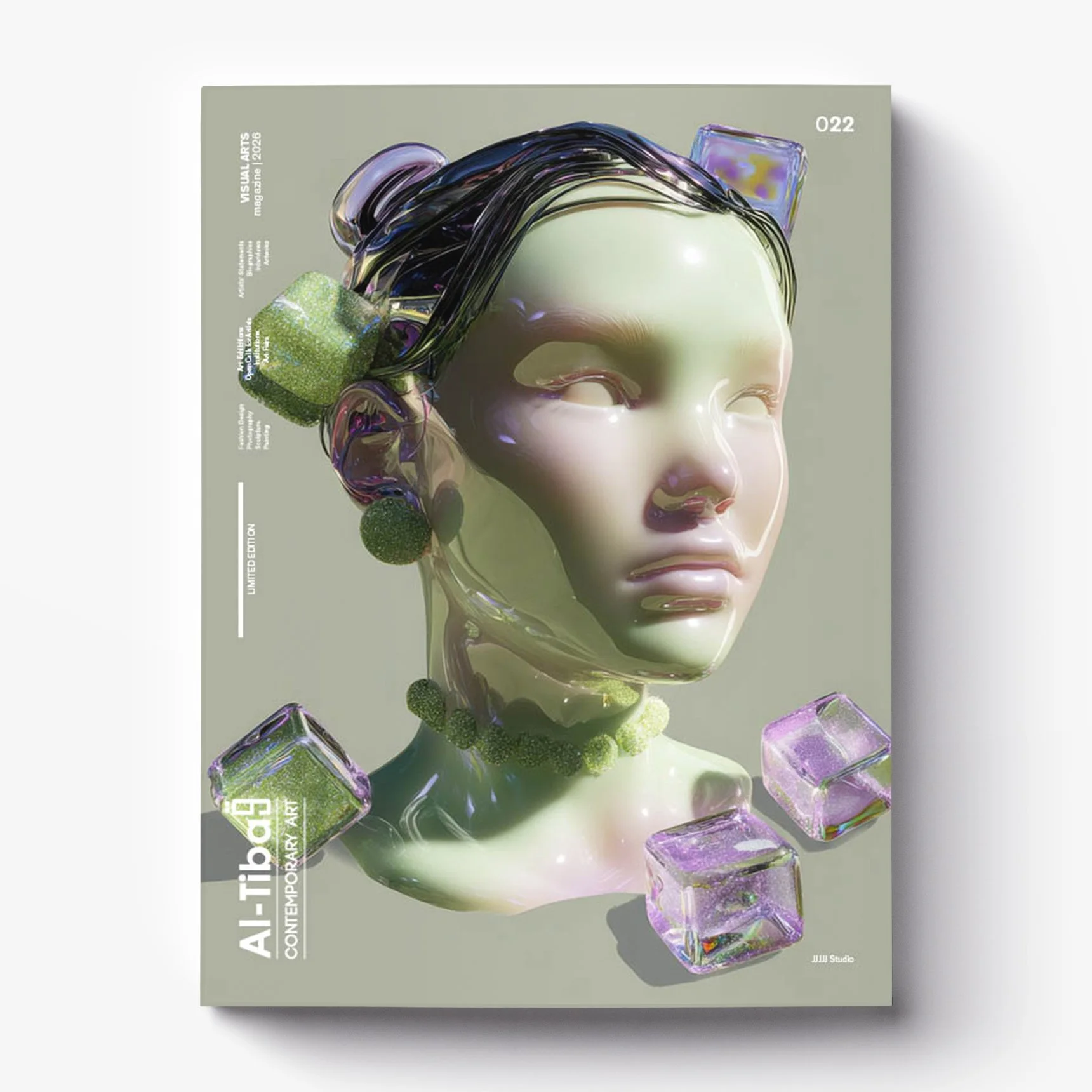
DISCOVER THE INTERNATIONAL ART SCENE WITH AL-TIBA9
LIMITED EDITION | Shipping worldwide.
Premium museum art paper.
Printed in London.
Grab 3 or more prints and get your FREE digital magazine.
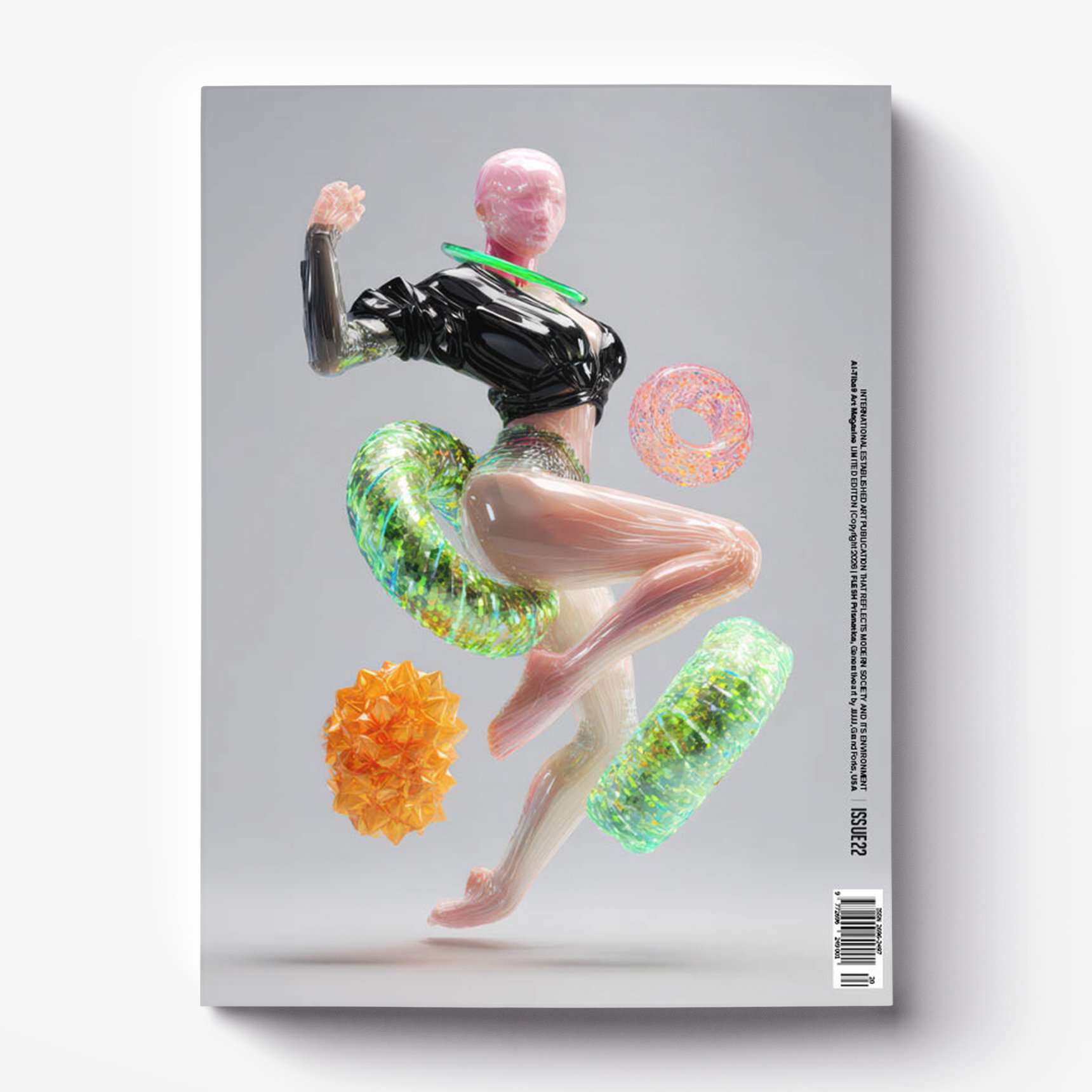
Get your limited edition copy now
INTERVIEW
Please tell our readers about your background and when you first realised that art was something you wanted to dedicate your life to.
I grew up in Lebanon, where my first encounter with art came through painting classes with the Lebanese-Canadian artist Ramzi Kayello. From an early age, painting became much more than an after-school activity. Alongside reading, it gave me a sense of freedom and imagination, a place where I could explore, create, and express myself in ways that felt limitless. Those early experiences sparked a lifelong curiosity about visual expression and creativity. When I later studied Interior Architecture, I took every opportunity to continue painting, choosing art electives whenever I could. During my professional career as an interior designer, painting always existed in parallel. It became a space where I could process experiences, navigate periods of personal transition, and make sense of them through the act of creating. Looking back, I realised that art had quietly become a constant throughout my life. It became my way of translating experiences into something visual and meaningful.
You are also an interior designer. How has that experience influenced the way you see space, composition, and painting?
For me, art and interior design have never been separate disciplines. Both begin with the same intention: creating an emotional experience. Interior design taught me to think in an abstract rather than a literal way. Instead of representing something directly, I learned to shape emotions through composition, scale, proportion, materiality, and the relationships between different elements. That way of thinking naturally became part of my artistic practice.
Art, however, allows me to explore those ideas with much greater freedom. Unlike design, which ultimately responds to the needs of a project and its users, my creative process has no predetermined outcome. I enjoy following intuition, allowing each work to evolve through experimentation and discovering where the process leads.
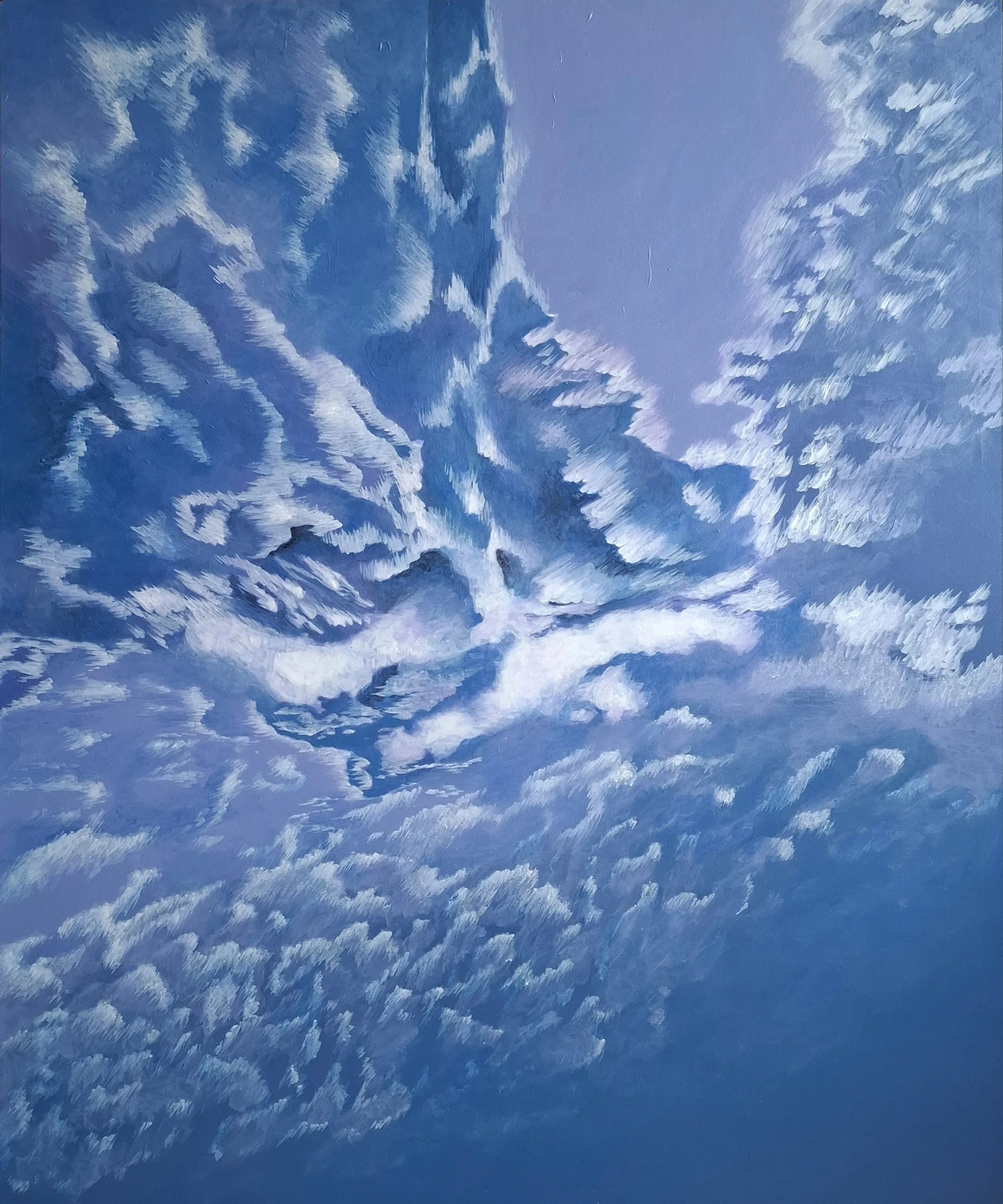
Before Weather, Acrylic on canvas, 100 × 120 cm, 2026 © Lubna Alayeli
Why did painting become your primary medium, and how did you develop your artistic practice and technique over the years?
Painting became my primary medium because it was the first artistic language I learned. From a young age, it felt like the most immediate way to explore ideas and express myself. I still value that immediacy today; the direct dialogue between the canvas, the material, and intuition allows each work to evolve in unexpected ways.
My practice began with a traditional foundation in drawing and realistic painting, where I learned observation, light, shadow, and composition. Over time, I became less interested in representation and more drawn to atmosphere, transformation, and the emotional qualities of colour, texture, and form. Today, I rarely begin with a fixed image in mind. Instead, I work through successive layers, allowing unexpected forms and relationships to emerge. Every series has taught me something new, and each body of work becomes another step in the evolution of my visual language.
Your work often exists between abstraction and recognisable forms, as you mention in your statement. What draws you to this in-between space, and what themes are you most interested in exploring through it?
I'm drawn to the space between abstraction and recognisable forms because it leaves room for interpretation. I don't want to dictate what the viewer should see. Instead, I'm interested in creating images that feel familiar, yet remain open enough for each person to bring their own memories, emotions, and associations to the work.
I'm fascinated by the moment when a form begins to emerge but never becomes completely defined. That ambiguity creates a dialogue between the artwork and the viewer, where meaning remains open rather than fixed.
Through that in-between space, I'm interested in exploring transformation, impermanence, and the ways our memories and perceptions are constantly shifting. Rather than representing a single reality, I want my paintings to reflect the complexity and fluidity of the way we experience the world.
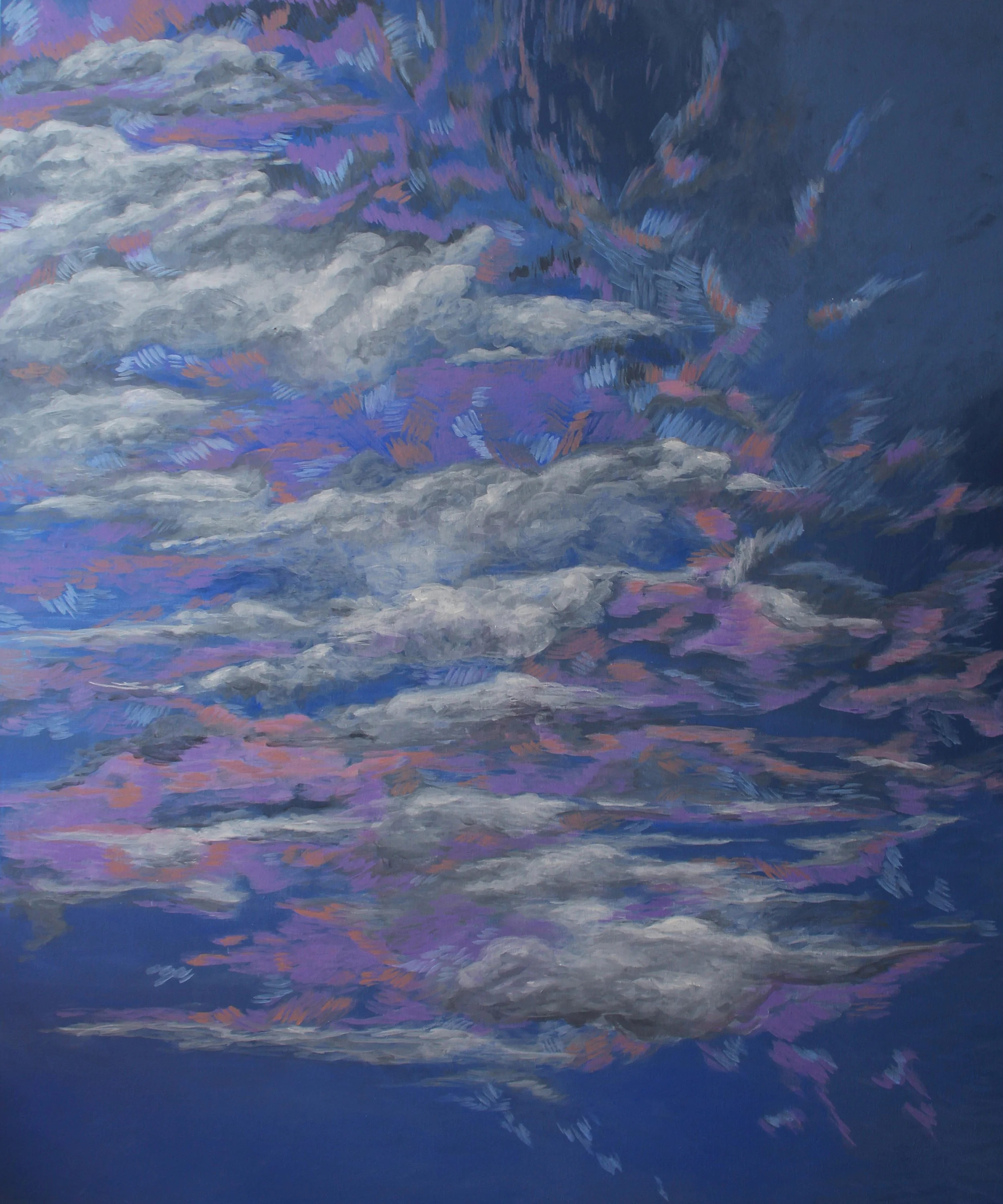
Cloud Memory, Acrylic on canvas, 100 × 120 cm, 2026 © Lubna Alayeli
Your paintings seem to grow organically through layers rather than following a fixed plan. Could you walk us through your creative process, from the first mark on the canvas to the finished work?
My process usually begins with a subject or a natural form that captures my attention. Before I start painting, I spend time researching it from different perspectives. I collect words, adjectives, images, and references from art, architecture, fashion, graphic design, and nature, looking for qualities rather than literal appearances.
I'm interested in questions such as: How can movement, fragility, or stillness be translated onto a flat surface? How can a brushstroke suggest the sensation of wind, or a composition evoke a particular atmosphere? That stage of research helps me build a conceptual framework before I begin painting.
From there, the work becomes much more intuitive. I sketch, experiment, photograph the painting as it develops, and continuously respond to what is happening on the canvas. Each layer changes the direction of the work, so the final painting often evolves far beyond the initial idea.
Nature, transformation, and impermanence are recurring ideas in your work. How have the landscapes and atmospheres of Lebanon and the Mediterranean shaped your artistic vision?
Nature has always been my greatest source of inspiration. Growing up in Lebanon, the mountains, forests, rocky landscapes, and Mediterranean light shaped my first visual language and continue to influence my work.
Living in Barcelona and travelling have expanded that connection with nature. I’m less interested in depicting specific places than in capturing their atmosphere, textures, and constant transformation. This is why themes of impermanence and change appear so often in my work; nature is always evolving, and I try to reflect that sense of continuous becoming.
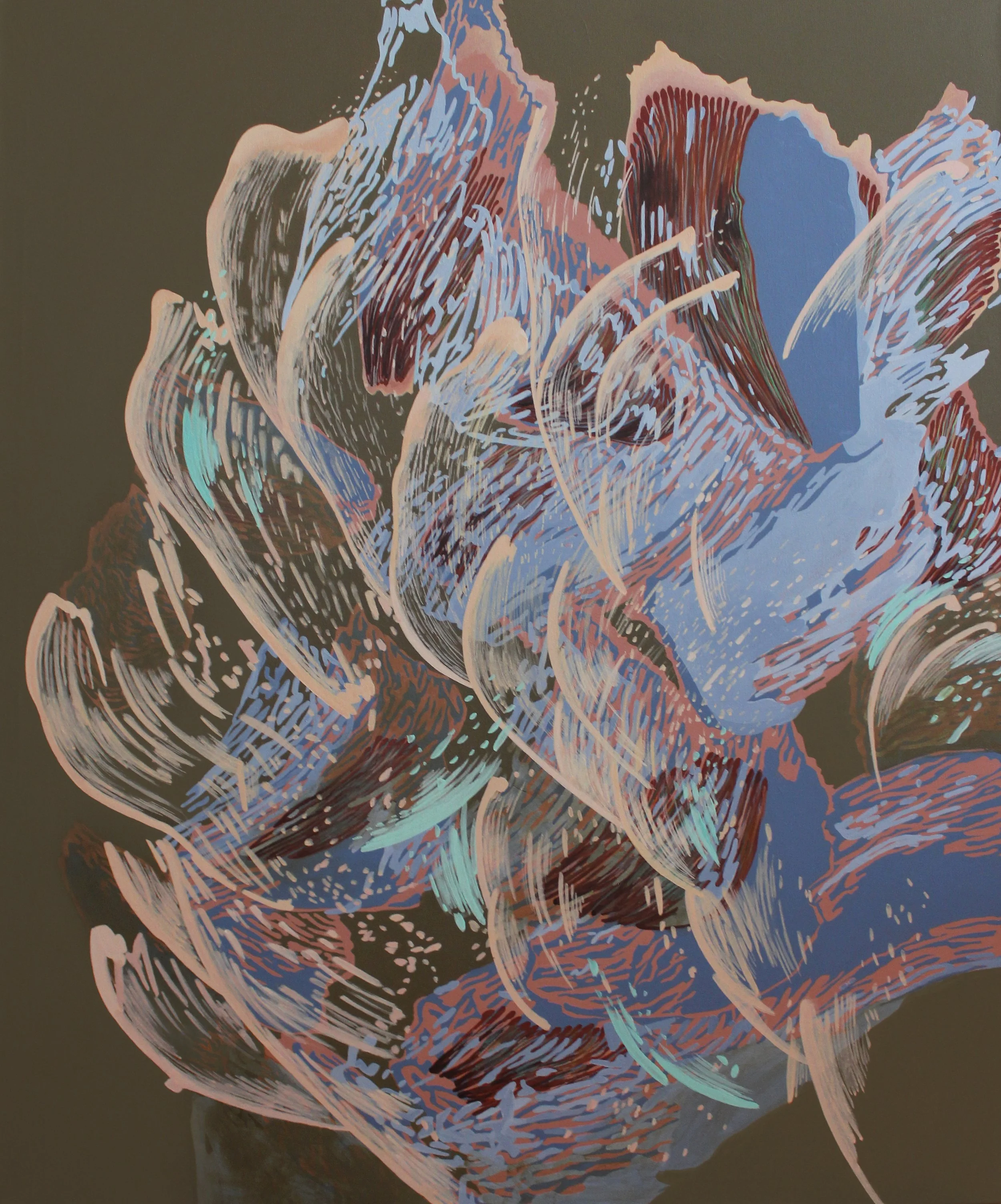
Shape in Passing, Acrylic on canvas, 100 × 120 cm, 2026 © Lubna Alayeli
Soft shades of blue appear frequently throughout your paintings. What does this colour represent for you, and how does your choice of palette help convey the emotional atmosphere of your work?
Soft shades of blue appear frequently in my work because they help create a space where forms can dissolve and transform. I’m interested in moving from observed nature toward a more invented nature, where colour is not used to describe things literally but to create an atmosphere.
Blue allows me to build depth and ambiguity, where it becomes difficult to know where one form ends and another begins. I often let colours contaminate each other, blue moving into green, lavender, and other tones, so that the painting exists somewhere between object and atmosphere. The palette helps create a sense of space, movement, and transformation, rather than a fixed representation of a landscape.
Your series Transient States embraces uncertainty and constant change. Has working on this body of work changed the way you think about transformation in your own life as well as in your artistic practice?
Working on Transient States has mirrored a profound personal transformation. I am someone who refuses to remain in a static state, constantly searching for change, for challenges, for ways to expand my identity as both artist and designer.
Somewhere around the third painting, a decision began to take shape. It was in the middle of painting, in that space of uncertainty and becoming, that I decided to return to Lebanon after eleven years in Barcelona, to build a creative art studio rooted in my heritage and fully embrace my identity as artist and designer. Through this series, I came to understand that transformation is rarely comfortable, but it is always necessary.
Looking back at your artistic journey so far, how do you feel your work has evolved, and are there new materials, techniques, or ideas you are currently eager to explore?
My artistic journey has moved through distinct phases, from realistic landscapes to portraiture and self-portraiture, and now into abstraction, where I feel most free to experiment with brushstroke, layering, and the relationship between emotion and mark-making.
This evolution runs parallel to my interior design practice, where I have always been drawn to objects that exist at the intersection of furniture and art. That same instinct now drives what I want to explore next: sculptures and functional art objects that blur the boundary between design and fine art, created in collaboration with Lebanese craftsmen using heritage techniques. I also want to push the scale of my paintings further, much larger formats that become fully immersive, turning the act of looking into a physical experience of atmosphere and light.
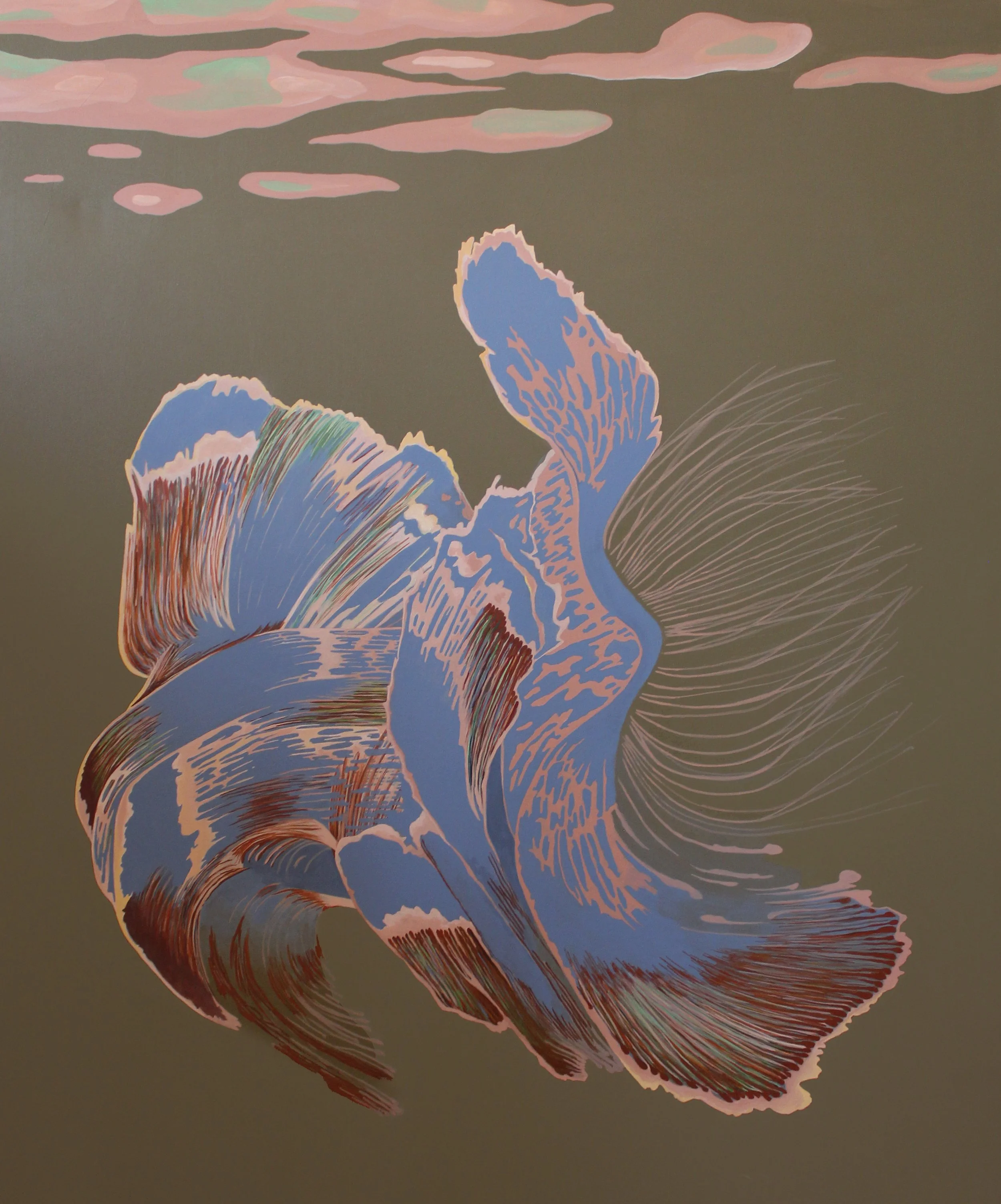
Soft Anatomy, Acrylic on canvas, 100 × 120 cm, 2026 © Lubna Alayeli
Lastly, what projects are you currently working on, and what goals or aspirations would you like to achieve in the next few years, both personally and professionally?
I am currently completing Transient States, a series of large-format paintings that will be exhibited in Barcelona in November 2026 before moving to their permanent home in a residential building in Dubai.
After that, I am preparing for one of the most significant transitions of my life, returning to Lebanon after eleven years in Barcelona. There, I plan to establish a creative studio where I will produce original art, sculptural objects, and furniture pieces in collaboration with local craftsmen, drawing on Lebanese craft heritage to create work that speaks to both contemporary design and cultural roots.
My goal is to build a practice that moves between Lebanon, Barcelona and Dubai, connecting collectors, architects and designers across these cities through work that is rooted in place but universal in feeling.
Personally, this next chapter is about purpose. About building something meaningful that goes beyond my own expression, contributing to a creative community, supporting local artisans, and leaving something lasting in the place I come from.
Artist’s Talk
Al-Tiba9 Interviews is a curated promotional platform that offers artists the opportunity to articulate their vision and engage with our diverse international readership through insightful, published dialogues. Conducted by Mohamed Benhadj, founder and curator of Al-Tiba9, these interviews spotlight the artists’ creative journeys and introduce their work to the global contemporary art scene.
Through our extensive network of museums, galleries, art professionals, collectors, and art enthusiasts worldwide, Al-Tiba9 Interviews provides a meaningful stage for artists to expand their reach and strengthen their presence in the international art discourse.
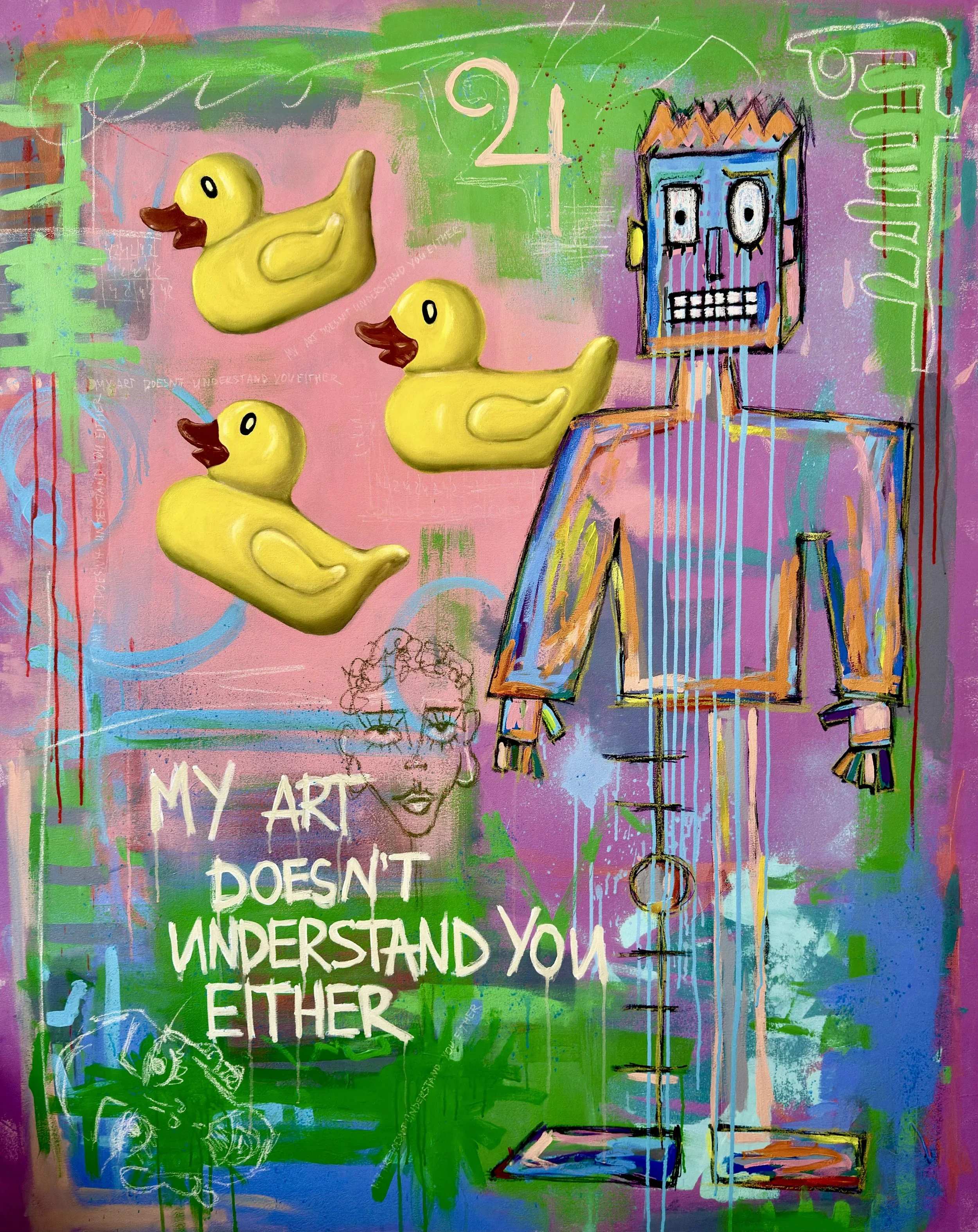


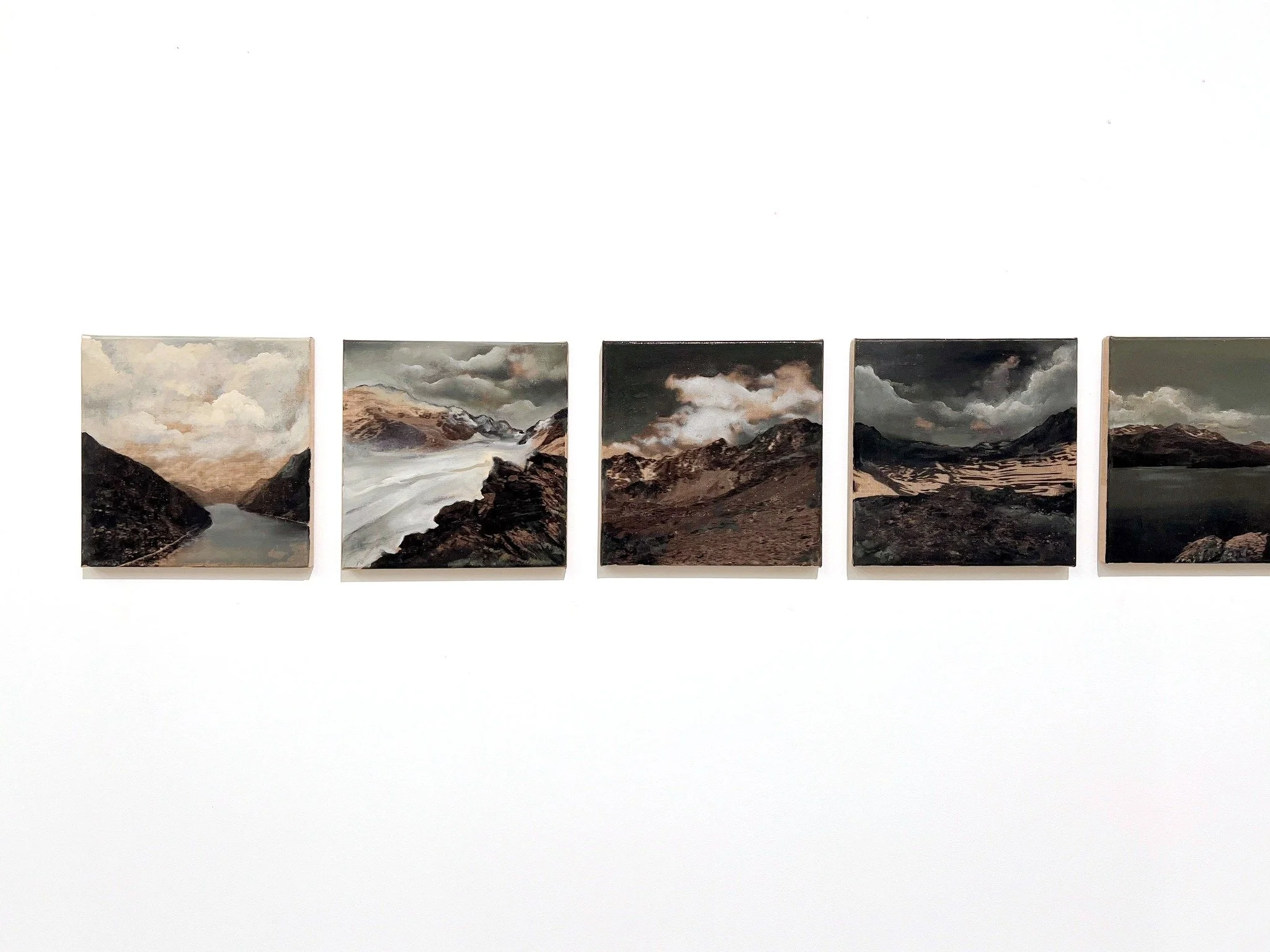
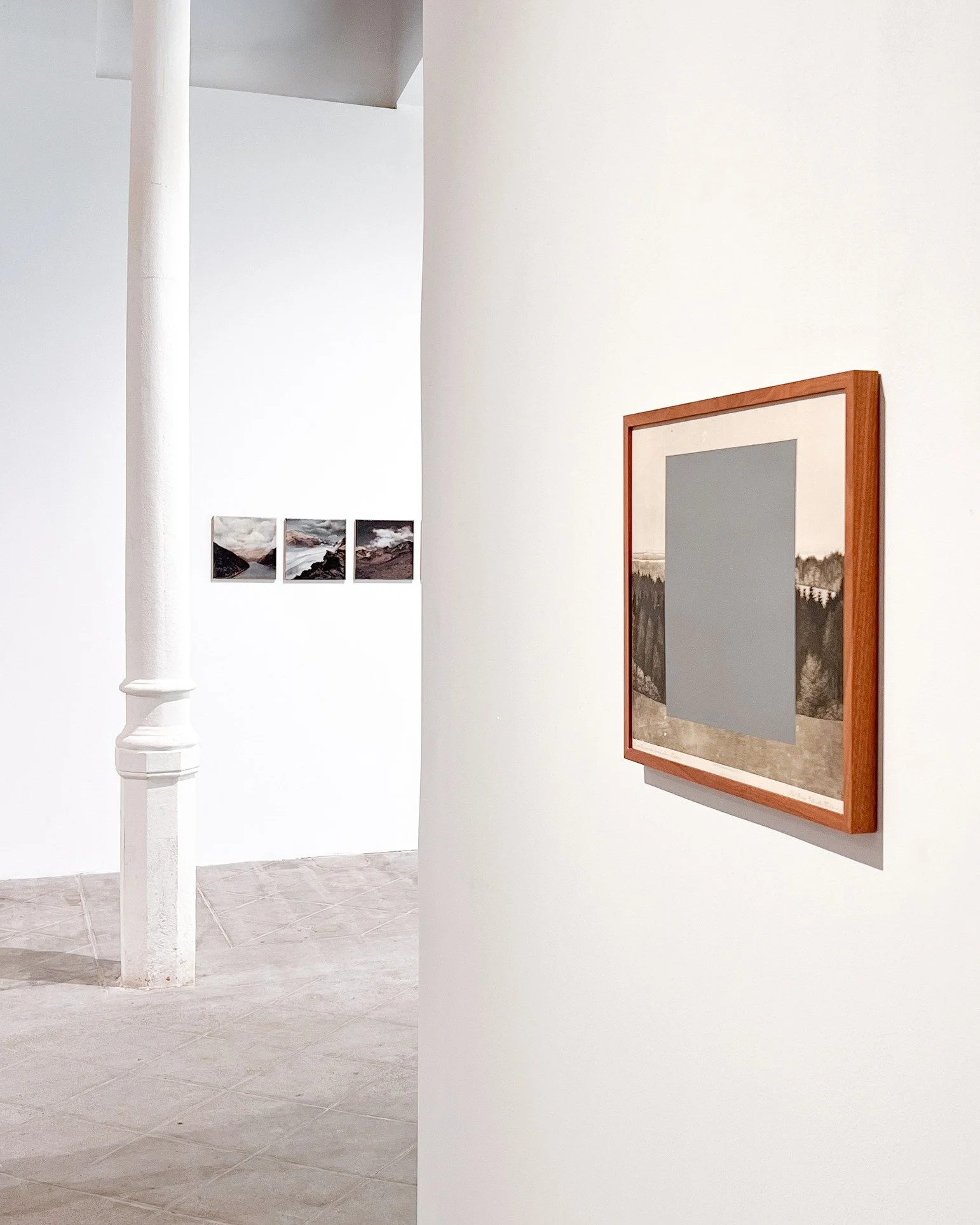
Nataraj von Allmen is a painter based in Switzerland. Often taking photographic material as a starting point, he weaves together landscapes, mythological archetypes, Christian symbolism, and contemporary socio-political themes into complex paintings. Oscillating between figuration and abstraction, his work investigates transformation, collective memory, and the human condition.