

10 Questions with Kfir Galatia Azulay
Kfir Galatia-Azulay Darash is an architect, engineer, multidisciplinary designer, and artist graduate of the Department of Architecture and Urban Planning at Bezalel Academy of Arts and Design in Jerusalem, and has additional training in civil engineering, structural engineering, interior design, and environmental design. His practice moves between architecture, interior design, product and furniture design, textile design, and sculpture, based on the belief that these disciplines do not exist separately, but rather come together to form a single creative language. Over the years, Galatia-Azulay has designed projects in the fields of residential architecture, hospitality, retail, and urban renewal, alongside exhibition spaces, stores, objects, furniture, and textile collections. His work focuses on the relationships between material, form, scale, light, and movement, and on the ways in which these elements shape the human experience of space.
His international collaborations include work with brands such as Dior, Mohebban Milano, liv collection and more. For the Italian rug company Mohebban Milano, he designed a rug collection that was presented at Maison & Objet in Paris and at Salone del Mobile in Milan.
In 2025, he presented the sculptural series Eternal Structures at Palazzo Mora in Venice as part of Time Space Existence, the international exhibition organized by the European Cultural Centre during the Venice Architecture Biennale. Since then, the series has continued to gain exposure and has been presented across international art and design platforms.
His work has also been exhibited at the Design Museum Holon, the Artists’ House in Tel Aviv, and in galleries and exhibitions in Israel and abroad. Alongside his professional practice, he has taught in the departments of architecture and interior design at Bezalel Academy, where his courses focused on design, technology, and commercial space.
Galatia-Azulay’s practice is rooted in an ongoing investigation of the meeting point between architecture, art, and design, and in the possibility of moving between the scale of the building, the interior, and the city, and the intimate scale of the object, material, and human touch.
Kfir Galatia-Azulay Darash is the founder and Creative Director of KOT Architects Ltd. a Tel Aviv–based studio working on projects in Israel and internationally.
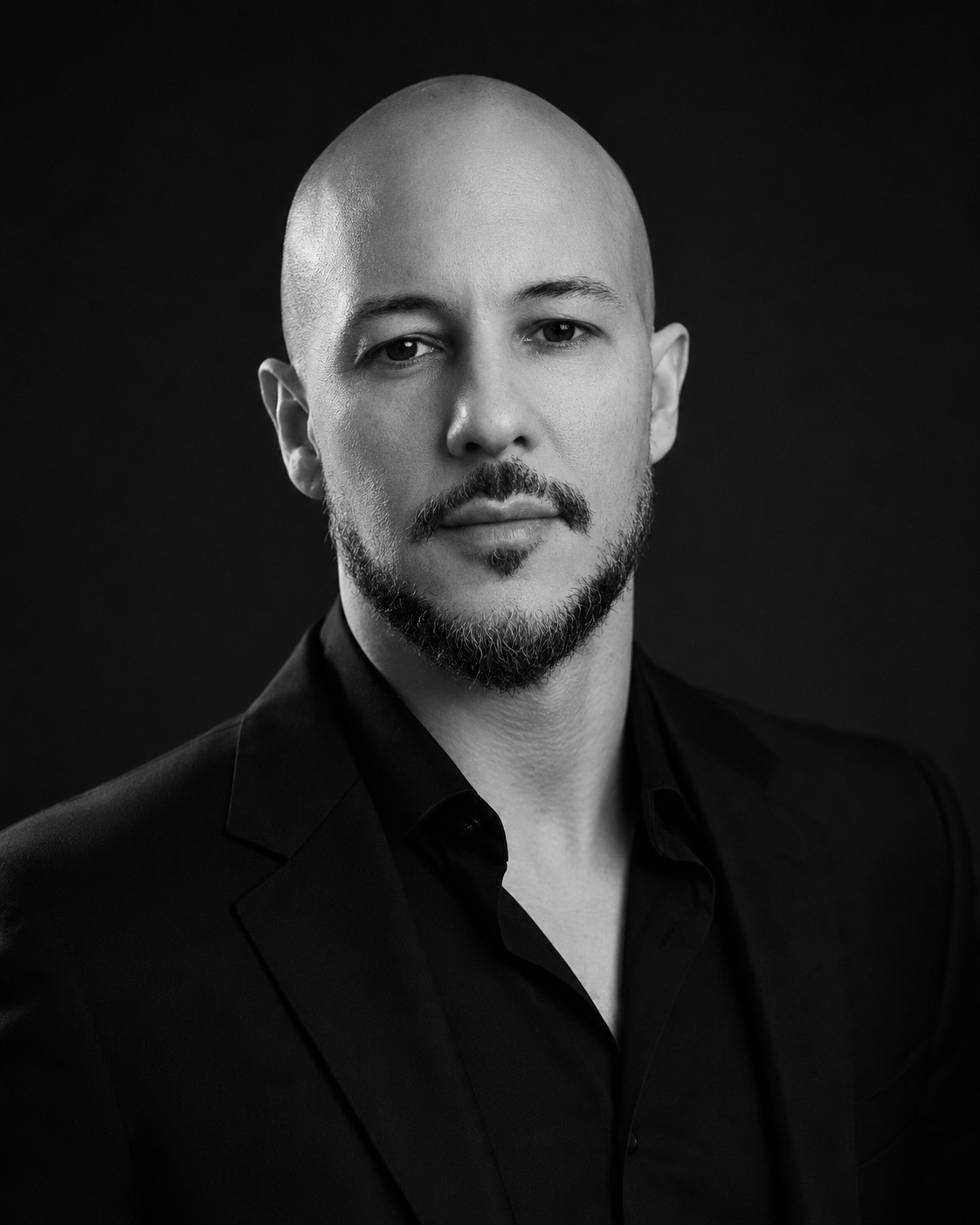
Kfir Galatia Azula - Portrait
ARTIST STATEMENT
The work of Kfir Galatia-Azulay Darash exists at the intersection of architecture, sculpture, product design, and textile design. He sees these fields as independent disciplines, each with its own language, methodology, and system of values, but also as a shared space in which they can converge, overlap, and create a complete and multilayered experience.
In his practice, architecture defines the framework, scale, rhythm, and light; interior design addresses the body and the human experience; product design approaches detail, material, and physical contact; and art allows an idea to move beyond function and become emotion, memory, and interpretation.
His creative process often begins with architectural thinking, yet it does not necessarily end with a building. It may take the form of a space, an object, a sculpture, a piece of furniture, or a textile surface. Moving between scales allows him to repeatedly examine questions of mass and void, structure and fragility, light and shadow, permanence and movement, memory and time.
In the sculptural series Eternal Structures, he distills architectural principles into objects carved from Carrara marble. The works are neither models of existing buildings nor proposals for future architecture. They exist as autonomous entities, carrying within them ideas of space, proportion, rhythm, balance, mass, and void.
Marble, a material historically associated with monuments, temples, memory, and permanence, becomes a means through which he explores the tension between the eternal and the temporary. The stone appears stable and unchanging, yet within it are openings, cuts, recesses, and shadows that shift according to light and viewpoint. In this way, each object can be read simultaneously as a sculpture, a fragment, an archetype, and an architectural possibility.
Alongside his sculptural practice, Galatia-Azulay’s collaborations with international brands allow him to translate the same creative language into additional materials and contexts. In the rug collection designed for Mohebban Milano, for example, he explored how light, shadow, depth, layering, and movement could be expressed through a soft, tactile surface. For him, there is no fundamental separation between marble, textile, metal, concrete, or wood; each material carries its own memory, weight, temperature, and emotional potential.
Galatia-Azulay seeks to create works that appear clear and restrained at first, but gradually reveal further layers of meaning. His works do not aim to explain themselves completely. Instead, they invite the viewer to move around them, approach them, experience their materiality, and develop a personal relationship with them.
His practice connects values of history, tradition, and memory with a contemporary language and a forward-looking perspective. It examines the relationship between the individual and the space surrounding them, and the ability of material and form to carry ideas, evoke emotion, and become an experience that remains long after the physical encounter with the work has ended.
ES series, Carrara Marble, 2025 © Kfir Galatia Azula
INTERVIEW
First, could you introduce yourself to our readers? How would you describe yourself as both an architect and an artist?
I am an architect, Multidisciplinary designer, and artist based in Tel Aviv, and the founder and Creative Director of KOT Architects. For many years, I tried to understand where one discipline ended and another began. Eventually, I realized that this boundary was not particularly useful to me. Architecture taught me how to think through proportion, structure, rhythm, light, and human movement. Art gave me the freedom to question those same elements without having to resolve them into function. My work exists somewhere between those two states. As an architect, I am concerned with the way a person inhabits space. As an artist, I am interested in what remains when function is removed: weight, silence, memory, tension, presence. I do not really see these as two separate identities. Whether I am designing a building, a piece of furniture, a textile, or carving a block of marble, I am essentially asking the same question: how can matter become an experience?
You have a background in architecture, engineering, and design. How has this multidisciplinary education shaped the way you create?
My education gave me several different ways of looking at the same object. Engineering taught me that every form is governed by forces, gravity, logic, and necessity. Architecture introduced space, proportion, sequence, light, and human scale. Design brought me closer to the body, to detail, touch, and material. Art eventually allowed me to question all of these systems rather than simply obey them. This combination created a tension in my work that I value very much. I am attracted to precision, but I do not want precision to eliminate emotion. I am interested in geometry, but also in ambiguity; in control, but also in moments where something unexpected can appear. Perhaps this is why I continue to move between disciplines. One provides the rules, and another gives me permission to break them. For me, the most interesting work begins precisely at that point of friction, when rational structure and emotional experience occupy the same space.
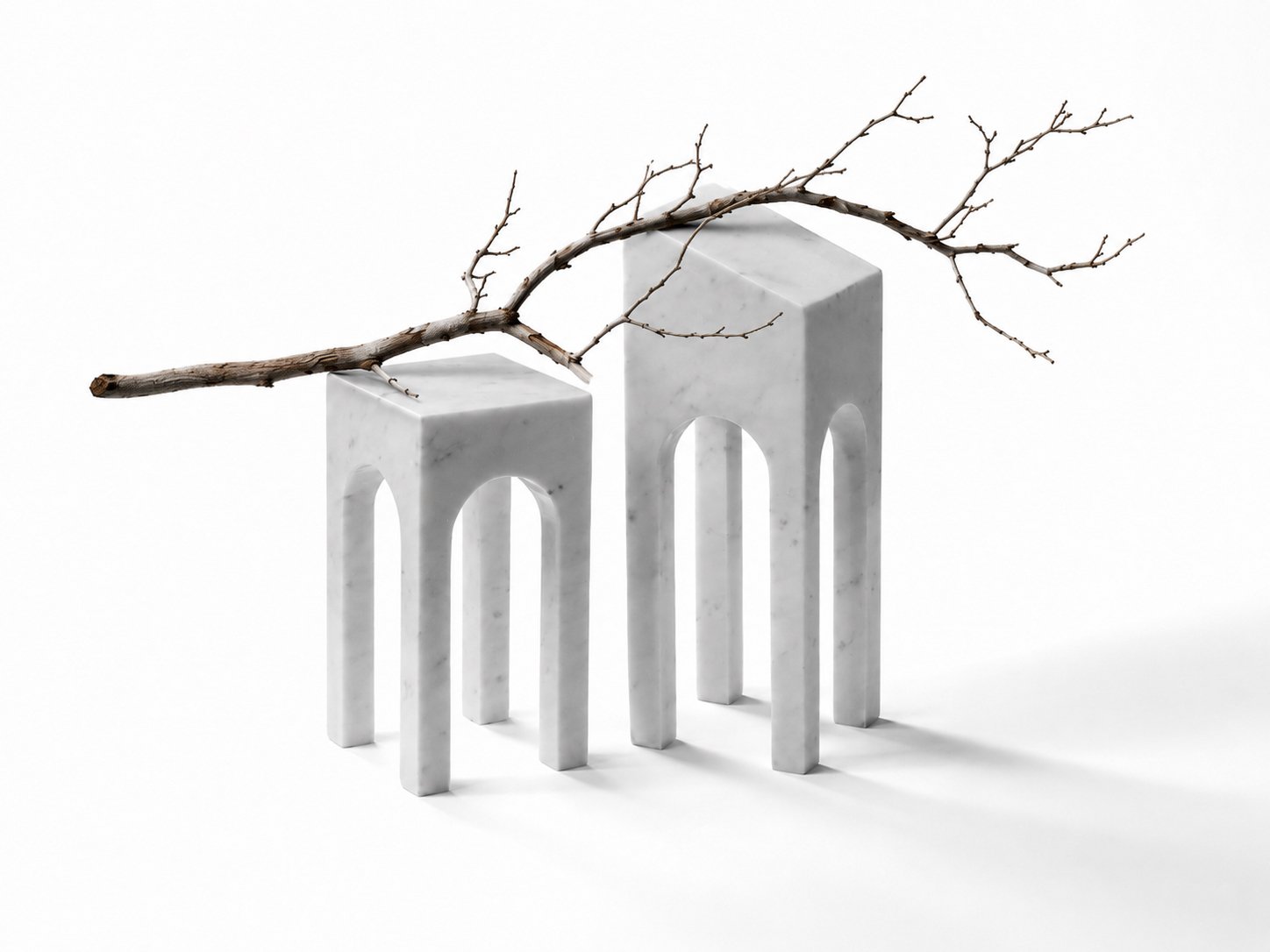
ES1-2, Marable gruving, 15x15x30 cm, 2025 © Kfir Galatia Azula

ES3, Marble Milling, 43x18x28 cm, 2025 © Kfir Galatia Azula
Your practice moves between architecture, sculpture, furniture, and textile design. What draws you to working across so many different disciplines?
I have never experienced creativity as something that belongs to a single scale. A building, a chair, a sculpture, or a textile surface may appear completely different, but they can all deal with rhythm, proportion, repetition, weight, light, tactility, and the relationship between the body and its surroundings. What changes is the distance between the person and the work. Architecture surrounds the body. Furniture meets it. Textile touches it. Sculpture can confront it almost psychologically. That movement between scales is very important to me because each discipline teaches me something that I can carry into another. A sculptural investigation can influence a façade. A detail developed for furniture may change the way I understand an interior. A textile can become a study of landscape, depth, shadow, or movement. I am not interested in being multidisciplinary simply for the sake of variety. I am interested in developing one language that is capable of existing in different physical forms.
Your sculptures are inspired by architectural principles but are not intended as buildings. How did the Eternal Structures series first come to life?
Eternal Structures began with a desire to remove architecture from its conventional obligations. I wanted to understand what would remain if architecture no longer needed to provide shelter, circulation, services, or program, if it could be reduced to mass, void, proportion, balance, threshold, shadow, and presence. The pieces began almost like fragments of buildings that had never existed. They are not models, and they are not proposals for future architecture. I think of them as autonomous structures. At times they may resemble ruins, monuments, temples, archaeological fragments, or perhaps memories of places we cannot quite identify. That ambiguity is essential to the work. Carving them from solid Carrara marble intensified this idea. Marble has a strange relationship with time. It is geological and ancient, yet throughout human history we have used it to preserve memory, power, beauty, ritual, and death. The project presented in Venice was conceived as a collaborative work with multidisciplinary artist Shuli Bronstein Wolff, and was curated by art curator Vera Pilpul. It was presented at Palazzo Mora as part of the European Cultural Centre’s Time Space Existence exhibition during the Venice Architecture Biennale. Vera Pilpul is also my personal curator and accompanies my ongoing artistic practice, particularly the projects that emerge at the threshold between art and architecture. Her curatorial perspective creates an ongoing critical dialogue around this evolving body of work, a dialogue that allows me to examine not only the objects themselves, but also the wider cultural, artistic, and architectural context in which they exist. Seeing these small, silent structures within an architectural context made something very clear to me: architecture does not necessarily need to be inhabited in order to contain space. Sometimes it only needs to suggest it.

ES6, Marble Milling, 20x20x30 cm, 2025 © Kfir Galatia Azula
You work with materials ranging from Carrara marble to textiles and metal. How do you choose the right material for each idea?
I rarely think of material as a finish. For me, material is already part of the idea. Every material carries its own history and emotional temperature. Marble has weight, permanence, memory, and almost geological time within it. Metal can be cold, precise, reflective, even slightly alien. Textile behaves very differently, it absorbs, folds, softens, and comes closer to the body. So I do not begin by asking what material would look good. I ask what kind of presence the work requires. Sometimes I am searching for resistance, and I need stone. Sometimes I need reflection, and metal becomes almost a way of working with light itself. In textile, I became fascinated with how something essentially flat could still produce a perception of depth, movement, light, and shadow. I often think of light as another material. It has no physical weight, yet it can completely transform the weight of everything it touches. The final material must therefore do more than carry the form. It must carry part of the meaning.
Your work often explores themes such as memory, time, light, and space. What are the questions or ideas you hope viewers reflect on when experiencing your work?
I am less interested in giving the viewer an answer than in creating a condition in which a question begins to appear. Many of the things that fascinate me are difficult to measure: why one space can feel familiar even when we have never seen it before; why a particular proportion can feel calm or unsettling; how a heavy object can appear almost weightless when light enters it in a certain way; or how a fragment can suggest something much larger than itself. Memory is especially important to me because I do not think memory belongs only to people. Materials seem to carry memory as well. Stone contains geological time. Buildings retain traces of the people who occupied them. Objects often survive their owners. In Eternal Structures, I am interested in this uncertain territory between something that appears ancient and something that has never existed before. Ideally, the viewer does not immediately know exactly what they are looking at. That brief moment of uncertainty interests me very much, because it opens a space for imagination.

The last supper bowl, ceramic, 42 cm diameter, 2010 © Kfir Galatia Azula

The last supper bowl, ceramic, 42 cm diameter, 2010 © Kfir Galatia Azula
Could you walk us through your creative process, from the first concept to the finished piece?
The beginning is usually very intuitive. It may be an image, a fragment, a proportion, a shadow, a material, or simply a feeling that I cannot yet articulate. I try not to explain it too quickly, because premature explanation can destroy something that is still developing. After that intuitive stage, the architect in me becomes much more demanding. I begin drawing, testing geometries, proportions, axes, mass, and void. I work through sketches and models, both physical and digital, often removing elements rather than adding them. There is usually a long process of reduction. I am looking for the moment when nothing else needs to be removed. Material then changes the project again. A drawing has no gravity, but marble does. Textile behaves differently under light than it does on a screen. Metal reflects the room around it. At that stage, the work begins to resist me, and that resistance is important. The final piece is rarely identical to the first image I had in mind. I prefer that. For me, creation is a negotiation between intention and matter.
Your projects have been presented in both architectural and artistic contexts. Have audiences from these different worlds responded to your work in different ways?
Yes, and I find that difference fascinating. Architects often approach the sculptures almost instinctively through structure. They look for sections, openings, spans, balance, circulation. I sometimes see them mentally enlarging the object into a building. An art audience tends to respond differently. They may see a ruin, a monument, a body, an archaeological fragment, or something connected to memory and time, without needing to understand how it might function architecturally. Neither reading is more correct. In fact, the work becomes most interesting to me precisely because both readings can coexist. When Eternal Structures was shown in Venice within an international architectural environment, I became particularly aware of this ambiguity. The pieces use the vocabulary of architecture, but they refuse its program. They contain thresholds that do not necessarily lead anywhere, voids that may never be occupied, and structures whose only function may be to create a particular state of attention. That tension allows the work to move freely between architecture, art, and collectible design.
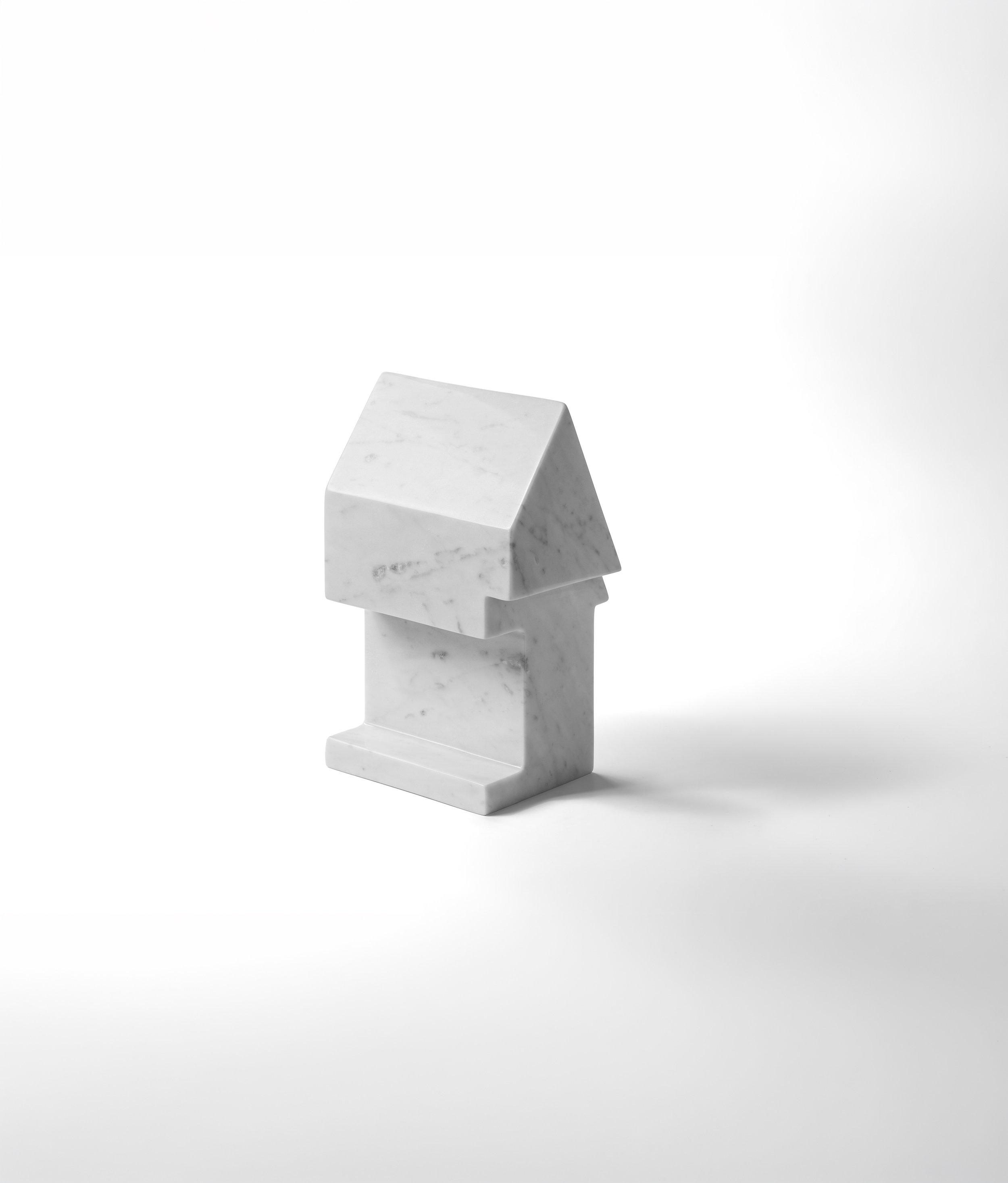
ES5, Marble Milling, 17.5x17.5x35 cm, 2025 © Kfir Galatia Azula
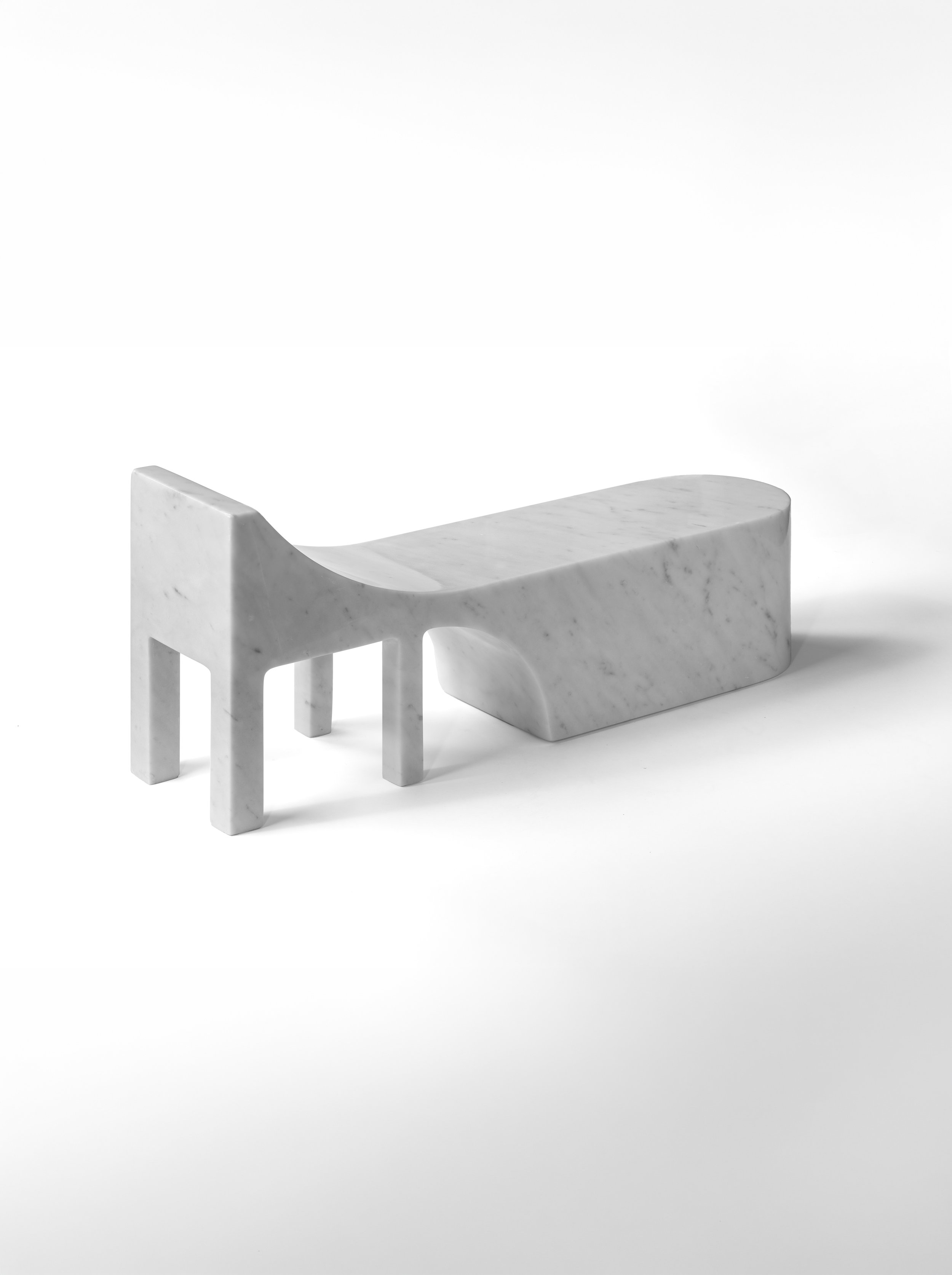
ES7, Marble Milling, 62x15x26 cm, 2025 © Kfir Galatia Azula
You have collaborated with international brands while maintaining your personal artistic practice. How do commercial collaborations influence, or challenge, your creative vision?
I am very selective about collaborations because I am not interested in simply applying a personal visual signature to another product. A meaningful collaboration begins when there is a genuine exchange of knowledge. Working with an international brand gives me access to materials, techniques, craftspeople, and manufacturing traditions that I might not encounter within architectural practice. At the same time, I bring my own spatial and conceptual thinking into their world. My collaboration with Mohebban Milano is a good example. In developing the rug collection, I was not interested in treating the rug merely as decoration. I approached it almost architecturally, as a field, a landscape, a surface capable of producing depth, movement, shadow, and spatial perception. The collection was presented at Maison & Objet in Paris and at Salone del Mobile in Milan. Commercial constraints can actually be productive. They force an idea to encounter reality. The challenge is to make sure that reality sharpens the concept rather than diluting it. The collaborations I value most are those in which both sides emerge slightly changed.
Lastly, what are you currently working on, and what goals or projects are you most excited to pursue in the near future?
At the moment, several strands of my practice are beginning to converge in ways that I find very exciting. I am continuing to develop my architectural practice through a number of large-scale projects, including residential complexes, among them a development of one complex with nine residential buildings and a twenty-storey tower, as well as a seven-storey office building for the global company MSC in Haifa’s German Colony, directly facing the Bahá’í Gardens. The project brings together business lounges, office floors, hospitality spaces, executive lounges, and a restaurant within a single architectural language. At the same time, I am developing concepts and spatial identities for leading fashion companies, working on a furniture and bedroom collection for a Swiss brand, and creating a new rug collection for a Dutch company. These collaborations allow me to move between architecture, product, textile, and brand experience without treating them as separate fields. The dialogue that began with Eternal Structures is also continuing to evolve. I do not feel that I have finished asking the questions that initiated that series. I am increasingly interested in the territory between object and architecture, works that have the physical presence of sculpture, yet contain an architectural sense of space, scale, and ritual. What excites me most is the possibility of allowing the same ideas to migrate across very different scales: from a city block to a room, from a façade to a piece of furniture, from stone to textile, and then back again into architecture. My ambition is not necessarily to become larger in scale. It is to become more precise. I would like the different parts of my practice to gradually reveal themselves as parts of the same body of work. And perhaps, in the end, to create objects and spaces that feel as though they have always existed, even when they have just arrived.
Artist’s Talk
Al-Tiba9 Interviews is a curated promotional platform that offers artists the opportunity to articulate their vision and engage with our diverse international readership through insightful, published dialogues. Conducted by Mohamed Benhadj, founder and curator of Al-Tiba9, these interviews spotlight the artists’ creative journeys and introduce their work to the global contemporary art scene.
Through our extensive network of museums, galleries, art professionals, collectors, and art enthusiasts worldwide, Al-Tiba9 Interviews provides a meaningful stage for artists to expand their reach and strengthen their presence in the international art discourse.


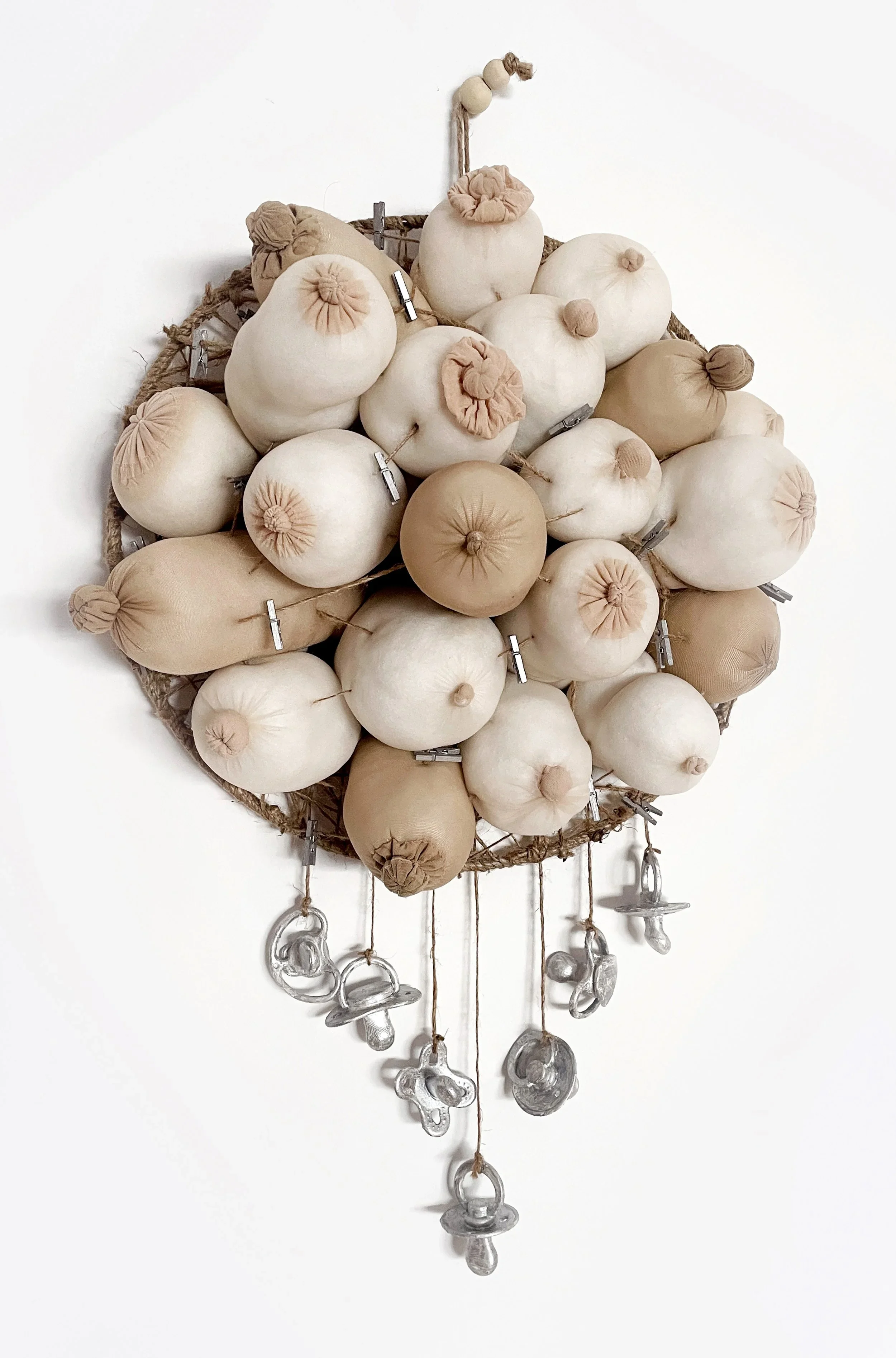
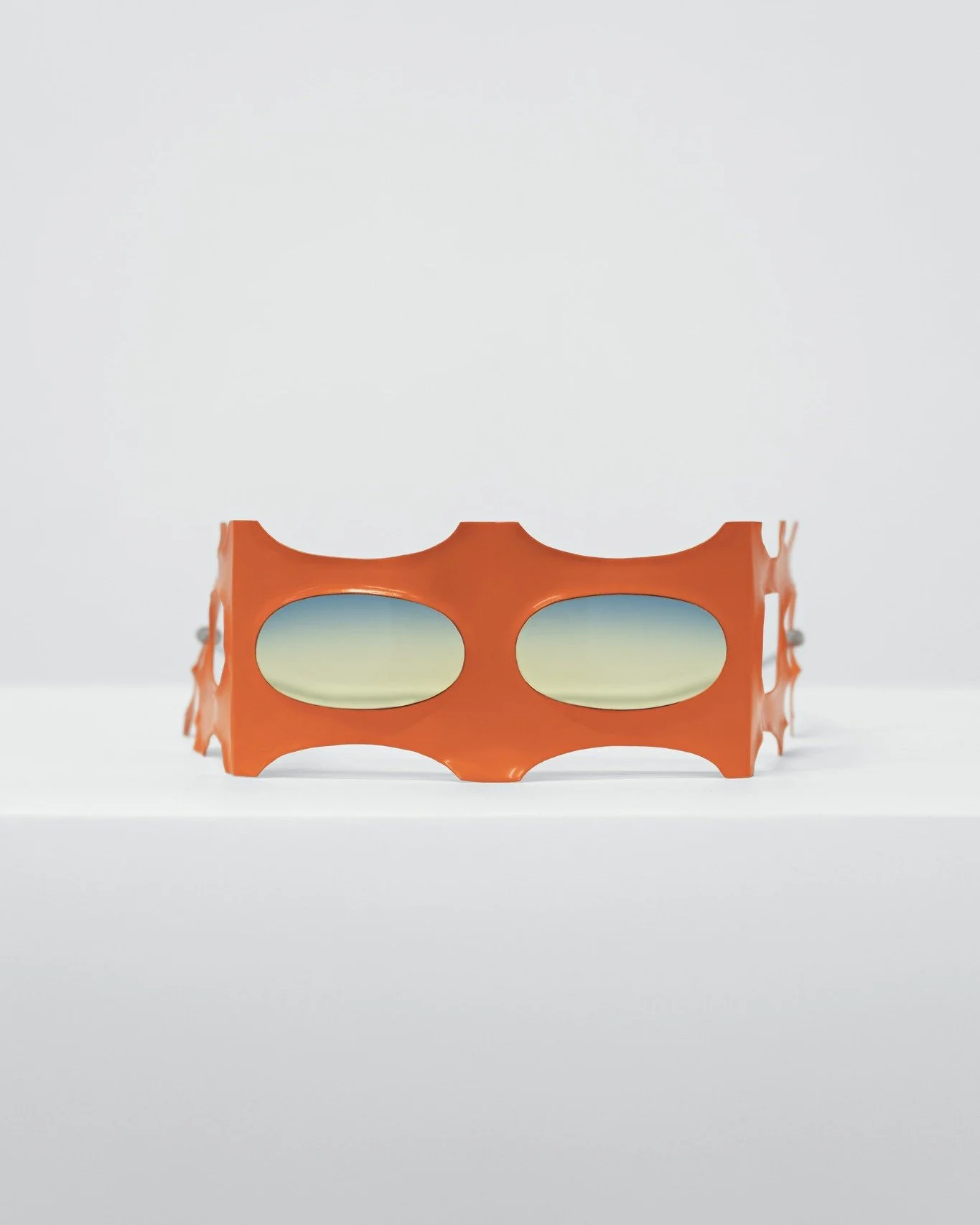
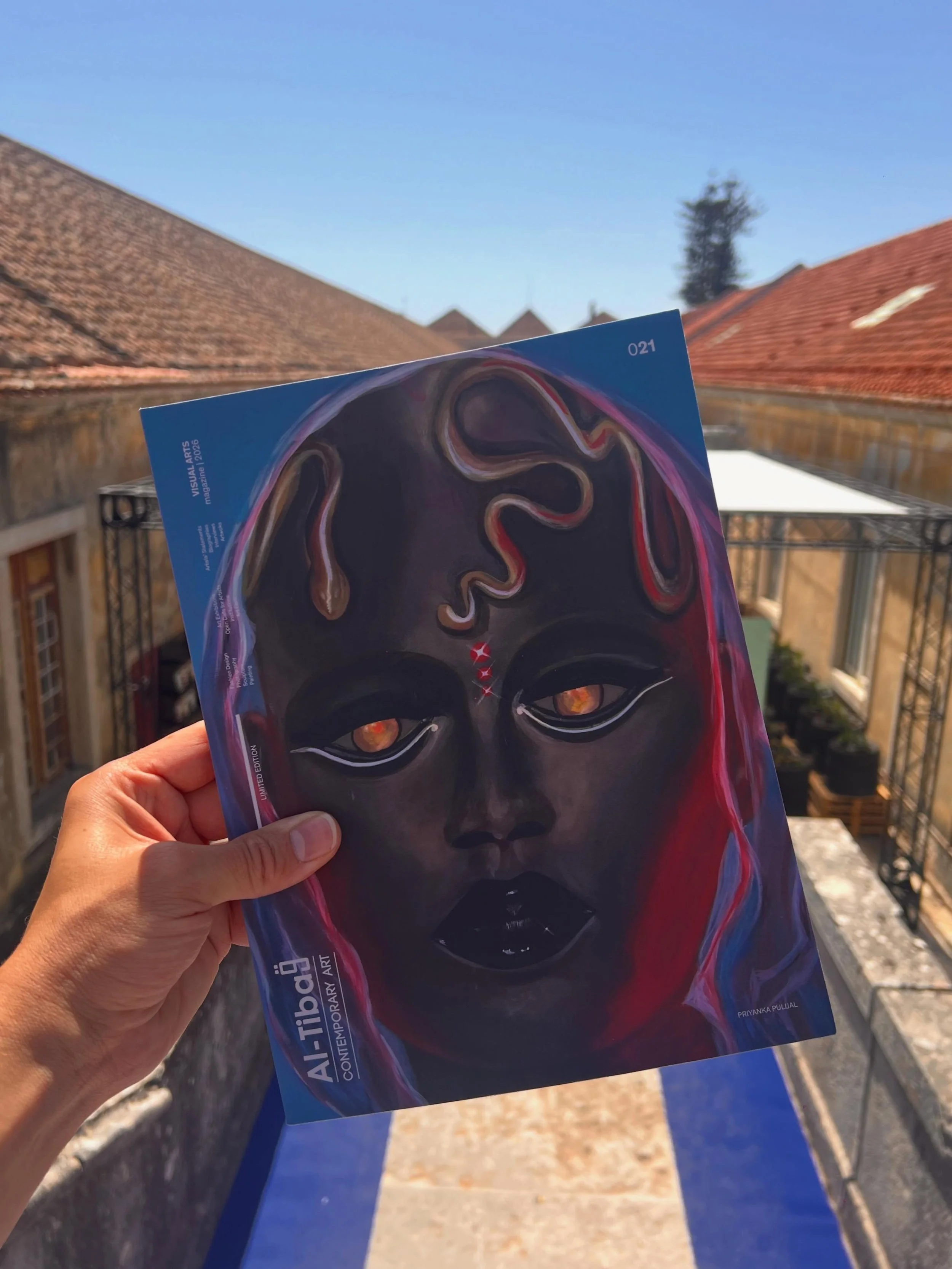
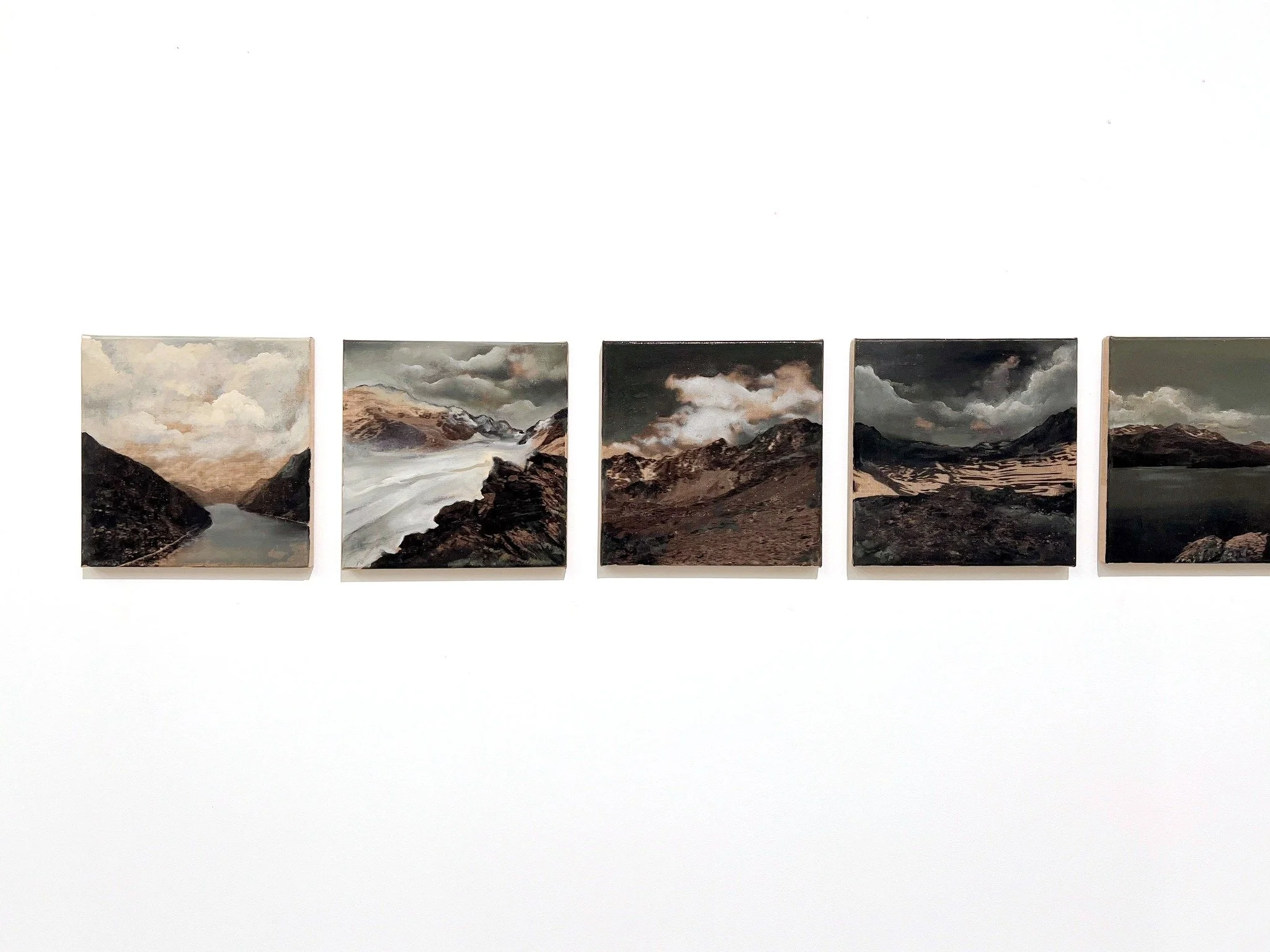
David Moješčík - MojDa is a Czech sculptor. His work is centred on figurative sculpture, the human body, and the female figure. Modelling in clay and with digital tools, he ultimately prioritises manual engagement with materials. . He draws inspiration from yoga philosophy with the concepts of non-violence and human-centeredness, as well as from Egyptian, ancient, and European classical sculpture.