
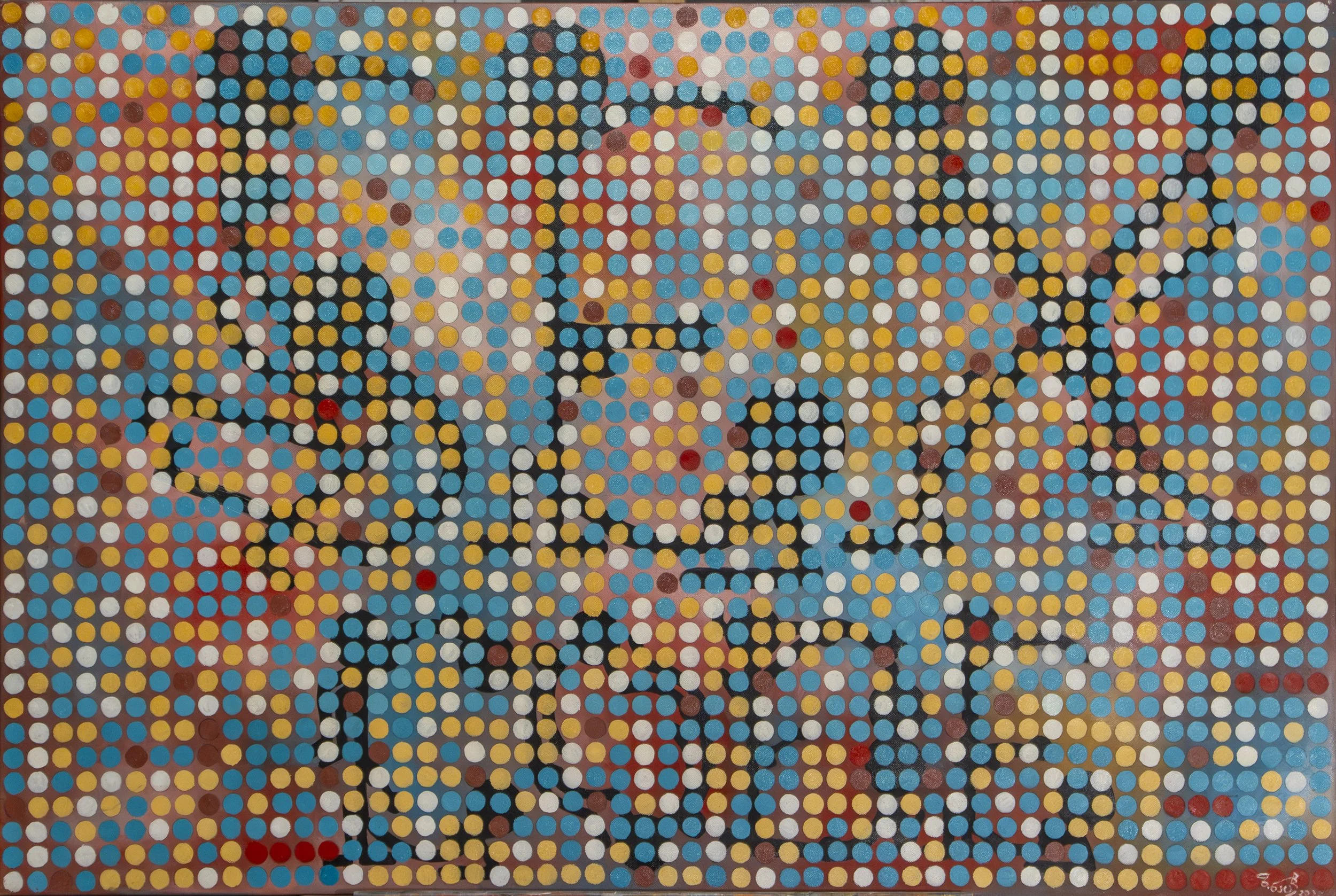
10 Questions with Zurab Natsvaladze
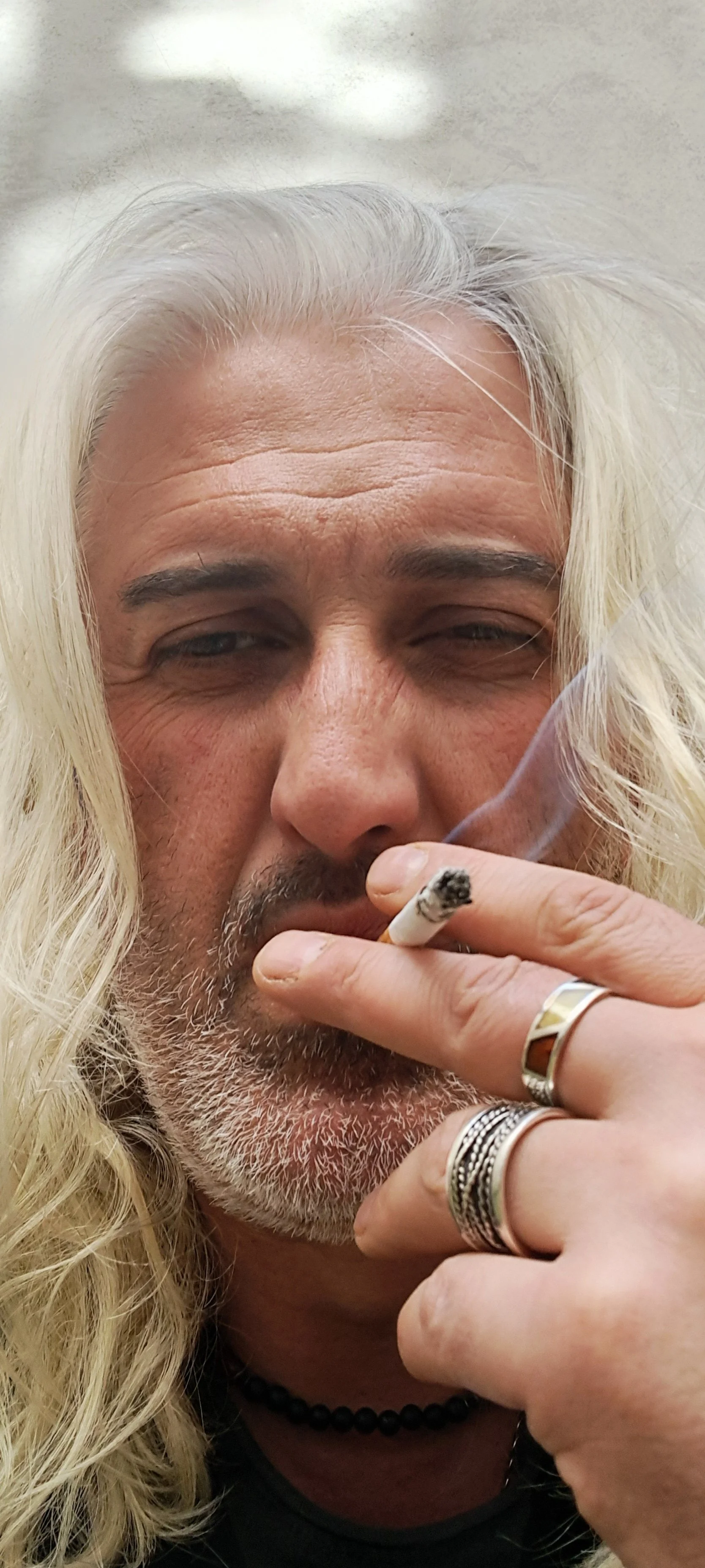
Zurab Natsvaladze - Portrait
Zurab Natsvaladze is a self-taught artist and a member of the Polish Artists’ Association. Born with an innate curiosity and a drive for self-expression, his creative journey continues to evolve.
ARTIST STATEMENT
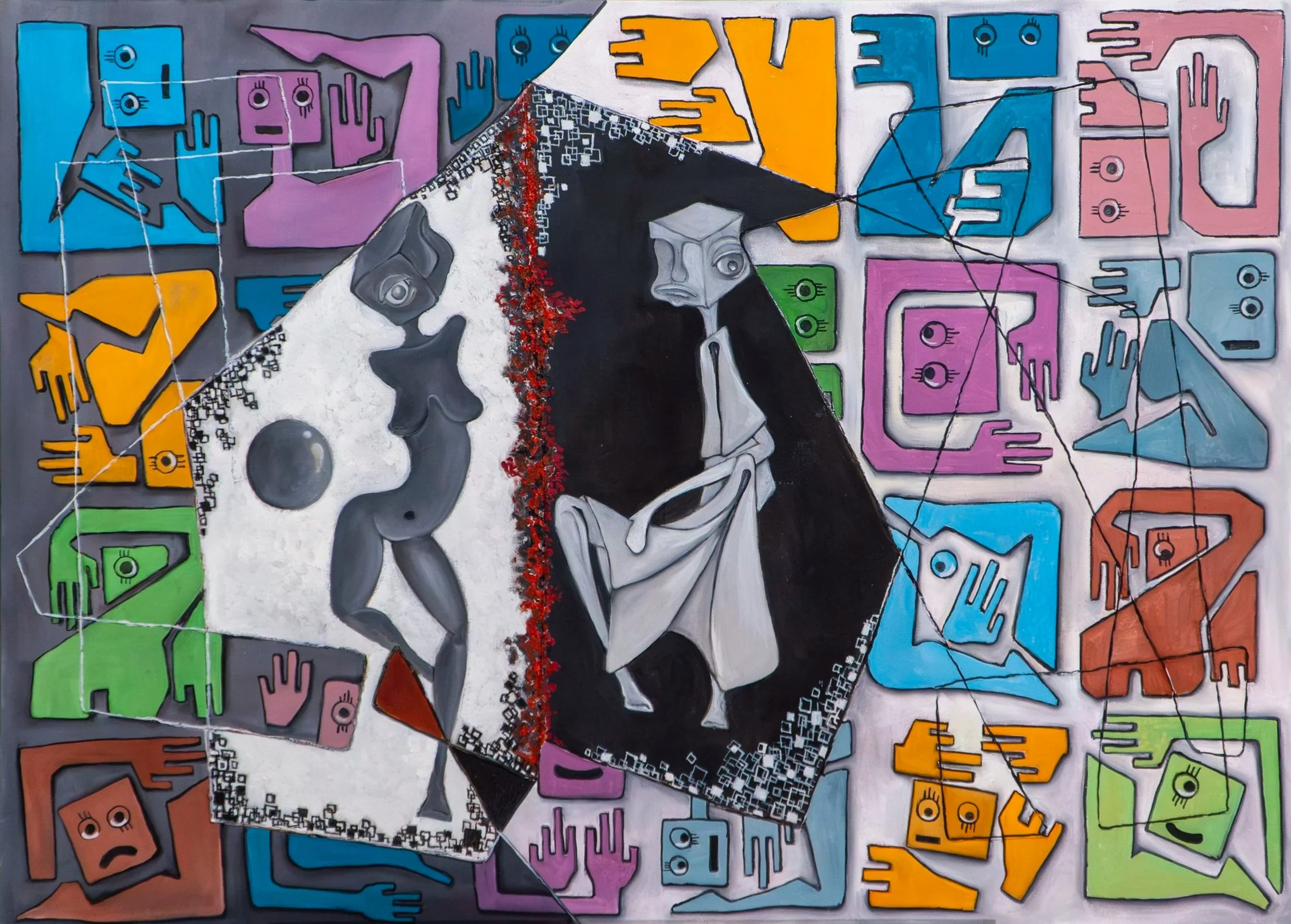
“My work represents cognitive art, an invitation into the labyrinth of the mind. A space where thought takes form, and emotion gains structure. Line, colour, and rhythm become visual reflections of mental processes. My art is not merely a depiction; it is a conscious movement within the inner world. Each work seeks to capture the moment when thought unravels into details, and perception becomes language. It is a dialogue between the conscious and the subconscious, a visibility of the unspoken, a plasticity of thought. My art resonates with philosophical questions of self-awareness, existence, and reality. Psychological layers, memory, identity, and transformation are transfigured into symbols that guide the viewer into their own inner landscape. Symbols are not merely signs, but as codes of inner states, triggering a process of interpretation within the observer. It is a space where thought, feeling, and form merge into a single monologue, a wordless, yet deeply sensitive conversation between the mind and art.” — Zurab Natsvaladze
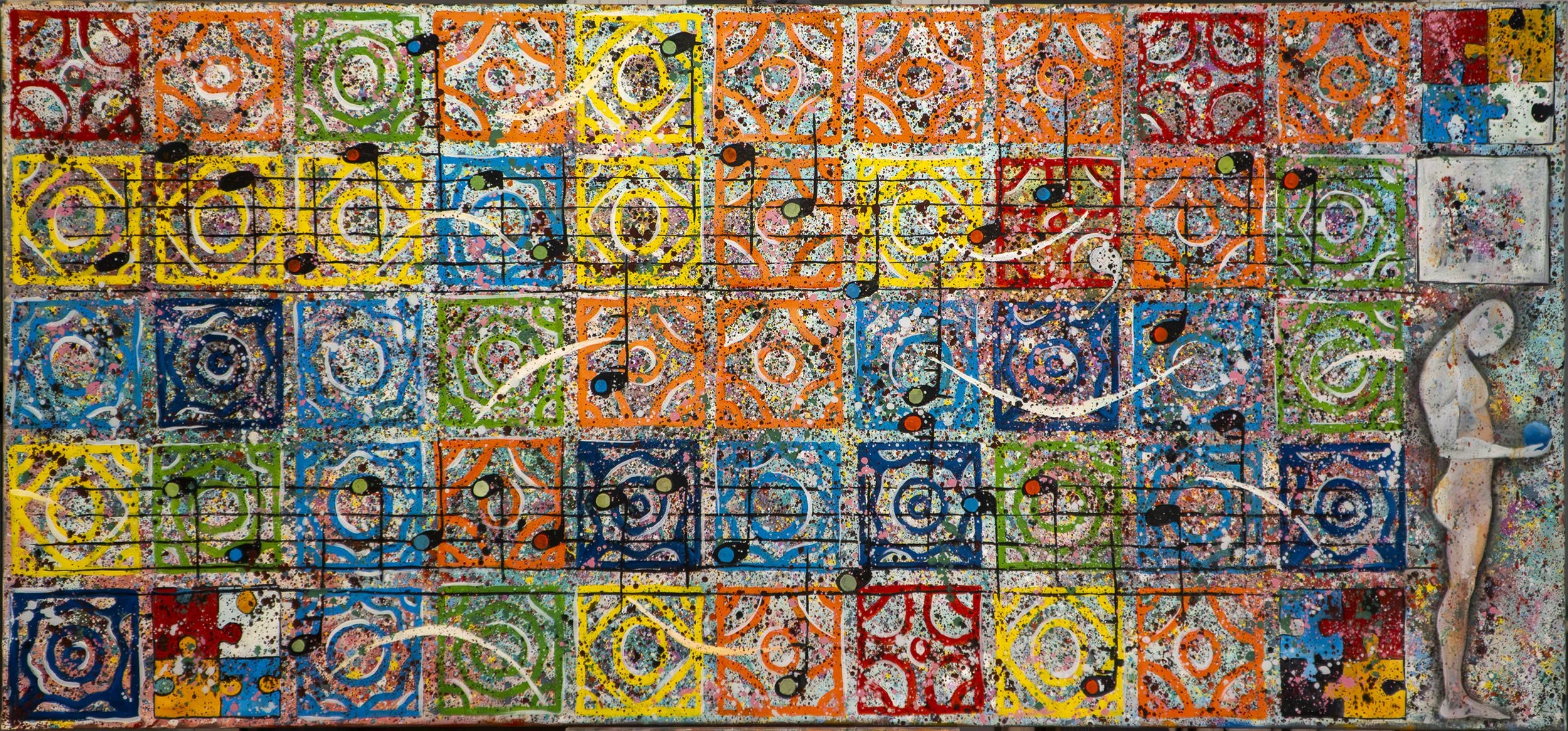
Chadar © Zurab Natsvaladze
INTERVIEW
When did you first begin creating art, and what motivated you to become a self-taught artist?
I can’t think of a child in the world, who doesn’t love to draw, of course I was in those rows, this is the period, when I don’t reckon why, or what are the artists famous and outstanding for, by copying them you consider, that you will be as successful and well known as them, I was occupied with this, until, one situation completely changed my point of view regarding art at the age of 15. At school, where i studied, exhibitions were held very often, in which I forcefully participated, after one of such exhibitions I ended up in the amateur artists’ club established by the art academy and I recall our professor who would walk to every student and give them reprimands, helped them to correct mistakes and explained where they had made mistakes, however, I was an exception, whenever he approached me, he’d look at my drawing, take it down from the molbert, tear it apart and only say one word: “Again!” Imagine what happens in a 15 year old’s heart this time, after a while I decided not to attend and that’s what I did, time had passed and he found me, you’ll guess how the converstaion went, in the end he told me one thing, he had nothing against my technical side, only its spiritual one and what he asked from me, was to see in a different light and to present every cliche figures and statues, which I drew in a different way, I had to be their god and them my creations. From then, my radically different path of art has started. I understood that in the academy I’d become a cliché artist, and I would be trapped inside the borders. That is why I have chosen the motto: “Freedom and total chaos”, only to fulfil my wishes, and that is how the stairs of being self-taught got created on my work path.
Sixty six © Zurab Natsvaladze
How has being a member of the Polish Artists’ Association influenced your artistic journey?
It has given me a great thing, let’s start fron the fact, that Georgia holds completely different type of mindset and culture, in my country I percieved everything in black and white, when I understood, that my artwork was being trapped in traditional borders, which I didn’t wish, I decided to become Don Quixote, that is what I did and ended up in Poland, here I came across to a different culture, different mindset, different tradition of course, at first it was very hard for me, when you feel like a white crow, but gladly there turned out a part of the community, which took an interest in my culture and artwork. Of course, we traded information and experiences, which took a big turn in my artwork. I am thankful for Polish people, who accepted me not as an immigrant, but as one of the representatives of their own nation.
You describe your practice as “cognitive art.” What does this term mean to you personally?
It is easier to become a psychiatrist than a patient. I wished to leave this answer, but... Turning normality into abnormality. Battling against an alter ego. Perceiving the world backwards. Expressing esthetics unesthetically. Turning absurdity into a logical form, where art is happening not as an image, but as the subject of the image. To see what usually stays unnoticed.
What role do line, colour, and rhythm play in expressing thoughts and emotions in your work?
All three of them have their own roles in my artwork; they are actors in my own play and I reckon that I gave them roles accordingly. Line-it is infinity and motion, where a bundle of thoughts are trapped and flows endlessly. Colour- it is a trap of the light, 7 colours, 7 sins, 7 feelings, 7 days, 7 notes and so on. Rhythm is the amplitudinous music of the world. And if you like my play or not, I still consider that I brought some type of emotion to you.
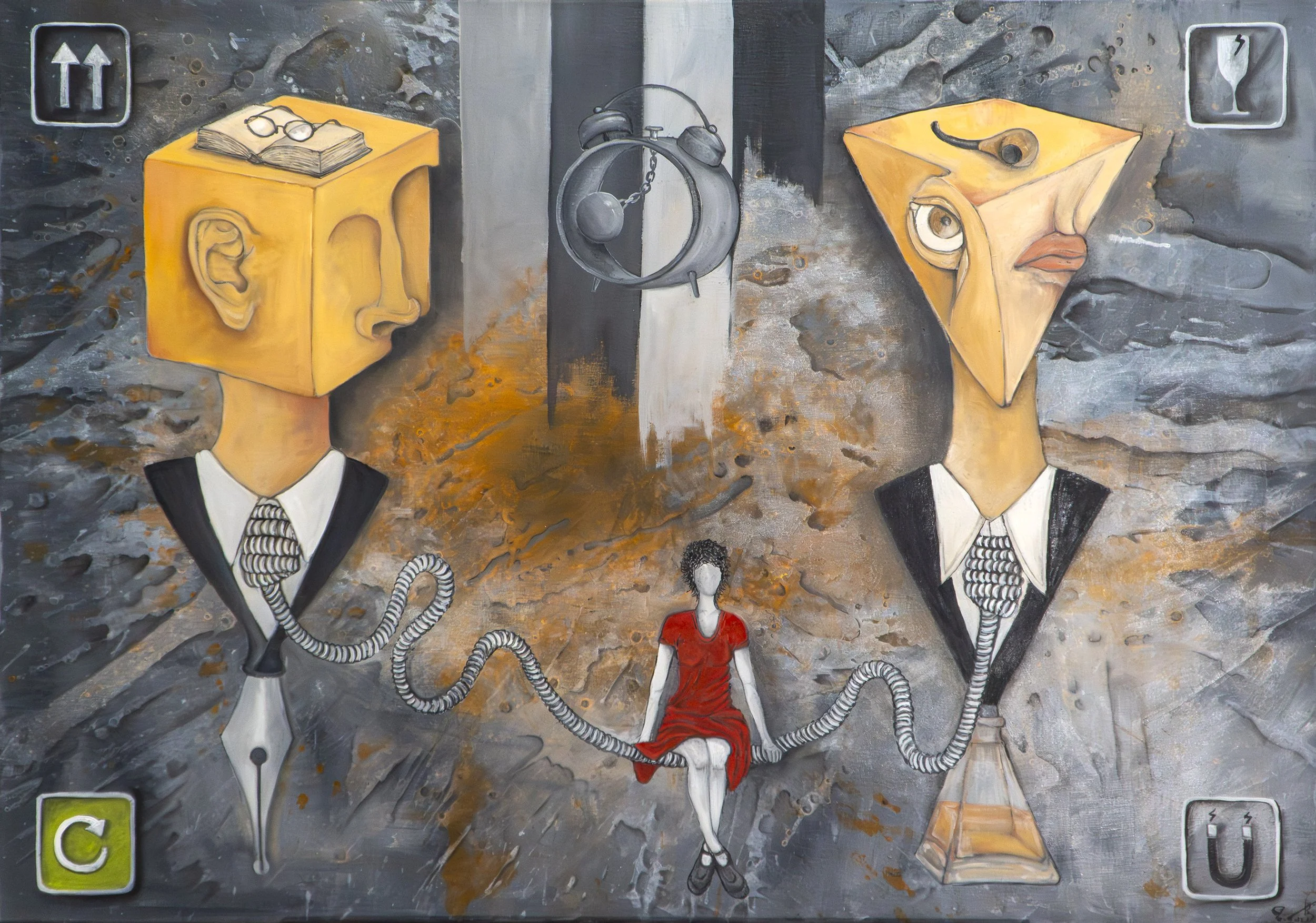
Three shadows © Zurab Natsvaladze
Don Quixote © Zurab Natsvaladze
How do philosophical ideas such as self-awareness and existence shape your artistic direction?
Like moss on the rock. If you mean in the existential way, then I will say that I have often asked the question: “Who am I?”
Answer: Primitive, human, living organism, person, creature with thoughts, dust, and all these are
titles. Name, surname, date of birth, and place are information for identification. Painter, designer, miner, writer, stonemason, and so on. These are occupations. Evil, kind, these are spiritual conditions. All this information follows me since the day of my birth, this information and nothing more, if we take away all this, we will be left with nothing. Nothing, that is rewarded from nature, by the strength of love, idea, taste,descendants and with so many good and bad characteristics, this is what living is worth for, all this develops nothing into a person. About death, I love it too, I have no fear of it, I am just hurt that time is short, I want to do everything on time, and I have no idea what will be, but I don’t have much time to live either. This is how my ideas shape my art and vice versa. Thinking, questioning and searching for answers.
Can you describe your creative process when starting a new artwork?
My creative process is made in a difficult way, brain which does not have a restart button, is in constant working process and in its storage there are lots of ideas, which is like a bundle of threads and I am trying to find the beginning of the thread, in finding the beginning music and books help me, it is enough to catch one note, one phrase or one act and it is found, the order is arranged. I put the process on paper with writing, and then all this is presented on canvas. The best feeling comes to me after I finish the artwork. This is the equivalent of orgasm.
Do you usually begin with a clear concept, or does the work develop intuitively as you create?
In most cases with a clear concept, everything is in order, what, where, why and for what. But there are exceptions, too.
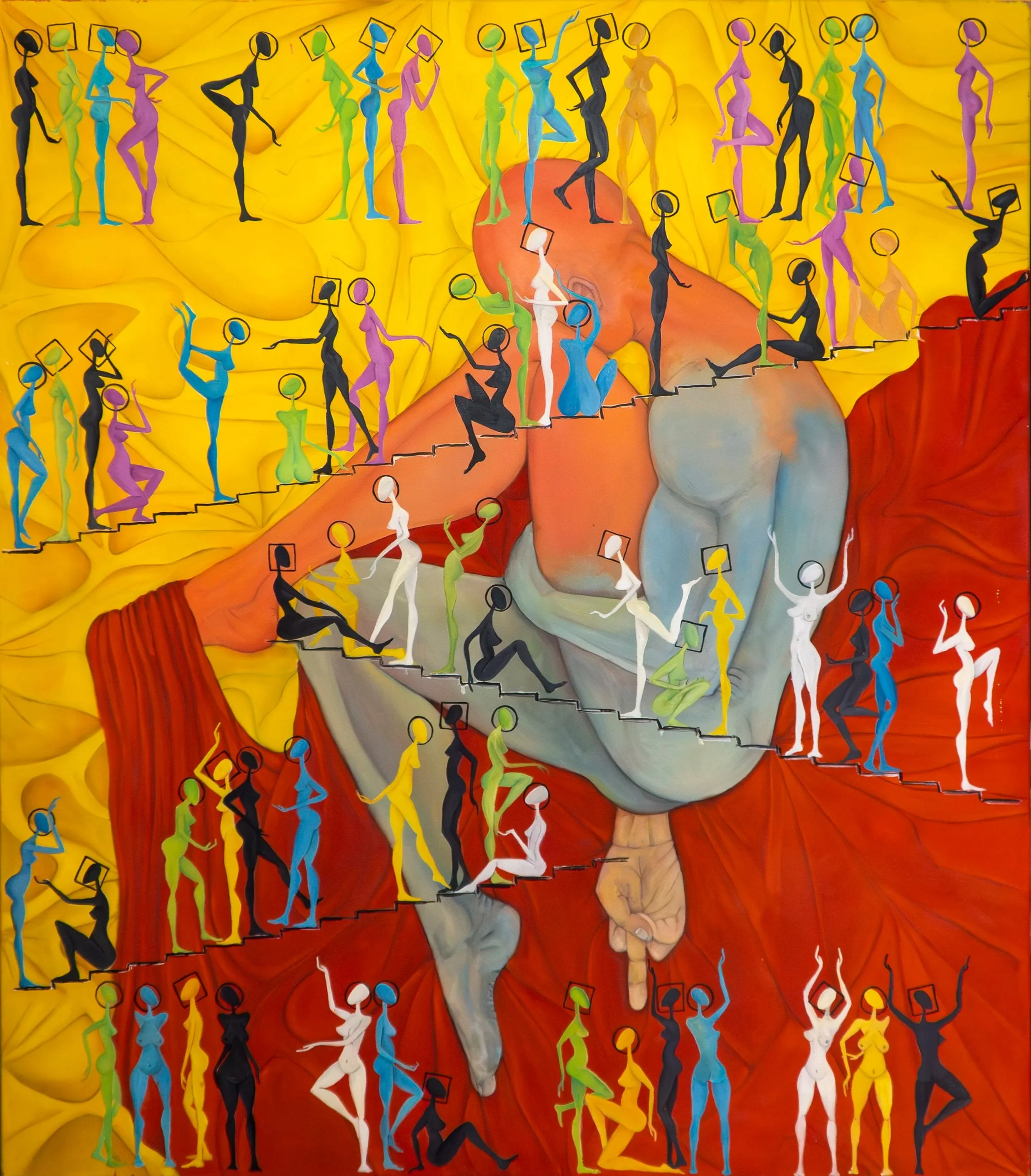
My demon © Zurab Natsvaladze
Symbols appear central in your practice. How do you develop or choose the symbols you use?
This is a bit of a big topic, so I will try to explain it briefly. Symbolism is an interview with the world, a voiceless dialogue, which happens without words. They are intertwined with our lives, it is our everyday life, which we come across everywhere, beyond this hides the world’s message. When we notice them, we begin a sensitive relationship with the world, and we learn its language. This is essential, each human expresses it depending on their situations and experiences. Because of this, symbolism isn’t only an artistic concept,but life’s everyday experience. The existence of symbols in my artwork is the result of talking to the world; this is my interview with the world.
What kind of emotional or mental experience do you hope viewers have when engaging with your art?
I don’t wish my artwork to be evaluated aesthetically; I wish them to listen to it like jazz, read it like Nietzsche, and think like Dantes. I want my artworks to create questions and not answers. If they help someone to put their thoughts in order, or make them think about something they have never thought before, then my children(artworks), did their mission and did the private dialogue with the viewer, this will meet my expectations, which I expect.
Lastly, what are you currently exploring or hoping to develop next in your artistic practice?
There are many things that I want to learn and do research on. In the first place, I want to create a series of shadows, do research and understand their character, behaviour, and, in general, who or what is the shadow, our second self? Or?
Artist’s Talk
Al-Tiba9 Interviews is a promotional platform for artists to articulate their vision and engage them with our diverse readership through a published art dialogue. The artists are interviewed by Mohamed Benhadj, the founder & curator of Al-Tiba9, to highlight their artistic careers and introduce them to the international contemporary art scene across our vast network of museums, galleries, art professionals, art dealers, collectors, and art lovers across the globe.

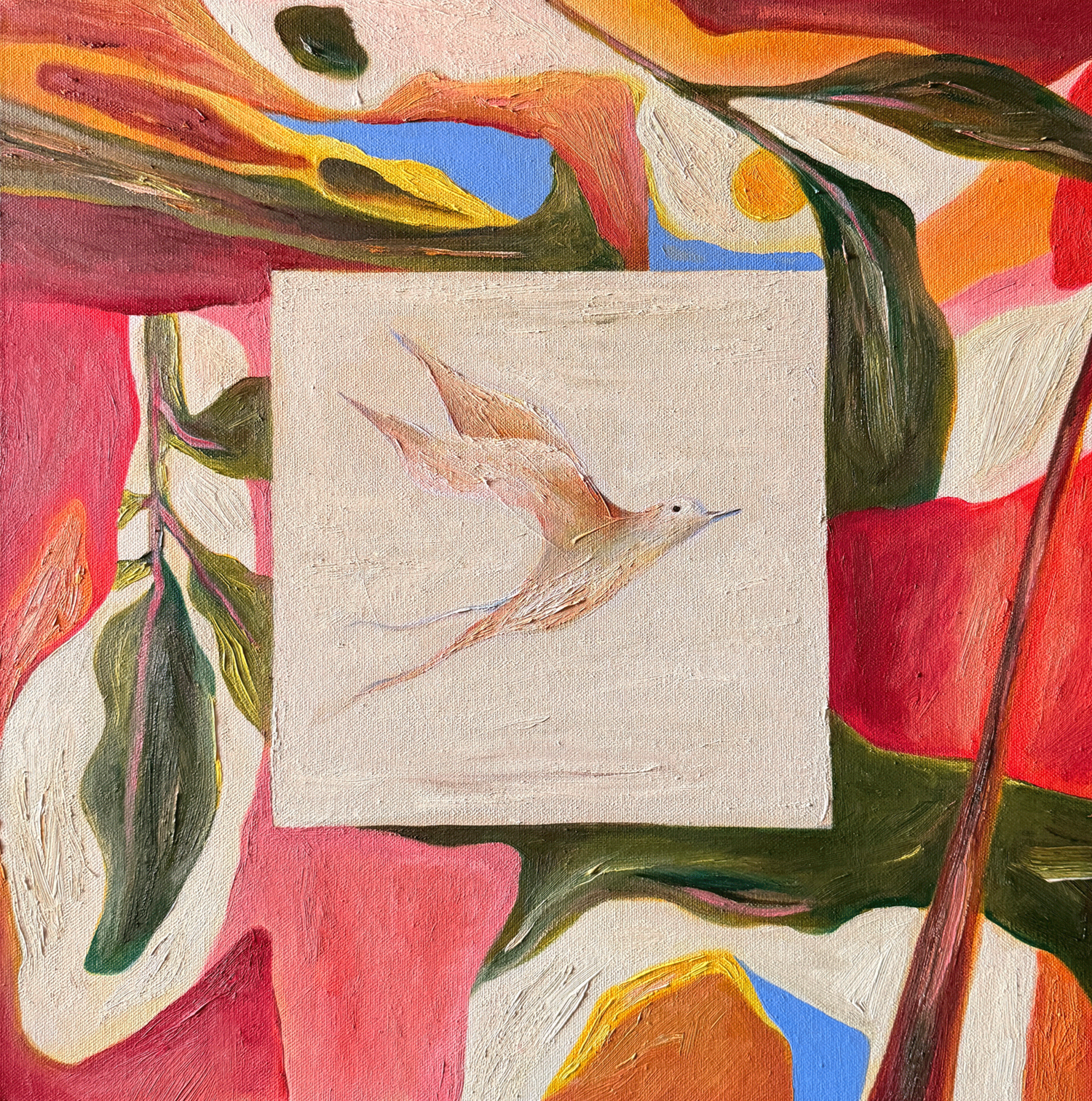
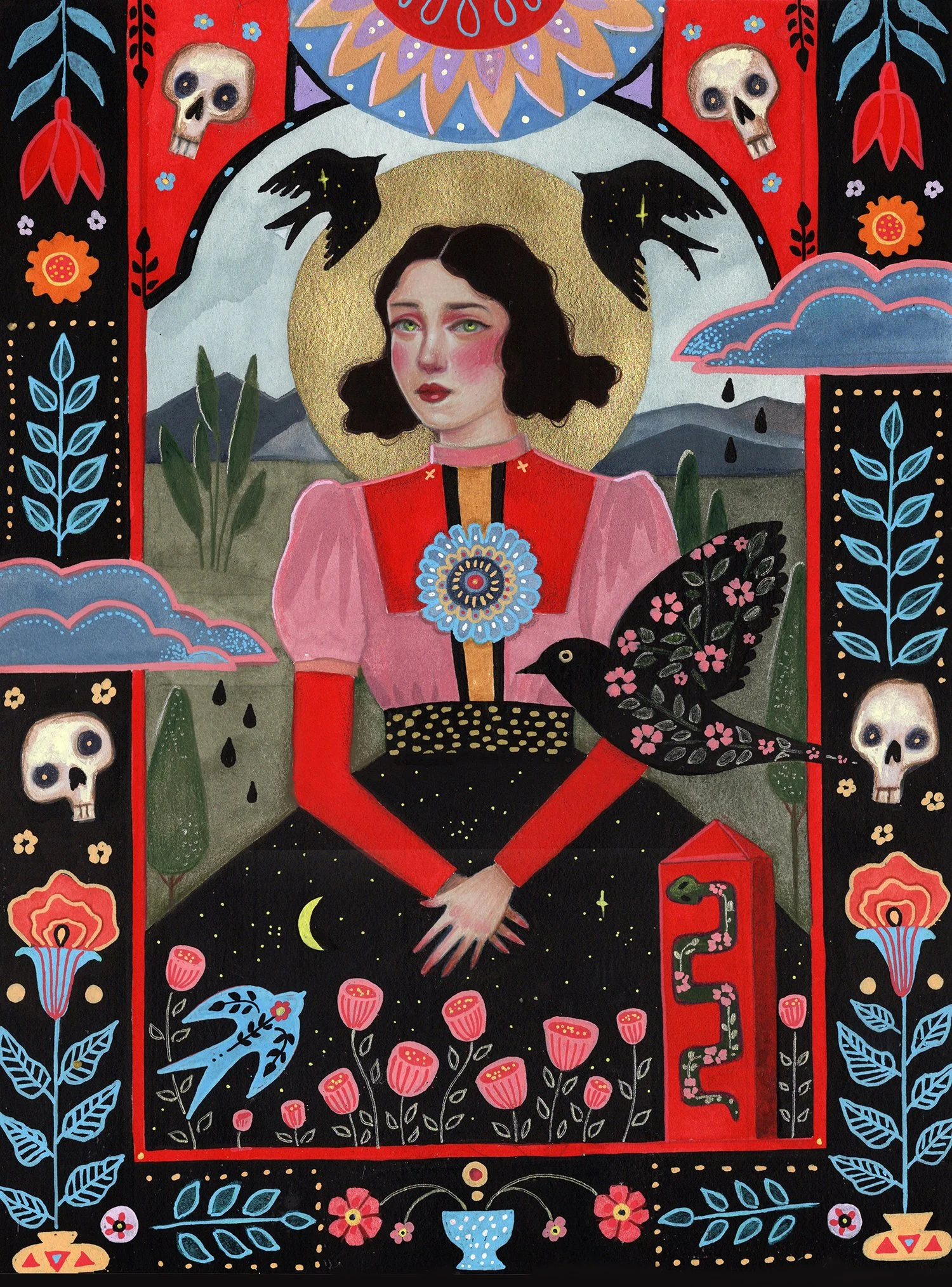


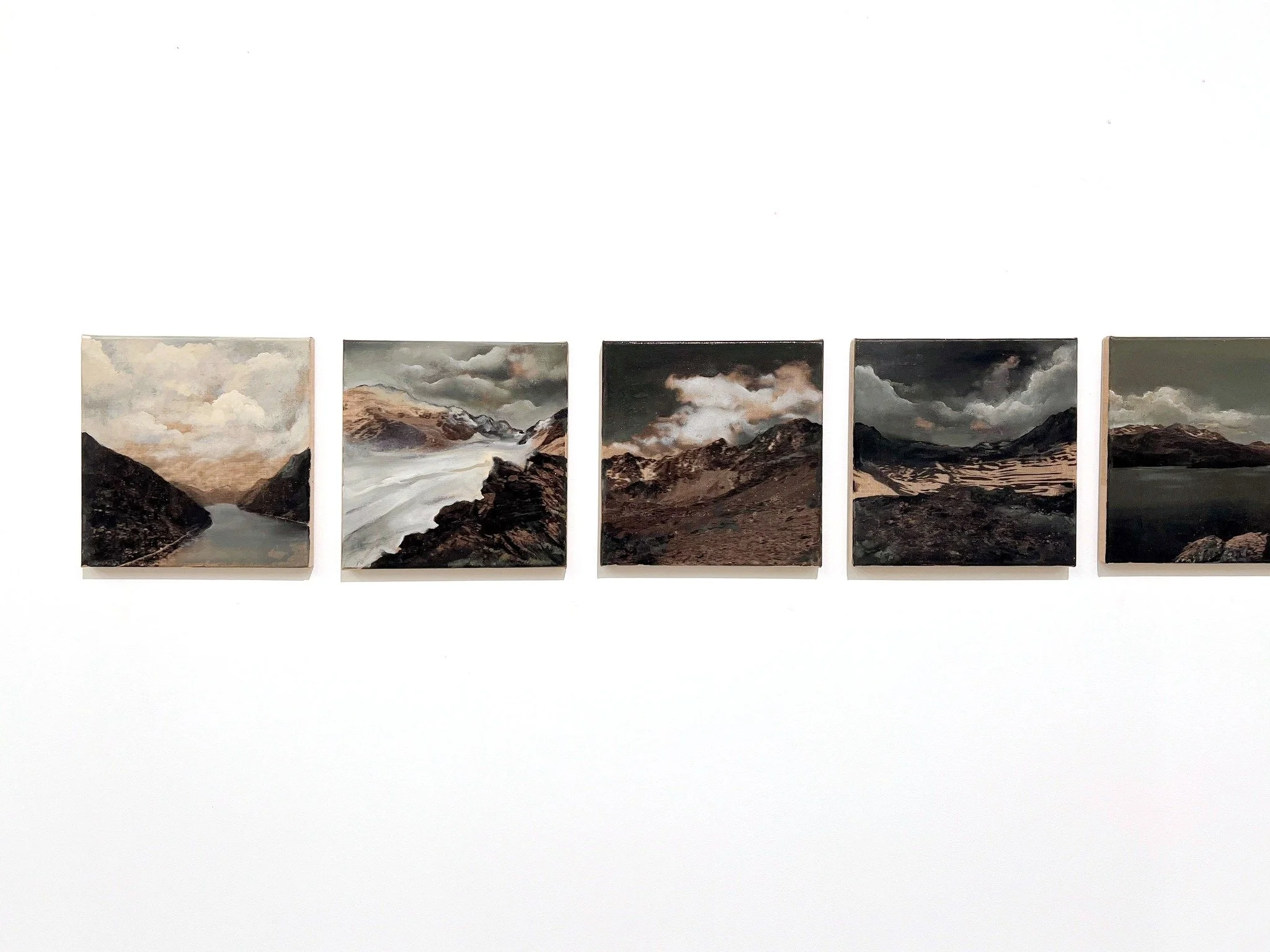
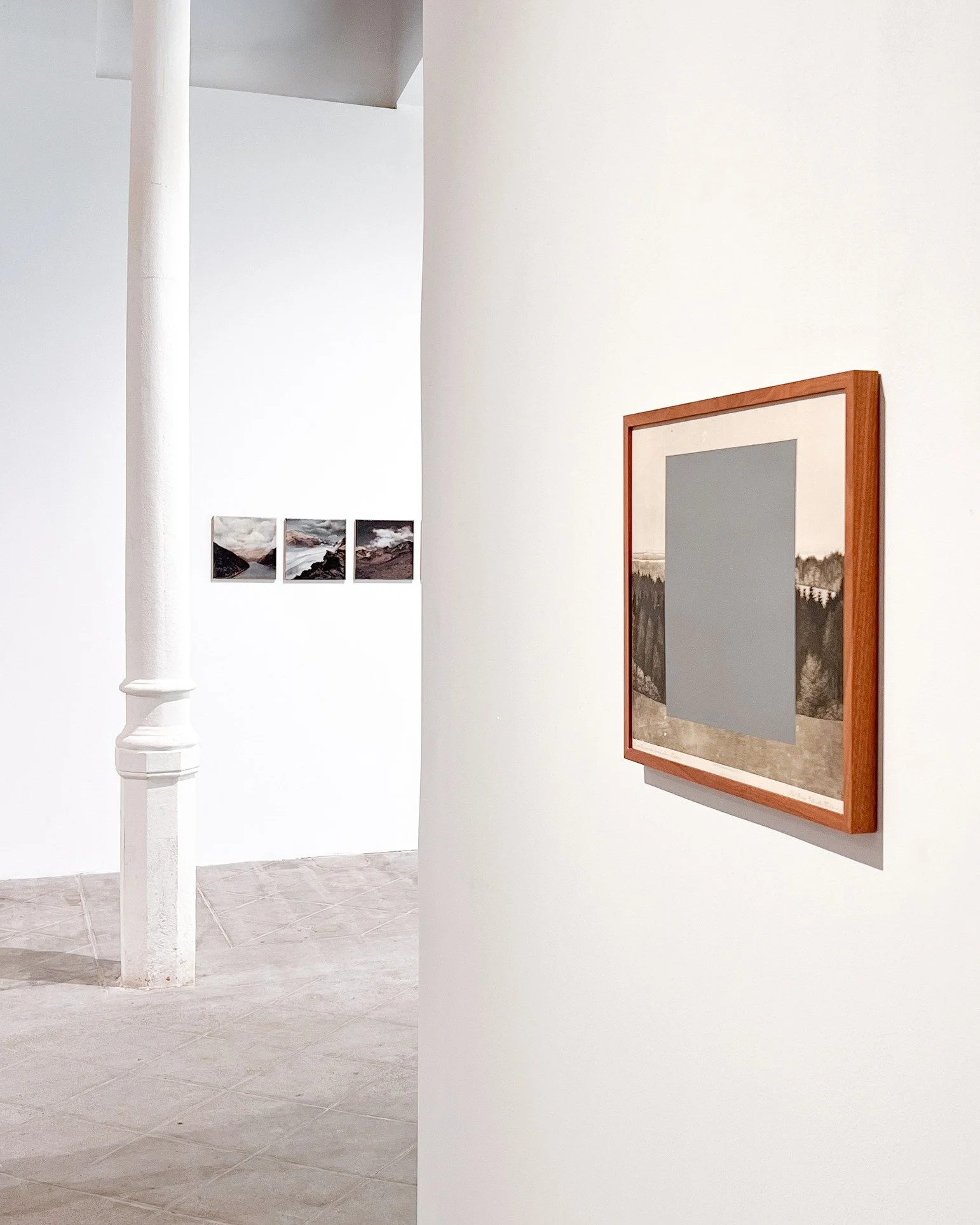
Nataraj von Allmen is a painter based in Switzerland. Often taking photographic material as a starting point, he weaves together landscapes, mythological archetypes, Christian symbolism, and contemporary socio-political themes into complex paintings. Oscillating between figuration and abstraction, his work investigates transformation, collective memory, and the human condition.