
10 Questions with Jingxi Li
Jingxi Li (b. 2003, Chongqing, China) is an artist based in York, UK. A graduate of Edinburgh College of Art, her material-driven practice navigates the space between imagination and intimacy, reflecting on memory, vulnerability, and emotional landscapes. Her Morocco Edition series has been exhibited in the United Kingdom and China. Her recent Love Series continues to be shown across the UK.
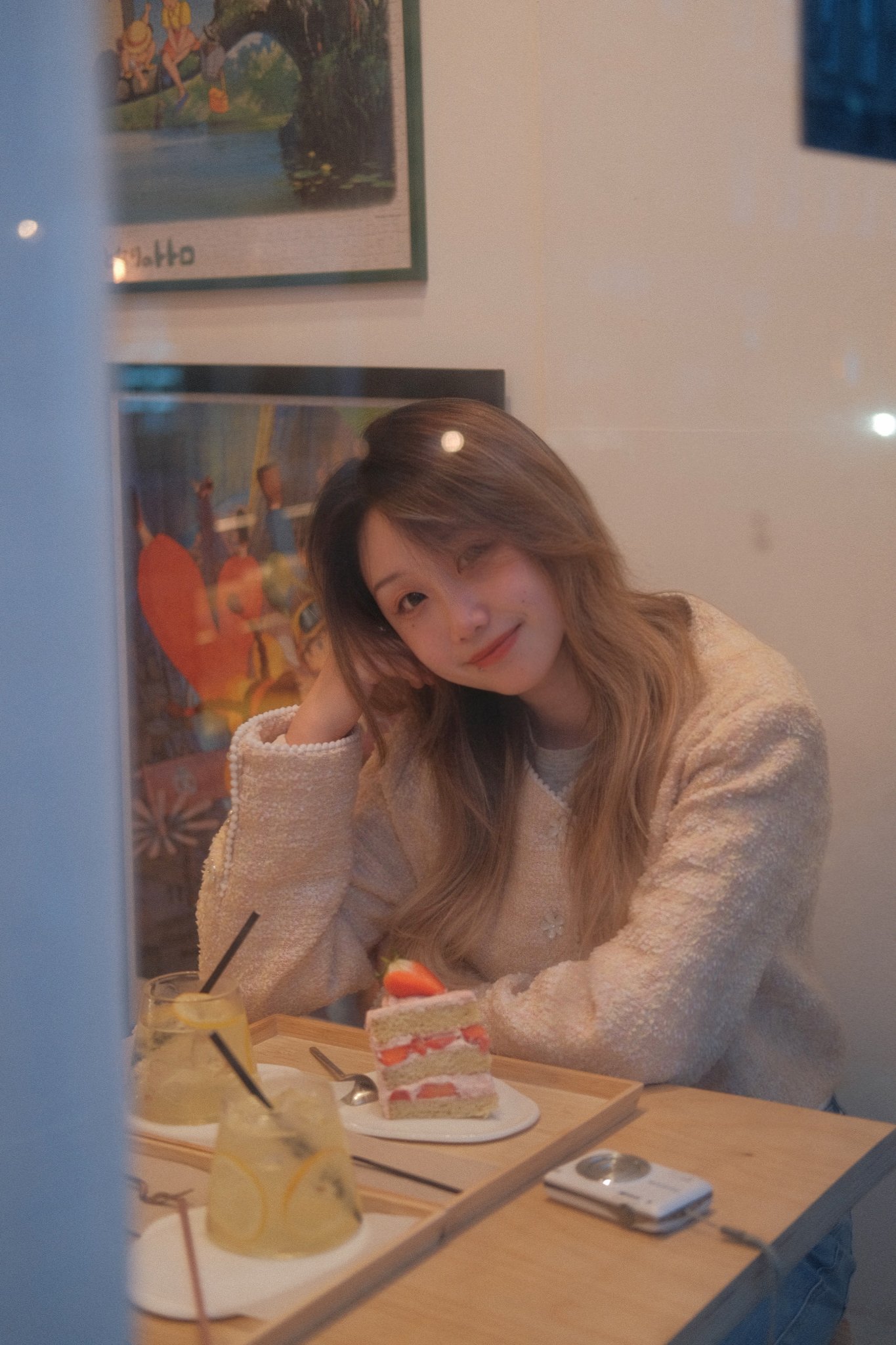
Jingxi Li - Portrait
ARTIST STATEMENT
Jingxi Li’s work explores love not as a fixed emotion, but as a shifting condition that continuously reshapes the self.
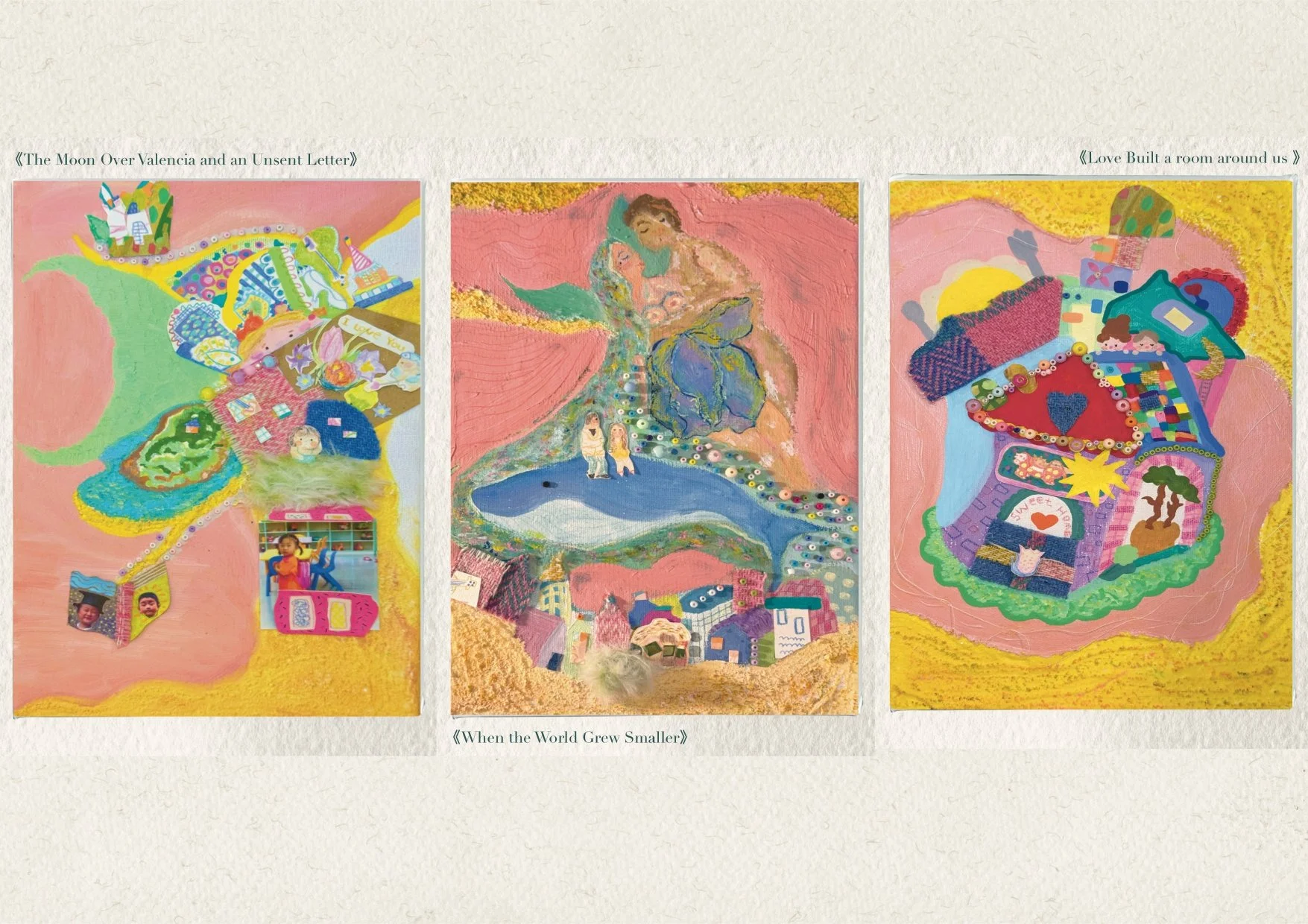
The Moon Over Valencia and an Unsent Letter are rooted in my childhood imagination of love, soft, open, and slightly unrealistic. In these pieces, love appears as a construction, built from fantasy, curiosity, and the desire to be seen. Materials such as beads and yarn remain open, loosely assembled, and slightly unstable, reflecting how love is first imagined before it is fully experienced.
When The World Was Only Us shifts toward the experience of being in love. Here, love becomes more enclosing and inward. The world grows smaller, and the boundaries between self and the other begin to blur. Through wrapping, layering, and dense material surfaces, she examines how closeness can both expand and narrow one’s world. The boundaries between self and other begin to soften; protection and enclosure exist simultaneously. Love becomes a space that feels holding and absorbing, yet quietly transformative.
In the Love Series, she works with beads, yarn, and other pliable materials as extensions of her own emotional language. These materials do not stand as symbols of femininity or fixed identities; instead, they embody her personal posture within intimacy. Collage introduces interruption and temporality. They situate intimate feeling within everyday life, reminding viewers that love unfolds not in isolation, but within passing moments and lived reality.
Rather than defining love, Jingxi Li’s work traces its transformations between fantasy and experience, openness and enclosure, inviting reflection on how intimacy reshapes perception, and how, in loving, one is gradually re-formed.
LOVE © Jingxi Li
INTERVIEW
Can you tell us about your background and how studying at the Edinburgh College of Art influenced your artistic practice?
I was born in Chongqing, a city in southwest China that has always felt layered and slightly surreal to me. I grew up in a family that loves art, in an environment shaped by affection, freedom and a sense of openness. Later, I studied illustration at Edinburgh College of Art. Even now, when technology moves so fast, Edinburgh still feels like a misty, almost magical place. During my time there, life drawing and field trips made me fall in love with working directly on paper and in response to the natural world. I still feel more connected to traditional media than digital tools. And the openness of my tutors gave me the space to explore widely and slowly find where I feel most at home within illustration.
When did you first realise that art could become a way to explore personal emotions and experiences?
I think it started very early, even before I fully understood it. When I was in kindergarten, we were asked to draw a “princess”. Most children drew pink dresses and crowns, but I drew a dark-skinned figure with three ears. My teacher called it a “ monster”, but my mother kept the drawing and hung it in my room. I don’t remember what I was thinking at the time, but looking back, I feel that was one of my first honest drawings, when I was simply expressing something from inside.

Love built a room, Oil, Acrylic, Sand, Beads, yarn, 210x297 mm, 2026 © Jingxi Li
Your work is strongly material-driven. What draws you to materials like beads, yarn, and collage?
I first started bringing materials into my work during my Morocco Edition series last year. What draws me to materials is that they already carry some stories with them, traces of culture, memory, and emotion. When I’m working, I like using my hands directly for spreading sand across the surface or wrapping yarn around the canvas. These gestures make me feel more connected to the work, almost like I’m building a relationship with it. Materials also bring their own presence. They add texture, warmth and a kind of physical depth that goes beyond what can be achieved through image alone.
How do you usually begin a new piece, with an emotion, a memory, or a visual idea?
For me, there isn’t really a fixed way I begin a piece. Sometimes it starts from a memory, a dream or a reaction to something in real life. But in the end, all of these come from an emotional state. Making work is a way of releasing those emotions. I don’t try to control everything at the beginning. I let the process unfold as the feeling develops.

The moon over Valencia, Oil, Acrylic, Sand, beads, 210x297 mm, 2025 © Jingxi Li
Love is a central theme in your work. What interests you most about exploring love as a changing condition rather than a fixed feeling?
What fascinates me most about love is that it is always changing. It’s not something that can be fully held or controlled; it shifts in ways that often feel unpredictable. For me, love is a very intuitive and personal emotion, but also something that constantly reshapes how we feel and how we see the world. The Love Series is still ongoing, and I see it as a way of recording these changes as they happen, rather than trying to define love as one fixed thing.
How does childhood imagination influence works such as The Moon Over Valencia and an Unsent Letter?
When I was younger, I read Sanmao, who once described herself as someone living “on the moon over Valencia”. It’s a phrase that suggests a kind of dreamlike state, when the moonlight is so beautiful that you almost lose your sense of where you are. That image stayed with me. I used to imagine that when love arrived, it would feel like that, like stepping into a soft, distant, almost unreal space, where everything becomes quiet and suspended. Works like The Moon Over Valencia and An Unsent Letter come from that early imagination of love, before it becomes grounded in reality.
Your works often balance softness and vulnerability with enclosure and protection. How do you translate these emotional states into material form?
I think emotional states can be translated through material behaviour and process. Softness and vulnerability are not only qualities of the materials I use, such as yarn and beads, but also of how they are assembled. I often work with loose structures, open forms and elements that feel slightly unstable, allowing the work to hold a sense of fragility rather than resolution. At the same time, enclosure and protection emerge through repetitive actions like wrapping, knotting and layering. As materials build up, they begin to form boundaries, spaces that feel protective and holding, but can also carry a quiet sense of restriction. I’m interested in how the same gesture can hold opposite meanings: wrapping can feel like care, but also containment; gathering can connect, but also entangle.

When the world grew smaller, Oil, Axrylic, Sand, Beads, 210x297 mm, 2025 © Jingxi Li
How have audiences responded to the Love Series when encountering it in exhibitions?
When the Love Series was exhibited in London earlier this year, I had many conversations with viewers about love and their own experiences. People often brought their own stories into the work, which I found really meaningful. In particular, the piece When the World Was Only Us stood out to many viewers; they described it as dreamlike, but also quite intimate, almost like being inside a shared emotional space.
How do the different places you have lived or exhibited in shape your artistic perspective?
I think the different places have shaped my work in quite subtle ways. During my four years in Edinburgh, I was constantly exploring, trying out different forms like comics, picture books, zines and animation. It was a time when I was really searching for what I enjoy and where I feel most comfortable. After graduating, I moved to York, which feels much quieter and more contained. Being there allowed me to slow down and focus on my work. At the same time, many of my exhibitions have taken place in London. It’s a city that always feels full of energy and creativity, and every time I go, I come back with a slightly different perspective.
Lastly, what themes or projects are you hoping to explore next in your practice?
In my next body of work, I want to focus on the idea of vulnerability. I don’t see vulnerability as something negative or something that needs to be hidden in order to appear strong. Instead, I want to look at it more directly, to sit with it, understand it and create work that allows it to exist. This project will be a way for me to have a conversation with my own vulnerability, not to resolve it, but to accept it and embrace it.
Artist’s Talk
Al-Tiba9 Interviews is a promotional platform for artists to articulate their vision and engage them with our diverse readership through a published art dialogue. The artists are interviewed by Mohamed Benhadj, the founder & curator of Al-Tiba9, to highlight their artistic careers and introduce them to the international contemporary art scene across our vast network of museums, galleries, art professionals, art dealers, collectors, and art lovers across the globe.


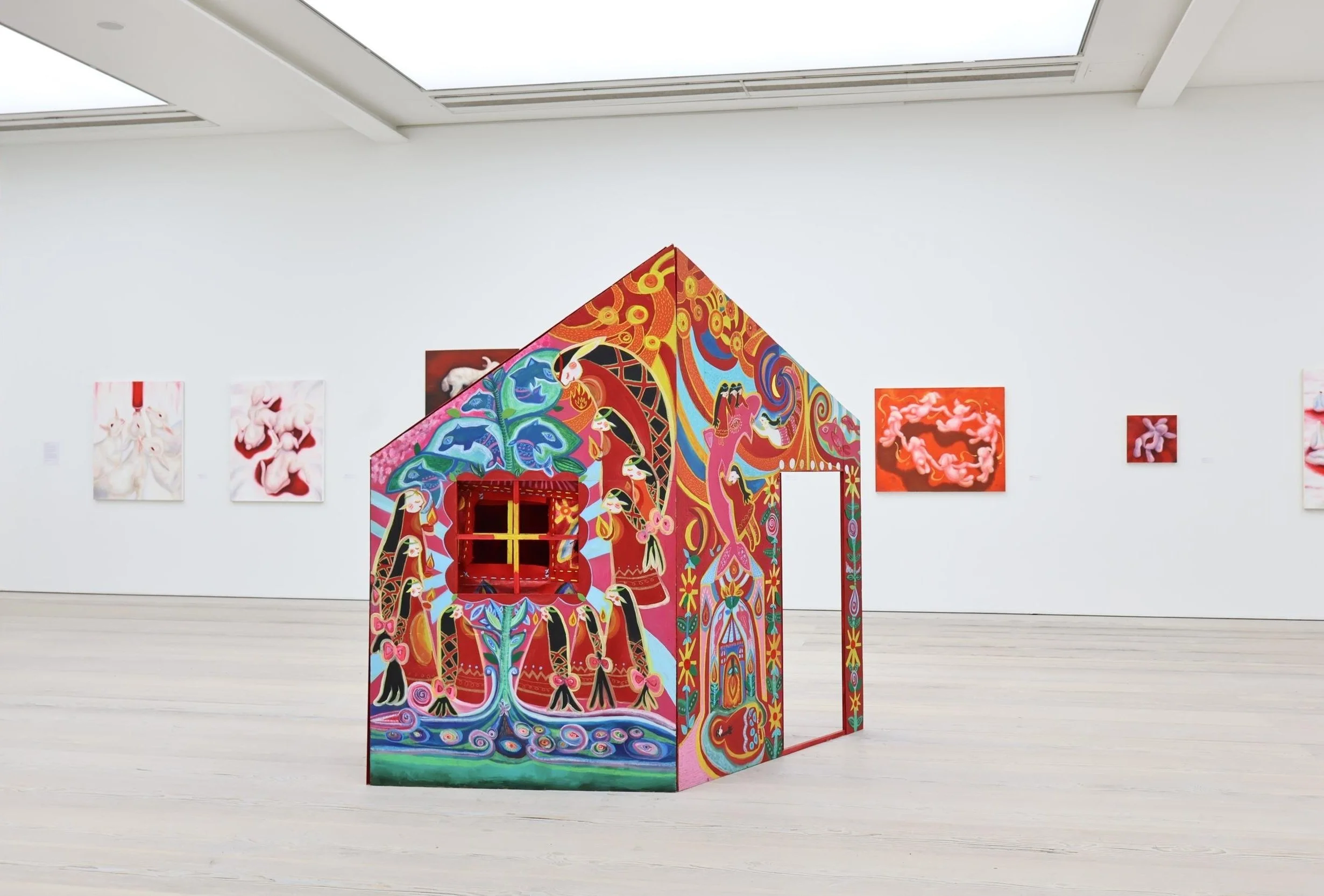


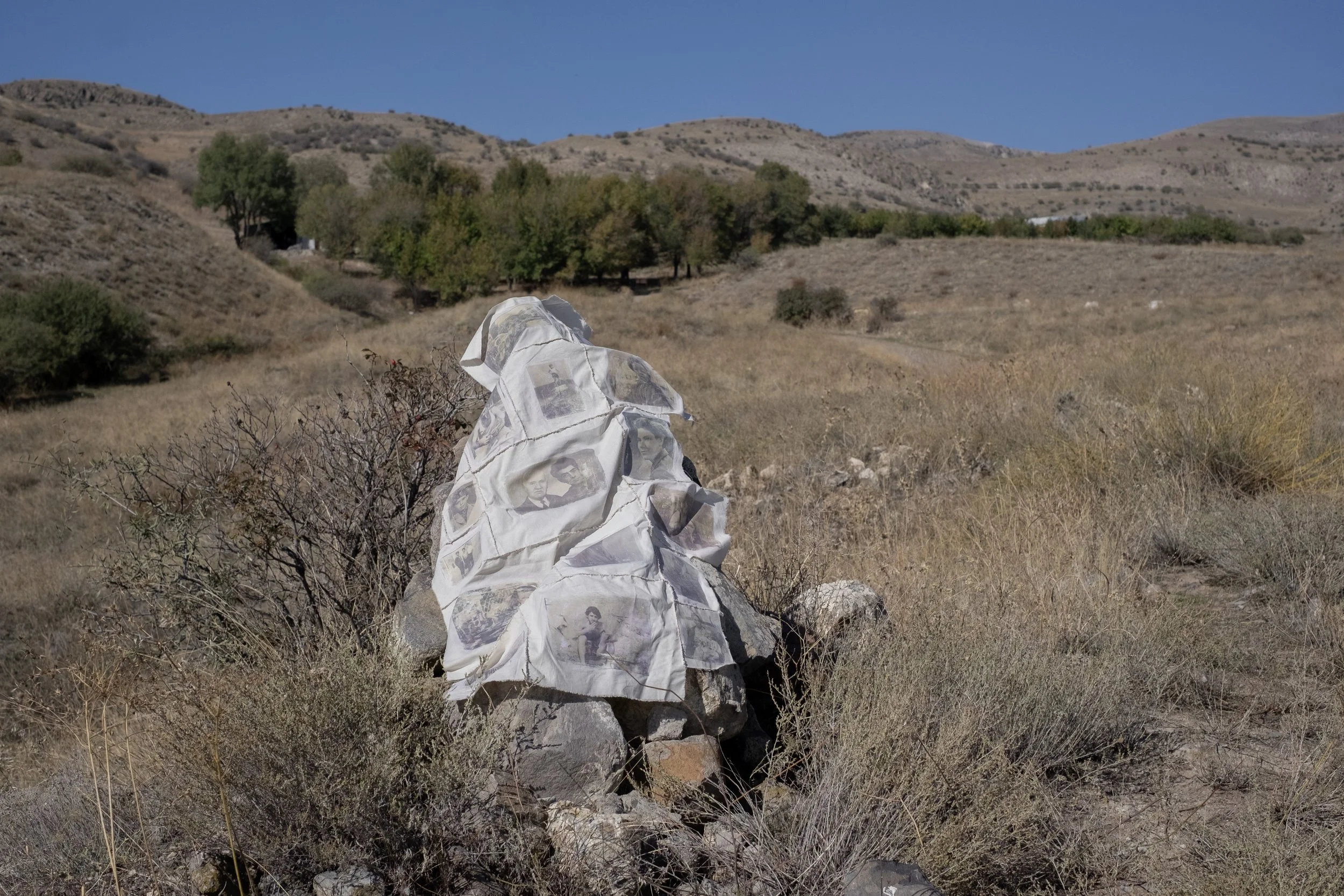

Yuhan Gu is a New York–based industrial designer whose work explores the intersection of function, emotion, and sculptural form. TACTO reflects Gu’s interest in the emotional relationship between people and the objects they keep close in their daily workspace. Designed as a cactus-shaped memo holder, the project transforms a familiar natural form into a playful and functional desktop object.