
10 Questions with Ricardo McHardy
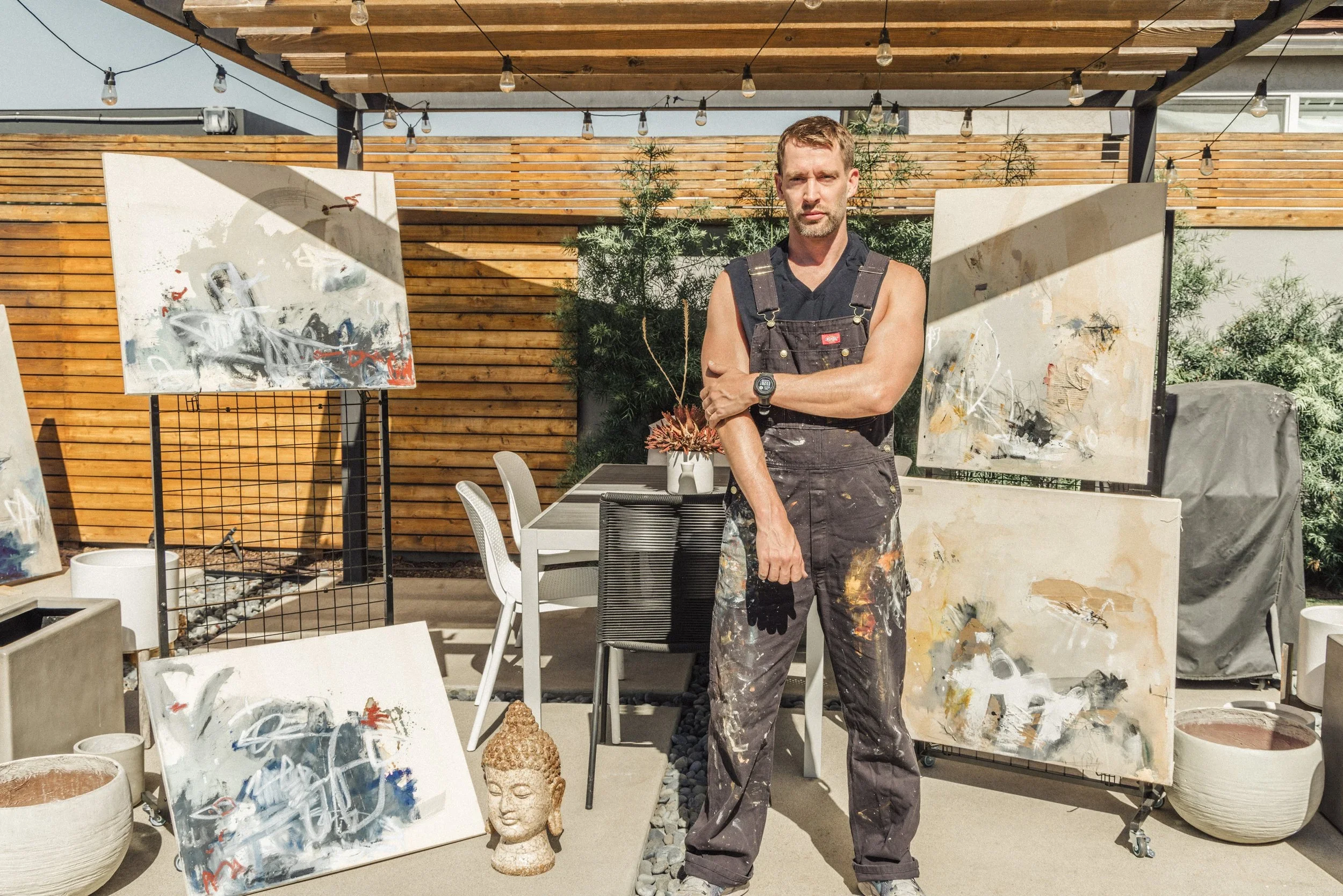
Ricky MacH (b. 1996) is a self-taught expressionist painter born and based in The Bahamas. He has participated in group and solo exhibitions on the island of New Providence. He had his second solo exhibition, “The Butterfly of Imagination Part II”, on July 5th, 2026, at Doongalik Studios Art Gallery. Each of his paintings interprets a particular phase of consciousness, whether it be derived from reality, a dream or anything of that sort. The objective was for him to extract those interpretations and present them accordingly, utilising his brush, finger and knife (BFK) technique. His work has been sold via art gallery, private sale and auction.
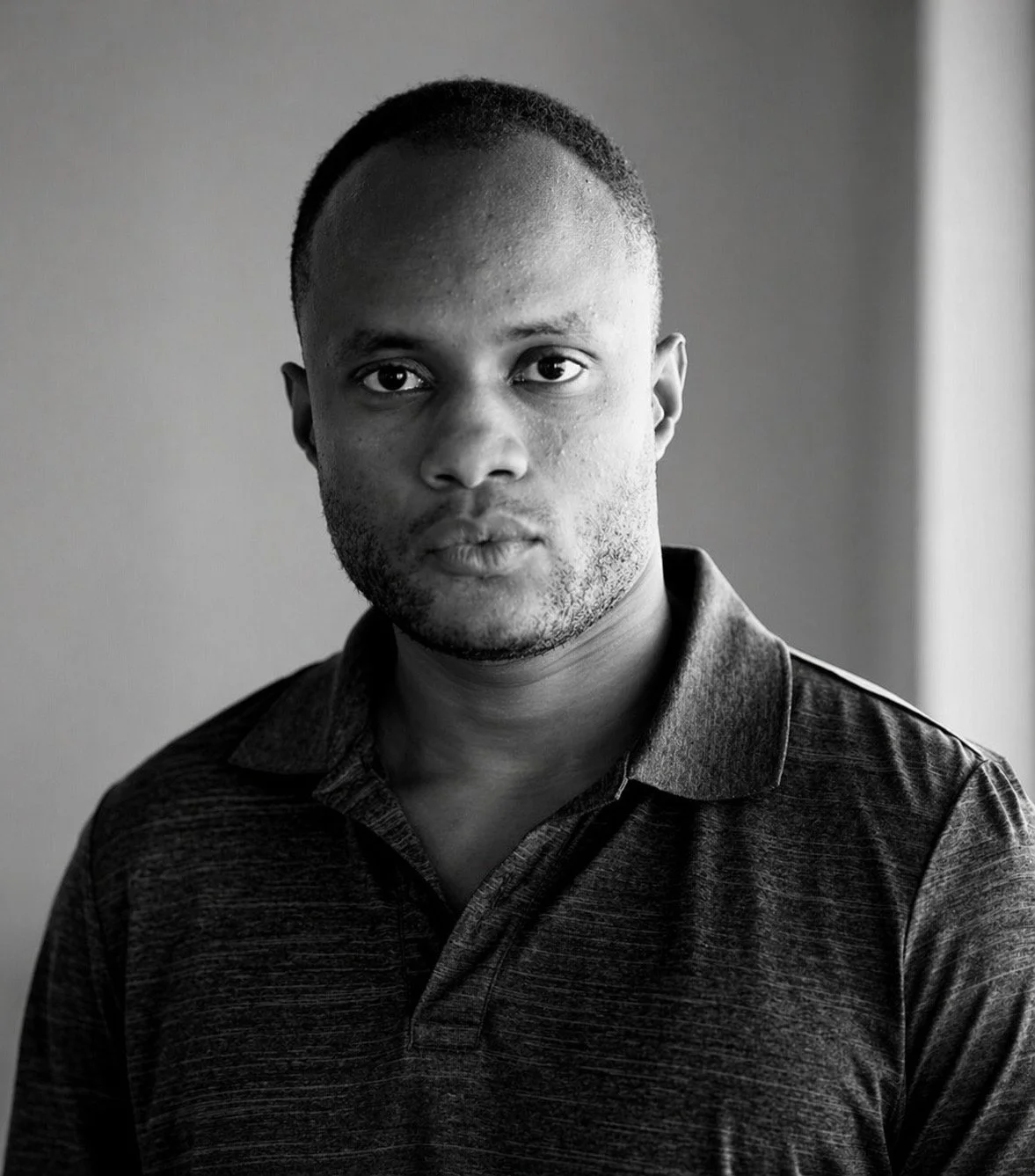
Ricardo McHardy - Portrait
ARTIST STATEMENT
Acknowledging the feelings that exist and the root catalysts of an art piece would be the basis to describe his execution method, at least from an introspective point of view. More so, the creative process involves a lot more than mere feelings; the simple, the complex and the indescribable. But then, what are these anyway? Subconscious comforts; thoughts that are direct results of a response to stimuli and...instinct. Well, perhaps an agreement can be made for instinct being a direct result of feelings, but a feeling in all of its intangible splendour has no merit before something so tangibly demonstrated as an instinct. Therefore, may we conclude that these instincts are at the root of the art, an instinctive form of expressionism.
Let us define instinct as a conglomerate that has built itself into an idea prospect for extraction. In this case, the extraction has already happened. But, as this is all being written in retrospect of his works, we must look back upon the infantile to gain a greater appreciation for the gorilla. And perhaps it is within that infantilism that allows the mind to offer a space for such instinct. Now, a little more about the gorilla as it is. This here gorilla; encompassing feeling, mood, all of the subconscious and the conscious that lurk, float and flutter. Yes, those. Those that tread in your head and in mine, too. What are they? Where did they come from, and what shall be done with them? Who put them there, and why should they have significance at all, given that their significance has already been granted internally? Sentimental sentience is all it is. Or to expound, the attempt to mimic, record and archive the interpretations of sentience. There are instances when they carry no label to connect them to their ambiguity. And that itself can be a nice little adventure to ponder upon, or better yet, something to ponder within. And within that realisation of pondering, that may well have been the intent of the entire artistic execution. And now here they all are, in acrylic form upon canvas.
Each painting interprets a particular phase of consciousness, whether it be derived from reality, a dream or anything of that sort. The objective was to extract those interpretations and present them accordingly, utilising his brush, finger and knife (BFK) technique. The entities depicted in each act as focal points within their environments, assuming roles that may or may not hold merit, purpose or resolve. This then grants each painting the visual objectivity that it intends to exhibit, allowing each viewer to subject their own consciousness within, a mirror, if you will.
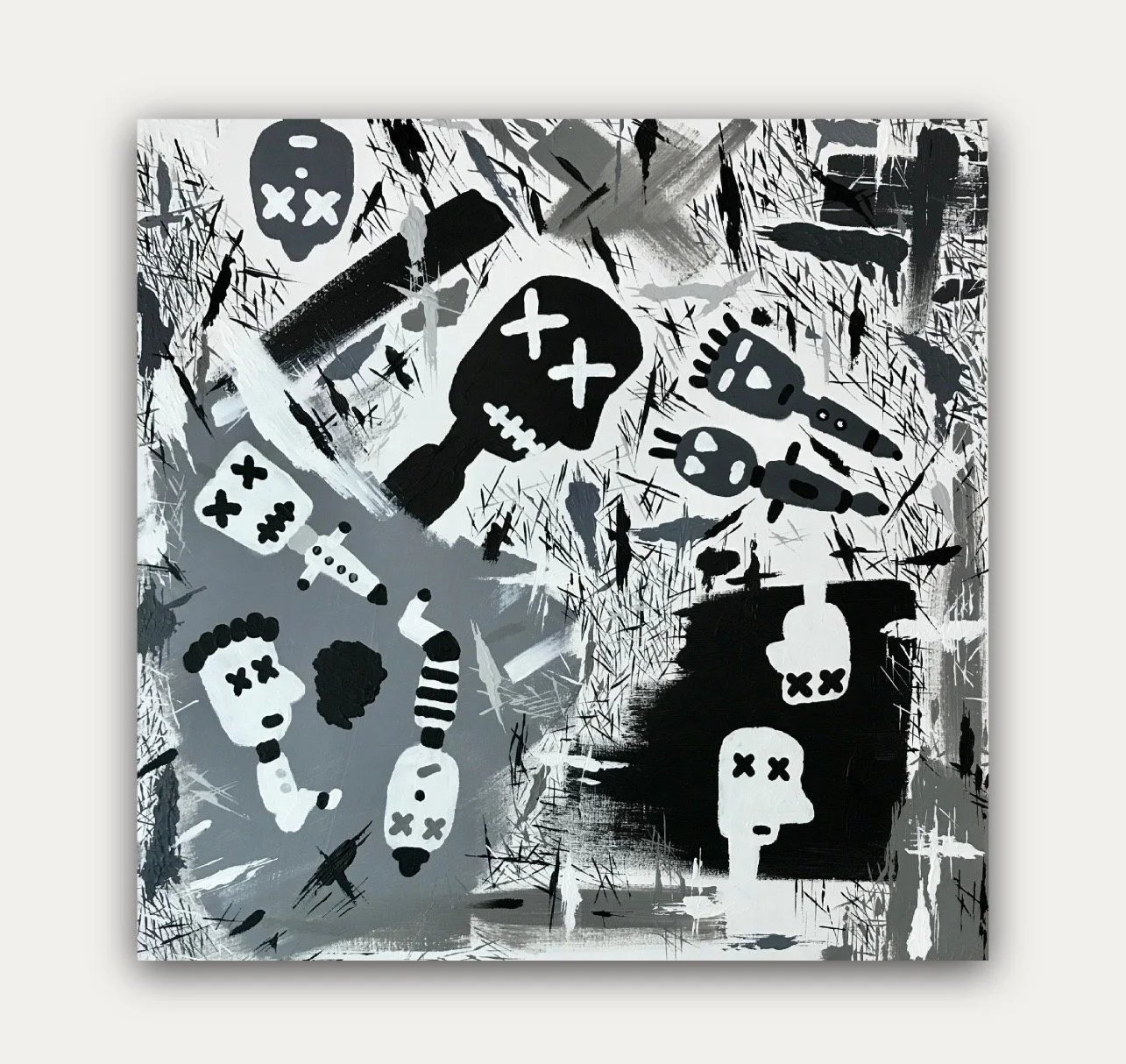
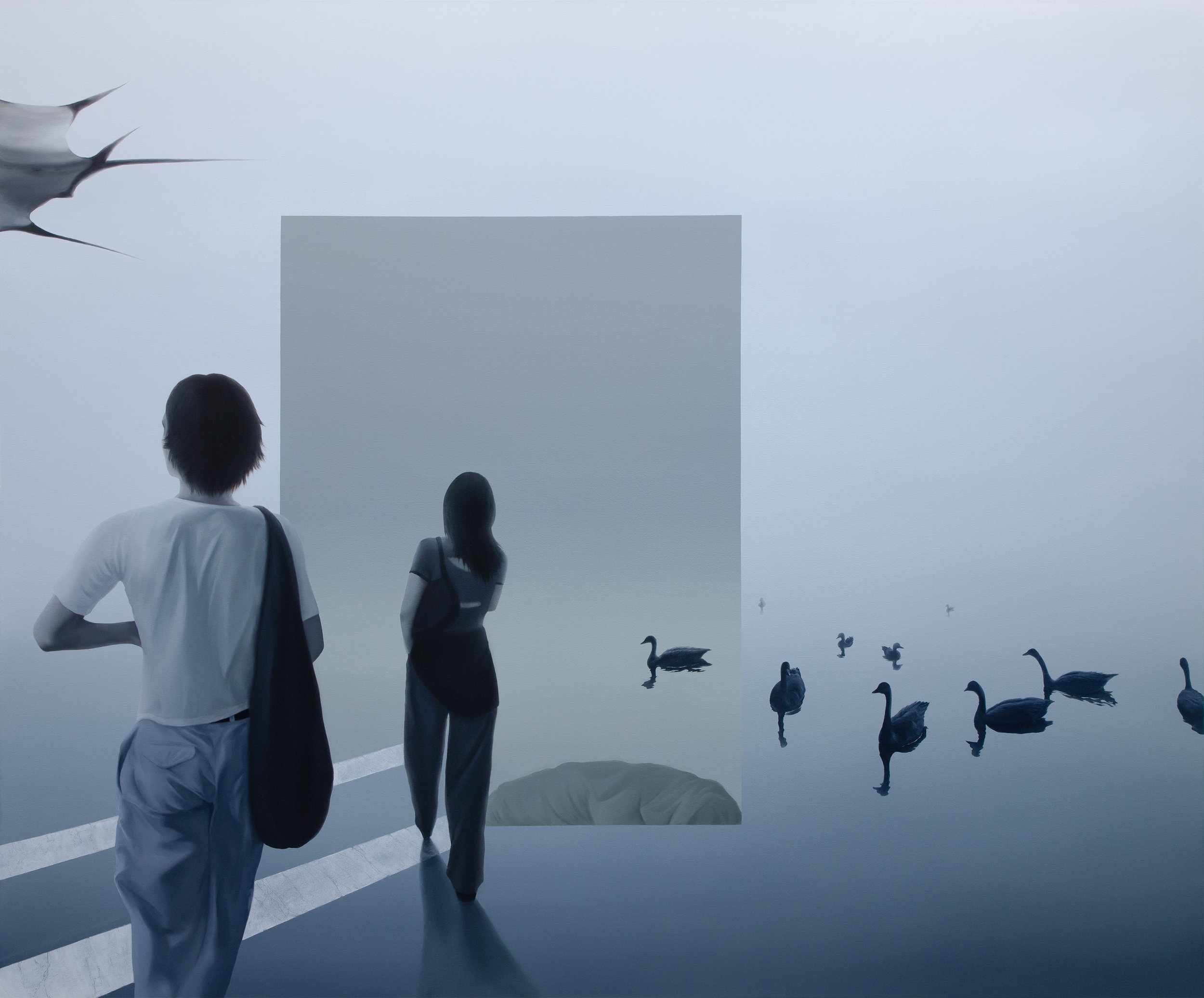
Greyscale, Acrylic On Canvas, 36x36 in, 2022 © Ricardo McHardy
INTERVIEW
You are a self-taught artist from The Bahamas. How did your journey into painting begin, and what inspired you to pursue art?
Art has always been apart of my life. Everyone including immediate family members and friends knew it growing up so it was not a secret nor a surprise. I’m grateful that I had parents and an overall community that nurtured me as an artist. My initial discipline was sketch. It was not until my deceased uncle (Deon McHardy) had opened an airbrush and carving shop for his Junkanoo work that I was immersed within the world of painting. I was sixteen years old during those initial days. What I would do was take the bus to his shop after school, spend about a half an hour there and then on weekends I would spend the full day. As I became more aware of the painting discipline, I began to do my own research on painters from the 20th century. I didn’t know much about those guys until then and I don’t want to name drop to concentrate attention on a few when their are more but after I had studied their work and the intent behind it, I began to reject the artistic merit in sketching. I had concluded that paint and canvases as opposed to paper and charcoal or graphite would be a better medium to use for the sake of getting a particular point of view across, just as the forefathers of the 20th century had done.
How has growing up and living in The Bahamas influenced your artistic vision, themes, or the way you approach creativity?
The Bahamas is a country loaded with colour. From the colourful people having a lot of personality to the environments that we inhabit and the flora that accentuate them. Then you have the annual rituals within the Junkanoo community which alway wield a kaleidoscope of theme and colour. With that being said, the ‘colourful culture’ of my country has been one of the influences within my work.
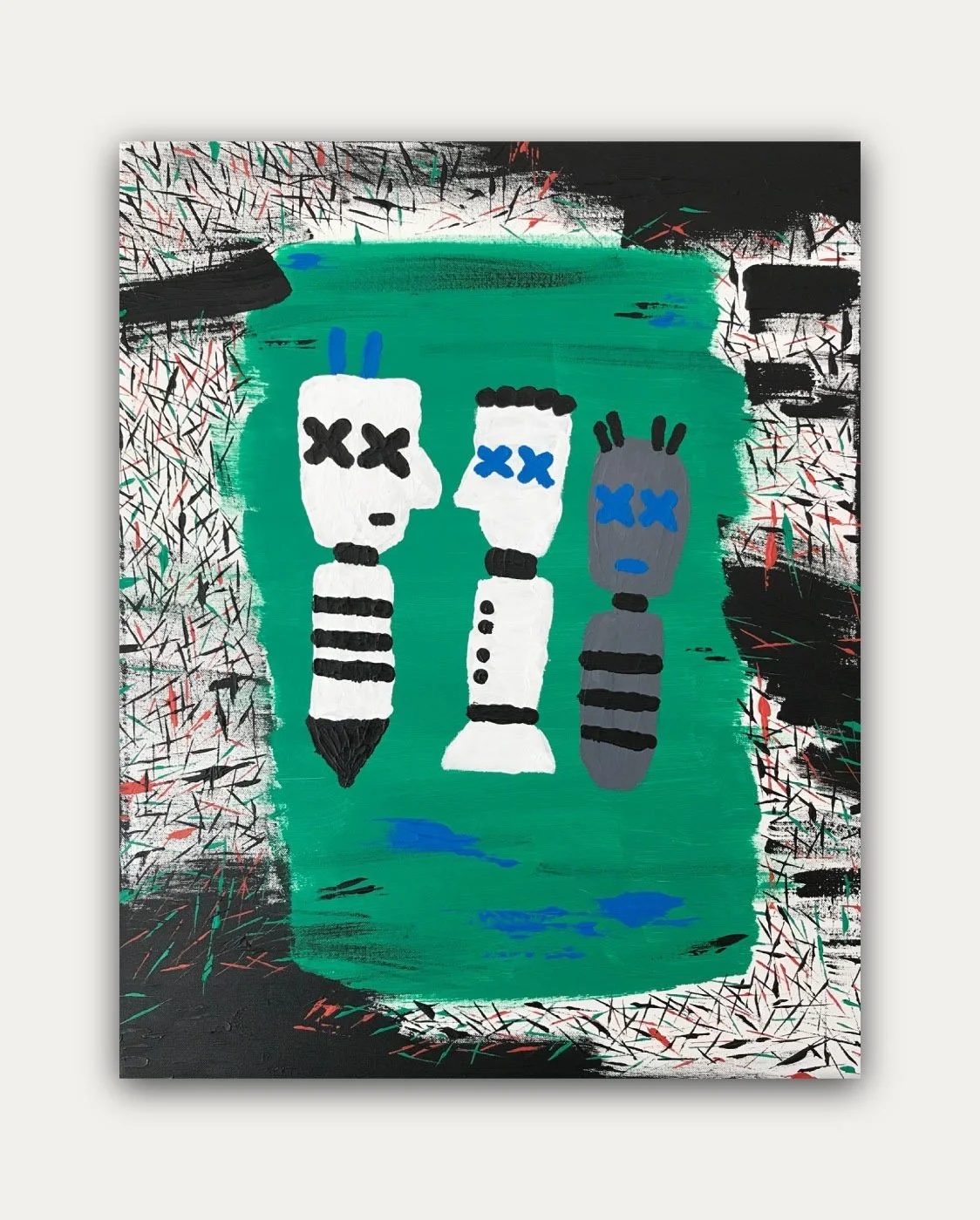
All Grown Up, Acrylic On Canvas, 24x30 in, 2022 © Ricardo McHardy
Your works explore different phases of consciousness, including dreams, reality, and instinct. What usually sparks the ideas behind your paintings?
Each of my paintings follow a theme. These themes are derived from me being able to extract what I deem has merit for interpretation within my brain. I aim to never force a theme. For if that is done, then it may be reflected within my work. I donot want that, unless that is the underlying objective. Instead, I allow the theme to build itself based on the interpretation of the intangible. Sometimes, there is no need to build the theme because it presents itself within my brain so vividly that I have to act quickly to capitalise upon it.
Can you tell us more about your “BFK” technique (brush, finger, and knife)? How did this way of working develop, and what does it allow you to express?
The BFK technique is a method that I began to explore within my initial goings of becoming a painter. When I was developing a means to interpret my themes, I had concluded that it would be suitable to utilise more than one tool to apply the paint to the canvas. The brush came first, then came the finger. The final of the three was the knife - which was added because the outcome of attempting to use a paintbrush as you would a knife was unsuccessful. These three tools allow the canvas to hold the paint in various degrees of strength and delicacy. That in itself adds more to the depth of the expression of the themes within.
Your paintings often depict figures or entities within imagined environments. How do you decide what forms, characters, or elements appear in each composition?
Each of my paintings make an attempt to grasp an individual theme within my overall expressionist concept. For example, “Embryo” was a painting that formed within the middle of me completing another painting. I had to pivot to begin “Embryo” and leave the other one for completion at a later date because the momentum that the idea of the “Embryo” painting had had to be extracted from my mind immediately. Since I had already established the concept, I knew that the rapid brush strokes of red and green would come first. Then the black would tie those two colours together. Then my finger would carry the white paint - bringing to life the actual embryo figure. Finally, I would top it all off with my knife - adding methodical white strokes within the black region as accompaniments to the embryo figure. I then finished it off with the large yellow badge and the other black badges that it has. I had to work quickly because as these themes administer themselves within my mind, I have to act accordingly or else they will fade away forever. It’s really sad when that happens. I’ve lost some really cool themes because of this. That’s why I had to stop one painting and begin the “Embryo” painting. I’ve learned to respect these themes as they occur and make detailed notes in their regard. Extracting them can be seen as trying to catch a butterfly. Anyone who’s tried to catch a butterfly as a child or as an adult knows that it’s no small task. When it’s done, the accomplishment comes with such joy. Let’s just say that I have caught the butterfly, hence the name behind my first two solo exhibitions.
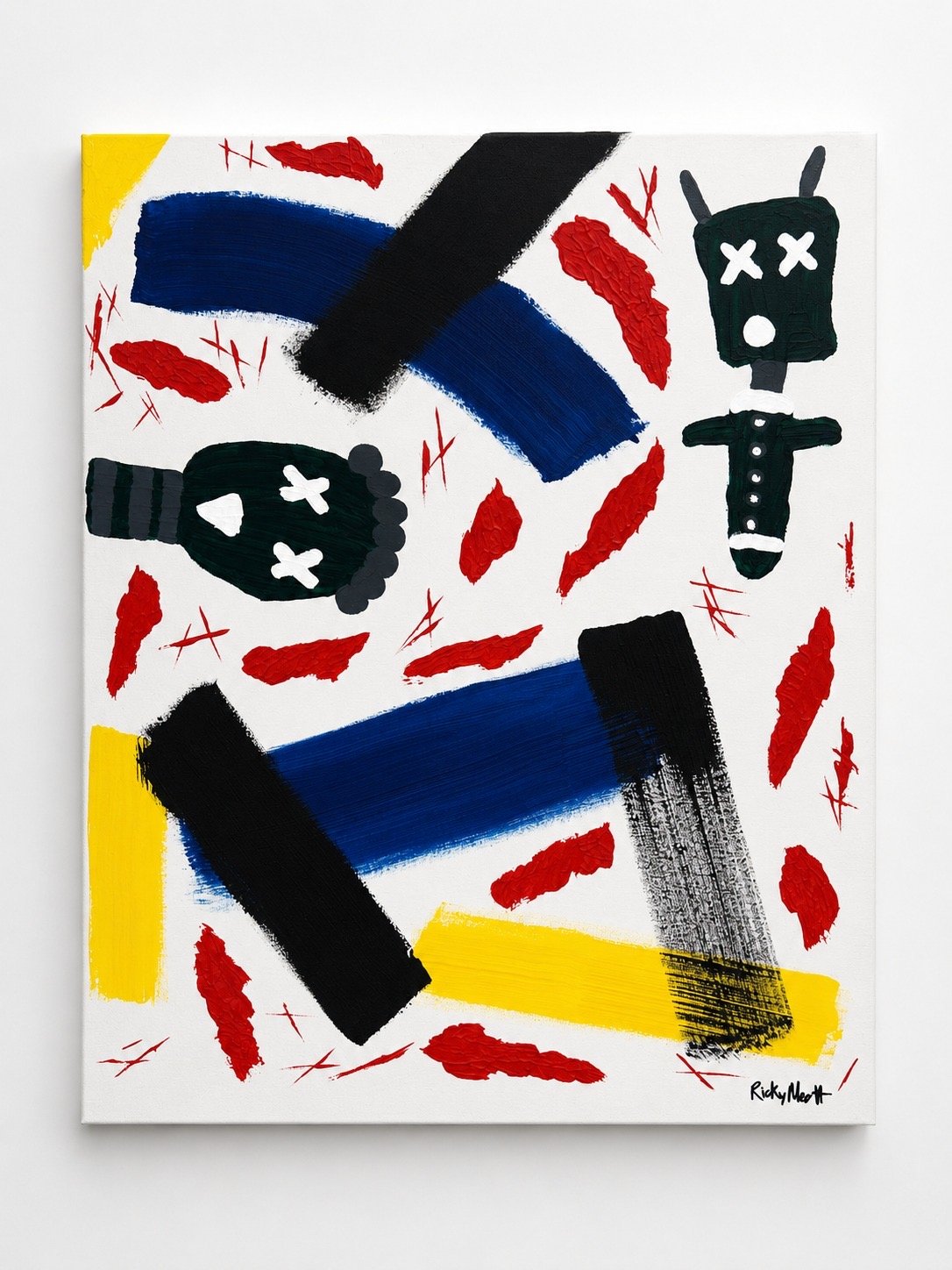
Innocence, Acrylic On Canvas, 24x30 in, 2022 © Ricardo McHardy

The Wayward Four, Acrylic On Canvas, 24x30 in, 2022 © Ricardo McHardy
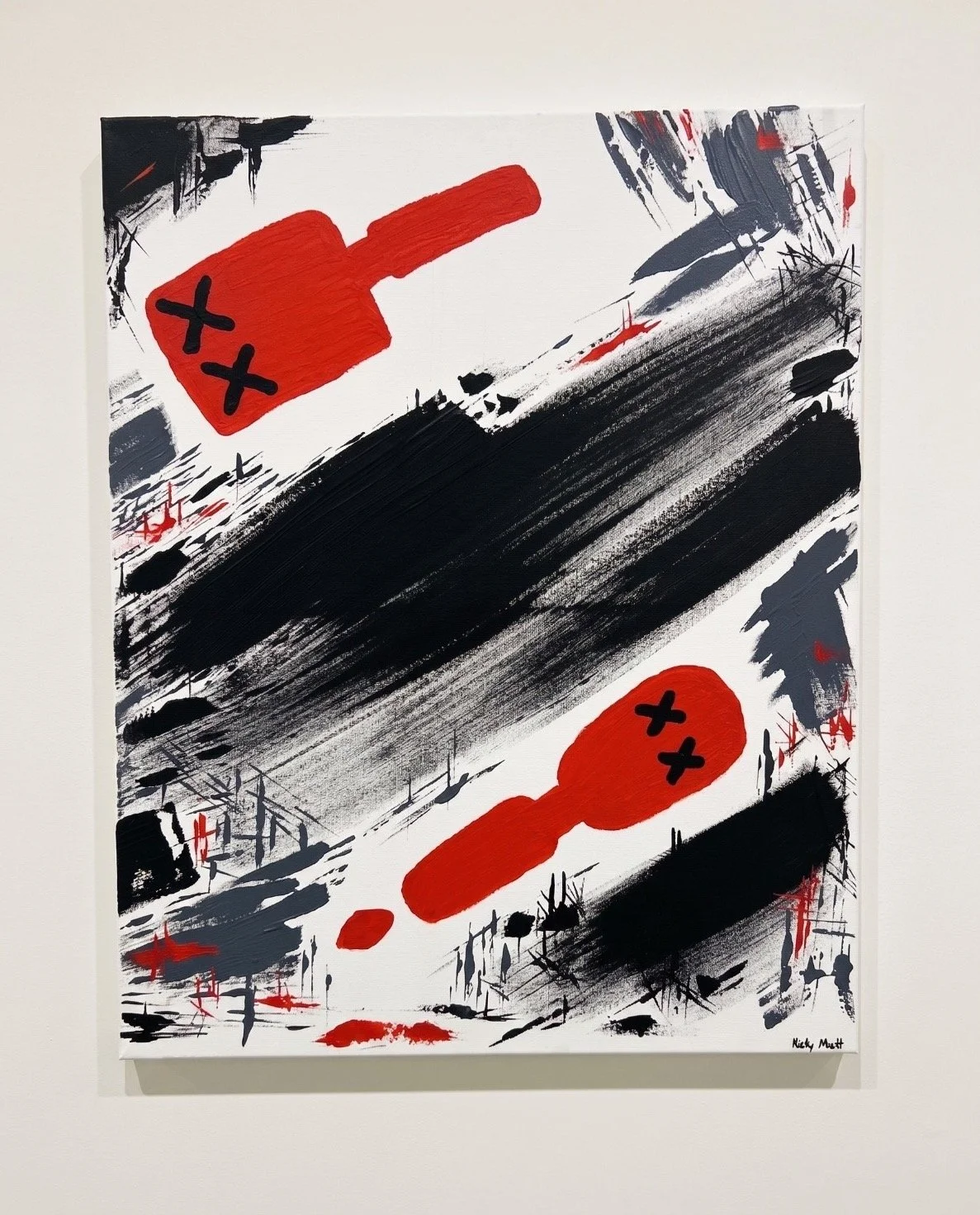
Parallel Rebels, Acrylic On Canvas, 24x30 in, 2022 © Ricardo McHardy
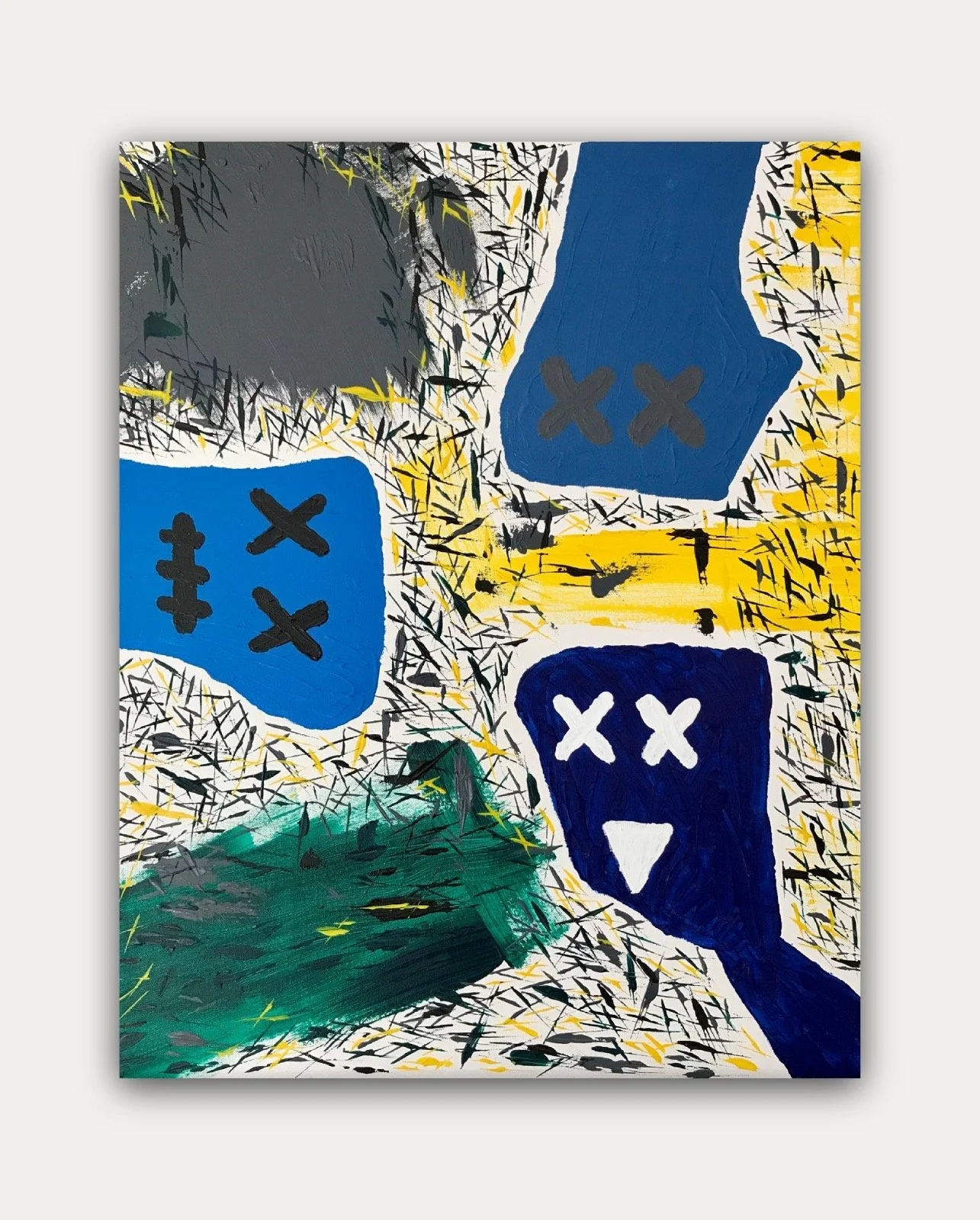
Three..., Not of A Kind, Acrylic On Canvas, 24x30 in, 2022 © Ricardo McHardy
You describe your work as an attempt to “mimic, record and archive the interpretations of sentience.” What role do emotions and subconscious experiences play in your creative process?
The role that the emotional and subconscious play are very much substantial. As an artist, it is paramount that I pay attention, that I observe. This is not only in reference to my various external environments but also towards my internal environment. I take time and effort to nurture my internal environment so that being and staying aware of what encompasses the emotional and the subconscious comes easily. That way, I can easily summon the bandwidth that is necessary to extract these interpretations.
Your recent solo exhibition, The Butterfly of Imagination Part II, continued your exploration of consciousness and imagination. What ideas or experiences shaped this body of work?
Interpreting consciousness is the main objective within these works, whereas I allow the painting to be an interpretation of something tangible, intangible or perhaps both in some proportion. As I gather more fodder from multiple areas of my life’s past and present, I am able to reach into those pockets of recollection for the sake of my work.
When viewers encounter your paintings, what kind of experience or reflection do you hope they take away from them?
First and foremost, I want my paintings to reflect what we attempt to explain but may not have the fodder that is necessary to make a detailed explanation. There’s a connective tissue within the sentience of humankind that many of us can relate to, something that we can all resonate with ubiquitously - sort of like a wave of energy or a frequency. Therefore, may my work be a medium for presenting, interpreting and making an attempt to understand this frequency.

Pinky, Acrylic On Canvas, 24x30in, 2022 © Ricardo McHard
As your practice continues to evolve, are there new mediums, techniques, or themes you would like to explore in the future?
Currently, I don’t see any new mediums or techniques within my future. However, I have only begun to “peel the banana” in regard to themes or suites of themes within my expressionist concept. I have made a conscious habit to document the details of these themes as they appear within my brain - whether the initial theme was rudimentary or a full blown rose. It is these themes and the matter within that I aim to extract and present. Thus far, my technique and medium have done them justice.
Lastly, looking ahead, what are some of your goals or aspirations as an artist, both within The Bahamas and internationally?
Well, I am grateful to be embraced by the local art community. Let’s acknowledge that I have just begun showing my work in within last year’s July and have had favourable results. Everyone within the art community has a lot of creativity and fair attitudes toward what art can be and by whom. This is very good. I should mention that as of date, I currently have two exhibitions on the island simultaneously: my second solo exhibition at the historic Doongalik Studios Art Gallery and I’m participating in a group exhibition at the Wine Bar Gallery within the new cruise port. I think that’s pretty cool for a daisy fresh rookie. With all of this being said, continuing to be embraced by the local art scene and getting new perspectives on my work by new viewers upon the island of New Providence will continue to be a goal that I aim to reach. As of international pursuits, I’ll put it simply: if my work has merit, which I believe it does, I would wish for my work to be alongside where all of the other works that have merit are. Of course, this will take time but it would indeed be an honour to have my own work indexed / included within the global contemporary art zeitgeist.
Artist’s Talk
Al-Tiba9 Interviews is a promotional platform for artists to articulate their vision and engage them with our diverse readership through a published art dialogue. The artists are interviewed by Mr. Mohamed Benhadj, the founder & curator of Al-Tiba9 Contemporary, to highlight their artistic careers and introduce them to the international contemporary art scene across our vast network of museums, galleries, art professionals, art dealers, collectors, and art lovers across the globe.