
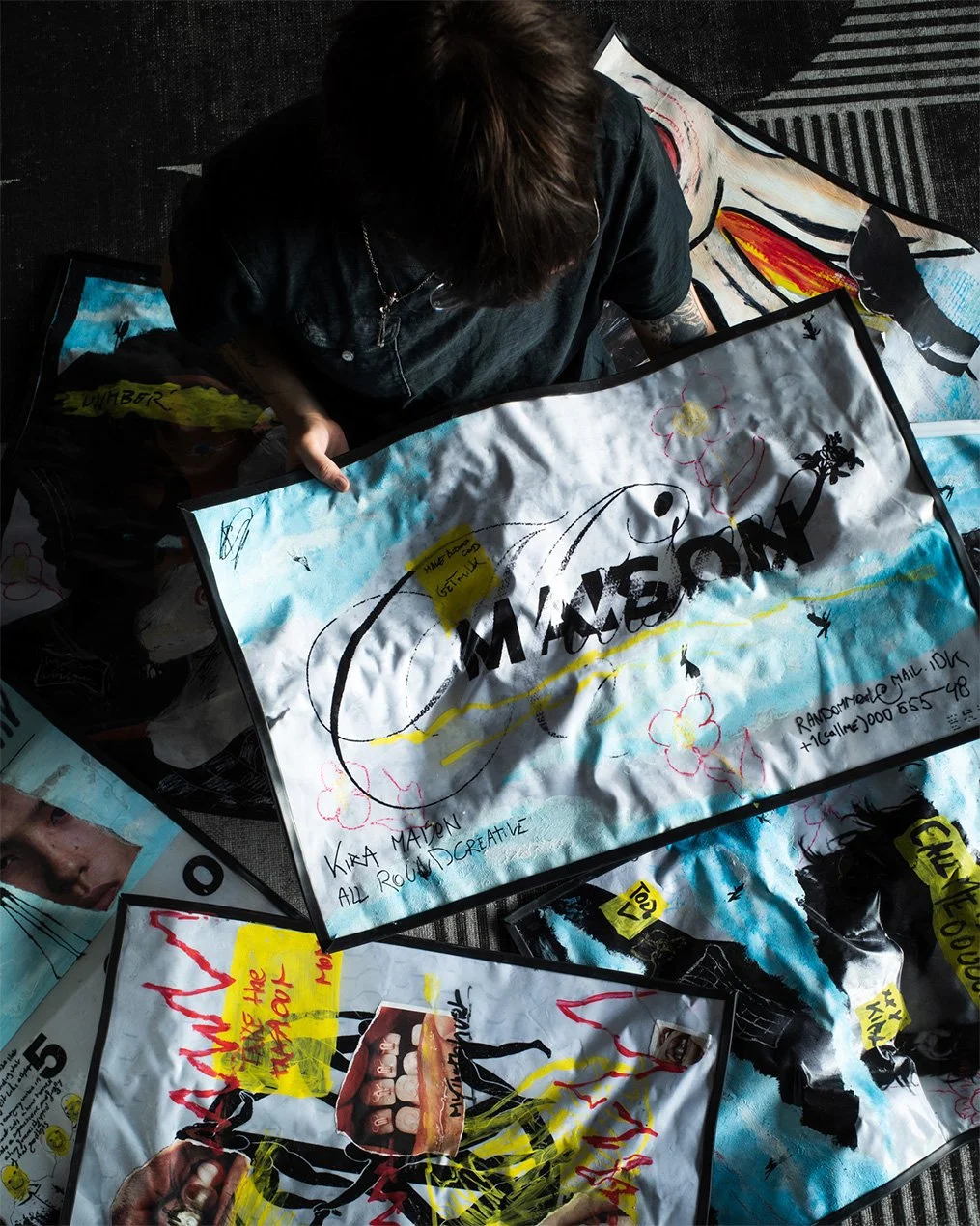
10 Questions with Maison Kira
Maison Kira is a visual artist and designer driven by curiosity, experimentation, and exploration. For him, creativity is not a fixed path but a dynamic journey, one that thrives on versatility and the joy of discovering new perspectives.
He earned his Master’s degree in Visual Arts at Luca School of Arts, where he first uncovered the excitement of pushing artistic boundaries and crossing disciplines. That experience sparked in him a lifelong fascination with how art can evolve when ideas, techniques, and mediums intersect.
Maison Kira’s practice spans a wide spectrum, from 3D and clothing design to painting, graphic work, and beyond. In his graphic work, he focuses on the fundamentals of visual language: he uses shape to build rhythm and structure, colour to evoke mood and emotion, and layout to create clarity and flow. By weaving in typography and texture, he aims to construct visual narratives that are both engaging and communicative, inviting the viewer to linger and explore.
What excites Maison Kira most is the freedom to move fluidly between mediums and methods. He sees no need to confine himself to a single approach. Instead, he embraces the challenge of weaving together diverse elements, materials, ideas, and techniques into something unexpected, fresh, and uniquely his own.
At the heart of Maison Kira’s work lies curiosity: a desire to explore how concepts, textures, and forms can transform, communicate, and connect. Whether he is designing a wearable piece, shaping a sculptural object, or crafting a visual composition, he approaches each project as an open field of possibility, a chance to test, question, and create anew.
To Maison Kira, art and design are not destinations but a continuous cycle of learning, experimenting, and evolving. Each project deepens his creative language, and each exploration sparks the next. His journey is ongoing, and he remains committed to discovering new ways of expressing, shaping, and sharing the boundless potential of creativity.
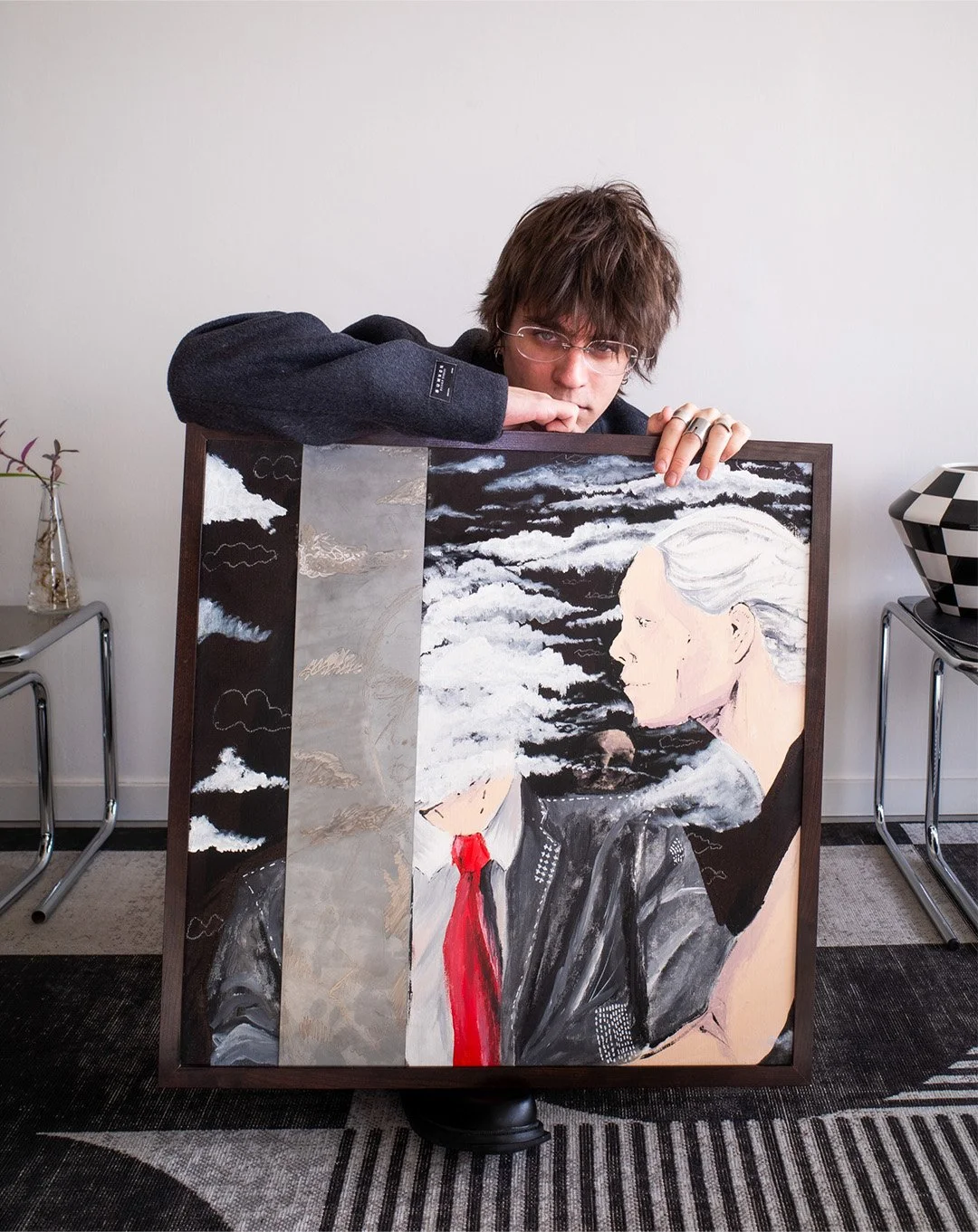
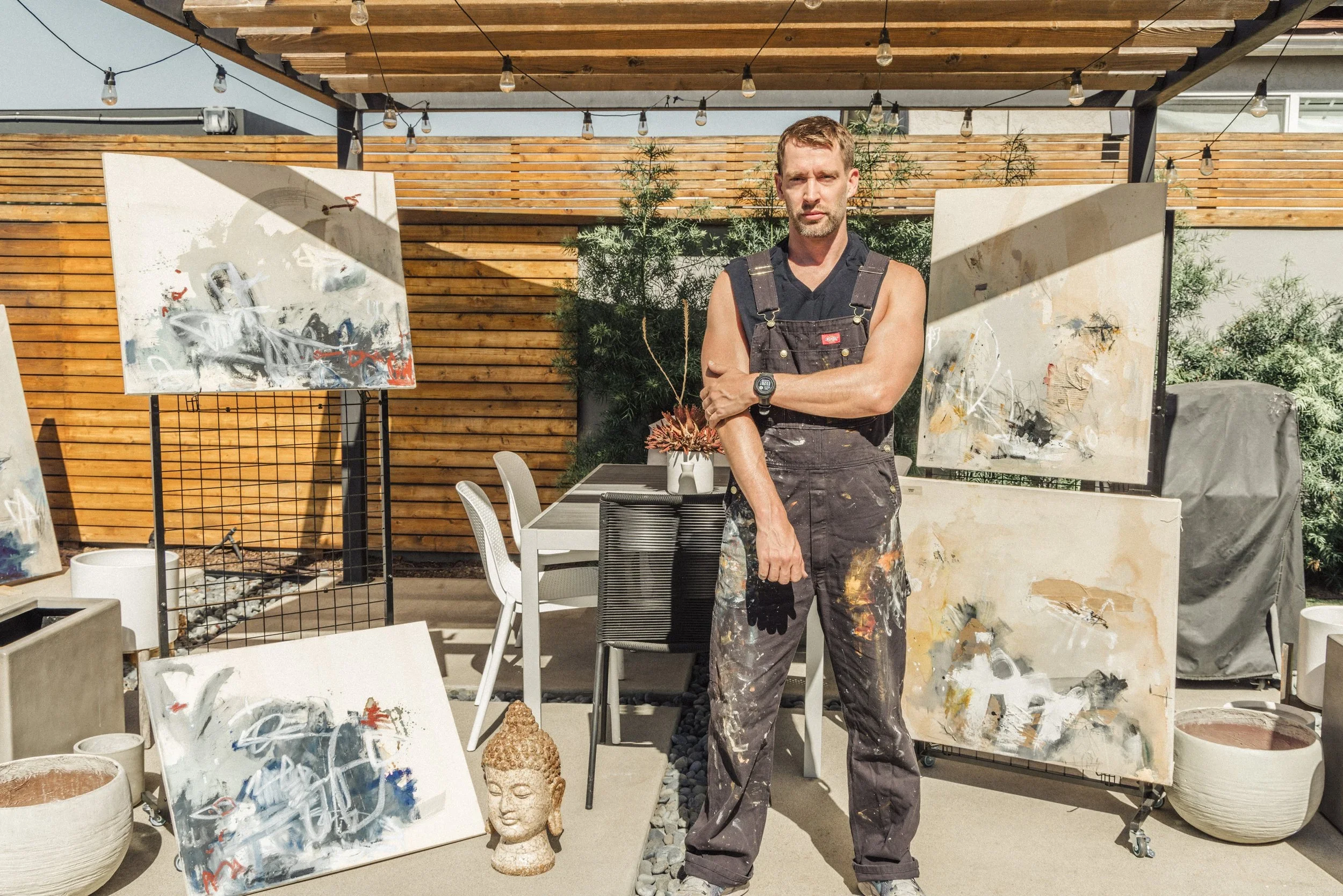
Maison Kira - Portrait | Ph. Glen Vanlangenaker (@vnlngnkr)
ARTIST STATEMENT
Maison Kira’s practice moves fluidly between art and design, grounded in experimentation with materials, structure, and form. He is drawn to the possibilities that emerge when diverse media intersect, from clothing and 3D design to painting, graphics, and sculptural objects. Each process becomes a way of questioning how people create, consume, and discard.
At the core of Kira’s work are the urgent issues of fast fashion, throwaway consumerism, and the accelerating culture of social media. These systems encourage speed, constant novelty, and disposability, shaping not only the environment but also the collective sense of time and value. By working with materials that evoke both fragility and permanence, clay, crystals, moss, and recycled electronics, he explores how cultural debris can be transformed into poetic and critical objects.
Kira often treats his works as fossils of the present, artifacts that expose the contradictions of contemporary life: innovation and waste, connectivity and isolation, attraction and critique. His goal is not to provide fixed solutions but to create spaces for reflection, inviting viewers to pause within a culture that rarely allows slowing down.
For Kira, making art is both exploration and resistance: a way of questioning systems while imagining new forms of meaning.
Maison Kira in his studio | Ph. Glen Vanlangenaker (@vnlngnkr)
INTERVIEW
First of all, can you tell us about your background and how your studies at Luca School of Arts shaped your creative path?
I’m a multidisciplinary artist with a background in graphic design and visual arts. Studying at LUCA School of Arts helped me develop a strong understanding of visual language, composition, and conceptual thinking. More importantly, it made me realise that I wanted to move beyond purely digital work. During my studies, I became increasingly interested in working with my hands, experimenting with materials, and letting the process guide the outcome. LUCA gave me the freedom to explore across disciplines and trust experimentation, which strongly shaped the way I work today.
Your practice moves between art and design. How do you decide whether an idea becomes an artwork, a design object, or both?
I usually don’t decide that at the beginning. Ideas often start as material or conceptual experiments. If something leans toward function or repeatability, it moves closer to design. If it remains open-ended or critical, it becomes an artwork. Often it sits somewhere in between, and I’m comfortable with that overlap.
© Maison Kira | Ph. Glen Vanlangenaker (@vnlngnkr)
You work with many mediums, from clothing and 3D design to painting and graphics. Do you have a medium you feel most connected to?
I feel most connected to physical, tactile work. Textiles, clay, resin, leather, and object-based materials allow me to slow down and engage fully with the process. Even when I start digitally, I usually want to translate the idea into something physical.
Issues like fast fashion and consumerism are central to your practice. When did these themes become important for you?
They became important when I started noticing how quickly objects lose value and attention. Social media accelerates this cycle, and I wanted to respond by making work that resists speed and disposability.
How does social media and its culture of speed and constant novelty influence the way you think and work?
Social media creates pressure for speed and constant output. My work reacts against that by focusing on slowness, patience, and material resistance. I’m interested in the tension between those two realities.
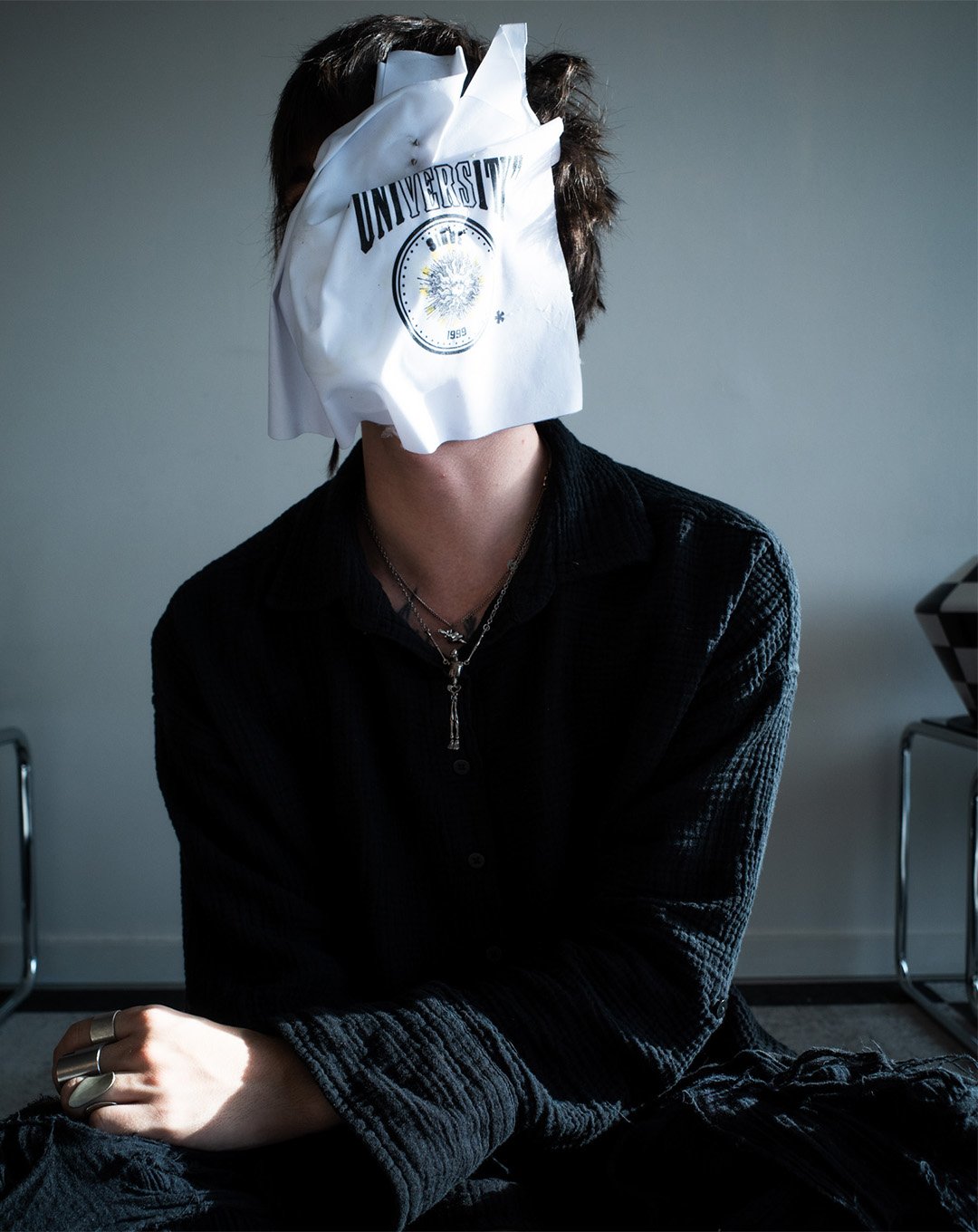
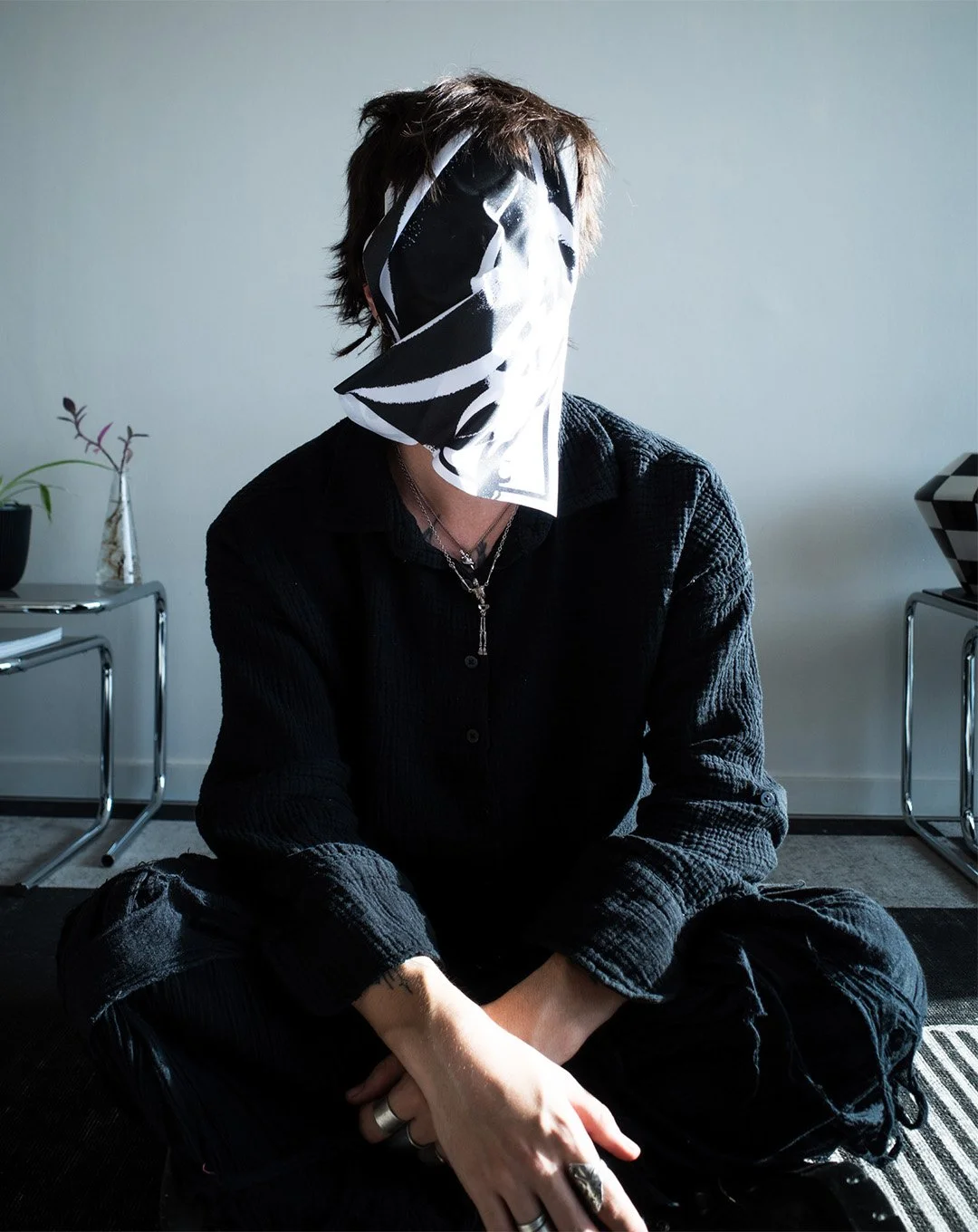
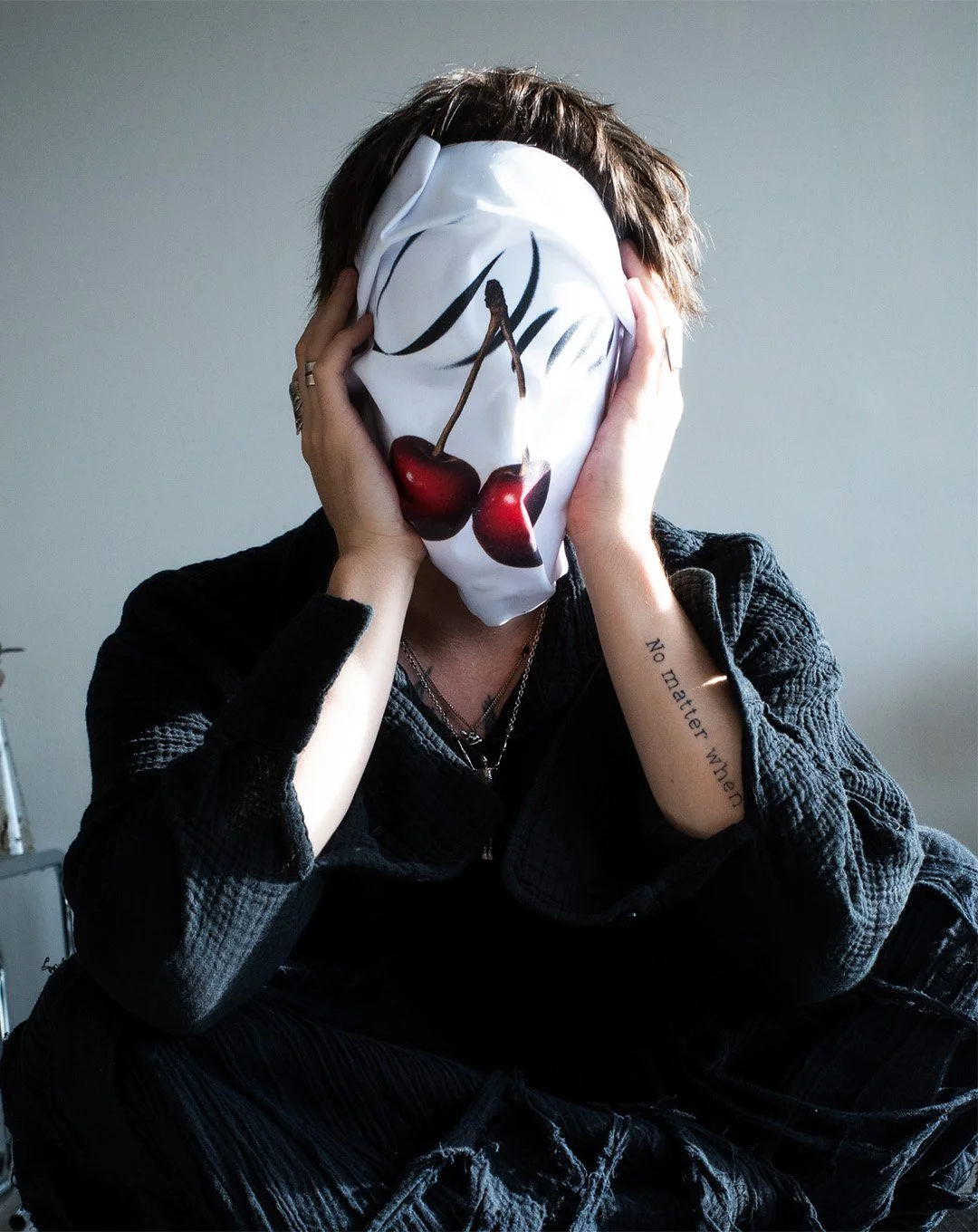
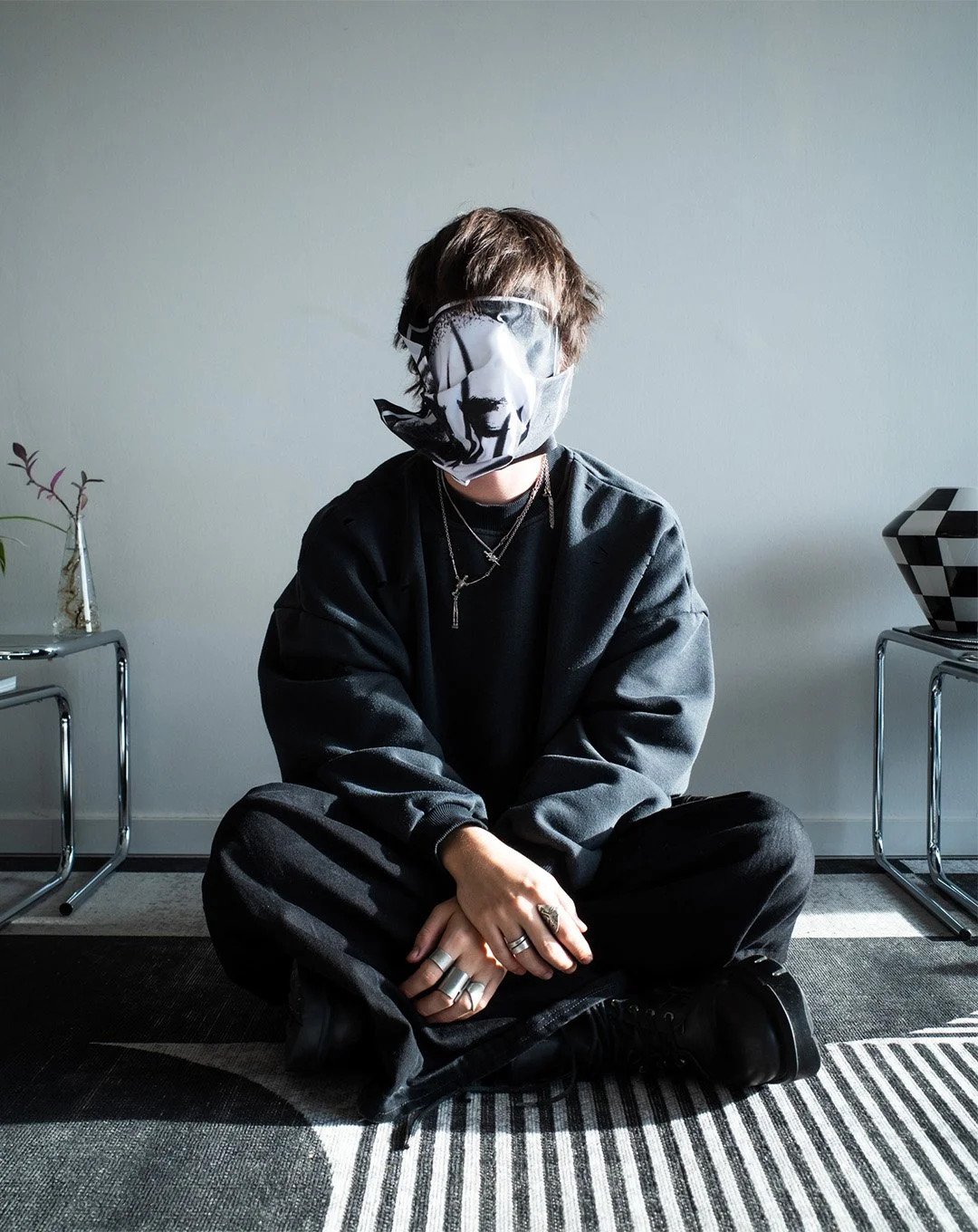
Your works invite viewers to slow down and reflect. What kind of experience do you hope people have when encountering your work?
I hope people pause and really look. Even a brief moment of attention is enough. I want viewers to notice materials, textures, and familiar forms in a new way.
Experimentation seems essential to your process. How do you approach failure or unexpected results while working?
Failure is part of the process. Unexpected results often lead to the most interesting outcomes. I try to work with what the material gives me instead of forcing a fixed result.
Lastly, what are you currently working on, and what directions would you like to explore in the future?
I’m currently working on a series of leather-based works, including a large sculpture titled Waking Nights: a head made purely out of leather, shaped through a slow, patient process that emphasizes material tension, stitching, and form. This project focuses on endurance, tactility, and presence, and continues my interest in slowing down both making and viewing.
Looking ahead, I want to further explore large-scale sculptural work, deepen my engagement with materials like leather, textiles, and resin, and continue developing objects and installations that question attention, time, and the way we emotionally relate to familiar forms.
Artist’s Talk
Al-Tiba9 Interviews is a promotional platform for artists to articulate their vision and engage them with our diverse readership through a published art dialogue. The artists are interviewed by Mohamed Benhadj, the founder & curator of Al-Tiba9, to highlight their artistic careers and introduce them to the international contemporary art scene across our vast network of museums, galleries, art professionals, art dealers, collectors, and art lovers across the globe.


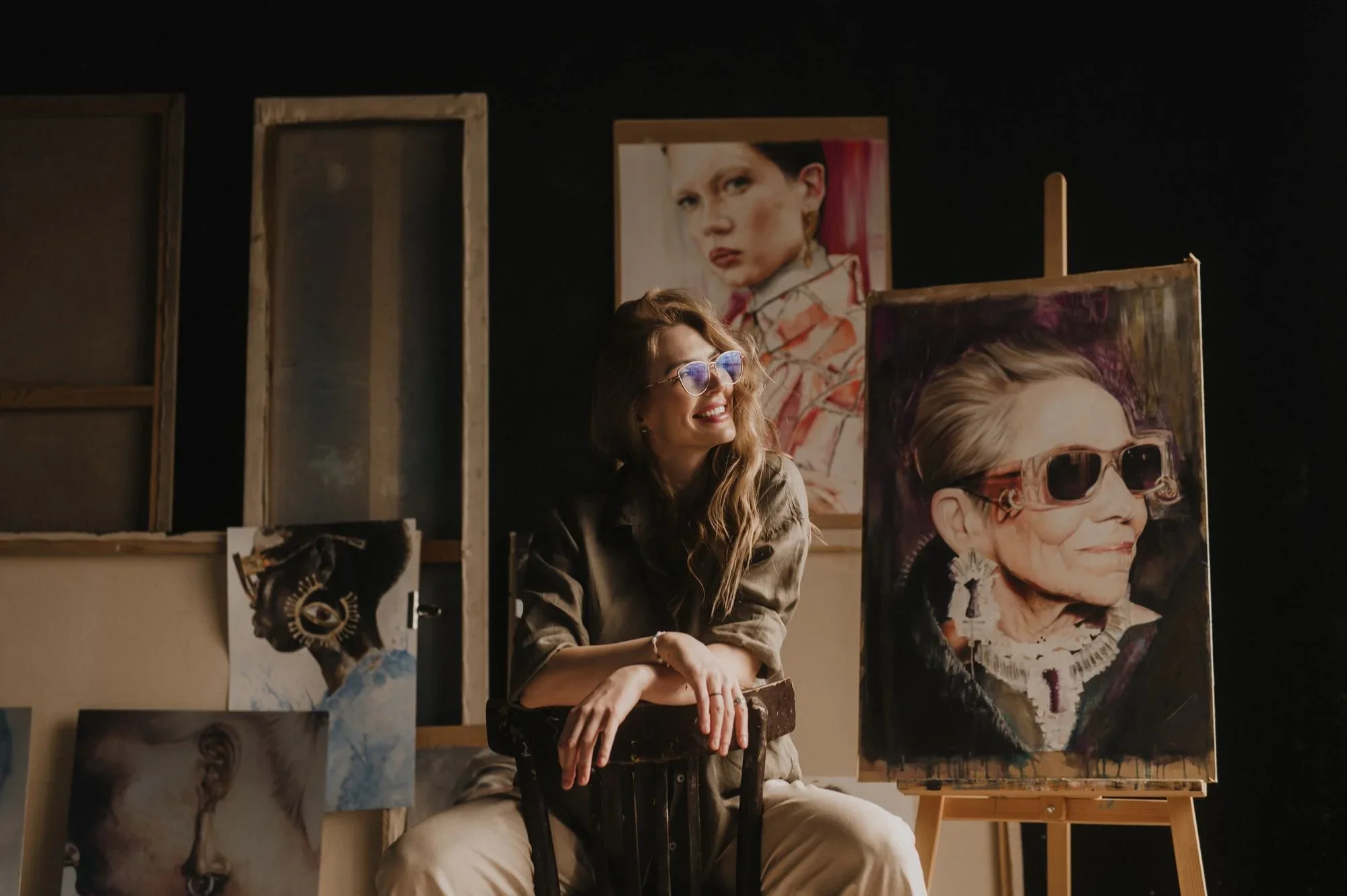

Brooklyn-Born Allan Gorman is a contemporary fine artist based in Jersey City, NJ, with a unique artistic vision cultivated by a distinguished commercial career that helped refine a sense of aesthetics and unwavering commitment to excellence that continues to define his artistic process to this day. His latest series of paintings is titled Imaginary Spaces.