

10 Questions with Moe and Ed Madhat
Moe and Ed are Los Angeles-based visual artists and architects. They both practice graphite drawing and run an architecture design firm, Madhat Design Studio.
They hold a bachelor's degree in architecture from NewSchool of Architecture and Design, a San Diego-based design school.
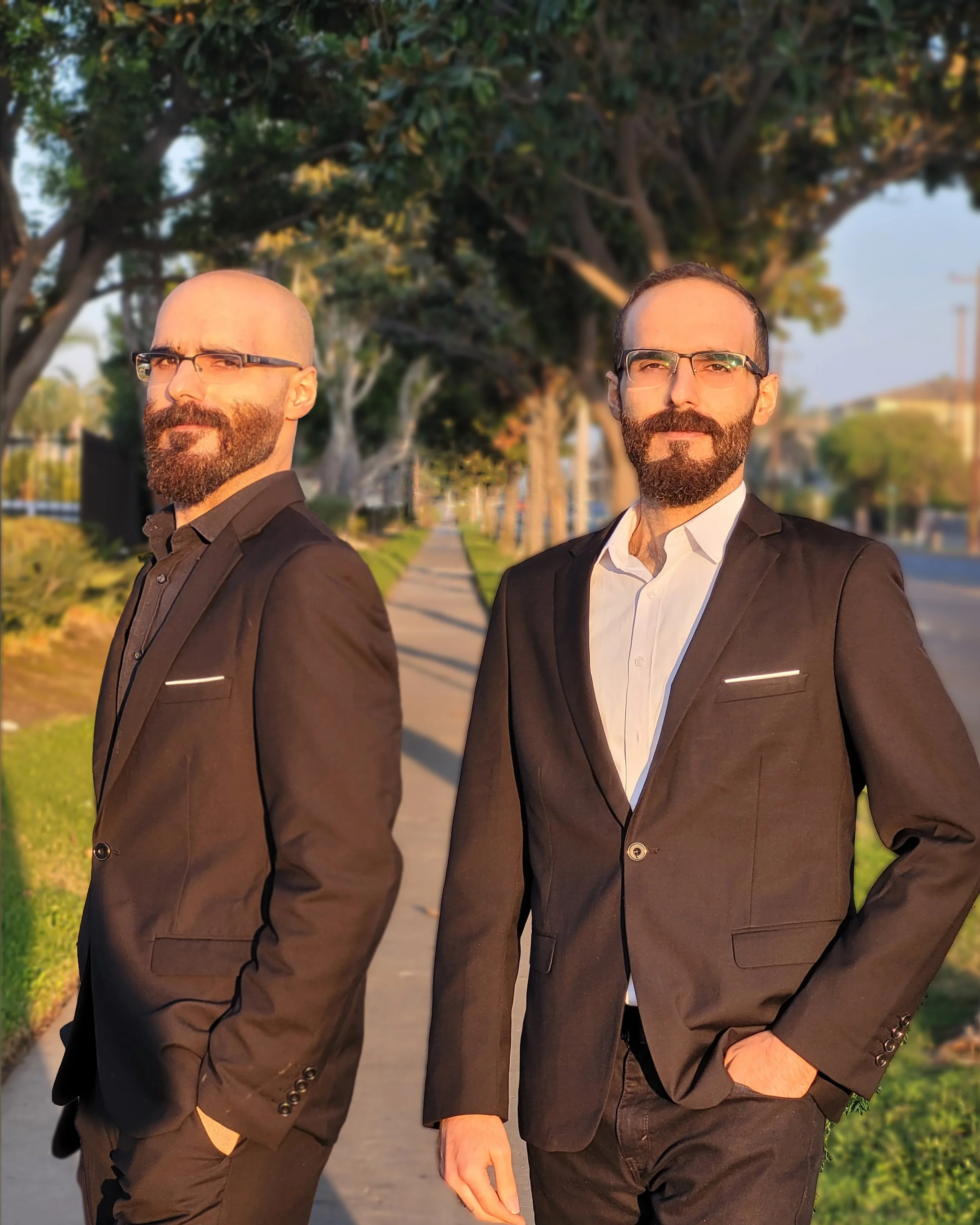
Moe and Ed Madhat (Madhat Design Studio) - Portrait
ARTIST STATEMENT
The twins' focus and framework with their graphite drawings encompass exploring spatial narratives and human conditions. While also utilising a state of thought and emotional expressions, their framework is derived from personal observations on social and spatial attributes. Meaning that the art, the visual narrative they're trying to tell is based on personal experiences and observations derived from a deeply refined thought process, that is set to inspire a myriad of emotions and moments of awe and wonder.
Moe and Ed aim to craft worlds and scenes where both the natural environment as well as the architectural blend in a seemingly realistic yet abstracted style. Every drawing is planned and crafted with care to stimulate the suspension of disbelief, where the spectator loses themselves in the intricacies of their artworks.
One of their main focuses when crafting a scene is to inspire a sense of awe. Scientific evidence shows that experiencing the feeling of awe is determintal for a better state of mental well-being. They also craft their drawings with this level of detail, so the spectator is transformed into another imaginative world, which helps them to rewind from everyday life and its stresses.
What they are also mainly concerned with is pushing the boundaries of what's possible with graphite art and attaining an unprecedented level of visual depth and fidelity in imaginative pencil art. The level of depth and element arrangement imposes a moment of visual crescendo. The visual crescendo that is powerful enough to make a resonant, impactful visual experience.
Between The Constant and the Momentarily, graphite on board, 30×40 in, 2025 © Madhat Design Studio
INTERVIEW
First, introduce yourself to our readers. Who are you, and when did you first get interested in art?
We are Moe and Ed, Los Angeles-based visual artists and architectural designers. We practice graphite drawing and run a residential design firm together, Madhat Design Studio. We started drawing at a very young age (at age 4) and haven't stopped since. Our drawing practice during childhood set the stage for what was to come. We used to draw cartoon characters and environments as kids, especially the Mutant Ninja Turtles. We remember drawing the cityscape of New York City from that cartoon. We also drew the Chrysler Building a handful of times, and fell in love with drawing architecture ever since. During our teenage years, we started drawing more complex drawings. We used to draw the Transformers, which taught us a great deal about drawing details and different surface textures. Then we began developing more complex drawings as the years passed, as we matured both skill-wise and personally.
Can you briefly introduce your background and how your training in architecture shaped your artistic practice?
We're self-taught artists, but we studied architecture for 5 years and hold a bachelor's degree in architecture. And when we started architecture school, our focus shifted towards a more technically oriented approach to drawing. We found ourselves approaching drawing environments with more precision, since architecture school requires a highly developed set of drafting skills. We took the initiative to transform what we're learning about spatial design, as well as our understanding of form and element alignment, into highly refined drawings. Also, we were trained at school to think more "spatially", and that reflected on how we started approaching planning a drawing since. Without studying architecture, we don't think we'd go this far in representing this level of spatial depth when planning a scene, because our thought process is now more 3-dimensional than before. And, to our understanding, the more spatially developed the artwork's scene is, the better the visual experience it can provide.

Form Follows Feeling, graphite on board, 18x24 in, 2025 © Madhat Design Studio
What led you to work together as a duo in both art and architecture?
What led us to work together is that we're identical twins, and we share the same hobbies and interests. Also, we both started practicing drawing at a young age, and our influences and backgrounds are quite the same. We both studied architecture and run an art practice together. Another reason is that we share the same mindset and bounce ideas about art and architecture daily. Brainstorming and planning projects with your identical twin is pretty exciting, to be honest.
Why did you choose graphite drawing as your primary artistic medium?
Because we've been drawing with pencils since childhood, we haven't had the chance to attend art school. So we chose graphite because it's what we feel most confident in practicing. Also, because one of our main interests in art is creating monochromatic scenes, we think that black and white imagery can create really powerful and visually resonant art pieces. But we'd like to introduce colored pencils to our practice in the near future.
How does your architectural work at Madhat Design Studio influence the worlds and spaces you create in your drawings?
The worlds and spaces we aim to create in our drawings are made and realized from an architectural standpoint. Meaning that when we set up a scene, architecture plays a role in shaping the composition of the drawing. Madhat Design Studio is a residential design firm, so we create a sense of containment within a space while inserting other spatial analogies associated with the spectrum of domestic inhabitation. This is necessary for stimulating the suspension of disbelief, where the viewer would find themselves lost and confined within the intricacies of our works.

Shelter, graphite on board, 30×40 in, 2025 © Madhat Design Studio

Recurring Places, graphite on paper, 18x24 in, 2025 © Madhat Design Studio
Your works blend natural and built environments. What draws you to this dialogue between architecture and landscape?
The morphing of both the natural and built is an exciting balance that we love to explore. And by blending nature and architecture, we offer a variety of visual elements for the eye to indulge in. This dialogue between landscape and architecture also offers a wide range of possibilities and elements when it comes to planning a scene. And by exploring both, we aim to design spaces and environments unlike anything that's been done before in visual art.
You often speak about creating a sense of awe. Why is this feeling important to you as artists?
Helping people unwind from life and its stresses is crucial to us and our craft. We craft every drawing with forms, geometries, moments of repetition, rhythm, and visual arrangement to stimulate a sense of awe from the viewer. Studies show that experiencing awe is of great benefit for mental health and can lower stress and reduce anxiety. So it is of great importance for us to make artworks that not only enrich people's lives with beauty but also improve their mental health, which will reflect positively on their immune systems and overall well-being.
Can you describe your creative process, from the first idea to the final drawing?
Our first thought when creating a scene is to craft a visually rich, complex artwork that can transport the viewer into another imaginative world. We get inspired by basically everything, such as walking outside, watching a movie, listening to music, traveling, and so on. Also, we put social and individualistic behaviors under the microscope when we make art, meaning that we analyze human conditions and patterns of behavior before commencing with the drawing. And when we get the idea, we sit down and make sketches, bouncing ideas back and forth. We're lucky to have the same mindset, style, and personal preferences when it comes to art. And when we set up a scene for the drawing, we make many iterations before proceeding to the final layout. When we settle on a scene we designed and think we can pull off in a refined, coherent way, we proceed to make the first layer of the drawing. The first layer is usually the thin lines to place objects and figures where they would be in the drawing. We also alternate whilst drawing, we both quite excel at drafting and shading. So we take turns working on the drawings. Sometimes the drawing gets developed while we're making it. We add unplanned elements if they can add more depth and cohesion to the artwork.

Undulations, graphite on board, 30×40 in, 2025 © Madhat Design Studio
How do you approach pushing the technical and visual limits of graphite to achieve such depth and realism?
We think that if we're not taking visual arts into an uncharted territory, then us making art wouldn't be worth the effort. We aim to push the technicality and the conceptual side of pencil art to exciting new places that haven't been explored before. We believe we're pioneering the next step for imaginative pencil art, with the level of precision in illustrating environments (that are essentially designed from imagination) to a level that hasn't been attained before. We believe both the concept and the technicality are what matter most in the visual arts. So we pay a lot of attention to craft every scene with such depth and detail to have the viewer lose themself while experiencing our works. Also, it takes a lot of effort to attain such a level of craft. We once put more than 400 hours of work into a single drawing. While other pieces of ours took us up to 190-230 hours of drawing to finish. But we're quite happy with how the drawings are turning out.
And lastly, what future projects, exhibitions, or new directions are you planning as an artist duo?
Actually, so much is going on with our art career right now. We have a handful of shows coming up this year, and we're also submitting to new art galleries and seeking more opportunities at galleries in Los Angeles and around the world. Also, we're working on a new set of drawings, some of which are made with Prismacolor pencils. This is an exciting new approach for our practice. We think the next drawing of ours is going to be, by far, our best work. We're very much looking forward to all of that.
Artist’s Talk
Al-Tiba9 Interviews is a promotional platform for artists to articulate their vision and engage them with our diverse readership through a published art dialogue. The artists are interviewed by Mohamed Benhadj, the founder & curator of Al-Tiba9, to highlight their artistic careers and introduce them to the international contemporary art scene across our vast network of museums, galleries, art professionals, art dealers, collectors, and art lovers across the globe.

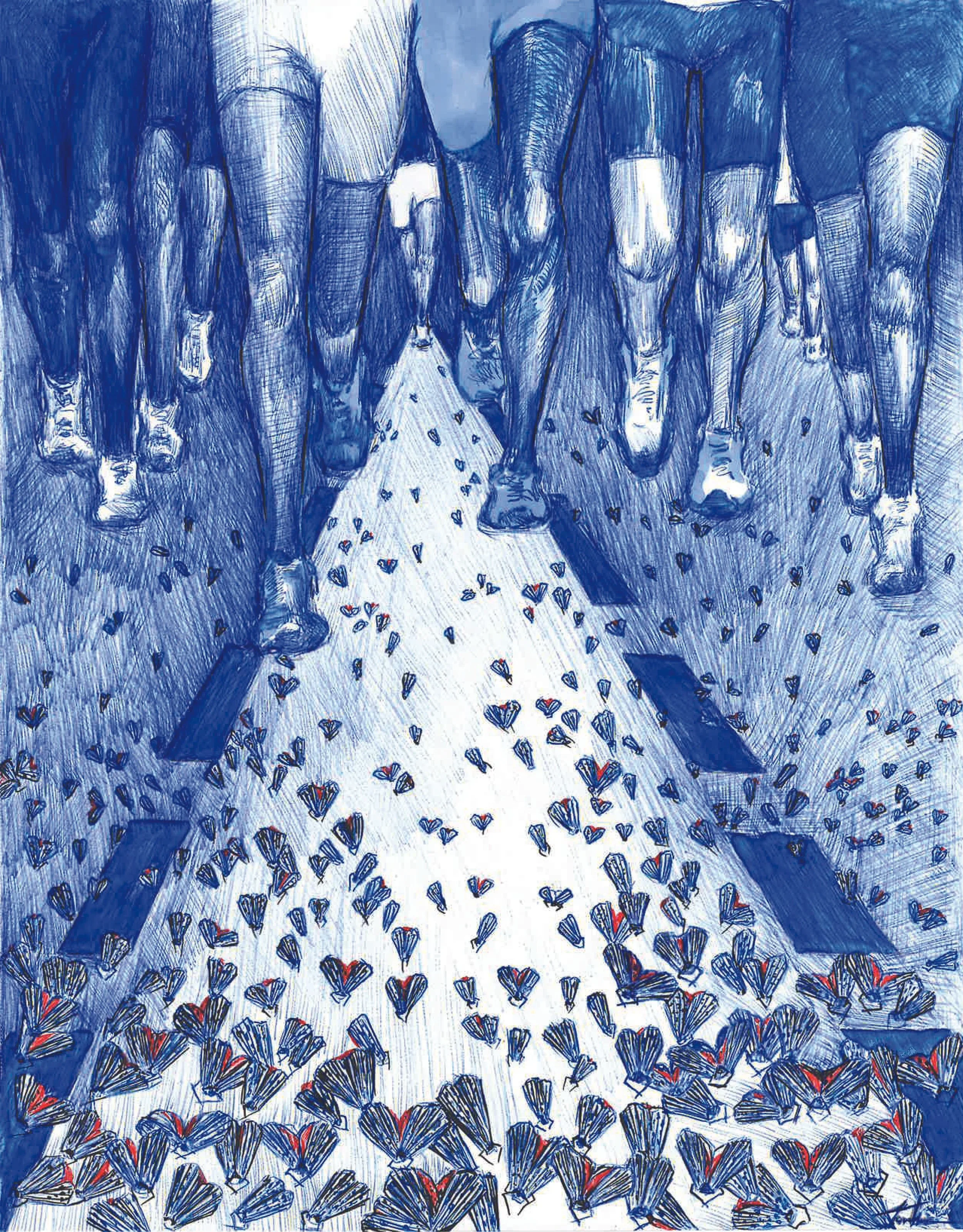


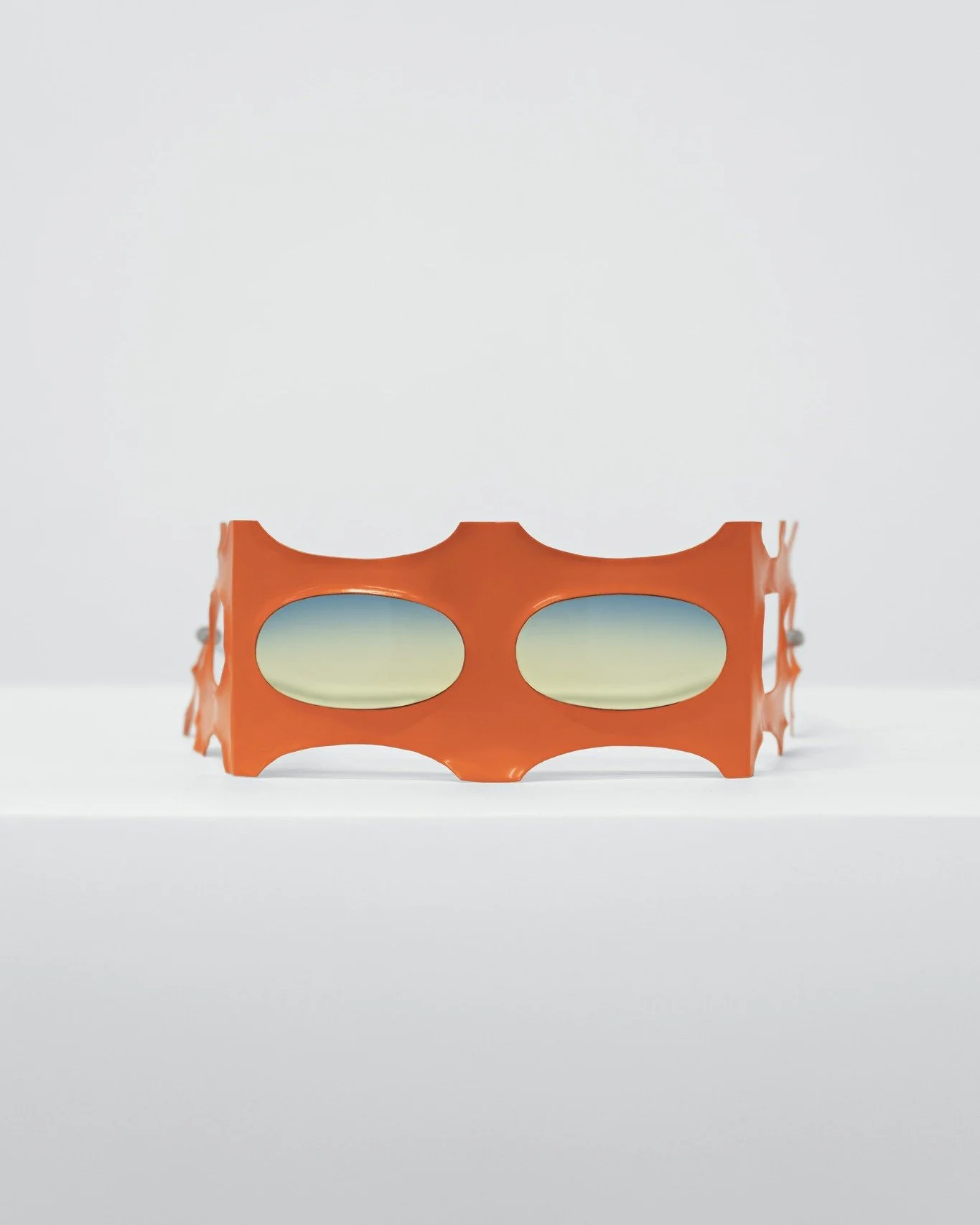
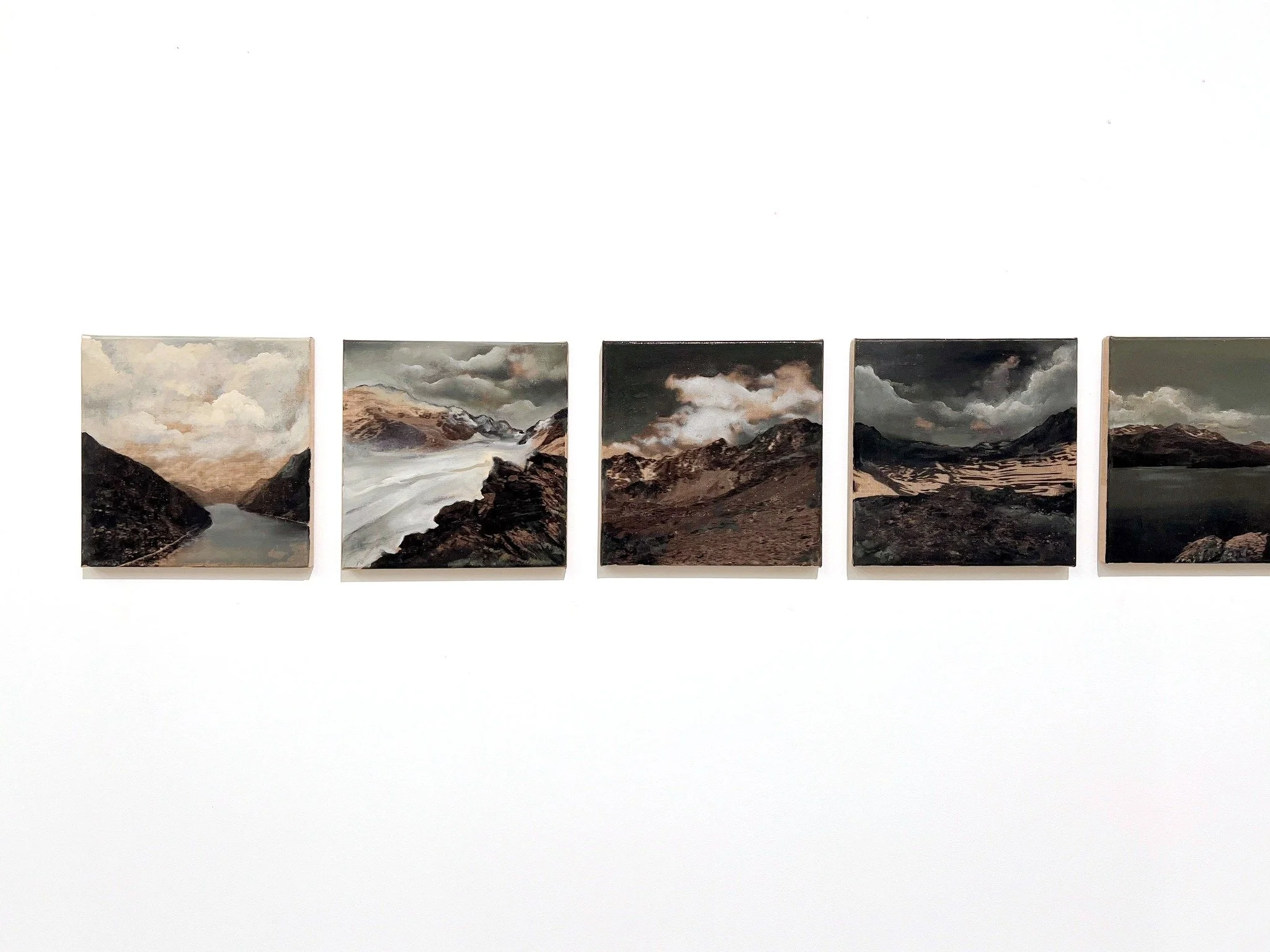

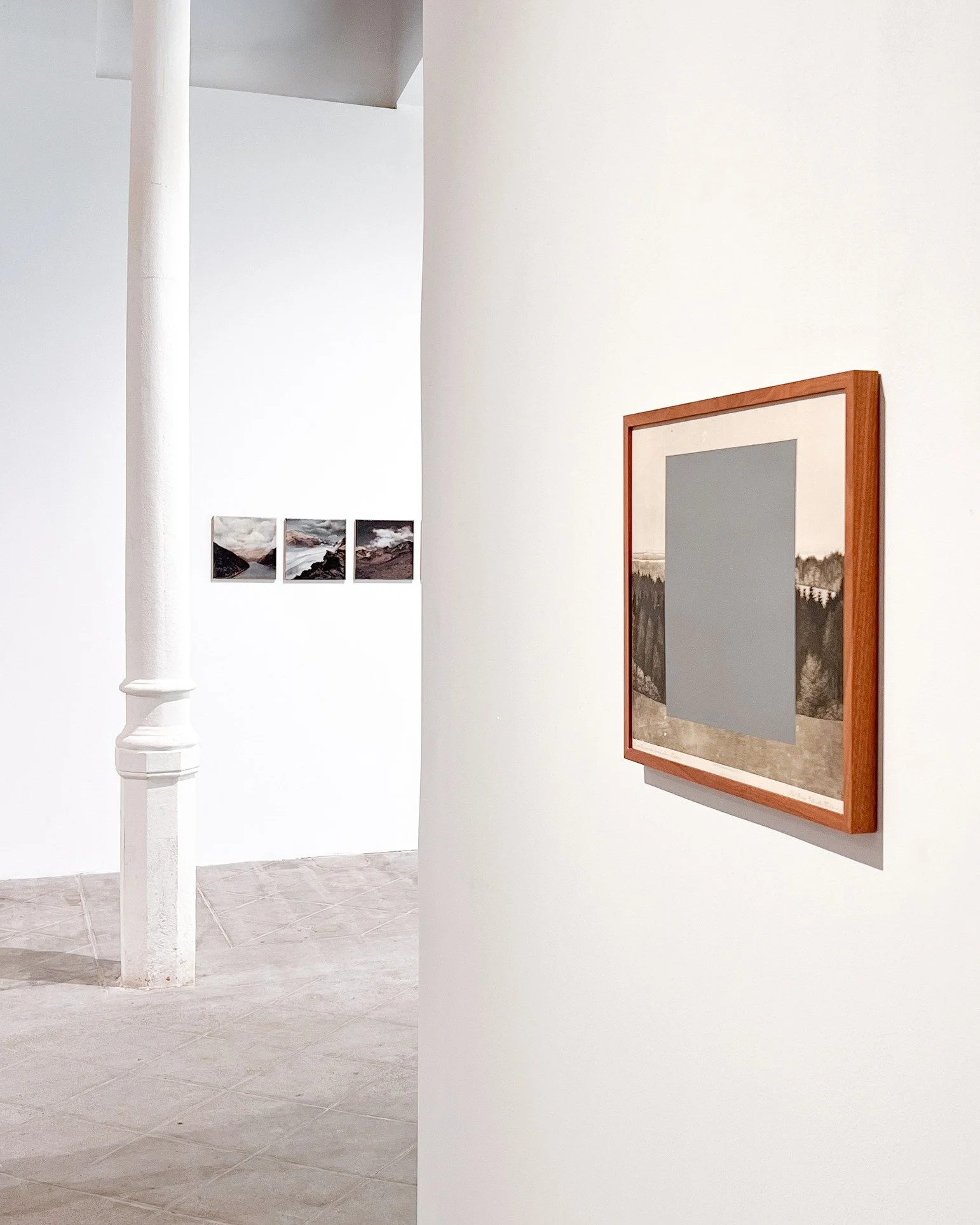
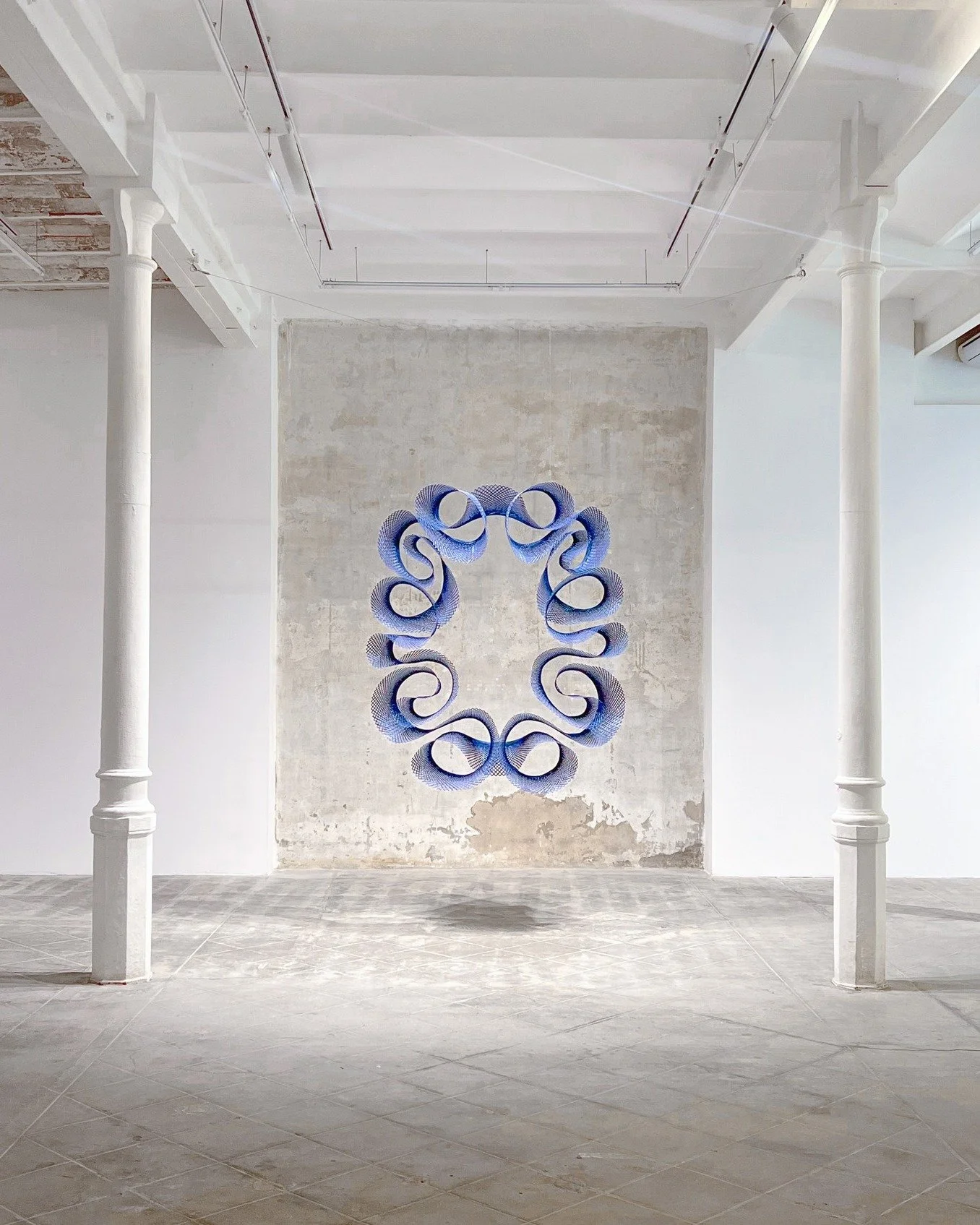
Carla D'Amato's work grew from a close observation of life’s contrasts and the human condition. With an architectural foundation and European training that expanded her technical range, she refined a disciplined craft while continuously pushing the boundaries of image, material, and meaning. Through an intense, ongoing exploration, Carla developed her own authored technique: Performance Painting.