
10 Questions with Anna Taraman
Anna Taraman was born in 1962 in St. Petersburg (then Leningrad), where she continues to live and work. She holds a higher university technical education.
She has been writing poetry since the age of 25 and is the author of several children's poetry books. She is also a graduate of the International Poetry Competition dedicated to Joseph Brodsky.
Her works have been published in the online magazine "Russian Globe" (No. 8, 2008), "Lamp and Flue" (No. 4 (12), 2013), and "Modern Notes" (No. 6, 2025), as well as in Germany (2011). She has been nominated for the national literary awards "Heritage" and "Poet of the Year" in 2025.
Since 2024, she has also pursued graphics and painting independently, working with pastels and acrylics. In 2025, Anna Taraman became an active participant and diploma winner in ten international exhibitions and competitions of contemporary art, including THE NEW ARTIST | CALL FOR ARTISTS at Boomer Gallery (October 10–19, 2025) and the YICCA contest. Her creativity has been highly praised by prominent contemporary art critic Lee Sharrock, whose positive review affirms the significance of her work. Several of Anna Taraman's works are held in private collections. In 2025, she was elected an Honorary Member of the L.K. Aivazovsky Academy of Fine Arts.
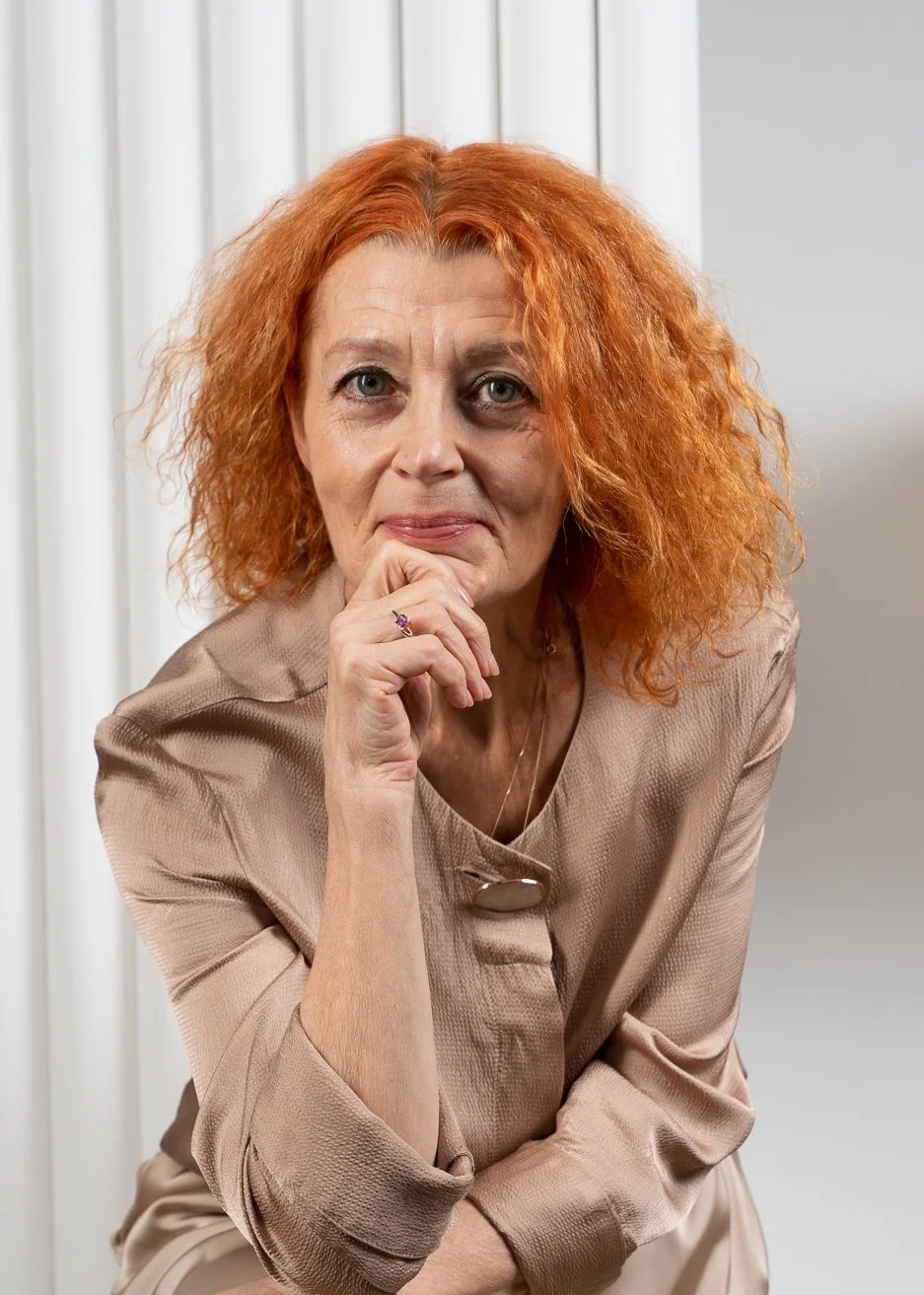
Anna Taraman - Portrait
ARTIST STATEMENT
Anna Taraman realises that art is not only a result, but also a process. Rejecting the fear of imperfection allows her to interact with the canvas most naturally, to perceive it not as strict boundaries but as a space for experimentation, where every stroke, every touch can lead to something unexpected and amazing.
Creativity becomes a kind of game in which there are no wrong decisions, but only different paths that the artist can choose. Here it is important to learn to hear your intuitive feelings, breaking the shackles of preconceived expectations and allowing the picture to guide the process. This is a difficult but necessary step that leads to better results. Art gives Anna an incomparable sense of freedom.
Anna Taraman uses various techniques and materials, tries new combinations of colours and shapes, and freely moves between styles, which also helps her open new horizons. Thus, her approach to creating works of art is based on the principle of openness. Curiosity and a thirst for research allow not only the development of skills and techniques, but also the deepening of our understanding of ourselves and our place in this artistic universe, and the improvement as artists and people.
This dynamic, filled with contradictions and victories, creates a constant impulse for new discoveries in art.
Apple has nowhere to fall, acrylic, non-primed hardboard, 50x70 cm, 2025 © Anna Taraman
INTERVIEW
Let’s start from the beginning. Can you tell us about your background and how your path led you from poetry to visual art?
Poetry came to me with motherhood. Having realized the need to speak with children in their language, I created the image of my lyrical hero: he is a thoughtful, inquisitive, open-minded and kind city boy. For him, the whole world is wide and beautiful, as if in a fairy tale. In his childish perception, it is natural to talk with animals and plants, with aeroplanes and pavements. In my poems, I tried to convey to children understandable knowledge about the foundations of the universe, built on the laws of justice and harmony. Then the poems began to mature. I am nominated for the national literary awards "Poet of the Year", 2025 and "Heritage", 2026, as well as for the International Literary Prize named after Joseph Brodsky in 2025. My poems are included in the collection "Anthology of Poetry" in 2025. I was harbouring the desire to draw for a long time, but I was afraid of taking the first step. But the moment came when the fear receded. Philosophers say, "As many people as there are worlds." In my paintings, I invite you into my world.
You began working independently in painting and graphics in recent years. What prompted this shift toward visual expression?
Visual arts, like music, do not require translation. This is an opportunity for direct dialogue, without intermediaries, with your audience. An honest conversation with humanity, living now, and with those who will come after us. It is a captured moment of thought, emotion, or idea that overcomes the barriers of language and time, becoming a universal message. Each work is an open book, which everyone reads in their own way, but the essence of which remains unchanged: the desire for understanding, beauty and truth.
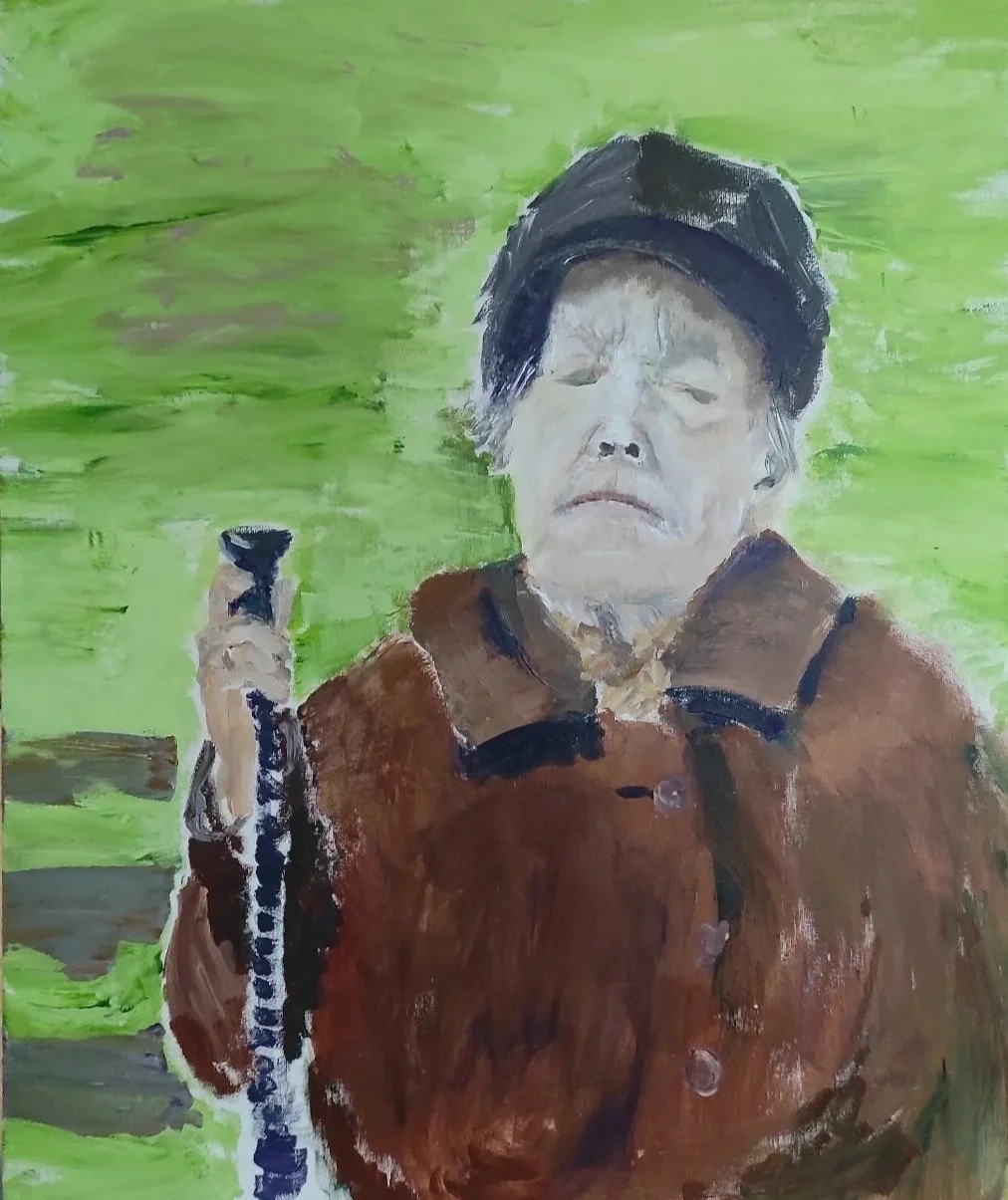
Penultimate page, acrylic, canvas on cardboard, 60x50 cm, 2025 © Anna Taraman
Your artist statement emphasises art as a process rather than a final result. How does this idea shape your daily practice?
The creation process is important for the author. Every time you go through the first to last grade with a growing child, worrying about all his exams and tests, each new picture requires you to gather your skills and fortitude, patience and excitement over and over again in order to say what you want and should. This is not just a craft, it is an immersion into the unknown, where every stroke, every word is a step into oneself, an attempt to capture the fleeting, to give shape to the formless. And when the work is completed, when the finishing touch is laid, there comes a moment of silence, similar to what you experience when you accompany a grown-up child into an independent life, with a slight sadness and pride for the path you have travelled, for what you have created, for having managed to embody something from non-existence.
You work with pastels and acrylics and often experiment with different techniques. How do you choose your materials for a work?
Traditional tools are often not enough to express how I see a future painting, and I choose something from the arsenal of other artisans, not artists, to put the paint on. Sometimes I combine acrylics and pastels. I try to put the paint on paper or untreated wood. Why not? It is important to be able to express the desired image. For me, there is no such thing as "it's not allowed because it's not accepted" or "it's not allowed because no one does it that way." The main thing is freedom of expression, the opportunity to go beyond the usual and create something unique that will speak for itself.

Sun and birds, acrylic, canvas on cardboard, 60x60 cm, 2025 © Anna Taraman

Top of summer, acrylic on canvas, 70×70 cm, 2025 © Anna Taraman
Intuition and openness play an important role in your creative approach. How do you listen to and follow intuition while working?
I don't divide intuition into professional and personal. When skills are acquired from job to job, professional intuition also wakes up. There is freedom to take risks, to do something in your own way. But in the process of work, the artist grows not only as a master but also spiritually. First of all, you think about why, in the sake of what, you are approaching a blank slate. Not to show off your skills. And to tell, to warn, to ask, to invite to a conversation, to ask to think. This is exactly that inner dialogue that needs to speak out, to give shape to the unspoken, which becomes the true engine of creativity. Intuition, in this case, ceases to be just a tool, but turns into a guide, suggesting not only "how", but also "what" and "why". It helps to capture the subtlest nuances of meaning, to find the very metaphor that will touch the strings of the viewer's soul, make him stop and look deep into himself. This is not just technical excellence, but the ability to speak in a language of images understandable to anyone who is willing to listen with their hearts.
Your work explores freedom, experimentation, and discovery. Are there recurring emotional or conceptual themes that guide your paintings?
Nature is an inexhaustible source of stories, a deep conversationalist and a sympathetic friend. Love is in all its aspects, for the city, people, and homeland. Self-love is love as self-knowledge. Loneliness is a cause and acceptance options. Happiness is a fleeting moment or a conscious choice. Freedom is internal or external, its price and value. True freedom is internal. This is freedom from fears, from prejudice, from other people's opinions. It is the ability to make decisions based on one's own beliefs. Time is its flow, perception, and influence on destinies. A dream is a driving force, a guiding star, or an impossible illusion. To say something more in a simple plot, to generalise an image, to rise above time, focusing on eternal themes, this is where I see my tasks as an artist.
As a poet, how does your relationship with language influence your visual compositions, if at all?
«Poetry is everything! — riding into the unknown» is what one of the most important Russian poets of the 20th century, Vladimir Mayakovsky, said about poetry. The poet is able to see the hearest future, to feel more precisely. This spiritual vision helps to see the clues of the universe in everyday life. Each of us has a piece of this poetic vision. You just need to allow yourself to be more attentive, more open to the world, to its subtle signals.

Susanna, acrylic, canvas on cardboard, 40×30 cm, 2025 © Anna Taraman

April.Tulips, acrylic, foam board, 70×50 cm, 2025 © Anna Taraman
You have participated in several international exhibitions and competitions. How have audiences and critics responded to your work?
Participation in international exhibitions and competitions is always an exciting and very valuable experience. In 2025, I participated in and graduated from 10 international exhibitions and competitions. In 2025, I was elected an Honorary member of the I.K.Aivazovsky Academy of Fine Arts. During January 2026, I participated in 5 exhibitions, including the most significant national exhibition, Unique Russia. The reaction of viewers and critics to my work was diverse, but overall very positive and inspiring. Many viewers came over to express their emotions. It was often surprise, admiration, sometimes even thoughtfulness or melancholy, depending on the specific job. It was especially pleasant to see how people lingered at the works, carefully examined them, and discussed them among themselves. It is important that different people interpreted my work in their own way, finding something personal in them. Truly, art is a dialogue, and each viewer brings their own unique experience to it. Critics noted the originality, craftsmanship, relevance and depth of the idea, mastery of various techniques and the ability to work with materials. This is always important, as it confirms professionalism and a serious approach to business. The uniqueness of my artistic language, the ability to create something new and recognisable, was often noted. Critics have noticed how I develop my style and experiment with forms and content. In addition to praise, there has always been constructive criticism, which is an integral part of any artist's development: comments on composition, color scheme, or suggestions for further development of certain topics. Such feedback is very valuable, as it helps to see your work from a different angle and stimulates growth. I am very grateful to critics and fellow artists for their attention to my work; this is an important indicator of my recognition in the professional environment. Overall, the reaction from both viewers and critics was very motivating. I confirmed that my work resonates, evokes emotions and makes me think, which is my main goal in art. It inspires you to continue creating, experimenting, and sharing your vision of the world.
Having worked in private collections and received critical recognition, how do these responses affect your confidence or direction as an artist?
Having work in private collections and critical acclaim are powerful factors that can significantly affect an artist's confidence. When collectors purchase my works, it means that they see value in them, both aesthetically and possibly as an investment. This is a direct confirmation that my art resonates with people who are willing to invest in it. It makes me feel like I'm creating something really worthwhile. Positive reviews from art critics, curators, and other reputable figures in the art world serve as a kind of "endorsement" of my work. Critics have the knowledge and experience to analyze art on a deeper level, and their positive assessment strengthens my faith in the correctness of the chosen path and the uniqueness of my vision. Success in the form of sales and positive reviews acts as a powerful motivator, confirming the value and significance of my work. It means that my efforts are not in vain, and this inspires me to create new, even more daring and interesting works. Recognition from others increases self-esteem, dispels the doubts that plague the artist's path, and gives a sense of belonging to a broad artistic community. However, it is important for an artist to remember the need to maintain inner independence and continue to create based on their own beliefs and passion.

Past and Future at the same crossroad (diptych, left), acrylic, canvas on cardboard, 50x25 cm, 2025 © Anna Taraman
And finally, what are you currently working on, and what new projects or artistic directions are you interested in exploring next?
"Where the spirit does not guide the artist's hand, there is no art. Where thought works with the hand, there is no artist." These words of Leonardo da Vinci remind us that true art is born at the junction of inspiration and skill, when the artist's soul guides his hand, and his mind comprehends every stroke. I am currently in an amazing and exciting period of my life, I am preparing for a solo exhibition. This is not just a demonstration of my work, but an opportunity to share with the audience what is born in my soul and embodied through my hands. Each canvas is the result of long reflection, search, experimentation and, of course, the very "work of thought together with the hand" that the great Master spoke about. Each exhibition is not a final, but only a new step, opening the door to even deeper and more meaningful creative searches. That's why I'm looking forward to presenting my work and hearing the positive feedback from viewers and critics.
Artist’s Talk
Al-Tiba9 Interviews is a promotional platform for artists to articulate their vision and engage them with our diverse readership through a published art dialogue. The artists are interviewed by Mohamed Benhadj, the founder & curator of Al-Tiba9, to highlight their artistic careers and introduce them to the international contemporary art scene across our vast network of museums, galleries, art professionals, art dealers, collectors, and art lovers across the globe.


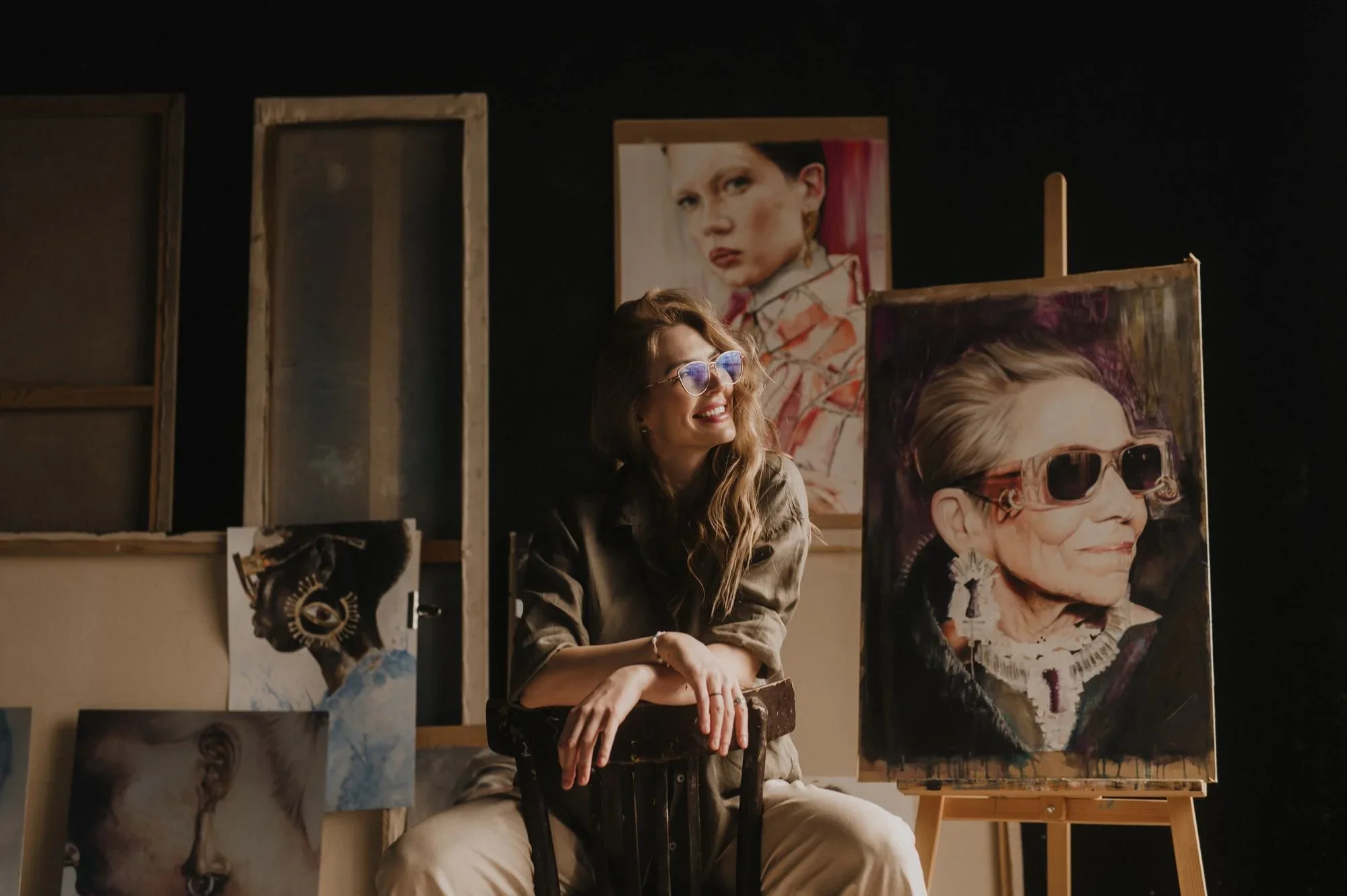
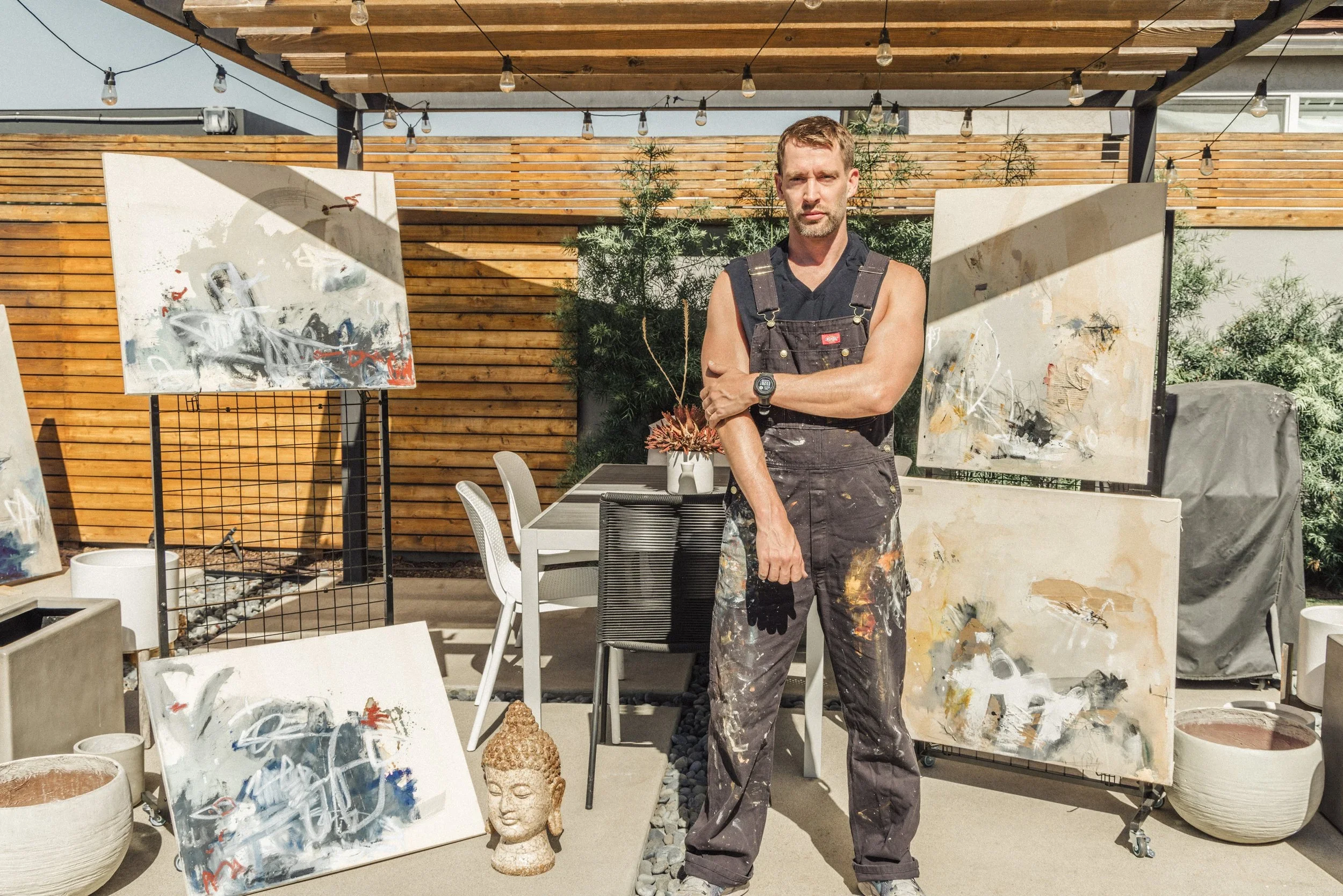

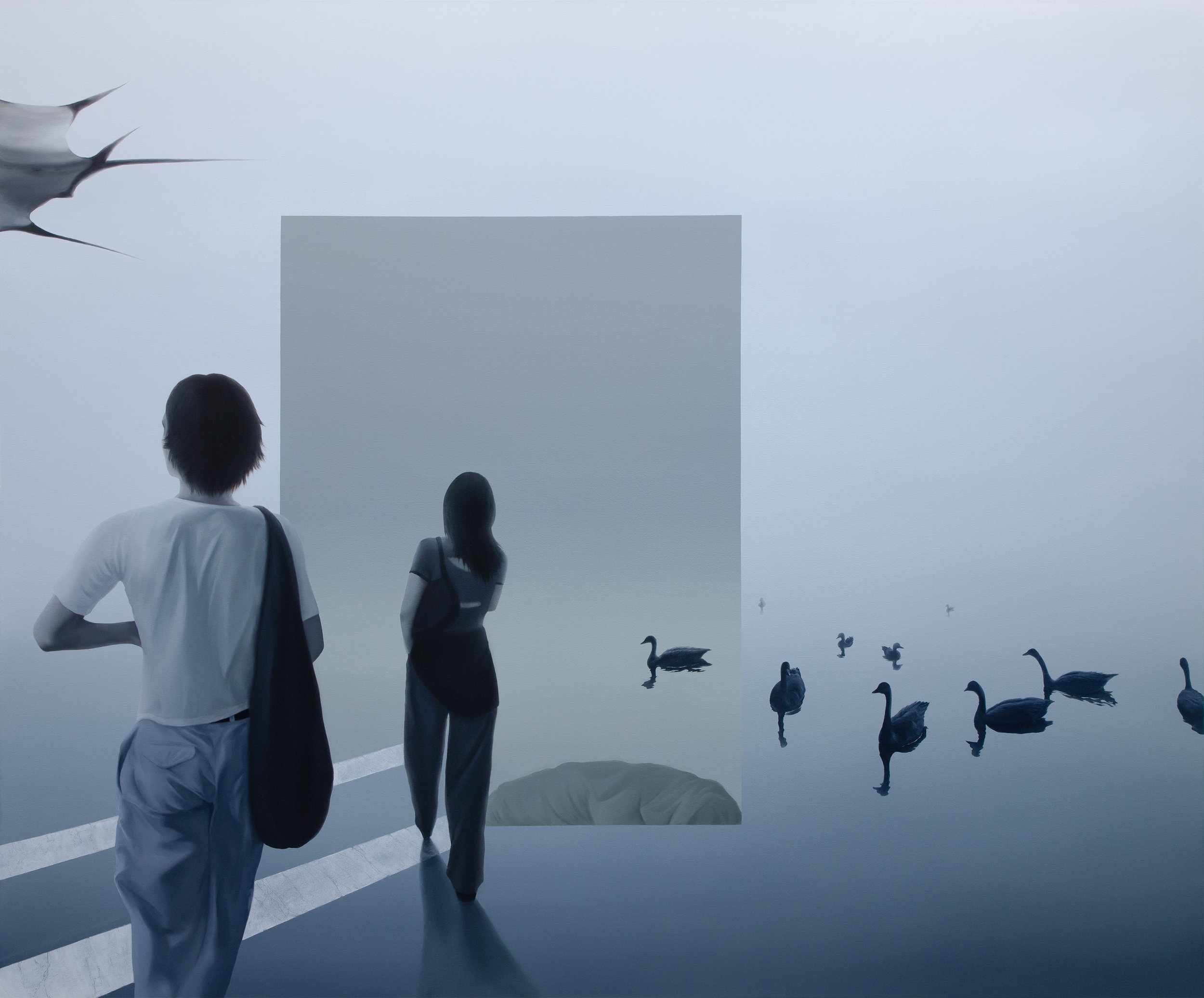
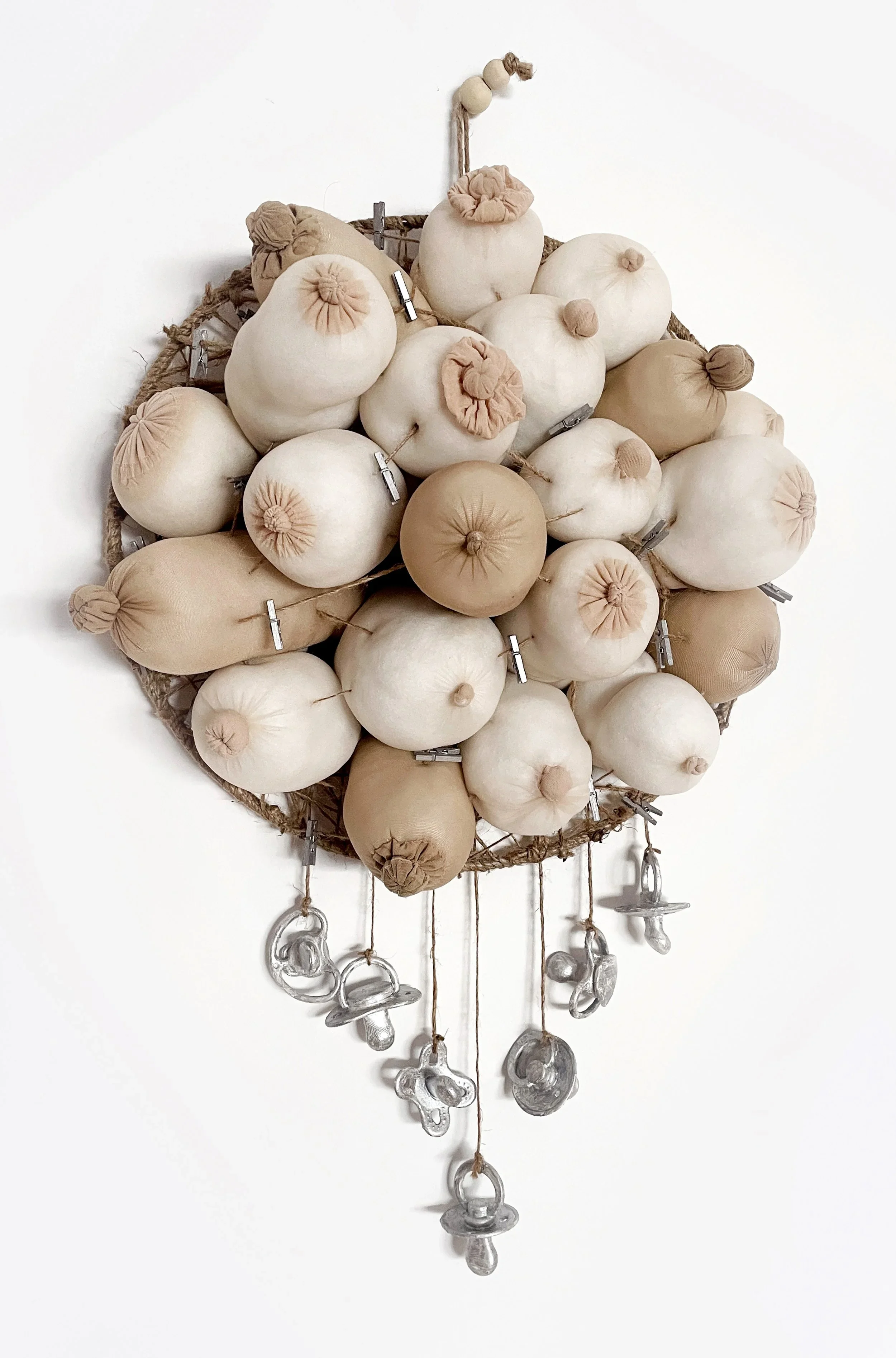
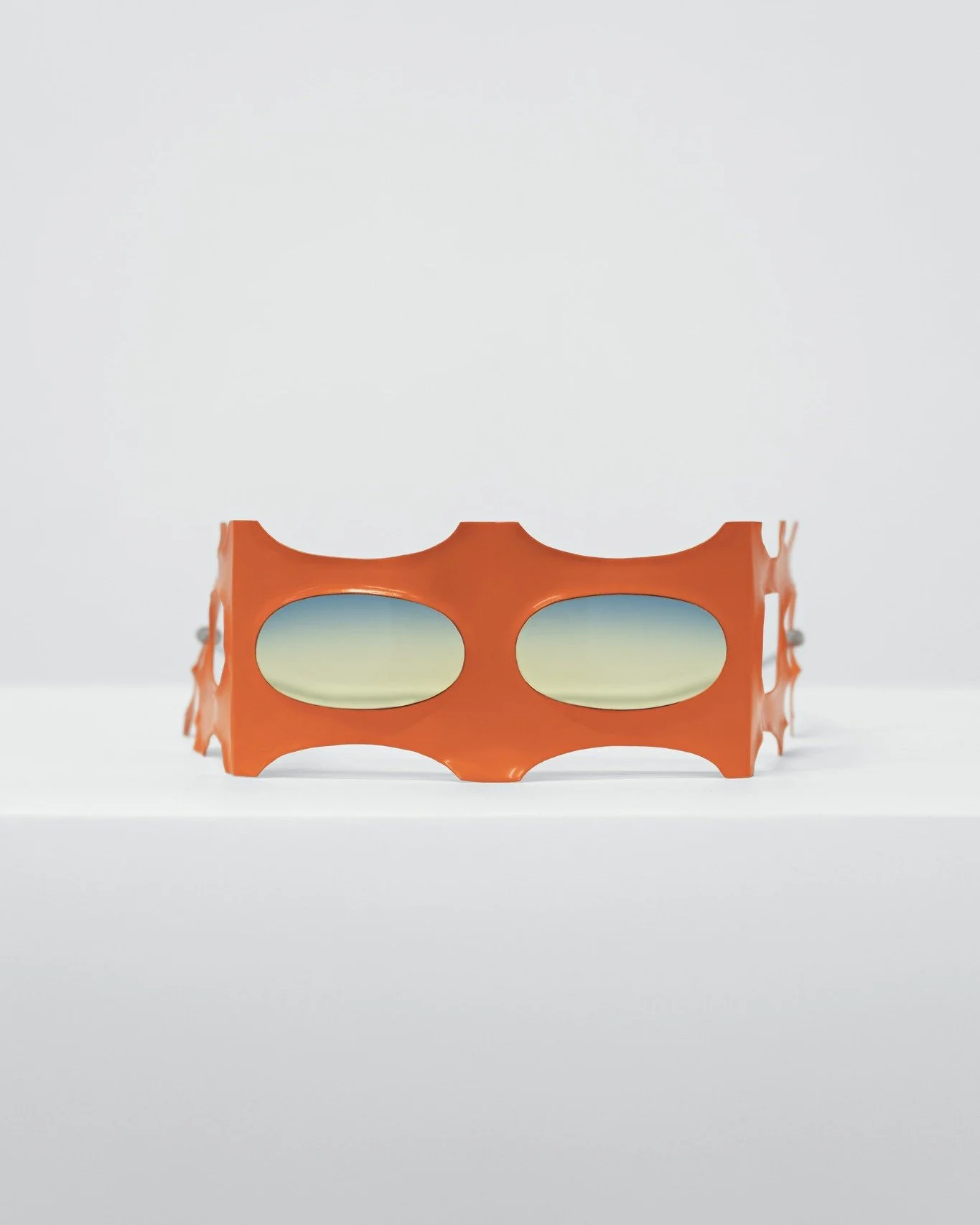
Brooklyn-Born Allan Gorman is a contemporary fine artist based in Jersey City, NJ, with a unique artistic vision cultivated by a distinguished commercial career that helped refine a sense of aesthetics and unwavering commitment to excellence that continues to define his artistic process to this day. His latest series of paintings is titled Imaginary Spaces.