

10 Questions with David Miller
David Miller is a London-born conceptual visual artist and storyteller whose work explores memory, identity, and constructed experience through AI-assisted image making. A Goldsmiths College graduate, Miller’s practice is rooted in narrative traditions of staged photography and psychological symbolism, creating images that sit between recollection and invention. His work often reflects on false memory, interior landscapes, and the quiet tension between truth and imagination.
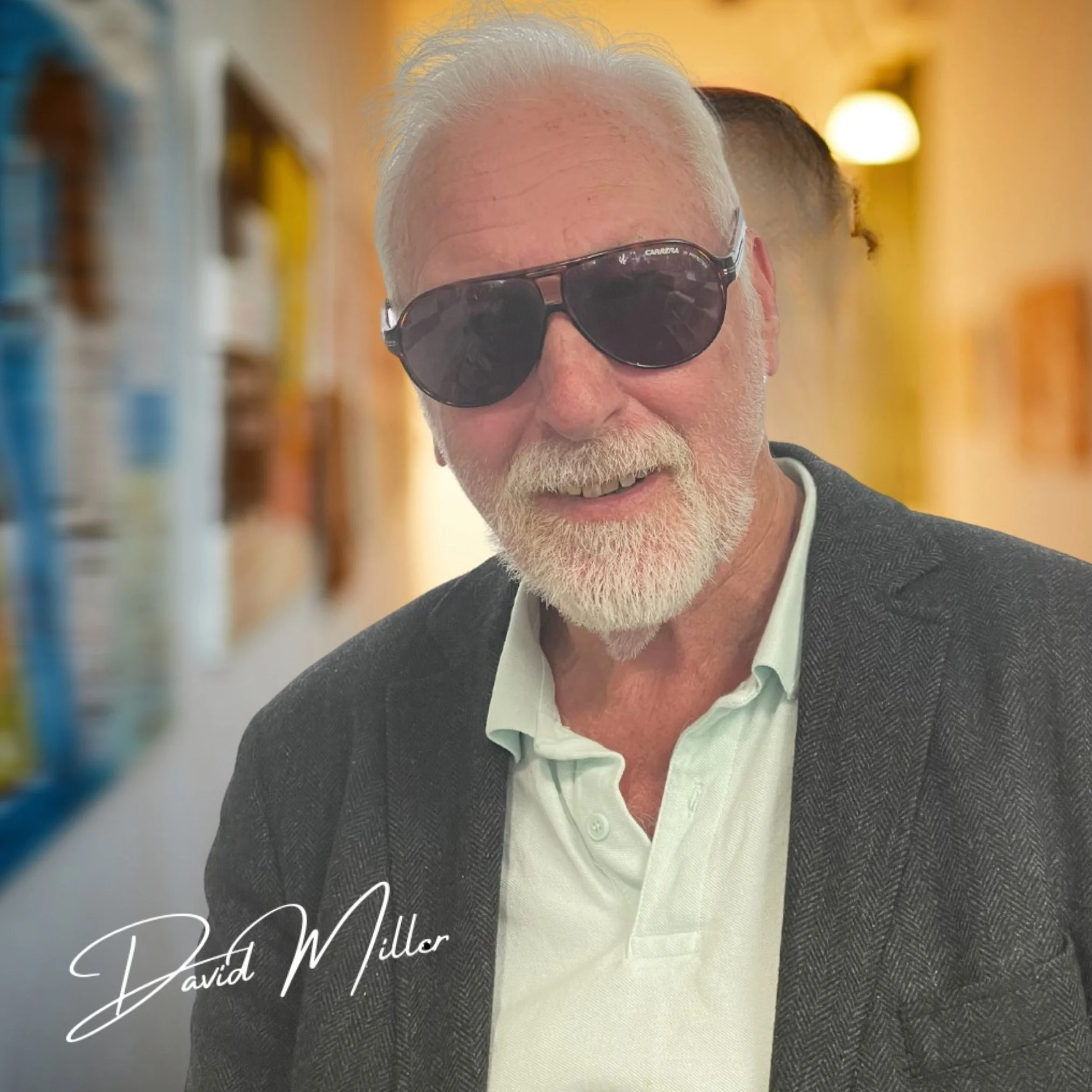
David Miller - Portrait
ARTIST STATEMENT
“My work explores memory, identity, and the stories we tell ourselves in order to live. I am interested in the spaces between what happened and what is remembered, the way memory reshapes events into something quieter, stranger, and often more emotionally true than fact.
I work with AI as a contemplative tool rather than a shortcut. Each image begins with a feeling rather than a concept, and I shape it slowly, allowing ambiguity, atmosphere, and narrative residue to remain. I want my images to feel remembered rather than simply seen.
My background is in filmmaking and visual storytelling, and this continues to inform my practice. I think in scenes, fragments, and emotional arcs rather than single moments. The figures in my work often inhabit liminal spaces, between past and present, presence and absence, belonging and displacement.
I am less interested in spectacle than in quiet impact. I want the viewer to pause, to sense something familiar without being able to name it, and to bring their own memory into the image.
I am based between the United Kingdom and Finland.”
— David Miller
Under a desert moon © David Miller
INTERVIEW
First off, can you tell us about your background and how you came to work as a visual artist?
I originally trained in the arts and later worked for many years as a filmmaker and scriptwriter. Storytelling has always been central to how I think, not just in terms of plot, but atmosphere, implication, and what’s left unsaid. Visual art gradually became a way for me to distil narrative down to a single frame. Instead of telling stories sequentially, I became more interested in creating images that feel like fragments from a larger, half-remembered story.
You studied at Goldsmiths College. How did that experience influence your artistic direction?
Goldsmiths gave me permission to think conceptually rather than stylistically. In the 1970s, it was a place where ideas travelled freely across disciplines, art, anthropology, psychology, and literature. It was also where I first encountered the work of Carlos Castaneda, which had a lasting impact on how I think about perception, reality, and the instability of what we take to be “true.” That combination, rigorous questioning alongside a fascination with altered states, unreliable narrators, and constructed realities, shaped how I approach images even now. I’m less interested in visual certainty than in images that feel provisional, slightly unanchored, as if they belong to more than one version of reality at once.
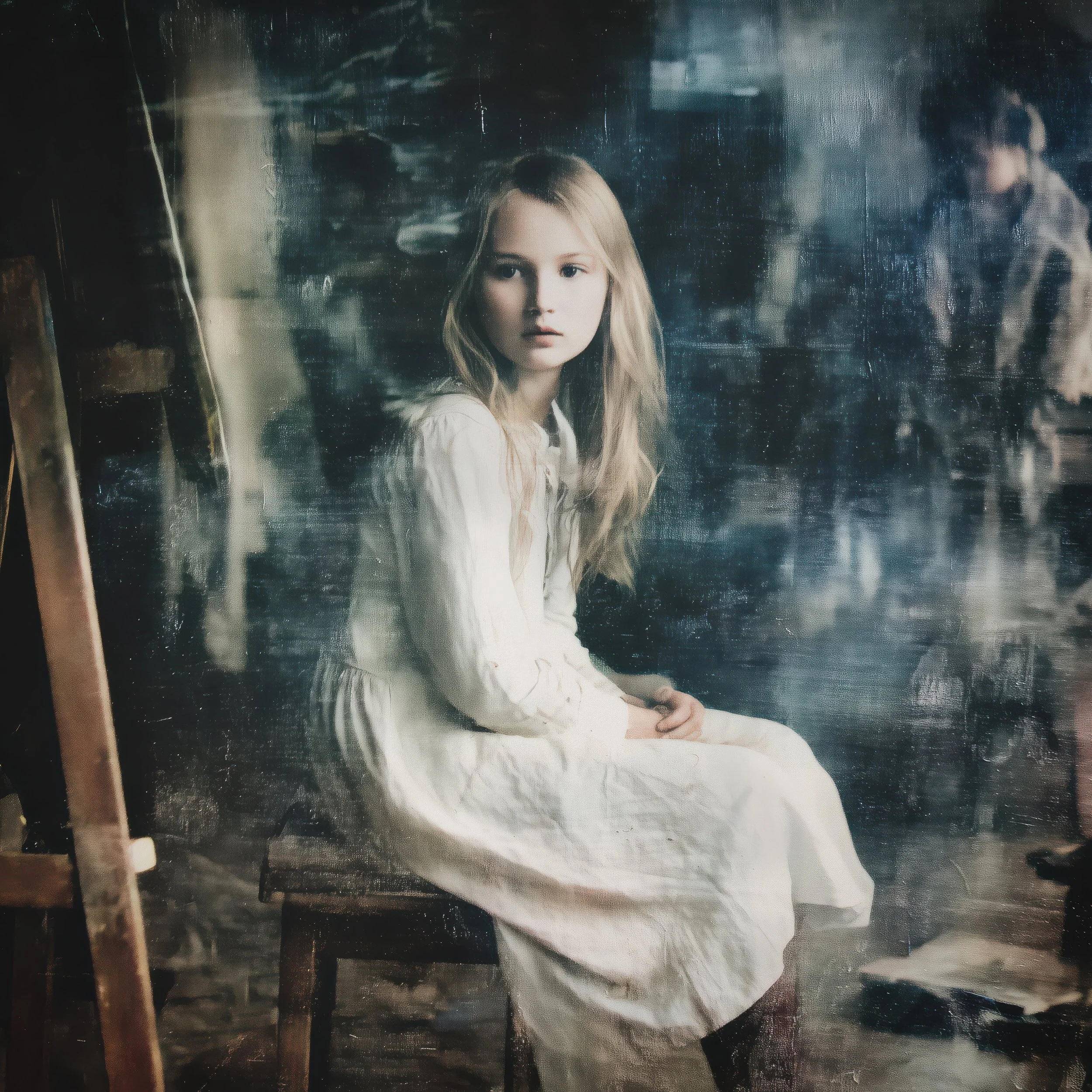
A small moment of being © David Miller
Your practice is closely connected to storytelling. How does narrative shape the way you create images?
I approach images the way a writer approaches a scene. I think about backstory, tension, and what might have happened just before or just after the moment depicted. The narrative is rarely explicit, it’s suggested. I want the viewer to complete the story themselves, to bring their own memories and associations into the image.
Memory and identity are recurring themes in your work. What first drew you to these subjects?
I’ve long been fascinated by the unreliability of memory, how we edit, distort, or entirely reinvent the past without realising it. Over time, that curiosity became central to my work. Identity, for me, isn’t fixed; it’s something shaped by recollection, forgetting, and repetition. My images often sit in that unstable space, where something feels familiar but can’t quite be trusted.
You work with AI as part of your image-making process. How do you approach AI as a creative tool?
I see AI as a collaborator rather than an author. It’s a tool that introduces unpredictability and allows me to explore visual ideas quickly, but the intent, editing, and final decisions are very human. I’m not interested in spectacle or novelty, I use AI in the service of atmosphere, narrative, and emotional resonance.
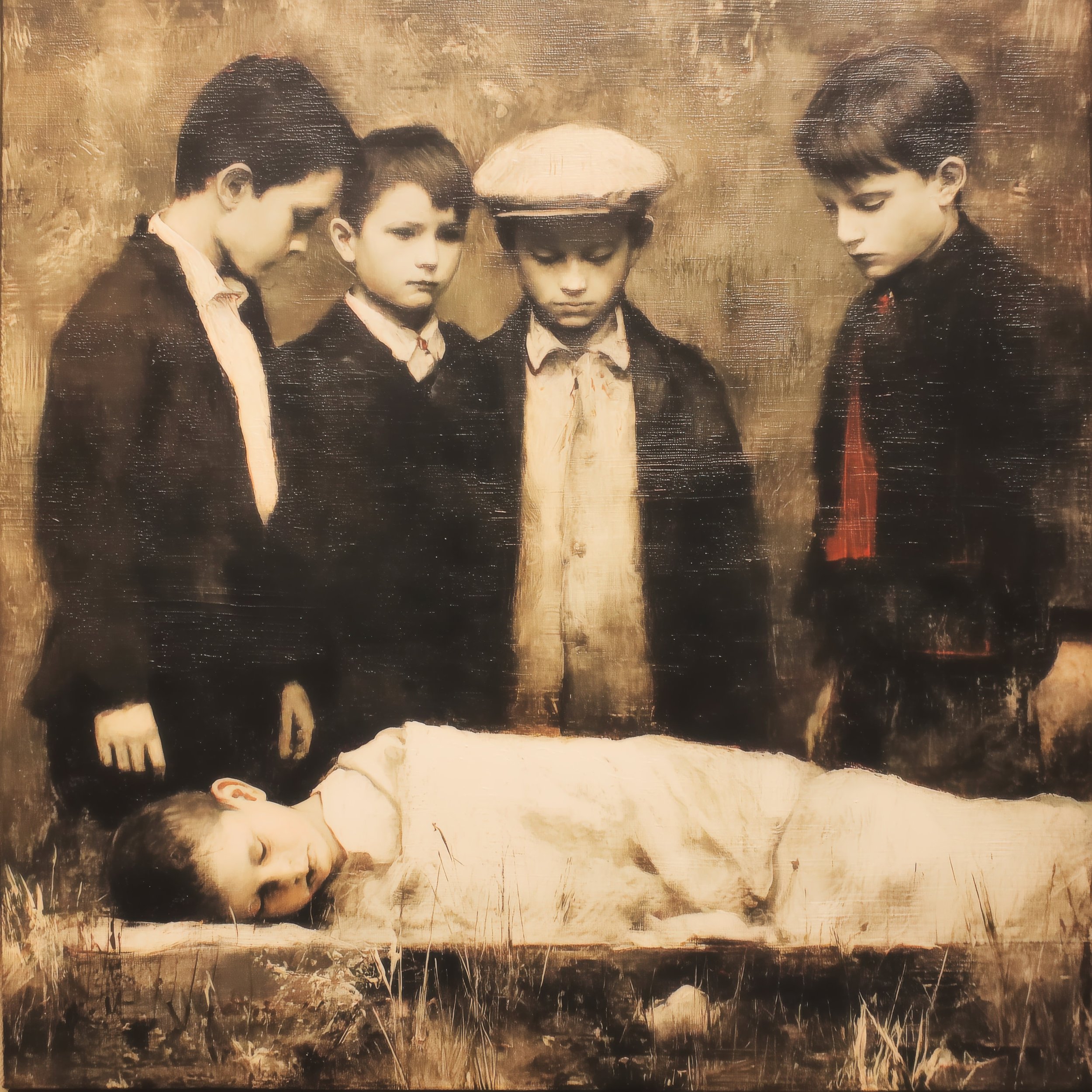
The vigil © David Miller

Where the Light Waits Quietly © David Miller
Your images often feel staged or cinematic. How has your background in filmmaking influenced your visual language?
Filmmaking taught me how to think in terms of framing, light, and implied movement. Even though my images are static, I want them to feel like a paused moment from a larger film, something suspended rather than finished. That cinematic sensibility naturally feeds into how I compose and stage my work.
Many of your works sit between reality and imagination. What interests you about this in-between space?
That’s where ambiguity lives. When something is too literal, it closes itself off. When it’s too fantastical, it can become distant. The space between the two is psychologically rich, it mirrors how we actually experience memory, dreams, and emotional truth.
You often place figures in quiet, liminal environments. What role do these spaces play in your work?
Liminal spaces slow the viewer down. They create room for introspection. I’m drawn to places that feel transitional or unresolved because they echo the inner states I’m exploring, moments of waiting, remembering, or becoming.

The last time I saw Anna © David Miller
How do you hope viewers engage with your images on an emotional level?
I don’t want to instruct the viewer how to feel. Ideally, the image acts as a trigger, something that stirs recognition, unease, tenderness, or nostalgia. If someone feels that an image connects to a memory they can’t quite place, then it’s doing its job.
And lastly, what are you currently working on, and what directions would you like to explore next?
I’m currently developing an ongoing body of work titled Vanishing People. The series is concerned with those who slip out of the record, emotionally, socially, or psychologically, rather than through any dramatic event. These are figures who are still present, yet no longer fully seen, remembered, or anchored in a clear narrative. The images often feel like fragments recovered from an incomplete archive: moments that suggest a life but refuse to resolve it. I’m interested in how people disappear not only from public history, but from private memory, how identity can erode quietly, without anyone quite noticing when it
begins. Going forward, I’d like to extend this work beyond single images, allowing text, sound, or moving elements to sit alongside the visuals. The aim isn’t explanation, but deepening the sense of absence, giving form to what has faded, and to what can no longer fully be named.
Artist’s Talk
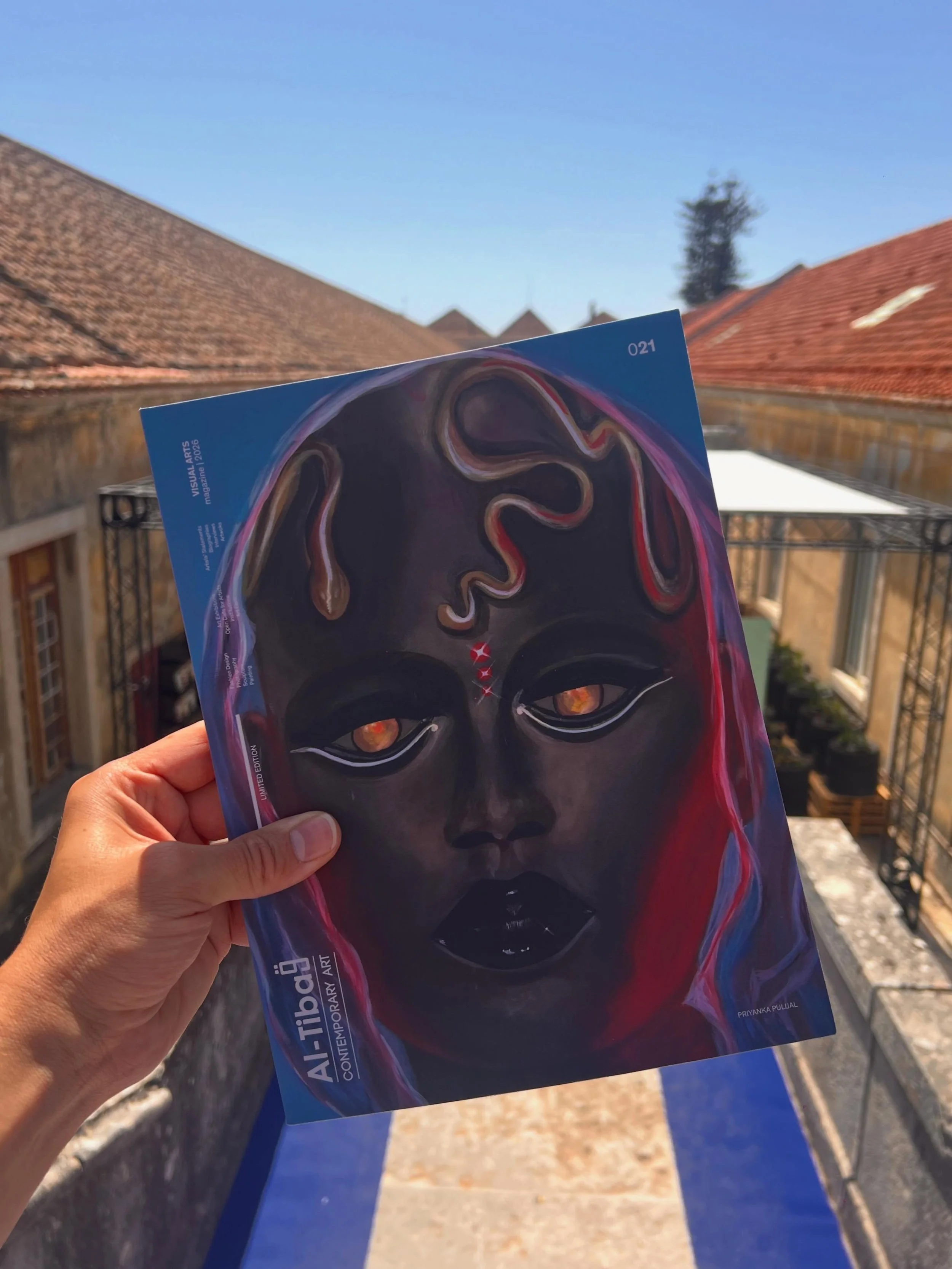
Al-Tiba9 Interviews is a promotional platform for artists to articulate their vision and engage them with our diverse readership through a published art dialogue. The artists are interviewed by Mohamed Benhadj, the founder & curator of Al-Tiba9, to highlight their artistic careers and introduce them to the international contemporary art scene across our vast network of museums, galleries, art professionals, art dealers, collectors, and art lovers across the globe.
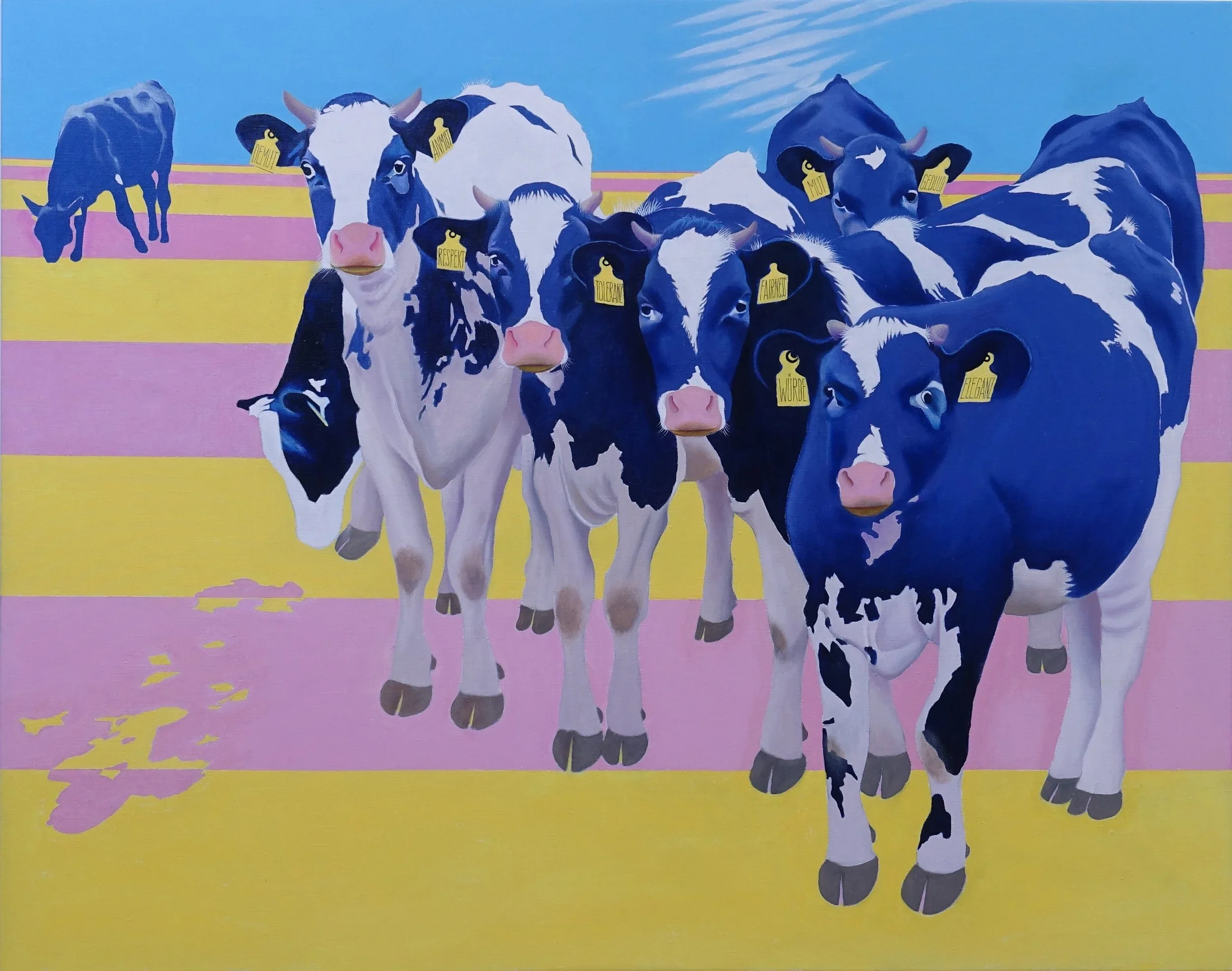


David Moješčík - MojDa is a Czech sculptor. His work is centred on figurative sculpture, the human body, and the female figure. Modelling in clay and with digital tools, he ultimately prioritises manual engagement with materials. . He draws inspiration from yoga philosophy with the concepts of non-violence and human-centeredness, as well as from Egyptian, ancient, and European classical sculpture.