
INTERVIEW WITH ARTISTS
COLLECTORS’ ART BOOK Vol. 5
featured artists
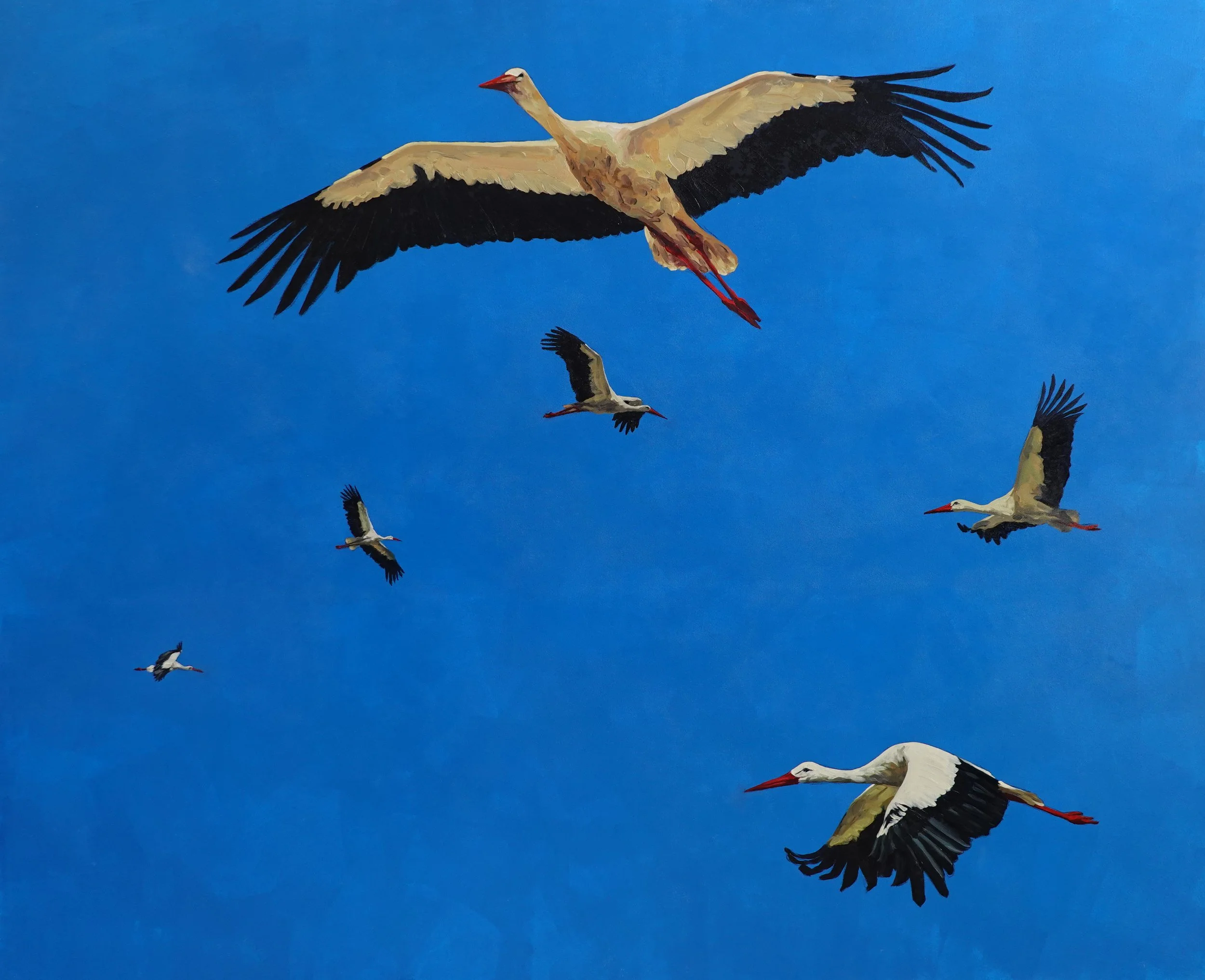
Miguel (Marquis of Jadraque) adapts them to his paintings according to the series he is working on. His inspiration comes from everyday life, his travels, people, what he reads, what he sees in other artists, conversations with friends, and film.
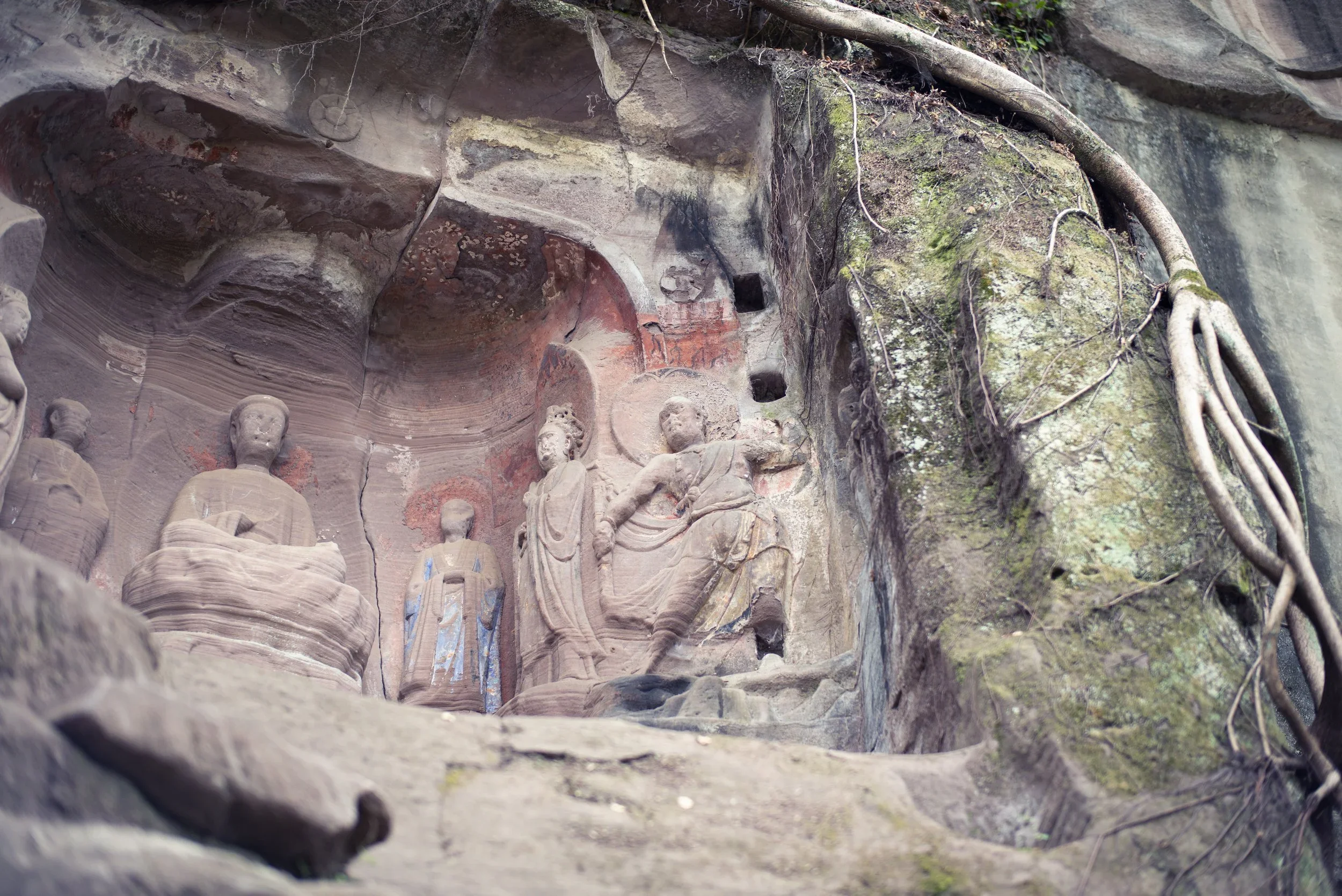
Qi Liu is a multidisciplinary artist based in Los Angeles whose practice explores the intersections of gender, society, and environment. Her work often takes the form of installations and photographs that translate social realities into visual experiences.
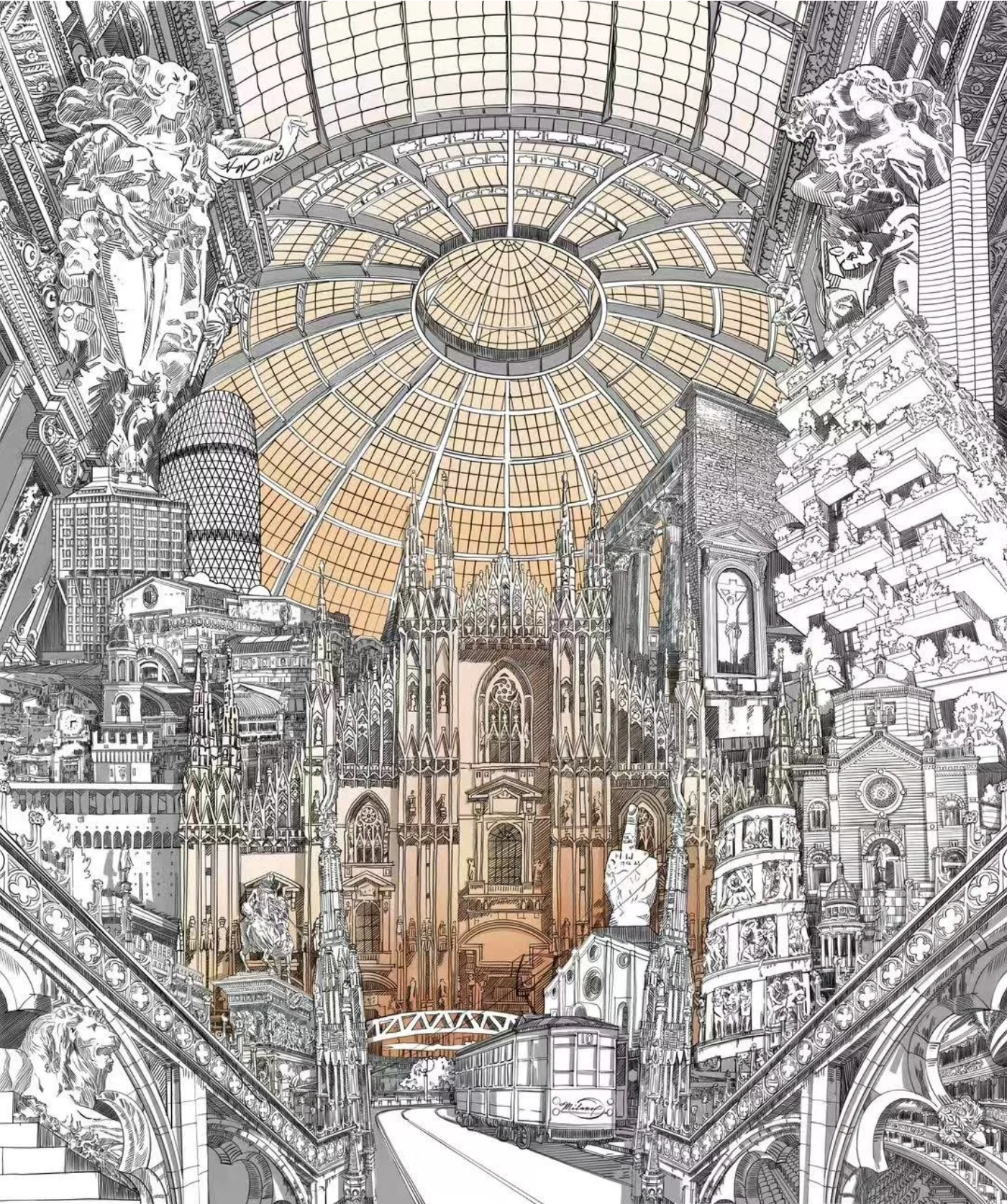
Hao Wu is a designer and artist with a background spanning architecture and interior design. Design is not only Hao Wu’s career but also his lifestyle. As a designer, he resists rigid definitions, choosing instead to explore whatever inspires him. When he draws through the lens of an interior designer, he reconstructs images in his mind and creates a dreamlike world shaped by imagination.

Shu Wang is an internationally renowned interdisciplinary artist specializing in jewelry design and wearable sculpture. Her practice centers on the body as a site where emotion, structure, and social tension converge. Through interaction, movement, and physical proximity, she investigates how objects function as living media, activating sensory experience, mediating social expectations, and generating shared perception between wearer and viewer.

Stéphanie Navarro, operating under the pseudonym TANI TELAS, is a major figure in contemporary progressive abstraction. Rooted in Corsica with French and Spanish heritage, Navarro draws profound inspiration from the Mediterranean, which remains the vibrant, thematic heart of her practice. Her work is defined by a rigorous and disciplined process that seeks constant emancipation from conventions.

Born in Lisboa and shaped by a global curiosity, Marta Ornelas Monteiro is an architect turned multidisciplinary artist whose creative journey is grounded in a profound dialogue with nature. Each piece becomes a living testimony to nature's resilience, memory, and transformation. Her latest work, Layers of Life, Layers of Body, Layers of Nature’s Reality, explores the unseen strata of existence.
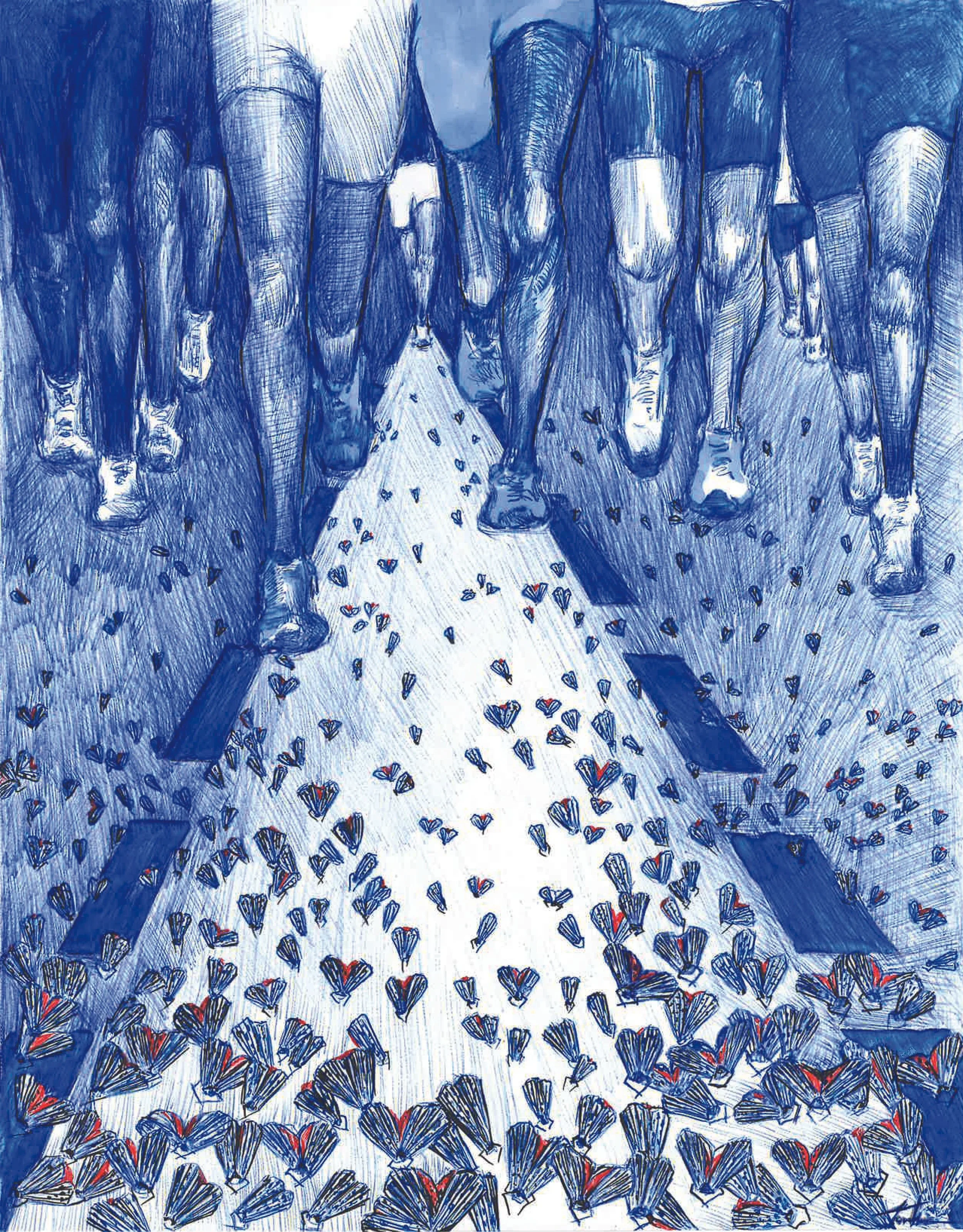
Tamara Novikova is a visual artist and packaging accessories designer based in New York City. Her signature use of red and blue ballpoint pens reflects both personal history and her ongoing interest in memory, form, and repetition. Her illustrations move fluidly between fine art and everyday utility, transforming simple materials into expressive, textured surfaces.
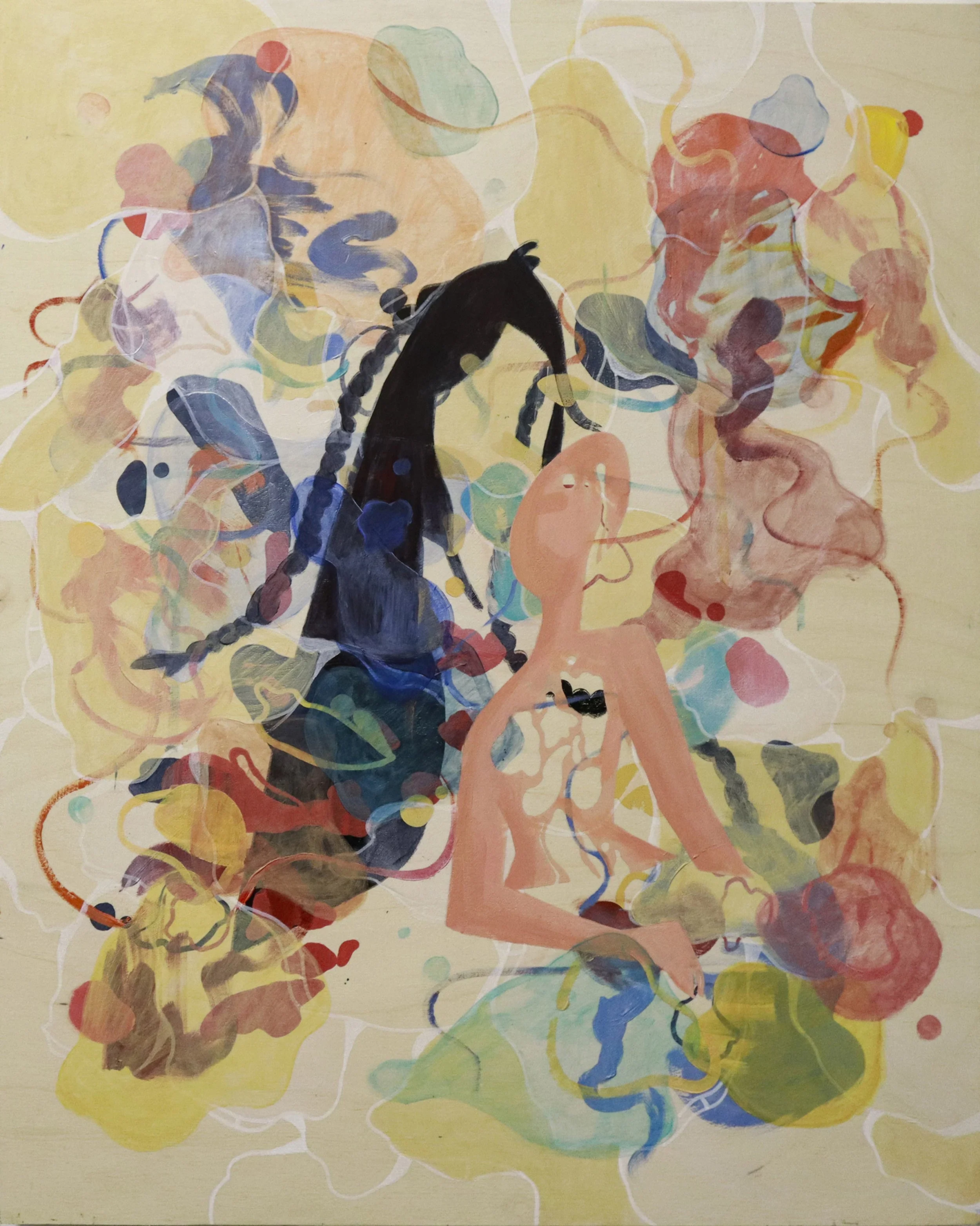
Wei Zhang is a visual artist passionate about colour, currently working as a freelance artist in Atlanta. Working primarily with acrylic, screen printing, and digital media on raw wood panels, Zhang's practice centres on the concept of "containment" and the exploration of breaking beyond existing boundaries.

Graduated in Architecture and trained in azulejo painting and ceramics in Lisbon, Aurore Monteil develops a multidisciplinary artistic practice rooted in architecture, conceived not only as a discipline of construction but as a sensitive, vibrational, and universal language. Her work explores the impact of materials, forms, and spaces on both body and mind.

Kate Ferguson (USA) is a photographer, writer, and filmmaker based in Mexico City. Her multidisciplinary practice is rooted in an appreciation for the threshold moments where transformation occurs and realities blur. hrough her work, she considers nostalgic liminality, the sensation of memory, and decisions that lead to psychological and spiritual evolution.

Currently on view at Palazzo Mora in Venice, Temporary Structures, Eternal Structures is a collaborative project by Kfir Galatia‑Azulay and Suly Bornstein Wolff, created specifically as a duo installation. Their work is featured as part of the expansive international group exhibition organised by ECC‑Italy, Time Space Existence, on the occasion of the 2025 Architecture Biennale of Venice.

Yang Lu's work resists human-centred narratives and seeks to dismantle the illusions that sustain them. Yang creates objects that operate as fragments from elsewhere, mirrored forms, alien inscriptions, and transparent architectures that neither reflect us fully nor explain themselves. These works emerge from a refusal to reduce existence to binaries: life and death, self and other, human and nonhuman.

KristofLab is a Budapest-based interdisciplinary artist. Transitory media, such as video and sound, play a central role in his practice. Through an interdisciplinary approach, KristofLab continuously seeks to expand and challenge his own perspective. In his work, he explores social concerns, including globalisation and its consequences, environmental issues, war, and social inequalities.

Doug Winter is a semi-sighted North American conceptual photographic artist and filmmaker whose artworks focus on the preoccupation of light and non-figurative forms. Doug's non-representational photographs of conventional objects and their environments are derived from the human body's resilience to adapt and accommodate a physical disability and emotional trauma.

Ziggy Yang is a Chinese installation and new media artist based in New York. His practice explores the complex dialogue between human emotions, cultural conditioning, and technology, positioning technology as both an interactive medium and a conceptual framework. Yang employs mechanical systems, programmable physical computing, artificial intelligence, and synthetic materials.

Yasuaki Matsuura is a Tokyo-based contemporary artist whose practice centres on the theme of “new memory.” He uses the camera, its form, function, and cultural role, not just as a tool, but as both subject and medium. His works invite users to slow down, to look, and to feel the presence of time and others. Each camera is not just a device, but a proposition.
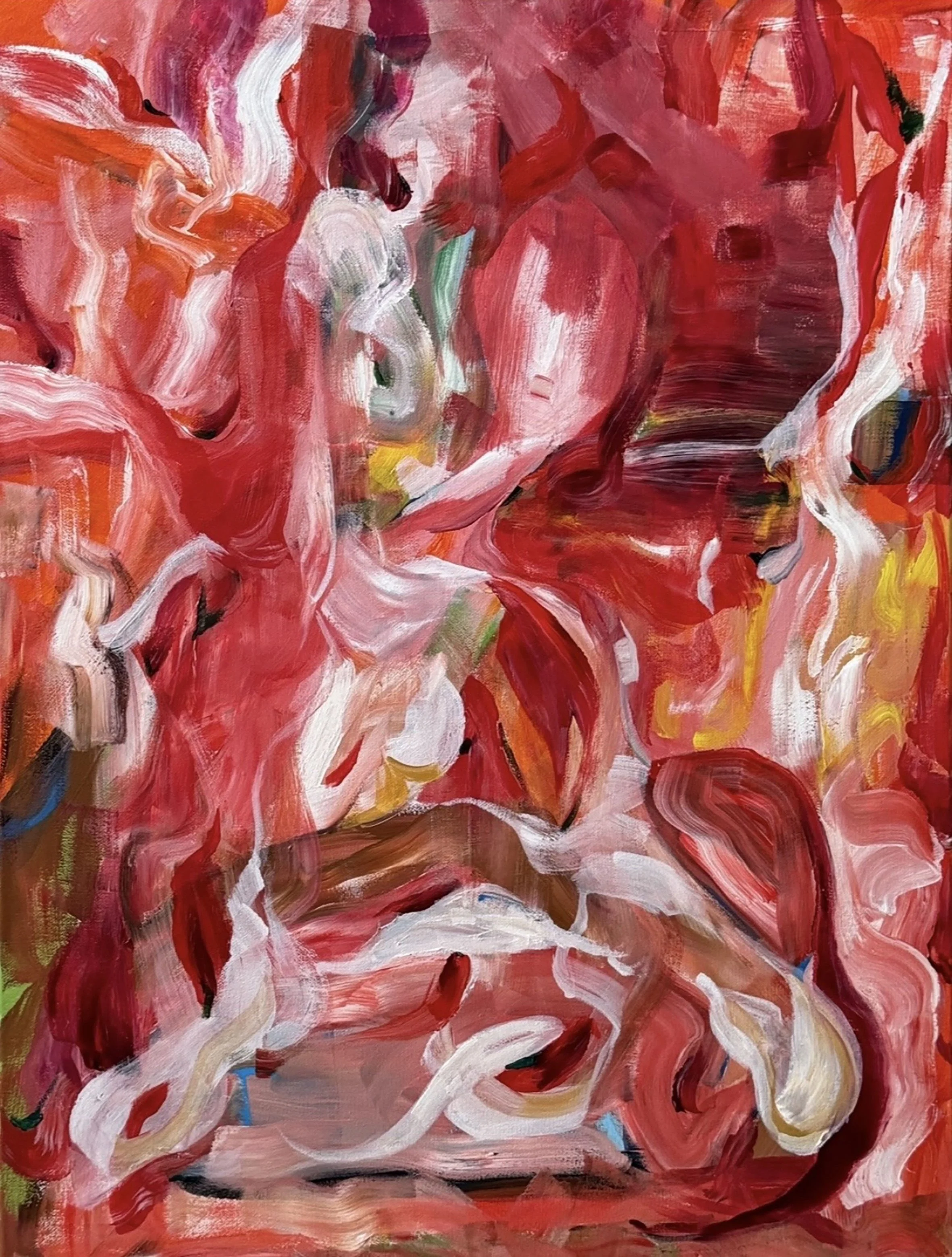
Yanhua Feng is a Chinese-born artist based in San Francisco, with studios in Vancouver and Beijing. Working in acrylic on canvas, she constructs layered surfaces that hold contradiction. While abstract, her work is rooted in the emotional architecture of contemporary life, its intimacy and instability. Female bodies, domestic space, and unspoken gestures are all recurring themes.

Mingyong Cheng, originally from Beijing and now based in California, is an interdisciplinary artist working at the intersection of AI, generative art, and environmental research. Working across generative animation, performance, real-time systems, and immersive installation, she develops hybrid environments where nature, data, and memory converge through machine vision and embodied experience.

Hou Guan-Ting (侯冠廷), born in 1999, explores the relationships between time, the body, and craftsmanship. Through intricate textile techniques and layered textures, his work examines how material and memory intertwine within woven structures.

Marcus Brown is a sculptor, painter, inventor, musician, and educator. Brown developed a form of painting called Electro-sonic Painting in which the artist paints with sound/data-producing instruments. HIs mission is to create artworks that educate the public about important issues while transcending both media and societal boundaries.

Ellerie Brust is an editorial photographer and photo editor based in Burlington, USA. She hopes her work inspires others to engage more actively in their community—not just artistically but politically as well. Humans are inherently social creatures, and in a time when technology seems to dominate, Ellerie believes it is crucial to remember what drives us to create and take action.

mole^3 is a Japanese printmaker and visual artist whose work explores the intersection of traditional printmaking and digital media. She creates using open data, images, sound, generative art, and woodblock printing. Viewing coding as a form of printmaking, she considers on-screen outputs to be the digital equivalent of physical prints.

Dancho Atanasov is a fine art photographer whose portfolio includes landscape, architecture, travel, and conceptual single photos and series. Through his individual approach, Dancho Atanasov extracts beauty and aesthetics from every photographed object, based on its type. Watching the photos, you find a proper combination of forms and shapes, dynamic angles, and a sense of detail-based volume.

Eagan Hsu is an emerging photographic artist based in Taipei. His work explores the complex web of human emotions, mental health, identity, and the often-overlooked moments of daily life. Eagan's photography spans from candid street portraits to conceptual series, delving into themes like imperfection, memory, and anonymity.

Nicola Napoli (1983) is an Italian artist and creative director whose career spans visual arts, cinema, and music. His latest project, the PLANETZ series, explores the human essence and themes of introspection through seemingly minimal compositions, blending aesthetic purity with inner reflection.

Natalia Shamrai (Kolpakova) is an award-winning graphic artist and designer from Kyiv, Ukraine, specialising in art and fashion. Now based in Falmouth, UK, she creates intricate graphic designs digitally printed on silk, transforming them into both wearable accessories and interior art pieces. Her work, rich in narrative and symbolism, bridges the gap between fine art and fashion.

Rodri is a Mexican, Muslim emerging artist, lawyer, entrepreneur, and philanthropist living in Dubai. He aims to help people in Mexico's courts while pursuing a career as a famous artist. To achieve this, he moved to the U.A.E., brought his guitar, and began developing his skills. He has visions and brings them into reality; it's about raising others' hearts through Rock.

Julio Merino is a visual creative specialised in photography and graphic design, based between Seville and Cadiz. With a technical background in Image Capture, Lighting, and Graphic Design, his work stands at the intersection of visual storytelling, branding, and art direction. His photographic approach is defined by a strong sense of composition, intentional use of light and colour.
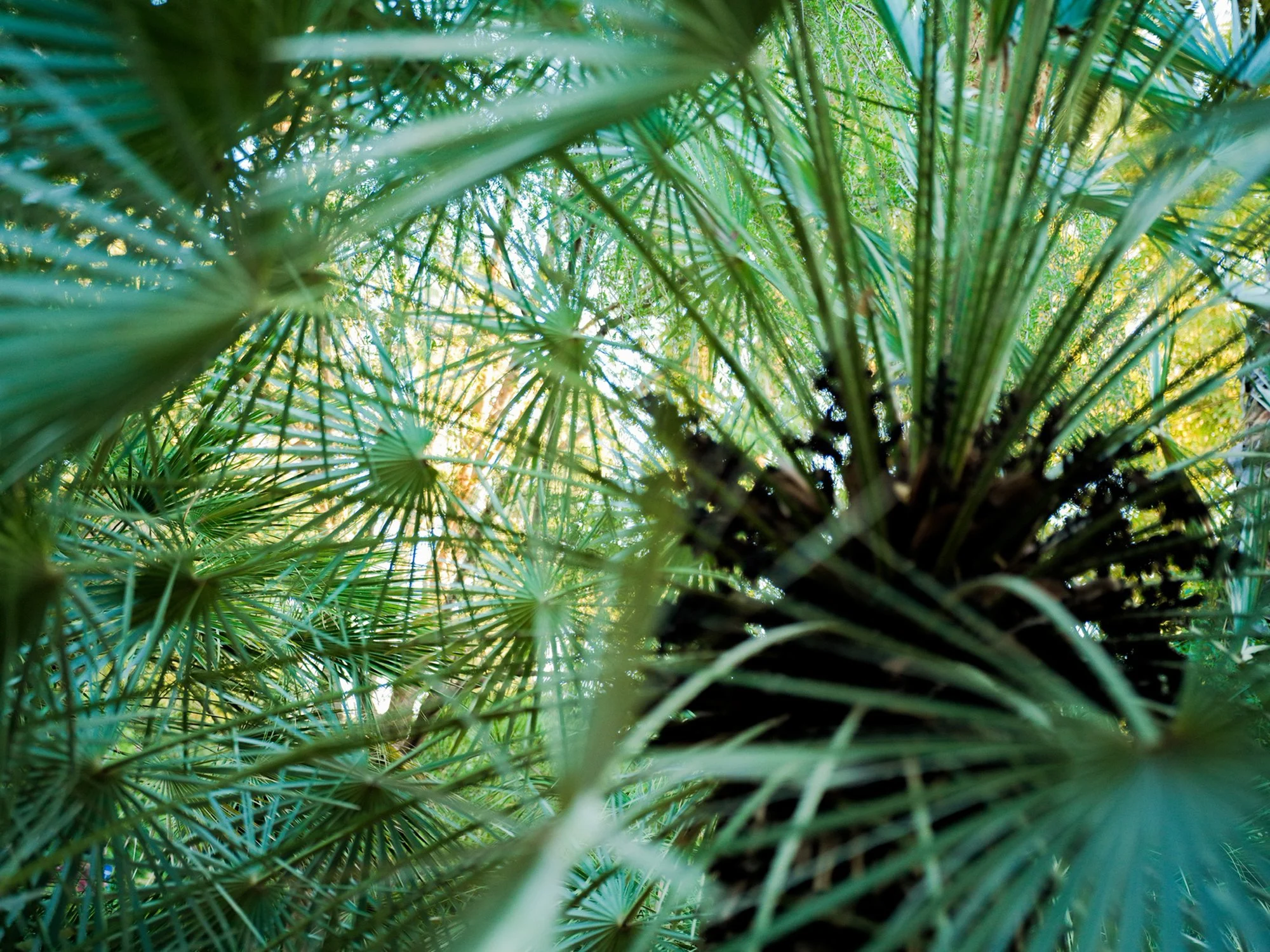
Xiuzhuo Zhou is a photographer and narrator of the inner world, whose work explores the subtle interplay between emotion, memory, and philosophical reflection. In Silent Infrastructures, Zhou explores how architecture and infrastructure quietly shape perception and control. The series omits human presence, focusing instead on built forms and synthetic materials that structure modern life.
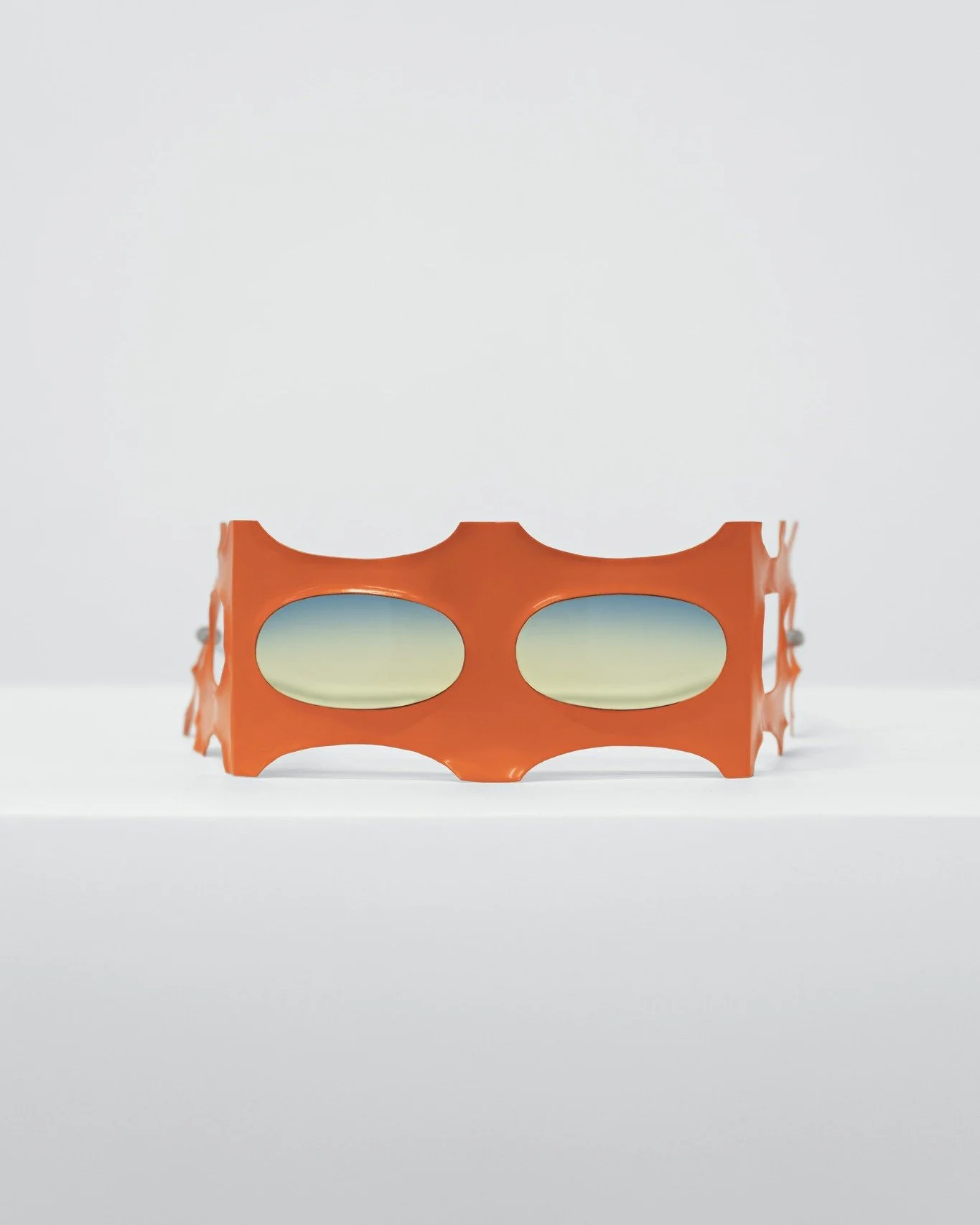
Chen Wenwei approaches photography as a speculative language rather than a mere annotative reproduction of reality. Influenced by her background in editorial design, she utilises photography as a structural tool to investigate how memory, materiality, and power structures intertwine within built spaces, revealing themselves through light, circulation, signage, and boundaries.