
10 Questions with Courtney Nichelle Coble

Courtney Nichelle Coble - Portrait
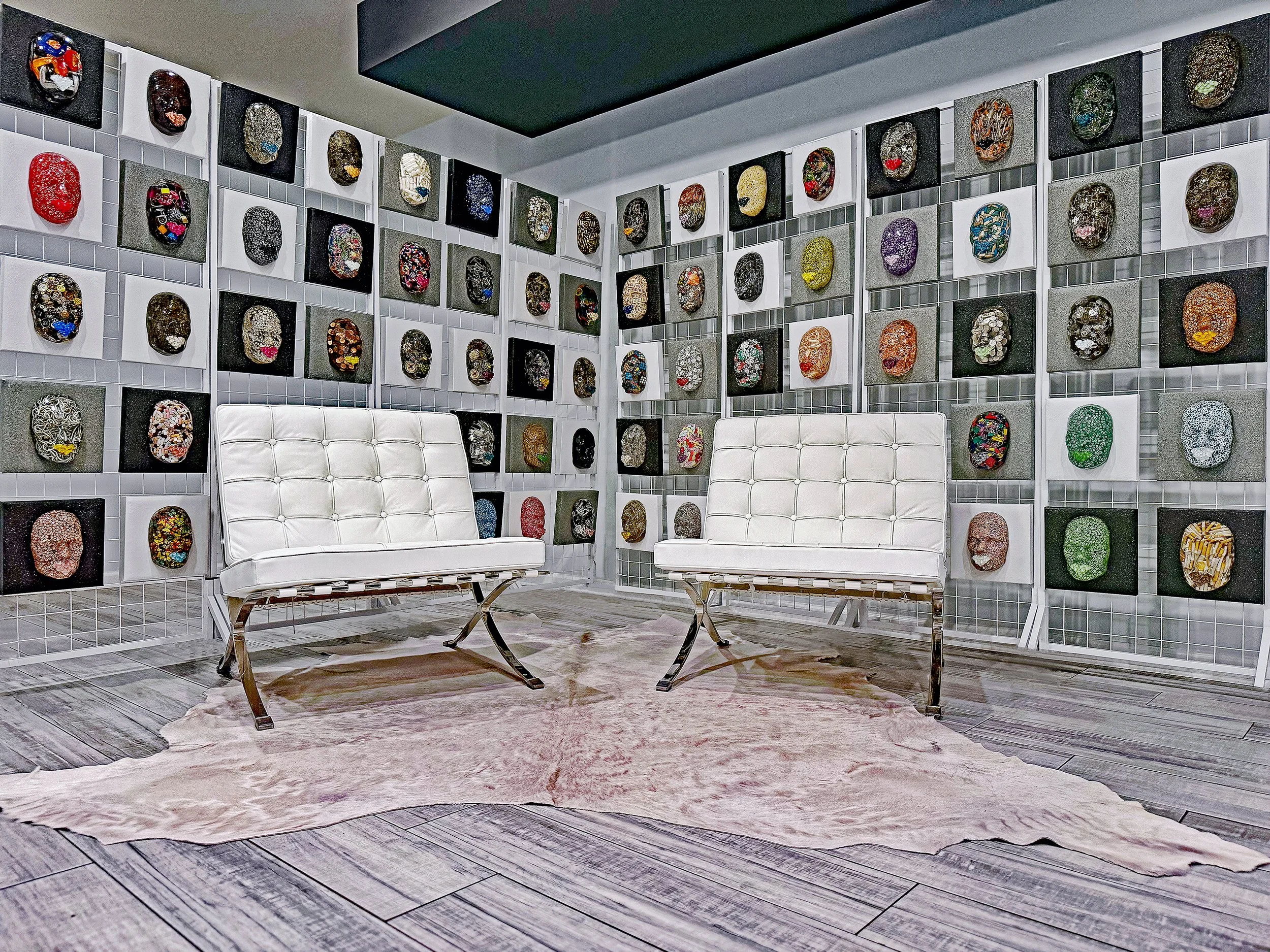
Courtney Nichelle Coble is a multidisciplinary sculptor whose practice investigates psychological containment, repetition, and internal systems of pressure through materially dense resin forms. Working primarily with epoxy resin embedded with everyday objects, Coble compresses symbolic matter into restrained, mask-like structures cast from her own likeness.
By replicating her own face as a structural template, she transforms self-referential form into a broader study of endurance, saturation, and identity formation. Embedded materials accumulate within translucent surfaces, operating not as illustrations but as internalised systems suspended within hardened architectures.
Repetition across works creates a network of closed circuits, faces that hold tension rather than resolve it. Through accumulation and restraint, her sculptures function as psychological vessels, examining how identity absorbs and contains external forces over time.
Her work has been exhibited and published internationally, positioning her practice within contemporary discourse on material inquiry and embodied abstraction.
ARTIST STATEMENT
“My sculptural practice centres on the human face as a site of containment. Each work is cast from my own likeness, establishing a self-referential structure that becomes a framework for examining psychological pressure and internalised experience. Working with epoxy resin embedded with everyday objects, I compress fragments of lived reality into dense, layered surfaces. These objects are not illustrative; they accumulate. They operate as embedded systems, visible yet inaccessible, suggesting how identity absorbs and processes external forces. The faces function as closed circuits. They do not narrate; they hold. Through repetition and material density, I construct a network of contained structures. Similar yet individually saturated, each face embodies endurance and restraint. Rather than resolving tension, the work preserves it. These sculptures are not portraits in a traditional sense. They are architectures of compression, forms that examine how the self becomes a vessel for accumulated pressure.”
— Courtney Nichelle Coble
Studio Installation- Faces Grid, Epoxy Resin, 2024 © Courtney Nichelle Coble
INTERVIEW
Let’s start from the beginning. What first drew you to sculpture as your primary medium?
Sculpture allows me to work with weight, resistance, and surface. I am interested in materials that push back. The physical process of building, sanding, layering, and sealing mirrors the psychological density I explore conceptually. Sculpture is not image-making for me; it is construction. I build containment.
Why did you choose the human face as the central structure in your work?
The face is the most recognisable architecture we carry. It is where projection begins. By using the face as a structural base, I can disrupt expectations; what appears to be portraiture becomes a vessel. The familiarity of the face creates an entry point, while the embedded systems destabilise that familiarity.
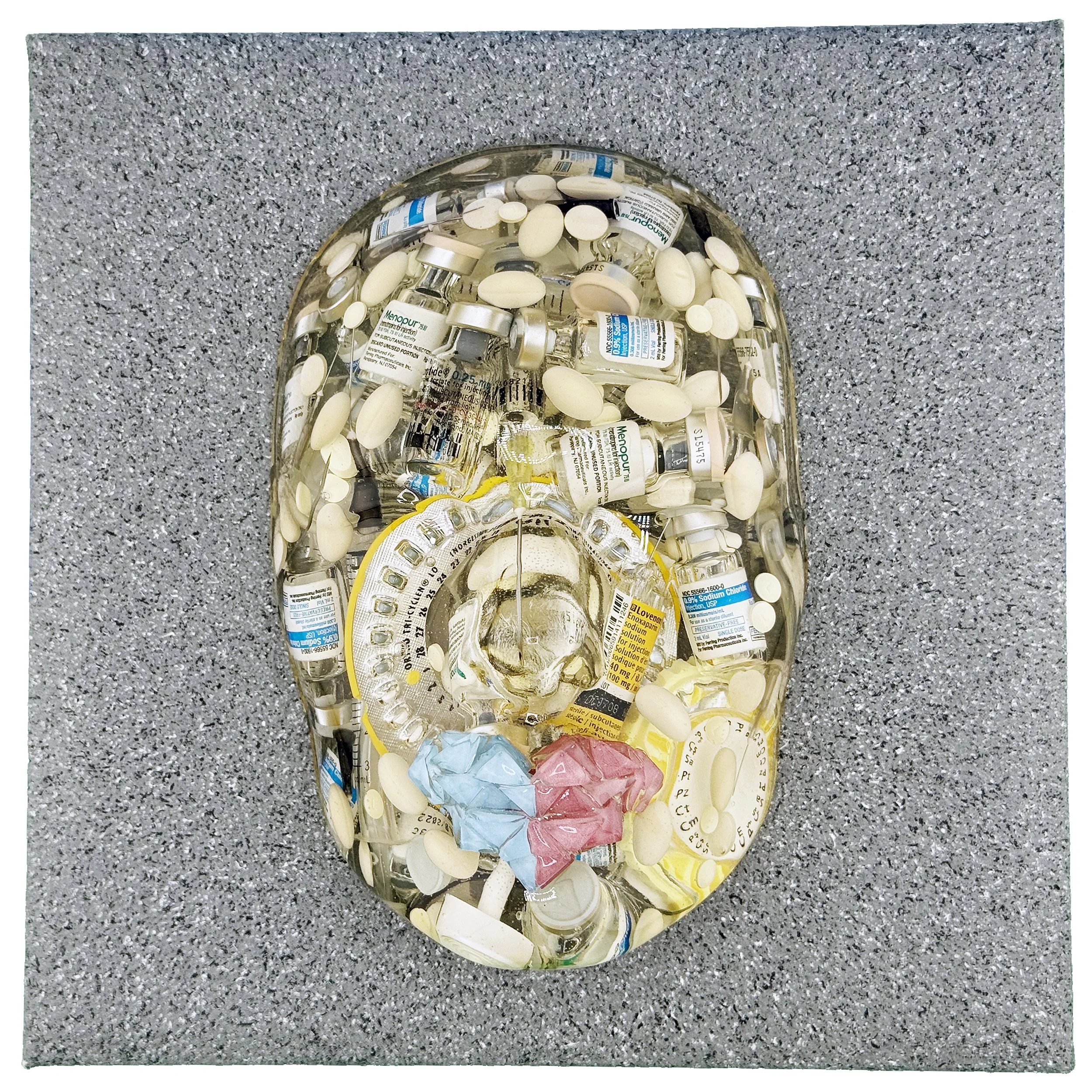
The Silent Warrior, Epoxy Resin on Canvas, 10x10 in, 2023 © Courtney Nichelle Coble
Your sculptures are cast from your own likeness. What does working from your own face allow you to explore?
Working from my own likeness removes distance. It prevents abstraction from becoming avoidance. Using my own face creates accountability within the work. The repetition becomes a study of the self as system rather than the self as subject.
You embed everyday objects into epoxy resin. How do you select these objects, and what role do they play in the final piece?
The objects are chosen for behavioural symbolism rather than visual appeal. I am drawn to items connected to systems, medical, domestic, cosmetic, professional, and economic. Once embedded, they stop functioning as objects and begin functioning as structural pressure. They represent internalised roles and expectations rather than decoration.
Resin creates dense, translucent surfaces. What interests you about this material in particular?
Resin has the ability to suspend. It freezes motion without softening it. Its translucency allows visibility while maintaining obstruction. That tension between exposure and containment reflects the psychological structures I am exploring. Nothing is hidden, but nothing is fully accessible.

Hypodermic, Epoxy Resin on Canvas, 10x10 in, 2023 © Courtney Nichelle Coble

Hypodermic (Detail), Epoxy Resin on Canvas, 10x10 in, 2023 © Courtney Nichelle Coble
Repetition is a key part of your practice. What does repeating the same form reveal over time?
Repetition reveals variation within constraint. When the structural form remains constant, the embedded systems become the variable. Over time, the work begins to reveal patterns, how pressure shifts, how roles evolve, and how internal architecture reorganises itself.
Your works are described as containing pressure rather than resolving it. Why is it important for you to preserve tension instead of offering release?
Resolution suggests a conclusion. I am not interested in closure. Tension reflects lived experience more accurately than catharsis. By preserving pressure within the work, the viewer is asked to remain with it rather than consume it comfortably.
You speak about psychological containment and internal systems. How do these ideas guide your decisions in the studio?
Every compositional decision asks the same questions: what is being held in place, what is compressed, and what is resisting? I approach the work as internal architecture. Materials distribute weight, objects create pressure, and surfaces seal the system.

Closed Circuit, Epoxy Resin on Canvas, 10x10 in, 2023 © Courtney Nichelle Coble
Although the works resemble portraits, you describe them as architectures of compression. How do you see the difference?
Portraiture suggests depiction. Architecture suggests structure. These works are not attempts to represent emotion. They attempt to construct the framework that contains it. The face simply functions as the outer wall.
Lastly, as your practice continues to evolve, what new directions or experiments are you interested in exploring next?
I am interested in expanding scale and exploring modular systems, how these internal architectures behave when multiplied and placed in dialogue with one another. The next phase of the work examines fragmentation, partial transparency, and environmental installation, where containment becomes spatial rather than singular.
Artist’s Talk
Al-Tiba9 Interviews is a promotional platform for artists to articulate their vision and engage them with our diverse readership through a published art dialogue. The artists are interviewed by Mohamed Benhadj, the founder & curator of Al-Tiba9, to highlight their artistic careers and introduce them to the international contemporary art scene across our vast network of museums, galleries, art professionals, art dealers, collectors, and art lovers across the globe.




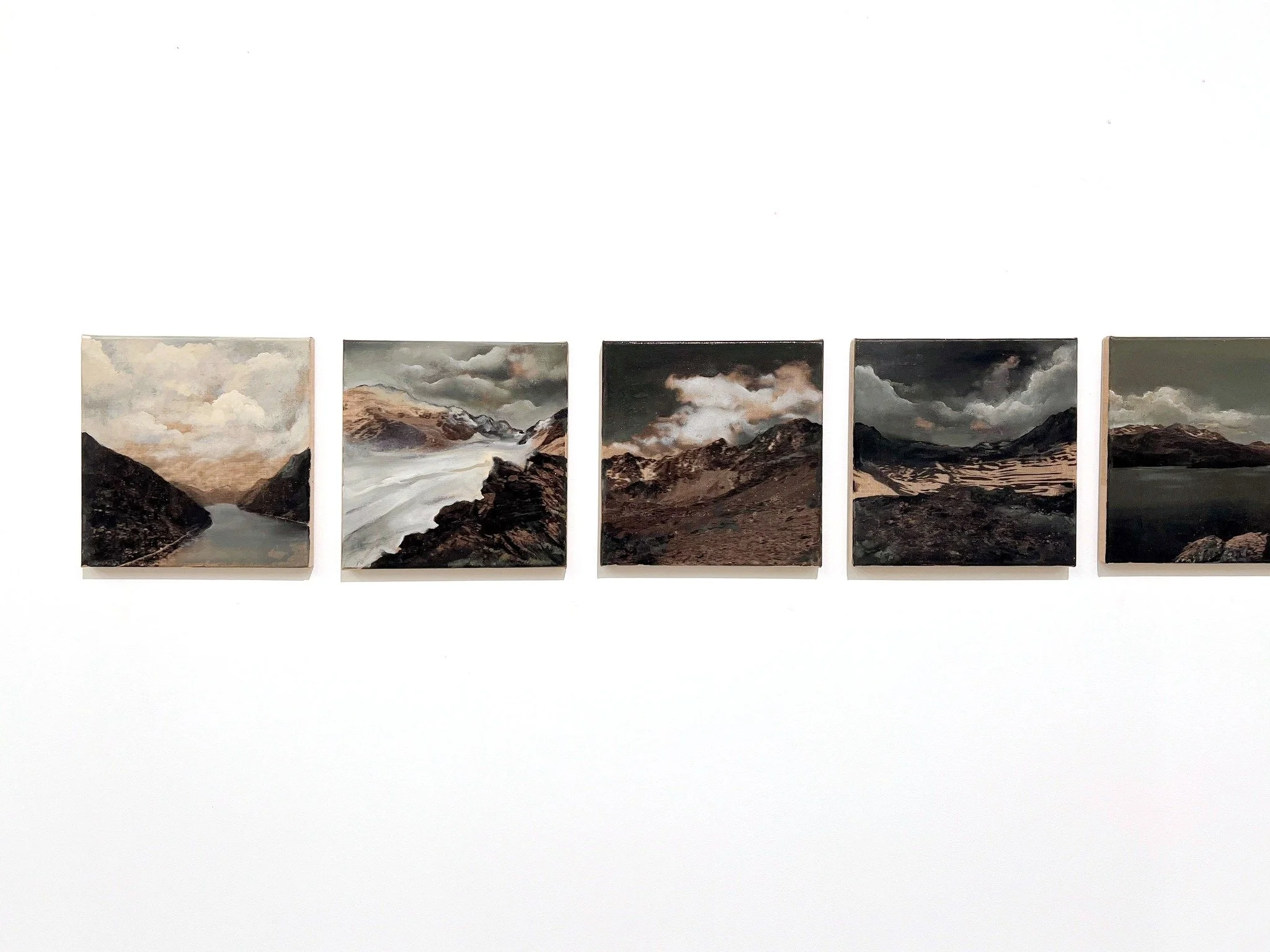

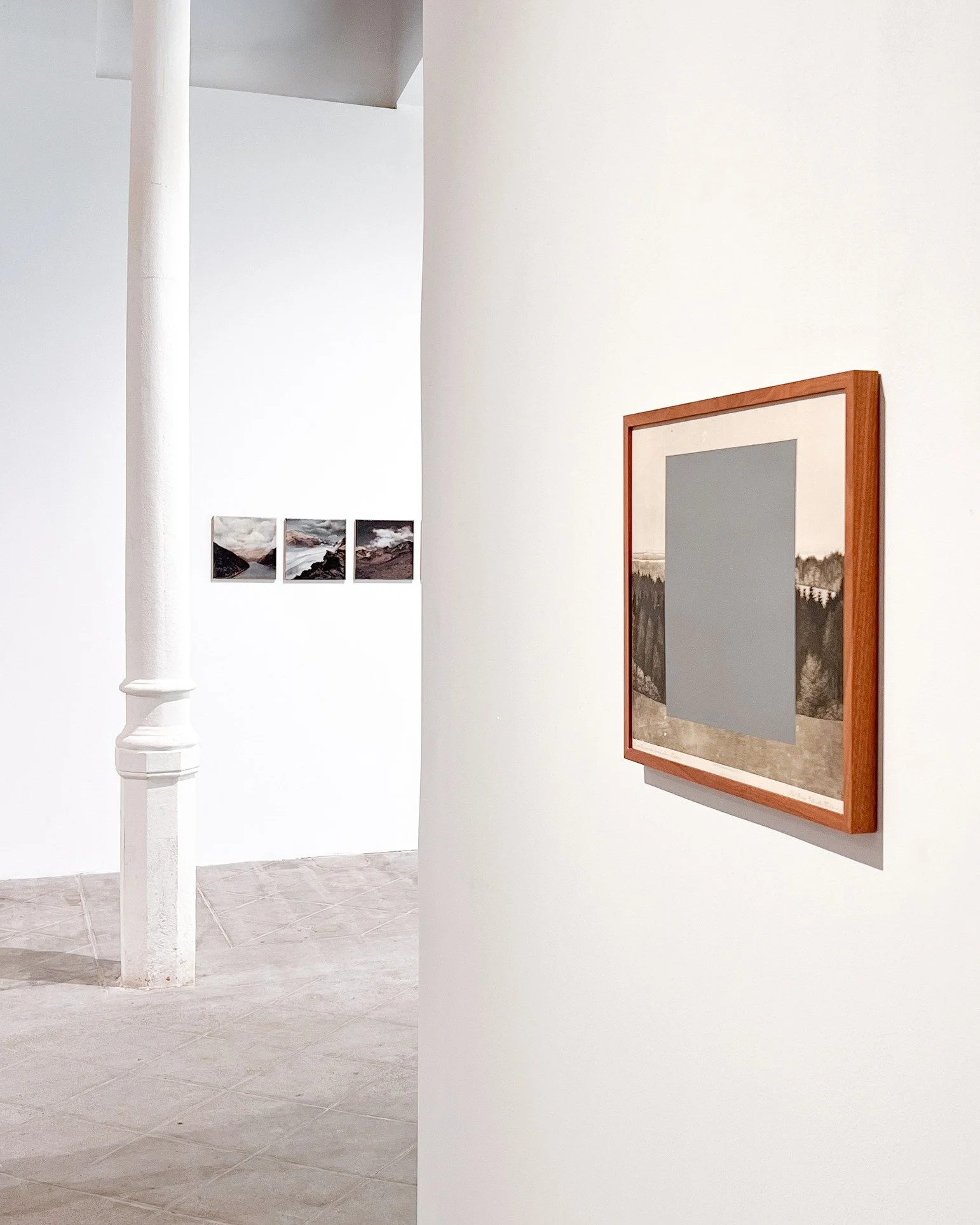
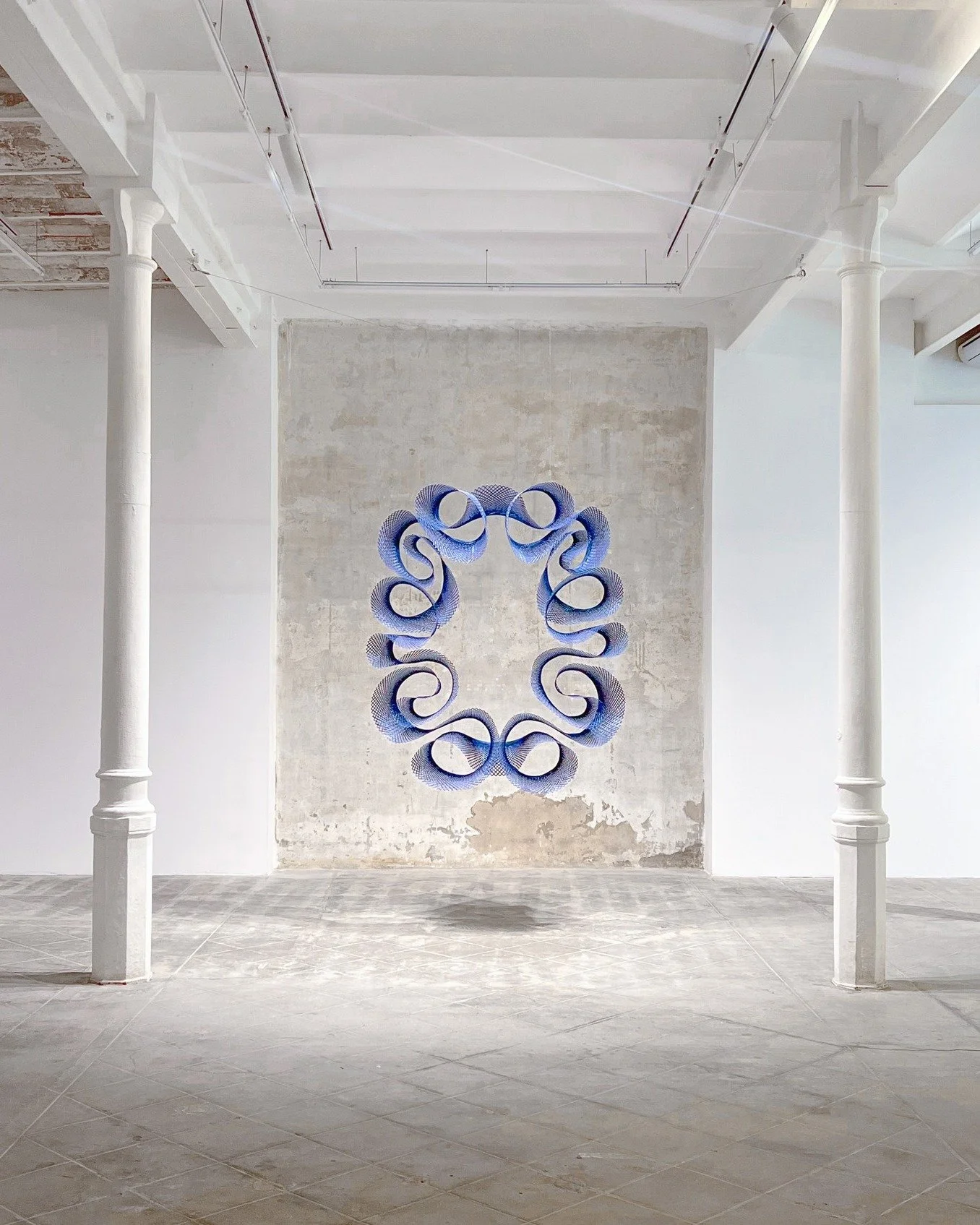
Kfir Galatia-Azulay Darash is an architect, engineer, multidisciplinary designer, and artist. In his practice, architecture defines the framework, scale, rhythm, and light; interior design addresses the body and the human experience; product design approaches detail, material, and physical contact; and art allows an idea to move beyond function and become emotion, memory, and interpretation.