
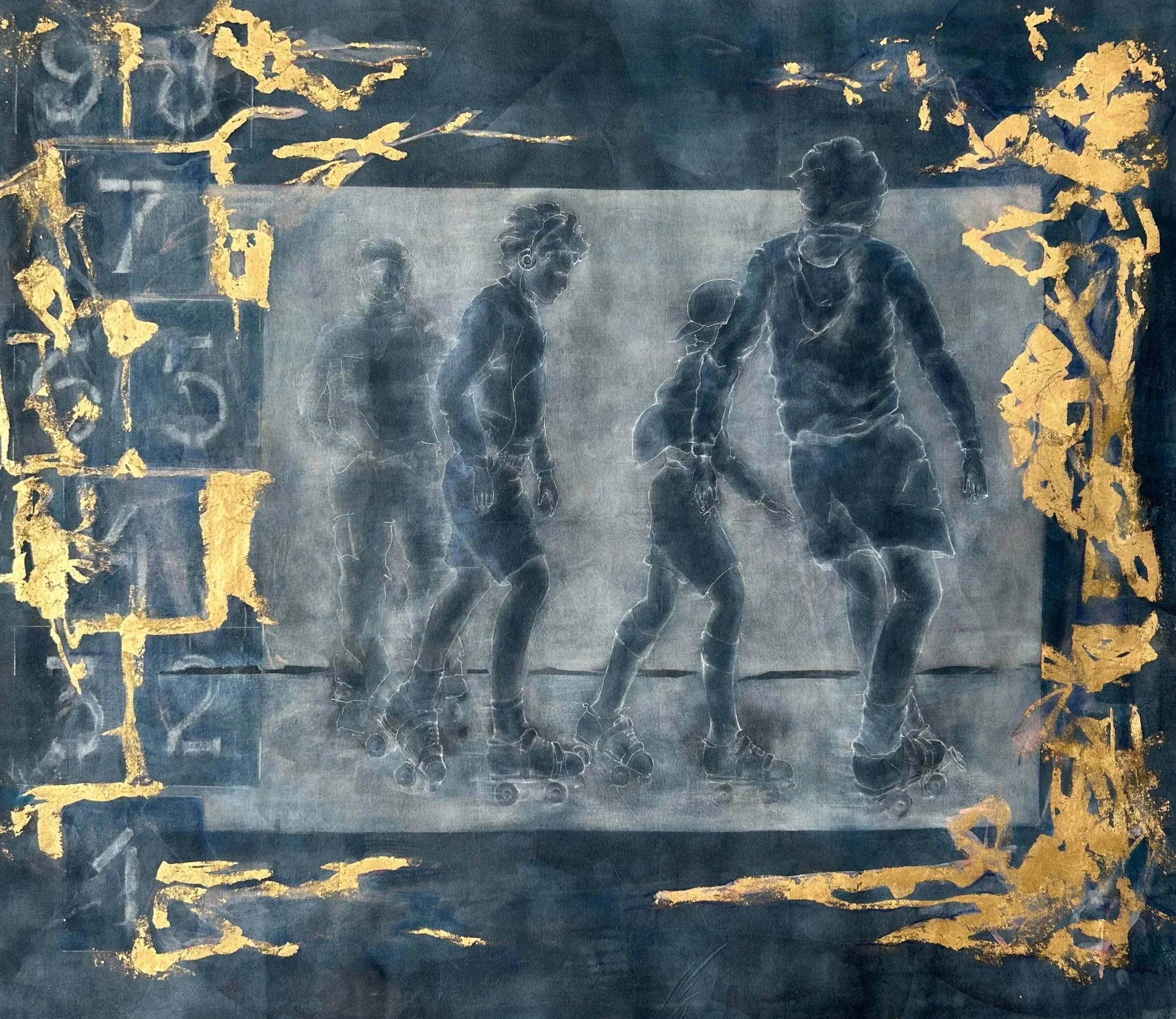
10 Questions with Carla D'Amato
Carla’s artistic journey was shaped early by a formative encounter with Argentine master Benito Quinquela Martín, a pivotal moment that sparked a lifelong devotion to drawing and to the expressive depth of graphite and charcoal.
Rooted in Buenos Aires and informed by years of living across diverse landscapes and cultures, Carla’s work grew from a close observation of life’s contrasts and the human condition. With an architectural foundation and European training that expanded her technical range, she refined a disciplined craft while continuously pushing the boundaries of image, material, and meaning.
Through an intense, ongoing exploration, Carla developed her own authored technique: Performance Painting. Here, gesture, movement, time, and matter converge into a living language. The image is never merely physical, but a gateway into a wider dimension, revealing hidden realities, emotional echoes, and the inner forces that propel us forward or define our pace. Her practice moves between subtle, contemplative atmospheres and works charged with urgency and energy, always inviting the viewer into a direct experience of agency, presence, and interpretation.
Timeless yet contemporary, her body of work remains intentionally open-ended. Carla believes in granting viewers the power to complete the narrative through their own unique perception, creating a dynamic interplay between artwork and observer.
Carla’s creations find residence in numerous private collections across the United Kingdom, the United Arab Emirates, and the United States. She has achieved recognition through participation in leading U.S. art fairs and high-end shows, including Art Wynwood, Red Dot Miami, Art Miami Context, Art Palm Beach Modern + Contemporary, and LA Art Show.
Carla is represented by several Art Dealers and Galleries worldwide
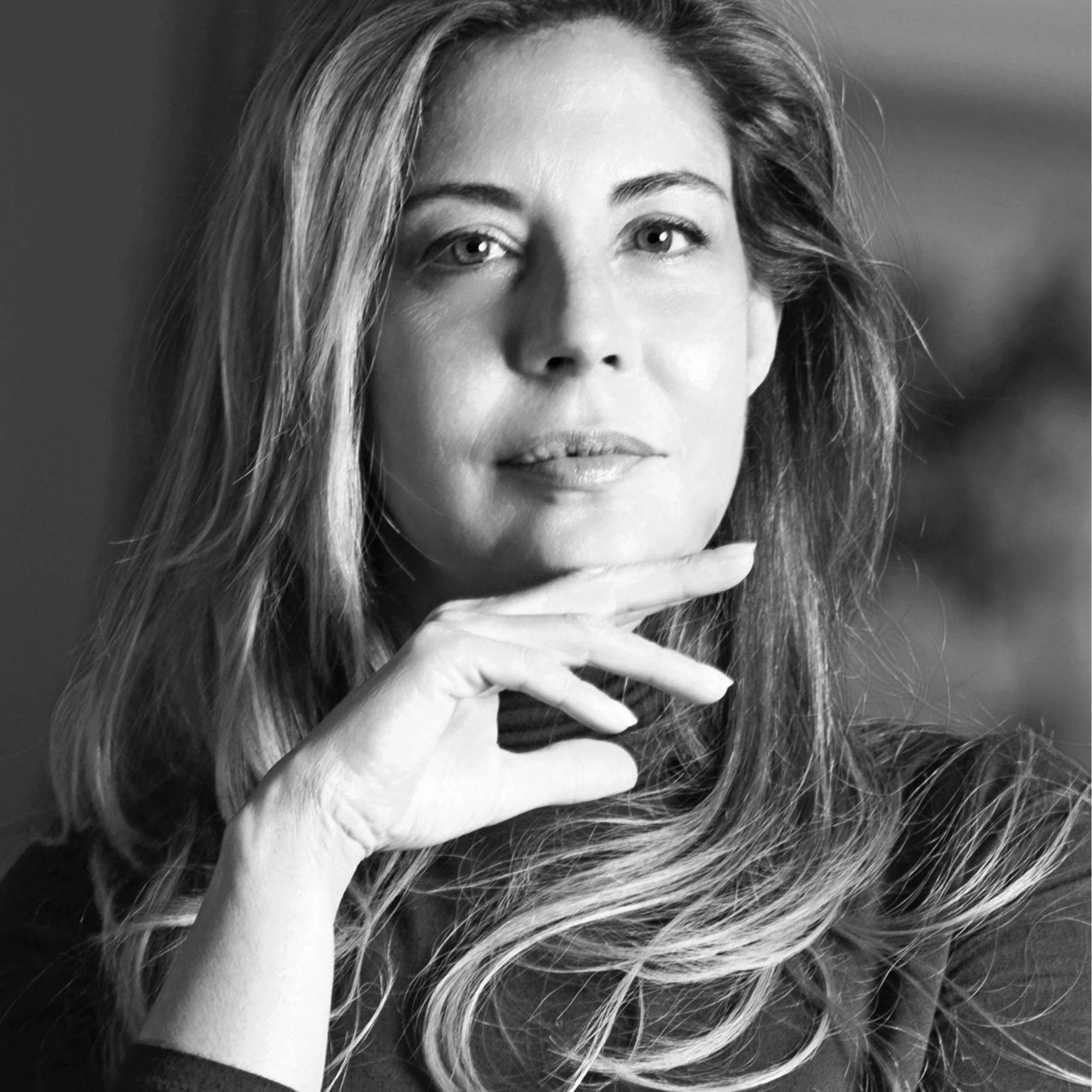
Carla D'Amato - Portrait
ARTIST STATEMENT
“To find true liberation and reach your fullest potential, it is essential to embrace your authentic self, venturing fearlessly into uncharted territories where your inner essence resides.
Within my artwork, the image transcends mere physicality, serving as a gateway to a larger dimension. It becomes a vessel for expressing the complexities of the human condition, unearthing the hidden realities, emotional echoes, and fragments that propel us forward or set our pace. Through my art, I strive to bridge the gap between these inner realms and the conscious plane from which we navigate and exist.
At times, my approach takes on a subtle form, as seen in the evocative series “HAPPENING NOW,” which suggests the possibility of cultivating healthier and more positive connections with our surroundings.
Other times, my work exudes a potent energy, as witnessed in the series “Traces of the Present Moment.” This series compels immediate action through gestural strokes and intricate layers of nuanced markings, urging viewers to engage deeply with their own sense of agency.
My body of work remains timeless yet contemporary, allowing the image to evoke and inspire, while leaving its message open-ended. I believe in granting viewers the power to shape the narrative through their own unique interpretations, fostering a dynamic interplay between the artwork and the observer.”
— Carla D'Amato
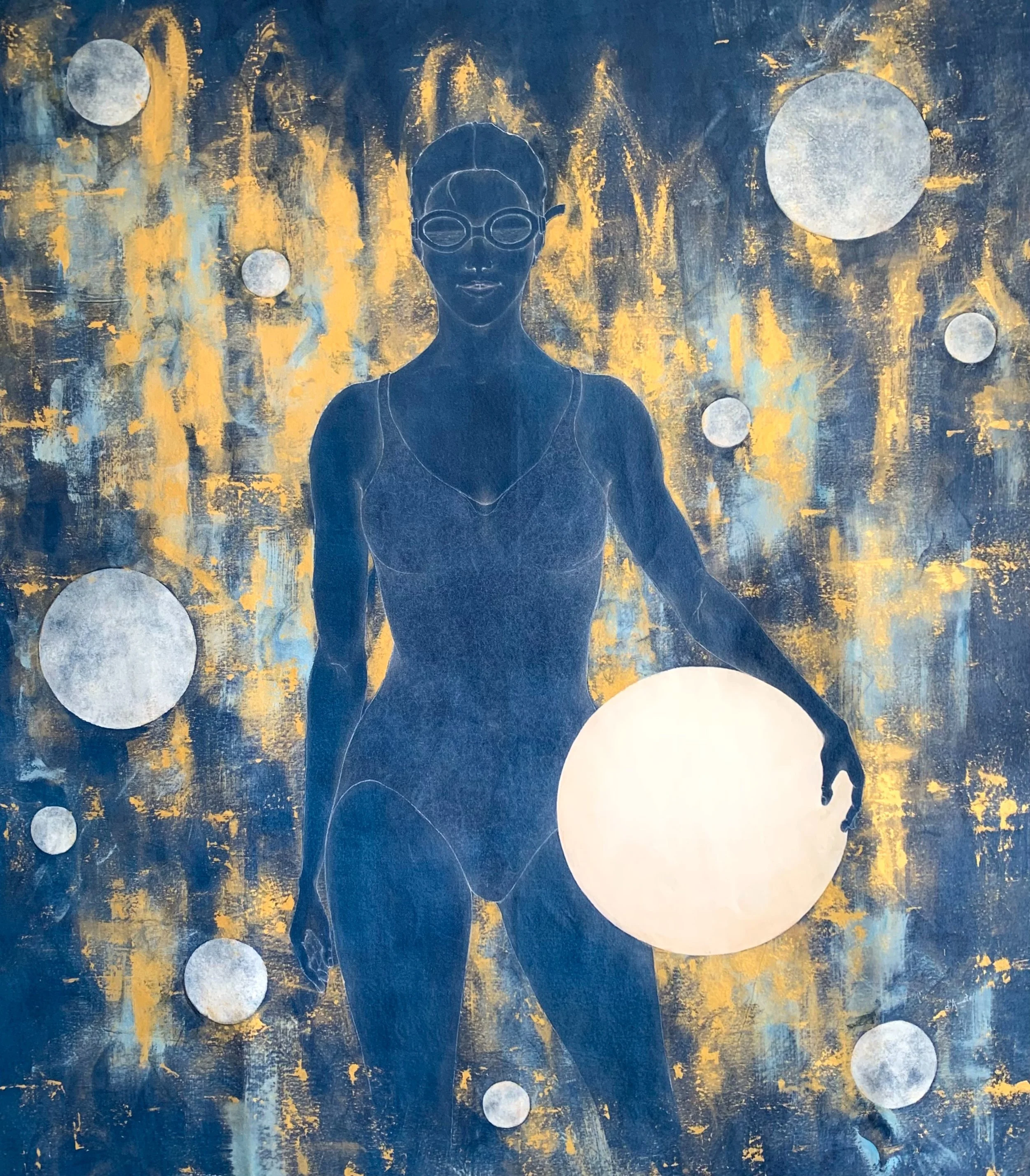
THAT SUMMER © Carla D'Amato
INTERVIEW
Can you share your early background as an artist, and explain how your encounters with Benito Quinquela Martín became a turning point in taking drawing and art seriously?
My relationship with art didn’t begin as a conscious decision, but through many encounters with master painter Benito Quinquela Martín, a close family friend and a very dear friend of my paternal grandfather. Because of that closeness, when my mother needed to restore an antique colonial-era oil painting, a Christ at the foot of the Cross, she eventually persuaded the master,after persistent requests, to accept the restoration. I was almost two years old at the time.
From then on, our visits, often with my grandfather and my mother, became more frequent. We would go to his studio to follow the progress of the restoration, and those visits, without me realising it, became a quiet and profound education. I was a very restless child, and the master didn’t have much patience… so to keep me occupied, he would hand me paper and small pieces of charcoal and graphite and say, quite simply: “Draw.”
Immersed in his world, works in progress, sketches, and tools, I started copying what I saw, even at that early age. I was captivated by the palette knife, though he wouldn’t let me touch it. And in that casual “draw whatever you want,” everything began: I wanted to follow the figures in his paintings. I was especially drawn to black and white; there was an etching in my grandfather’s home, and I would sit mesmerised, trying to decipher how to do it.
The restoration took years until he passed away. The master worked with a dedication and slowness that, today, I understand, allowed me to witness the ethics of craft: patience, precision, and a gaze that does not rush. Quinquela taught me simple truths that became principles: nothing is only black or white; it is grey that gives form and volume. He encouraged me to dirty my fingers, to leave space, to understand that not everything needs to be filled, that emptiness matters too.
And then came the gesture that changed my perception forever: one day, he suggested I try adding water to graphite or charcoal. Watching a thin trail of water pull particles along, leave a trace, migrate across the surface, and create unexpected impressions felt like witnessing a micro-universe in motion. I became immersed in the idea that matter itself was intelligence, that within the interplay of control and accident something intimate happens, a kind of conversation, and that, when seen from a distance, that intimacy can contain the immense in a different way.
Ever since, I’ve continued to search for those sublime instants: I immerse myself in the path of particles, observe how they move, how they transform the plane, how the intimate becomes universal. My work and I live in that dimension between the abstract, micro vision, intimacy, closeness, and the figurative, with the impact of a macro gaze.
Ultimately, that closeness to Quinquela, those years visiting the master’s studio, its atmosphere, its scent, its light, and the exhibitions I witnessed, did more than influence my decision to take drawing and art seriously: it initiated me into a way of seeing. To this day, my work is born from an insistent search to return to those moments when a simple mark, suddenly, holds history, time, and memory.
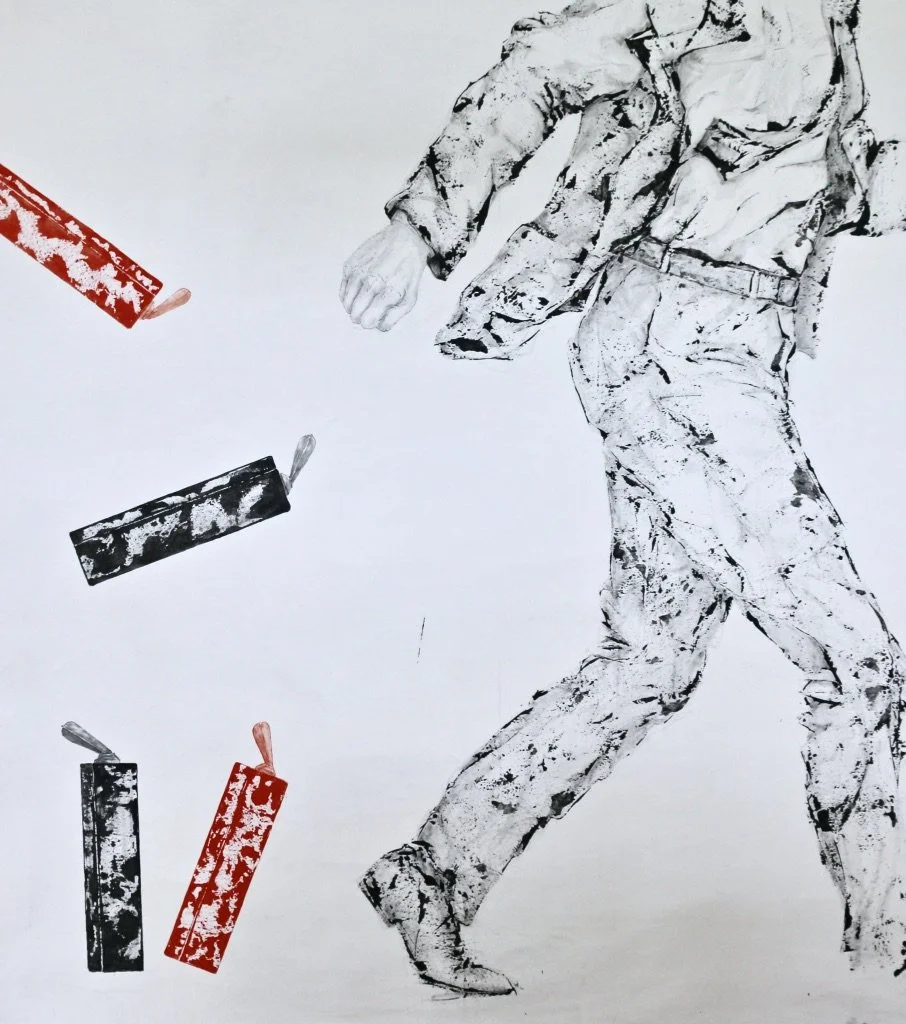
Painting n. 625 © Carla D'Amato
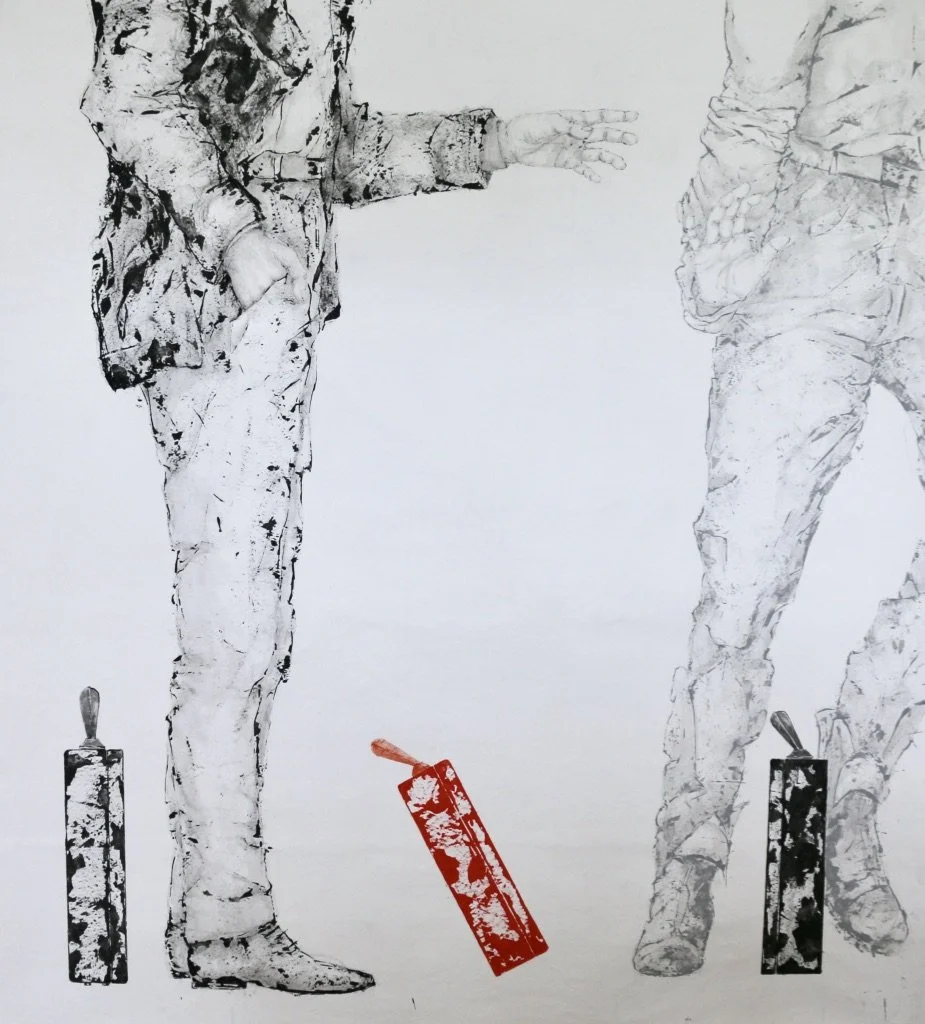
Painting n. 622 © Carla D'Amato
What role do graphite, charcoal, and gesture play in your practice today?
In my practice, what is most foundational is tonal depth. My pursuit of a deep, almost “blind” black, one that absorbs light, builds through multiple layers, and becomes atmosphere, led me to experiment with different tints and paints in order to achieve it. Over time, I developed my own mixture: a formulation I consider part of my visual language, in which graphite and charcoal are essential components of a reserved recipe. When I work with colour, the pursuit remains the same: tonal depth, absorption, and atmosphere.
Secondly, the material matters as behaviour. I need that black or any colour to have a particular quality, to become more liquid than solid, so it can be dragged, displaced, spread, and then reappear. My technique, Performance Painting, feeds on the tension between control and accident, but that tension only exists if the matter truly responds. Within my formula, graphite, charcoal and other colour pigments give me exactly that: a mobile density and depth that I cannot find in any industrial paint.
And finally, gesture, which for me is not merely a visual mark, but a physical action that leaves evidence. It is the search for a trace of existence: that printed instant in which I touch what is real. Working with a palette knife, an influence rooted in the master, I pursue a stroke that, at times, feels almost like a chisel. I need the material to glide and, at the same time, to resist, so that it generates that “music.” Only then does character appear. Out of that relationship emerges something crucial: sound. The sound of the palette knife against the surface is part of the work. It is not a romantic detail; it is structural, an immediate indicator of friction, pressure, rhythm, and direction. It is proof that painting is happening as an action.
That is why the canvas is not a simple support, but a territory I prepare and work on. The surface is part of my process and must be ready to receive movement, to respond to the drag, to allow the deep black to imprint itself, fold back, and return. In my process, the canvas becomes an instrument: the field where matter, gesture, and sound converge and ultimately build the depth I am after, so the finished artwork is, in a sense, the testimony of everything that came before.
You developed a personal approach you call Performance Painting. How would you describe this technique in simple terms?
Performance Painting is a living search, an immersion in possibility, where everything remains open. For me, it is revelation, not the pursuit of figuration or a fixed style. The work unfolds on the threshold between the unseen and the coming-into-being. No protagonists, no script, no replication, only the live exchange between atmosphere, intention, gesture, surface, and matter, where the image is generated layer by layer. On a prepared canvas, suspended freely, allowing movement, the work accumulates in delicate layers of imprint, palette-knife traces (and occasionally other elements): action, drag, pressure, and trajectory.
What is essential is the dialogue between intention and response. I initiate the gesture, yet the movement answers with a will of its own, leaving a record, a trace. Performance Painting unfolds in the territory of uncertainty and accident: I listen to what matters proposes, I read what the canvas returns, and I build the work as an ongoing conversation with that response. Sound, resistance, glide, these are all part of the process. That’s why the final piece is not only an image: it is the testimony of a sequence of movements and decisions, a physical memory of a moment of presence.
In short: Performance Painting is an embodied, real-time exchange, where gesture becomes imprint, layer by layer, on a canvas that moves and responds.
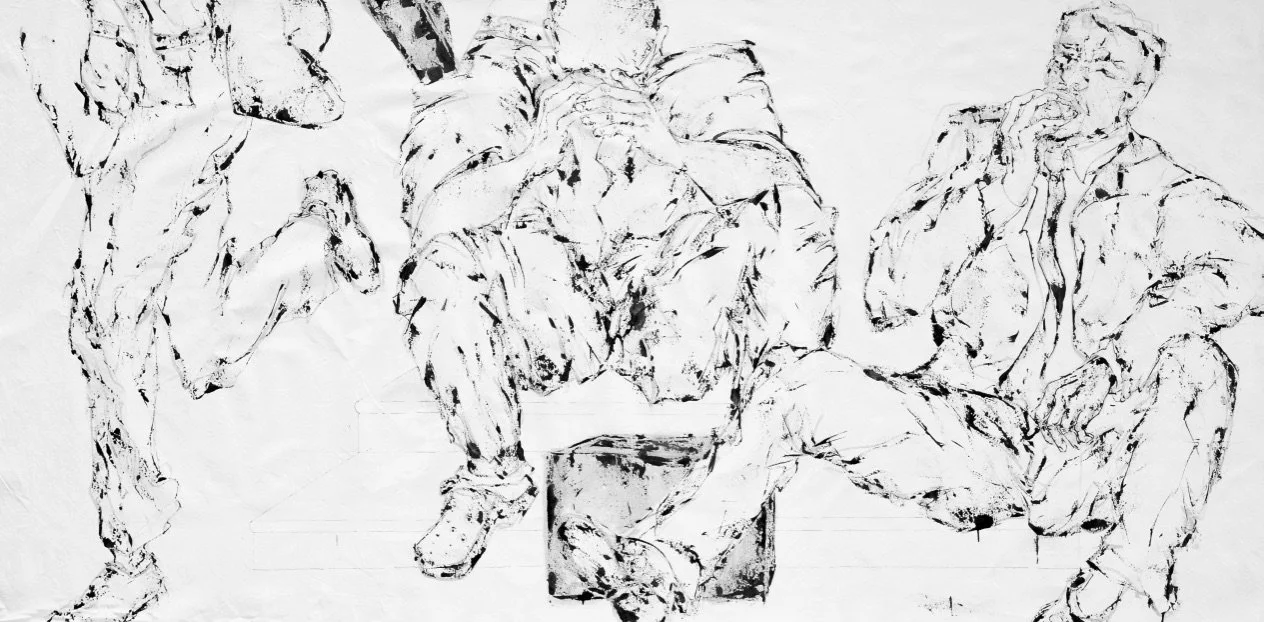
Painting n. 606 © Carla D'Amato
How do movement and time shape the way an artwork comes into being for you?
Movement and time are what allow the work to arise, creating rhythm, as if each piece had its own vital cycle. The work is shaped through action and pause, through accelerations and silences. Sometimes the decision is to intervene; other times it is to stop, to contemplate, in order to listen again. It’s about layering and responding to an inner rhythm, not structure. The present can become a hypnotic, expanded space.
The technique itself functions as a vehicle for going deeper into the present moment. There is an urgency, the water that runs, the material that shifts, that holds me in a state of almost meditative alertness. Each stroke, each mark, becomes experiential: it draws me into a tunnel of attention I cannot step away from. It keeps me anchored in the body, in total listening.
In that state, I move beyond a nostalgic gaze toward the past and, if an imprint appears, I allow it to manifest. And I move beyond an enchanted future of projected, rigid creation. What emerges is not only visual; it is an accumulation of presence. That is why I say the final result is the testimony of a journey, not a closed image.
Your work often moves between subtle, quiet atmospheres and more energetic, urgent pieces. What determines this shift?
Above all, it’s a decision of atmosphere. The shift comes from my need to register what inhabits me, which I often recognise beyond myself, in the collective. I look for a language that doesn’t require side explanations, but speaks through presence and lived atmosphere, without justification. For me, urgency and stillness are not “style”; they are energy, the energy the work needs in order to exist. That movement between the subtle and the urgent isn’t purely a matter of image-making. Each series has its own rhythm and seeks to transmit a particular state.
We are made of contrasts, and so is my work: at times it becomes more bodily and direct, like Traces of the Present Momentor Within the Depths of Strength, as the record of an intense pulse. At other times, a more subtle, intimate dimension emerges, like Happening Now, where the work invites contemplation, being with oneself, and the fleeting instant, entering another kind of time. Stillness or urgency, both are true. Both belong to the same life.
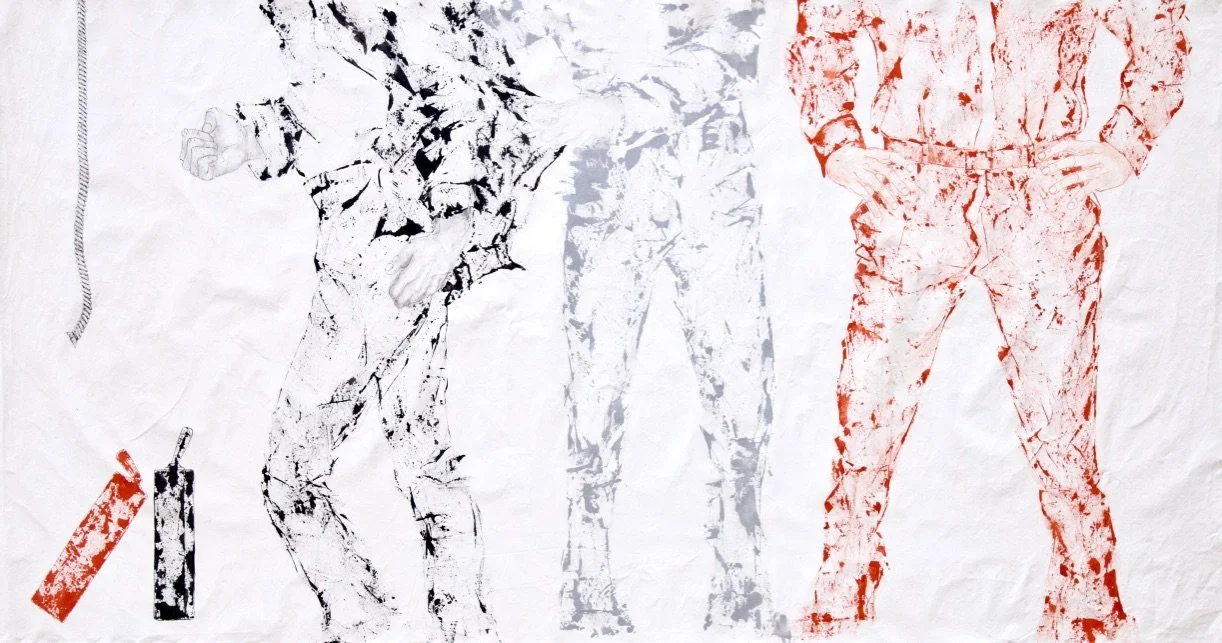
Painting n. 610 © Carla D'Amato
What themes or questions about the human condition are you most interested in exploring right now?
Life itself fascinates me; how we respond, how we move, and who we are are, to a large extent, shaped by accumulated experience. What I’m exploring in my new projects is the collective experience, and how it becomes increasingly mobile, volatile, and shifting, much like the suspended canvas in my work.
I’m especially drawn to the trace of urgency that runs through our time and, at the same time, to that felt absence of connection, with ourselves and with the community. How all of this is registered in the body, in presence, and in the way we inhabit the world together.
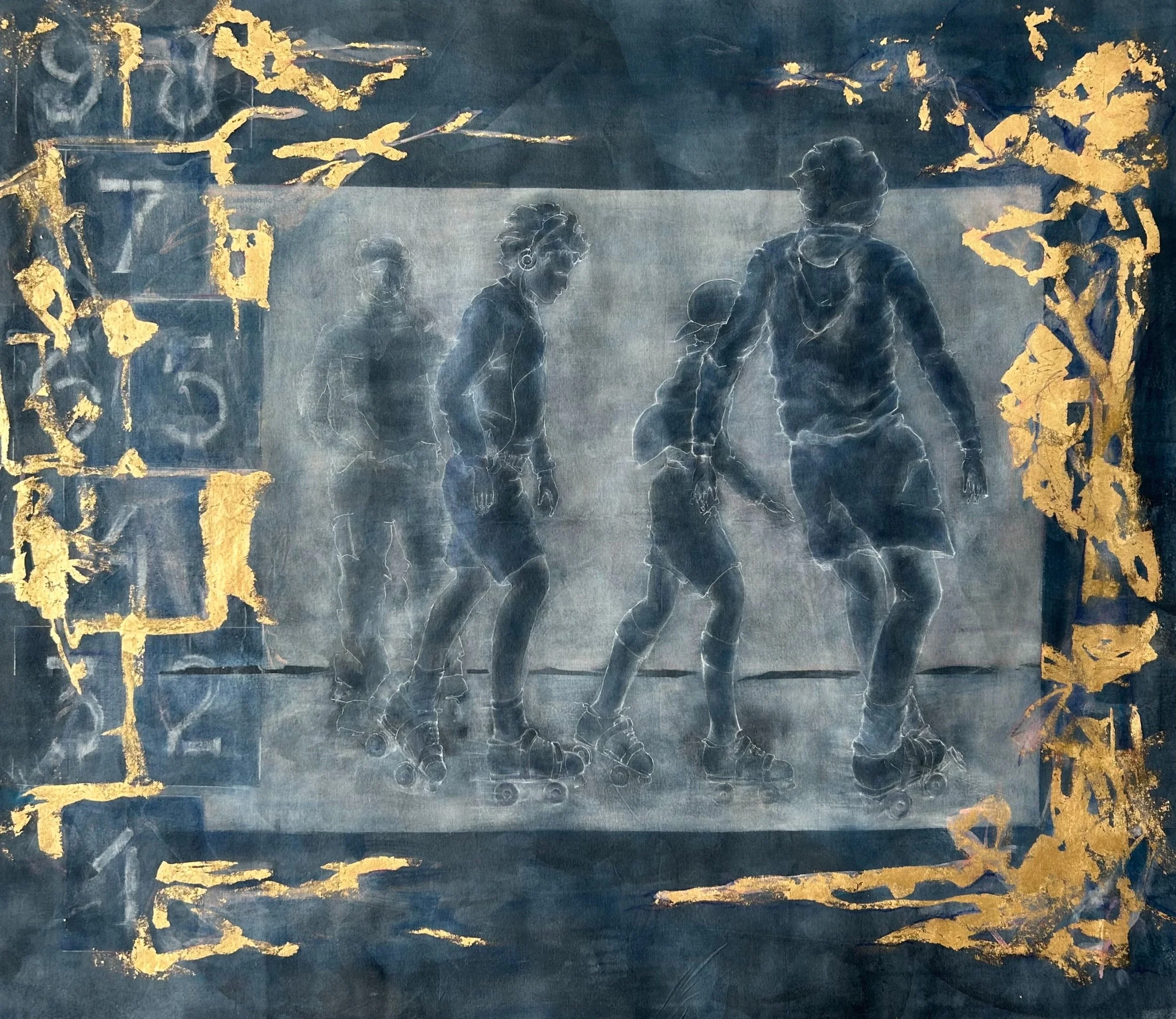
The golden Hour of Remembrance © Carla D'Amato
How do you want viewers to engage with your work, emotionally or physically, when they encounter it?
My intention is to open a space of immersion and dialogue. The image is the language of the unconscious, and my entire practice, also in its immersive dimension, seeks to activate what lives beneath the surface: whether it is peace, an ancient or archetypal memory, or an emotion. If that contact happens, then what matters most has already taken place.
In that sense, I’m interested in bringing that material from the unconscious into presence: a sensation, an imprint, an intimate truth. And if it happens, the encounter with the work becomes a point of connection, with themselves and with the human collective we share.
How has living between different cultures and places influenced your visual language and perspective?
Living between different cultures and places taught me from a very early age that the world is made of nuances and points of view. I’ve observed that, although culture shapes us, there is a common human nature and a more subtle structure that runs through any geography. Immersing myself in such different visual languages showed me that the richness lies beyond what a culture outwardly expresses: there is identity, rhythm, and sensitivity, and all of that has gradually permeated the way I see and build an image.
Living in Italy and travelling through Europe gave me a relationship with history, museums, and an immense, diverse cultural heritage. Latin America gave me contrast: the intensity of colour, the energy of the street, the pulse of graffiti in Brazil, large-scale work, and a more bodily relationship with the collective. And its small towns, the slower tempo, observation, and time that seems to stretch, left me with a different sense of presence, connection, and encounter. All of this has shaped my visual language: a vocabulary nourished by contrasts, ultimately seeking that shared humanity that exists across any place.

ONENESS AWAKEN © Carla D'Amato
And lastly, what are you currently working on, and what projects or directions are you excited to explore in the near future?
I’m currently working on a natural extension of my practice: what I call the Performance Painting Platform, a living framework that opens into four directions of development. Two of those paths are oriented toward large-scale formats: collective, immersive experiences. These are projects conceived to become major exhibitions, and at the moment, I’m working with people who are connecting the idea with museums, immersive exhibition venues, and festivals. There, my focus is on the collective, everything I described earlier: how an atmosphere becomes a shared experience, and how an audience can enter a real state of presence through art. Another two tracks are about bringing that experience into practical life: combining my artistic language with my other knowledge in personal growth, strategic coaching, and leadership, to design formats where groups, communities, and also corporate teams can enter an experience in which art becomes the vehicle to work with presence, connection, resilience, leadership, and a clearer awareness of who we are in the present moment, seeing ourselves, listening, and reconnecting.
There’s still much to build. And if possible, over the next year or two, I aim to formalise with a high-level gallery to support these projects with the scale and structure they require. In parallel, I continue my studio production and the development of a series of objects, a surprise, that I’ve been wanting to realise for years, and for which I’m finally carving out the right time and space. Let’s bring art into life: a language the soul already understands.
Artist’s Talk
Al-Tiba9 Interviews is a promotional platform for artists to articulate their vision and engage them with our diverse readership through a published art dialogue. The artists are interviewed by Mohamed Benhadj, the founder & curator of Al-Tiba9, to highlight their artistic careers and introduce them to the international contemporary art scene across our vast network of museums, galleries, art professionals, art dealers, collectors, and art lovers across the globe.

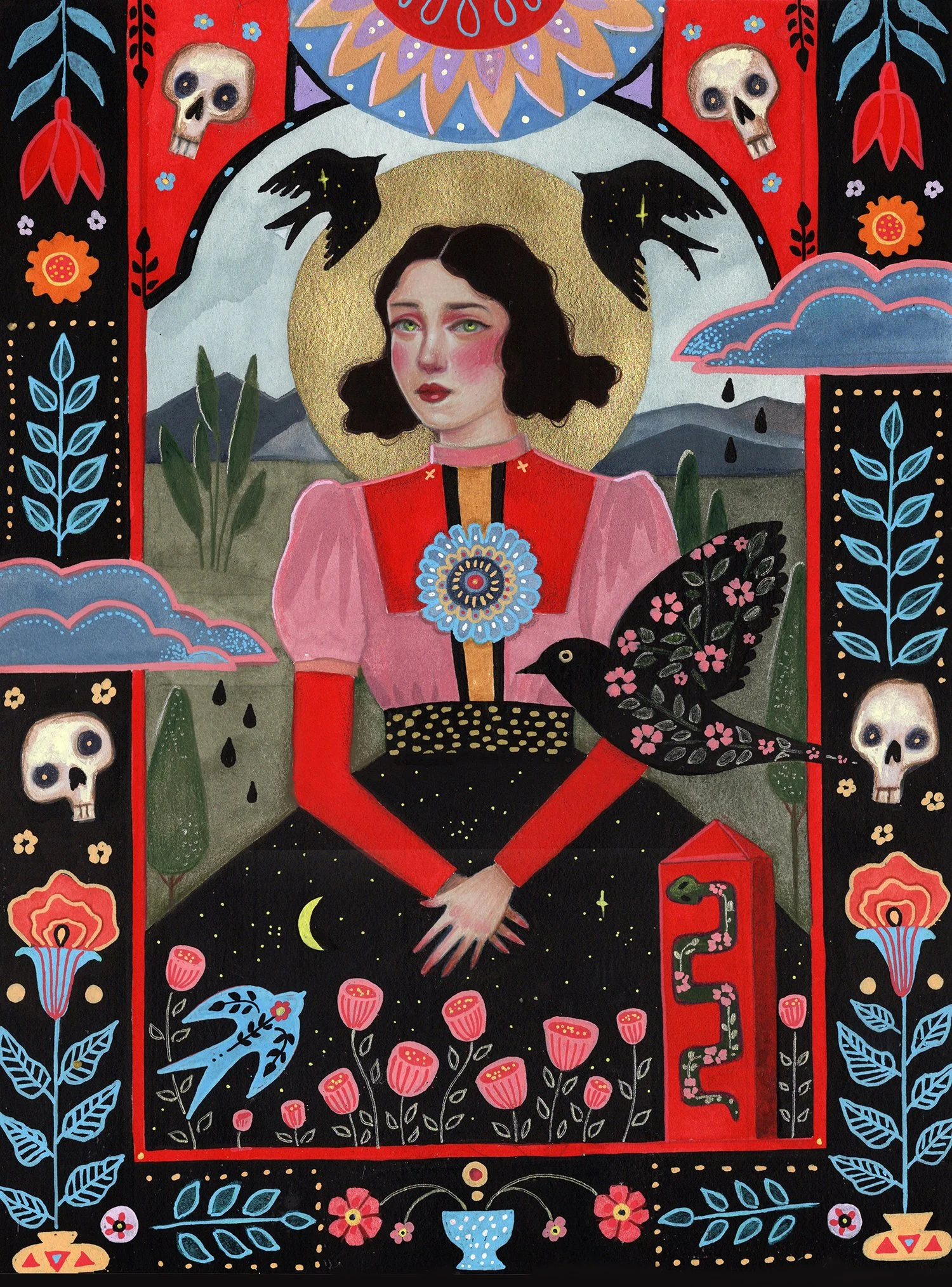


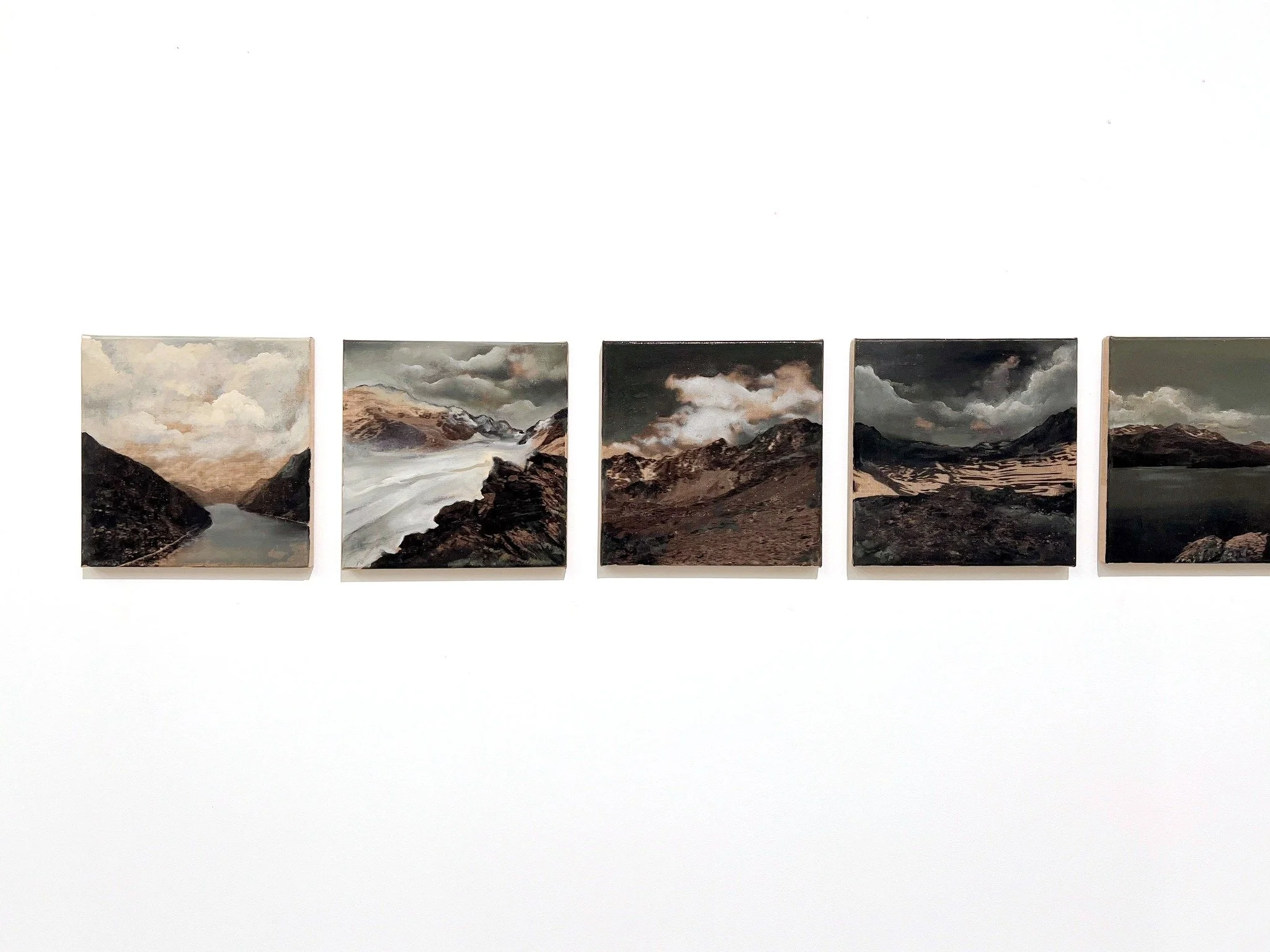
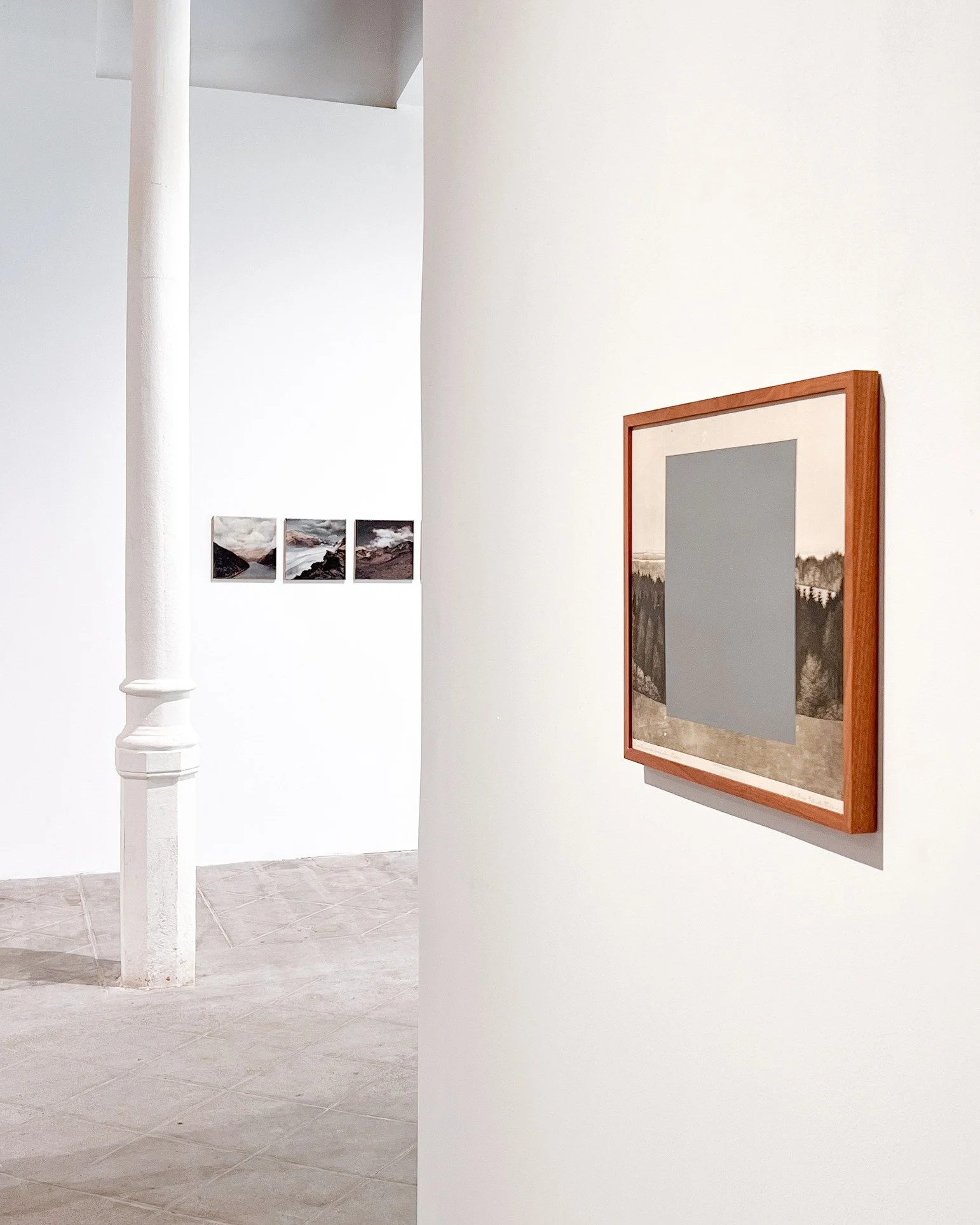
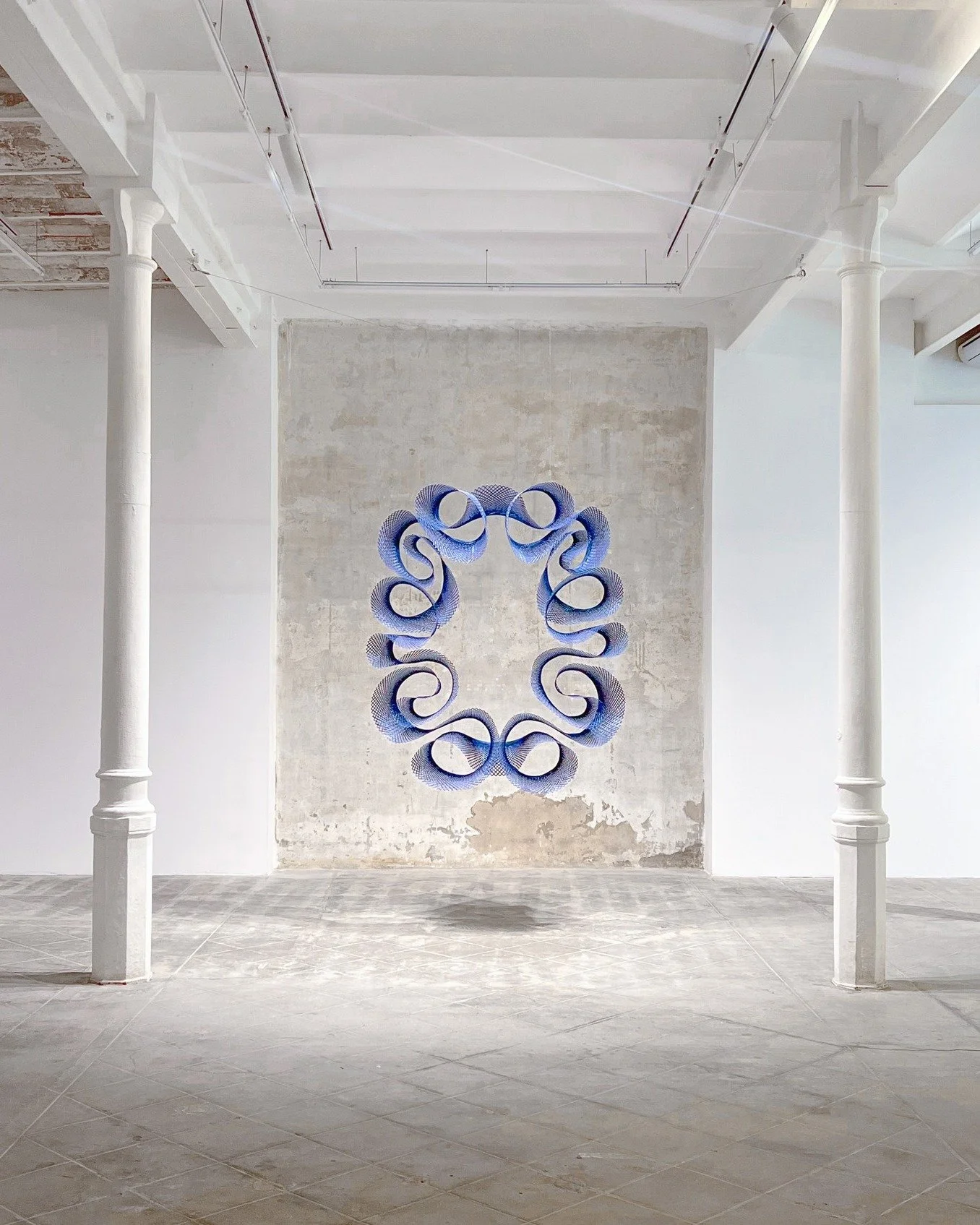
Nataraj von Allmen is a painter based in Switzerland. Often taking photographic material as a starting point, he weaves together landscapes, mythological archetypes, Christian symbolism, and contemporary socio-political themes into complex paintings. Oscillating between figuration and abstraction, his work investigates transformation, collective memory, and the human condition.