

10 Questions with Geboli Long
Geboli Long is a New York-based theatre artist, playwright, director, and producer whose work explores documentary, participatory, and community-engaged performance. She is the founder and artistic director of SoCiviC Theatre, where she develops theatre projects that bring communities into dialogue around contemporary social and civic questions. Her work draws on personal narratives, collective memory, and lived experience to create performances that connect audiences with perspectives beyond their own.
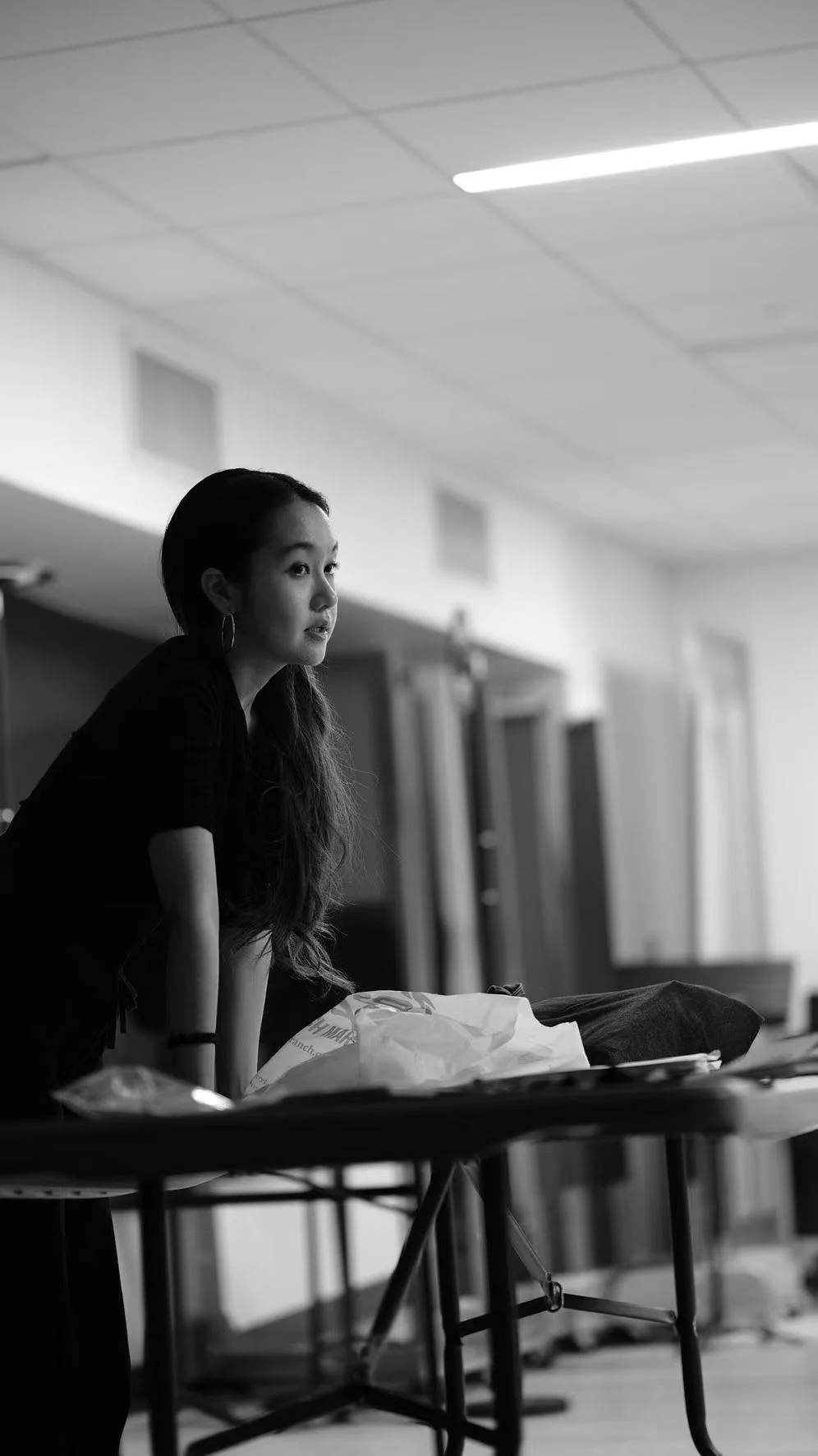
Geboli Long - Portrait
ARTIST STATEMENT
Geboli Long’s artistic practice centers on social and civic engagement through community-centered theatre. She creates participatory performances, workshops, and public dialogues that bring people together to share experiences, question existing systems, and explore possibilities for collective action.
For Long, theatre can be a space where communities engage with the issues shaping their lives, encounter different perspectives, and imagine change together. Her work connects personal stories with broader social questions and invites participants and audiences to move beyond witnessing toward reflection, dialogue, and civic engagement.
A House of Daowu, Performance, 2026 © Geboli Long
INTERVIEW
First, could you tell us about your background and what first drew you to theatre? How did your studies and early experiences shape the way you approach performance today?
I’m a Miao theatre artist from Guizhou, China, now based in New York. My path to theatre was not very straightforward: I studied Education Studies at the University of Wisconsin–Madison before earning my master’s degree in Educational Theatre at NYU. During college, I saw What the Constitution Means to Me and a solo performance by an Indigenous woman. Both showed me how personal stories can open up larger questions about history, identity, and who gets to tell a community’s story. That was what led me to pursue Educational Theatre at NYU, with a focus on Theatre for Social and Civic Engagement. It still shapes how I approach my work today: I’m interested in theatre that begins with people’s lived experiences and creates space for communities to tell, question, and reshape their own stories.
You work across playwriting, directing, producing, and participatory theatre. How do these different roles inform one another, and which aspects of the process do you find most important to your practice?
For me, these roles are all connected. Playwriting helps me find the questions and language of a project; directing helps me think about how those questions live in bodies, space, and relationships; and producing keeps me attentive to the practical conditions that make collaboration possible. Participatory theatre brings all of that back to the people involved. It reminds me that a performance is not complete when I have an idea. The most important part of my practice is listening and building a process where collaborators and communities can genuinely shape the work.
Your work often draws on documentary material, personal narratives, and lived experiences. How do you collect and translate these stories into theatrical performances?
My process is a lot like that of an artist-researcher. I usually start with a question, then gather material through interviews, conversations, observation, workshops, and archival research. I’m interested in the moments where personal experiences connect to larger social questions. Theatre is where I bring that research into a shared space. I shape the material through text, structure, movement, and sometimes audience participation, so that people’s stories can speak to one another. Throughout the process, I stay attentive to consent, context, and how participants want their experiences to be represented.
Participation and community engagement are central to your approach. How do you create an environment in which participants feel comfortable sharing their experiences, particularly when dealing with sensitive or personal subjects?
I try to build trust before asking people to share anything personal. That means being clear about the purpose of the work, listening without judgment, and giving people choices about what and how much they want to contribute. I never see participation as an obligation. People can speak, observe, revise what they shared, or step back at any point. Especially with sensitive material, care and consent need to be part of the process from the beginning.
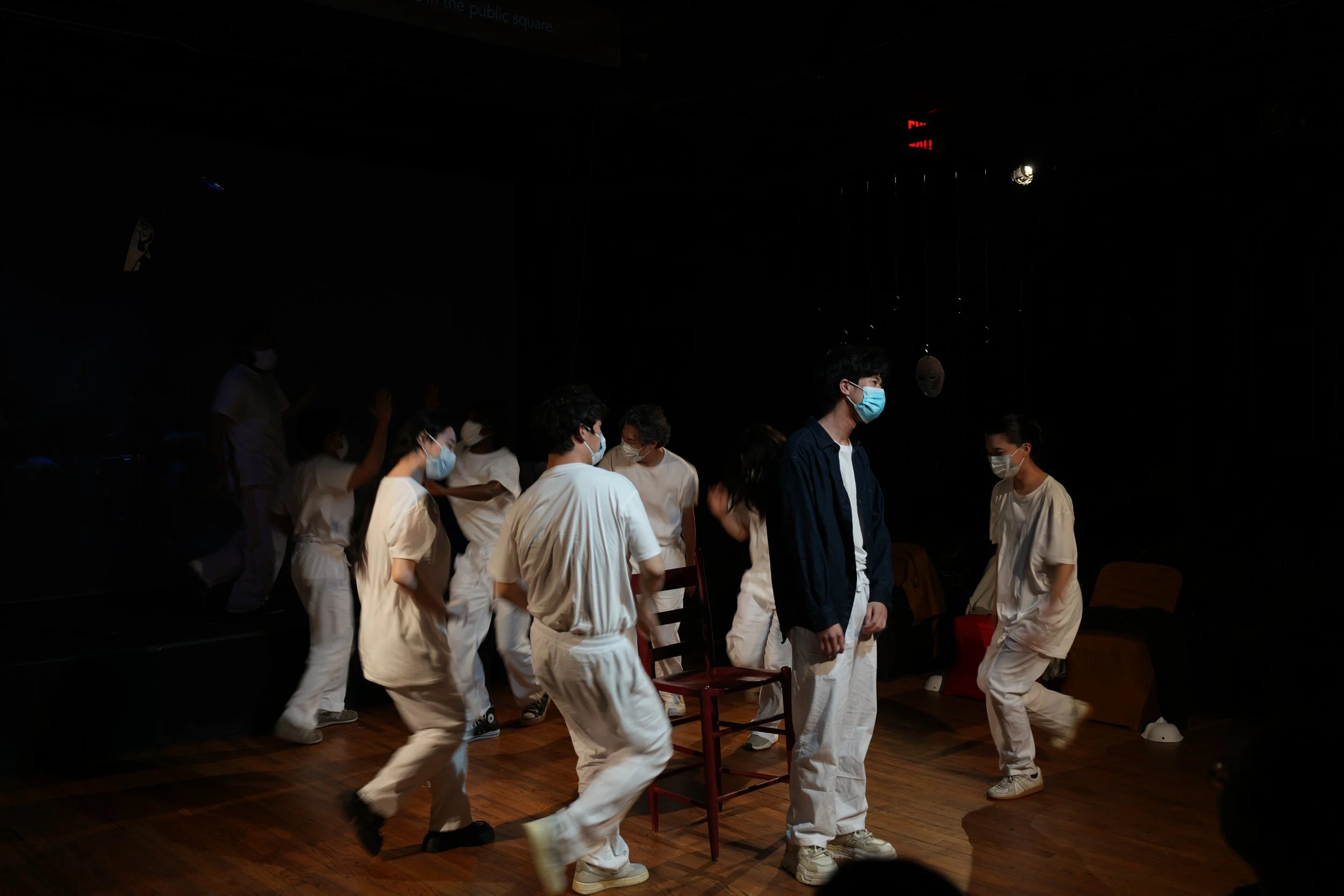
FAREWELL AND ERASE, Performance, 2026 © Geboli Long
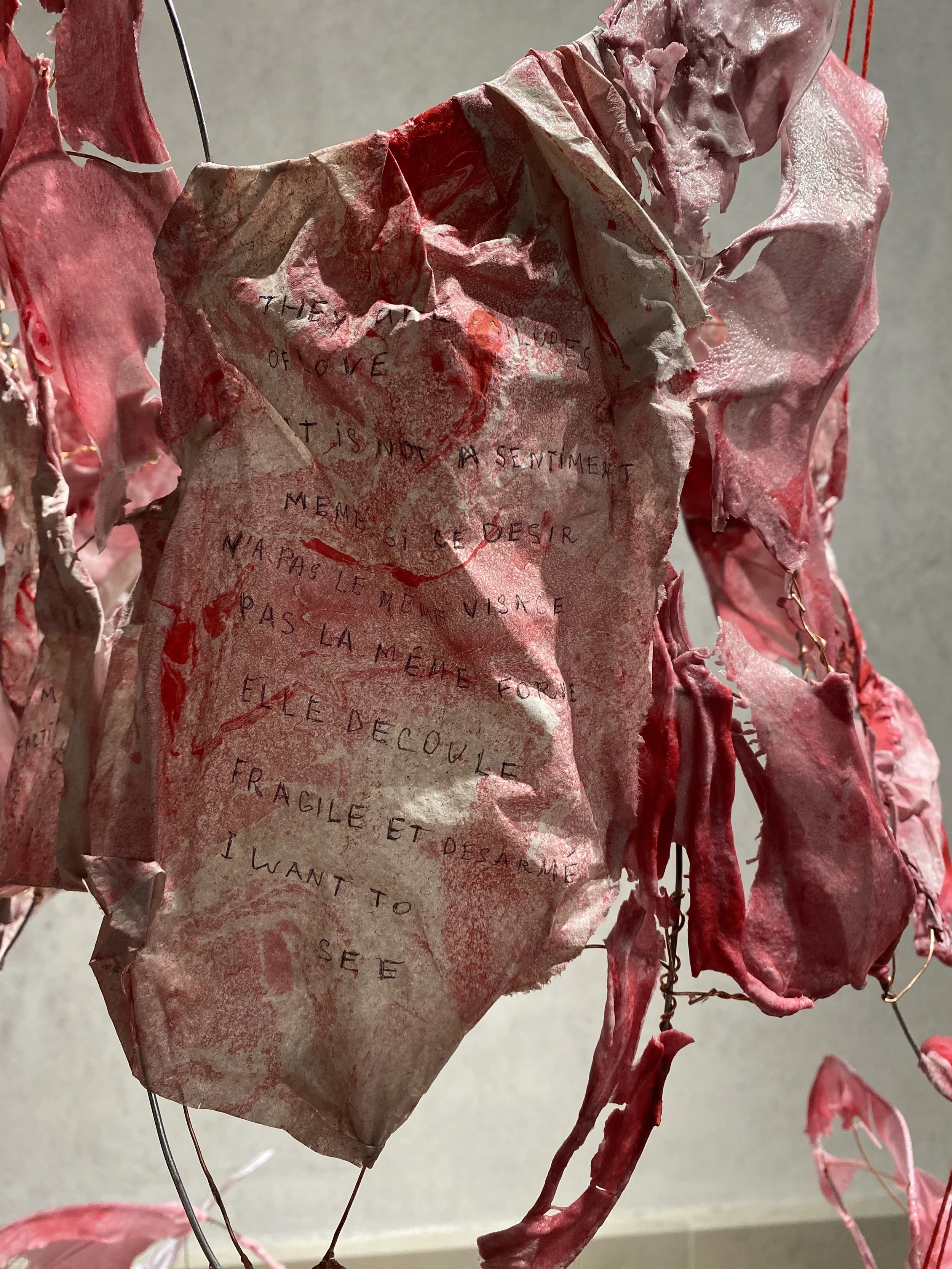
In Farewell and Erase, you explore uncertainty, change, and the absurdities of everyday life. What inspired this project, and how did you approach transforming ordinary experiences into a theatrical narrative?
FAREWELL, AND ERASE was partly inspired by Chen Peisi’s 2025 film The Stage (戏台) and the strong public conversations it sparked in China. I was interested in how the film uses a theatre troupe to explore survival, power, compromise, and the absurdity of living through historical change. That led me to ask: how do ordinary people live with uncertainty and change in their own lives? I collected interviews and conversations about work, family, migration, relationships, and identity, then shaped them into an ethnodramatic performance through edited text, movement, and ensemble storytelling.
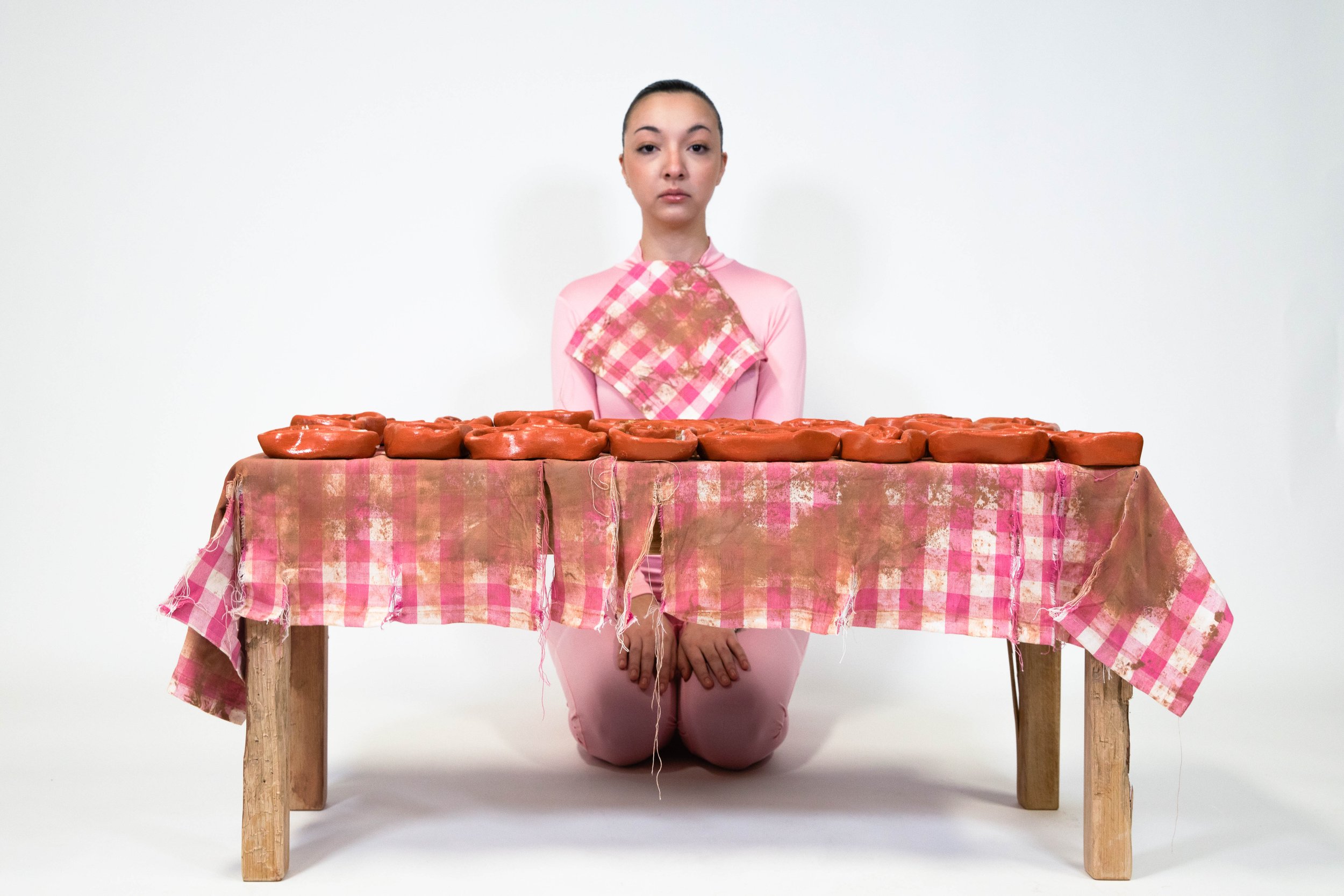
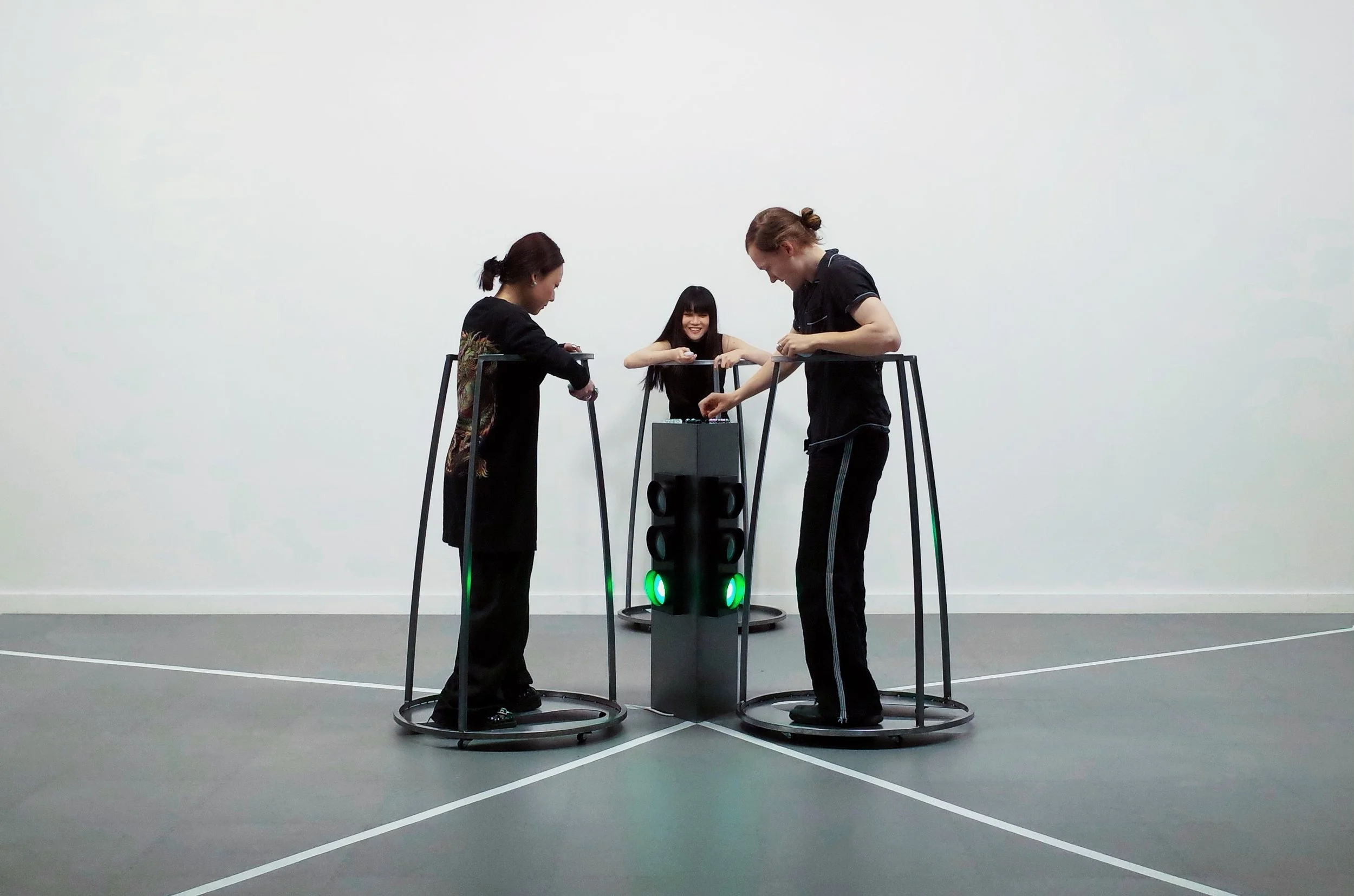
With Paper Bridges, on the other hand, you address the challenges immigrants face as they navigate work, relationships, and questions of belonging. Why did you choose forum theatre as a format for this project, and what possibilities does it offer for addressing complex social realities?
I chose Forum Theatre because immigration precarity is not something one person can solve alone. It creates a community space where people can recognize shared pressures and think collectively about how to respond. In Paper Bridges, audience members can step into the scene, replace a character, and test different choices in a fictional but emotionally real situation. It gives us a contained space to rehearse for change: to try intervention, solidarity, and other possibilities before we face similar questions in everyday life. The goal is not to offer a single solution, but to make the systems around immigration visible and open up collective conversation about what action could look like.
House of Daowu reinterprets Henrik Ibsen’s A Doll’s House through a Miao-language adaptation rooted in the experiences of Miao women and communities. What led you to revisit this classic play, and what new perspectives emerged from placing it within a different cultural context?
As a Miao theatre artist from Guizhou, I was drawn to A Doll’s House because its questions about marriage, family, and personal choice still feel very alive. I wanted to ask what those questions might become when they were spoken in Miao and placed in conversation with Miao women and communities. The Miao are one of China’s ethnic minority groups, with diverse languages and cultural traditions across Southwest China. Bringing the project into Miao village and urban community settings made the adaptation more than a translation. People brought in their own experiences and ways of thinking about family responsibility, women’s choices, migration, and belonging. The play became a shared structure through which local language, memories, and lived experience could reshape a classic.
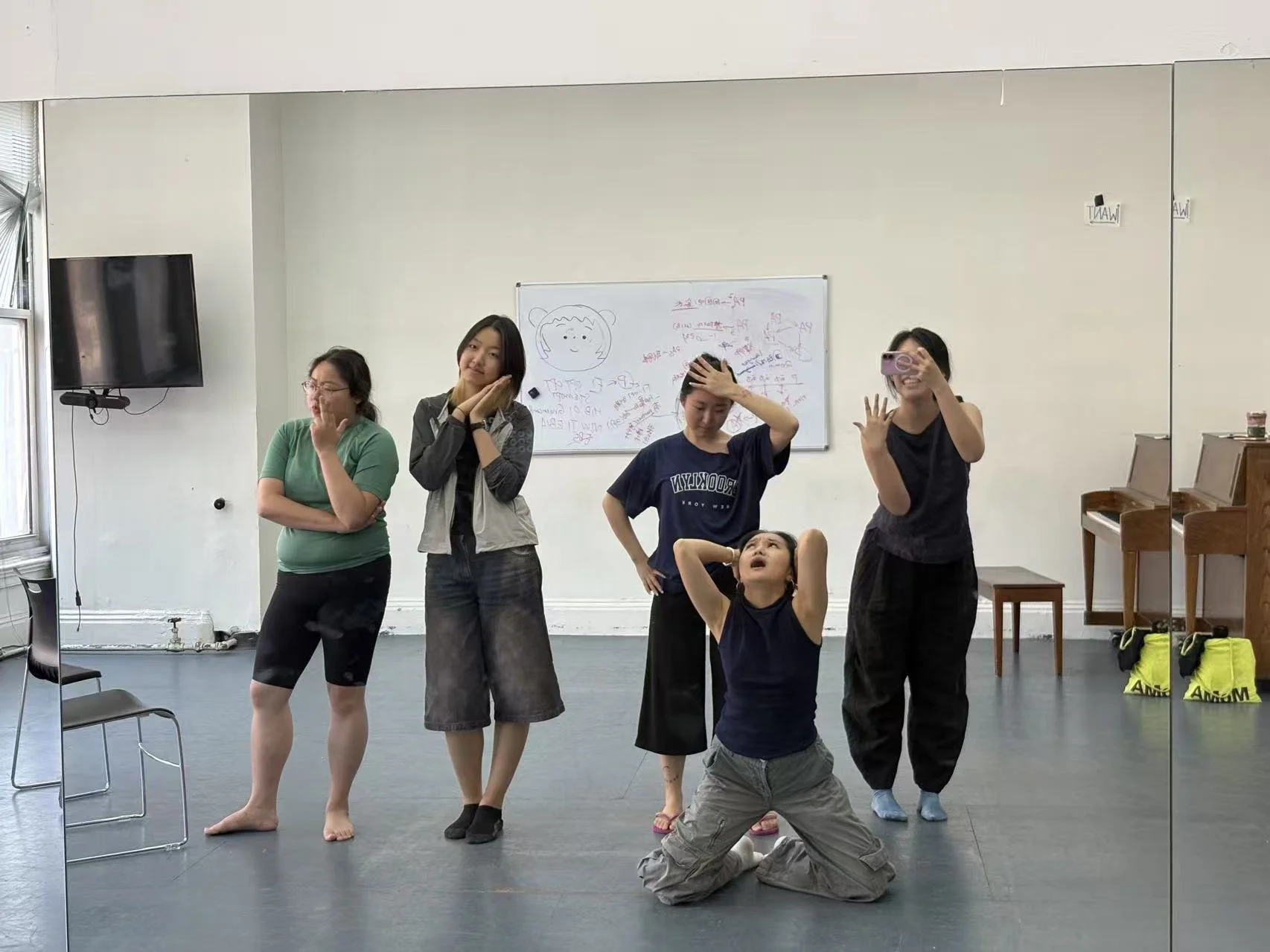
PAPER BRIDGES, Performance, 2026 © Geboli Long
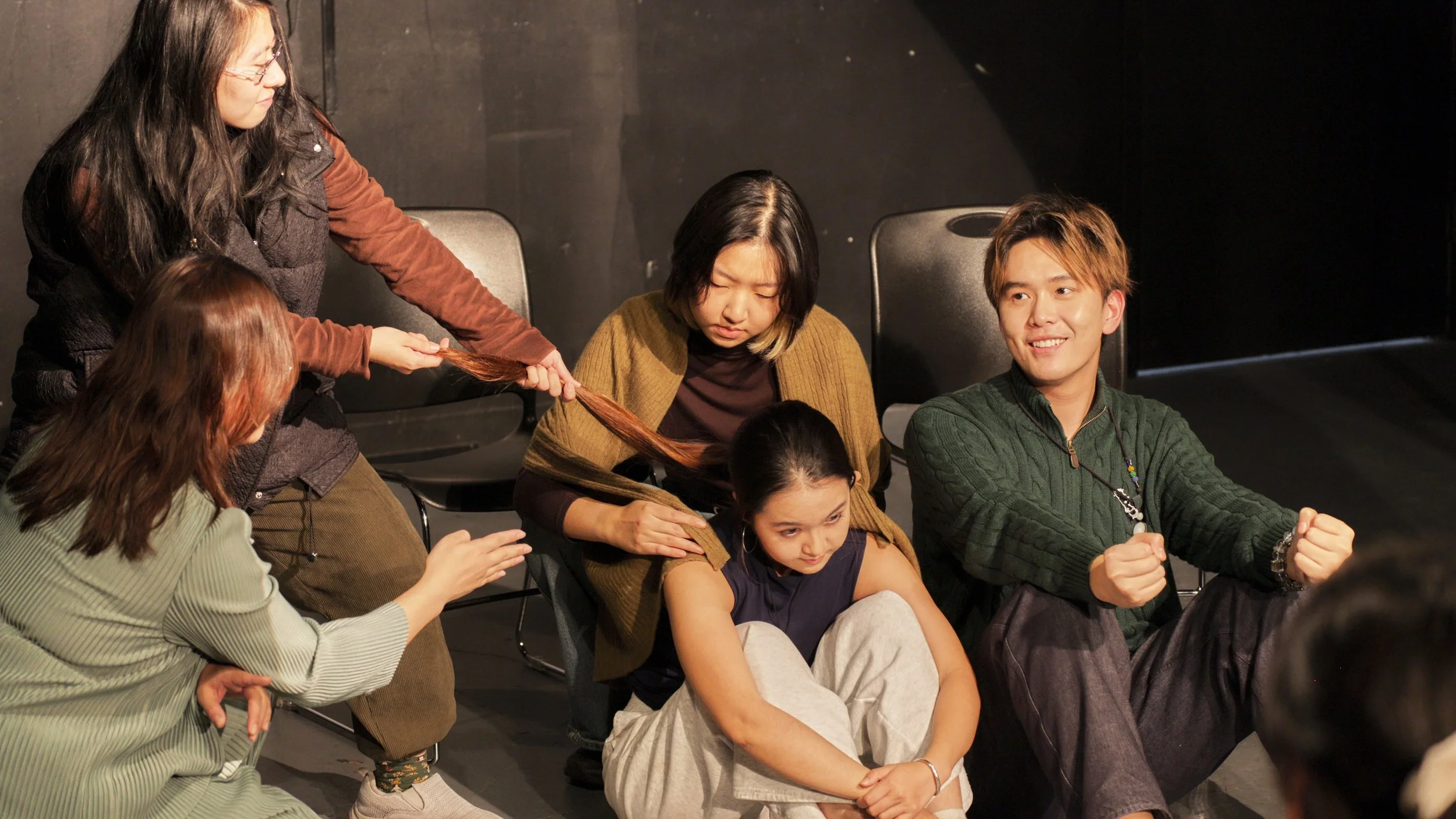
PAPER BRIDGES, Performance, 2026 © Geboli Long
SoCiviC Theatre brings artistic practice into conversation with contemporary social and civic questions. What role do you believe theatre can play in shaping public awareness, encouraging dialogue, or even contributing to social change?
I see theatre as a space where people can slow down and encounter questions that are often difficult to discuss in everyday life. It can bring private experiences into public conversation and help people see how individual struggles connect to larger social systems. For me, theatre does not create change by itself. But it can create the conditions for it: people listening to one another, recognizing shared experiences, asking better questions, and imagining how they might act together.
How has your work been received by the communities and audiences involved in your projects?
The most meaningful responses usually come when people recognize something of their own lives in the work. After FAREWELL, AND ERASE, audience members shared personal stories during talkbacks that they had not expected the performance to bring up. In Paper Bridges, people stepped into the scenes with real urgency and generosity, offering ideas shaped by their own experiences with immigration and work. With A House of Daowu, it was especially meaningful to hear Miao spoken onstage and to see community members respond to a classic story through their own experiences. Those responses remind me that the work becomes most alive when it creates conversation beyond the performance itself.
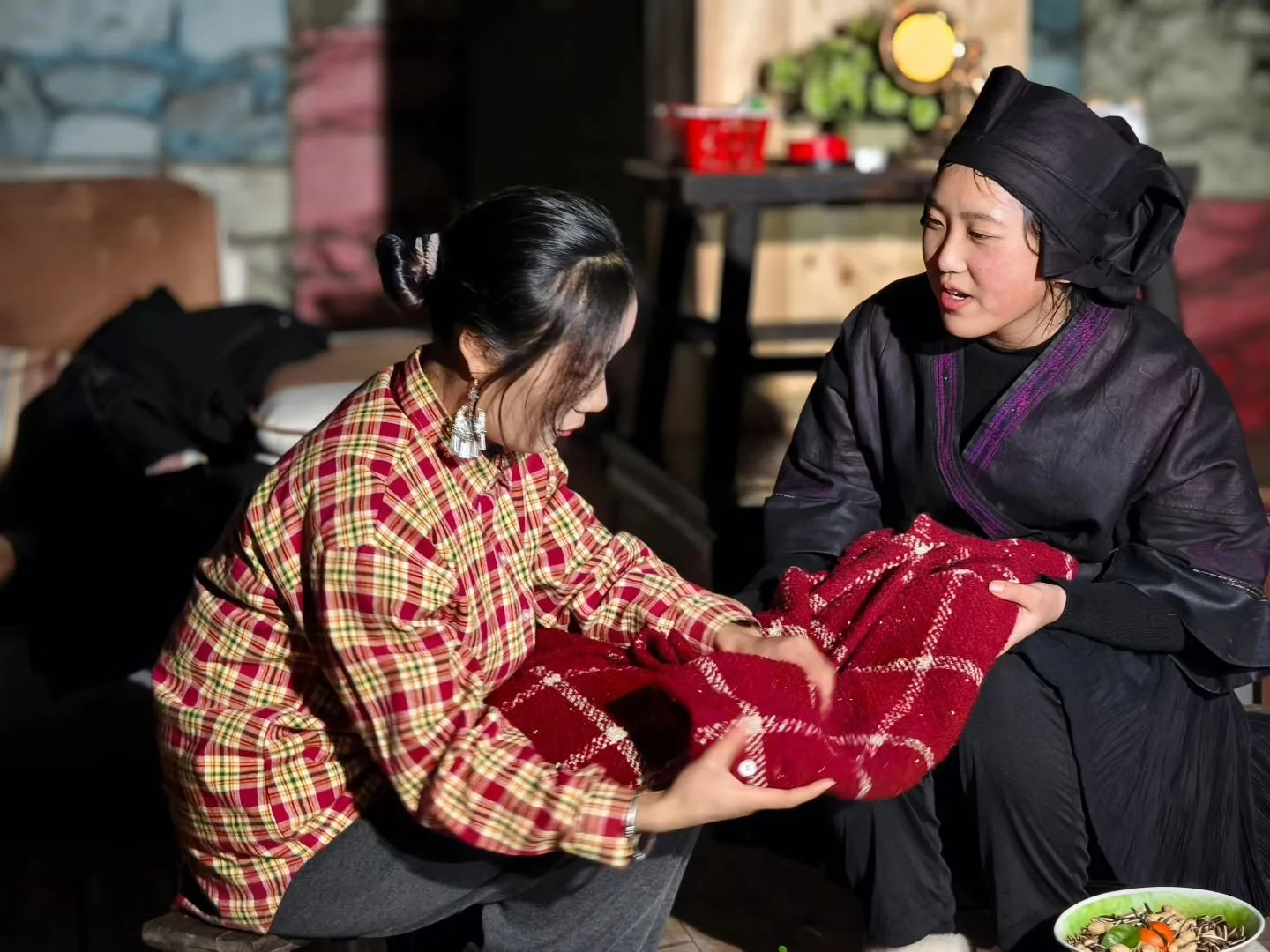
A House of Daowu, Performance, 2026 © Geboli Long
Lastly, looking ahead, what questions, communities, or forms of experimentation would you like to explore in your future projects? Are there new directions you would like to take within your artistic practice or through SoCiviC Theatre?
I want to continue developing Miao-language, community-based theatre in Guizhou, especially work that explores how language, ritual, memory, and everyday life carry cultural knowledge across generations. I am also interested in creating new participatory projects in New York around migration, care, and the ways technology and larger systems shape our sense of value and possibility. Through SoCiviC Theatre, I hope to keep expanding beyond performance into workshops, public dialogues, and longer-term collaborations with communities. I want to keep asking how theatre can help people tell their own stories, examine the structures shaping their lives, and imagine what they want to build together.
Artist’s Talk
Al-Tiba9 Interviews is a curated promotional platform that offers artists the opportunity to articulate their vision and engage with our diverse international readership through insightful, published dialogues. Conducted by Mohamed Benhadj, founder and curator of Al-Tiba9, these interviews spotlight the artists’ creative journeys and introduce their work to the global contemporary art scene.
Through our extensive network of museums, galleries, art professionals, collectors, and art enthusiasts worldwide, Al-Tiba9 Interviews provides a meaningful stage for artists to expand their reach and strengthen their presence in the international art discourse.





Geboli Long is a New York-based theatre artist, playwright, director, and producer whose work explores documentary, participatory, and community-engaged performance. She is the founder and artistic director of SoCiviC Theatre. Her work draws on personal narratives, collective memory, and lived experience to create performances that connect audiences with perspectives beyond their own.