

10 Questions with Songer Yang
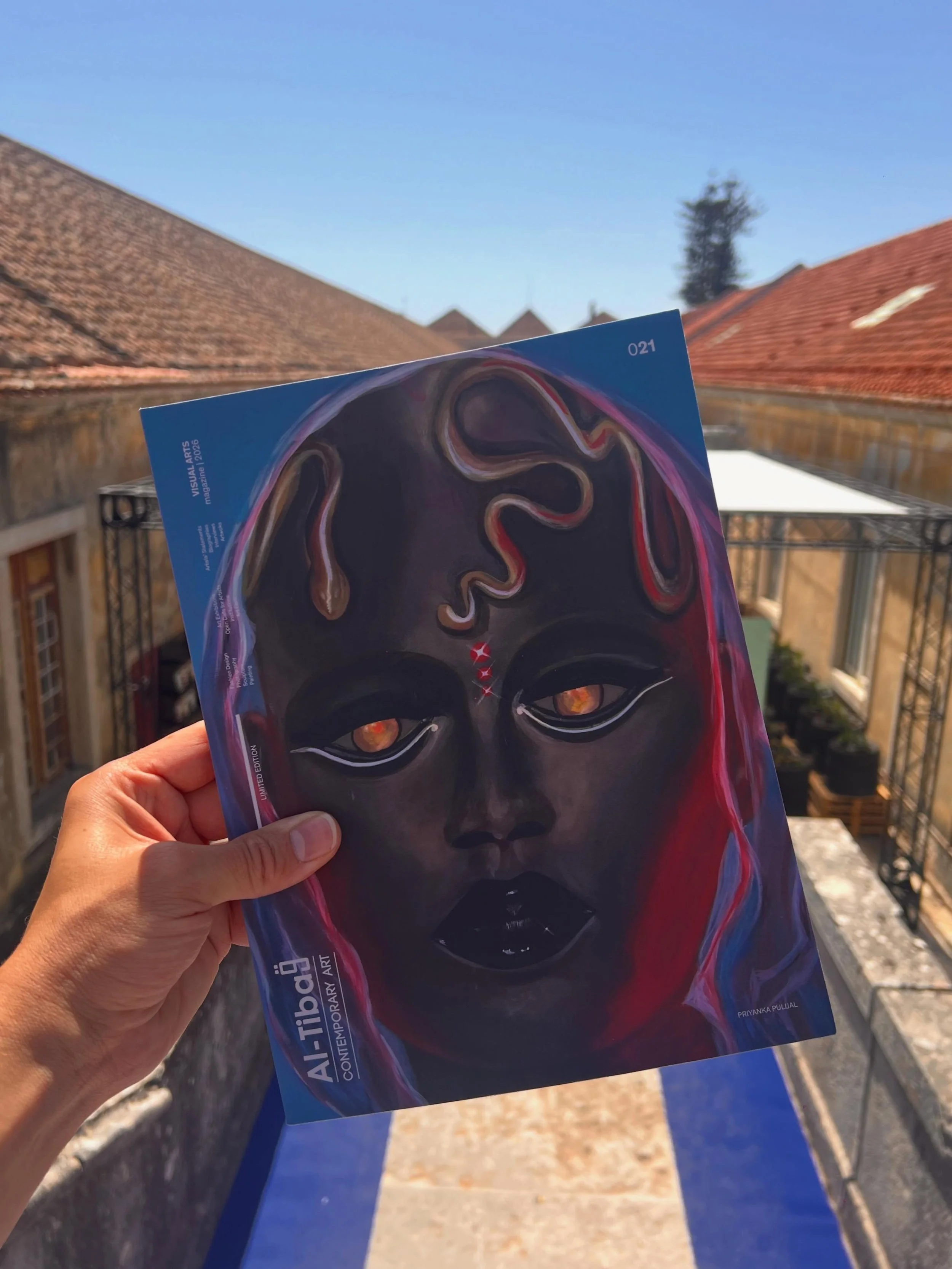
Al-Tiba9 Art Magazine ISSUE21 | Featured Artist
Songer Yang is a visual artist working across painting, graphic design, and narrative forms. Rooted in personal memory, her practice explores themes of family, femininity, and the emotional weight of domestic rituals. She often uses repetitive hand labour to reflect on healing, grief, and the quiet persistence of love. Born in Shaoxing, Zhejiang, China, she holds a BFA in Illustration from the School of Visual Arts and an MFA in 2D Design from Cranbrook Academy of Art.
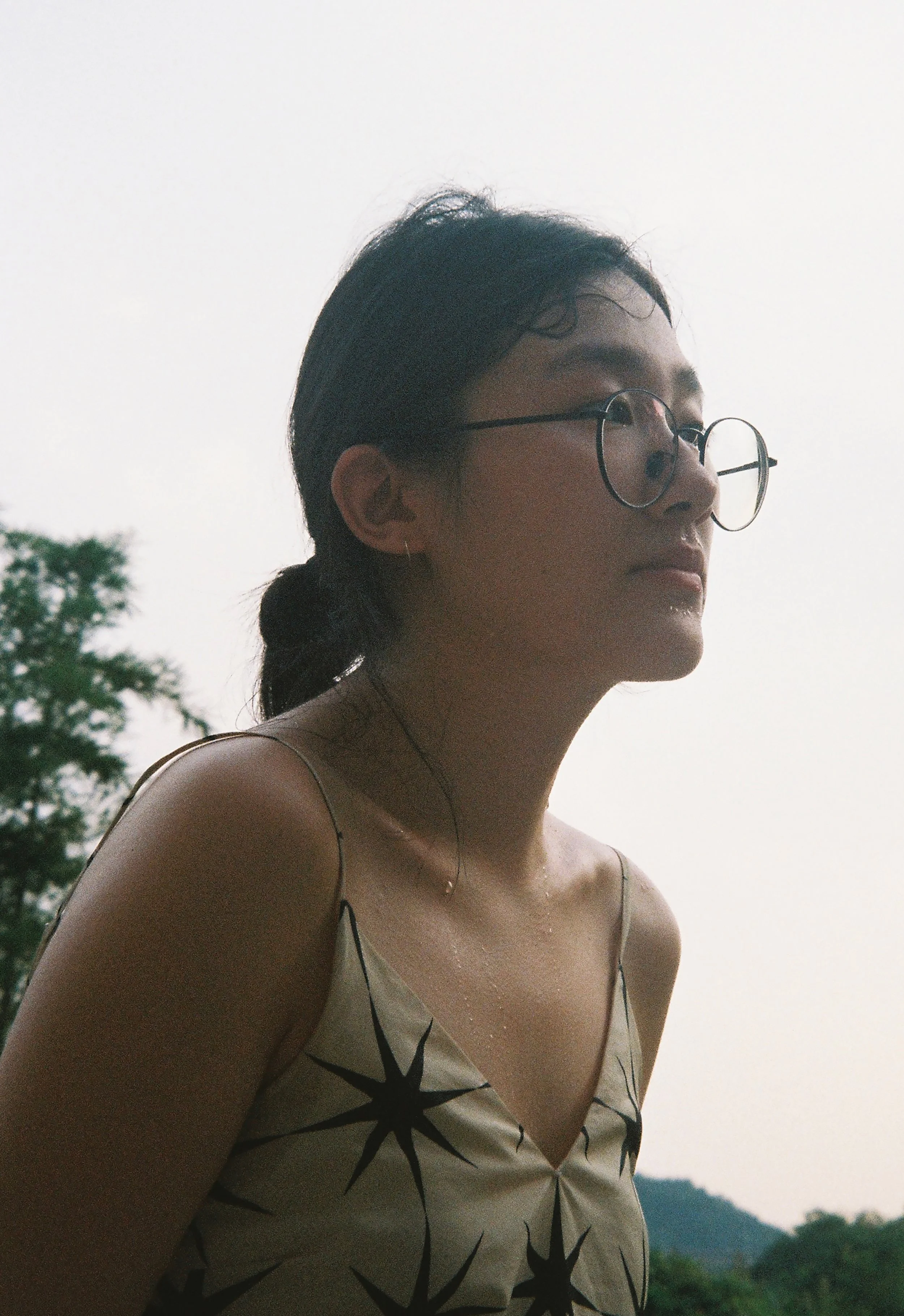
Songer Yang - Portrait
ARTIST STATEMENT
Songer Yang’s work explores the quiet, intimate spaces of memory, especially those shaped by family, domestic rituals, and time. She is drawn to once-ordinary objects that now carry emotional weight. Through repetitive handcraft and slow labour, Yang reflects on grief, care, and the impossibility of full recovery. Making becomes both an act of devotion and a way to hold space for what’s been lost. She is interested in how love lingers in the everyday, how repetition echoes absence, and how the body remembers through touch. Her practice is rooted in the small, the personal, and the soft persistence of holding on.
Womb 子宮, yarn, foam, fabric, beads, 75x55 in, 2024 © Songer Yang
AL-TIBA9 ART MAGAZINE ISSUE21

DISCOVER THE INTERNATIONAL ART SCENE WITH AL-TIBA9
LIMITED EDITION | Shipping worldwide.
Premium museum art paper.
Printed in London.
Grab 3 or more prints and get your FREE digital magazine.

Digital Magazine - Available SOON…
INTERVIEW
Let’s start with your background. You were born in Shaoxing and later studied in the United States. How did your early environment shape your relationship with images, memory, and storytelling?
I didn’t really think of life in terms of “images” or “stories” at first. It was more about everyday routines, my family cooking, cleaning, and taking care of each other over and over again. These things were always there, but they were rarely noticed.
After I left home to study, I began to realise that these habits had actually stayed with me. They don’t come back as clear images, but more as remembered gestures, or a kind of unconscious rhythm. Being away from home, without family care around me, these things slowly resurface and teach me how to take care of myself.
So the “narratives” in my work are not really about telling a complete story. It’s more about bringing out these fragmented memories and letting them exist in another way.
How did your experiences at the School of Visual Arts and Cranbrook Academy of Art influence the way you understand your practice today? Were there moments that shifted your direction significantly?
At SVA, I learned how to communicate things clearly, how to make an image more effective and easier to understand. After coming to Cranbrook, the whole learning experience became much more open. I had a lot of freedom, and it gave me the opportunity to experiment with different media.
This shift was really important for me. I started to have more room for self-expression, and I became more willing to explore directions that weren’t fully defined yet, instead of trying to arrive at a clear outcome from the beginning. Most of the time, I care more about the process itself and whether it’s getting closer to something that feels more real to me.

Womb 子宮, yarn, foam, fabric, beads, 75x55 in, 2024 © Songer Yang

Womb 子宮, yarn, foam, fabric, beads, 75x55 in, 2024 © Songer Yang
Your work moves between painting, graphic design, and narrative forms. How do you decide which medium a particular idea or emotion belongs to?
I don’t usually decide on a medium first. It always starts with a feeling. For example, if I feel like making illustrations recently, I’ll focus on illustration; if I want to try new materials, I’ll spend time working with them. The process of engaging with materials sometimes brings unexpected ideas and moments of inspiration.
Some things come across more directly, and I can quickly tell that they can be expressed in a relatively clear way. In those cases, I might use graphic design or illustration. But some emotions are slower, or even feel a bit stuck. In those moments, I tend to turn to drawing or hand-based processes, because they unfold more slowly. While making the work, I’m able to stay more immersed and think through things at the same time. These slower works often reflect what I’m processing at that moment.
Repetition and hand labour play an important role in your process. What happens emotionally or mentally to you while you are repeating an action over time?
At the beginning, the process feels quite mechanical. I start to question what I’m doing, and I find myself constantly thinking about the meaning of the work and what the outcome might be. But over time, I gradually enter a quieter state. It feels like everything in my mind slows down, you’re no longer distracted by all the small things in daily life, and instead, you become more focused on the movements of your hands.
Sometimes there is a sense of healing, but it’s not entirely that. Repetition can also make certain emotions more visible, like fatigue, or a kind of pressure that’s hard to explain. Since a lot of my work is connected to childhood memories and early experiences, these moments often bring up more complex emotions, and sometimes even take me back to the past.
In some works, I’ve spent a lot of time reflecting on my relationship with my mother. That process can be difficult and emotionally heavy, but through this kind of repeated reflection, I’ve come to understand her differently. I used to feel a sense of distance, but over time, I began to see her vulnerability, and I’ve developed a deeper sense of understanding toward her.

Hair 髮, Yarn, foam, fabric, 65x65 in, 2024 © Songer Yang
Many of your works focus on domestic rituals and family memory. When does a personal experience become material for art rather than remaining private?
I think it’s when something is no longer just a “specific event.” Some experiences begin as very personal, but over time, they become less clear; you start to forget the details, and what remains is more of a feeling.
When it shifts into a state, rather than a specific story, I find it easier to bring it into my work. At that point, it no longer belongs only to me. These contents are still very personal to me; they hold a kind of private attachment. But I also believe that people who have had similar experiences can find a sense of resonance in these emotions.
As you mention in your statement, your practice speaks about grief, care, and healing without becoming overtly dramatic. How do you balance emotional intimacy with restraint in your visual language?
I tend to consciously not express things in a very direct way, such as using very intense imagery or clearly defined emotions. This is also partly related to my personality in real life. When I try to express emotions in a direct way, I often feel very nervous, even constrained, and this state naturally carries over into my work.

Hair 髮, Yarn, foam, fabric, 65x65 in, 2024 © Songer Yang

Hair 髮, Yarn, foam, fabric, 65x65 in, 2024 © Songer Yang
Living outside your own native country often changes one’s perception of home and identity. How has distance influenced the themes you explore or the way you revisit memory?
I slowly realised that my memories of many things are constantly changing. In my previous environment, these things were happening every day, and I didn’t really think about them. But with distance, I find myself returning to these memories more often, though they don’t appear in a clear way. Some details remain very vivid, while others become blurred, and sometimes I can’t tell what actually happened and what I may have reconstructed over time. Because of this, in my work, memories often appear as fragmented pieces rather than as a complete narrative.
Objects appear in your work as carriers of emotion and history. How do you select or recognise an object that holds enough meaning to enter your practice?
I don’t consciously select objects. Most of the time, certain things just keep reappearing in my daily life, but I begin to notice them again and again over time. When an object keeps returning in both my life and my memory, it gradually carries something I can’t fully explain yet. I usually follow that feeling and bring it into my work.

Hair 髮, Yarn, foam, fabric, 65x65 in, 2024 © Songer Yang
Your work feels deeply personal, but it still requires a public to engage with it. How do you think about the relationship between your private experiences and the public encountering the work?
My works do come from my personal experiences, but the objects themselves are very ordinary. For me, they carry an additional layer of meaning, but for the viewer, they may not hold the same importance. I see the work more as a space that others can enter, where they can find their own experiences, rather than simply looking at my story. Both the objects and I become a kind of bridge.
Lastly, looking ahead, are there new directions, mediums, or questions you feel compelled to explore in your upcoming projects?
At the moment, I don’t really have a clearly defined direction. A lot of the time, I only begin to understand what I’m thinking through the process of making. Instead of planning a fixed theme, I prefer to keep things open and allow different ideas to emerge gradually through the work. If there are things I continue to be drawn to, they would still relate to memory, bodily experience, time, and daily life. But I don’t feel the need to define them too clearly. What matters more to me is whether, through continuous making, I can bring certain things that are difficult to articulate a bit closer, not only in the form of the work itself, but also in how I come to understand my own experiences.
Artist’s Talk
Al-Tiba9 Interviews is a curated promotional platform that offers artists the opportunity to articulate their vision and engage with our diverse international readership through insightful, published dialogues. Conducted by Mohamed Benhadj, founder and curator of Al-Tiba9, these interviews spotlight the artists’ creative journeys and introduce their work to the global contemporary art scene.
Through our extensive network of museums, galleries, art professionals, collectors, and art enthusiasts worldwide, Al-Tiba9 Interviews provides a meaningful stage for artists to expand their reach and strengthen their presence in the international art discourse.


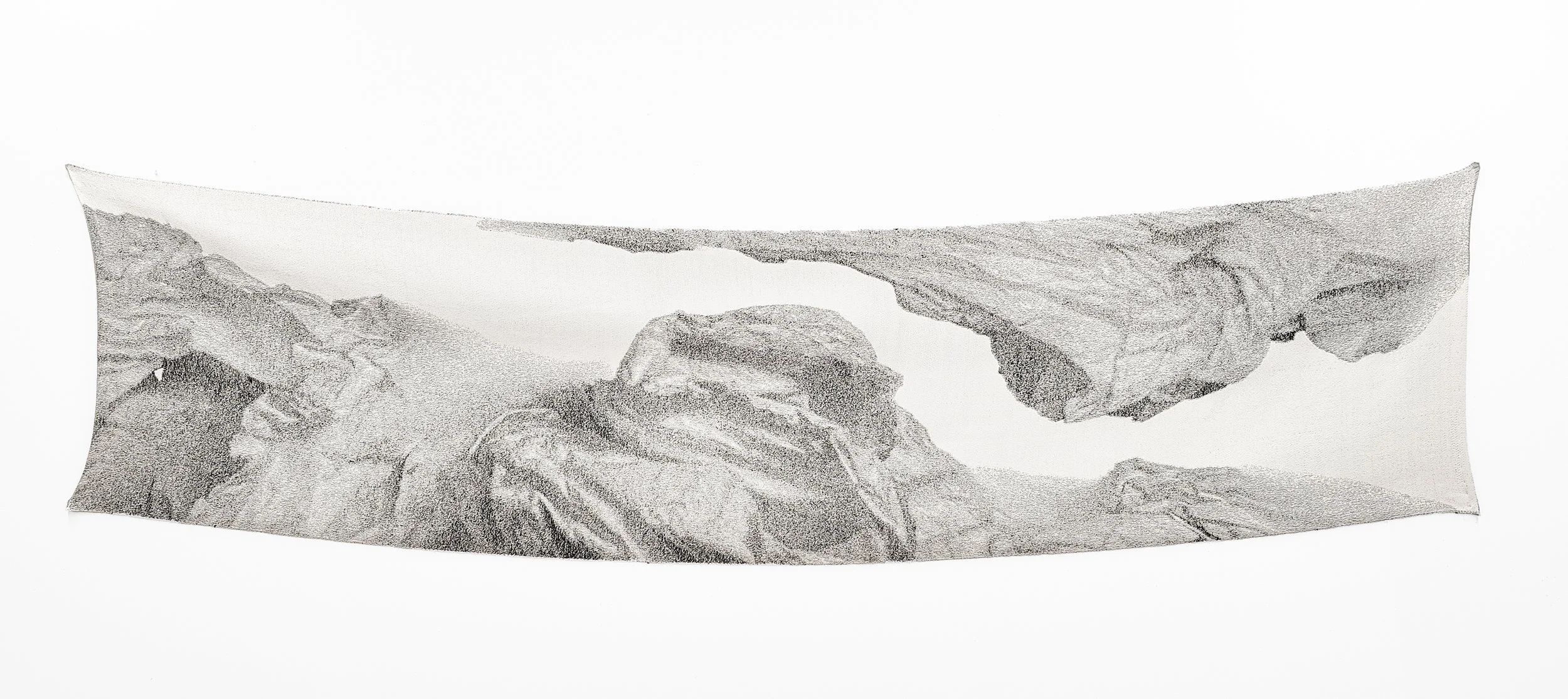
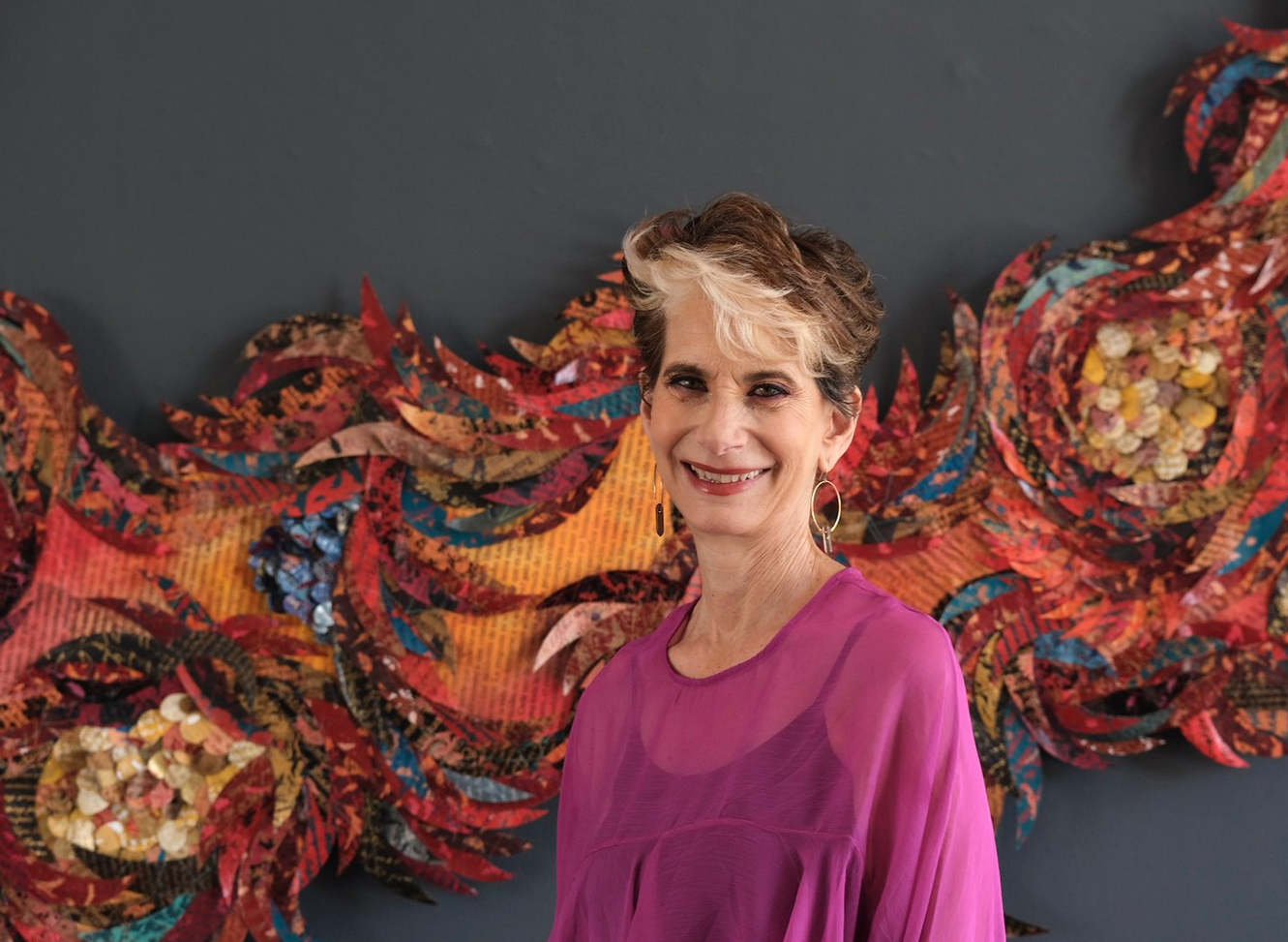

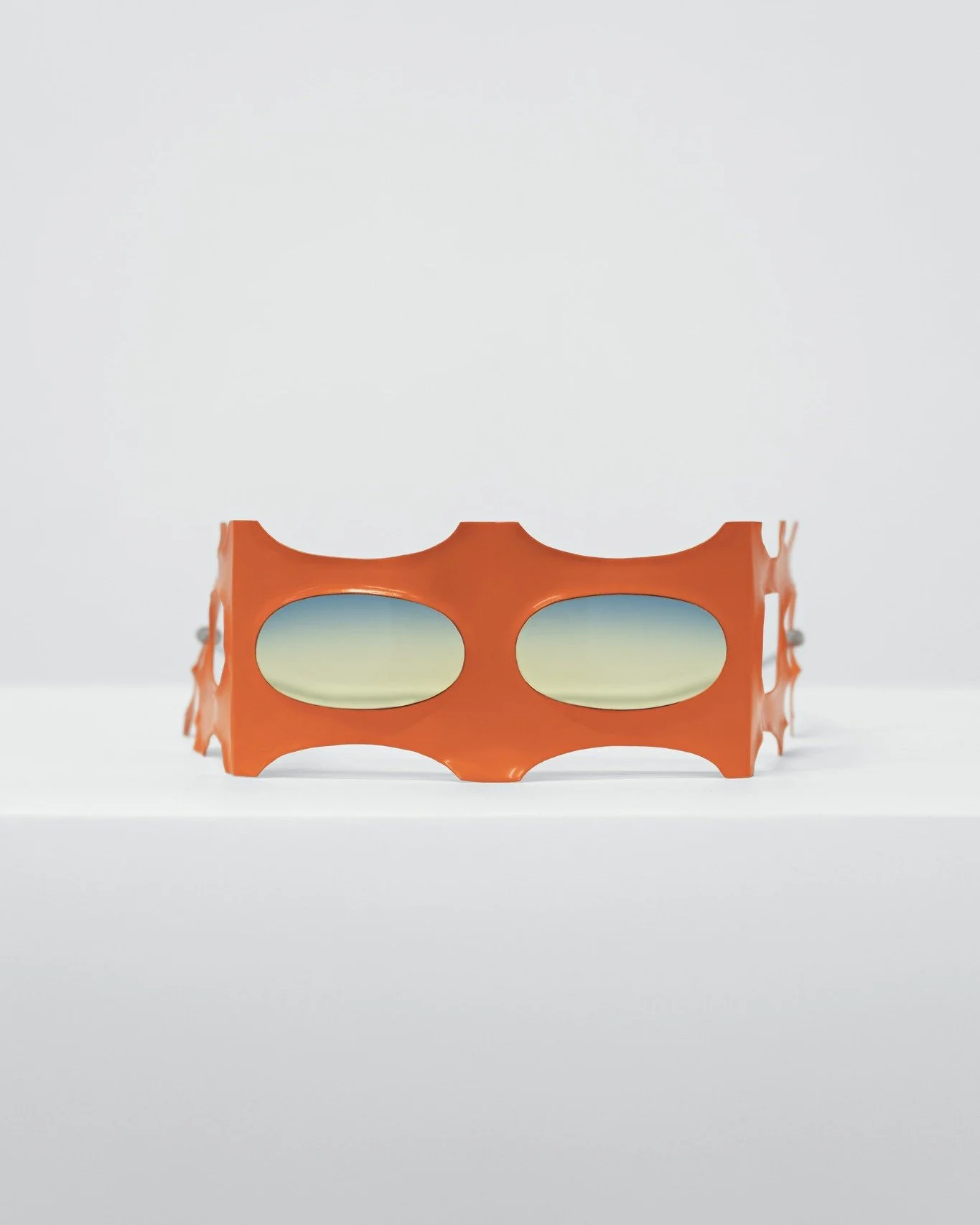
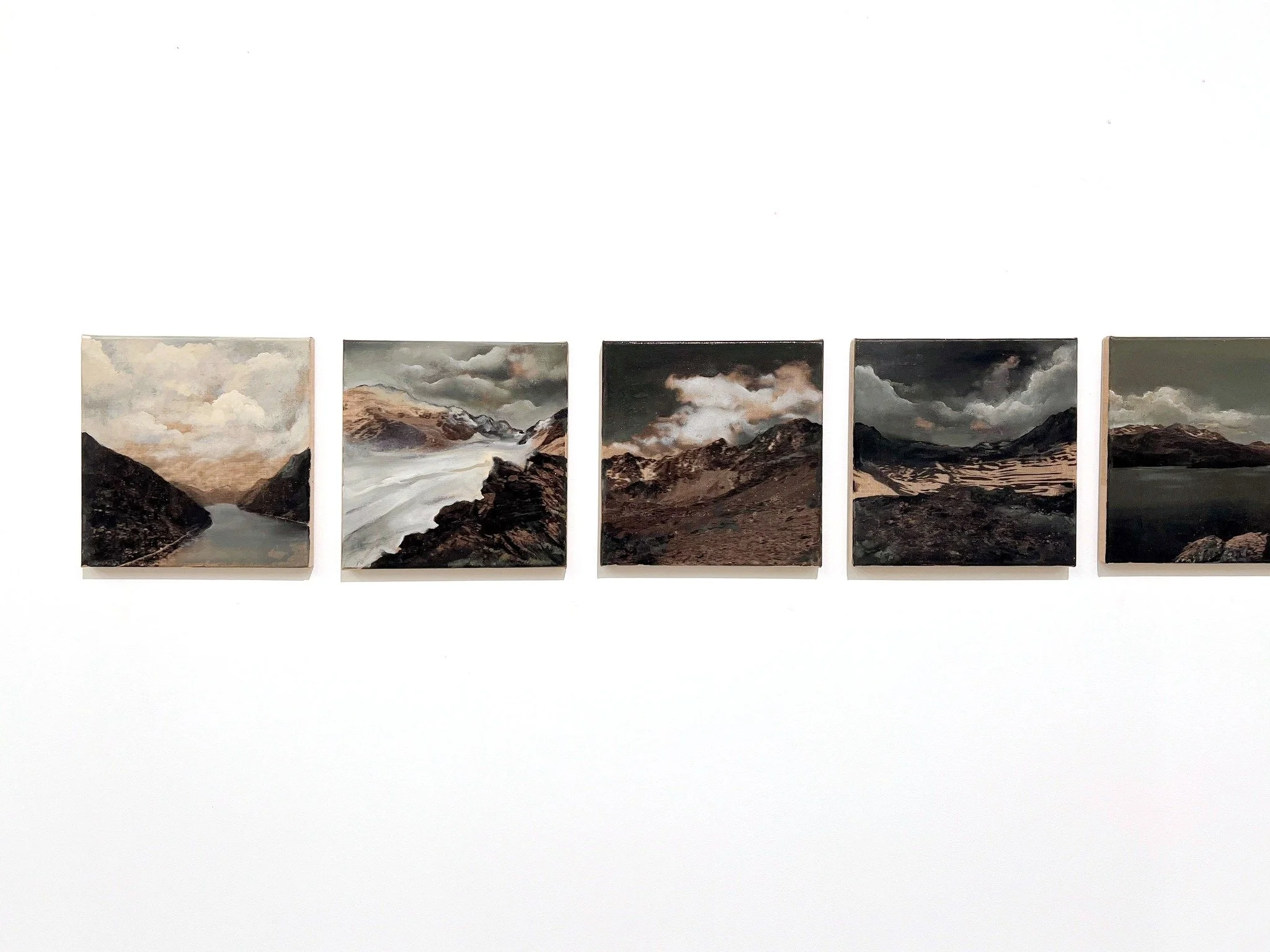
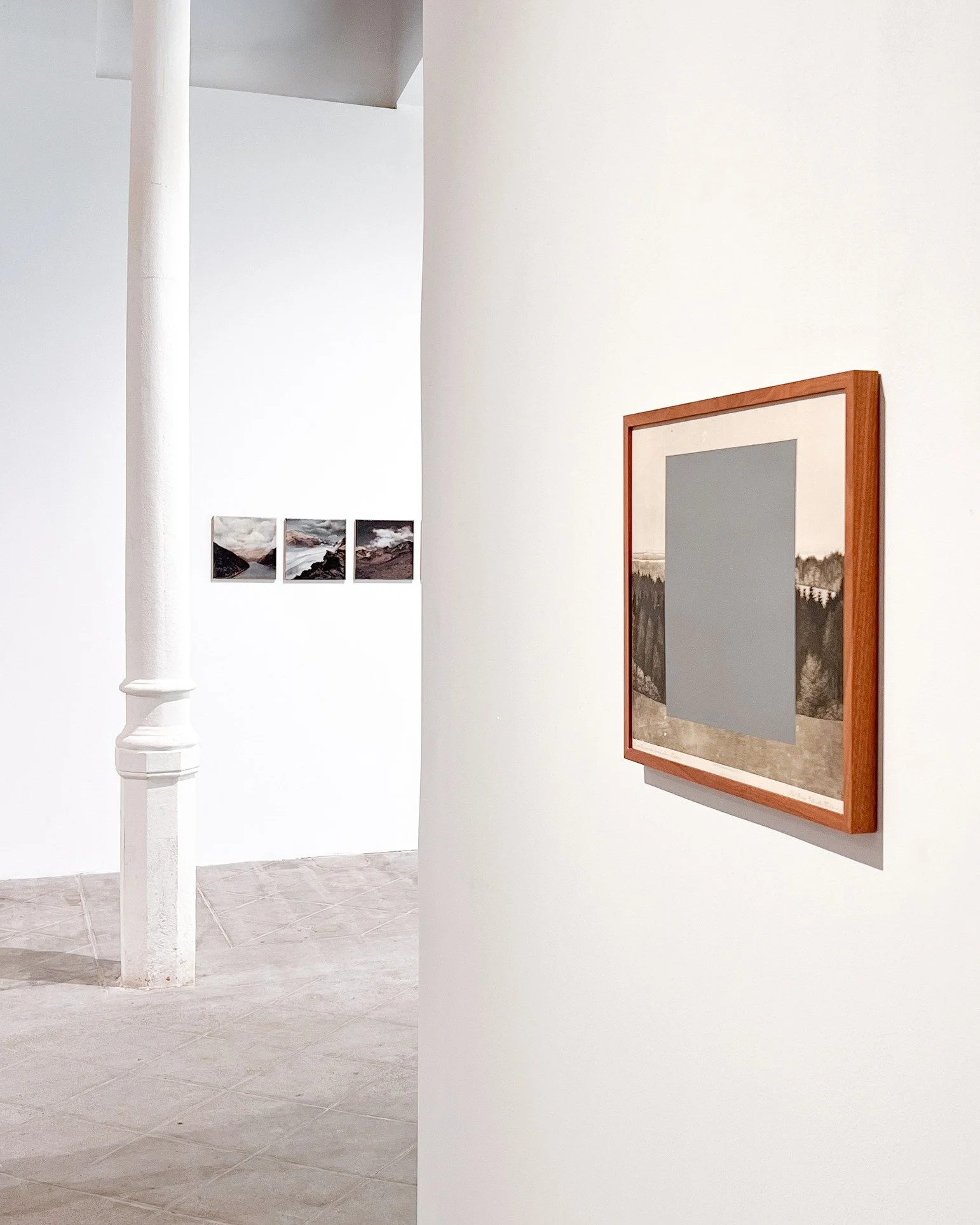
Boris Popoff is a textile artist and designer based in Barcelona. His work merges traditional weaving with sustainable material research. He is the creator of PETEXTILE, a project that transforms post-consumer PET plastic into woven textiles. His practice bridges craft and experimentation, positioning weaving as a cultural heritage and a contemporary investigation. He has exhibited and collaborated across art, design, and material research.