

10 Questions with Roudha Al Neama
Roudah Al Neama is a multidisciplinary artist based in Qatar whose practice spans digital painting, embroidery, oil, and architectural materials such as grout and tile. Rooted in personal narratives and reflective processes, her work transforms the surface of painting into a physical, tactile field. Drawing from intimate moments and her immediate environment, she examines the social and cultural fabric of her country, translating lived experience into material form.
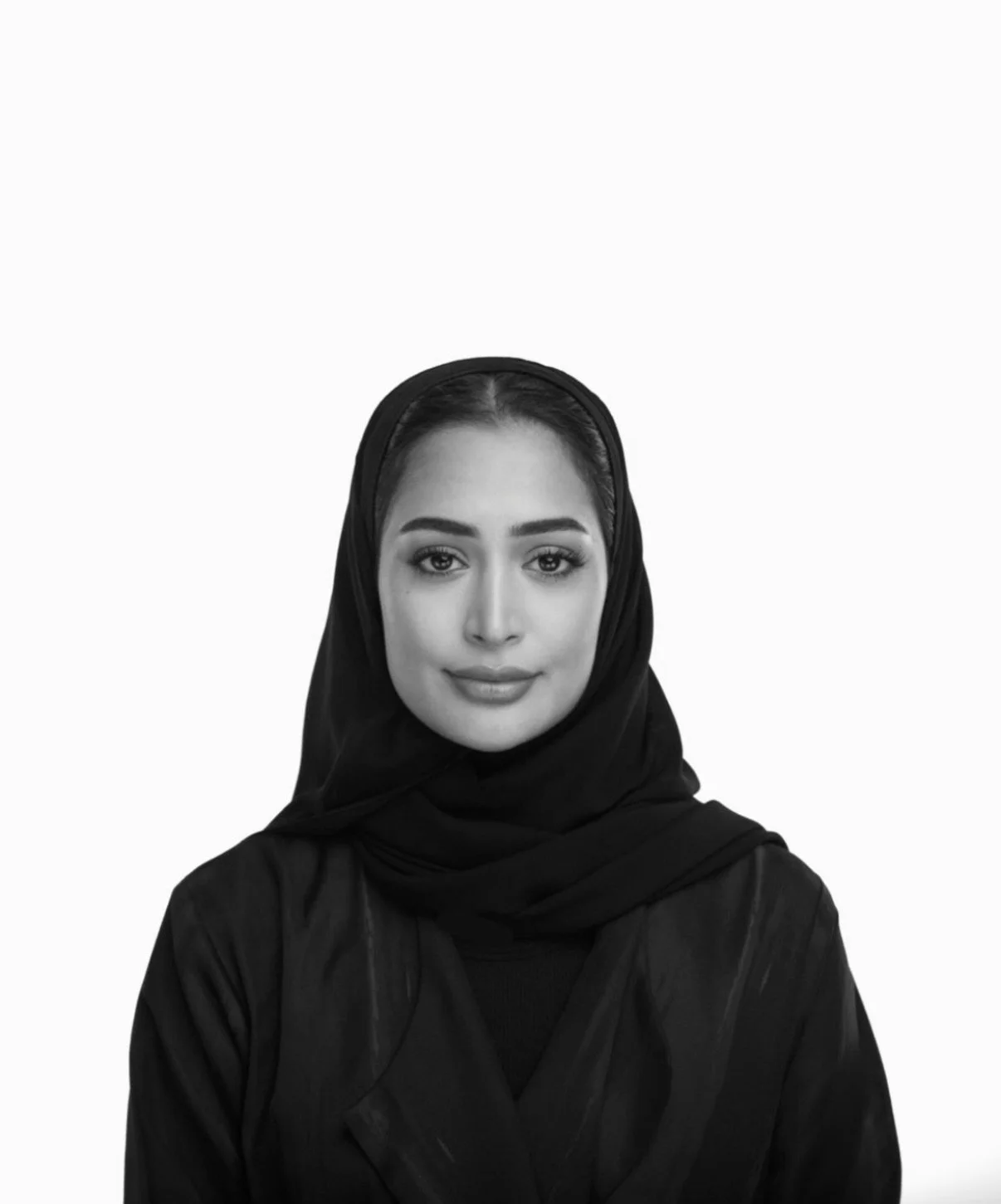
Roudha Al Neama - Portrait
Roudah Al Neama’s practice engages with personal memory and lived experience as a way of reflecting on broader social and political realities within her environment. Working across digital painting, embroidery, oil, and architectural materials such as tile and grout, her work explores how surfaces, spaces, and domestic materials can carry emotional and cultural meaning. Altiba9’s focus on contemporary voices from the region resonates closely with her practice, as she sees the platform as one that supports experimentation, material exploration, and critical engagement with place and identity.
In between seasons, digital, 53x53 cm, 2026 © Roudha Al Neama
INTERVIEW
First of all, could you introduce yourself to our readers? Who are you, and what first inspired you to become an artist?
I’m Roudah, a multidisciplinary artist based in Qatar. My practice moves across digital painting, embroidery, oil painting, and architectural materials such as tile and grout. My earliest inspiration came from my mother, whose presence and creativity deeply shaped the way I connected to art from a young age. Throughout my childhood, I found that art and imagery became a means of expression and emotional freedom for me — a space where I could process feelings, memories, and observations that felt difficult to articulate through words alone. Over time, that developed into a practice rooted in reflection, material exploration, and an interest in the social and cultural fabric of my environment.
How would you describe your artistic practice in your own words?
I would describe my practice as materially driven and deeply rooted in memory, lived experience, and observation. I’m interested in how surfaces can hold emotion and how domestic or architectural materials can become vessels for personal and cultural narratives. Much of my work begins from intimate moments or fragments of memory, which I then translate into tactile forms through layering, stitching, texture, and material experimentation.

Echos in bloom, printed tile, 53x53 cm, 2026 © Roudha Al Neama
You work with a wide range of materials, from digital painting to embroidery and architectural elements. How do you decide which medium best serves an idea?
Usually, the idea itself determines the medium. Some emotions or memories feel more suited to the softness and intimacy of embroidery, while others require the rigidity or permanence of tile, grout, or paint. I think carefully about the physical qualities of a material; its texture, weight, fragility, or durability and how those qualities can reinforce the emotional or conceptual direction of the work. The medium becomes part of the narrative rather than simply a tool to communicate it.
What challenges, or perhaps opportunities, do you encounter when moving between such different mediums?
Moving between mediums can be both challenging and liberating. Each material has its own language, limitations, and rhythm, so I’m constantly learning how to adapt my process and how to teach myself ways of working with the medium. At the same time, shifting between mediums keeps the work open and experimental. It allows me to approach ideas from multiple perspectives rather than becoming confined to a single visual language. I see fluidity as an important part of my practice.
Architectural materials like tile and grout are central to your work. What meanings or associations do these materials hold for you?
Tile and grout hold strong associations with domestic spaces, architecture, labor, and permanence. In Doha, these materials are everywhere, in homes, streets, mosques, and public spaces, so they naturally carry cultural and emotional familiarity for me. I’m interested in the tension between their functional role and their emotional potential. By incorporating them into painting and image-making, I try to transform materials associated with construction and utility into something intimate and reflective.

Still with me, 34.7×46.3 cm, 2022 © Roudha Al Neama
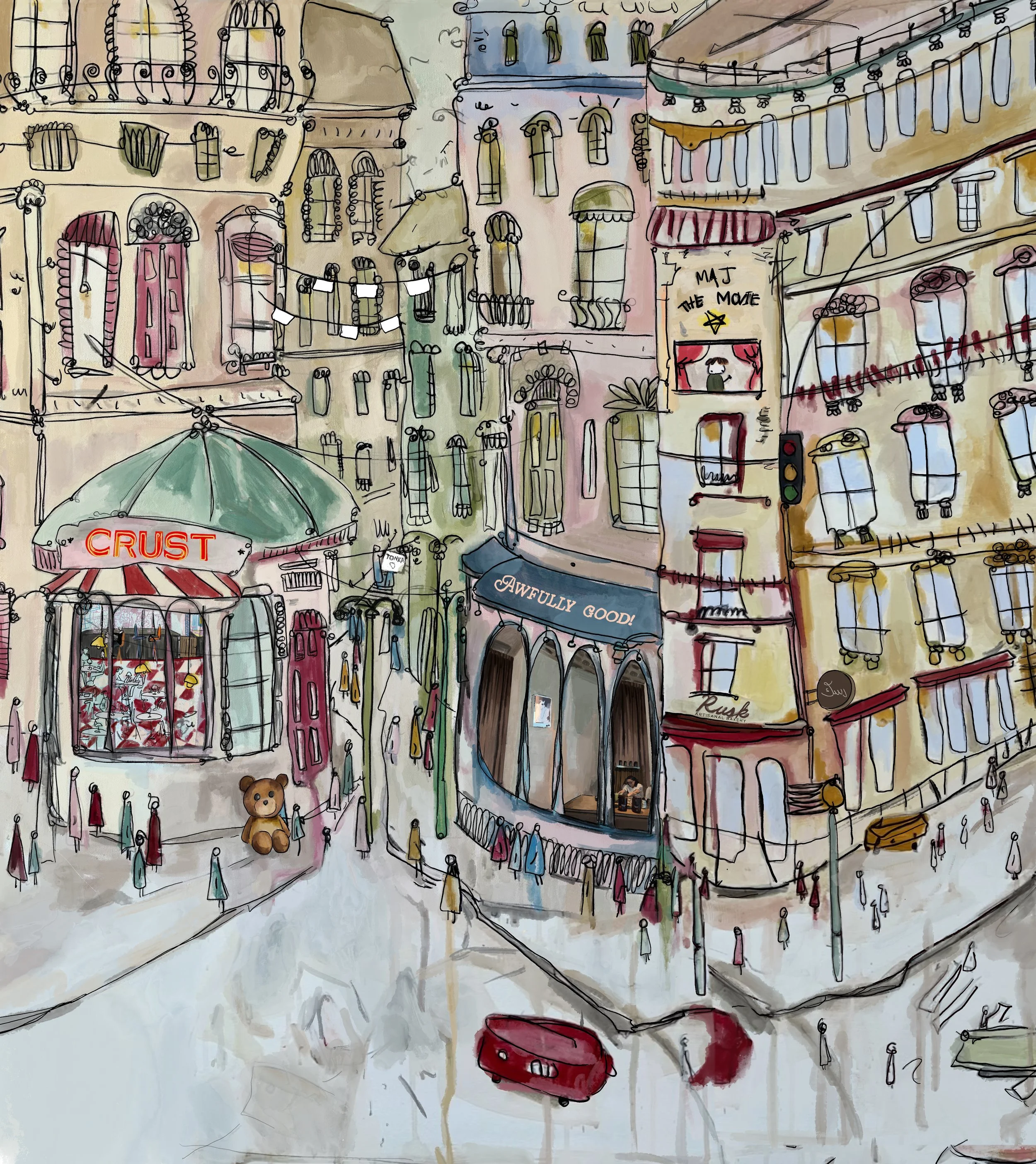
Untitled, digital painting, 23.2×26 cm, 2025 © Roudha Al Neama
Your practice is rooted in personal and everyday experiences, as you mention in your statement. How does your life in Qatar shape the narratives you explore?
Doha is a very new city, and living here shapes my work in subtle but significant ways. The environments, textures, social dynamics, and rapid transformations around me all influence the narratives I explore. I’m particularly interested in the relationship between memory and place, how personal experiences become tied to art and everyday rituals. My work often reflects on belonging, nostalgia, and the emotional traces left behind within rapidly changing spaces.
Your works often have a strong tactile quality. How important is the physical surface in conveying memory and emotion?
The physical surface is extremely important in my work because memory itself feels layered and tactile to me. Texture allows the work to exist beyond the image alone; it creates a physical presence that viewers can almost feel. Through stitching, layered paint, grout, or raised surfaces, I try to evoke the sensation of memory being built, eroded, preserved, or fragmented over time. The tactile quality becomes a way of communicating emotion materially rather than only visually.
There is an intimate dimension in your work that connects personal memory with broader social contexts. How do you navigate this balance?
I try to approach personal memory as something that can also speak collectively. Even when the work begins from an intimate or autobiographical place, I’m interested in how those experiences connect to broader social realities and shared emotional experiences. I think the balance comes from allowing the work to remain open-ended enough for viewers to project their own memories and associations onto it.

Return to self (me), digital painting, 63x42 cm, 2026 © Roudha Al Neama
What are you currently exploring or experimenting with in your practice?
Right now, I’m exploring the relationship between painting and architectural space more deeply. I’ve been experimenting with incorporating materials in ways that push the work further into installation and relief-based forms. I’m also interested in how repetition, pattern, and fragmentation can function as visual metaphors for memory and emotional persistence.
And lastly, how do you see your work evolving in the future? Are there new materials, techniques, or themes you feel drawn to explore next?
I see my work continuing to evolve through material experimentation and larger spatial engagement. I’m increasingly drawn to creating works that feel immersive through a blend of mediums. I’m interested in exploring scale, installation, and the possibility of integrating found materials into the work. Conceptually, I want to continue examining themes of memory, place, intimacy, and the emotional relationship between people and their environments, while expanding the ways those ideas can physically occupy space.
Artist’s Talk
Al-Tiba9 Interviews is a promotional platform for artists to articulate their vision and engage them with our diverse readership through a published art dialogue. The artists are interviewed by Mohamed Benhadj, the founder & curator of Al-Tiba9, to highlight their artistic careers and introduce them to the international contemporary art scene across our vast network of museums, galleries, art professionals, art dealers, collectors, and art lovers across the globe.


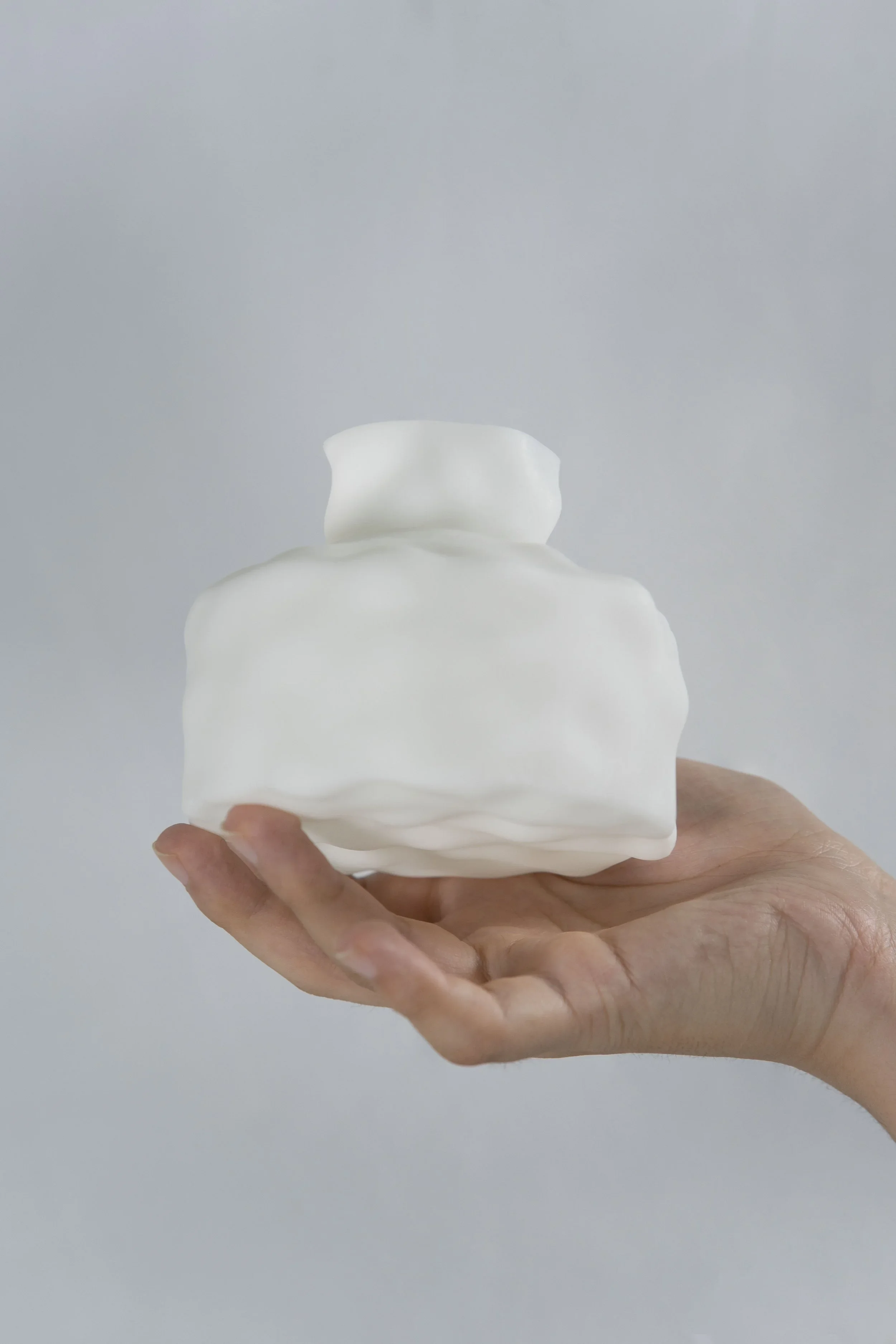


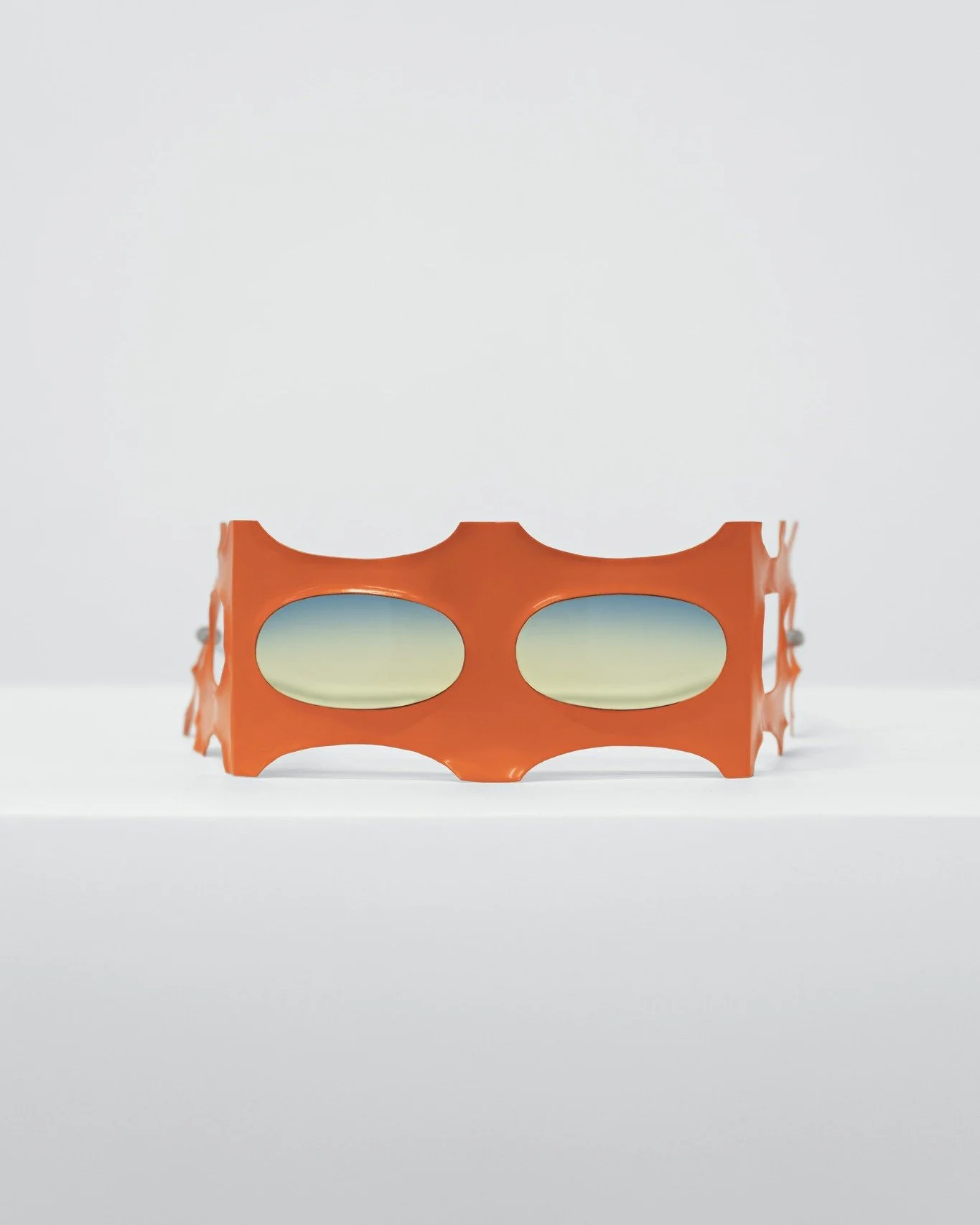
Dylan Low is a Malaysian visual artist, creative designer, and educator whose multidisciplinary practice bridges contemporary design and fine art. His work investigates the fluid boundaries between emotion, memory, and artistic observation. Using digital paintings as his primary tools, he creates immersive visual narratives that challenge perceptions of emotions in art and design.